
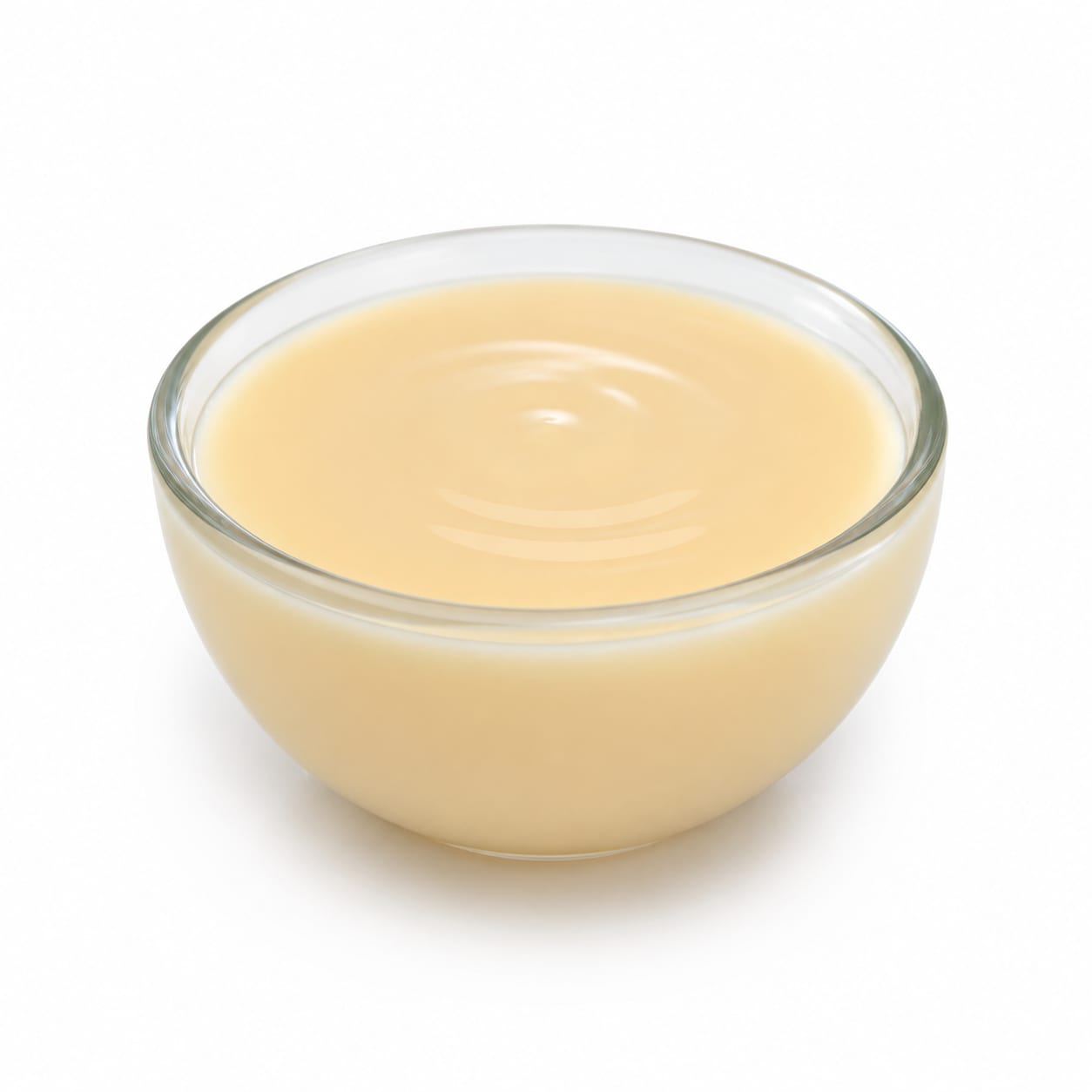
Dairy
Evaporated Milk
Canned concentrated milk with 60% of the water removed, offering a rich, creamy texture for cooking and coffee.
Shelf-stable canned cow's milk with approximately 60% of the water removed, resulting in a concentrated, slightly caramelized flavor and creamy texture.
concentrated dairy fat and protein source
Typical serving · 30g
Common varieties · whole, skim, low-fat, lactose-free
Overall context score across nutrition, safety, and diet fit
At a glance
Quick facts
Simple indicators based on nutrition, processing, and diet fit.
The story
What makes it unique
Water removal concentrates macronutrients by roughly 2x compared to fresh milk. Heat sterilization causes Maillard browning, altering flavor and slightly reducing lysine bioavailability. Digestion speed is moderate due to concentrated protein and fat content, offering moderate satiety.
Varieties: whole · skim · low-fat · lactose-free
Per 100g
Nutrition breakdown
Macro balance and key metrics at a glance.
Energy
Density 1.34 kcal/g
Protein
Carbs
Fat
Fiber
Sugar
10 g
Sodium
106 mg
Potassium
303 mg
Glycemic index
37
Glycemic load
4
Water content
74%
Standout compounds
Nutrient highlights
Calcium
highessential for bone health and muscle function
Phosphorus
moderatesupports bone health and energy metabolism
Protein
moderatesupports muscle maintenance and satiety
Vitamin D
moderateaids calcium absorption and immune function
Lactose
moderateprovides low-glycemic energy
Wellness map
Health scores & processing
NOVA processing scale
moderately processed · Whole food
Water is removed by evaporation, and the milk is homogenized, canned, and heat-sterilized. This causes Maillard browning and minor vitamin loss but typically involves no artificial additives.
Diet compatibility
- Weight loss
- Muscle gain
- Diabetes
- Gut health
- Low carb
- High protein
- Heart health
Relative standing
Food rankings
Qualitative ranks compared to similar whole foods.
- Satietymoderate
- Blood sugargood
- Nutrient densitygood
- Fitness fuelmoderate
- Processing qualitymoderate
Eat with confidence
Food safety profile
Commercially sterile due to canning. Primary concern is BPA exposure from can linings and conventional dairy farming practices.
Evidence confidence 85%
- Pesticideslow
- Antibioticsmoderate
- Heavy metalslow
- Contaminationlow
Watch for
- BPA from can linings
Safer choices
BPA-free canned varieties, organic evaporated milk
Prep tips
Check cans for dents or bulging before opening. Refrigerate promptly after opening and use within 3-5 days.
BPA exposure from can linings is the primary chemical concern; standard dairy industry antibiotic and hormone practices apply.
Deep dive
Health analysis
How this food may fit different goals and preparation choices.
Weight loss
Moderate calorie density and liquid form make portion control important. Fat-free versions save calories but sacrifice some creaminess.
Blood sugar
Contains only lactose, which has a low glycemic index. Suitable in moderation for blood sugar management, unlike condensed milk.
Fitness & energy
Provides a mix of slow-digesting protein and carbohydrates, useful for weight gain or as a post-workout addition in smoothies.
Gut health
Lacks fiber and contains lactose, which can trigger symptoms in lactose-intolerant individuals. Lactose-free versions are available.
Processing quality
Heat sterilization reduces some heat-sensitive vitamins and causes Maillard browning, but retains minerals and most protein quality.
Food safety
Canning process makes it shelf-stable and microbiologically safe. BPA linings are the primary chemical concern for regular consumers.
Common mistakes
Confusing it with sweetened condensed milk in recipes, drastically altering the sugar and calorie content of the dish.
Best preparation
Used as a coffee creamer, in mac and cheese, chowders, and baking. Chilled fat-free evaporated milk can be whipped as a lower-fat whipped topping.
Practical guide
Best use cases
When and how this food fits real eating patterns.
Creamy soup base
Adds richness and body to chowders and cream soups without the high fat content of heavy cream.
Homemade mac and cheese
Creates a smooth, velvety cheese sauce with concentrated dairy flavor.
Coffee creamer
Provides a shelf-stable, creamy addition to coffee without the added sugars of flavored creamers.
Lower-fat whipped topping
Chilling fat-free evaporated milk and whipping it creates a lighter alternative to whipped cream.
Balance sheet
Pros & cons
Upsides
- Long shelf life without refrigeration
- Contains no added sugar
- Good source of concentrated calcium and protein
- Adds creaminess to recipes with less fat than heavy cream
- Low glycemic index due to lactose
Trade-offs
- Contains lactose, unsuitable for lactose-intolerant individuals
- Canned varieties may expose consumers to BPA in linings
- Higher in calories and saturated fat per volume than regular milk
- Not suitable for strict low-carb or keto diets
- Some B-vitamin loss occurs due to heat processing
Fit check
Who is it for?
Great match
- creamy soup recipes
- homemade mac and cheese
- coffee creaming
- emergency shelf-stable dairy
- bulking and weight gain diets
Consider alternatives
- strict ketogenic diets
- lactose-intolerant individuals
- low-calorie weight loss diets
- those avoiding BPA exposure
Side by side
How it compares
Open the full head-to-head analysis for nutrition, safety, and practical tradeoffs.
This food
Evaporated Milk
VS85% alike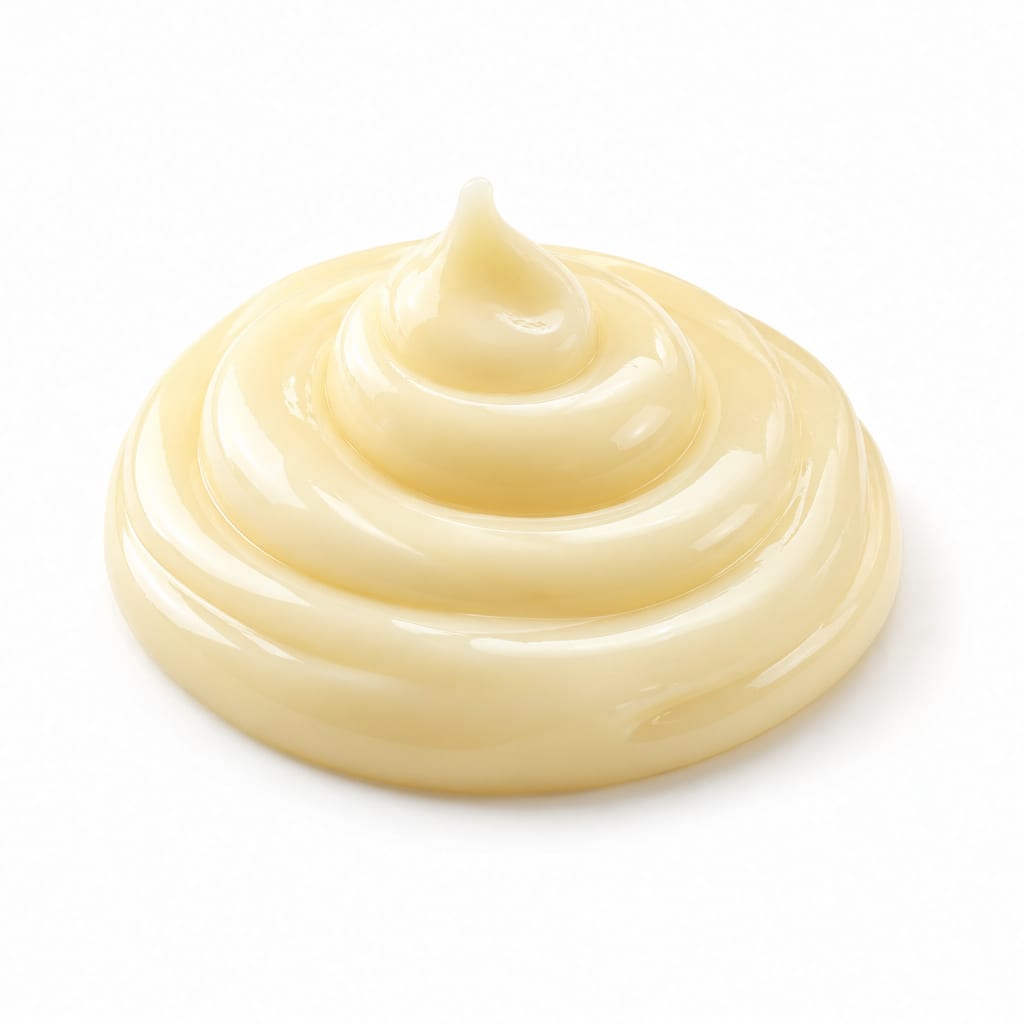
Compare with
Sweetened Condensed Milk
Evaporated milk is unsweetened and much lower in calories and sugar, while condensed milk is thick and heavily sweetened.
Evaporated milk is far lower in sugar and calories than sweetened condensed milk, making it better for weight loss and blood sugar control.
This food
Evaporated Milk
VS90% alike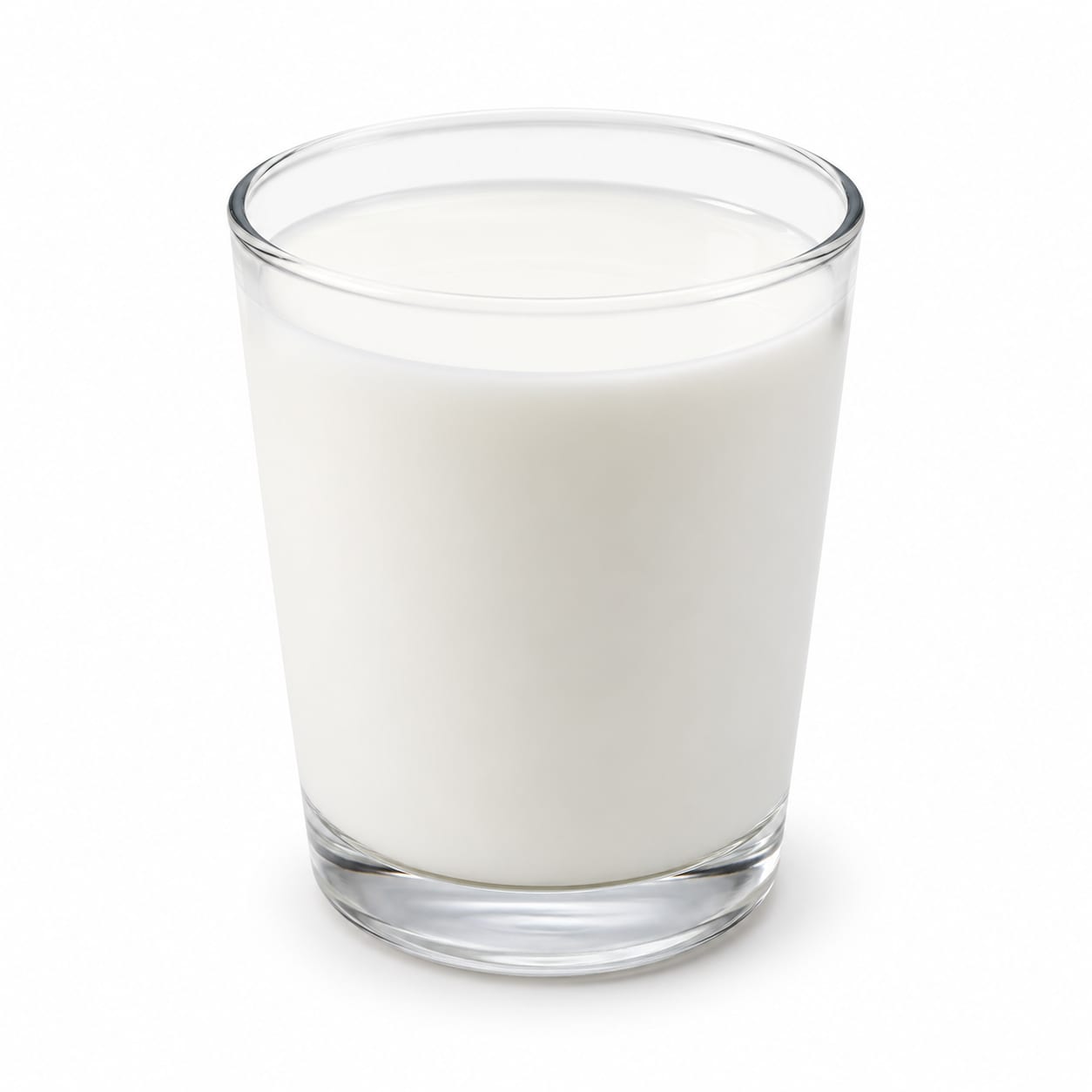
Compare with
Whole Milk
Evaporated milk is twice as concentrated in calories, protein, and carbs per volume, but similar per calorie.
Whole milk is better for weight loss due to lower calorie density, while evaporated milk offers more protein and creaminess per cup.
This food
Evaporated Milk
VS75% alike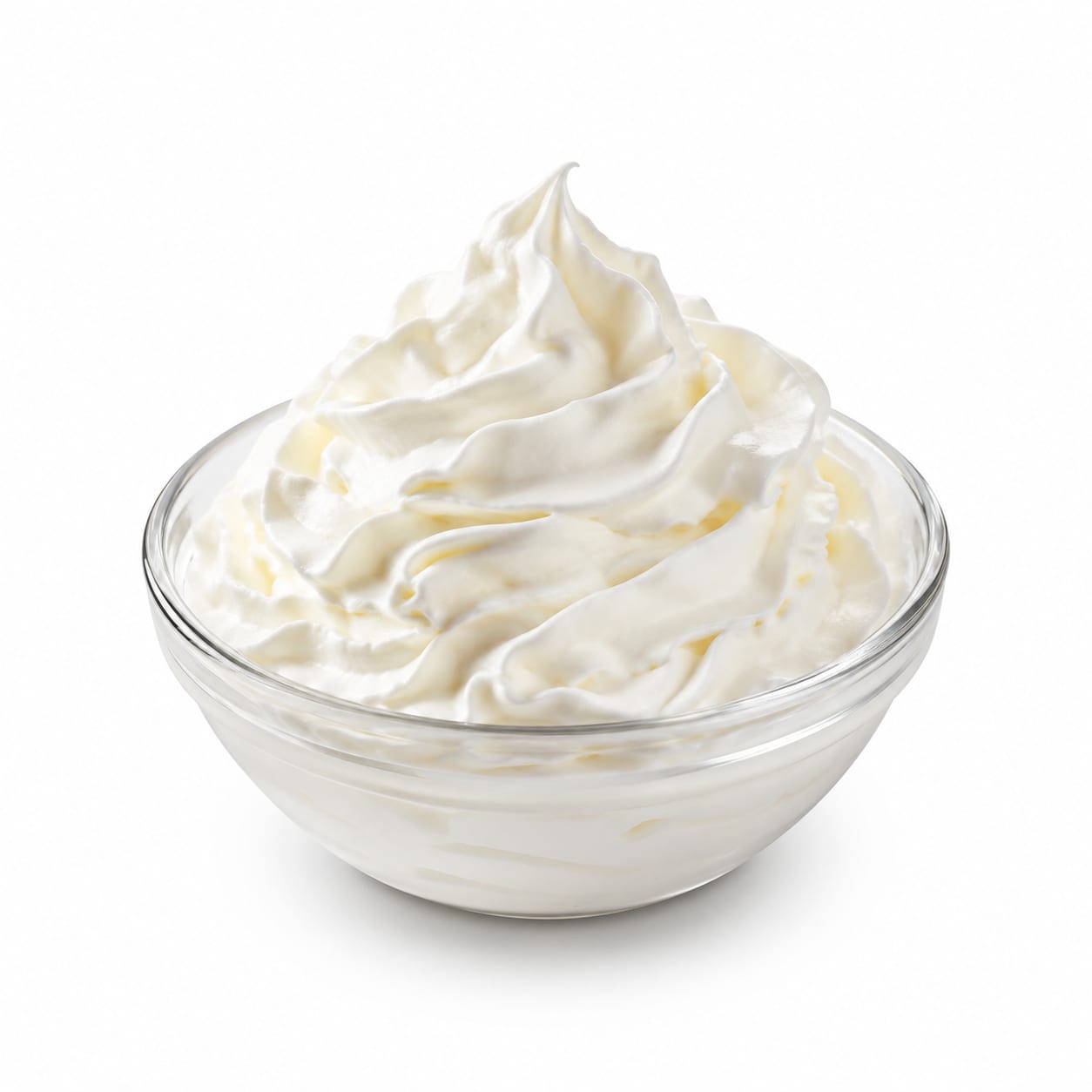
Compare with
Heavy Cream
Heavy cream is much higher in fat and calories, while evaporated milk provides protein and carbs with less fat.
Evaporated milk is lower in fat and calories than heavy cream, making it a lighter choice for adding creaminess to recipes.
This food
Evaporated Milk
VS80% alike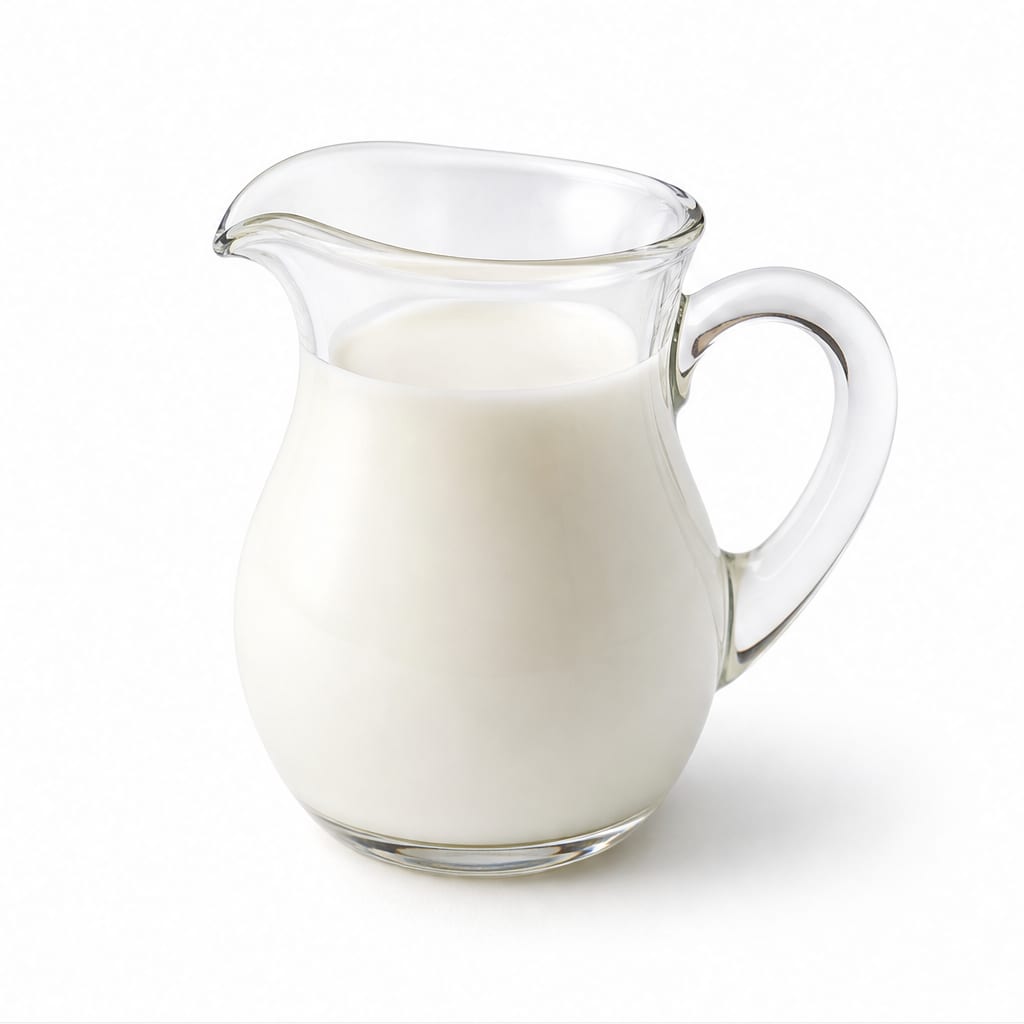
Compare with
Half-and-Half
Evaporated milk is slightly richer and higher in protein than half-and-half, with similar fat content.
Evaporated milk provides more protein than half-and-half, though both are popular coffee creamers with similar calorie counts.
This food
Evaporated Milk
VS85% alike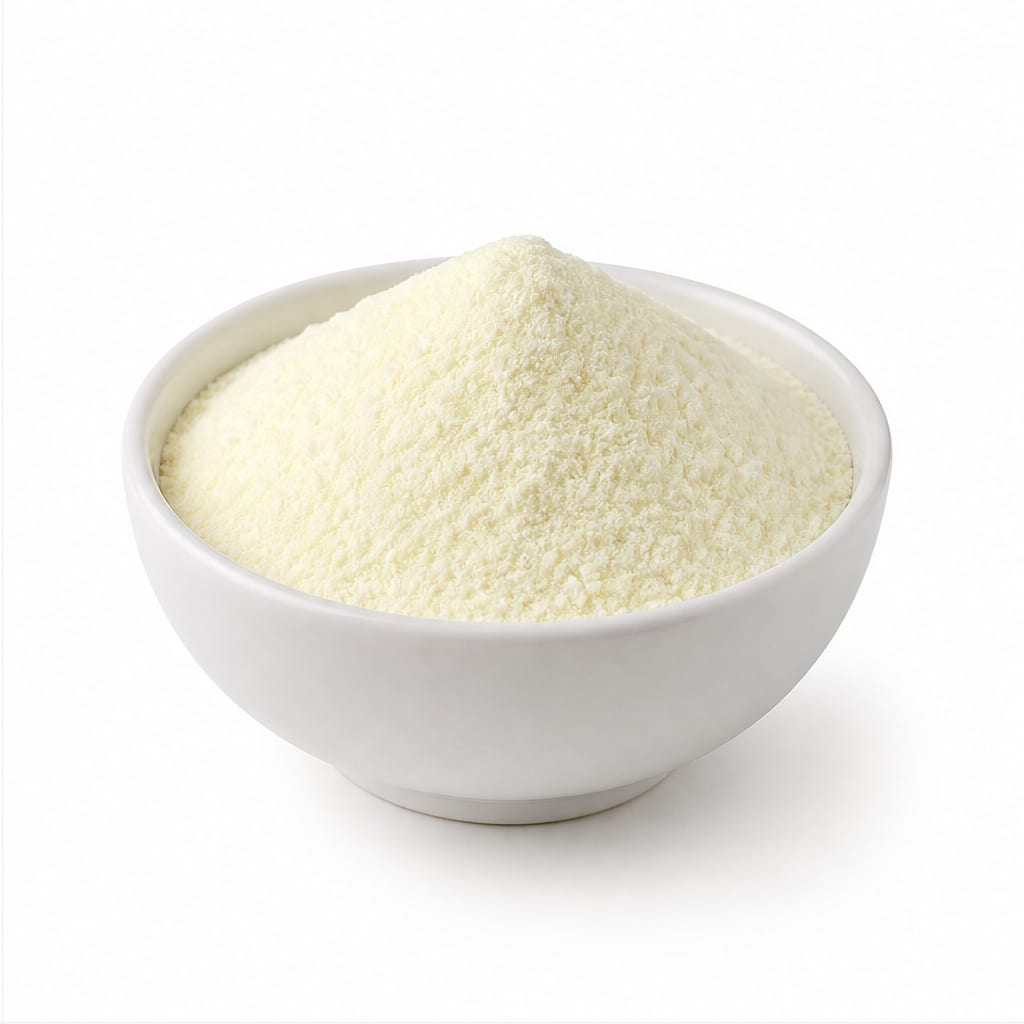
Compare with
Powdered Milk
Powdered milk is fully dehydrated, while evaporated milk is about 60% dehydrated. Nutritionally similar when reconstituted.
Powdered milk and evaporated milk offer similar nutrition, but powdered milk is more compact for storage while evaporated milk is ready to pour.
This food
Evaporated Milk
VS65% alike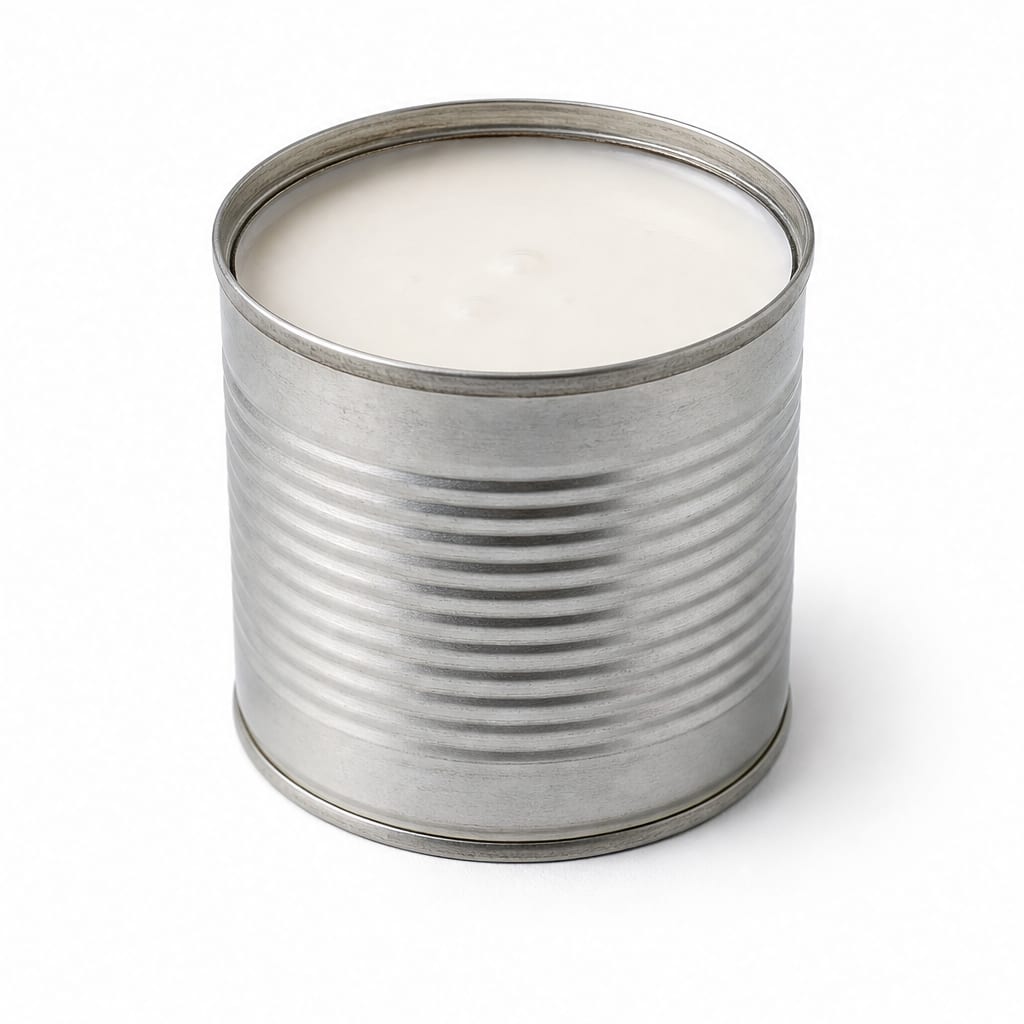
Compare with
Canned Coconut Milk
Coconut milk is much higher in saturated fat and calories, while evaporated milk offers protein.
Evaporated milk is higher in protein and lower in calories than canned coconut milk, which is much higher in fat.
This food
Evaporated Milk
VS50% alike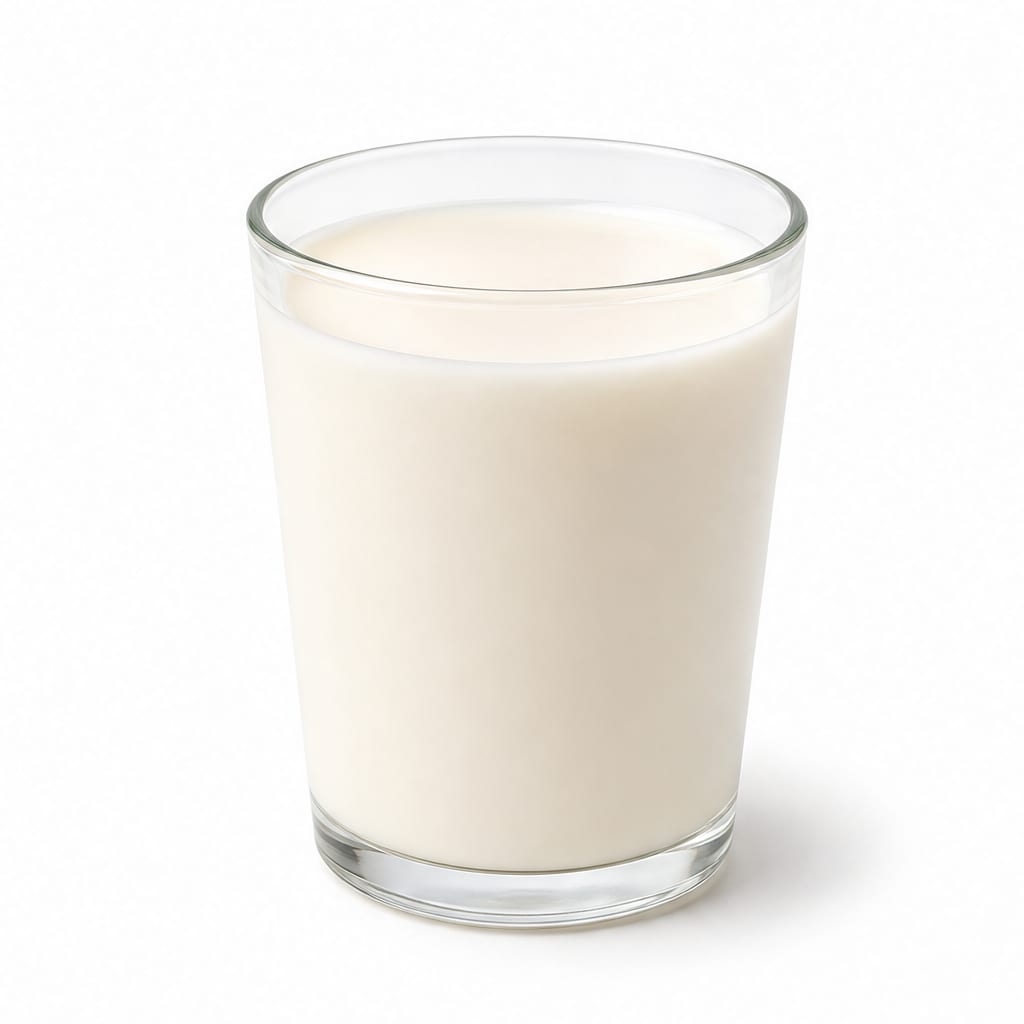
Compare with
Unsweetened Almond Milk
Almond milk is very low in calories and carbs, while evaporated milk is dense in protein and calories.
Unsweetened almond milk is far lower in calories and carbs for weight loss, while evaporated milk provides significantly more protein.
This food
Evaporated Milk
VS55% alike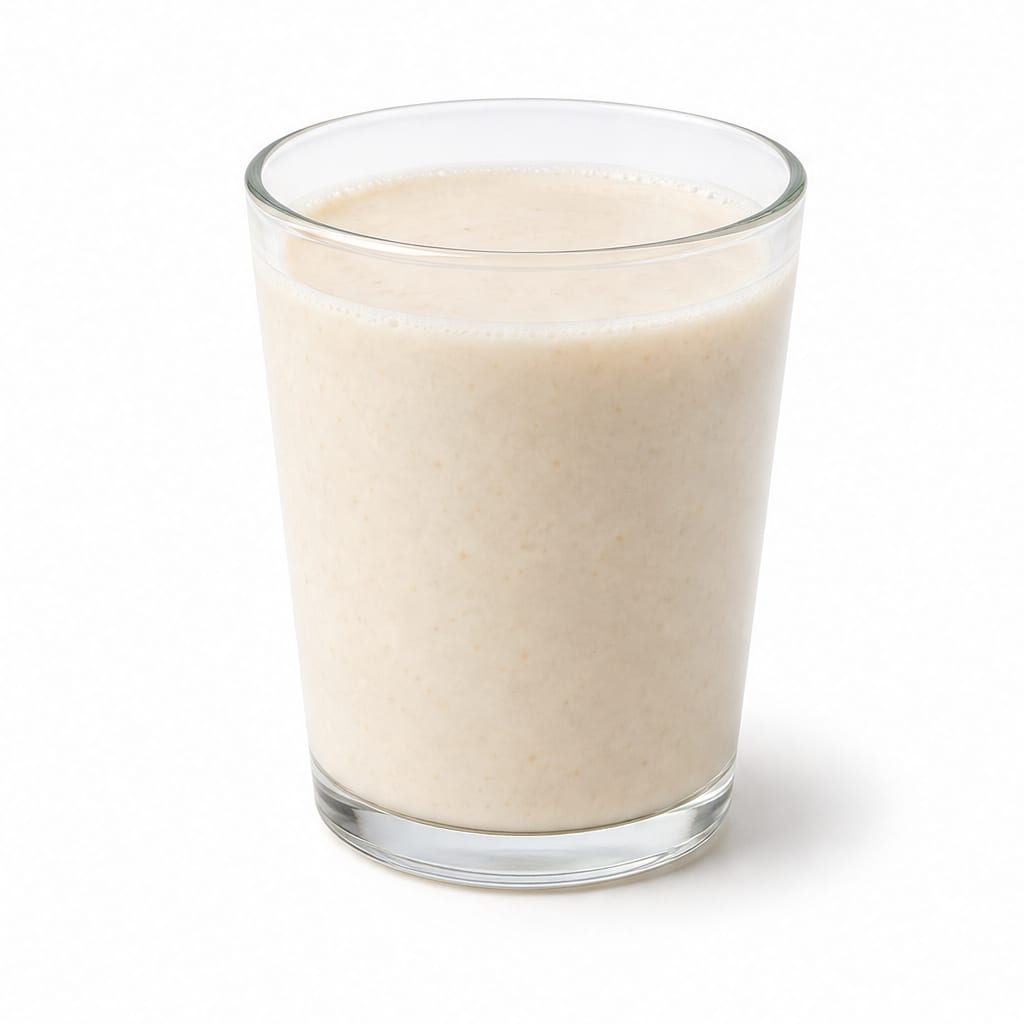
Compare with
Oat Milk
Oat milk is plant-based and higher in carbs, while evaporated milk is dairy-based with more protein.
Evaporated milk offers more protein and a lower glycemic index than oat milk, which is higher in carbohydrates.
This food
Evaporated Milk
VS60% alike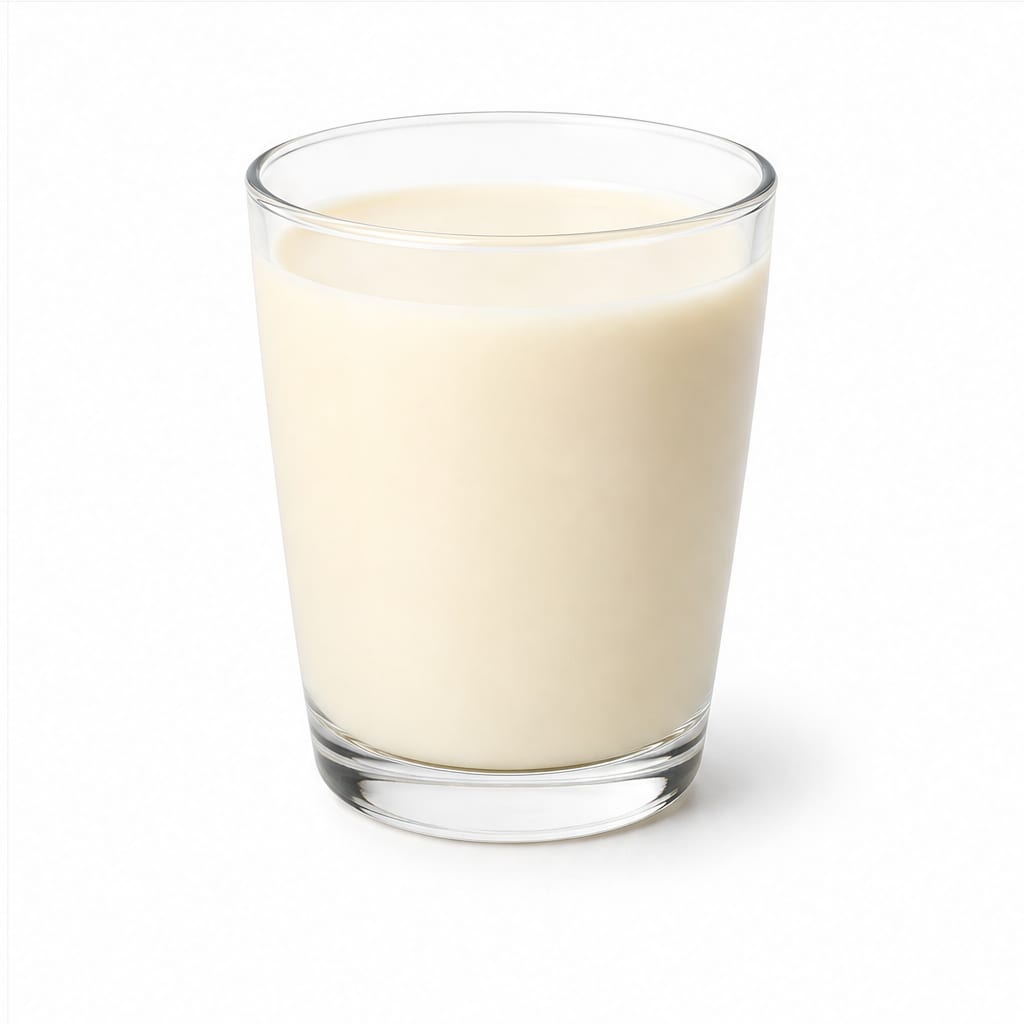
Compare with
Soy Milk
Soy milk is plant-based with comparable protein, while evaporated milk is denser in calories and calcium.
Soy milk is lower in calories and carbs for weight loss, while evaporated milk provides richer creaminess and more calcium per serving.
This food
Evaporated Milk
VS98% alike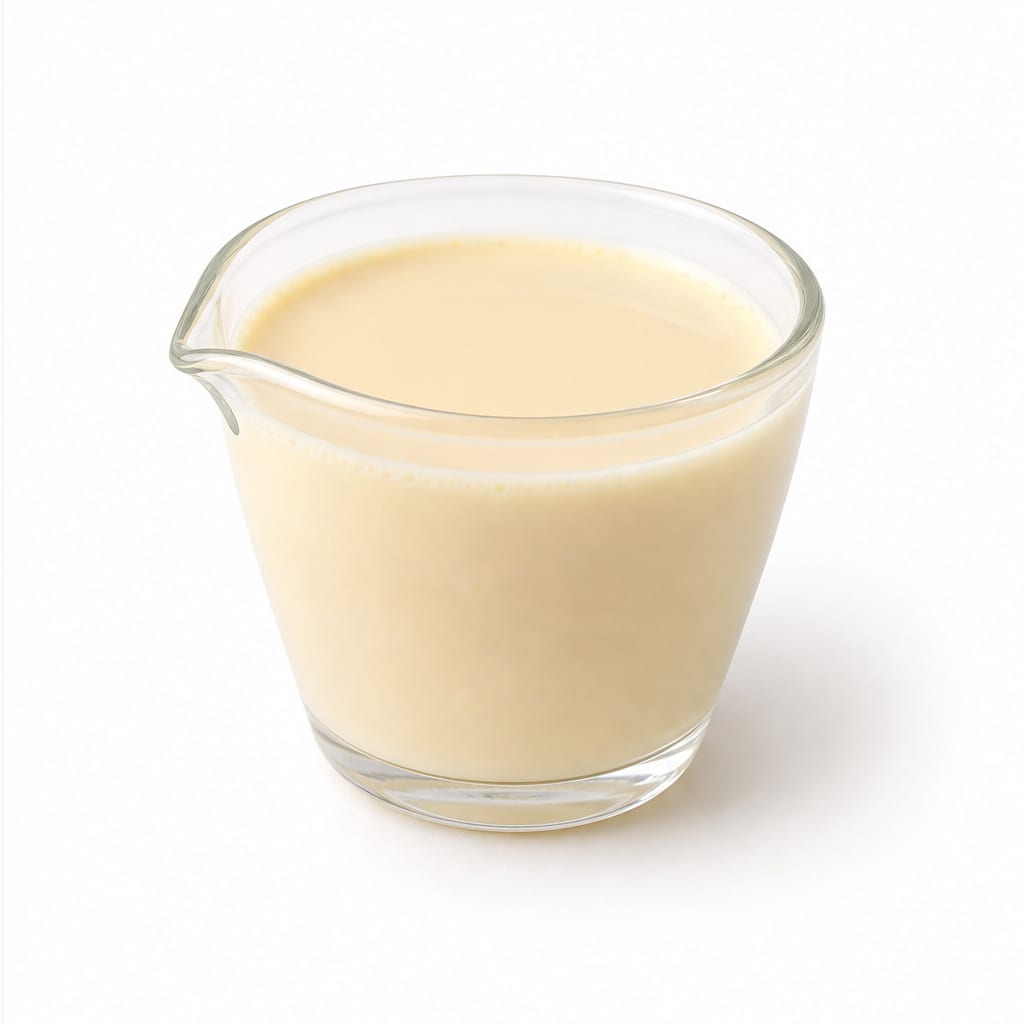
Compare with
Skim Evaporated Milk
Skim evaporated milk removes the fat, saving calories while retaining protein and calcium.
Skim evaporated milk is lower in calories and fat than whole evaporated milk, making it better for weight loss while keeping protein high.
Common questions
FAQ
Answers aligned with how people search for this food.
Is evaporated milk the same as condensed milk?
No. Sweetened condensed milk is heavily sweetened with added sugar, while evaporated milk contains no added sugar, only naturally occurring lactose.
Can you drink evaporated milk straight?
Yes, it is safe to drink straight from the can. It can also be reconstituted with an equal amount of water to approximate regular milk.
Is evaporated milk good for diabetics?
It has a low glycemic index due to its lactose content and contains no added sugar, making it a better option than condensed milk, but portion control is still important due to concentrated carbohydrates.
Does evaporated milk have a lot of sugar?
It contains about 10g of sugar per 100g, which is entirely naturally occurring lactose, not added sugar. This is roughly double the concentration of regular milk.
Can you use evaporated milk in coffee?
Yes, it is a popular coffee creamer that provides a rich, creamy texture without the added sugar found in flavored creamers.
Is evaporated milk keto-friendly?
No, it contains too many carbohydrates from lactose (about 10g per 100g) to fit comfortably into a strict ketogenic diet.
What is the difference between evaporated milk and regular milk?
Evaporated milk has about 60% of the water removed, making it thicker, creamier, and roughly double the calorie and nutrient density per volume compared to regular milk.
Does evaporated milk go bad?
Unopened cans last for months past the printed date. Once opened, it should be transferred to a sealed container, refrigerated, and used within 3 to 5 days.
Can I substitute evaporated milk for regular milk in recipes?
Yes, but you should dilute it with an equal amount of water to match the consistency and concentration of regular milk.
Is evaporated milk high in fat?
Whole evaporated milk contains about 7.6g of fat per 100g. Skim and low-fat varieties are available with significantly less fat.
Transparency
Data confidence
Estimated confidence for nutrition data, interpretation, safety notes, and comparisons.
Nutrition data
Health analysis
Food safety
Comparisons