
Nutrition comparison
Evaporated Milk vs Canned Coconut Milk: Nutrition, Taste, and Health Comparison
Compare Evaporated Milk and Canned Coconut Milk side by side. Learn which is better for protein, calcium, weight loss, dairy-free diets, and cooking.
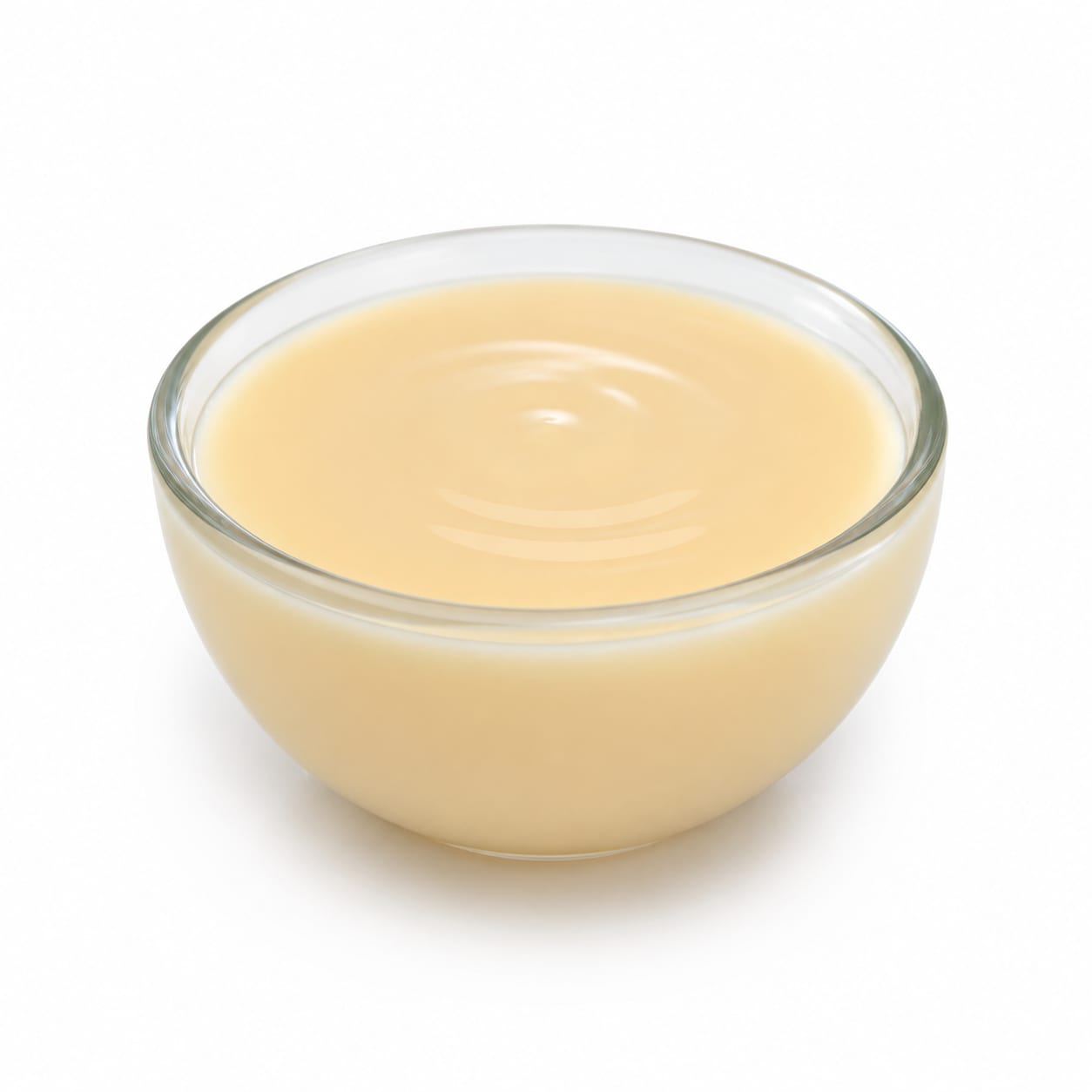
Evaporated Milk

Canned Coconut Milk
Evaporated Milk wins on nutrition and bone health; Canned Coconut Milk wins for dairy-free diets and rich flavor with fewer carbs.
Evaporated Milk scores higher due to meaningful protein, calcium, and B-vitamin content. Canned Coconut Milk lags because it delivers mostly saturated fat with very little nutritional payoff per calorie. However, for dairy-free needs, Canned Coconut Milk becomes the only viable option, which the overall score cannot fully capture.
Real dairy protein and calcium versus plant-based freedom and tropical flavor at a higher calorie cost.
At a glance
Executive summary
Overall
It depends
Healthier
Evaporated Milk
More practical
It depends
Daily use
Evaporated Milk
Key comparison lenses
dairy vs plant based cooking
Users comparing these are almost certainly deciding which creamy ingredient to use in recipes
saturated fat and heart health
Both are high in saturated fat but from very different sources with different health implications
allergy and dietary restriction compatibility
Lactose intolerance and vegan diets make this a critical deciding factor
nutritional value per calorie
Evaporated Milk offers protein and calcium while Canned Coconut Milk is calorically dense with minimal nutrients
weight management
Calorie density differs dramatically and affects portion control and satiety
Best choice for
Evaporated Milk
- Bone health support
- Higher protein diets
- Baking and creamy soups needing structure
- Families wanting calcium-rich ingredients
- Budget-conscious cooking
Canned Coconut Milk
- Vegan and dairy-free lifestyles
- Lactose intolerance
- Southeast Asian and Caribbean curries
- Keto and very low-carb diets
- Rich dessert bases like panna cotta
Least suitable for
Evaporated Milk
- Lactose-intolerant individuals
- Vegan diets
- Strict saturated fat restriction
- Cow's milk allergy
Canned Coconut Milk
- Low-calorie or weight loss diets
- Protein-focused nutrition
- Calcium-priority diets
- Guar gum sensitivity
Deep comparison
Dimension by dimension
Each lens scores both foods and breaks down who each option suits.
- Dimension 1 · Priority 95Evaporated Milk
Nutritional Density
Evaporated Milk · 78Canned Coconut Milk · 25Evaporated Milk provides protein, calcium, phosphorus, and B vitamins in every serving. Canned Coconut Milk is essentially flavored fat with trace minerals.
Tradeoff
You get real nourishment from Evaporated Milk but must tolerate dairy. Canned Coconut Milk avoids dairy but gives almost nothing nutritionally beyond calories.
Why it matters
If your creamy ingredient is contributing to your daily nutrient needs, Evaporated Milk pulls real weight. Canned Coconut Milk is a calorie investment with minimal return.
Real-world impact
A cup of Evaporated Milk covers about 70% of daily calcium needs. A cup of Canned Coconut Milk covers less than 5%.
Evaporated Milk
- Meeting daily protein targets
- Bone-supportive diets
- Growing children needing calcium
- Older adults preventing bone loss
Better for
- Dairy-allergic households
Worse for
Canned Coconut Milk
- Pure calorie intake for underweight individuals
- Situations where zero protein is preferred
Better for
- Anyone tracking nutrient-to-calorie ratios
- Malnutrition risk in calorie-restricted diets
Worse for
- Dimension 2 · Priority 90It depends
Fat Profile and Heart Health
Evaporated Milk · 45Canned Coconut Milk · 40Both are high in saturated fat. Evaporated Milk has shorter-chain dairy fat; Canned Coconut Milk has lauric acid which may raise both good and bad cholesterol.
Tradeoff
Dairy saturated fat comes with protein and calcium as mitigating factors. Coconut saturated fat comes alone but may have modest HDL benefits.
Why it matters
Neither is a heart-health hero. The question is which saturated fat package does less harm in your overall diet.
Real-world impact
Using either daily in large amounts could impact cholesterol. Moderation matters more than choosing between them.
Evaporated Milk
- Diets where dairy fat is already tolerated well
- People whose cholesterol responds better to dairy fat
Better for
- People with diagnosed hypercholesterolemia
Worse for
Canned Coconut Milk
- People whose HDL benefits from lauric acid
- Plant-based diets avoiding all animal fat
Better for
- Anyone monitoring LDL cholesterol closely
- Low-fat diet prescriptions
Worse for
- Dimension 3 · Priority 85Canned Coconut Milk
Allergy and Dietary Restriction Fit
Evaporated Milk · 30Canned Coconut Milk · 90Canned Coconut Milk is naturally dairy-free, lactose-free, and vegan. Evaporated Milk excludes anyone with cow's milk allergy or lactose intolerance.
Tradeoff
Canned Coconut Milk opens access for millions who cannot touch dairy. Evaporated Milk locks out a significant portion of the population.
Why it matters
For roughly 65% of the global population with some lactose malabsorption, Canned Coconut Milk is not just preferable—it is the only option.
Real-world impact
If you are cooking for a mixed group, Canned Coconut Milk is the safer inclusive choice.
Evaporated Milk
- Households without any dairy restrictions
Better for
- Any lactose-intolerant person
- Vegan guests
- Kosher meat dishes
Worse for
Canned Coconut Milk
- Vegan and plant-based diets
- Lactose-intolerant individuals
- Cow's milk allergy
- Shared meals with unknown dietary needs
- Kosher meat meals requiring no dairy
Better for
- Tree nut allergy concerns (rare but possible)
Worse for
- Dimension 4 · Priority 80Evaporated Milk
Calorie Efficiency and Weight Management
Evaporated Milk · 60Canned Coconut Milk · 30Evaporated Milk delivers more nutrients per calorie. Canned Coconut Milk is extremely calorie-dense with little satiety payoff from protein.
Tradeoff
Evaporated Milk helps you feel fuller with protein. Canned Coconut Milk adds richness that can lead to easy overconsumption.
Why it matters
Two tablespoons of Canned Coconut Milk can cost you 60 calories with almost no nutritional return. That adds up fast in curries and smoothies.
Real-world impact
A coconut milk curry can easily contain 400+ calories from the milk alone. The same dish with Evaporated Milk would be significantly lighter.
Evaporated Milk
- Weight loss or maintenance diets
- Calorie-conscious meal prep
- People who struggle with portion control
Better for
- Those wanting maximum calorie per serving
Worse for
Canned Coconut Milk
- Bulking diets needing calorie density
- Keto diets counting carbs not calories
Better for
- Anyone tracking calories
- Emotional eaters who find fatty foods triggering
Worse for
- Dimension 5 · Priority 75It depends
Culinary Performance and Flavor
Evaporated Milk · 70Canned Coconut Milk · 80Canned Coconut Milk brings a distinctive tropical richness that defines certain cuisines. Evaporated Milk offers a neutral creaminess that blends into anything.
Tradeoff
Canned Coconut Milk makes dishes taste like coconut—which is either the point or a problem. Evaporated Milk enriches without imposing flavor.
Why it matters
You cannot make a proper Thai green curry with Evaporated Milk. You cannot make a classic mac and cheese with Canned Coconut Milk.
Real-world impact
Choosing the wrong one ruins the dish. This is rarely a substitution decision—each belongs to its own culinary world.
Evaporated Milk
- Creamy soups and chowders
- Mac and cheese and gratins
- Pumpkin pie and custards
- Coffee creamer replacement
Better for
- Any dish where coconut flavor is expected
- Vegan dessert recipes
Worse for
Canned Coconut Milk
- Thai and Indian curries
- Coconut flan and rice pudding
- Smoothies with tropical fruit
- Vegan ice cream bases
Better for
- Savory Western dishes where coconut tastes wrong
- Delicate sauces where sweetness intrudes
Worse for
- Dimension 6 · Priority 70Canned Coconut Milk
Blood Sugar Impact
Evaporated Milk · 50Canned Coconut Milk · 72Evaporated Milk contains lactose, a naturally occurring sugar with a moderate glycemic impact. Canned Coconut Milk has almost no carbohydrates.
Tradeoff
Canned Coconut Milk is safer for blood sugar but at the cost of nutritional value. Evaporated Milk has some sugar but also protein that slows absorption.
Why it matters
For strict blood sugar management, the near-zero carbs in Canned Coconut Milk simplify the equation significantly.
Real-world impact
A diabetic person adding creaminess to coffee gets more predictable blood sugar from Canned Coconut Milk.
Evaporated Milk
- People without blood sugar concerns
- Those who benefit from the protein buffering lactose
Better for
- Strict low-carb protocols
Worse for
Canned Coconut Milk
- Diabetics managing carbohydrate intake
- Keto and very low-carb diets
- Blood sugar stability as a priority
Better for
- Situations where some carb energy is desired
Worse for
Timeline
Health impact over time
Short-term
Hours to days
Evaporated Milk
- Provides immediate protein satisfaction and steadier energy
- May cause bloating or gas in lactose-sensitive individuals
- Contributes to feeling full longer after meals
Canned Coconut Milk
- Delivers quick rich mouthfeel but less lasting fullness
- Can cause digestive upset in people sensitive to high fat loads
- Virtually no blood sugar spike due to minimal carbohydrates
Long-term
Months to years
Evaporated Milk
- Supports bone density through consistent calcium and vitamin D intake
- Regular dairy consumption associated with modest heart disease risk in saturated-fat-sensitive individuals
- Protein contribution helps preserve muscle mass over time
Canned Coconut Milk
- High saturated fat intake may raise LDL cholesterol with frequent use
- Lauric acid may support immune function and raise HDL cholesterol modestly
- Lack of protein and calcium means it cannot replace dairy nutritionally long-term
Risk profile
Safety & processing
Evaporated Milk is simply milk with water removed and vitamins added—straightforward processing. Canned Coconut Milk often contains guar gum, xanthan gum, or other stabilizers, and some brands use sulfites as preservatives. Both are shelf-stable canned products, but Evaporated Milk typically has a cleaner ingredient list.
Evaporated Milk
BPA exposure from can lining
mediumMost canned evaporated milk uses BPA-lined cans. Some brands now offer BPA-free options, but it is not yet universal.
Lactose-related digestive distress
mediumNot a safety issue per se, but affects roughly two-thirds of the global population to some degree.
Canned Coconut Milk
BPA exposure from can lining
mediumSame can-lining concern as Evaporated Milk. Some premium brands use BPA-free cans.
Guar gum sensitivity
lowCommon stabilizer in Canned Coconut Milk that causes bloating or gas in sensitive individuals.
Sulfite preservatives
lowSome brands add sulfites. Problematic for people with sulfite sensitivity or asthma.
Who wins for whom
Audience fit
Same foods, different winners depending on your goal.
children
Evaporated MilkGrowing bodies benefit far more from the calcium, protein, and B vitamins in Evaporated Milk than from empty fat calories.
daily consumption
Evaporated MilkNutritional contribution justifies regular use. Canned Coconut Milk is best enjoyed as an occasional ingredient due to calorie density and low nutrient yield.
diabetes
Canned Coconut MilkNear-zero carbohydrates make blood sugar management simpler, though the high fat content requires portion awareness.
elderly
Evaporated MilkBone density and muscle preservation become critical with age, and Evaporated Milk supports both directly.
muscle gain
Evaporated MilkEvaporated Milk provides actual protein that supports muscle repair. Canned Coconut Milk offers essentially none.
weight loss
Evaporated MilkMore protein and fewer calories per serving help with satiety and portion control.
Your move
Decision guide
Choose Evaporated Milk
- You want a creamy ingredient that actually nourishes you
- Calcium and protein matter for your health goals
- You are making Western comfort food like mac and cheese or chowders
- No one in your household has dairy restrictions
- You are watching calories but still want richness
Choose Canned Coconut Milk
- You or someone you cook for is lactose-intolerant or vegan
- You are making Thai, Indian, or Caribbean curries
- You are on a keto or very low-carb diet
- You need a shelf-stable dairy-free cream alternative
- Coconut flavor enhances rather than fights the dish
Either works if
- You just need something creamy and neither flavor profile ruins the dish
- You are using small enough amounts that nutritional differences barely matter
- Both are already in your pantry and you want to use what you have
Avoid both if
- You are strictly limiting saturated fat for heart disease management
- You are on a very low-calorie diet and neither fits your budget
- You have both dairy intolerance and tree nut allergies
Final recommendation
Let the dish decide. Use Evaporated Milk when nutrition matters and the recipe calls for neutral creaminess. Use Canned Coconut Milk when dietary restrictions demand it or the flavor is essential to the cuisine. Neither should be a daily staple in large amounts, but Evaporated Milk earns its calories with real nutrients while Canned Coconut Milk earns its place with unique flavor and dairy-free access.
Practical
Consumer tips
- 1
Check labels on Canned Coconut Milk—some brands load in stabilizers while others contain only coconut extract and water
- 2
Full-fat Evaporated Milk and skim versions differ dramatically in calorie and fat content—pick based on your needs
- 3
Refrigerate Canned Coconut Milk after opening; it spoils faster than most people expect
- 4
Shake Canned Coconut Milk vigorously before opening—the cream separates and solidifies at the top
- 5
Look for BPA-free cans for either product if you use them regularly
- 6
Light coconut milk exists but often contains more additives to compensate for removed fat
- 7
Evaporated Milk can be diluted with water as a direct fresh milk substitute in recipes