
Nutrition comparison
Evaporated Milk vs Whole Milk: Nutrition, Taste, and Best Uses Compared
Evaporated milk has double the protein and calcium per cup but a cooked flavor and more calories. Whole milk is fresher and better for daily drinking. See which fits your needs.
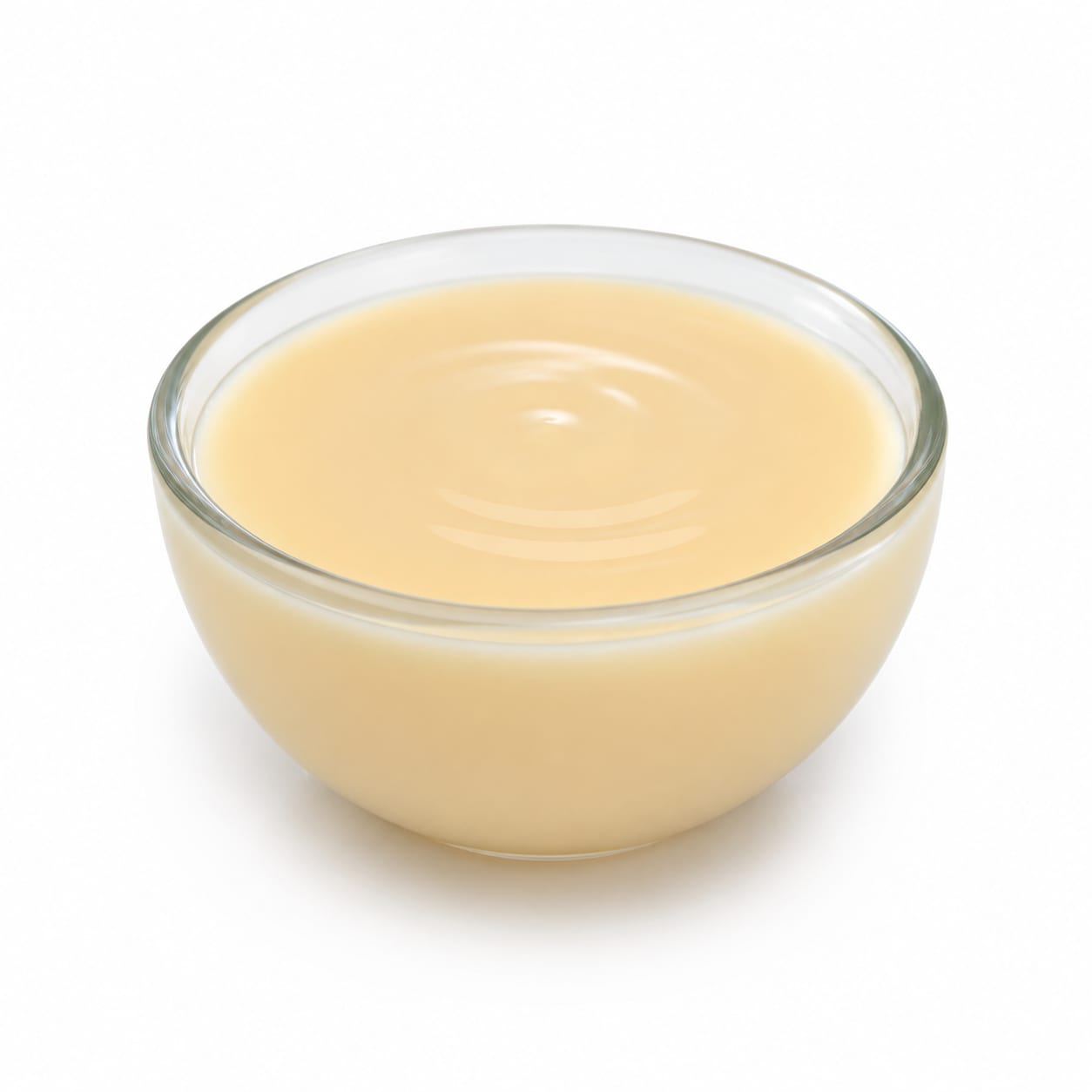
Evaporated Milk
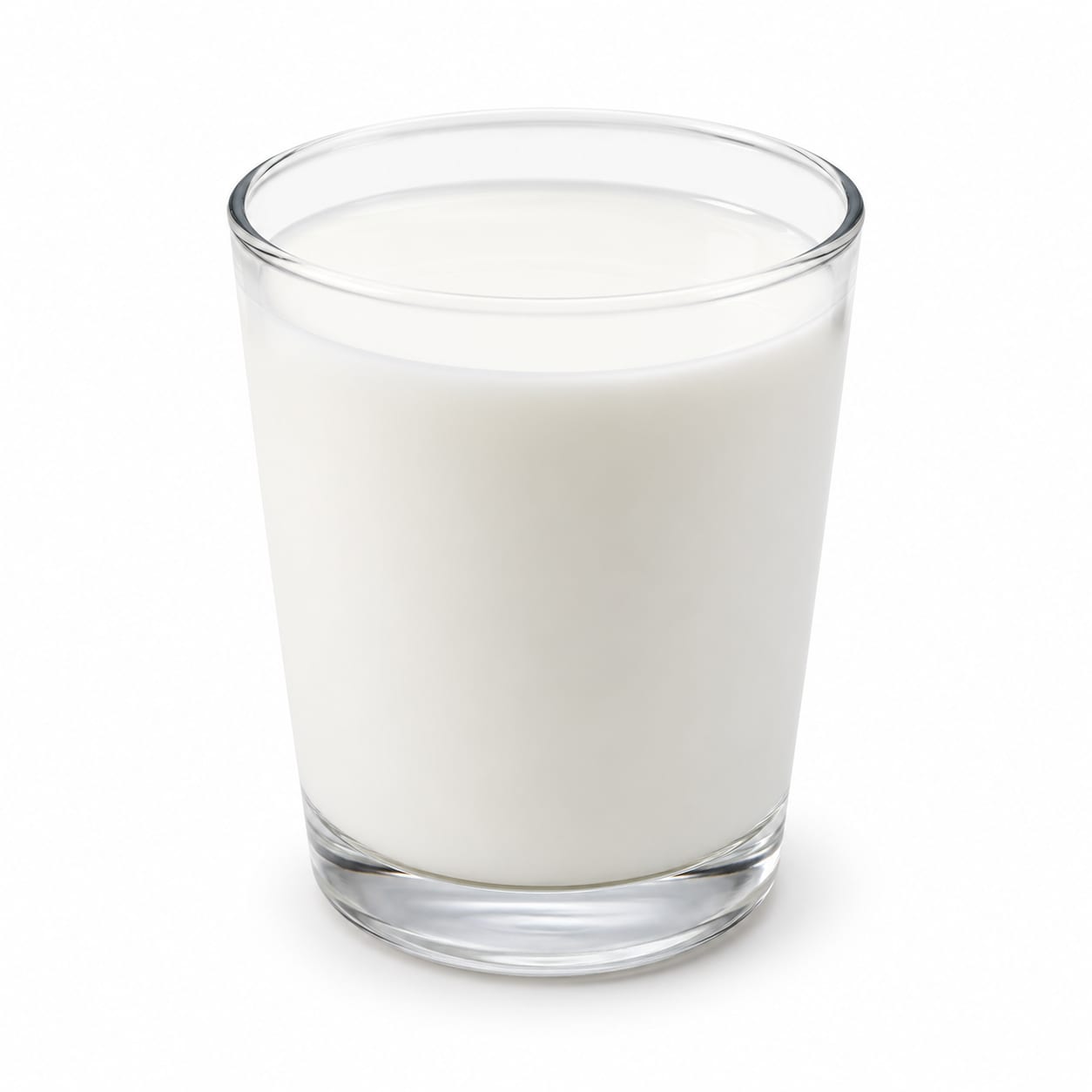
Whole Milk
Whole milk wins for everyday drinking and lighter calorie loads; evaporated milk wins for recipes, shelf stability, and concentrated nutrition in smaller portions.
Whole milk scores higher for general health and daily drinkability. Evaporated milk earns strong marks for nutrient density and shelf stability but loses ground on processing level and everyday versatility.
Evaporated milk delivers double the nutrients and calories per cup but tastes richer and cooked — whole milk is fresher, lighter, and easier to drink daily.
At a glance
Executive summary
Overall
It depends
Healthier
Whole Milk
More practical
It depends
Daily use
Whole Milk
Key comparison lenses
nutritional density per serving
Evaporated milk is concentrated, delivering roughly double the protein, calcium, and calories per cup compared to whole milk — the core tradeoff
daily drinkability vs cooking use
Users commonly wonder whether evaporated milk can replace regular milk for drinking or if it belongs strictly in recipes
processing and naturalness
Evaporated milk undergoes heat treatment and water removal, raising questions about how processed it is versus fresh whole milk
shelf stability and convenience
Evaporated milk's long pantry life makes it practical for stocking up, while whole milk requires refrigeration and spoils faster
weight management calorie density
The concentrated calories in evaporated milk matter for anyone watching intake, while whole milk offers easier portion control per glass
Best choice for
Evaporated Milk
- Creamy recipes and baked goods
- Emergency pantry stocking
- Coffee creamer replacement
- Concentrated calcium and protein in small volumes
- Camping or off-grid situations
Whole Milk
- Daily drinking by the glass
- Cereal and oatmeal
- Smoothies
- Hydration with moderate calories
- Families with children
Least suitable for
Evaporated Milk
- Casual drinking by the glass
- Low-calorie diets
- Anyone avoiding cooked or heated dairy flavors
- Lactose-sensitive individuals (more concentrated lactose per sip)
Whole Milk
- Long-term storage without refrigeration
- Recipes requiring rich, concentrated dairy
- Situations needing compact calorie density
Deep comparison
Dimension by dimension
Each lens scores both foods and breaks down who each option suits.
- Dimension 1 · Priority 92Evaporated Milk
Nutritional Density Per Serving
Evaporated Milk · 88Whole Milk · 62Evaporated milk packs roughly twice the protein, calcium, and calories into the same cup volume as whole milk.
Tradeoff
That concentration is great if you need more nutrition in less volume, but it makes overconsumption easier.
Why it matters
Anyone with a small appetite — like elderly adults or recovering patients — can get more nutrition per sip from evaporated milk.
Real-world impact
A single cup of evaporated milk delivers about 17g protein and 658mg calcium versus 8g and 276mg in whole milk.
Evaporated Milk
- People needing concentrated nutrition in small amounts
- Those recovering from illness with low appetite
Better for
- Casual glass-drinkers who easily overconsume calories
Worse for
Whole Milk
- Anyone tracking calories who drinks milk by the glass
- People who prefer naturally portion-controlled beverages
Better for
- Those who struggle to meet protein or calcium needs
Worse for
- Dimension 2 · Priority 88Whole Milk
Daily Drinkability and Taste
Evaporated Milk · 40Whole Milk · 85Whole milk tastes fresh, clean, and drinkable. Evaporated milk has a noticeably cooked, slightly caramelized flavor that most people find unpleasant for drinking straight.
Tradeoff
Evaporated milk's cooked flavor is a feature in desserts and savory dishes but a liability at the breakfast table.
Why it matters
If you're pouring milk into a glass, over cereal, or into a smoothie, the fresh taste of whole milk matters a lot.
Real-world impact
Most people who try drinking evaporated milk straight find it too rich and off-flavored compared to what they expect from milk.
Evaporated Milk
- Recipes where a rich, cooked-milk flavor enhances the dish
Better for
- Kids expecting regular milk taste
- Anyone wanting a refreshing cold beverage
Worse for
Whole Milk
- Drinking by the glass
- Pouring over cereal
- Using as a smoothie base
Better for
- Dishes that benefit from concentrated dairy richness
Worse for
- Dimension 3 · Priority 75Whole Milk
Processing and Naturalness
Evaporated Milk · 45Whole Milk · 78Whole milk is pasteurized but otherwise close to its natural state. Evaporated milk undergoes additional heating, water removal, and canning — a noticeably more processed path.
Tradeoff
The extra processing gives evaporated milk its long shelf life and concentrated form but moves it further from fresh dairy.
Why it matters
People trying to minimize processed foods would reach for whole milk first.
Real-world impact
Evaporated milk undergoes a second high-heat treatment that triggers Maillard browning — that's why it tastes different and has a slightly darker color.
Evaporated Milk
- Situations where shelf stability outweighs freshness concerns
Better for
- Those avoiding processed or heat-damaged foods
Worse for
Whole Milk
- Anyone prioritizing minimally processed foods
- Clean-eating approaches
Better for
- Emergency preparedness where refrigeration is unavailable
Worse for
- Dimension 4 · Priority 70Evaporated Milk
Shelf Stability and Convenience
Evaporated Milk · 90Whole Milk · 35Evaporated milk lasts months to years unopened in the pantry. Whole milk spoils within about a week of opening.
Tradeoff
Convenience comes at the cost of freshness and naturalness.
Why it matters
For camping, power outages, or just keeping backup milk on hand, evaporated milk is genuinely useful.
Real-world impact
You can stock a few cans of evaporated milk and forget about them — whole milk demands weekly shopping trips and consistent refrigeration.
Evaporated Milk
- Pantry stocking and emergency preparedness
- Camping and travel
- Infrequent milk users who waste fresh milk
Better for
- Those who value fresh flavor above all else
Worse for
Whole Milk
- Households that consume milk daily and always have it fresh
Better for
- Anyone who has thrown away spoiled milk more than once
Worse for
- Dimension 5 · Priority 68Whole Milk
Calorie Density and Weight Management
Evaporated Milk · 38Whole Milk · 72Evaporated milk has roughly double the calories per cup — about 338 versus 149 in whole milk.
Tradeoff
More calories in less volume can help or hurt depending on your goals.
Why it matters
If you're watching your weight, whole milk is easier to fit into a daily calorie budget. If you need to gain weight or add calories efficiently, evaporated milk helps.
Real-world impact
Drinking a glass of evaporated milk is like drinking two glasses of whole milk calorie-wise — easy to overlook.
Evaporated Milk
- People needing to gain weight
- Athletes in a caloric surplus phase
Better for
- Weight-loss diets
- Mindless drinking habits
Worse for
Whole Milk
- Anyone managing calorie intake
- People who drink multiple glasses of milk per day
Better for
- Underweight individuals needing calorie density
Worse for
- Dimension 6 · Priority 65Evaporated Milk
Bone Health and Calcium Absorption
Evaporated Milk · 82Whole Milk · 68Both are excellent calcium sources, but evaporated milk delivers significantly more calcium per serving due to concentration.
Tradeoff
More calcium per cup is helpful, but most people already meet calcium needs with regular dairy — the extra may not be necessary.
Why it matters
For older adults or those at risk of osteoporosis, the concentrated calcium in evaporated milk can be an efficient supplement-like food.
Real-world impact
One cup of evaporated milk covers about 50-65% of daily calcium needs versus about 25% from whole milk.
Evaporated Milk
- Older adults needing efficient calcium intake
- People who consume small portions but need high calcium
Better for
- Anyone at risk of excessive calcium intake from supplements plus food
Worse for
Whole Milk
- Those already meeting calcium needs through varied diet
- People who drink larger volumes of milk
Better for
- People who dislike large portions but need more calcium
Worse for
Timeline
Health impact over time
Short-term
Hours to days
Evaporated Milk
- More filling per small serving due to concentrated protein and fat
- May feel heavy or overly rich if consumed in typical milk quantities
- Slightly higher lactose concentration per sip can trigger symptoms faster in sensitive individuals
Whole Milk
- Lighter and more refreshing as a beverage
- Easier to drink in larger volumes without feeling overly full
- Standard lactose load per glass — more predictable for tolerance
Long-term
Months to years
Evaporated Milk
- Efficient bone support from concentrated calcium and vitamin D
- Risk of excess calorie intake if used casually like regular milk
- Maillard reaction compounds from high-heat processing are present though health significance is debated
Whole Milk
- Consistent, moderate nutrition supporting bone and muscle health without calorie excess
- Fresh dairy consumption linked to varied health benefits in population studies
- Spoilage risk may lead to periods without dairy if shopping is inconsistent
Risk profile
Safety & processing
Neither product contains artificial additives. Evaporated milk is more processed due to water removal, high-heat treatment, and canning, but it still contains only milk and added vitamins — no emulsifiers, preservatives, or sweeteners.
Evaporated Milk
Bacterial contamination after opening
mediumOnce opened, evaporated milk behaves like regular milk and must be refrigerated and consumed within a few days.
Can damage and spoilage
lowDented or bulging cans may indicate spoilage — always inspect before use.
Whole Milk
Spoilage from temperature abuse
mediumWhole milk spoils quickly if left unrefrigerated and can cause foodborne illness if consumed after spoiling.
Raw milk contamination risk if unpasteurized
highThis comparison assumes pasteurized whole milk. Raw milk carries significant risk of bacterial pathogens including Listeria, Salmonella, and E. coli.
Who wins for whom
Audience fit
Same foods, different winners depending on your goal.
children
Whole MilkKids prefer the fresh taste of whole milk, and the lower calorie density supports healthy growth without excess intake.
daily consumption
Whole MilkWhole milk is fresher, lighter, and more enjoyable as an everyday beverage — evaporated milk is better reserved for recipes and specific uses.
diabetes
Whole MilkWhole milk has fewer calories and less concentrated lactose sugar per serving, making blood sugar management more straightforward.
elderly
Evaporated MilkConcentrated protein and calcium in smaller servings helps older adults who eat less but need more bone-supporting nutrients.
muscle gain
Evaporated MilkEvaporated milk delivers double the protein per cup, making it an efficient post-workout option if you can handle the richer taste.
weight loss
Whole MilkWhole milk has roughly half the calories per cup, making it easier to fit into a calorie-controlled diet without careful measuring.
Your move
Decision guide
Choose Evaporated Milk
- You need shelf-stable milk for emergencies, camping, or infrequent use
- You're making a recipe that calls for rich, concentrated dairy
- You want maximum protein and calcium in a small serving
- You're trying to gain weight or add calories efficiently
- You want a coffee creamer that's more nutritious than non-dairy alternatives
Choose Whole Milk
- You drink milk daily by the glass or with meals
- You want a fresh, clean-tasting dairy beverage
- You're watching your calorie intake
- You prioritize minimally processed foods
- You have kids who drink milk regularly
Either works if
- You need calcium and protein and tolerate dairy well
- You're using small amounts in cooking where the flavor difference is minimal
- You're not lactose intolerant and enjoy dairy in moderation
Avoid both if
- You're lactose intolerant without access to lactase supplements
- You're following a strict dairy-free or vegan diet
- You have a milk protein allergy
Final recommendation
Keep whole milk in the fridge for daily drinking and cereal. Stock a few cans of evaporated milk in the pantry for recipes, coffee, and emergencies. They serve different purposes — trying to substitute one for the other usually leads to disappointment.
Practical
Consumer tips
- 1
If substituting evaporated milk for whole milk in recipes, dilute it with an equal amount of water to approximate regular milk consistency.
- 2
Evaporated milk makes an excellent lower-fat substitute for heavy cream in many recipes — it's rich but has less fat than cream.
- 3
Once opened, transfer leftover evaporated milk to a sealed container and refrigerate — treat it like fresh milk from that point.
- 4
For a closer fresh-milk taste, chill evaporated milk thoroughly before using it as a beverage or in cereal.
- 5
Check evaporated milk cans for dents, rust, or bulging before use — damaged cans can harbor dangerous bacteria.