
Nutrition comparison
Evaporated Milk vs Skim Evaporated Milk: Which Is Healthier?
Compare Evaporated Milk and Skim Evaporated Milk on calories, fat, taste, and cooking performance. Find out which is better for weight loss, heart health, and recipes.
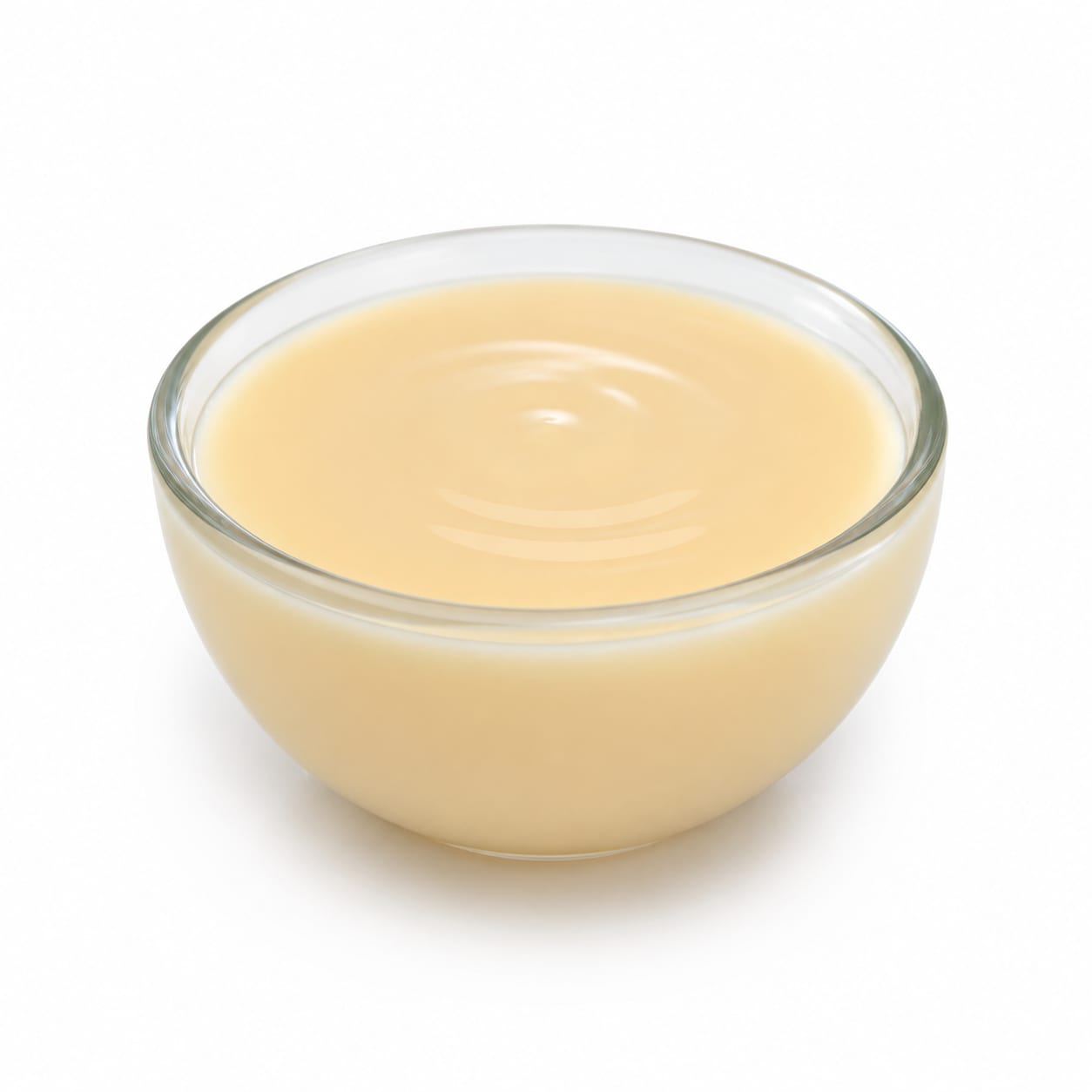
Evaporated Milk
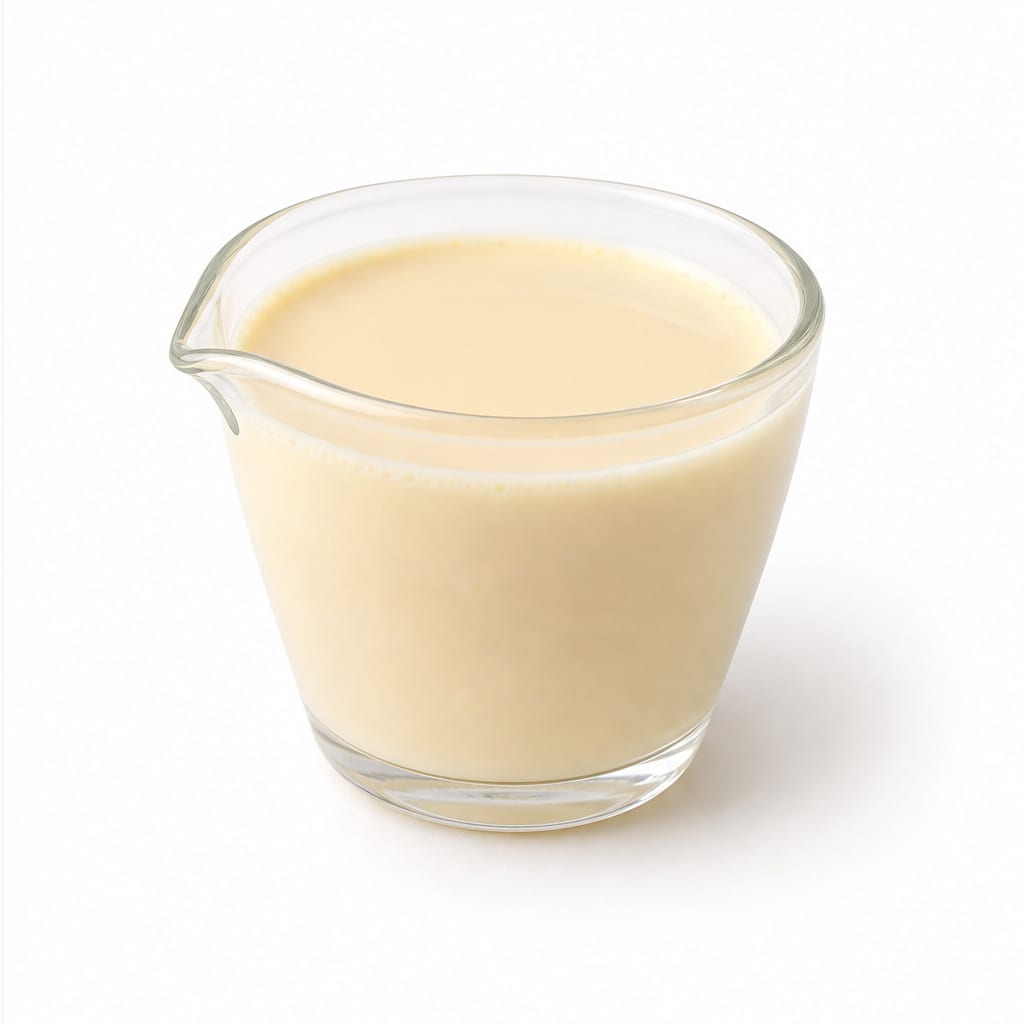
Skim Evaporated Milk
Skim Evaporated Milk saves calories and saturated fat, but Evaporated Milk delivers richer flavor, better satiety, and more fat-soluble vitamins.
Skim Evaporated Milk scores higher for most health metrics due to lower saturated fat and calories, but Evaporated Milk retains advantages in taste, satiety, and cooking versatility that narrow the gap.
Creaminess and satisfaction versus calorie and fat reduction — what you gain in heart-healthiness, you lose in taste and fullness.
At a glance
Executive summary
Overall
It depends
Healthier
Skim Evaporated Milk
More practical
It depends
Daily use
Skim Evaporated Milk
Key comparison lenses
fat and calorie reduction tradeoffs
The primary difference is fat content, which drives calorie count, satiety, and flavor tradeoffs
cooking and recipe suitability
Both are primarily used in cooking, where fat content dramatically affects texture and richness
heart health and cholesterol management
Saturated fat difference makes this relevant for cardiovascular risk reduction decisions
weight management strategy
Calorie difference is significant per serving, making this a common weight-loss substitution
vitamin absorption and nutrient density
Removing fat reduces fat-soluble vitamin availability, which matters for nutritional completeness
Best choice for
Evaporated Milk
- Rich desserts and custards where creaminess matters
- People who prioritize satiety and feel hungry on low-fat diets
- Those needing extra calories or fat-soluble vitamins
- Traditional recipes where substitution compromises texture
Skim Evaporated Milk
- Weight-conscious cooks tracking calories closely
- People managing high cholesterol or heart disease risk
- Daily coffee creamer replacement for calorie counters
- Anyone following a low-saturated-fat dietary pattern
Least suitable for
Evaporated Milk
- People on strict low-saturated-fat diets
- Those aggressively cutting calories for weight loss
- Individuals with lactose intolerance who need to minimize dairy fat
Skim Evaporated Milk
- Recipes requiring rich, creamy texture as a core feature
- People who find low-fat foods unsatisfying and end up overeating later
- Those relying on dairy for fat-soluble vitamin intake
Deep comparison
Dimension by dimension
Each lens scores both foods and breaks down who each option suits.
- Dimension 1 · Priority 92Skim Evaporated Milk
calorie density and weight management
Evaporated Milk · 45Skim Evaporated Milk · 85Skim Evaporated Milk has roughly 40% fewer calories per serving, making it the clear choice for calorie-conscious eating.
Tradeoff
You save significant calories but lose the mouthfeel and satisfaction that fat provides, which may lead to compensatory eating.
Why it matters
A single 2-tablespoon serving difference adds up fast when used daily in coffee or recipes.
Real-world impact
Switching to skim in your daily coffee saves about 20-30 calories per cup — roughly 7,000-10,000 calories per year if you drink two cups daily.
Evaporated Milk
- Those who find low-fat versions leave them hungry
- Situations where a small amount of full-fat satisfies more than a larger amount of skim
Better for
- Anyone in a calorie surplus they are trying to correct
Worse for
Skim Evaporated Milk
- Consistent calorie deficit goals
- People who track macros and need protein without extra fat
Better for
- People who feel unsatisfied and snack more after low-fat meals
Worse for
- Dimension 2 · Priority 90Skim Evaporated Milk
heart health and saturated fat
Evaporated Milk · 35Skim Evaporated Milk · 88Evaporated Milk contains about 3-4g of saturated fat per serving, while Skim Evaporated Milk has near zero.
Tradeoff
Dramatically less saturated fat improves cardiovascular risk markers, but some emerging research suggests full-fat dairy may not be as harmful as once thought.
Why it matters
For people with elevated LDL cholesterol or family history of heart disease, this difference is medically meaningful.
Real-world impact
Replacing 2 servings of regular Evaporated Milk with skim daily could reduce saturated fat intake by 6-8g — about a third of the recommended daily limit.
Evaporated Milk
- Healthy individuals with no cardiovascular risk factors who enjoy moderate fat intake
Better for
- People on physician-recommended low-saturated-fat diets
Worse for
Skim Evaporated Milk
- Anyone with high LDL cholesterol
- People with family history of heart disease
- Those following heart-healthy dietary patterns like DASH or Mediterranean
Better for
- Those who compensate by eating other high-fat foods
Worse for
- Dimension 3 · Priority 88Evaporated Milk
taste and cooking performance
Evaporated Milk · 90Skim Evaporated Milk · 55Evaporated Milk produces noticeably richer, creamier results in both cooking and beverages.
Tradeoff
Better flavor and texture come with the caloric and saturated fat cost that Skim Evaporated Milk avoids.
Why it matters
In recipes like flan, mac and cheese, or pumpkin pie, fat carries flavor and creates texture that skim simply cannot replicate.
Real-world impact
A pumpkin pie made with Skim Evaporated Milk will taste noticeably thinner and less velvety than the traditional version.
Evaporated Milk
- Desserts where creaminess is essential
- Savory sauces needing a silky finish
- Coffee drinkers wanting a richer creamer experience
Better for
- Light, fresh dishes where richness feels heavy
Worse for
Skim Evaporated Milk
- Recipes where other ingredients already provide richness
- Everyday cooking where health matters more than indulgence
Better for
- Special occasion desserts where compromise is disappointing
Worse for
- Dimension 4 · Priority 78Evaporated Milk
satiety and fullness
Evaporated Milk · 78Skim Evaporated Milk · 55Fat slows digestion and triggers satiety hormones, making Evaporated Milk more filling per serving.
Tradeoff
More satiety comes with more calories — the question is whether the fullness prevents overeating later.
Why it matters
People who feel satisfied after eating tend to snack less, which can offset the higher calorie count.
Real-world impact
If a richer coffee creamer prevents you from reaching for a 200-calorie pastry at 10am, the extra 25 calories in Evaporated Milk were well spent.
Evaporated Milk
- Breakfast additions where staying full until lunch matters
- People prone to mid-morning energy crashes and snacking
Better for
- People who consume it in small amounts where satiety is irrelevant
Worse for
Skim Evaporated Milk
- Those who naturally eat balanced meals and do not rely on creamer for satiety
Better for
- Frequent snackers who might benefit from more fat at meals
Worse for
- Dimension 5 · Priority 72It depends
nutrient density and vitamin absorption
Evaporated Milk · 75Skim Evaporated Milk · 68Evaporated Milk retains natural fat-soluble vitamins A, D, E, and K, while Skim Evaporated Milk is typically fortified with vitamins A and D but lacks the fat needed for optimal absorption.
Tradeoff
Skim has slightly more protein per calorie but may deliver fat-soluble vitamins less efficiently.
Why it matters
Vitamin D absorption is significantly enhanced by dietary fat, so adding skim milk to a fat-free meal may waste some of its vitamin content.
Real-world impact
Using Skim Evaporated Milk in a fat-free smoothie means less vitamin D absorption than using it in oatmeal with nuts.
Evaporated Milk
- People relying on dairy as a primary vitamin D source
- Those eating it with minimal other fat sources
Better for
- Those who already exceed saturated fat limits from other foods
Worse for
Skim Evaporated Milk
- Anyone prioritizing protein-to-calorie ratio
- People getting fat-soluble vitamins from other dietary sources
Better for
- People with fat-soluble vitamin deficiencies who need maximum absorption
Worse for
- Dimension 6 · Priority 65Evaporated Milk
blood sugar stability
Evaporated Milk · 72Skim Evaporated Milk · 60The fat in Evaporated Milk slows lactose digestion, resulting in a slightly gentler blood sugar response.
Tradeoff
The difference is modest since both have concentrated lactose, but fat provides a small stabilizing effect.
Why it matters
For people with insulin resistance or prediabetes, even small improvements in glycemic response add up over time.
Real-world impact
Neither is a low-glycemic food, but Evaporated Milk in coffee causes a slightly less spiky blood sugar response than the skim version.
Evaporated Milk
- People with insulin resistance who tolerate moderate fat
- Those pairing it with high-carb foods for a gentler glucose response
Better for
- Those with severe lactose intolerance
Worse for
Skim Evaporated Milk
- Diabetics who must strictly limit saturated fat for cardiovascular protection
Better for
- People sensitive to blood sugar fluctuations
Worse for
Timeline
Health impact over time
Short-term
Hours to days
Evaporated Milk
- Greater immediate satiety after consumption
- Richer mouthfeel that may reduce cravings shortly after eating
- Slower gastric emptying due to fat content
Skim Evaporated Milk
- Lighter feeling after consumption
- Lower immediate calorie impact per serving
- Slightly faster digestion due to minimal fat
Long-term
Months to years
Evaporated Milk
- Higher saturated fat intake may elevate LDL cholesterol over time
- Better long-term adherence for people who find low-fat diets unsatisfying
- Consistent fat-soluble vitamin absorption if consumed regularly
Skim Evaporated Milk
- Lower cumulative saturated fat intake supports cardiovascular health
- Calorie savings compound over months and years of regular use
- Potential for slightly lower fat-soluble vitamin status if overall diet is very low in fat
Risk profile
Safety & processing
Both are similarly processed — water is removed from milk through evaporation, and both may contain stabilizers like sodium phosphate or carrageenan. Skim Evaporated Milk sometimes has added vitamin A palmitate to replace what is lost with the fat. Neither is an ultra-processed food by most classification standards.
Evaporated Milk
lactose concentration
mediumEvaporation concentrates lactose, making this problematic for lactose-intolerant individuals — more so than regular milk per fluid ounce.
caramelization compounds
lowThe high-heat evaporation process causes mild browning, producing small amounts of advanced glycation end-products, though levels are minimal and not a health concern for most people.
Skim Evaporated Milk
lactose concentration
mediumSame lactose concentration issue as regular Evaporated Milk — not suitable for those with significant lactose intolerance.
fortification additives
lowVitamin A palmitate is added to replace fat-soluble vitamins lost during skimming. This is a well-tolerated additive but is an extra processing step.
Who wins for whom
Audience fit
Same foods, different winners depending on your goal.
children
Evaporated MilkGrowing children benefit from the fat content for brain development and calorie density, and they rarely need saturated fat restriction.
daily consumption
Skim Evaporated MilkLower saturated fat and calorie content make Skim Evaporated Milk more sustainable for everyday use in most dietary patterns.
diabetes
It dependsEvaporated Milk offers marginally better blood sugar stability from fat, but Skim Evaporated Milk is better for the cardiovascular risks that diabetics face. Individual priority determines the winner.
elderly
Skim Evaporated MilkOlder adults often need cardiovascular protection and calorie control while maintaining protein intake, which Skim Evaporated Milk supports better.
muscle gain
Skim Evaporated MilkSlightly higher protein-to-calorie ratio supports lean muscle building without excess saturated fat.
weight loss
Skim Evaporated MilkSkim Evaporated Milk provides the same protein and calcium with significantly fewer calories, making it easier to maintain a deficit.
Your move
Decision guide
Choose Evaporated Milk
- You are making a dessert where creaminess defines the dish
- You struggle with hunger on low-fat diets and end up eating more later
- You are feeding children who need dietary fat for development
- You have no cardiovascular risk factors and prefer richer flavors
- You use it occasionally rather than daily, so saturated fat impact is minimal
Choose Skim Evaporated Milk
- You use evaporated milk daily in coffee, tea, or cooking
- You are actively managing weight, cholesterol, or heart disease risk
- You want dairy protein and calcium without the saturated fat cost
- You follow DASH, Mediterranean, or other heart-healthy eating patterns
- You are making savory dishes where other ingredients provide richness
Either works if
- You only use evaporated milk a few times a year in recipes
- You have no specific health concerns and enjoy both
- You are mixing it into smoothies or oatmeal with other fat sources
Avoid both if
- You have significant lactose intolerance — consider lactose-free alternatives
- You are strictly avoiding all dairy for allergy or dietary reasons
- You are looking for a probiotic dairy product — neither contains live cultures
Final recommendation
For most people using evaporated milk regularly, Skim Evaporated Milk is the smarter daily choice — it delivers protein and calcium with far less saturated fat. Save regular Evaporated Milk for recipes where its richness truly matters, like holiday pies or special-occasion desserts. The best approach may be keeping both in your pantry: skim for everyday, full-fat for when it counts.
Practical
Consumer tips
- 1
If using Skim Evaporated Milk in a recipe calling for regular, add a teaspoon of butter or olive oil to partially restore richness without going full-fat.
- 2
Both versions are shelf-stable until opened, making them excellent pantry staples for emergency cooking.
- 3
For coffee, try warming Skim Evaporated Milk before adding it — heat improves its perceived creaminess.
- 4
If lactose is an issue, look for lactose-free evaporated milk options now available in most grocery stores.
- 5
Check labels for added sodium phosphate or carrageenan if you are sensitive to these common stabilizers.
- 6
Unopened cans last 12-18 months in the pantry; once opened, transfer to a glass container and use within 3-5 days.