
Nutrition comparison
Evaporated Milk vs Half-and-Half: Which Is Healthier for Coffee and Cooking?
Compare evaporated milk and half-and-half for nutrition, fat content, taste, and cooking use. Find out which dairy option is better for your health and daily coffee routine.
Overall winner · Evaporated Milk
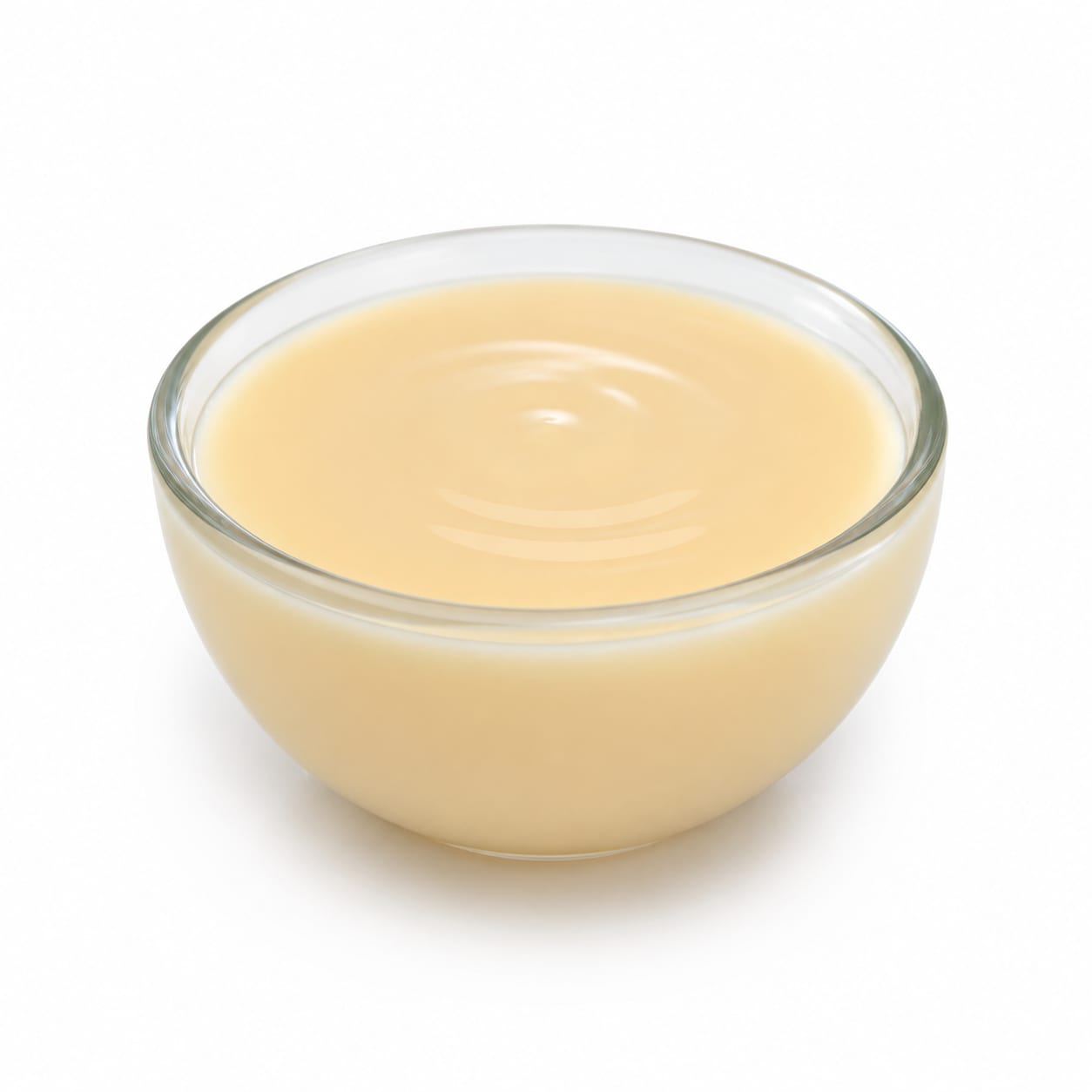
Evaporated Milk
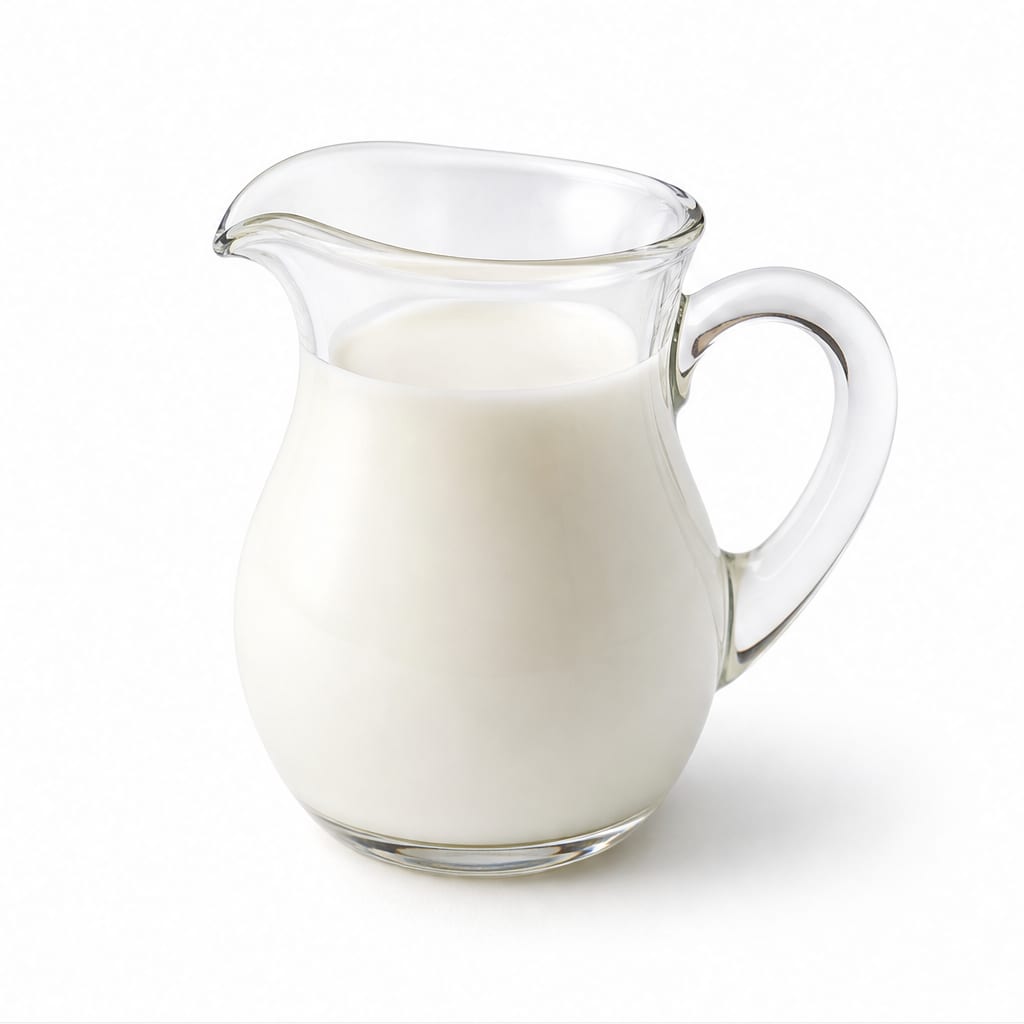
Half-and-Half
Evaporated milk delivers far more nutrition per calorie, making it the smarter everyday choice. Half-and-half wins on richness and mouthfeel but contributes mostly fat with little else.
Evaporated milk scores substantially higher due to its protein, calcium, and vitamin content alongside lower fat. Half-and-half is not unhealthy in small amounts but contributes mostly saturated fat with minimal nutritional return.
Creaminess and indulgence versus protein, calcium, and overall nutritional value
At a glance
Executive summary
Overall
Evaporated Milk
Healthier
Evaporated Milk
More practical
Evaporated Milk
Daily use
Evaporated Milk
Key comparison lenses
coffee creamer substitution
Most users are deciding between these two as a coffee addition or recipe ingredient where either could work
nutritional value comparison
Evaporated milk is significantly more nutrient-dense while half-and-half is mostly fat with minimal protein or calcium
calorie and fat tradeoff
Half-and-half delivers nearly double the fat per serving, which matters for weight management and heart health
cooking and baking versatility
Both are used in recipes but behave differently due to water content and fat concentration
shelf stability and convenience
Evaporated milk is shelf-stable until opened, half-and-half requires constant refrigeration
Best choice for
Evaporated Milk
- Daily coffee drinkers wanting nutrition, not just creaminess
- People watching their fat intake
- Baking recipes needing concentrated milk flavor
- Those wanting shelf-stable pantry options
- Anyone seeking more protein and calcium from dairy
Half-and-Half
- Occasional indulgent coffee or dessert drinks
- Recipes where fat carries flavor and texture
- People who find evaporated milk's cooked flavor off-putting
- Those unconcerned about fat content
Least suitable for
Evaporated Milk
- Lactose-intolerant individuals without tolerance aids
- Recipes requiring pourable cream texture
- People sensitive to the caramelized flavor from heat processing
Half-and-Half
- Anyone managing heart disease or high cholesterol
- Daily coffee drinkers concerned about saturated fat
- People seeking nutritional value from their dairy additions
- Those watching calorie density
Deep comparison
Dimension by dimension
Each lens scores both foods and breaks down who each option suits.
- Dimension 1 · Priority 95Evaporated Milk
Nutritional Density
Evaporated Milk · 88Half-and-Half · 32Evaporated milk is a nutritional powerhouse compared to half-and-half, packing protein, calcium, and vitamins into each serving.
Tradeoff
You sacrifice the luxurious mouthfeel of higher fat but gain meaningful nutrition that actually feeds your body.
Why it matters
If you consume dairy daily, choosing the option that contributes protein and minerals matters for long-term health.
Real-world impact
A splash of evaporated milk in your morning coffee quietly adds calcium and protein. Half-and-half adds mostly calories and saturated fat with almost no nutritional upside.
Evaporated Milk
- Bone health due to concentrated calcium
- Muscle maintenance from higher protein
- Meeting daily vitamin D and B12 needs
Better for
- People strictly limiting carbohydrate intake, as it contains more lactose sugar
Worse for
Half-and-Half
- Absorption of fat-soluble vitamins from other foods in the meal
Better for
- Anyone not meeting daily protein or calcium needs
- People relying on dairy as a meaningful nutrient source
Worse for
- Dimension 2 · Priority 90Evaporated Milk
Fat and Calorie Profile
Evaporated Milk · 72Half-and-Half · 38Half-and-half delivers roughly double the fat per serving with far fewer nutrients to show for those calories.
Tradeoff
Richer taste and creamier texture come at the cost of significantly more saturated fat per spoonful.
Why it matters
Saturated fat from dairy adds up fast in coffee, and most people underestimate how much they pour.
Real-world impact
Two tablespoons of half-and-half in three daily coffees adds about 6g of saturated fat before you eat anything. Evaporated milk adds roughly 2g for the same creaminess effect.
Evaporated Milk
- Heart-conscious coffee drinkers
- Anyone tracking saturated fat intake
- People managing calorie budgets
Better for
- People who find low-fat dairy unsatisfying and compensate by using more
Worse for
Half-and-Half
- Keto or very low-carb dieters who prioritize fat
- Those wanting maximum richness per tablespoon
Better for
- Anyone with elevated LDL cholesterol
- People pouring liberally without measuring
Worse for
- Dimension 3 · Priority 85Half-and-Half
Coffee and Beverage Experience
Evaporated Milk · 62Half-and-Half · 82Half-and-half creates a silkier, more indulgent coffee experience. Evaporated milk works but tastes slightly different.
Tradeoff
The best-tasting coffee addition is not the most nutritious one.
Why it matters
If your morning coffee is a daily ritual, taste satisfaction affects whether you stick with a healthier choice or abandon it.
Real-world impact
Half-and-half blends smoothly and rounds out bitterness beautifully. Evaporated milk adds a subtle cooked or sweet note that some love and others find odd at first.
Evaporated Milk
- People who enjoy a slightly sweet, caramel-like note in coffee
- Those who want their creamer to contribute real nutrition
Better for
- Drinkers sensitive to the heated milk flavor
Worse for
Half-and-Half
- Coffee purists wanting classic creamy texture
- Anyone making lattes or cream-heavy drinks at home
Better for
- People trying to reduce daily saturated fat without giving up coffee cream
Worse for
- Dimension 4 · Priority 78Evaporated Milk
Cooking and Baking Versatility
Evaporated Milk · 85Half-and-Half · 55Evaporated milk is a secret weapon in recipes, adding richness and body while contributing structure from protein. Half-and-half is more limited.
Tradeoff
Evaporated milk cannot replicate the pourable cream texture needed in some dishes, but it excels in baked goods and custards.
Why it matters
If you cook often, having evaporated milk on hand solves more recipe problems than half-and-half.
Real-world impact
Mac and cheese, pumpkin pie, flan, and creamy soups all benefit from evaporated milk's concentrated proteins and sugars that brown and set beautifully. Half-and-half mainly adds fat.
Evaporated Milk
- Custards and pies needing set and structure
- Creamy soups where you want body without heavy cream
- Pantry-friendly emergency cooking
Better for
- Recipes specifically calling for pouring cream texture
Worse for
Half-and-Half
- Sauce finishing where a pourable cream is needed
- Ganache or chocolate preparations requiring fat
Better for
- Baked goods where protein helps with structure
- Recipes needing shelf-stable ingredients
Worse for
- Dimension 5 · Priority 72Evaporated Milk
Shelf Stability and Convenience
Evaporated Milk · 92Half-and-Half · 35Evaporated milk lasts months unrefrigerated. Half-and-half spoils within days of opening.
Tradeoff
Convenience comes with a slightly processed flavor from heat treatment.
Why it matters
If you use small amounts occasionally, evaporated milk's pantry stability eliminates waste and grocery trips.
Real-world impact
You can keep evaporated milk in the pantry for emergency recipes or occasional coffee use. Half-and-half demands fridge space and careful timing to avoid spoilage.
Evaporated Milk
- Occasional users who hate wasting spoiled dairy
- Camping or travel coffee setups
- Emergency pantry stocking
Better for
- Those who prefer the freshest-tasting dairy possible
Worse for
Half-and-Half
- Daily heavy users who go through it before spoilage
Better for
- Anyone who has thrown out half-used cartons
- People with limited refrigerator space
Worse for
- Dimension 6 · Priority 68Half-and-Half
Sugar and Carbohydrate Content
Evaporated Milk · 45Half-and-Half · 70Evaporated milk contains more lactose sugar due to concentration. Half-and-half is lower in carbs because it is mostly fat.
Tradeoff
Lower carbs come packaged with higher saturated fat, so the tradeoff depends on your priority.
Why it matters
For people managing blood sugar or following low-carb diets, the carb difference per serving is small but real.
Real-world impact
A tablespoon of evaporated milk has about 1g more sugar than half-and-half. Negligible for most, but relevant for strict keto dieters.
Evaporated Milk
- Active people who tolerate lactose and benefit from the carbs
Better for
- Strict keto followers counting every gram of carbohydrate
Worse for
Half-and-Half
- Very low-carb or keto dieters
- People monitoring blood sugar closely
Better for
- People who assume low-carb automatically means healthier overall
Worse for
Timeline
Health impact over time
Short-term
Hours to days
Evaporated Milk
- Slightly sweeter taste in coffee due to concentrated lactose
- May feel less rich or satisfying if you are used to higher fat creamers
- Protein content provides mild satiety benefit
Half-and-Half
- Rich mouthfeel creates immediate satisfaction
- High fat content can feel heavy in large amounts
- Minimal blood sugar impact due to low carbohydrate content
Long-term
Months to years
Evaporated Milk
- Consistent calcium and protein intake supports bone density
- Lower saturated fat intake benefits cardiovascular markers over time
- Lactose sugar content is modest and unlikely to cause issues at typical serving sizes
Half-and-Half
- Regular saturated fat intake from multiple daily servings may raise LDL cholesterol
- Contributes calories with minimal nutritional return, potentially displacing nutrient-dense foods
- Small serving sizes in coffee limit real-world harm for most people
Risk profile
Safety & processing
Both are simple dairy products with no artificial additives. Evaporated milk undergoes heat processing to remove water, which slightly alters flavor but does not introduce concerning substances. Half-and-half is simply cream mixed with milk and is less processed overall.
Evaporated Milk
Lactose intolerance reactions
mediumConcentrated lactose may trigger symptoms more easily than regular milk in sensitive individuals
Canned food storage concerns
lowDented or damaged cans pose rare botulism risk, but commercial canning is extremely safe
Half-and-Half
Spoilage and bacterial growth
mediumShort refrigerator life means improper storage can lead to foodborne illness
Lactose intolerance reactions
lowLower lactose content than evaporated milk makes this somewhat easier to tolerate
Who wins for whom
Audience fit
Same foods, different winners depending on your goal.
children
Evaporated MilkGrowing bodies benefit far more from the calcium, protein, and vitamins in evaporated milk than from the fat in half-and-half
daily consumption
Evaporated MilkDaily use should prioritize nutritional contribution, and evaporated milk delivers protein and calcium that half-and-half cannot match
diabetes
Half-and-HalfLower carbohydrate content minimizes blood sugar impact, though the difference per typical serving is small
elderly
Evaporated MilkBone-preserving calcium and muscle-maintaining protein are especially important for older adults
muscle gain
Evaporated MilkSignificantly more protein per serving supports muscle maintenance and recovery
weight loss
Evaporated MilkFewer calories per serving and more nutrients per calorie help maintain satiety without excess fat intake
Your move
Decision guide
Choose Evaporated Milk
- You want your coffee creamer to actually contribute nutrition, not just calories
- You are watching saturated fat or cholesterol
- You bake or cook recipes that benefit from concentrated milk
- You hate wasting spoiled dairy and want a pantry-stable option
- You are feeding children who need calcium and protein
Choose Half-and-Half
- Coffee taste is non-negotiable and you find evaporated milk's flavor unpleasant
- You use creamer in very small amounts and the fat difference is negligible
- You are following a keto or very low-carb diet
- You need a pourable cream for sauces or finishing dishes
Either works if
- You only use a tiny splash in coffee occasionally
- You have no specific health concerns about fat or nutrients
- You are choosing based purely on what is already in your fridge
Avoid both if
- You are lactose intolerant without access to lactase supplements
- You have a dairy allergy
- You are following a strict vegan diet
Final recommendation
For most people using dairy in coffee or cooking daily, evaporated milk is the clearly better choice. It delivers real nutrition alongside its creaminess, keeps indefinitely in the pantry, and saves you from the saturated fat creep that comes with half-and-half. Save half-and-half for occasional indulgent drinks or specific recipes where its fat content truly matters.
Practical
Consumer tips
- 1
If switching from half-and-half to evaporated milk in coffee, try the low-fat version first for a milder flavor transition
- 2
Refrigerate evaporated milk after opening and use within 3 to 5 days for best quality
- 3
Shake evaporated milk well before pouring, as it can separate slightly in the can
- 4
If you love the richness of half-and-half but want less fat, try a 50/50 blend with evaporated milk
- 5
Freeze leftover evaporated milk in ice cube trays for future recipe use if you cannot finish it quickly
- 6
Check labels on flavored half-and-half products, as some contain added sugars and stabilizers that plain half-and-half does not