
Nutrition comparison
Evaporated Milk vs Oat Milk: Nutrition, Uses, and Health Comparison
Comparing Evaporated Milk and Oat Milk for nutrition, cooking, and daily use. Find out which is better for protein, blood sugar, and recipes.
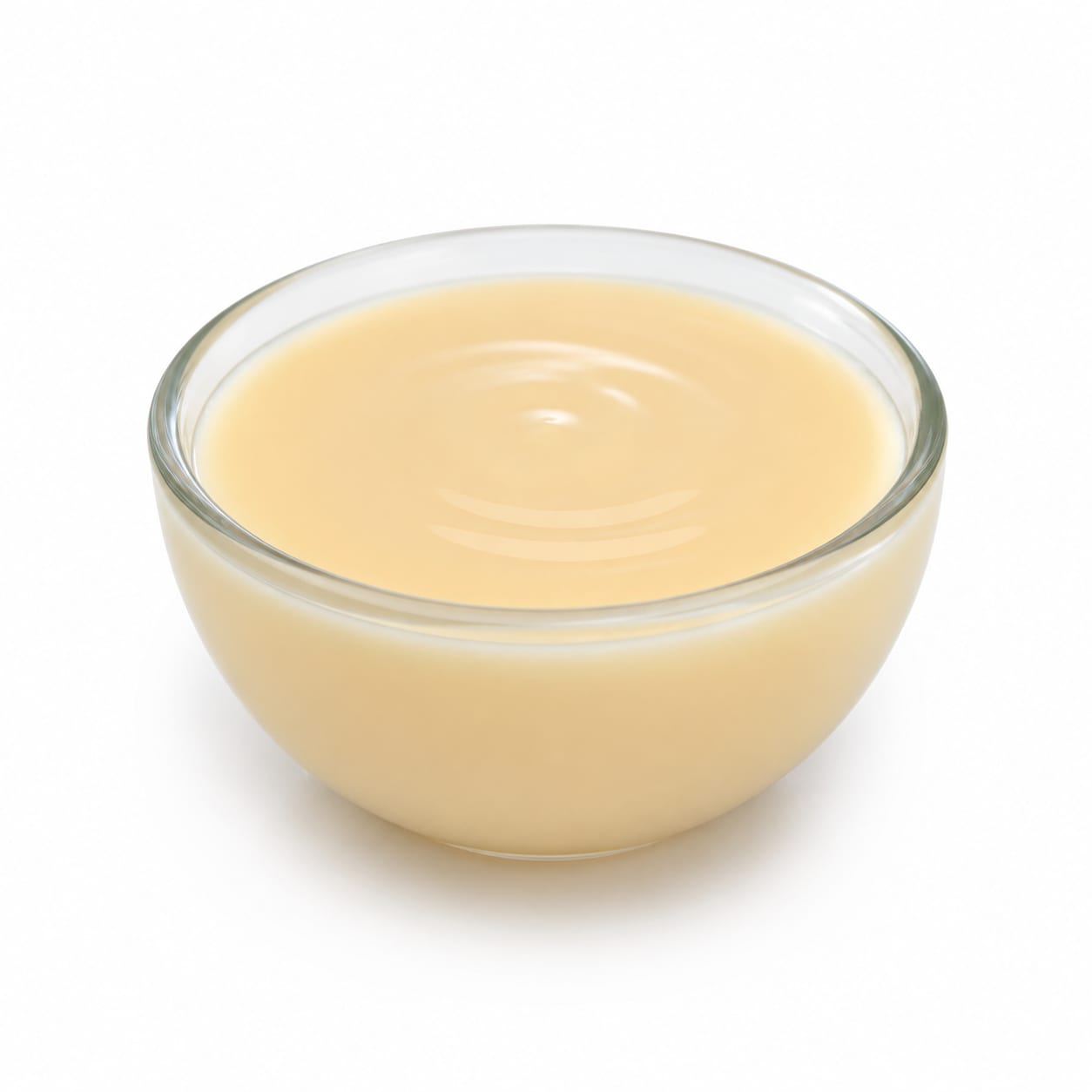
Evaporated Milk
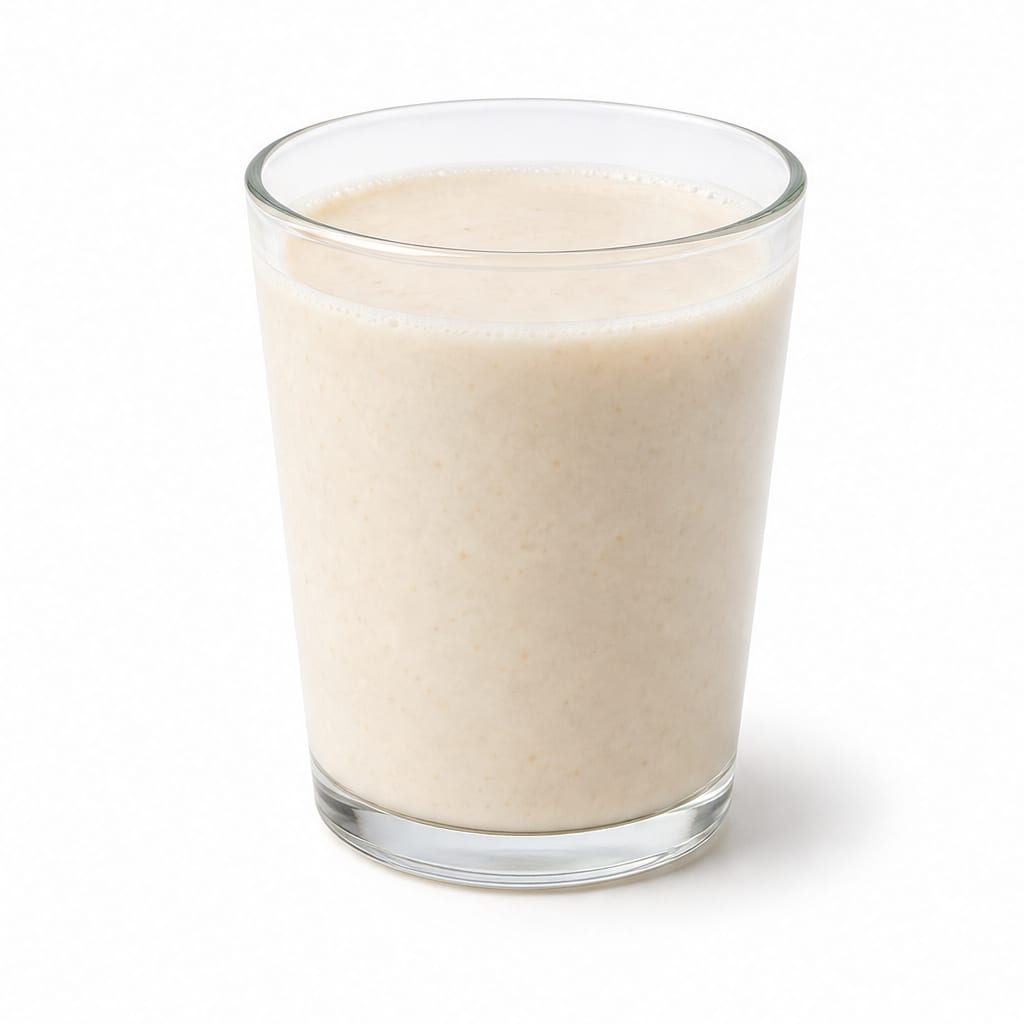
Oat Milk
Evaporated Milk delivers superior protein and natural creaminess for cooking, while Oat Milk offers a lactose-free, plant-based alternative for daily drinking.
Evaporated Milk scores higher for nutritional density and minimal processing, but Oat Milk wins on digestibility and daily convenience, making them nearly tied depending on your dietary priorities.
Real dairy nutrition and cooking utility versus plant-based digestibility and a lighter daily drinking experience.
At a glance
Executive summary
Overall
It depends
Healthier
It depends
More practical
Oat Milk
Daily use
Oat Milk
Key comparison lenses
Dairy vs Plant-Based Digestibility
Lactose intolerance and dairy avoidance are the primary reasons people switch from traditional milk products to oat-based alternatives.
Culinary Role and Cooking Utility
Evaporated Milk is a staple thickening agent in recipes, while Oat Milk is primarily used as a drinking beverage or light creamer.
Blood Sugar Impact
Oat Milk often contains added sugars or natural maltose from enzymatic processing, whereas Evaporated Milk contains natural lactose which has a lower glycemic index.
Processing and Additives
Consumers increasingly weigh the simple ingredient list of traditional dairy against the emulsifiers and oils found in plant milks.
Protein and Bone Health
Evaporated Milk provides a dense source of complete dairy protein and bioavailable calcium, which Oat Milk naturally lacks.
Best choice for
Evaporated Milk
- Rich desserts and baking
- Creamy soups and sauces
- High-protein diets
- Those needing concentrated calcium
Oat Milk
- Vegan diets
- Lactose-intolerant individuals
- Morning cereal and coffee creamer
- Light everyday drinking
Least suitable for
Evaporated Milk
- Vegans
- Lactose-intolerant people
- Daily drinking by the glass
Oat Milk
- High-protein needs
- Traditional baking requiring milk solids
- Strict low-carb diets
Deep comparison
Dimension by dimension
Each lens scores both foods and breaks down who each option suits.
- Dimension 1 · Priority 90Evaporated Milk
Protein and Bone Support
Evaporated Milk · 92Oat Milk · 25Evaporated Milk is a protein and calcium powerhouse, while Oat Milk provides minimal protein unless heavily fortified.
Tradeoff
You get significantly more muscle-supporting protein and natural calcium from Evaporated Milk, but must tolerate dairy to get it.
Why it matters
Protein is crucial for satiety and muscle maintenance, and dairy calcium is highly bioavailable for bone health.
Real-world impact
Using Evaporated Milk in your coffee or recipes helps hit your protein targets much easier than Oat Milk, which barely moves the needle.
Evaporated Milk
- Older adults needing bone support
- Athletes seeking complete protein
- Growing teenagers
Better for
- Anyone strictly avoiding animal products
Worse for
Oat Milk
- People with severe dairy allergies
Better for
- Elderly individuals needing natural calcium absorption
- Post-workout recovery
Worse for
- Dimension 2 · Priority 85Evaporated Milk
Blood Sugar Stability
Evaporated Milk · 75Oat Milk · 55Evaporated Milk contains lactose, a naturally low-glycemic sugar, whereas Oat Milk often converts starches into higher-glycemic maltose during processing.
Tradeoff
Evaporated Milk has more stable energy release, while Oat Milk can cause quicker blood sugar spikes depending on the brand.
Why it matters
Rapid blood sugar spikes lead to afternoon energy crashes and increased cravings, undermining long-term metabolic health.
Real-world impact
A latte made with Evaporated Milk will keep your energy steadier through the morning, while an Oat Milk latte might leave you hungry an hour earlier.
Evaporated Milk
- People managing insulin resistance
- Those trying to avoid sugar crashes
Better for
- Strict keto dieters tracking total carbs
Worse for
Oat Milk
- Diabetics who are also highly lactose intolerant
Better for
- Prediabetics unaware of hidden maltose in oat processing
Worse for
- Dimension 3 · Priority 90Oat Milk
Digestive Tolerance
Evaporated Milk · 40Oat Milk · 95Oat Milk is naturally lactose-free and easy on the stomach, while Evaporated Milk can cause severe bloating for those with lactose intolerance.
Tradeoff
You avoid digestive discomfort completely with Oat Milk, but sacrifice the nutritional benefits of dairy.
Why it matters
Digestive distress from lactose can completely overshadow any nutritional benefits, causing bloating, gas, and discomfort.
Real-world impact
If regular milk makes you bloated, Oat Milk is a comforting, worry-free swap for your morning cereal or coffee.
Evaporated Milk
- People with robust dairy digestion
Better for
- Anyone with lactose malabsorption
Worse for
Oat Milk
- Lactose-intolerant individuals
- Those with sensitive stomachs
- Vegans
Better for
- People with severe gluten intolerance due to potential oat cross-contamination
Worse for
- Dimension 4 · Priority 80Evaporated Milk
Processing and Additives
Evaporated Milk · 85Oat Milk · 45Evaporated Milk is simply milk with water removed via heat, while Oat Milk usually requires added oils, emulsifiers, and fortification to mimic dairy.
Tradeoff
Evaporated Milk offers a simple, whole-food ingredient list, whereas Oat Milk relies on food science to achieve its texture and nutritional profile.
Why it matters
Minimally processed foods are generally easier for the body to recognize and utilize, with fewer inflammatory or gut-disrupting additives.
Real-world impact
Reading the ingredient label on Evaporated Milk shows just milk, while Oat Milk often lists oils, gums, and synthetic vitamins.
Evaporated Milk
- Clean-label advocates
- Those avoiding emulsifiers like carrageenan
Better for
- Those avoiding all animal products
Worse for
Oat Milk
- People prioritizing convenience over ingredient purity
Better for
- People with sensitivities to gums and thickeners
- Those avoiding seed oils like rapeseed or sunflower
Worse for
- Dimension 5 · Priority 85Evaporated Milk
Culinary Utility
Evaporated Milk · 95Oat Milk · 60Evaporated Milk provides unmatched richness and thickening for cooking and baking, while Oat Milk is best used as a light beverage or cereal liquid.
Tradeoff
Evaporated Milk elevates recipes with creamy texture and milk solids, whereas Oat Milk can make baked goods gummy or soups watery.
Why it matters
Using the right milk product can make or break the texture and flavor of a recipe, from mac and cheese to pumpkin pie.
Real-world impact
Making a creamy soup with Evaporated Milk yields a velvety texture; using Oat Milk often results in a thinner, slightly grainy consistency.
Evaporated Milk
- Bakers making custards or pies
- Home cooks making creamy pasta sauces
Better for
- Recipes requiring a neutral, light liquid
Worse for
Oat Milk
- Vegan recipe adaptations
- Light smoothies
Better for
- Traditional desserts requiring milk fat solids to set
Worse for
Timeline
Health impact over time
Short-term
Hours to days
Evaporated Milk
- High satiety from concentrated protein and fat
- Potential bloating or gas if lactose intolerant
- Steady energy due to low-glycemic lactose
Oat Milk
- Quick digestion with no lactose issues
- Possible mild blood sugar spike from maltose
- Light feeling in the stomach after consumption
Long-term
Months to years
Evaporated Milk
- Improved bone density from bioavailable calcium
- Potential increase in saturated fat intake if used heavily
- Consistent muscle support from high-quality protein
Oat Milk
- Lower risk of dairy-related inflammation
- Possible increased intake of seed oils and emulsifiers
- Reliance on synthetic vitamin fortification for bone health
Risk profile
Safety & processing
Evaporated Milk undergoes a simple water-removal process, retaining a whole-food profile. Oat Milk requires significant processing to turn oats into a creamy liquid, often adding oils, gums, and synthetic vitamins to mimic dairy.
Evaporated Milk
Lactose Intolerance Reactions
mediumCan cause significant digestive distress, including cramping and diarrhea, in individuals lacking the lactase enzyme.
Dairy Allergy
highContains casein and whey, which can trigger severe allergic responses in those with a true milk allergy.
Oat Milk
Gluten Cross-Contamination
mediumUnless certified gluten-free, oats are frequently cross-contaminated with wheat, posing a risk for celiacs.
Pesticide Residue (Glyphosate)
mediumOats are commonly pre-harvested with glyphosate, making non-organic Oat Milk a potential source of this controversial herbicide.
Emulsifier Sensitivity
lowAdditives like carrageenan or dipotassium phosphate can cause gut irritation or mild inflammation in sensitive individuals.
Who wins for whom
Audience fit
Same foods, different winners depending on your goal.
children
It dependsEvaporated Milk provides essential fats and calcium for growth, but Oat Milk is safer for kids with dairy allergies or lactose intolerance.
daily consumption
Oat MilkOat Milk is lighter, easier to digest for the majority of the population, and integrates seamlessly into daily coffee and cereal routines without digestive worry.
diabetes
Evaporated MilkLactose has a lower glycemic index than the maltose and added sugars commonly found in Oat Milk, leading to steadier blood sugar levels.
elderly
Evaporated MilkThe highly bioavailable calcium and protein in Evaporated Milk are crucial for preventing age-related muscle loss and osteoporosis.
muscle gain
Evaporated MilkEvaporated Milk provides a complete, high-quality protein profile essential for muscle repair, whereas Oat Milk is nearly protein-free.
weight loss
Evaporated MilkThe higher protein content in Evaporated Milk promotes greater satiety, helping control overall calorie intake better than the carbohydrate-heavy Oat Milk.
Your move
Decision guide
Choose Evaporated Milk
- You are making a creamy soup, sauce, or dessert that requires thickening
- You want a significant protein and calcium boost in your diet
- You have no issues digesting lactose and prefer minimally processed foods
Choose Oat Milk
- You are lactose intolerant, vegan, or avoiding dairy
- You need a light, everyday milk for cereal, smoothies, or coffee creamer
- You prefer the taste and texture of plant-based beverages
Either works if
- You simply need a liquid base for a recipe that isn't heavily reliant on milk solids
- You are mixing it into a heavily flavored smoothie where nutritional differences fade
Avoid both if
- You are strictly monitoring both saturated fat and refined carbohydrate intake
- You have severe sensitivities to both dairy and gluten or oat-based additives
Final recommendation
Let your primary use case decide. Keep Evaporated Milk in the pantry for rich, satisfying recipes and bone-supporting nutrition, but stock Oat Milk in the fridge for easy, daily drinking and dairy-free mornings.
Practical
Consumer tips
- 1
Look for unsweetened Oat Milk to avoid the blood sugar spike from added sugars.
- 2
Skim Evaporated Milk offers the same protein and calcium with significantly less saturated fat.
- 3
Seek out organic Oat Milk to avoid glyphosate residue from conventional oat farming.
- 4
You can dilute Evaporated Milk with an equal amount of water to mimic regular milk in a pinch.
- 5
Check Oat Milk labels for added oils like rapeseed or sunflower if you are avoiding seed oils.