
Nutrition comparison
Evaporated Milk vs Powdered Milk: Which Shelf-Stable Milk Is Better?
Compare evaporated milk and powdered milk on taste, nutrition, shelf life, cost, and cooking performance. Find out which shelf-stable milk fits your needs best.
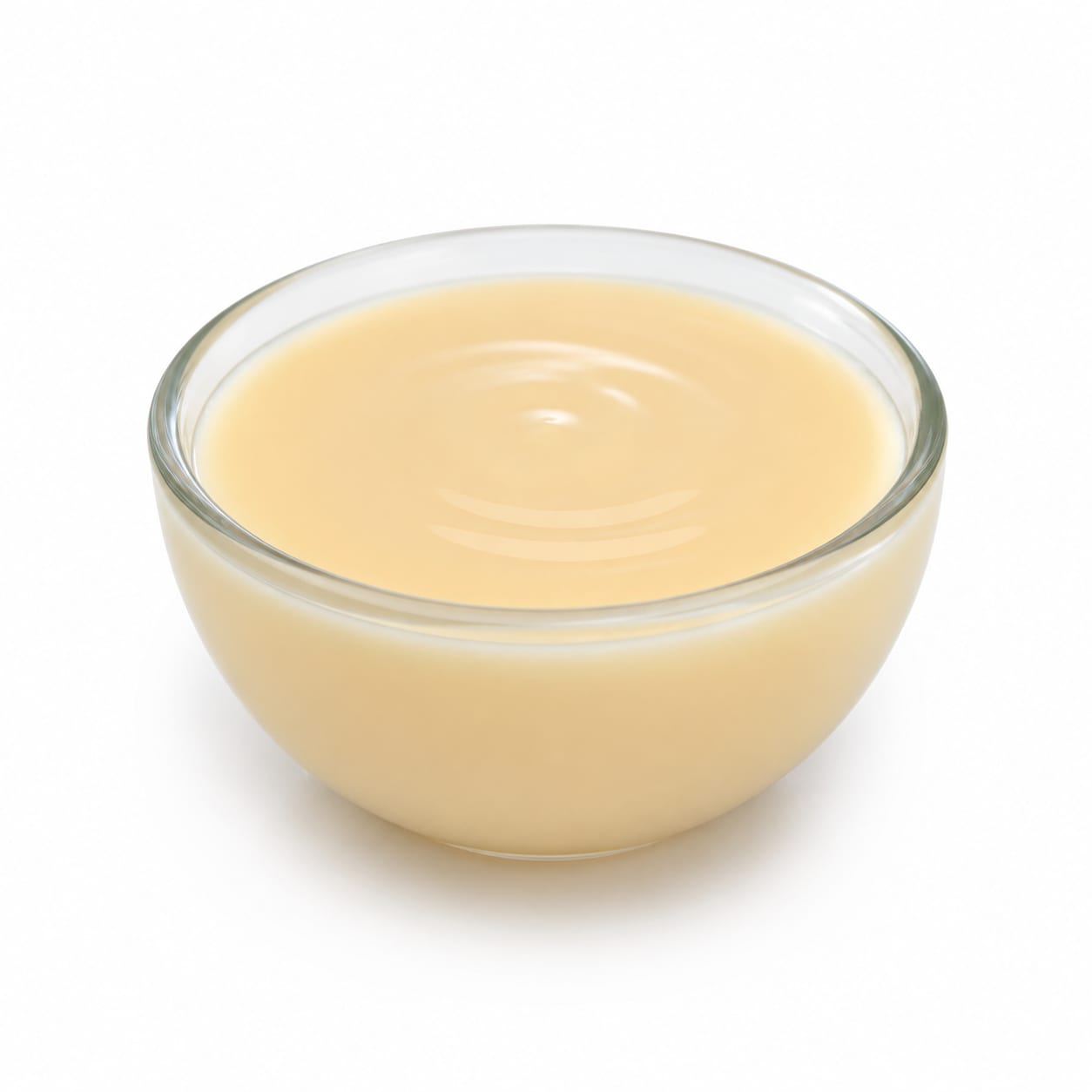
Evaporated Milk
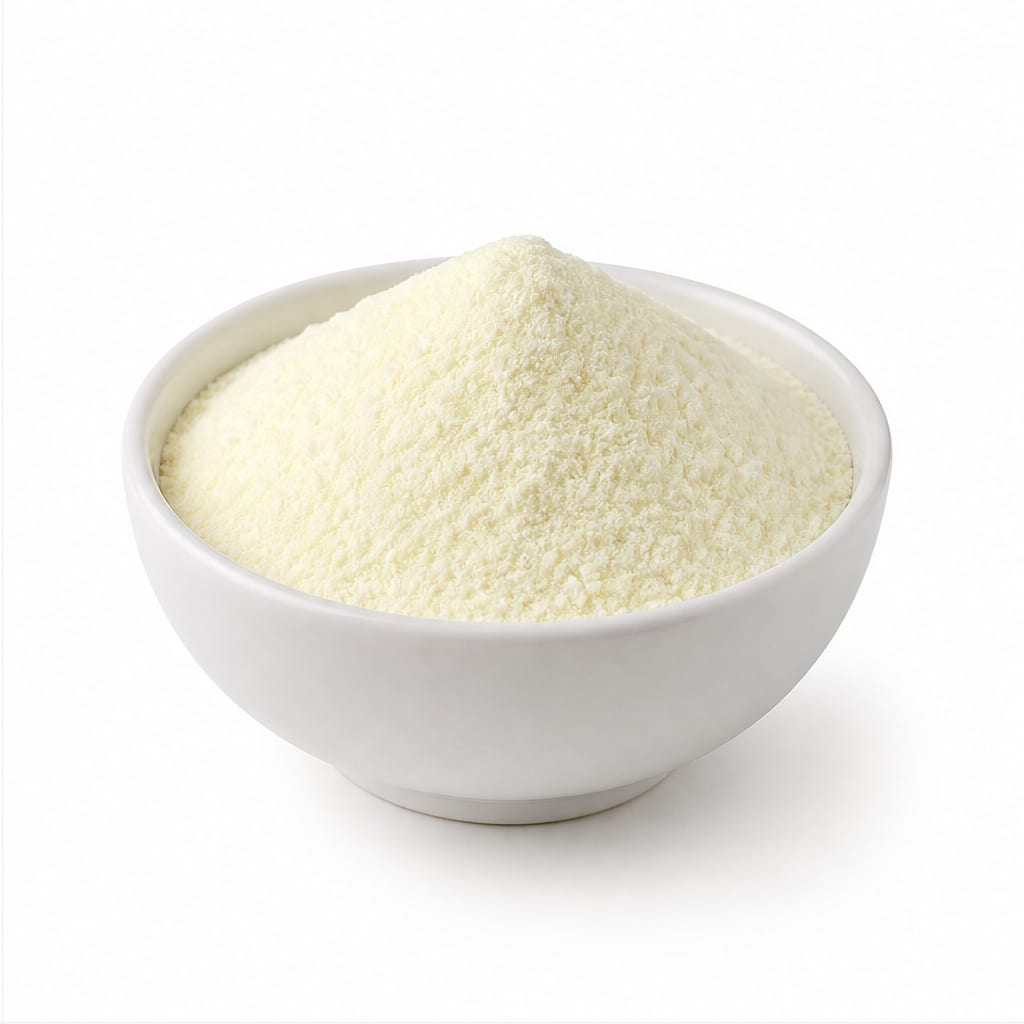
Powdered Milk
Evaporated milk wins on taste and ready-to-pour convenience, while powdered milk dominates on shelf life, cost, and storage efficiency.
Powdered milk edges ahead slightly due to superior shelf life, lower cost per serving, and storage efficiency. Evaporated milk scores better on taste and culinary versatility but loses ground on practicality for long-term use.
Flavor and immediacy versus longevity and economy — you sacrifice taste quality for years of shelf stability with powdered milk.
At a glance
Executive summary
Overall
It depends
Healthier
It depends
More practical
Powdered Milk
Daily use
Evaporated Milk
Key comparison lenses
shelf stability and emergency preparedness
Both products are chosen primarily for long-term storage, so longevity and reliability matter most
nutritional equivalence to fresh milk
Users want to know if either option truly replaces fresh milk nutritionally
taste and culinary performance
Flavor differences significantly impact whether people actually use what they store
cost effectiveness for regular use
Budget-conscious consumers compare these as daily milk substitutes
processing and additive concerns
Both are shelf-stable through different processes, raising questions about naturalness
Best choice for
Evaporated Milk
- Coffee creamer replacement
- Creamy soup and sauce recipes
- Pumpkin pie and custard desserts
- People who want ready-to-use convenience
- Those sensitive to reconstituted milk flavor
Powdered Milk
- Emergency food storage
- Budget-conscious families
- Backpacking and camping trips
- Bulk baking operations
- People with limited refrigerator space
Least suitable for
Evaporated Milk
- Long-term emergency storage beyond 1-2 years
- Backpacking due to weight and opened can spoilage
- Those watching saturated fat closely
Powdered Milk
- Drinking straight as a beverage for picky eaters
- Recipes requiring precise liquid ratios without adjustment
- Those who dislike reconstituted dairy taste
Deep comparison
Dimension by dimension
Each lens scores both foods and breaks down who each option suits.
- Dimension 1 · Priority 95Powdered Milk
shelf stability and storage
Evaporated Milk · 60Powdered Milk · 95Powdered milk lasts 2-10 years unopened; evaporated milk typically lasts 1-2 years and degrades faster once opened.
Tradeoff
Evaporated milk must be used within days of opening and refrigerated, while powdered milk can be portioned and the rest stored dry indefinitely.
Why it matters
If you're stocking an emergency pantry or want to always have milk on hand without grocery runs, powdered milk is dramatically more reliable.
Real-world impact
A can of evaporated milk opened for one recipe often gets partially wasted. Powdered milk lets you make exactly what you need.
Evaporated Milk
- Short-term recipe needs where you'll use the whole can
Better for
- Situations requiring months of unrefrigerated storage after opening
Worse for
Powdered Milk
- Emergency preparedness kits
- Cabin or off-grid living
- Reducing grocery store trips
- Avoiding food waste from partial cans
Better for
- Humid climates where clumping can occur if package is opened
Worse for
- Dimension 2 · Priority 85Evaporated Milk
taste and drinkability
Evaporated Milk · 82Powdered Milk · 55Evaporated milk has a richer, slightly caramelized flavor that works well in coffee and cooking. Reconstituted powdered milk tastes noticeably different from fresh milk.
Tradeoff
Evaporated milk's cooked flavor is actually pleasant in many recipes, while powdered milk's reconstituted taste often disappoints as a beverage.
Why it matters
If you or your family won't drink it, even the most practical milk substitute becomes wasted money.
Real-world impact
Kids often reject reconstituted powdered milk as a drink, but rarely notice evaporated milk in mac and cheese or mashed potatoes.
Evaporated Milk
- Coffee and tea creamer
- Drinking straight if diluted
- Dessert recipes where richness matters
Better for
- Anyone expecting a fresh milk taste
Worse for
Powdered Milk
- Smoothies where other flavors mask the taste
- Baking where milk is a minor ingredient
Better for
- As a standalone beverage for picky drinkers
- In delicate sauces where off-flavors show
Worse for
- Dimension 3 · Priority 88It depends
nutritional value
Evaporated Milk · 75Powdered Milk · 75Both retain most of fresh milk's protein and calcium. Processing losses are minimal and both are typically fortified with vitamins A and D.
Tradeoff
Evaporated milk is more nutrient-dense per ounce since it's concentrated liquid, but reconstituted powdered milk matches fresh milk nutrition when prepared correctly.
Why it matters
Neither is a nutritional compromise compared to fresh milk — the differences are negligible for most people.
Real-world impact
A cup of reconstituted powdered milk provides essentially the same protein and calcium as a cup of fresh milk. Evaporated milk diluted 1:1 with water does the same.
Evaporated Milk
- Getting concentrated nutrition in small volumes
- Recipes where you want extra richness plus nutrition
Better for
- People who assume undiluted evaporated milk equals fresh milk nutritionally — it's much more concentrated in calories and fat
Worse for
Powdered Milk
- Matching fresh milk nutrition precisely when reconstituted
- Controlling concentration for dietary needs
Better for
- Risk of incorrect reconstitution leading to weaker nutrition
Worse for
- Dimension 4 · Priority 78Powdered Milk
cost effectiveness
Evaporated Milk · 55Powdered Milk · 88Powdered milk is significantly cheaper per serving than evaporated milk, often costing half as much for the same nutritional equivalent.
Tradeoff
Evaporated milk costs more but saves time and measuring. Powdered milk requires mixing but saves substantial money over time.
Why it matters
For families using milk substitutes regularly, the cost difference compounds significantly over months.
Real-world impact
A $15 box of powdered milk can replace roughly $40 worth of evaporated milk or fresh milk. That savings matters on tight budgets.
Evaporated Milk
- Occasional users who value convenience over cost
- Single recipes where a small can suffices
Better for
- Daily users watching their grocery budget
Worse for
Powdered Milk
- Families going through milk regularly
- Institutional or bulk cooking
- Budget meal planning
Better for
- Small households that won't use a large package before quality declines
Worse for
- Dimension 5 · Priority 80Evaporated Milk
culinary versatility
Evaporated Milk · 88Powdered Milk · 65Evaporated milk's creamy texture and caramelized notes make it superior for desserts, sauces, and coffee. Powdered milk works fine as a background ingredient but rarely shines.
Tradeoff
Evaporated milk enhances dishes; powdered milk simply adds milk nutrition without contributing positive flavor.
Why it matters
If you're cooking for enjoyment and flavor, evaporated milk is the clear choice. If you just need functional milk protein, powdered works.
Real-world impact
Fudge, flan, and creamy soups taste noticeably better with evaporated milk. Powdered milk disappears into pancake batter without improving it.
Evaporated Milk
- Desserts like pumpkin pie, flan, and fudge
- Cream soups and chowders
- Coffee creamer
- Mashed potatoes and gratins
Better for
- Recipes needing exact fresh milk water content
Worse for
Powdered Milk
- Bread and dough recipes
- Smoothies and shakes
- Any recipe where milk is just a liquid component
Better for
- Showcase recipes where milk flavor is prominent
Worse for
- Dimension 6 · Priority 72It depends
convenience and ease of use
Evaporated Milk · 78Powdered Milk · 70Evaporated milk is ready to pour but requires refrigeration after opening. Powdered milk needs mixing but stores easily without fridge space.
Tradeoff
Evaporated milk is faster for immediate use; powdered milk is more flexible for portion control and doesn't compete for fridge space.
Why it matters
Your living situation — fridge space, frequency of use, and willingness to mix — determines which is actually more convenient.
Real-world impact
Opening a can of evaporated milk takes 5 seconds. Mixing powdered milk takes 30 seconds but you never waste leftover milk that spoils.
Evaporated Milk
- Quick cooking without measuring and mixing
- People who dislike preparation steps
Better for
- Storing leftover opened cans
- Situations without refrigeration
Worse for
Powdered Milk
- Small portions — make only a quarter cup if needed
- No refrigerator space required for dry storage
- Camping and travel
Better for
- When you need milk immediately without mixing
- Getting the powder-to-water ratio right takes practice
Worse for
Timeline
Health impact over time
Short-term
Hours to days
Evaporated Milk
- Richer mouthfeel can increase satiety in small amounts
- Concentrated lactose may cause bloating in sensitive individuals if consumed undiluted
- Higher calorie density per ounce than fresh milk — easy to overconsume
Powdered Milk
- Reconstituted milk is gentler on digestion since it matches fresh milk dilution
- Incorrect mixing can lead to overly concentrated or weak nutrition
- Some brands contain anti-caking agents that may cause mild stomach upset in sensitive people
Long-term
Months to years
Evaporated Milk
- Regular use as a cream substitute may increase saturated fat intake compared to fresh milk
- BPA exposure from can linings is a potential concern with frequent consumption
- Caramelization compounds from processing are present but not considered harmful at normal intake
Powdered Milk
- Oxidized cholesterol can form during the spray-drying process, though health significance is debated
- Long-term storage may gradually degrade vitamin content even in sealed packages
- Generally neutral long-term health impact when used as a fresh milk replacement
Risk profile
Safety & processing
Both undergo significant processing — evaporated milk through heat concentration and canning, powdered milk through spray-drying. Neither typically contains concerning additives, though evaporated milk may have BPA from can linings and some powdered milk brands include anti-caking agents like sodium aluminosilicate.
Evaporated Milk
BPA from can linings
mediumMost evaporated milk cans use BPA-based linings. Frequent consumption may contribute to cumulative BPA exposure, which is an endocrine disruptor concern.
spoilage after opening
mediumOnce opened, evaporated milk spoils within 2-3 days refrigerated, similar to fresh milk. Partially used cans are a common source of food waste.
botulism risk in dented cans
lowDamaged cans can compromise the sterile seal. While rare, deeply dented or bulging cans should always be discarded.
Powdered Milk
oxidized cholesterol
lowSpray-drying exposes milk fats to high heat and oxygen, potentially creating oxidized cholesterol. The health impact at normal consumption levels appears minimal but is not fully resolved in research.
contamination in reconstitution
lowUsing unclean water or containers to reconstitute powdered milk can introduce bacteria. This is primarily a concern in areas with unsafe water supplies.
anti-caking agents
lowSome brands add sodium aluminosilicate or silicon dioxide to prevent clumping. These are generally recognized as safe but some consumers prefer to avoid them.
Who wins for whom
Audience fit
Same foods, different winners depending on your goal.
children
Evaporated MilkChildren prefer the taste of evaporated milk in foods and drinks. Powdered milk's flavor is often rejected by kids, making adequate nutrition harder to achieve.
daily consumption
Powdered MilkLower cost, longer shelf life, and flexible portioning make powdered milk more sustainable for everyday use, despite the taste compromise.
diabetes
Powdered MilkPowdered milk can be reconstituted as skim, reducing saturated fat. Evaporated milk's concentrated lactose may cause sharper blood sugar spikes if consumed undiluted.
elderly
Powdered MilkLighter weight packages, no can-opening difficulty, and adjustable concentration for those who need extra protein or calories in smaller volumes.
muscle gain
It dependsBoth provide equivalent protein per serving when properly diluted. Evaporated milk offers slightly more calories for bulking; powdered milk allows precise protein tracking.
weight loss
Powdered MilkPowdered milk can be reconstituted to match skim milk nutrition precisely, while evaporated milk's concentrated calories make portion control harder.
Your move
Decision guide
Choose Evaporated Milk
- You primarily need milk for coffee, desserts, or creamy recipes
- Taste matters more than cost or shelf life
- You use milk occasionally and want something ready instantly
- You're making fudge, flan, or pumpkin pie
Choose Powdered Milk
- Emergency preparedness is your main goal
- You want the most cost-effective milk substitute for daily use
- Storage space is limited or refrigerator access is unreliable
- You're camping, traveling, or living off-grid
- You hate wasting partial cans of evaporated milk
Either works if
- You need a shelf-stable milk option and taste is secondary
- You're adding milk to baked goods where flavor differences disappear
- You want backup milk for when fresh milk runs out
Avoid both if
- You have severe lactose intolerance — both contain full lactose
- You're strictly avoiding all processed foods
- You have fresh milk readily available and affordable — fresh is always nutritionally superior in taste
Final recommendation
Keep both: powdered milk for everyday backup and emergency storage, evaporated milk for cooking and coffee. If you must choose one, powdered milk gives you more flexibility and better value, while evaporated milk gives you better flavor and instant usability. Your priority — taste or practicality — should decide.
Practical
Consumer tips
- 1
Mix powdered milk with very cold water and let it sit for a few hours — it tastes significantly closer to fresh milk than when consumed immediately after mixing
- 2
Freeze leftover evaporated milk in ice cube trays for portion-controlled future use — each cube is roughly 2 tablespoons
- 3
For the best of both worlds, use powdered milk for daily cooking and keep one can of evaporated milk for recipes where richness matters
- 4
Check powdered milk ingredients — some brands add vegetable oil instead of retaining natural milk fat, which changes the nutrition profile
- 5
Store powdered milk in airtight containers after opening the original package — moisture is its biggest enemy
- 6
Dilute evaporated milk with equal parts water to approximate fresh milk for drinking — it's more palatable and halves the calorie density