
Nutrition comparison
Evaporated Milk vs Soy Milk: Which Is Healthier for Daily Use?
Compare Evaporated Milk and Soy Milk on protein, calories, lactose, heart health, and cooking performance. Find out which milk alternative fits your diet best.
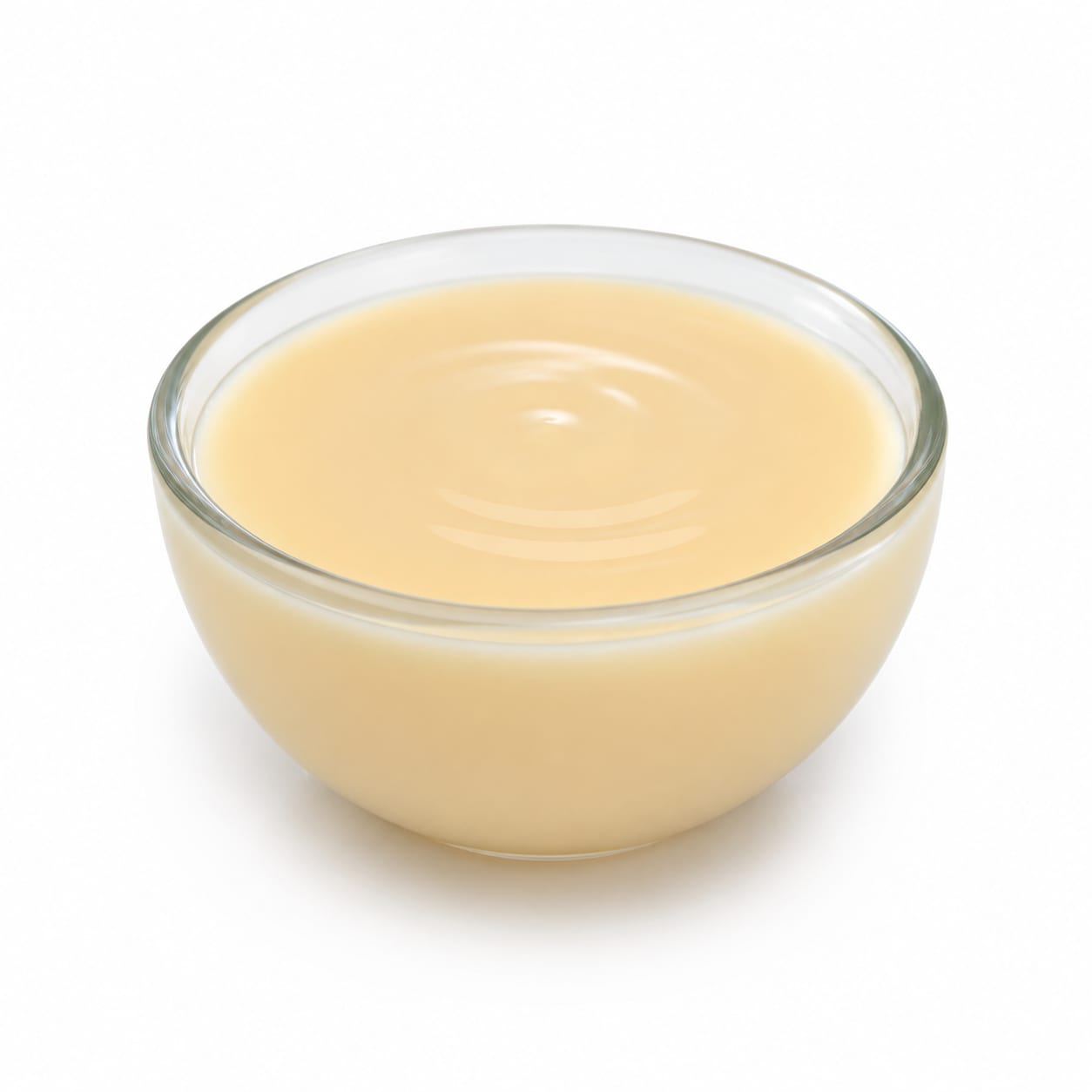
Evaporated Milk
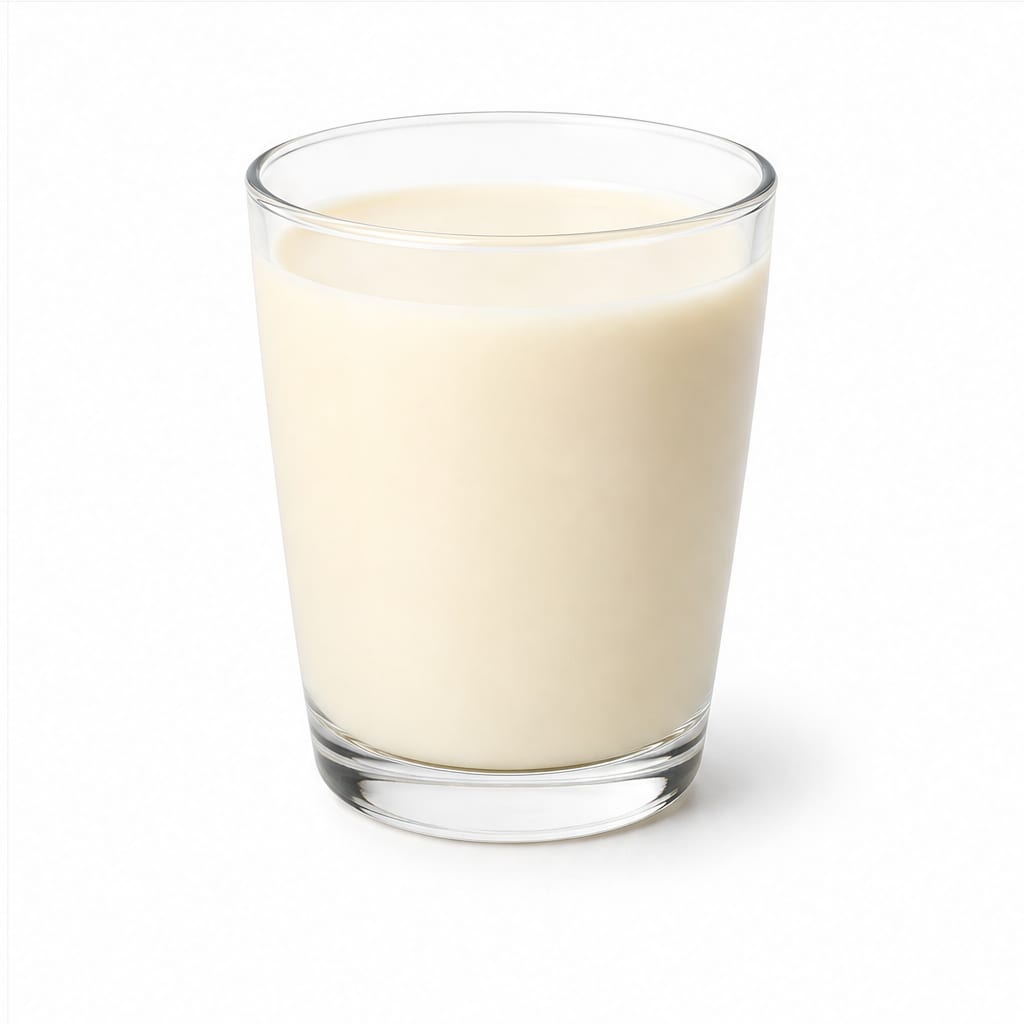
Soy Milk
Soy Milk wins for everyday drinking and lactose-sensitive diets, while Evaporated Milk dominates in cooking and protein density.
Soy Milk scores higher for everyday health and practicality, but Evaporated Milk retains strong niche value for cooking and concentrated nutrition. The gap reflects that most people reach for milk alternatives more often than concentrated dairy.
Rich dairy nutrition and cooking performance versus lighter, lactose-free, plant-based convenience.
At a glance
Executive summary
Overall
It depends
Healthier
Soy Milk
More practical
Soy Milk
Daily use
Soy Milk
Key comparison lenses
dairy vs plant based
The core decision here is animal-based versus plant-based, which shapes nutrition, digestion, and ethics
lactose tolerance and digestive comfort
Evaporated Milk contains concentrated lactose while Soy Milk is naturally lactose-free, a dealbreaker for many
protein quality and satiety
Evaporated Milk offers more protein per serving with higher biological value, while Soy Milk provides decent plant protein
calorie density for weight management
Evaporated Milk is significantly more calorie-dense, which matters for daily beverage choices
hormonal and allergen concerns
Soy phytoestrogens and dairy hormones both raise legitimate questions for certain consumers
cooking versatility
Evaporated Milk is a classic cooking ingredient while Soy Milk is primarily a beverage
Best choice for
Evaporated Milk
- Baking and dessert recipes requiring richness
- Those wanting maximum protein and calcium per serving
- People seeking creamy texture without thickeners
- Underweight individuals needing calorie density
Soy Milk
- Daily beverage use and cereal pouring
- Lactose-intolerant or dairy-avoiding individuals
- Vegans and plant-based eaters
- Those watching saturated fat and calorie intake
Least suitable for
Evaporated Milk
- Lactose-intolerant individuals
- Vegans and strict plant-based dieters
- Those limiting saturated fat
- Casual daily beverage use due to calorie density
Soy Milk
- Soy-allergic individuals
- Traditional recipes requiring dairy caramelization
- Those needing maximum protein density per serving
- People concerned about phytoestrogen exposure
Deep comparison
Dimension by dimension
Each lens scores both foods and breaks down who each option suits.
- Dimension 1 · Priority 88Evaporated Milk
Protein Quality and Density
Evaporated Milk · 85Soy Milk · 65Evaporated Milk delivers roughly 8g of complete protein per 100ml with all essential amino acids, while Soy Milk offers about 3g per 100ml from a solid but less concentrated plant source.
Tradeoff
You get more and higher-quality protein from Evaporated Milk, but at the cost of more calories and saturated fat per gram of protein.
Why it matters
Protein density affects how filling a beverage feels and how useful it is for muscle maintenance, especially at breakfast.
Real-world impact
A smoothie with Evaporated Milk keeps you fuller longer, but Soy Milk with a scoop of protein powder may be the smarter move for most people.
Evaporated Milk
- Post-workout recovery when you need concentrated protein
- Older adults needing efficient protein intake in small volumes
Better for
- Anyone counting calories who wants protein without the fat payload
Worse for
Soy Milk
- Light protein intake without excess calories
- Plant-based eaters who pair with other protein sources throughout the day
Better for
- Situations where you need maximum protein from a single ingredient
Worse for
- Dimension 2 · Priority 90Soy Milk
Digestive Tolerance and Lactose
Evaporated Milk · 35Soy Milk · 92Evaporated Milk concentrates lactose along with everything else, making it harder on sensitive stomachs. Soy Milk is naturally lactose-free and generally easy to digest.
Tradeoff
If lactose bothers you, Evaporated Milk is a non-starter while Soy Milk is effortless. No amount of nutritional advantage compensates for digestive distress.
Why it matters
Roughly 65% of the global population has some degree of lactose malabsorption, making this a widespread concern.
Real-world impact
Drinking Evaporated Milk straight can cause bloating, gas, or worse for lactose-sensitive people. Soy Milk lets you enjoy a creamy beverage worry-free.
Evaporated Milk
- People with confirmed lactose tolerance who enjoy dairy without issues
Better for
- Even mildly lactose-sensitive people will feel the concentrated dose
Worse for
Soy Milk
- Lactose-intolerant individuals
- People with irritable bowel syndrome triggered by dairy
- Anyone who experiences bloating from regular milk
Better for
- A small subset of people find soy hard to digest due to oligosaccharides
Worse for
- Dimension 3 · Priority 82Soy Milk
Calorie and Satiety Balance
Evaporated Milk · 45Soy Milk · 78Evaporated Milk packs about 134 calories per 100ml compared to Soy Milk at roughly 54 calories per 100ml. That density adds up fast in daily use.
Tradeoff
Evaporated Milk is more filling per serving but at nearly triple the calories. Soy Milk offers a lighter daily option that still satisfies.
Why it matters
For a beverage consumed daily, calorie density determines whether it supports or undermines weight management over months and years.
Real-world impact
Switching from Evaporated Milk to Soy Milk in your morning coffee saves you about 80 calories per cup, which compounds to roughly 29,000 calories per year.
Evaporated Milk
- People who struggle to eat enough and need calorie-dense options
- Recovery from illness when weight gain is the goal
Better for
- Mindless calorie accumulation if used casually as a beverage
Worse for
Soy Milk
- Weight management and steady energy without heaviness
- People who drink multiple servings per day
Better for
- May not feel substantial enough as a standalone snack
Worse for
- Dimension 4 · Priority 80It depends
Bone Health and Calcium
Evaporated Milk · 82Soy Milk · 75Evaporated Milk provides naturally occurring calcium at about 261mg per 100ml. Fortified Soy Milk typically matches this, but the calcium can settle and may be less bioavailable.
Tradeoff
Natural dairy calcium comes packaged with lactose and saturated fat, while fortified calcium in Soy Milk depends on proper shaking and may absorb differently.
Why it matters
Calcium source matters less than consistent daily intake, but bioavailability differences can add up over decades of bone health.
Real-world impact
If you shake your Soy Milk well and drink it regularly, the calcium difference is negligible. If you forget to shake, you may get less than you think.
Evaporated Milk
- Those who want guaranteed calcium without relying on fortification
- Situations where you cannot ensure proper mixing of fortified products
Better for
- The saturated fat package may offset some bone benefits for heart health
Worse for
Soy Milk
- People who avoid dairy but still need reliable calcium intake
- Those who prefer calcium without the accompanying saturated fat
Better for
- Fortified calcium that settles at the bottom of the carton is wasted
Worse for
- Dimension 5 · Priority 85Soy Milk
Heart Health and Fat Profile
Evaporated Milk · 40Soy Milk · 82Evaporated Milk contains about 7g of saturated fat per 100ml, while Soy Milk has roughly 1.5g of mostly unsaturated fat including beneficial omega-6 fatty acids.
Tradeoff
Soy Milk supports cardiovascular health with unsaturated fats, while Evaporated Milk contributes saturated fat that can raise LDL cholesterol over time.
Why it matters
Daily beverage choices have an outsized impact on long-term heart health because the fats accumulate silently over years.
Real-world impact
Replacing Evaporated Milk with Soy Milk in daily use is a simple swap that meaningfully reduces saturated fat intake without sacrificing creaminess.
Evaporated Milk
- Active individuals who burn through saturated fat without metabolic consequence
Better for
- Daily use can push saturated fat intake above recommended limits quickly
Worse for
Soy Milk
- Anyone monitoring cholesterol or with family history of heart disease
- People following heart-healthy dietary patterns
Better for
- Some brands add vegetable oils that reduce the natural fat advantage
Worse for
- Dimension 6 · Priority 75Evaporated Milk
Cooking and Culinary Performance
Evaporated Milk · 92Soy Milk · 48Evaporated Milk caramelizes, thickens, and enriches dishes in ways Soy Milk simply cannot replicate. It is a purpose-built cooking ingredient.
Tradeoff
For recipes that rely on dairy chemistry, Soy Milk is a poor substitute. For simple liquid addition, it works adequately.
Why it matters
If you are choosing an ingredient for pumpkin pie or mac and cheese, this dimension overrides all health considerations.
Real-world impact
Evaporated Milk makes fudge set properly and chowders taste rich. Soy Milk makes both taste thin and slightly beany.
Evaporated Milk
- Custards, pies, and baked desserts requiring dairy richness
- Cream soups and savory sauces that need natural thickening
- Traditional recipes where substitution fails
Better for
- Not useful in recipes where a light touch is needed
Worse for
Soy Milk
- Smoothies where a neutral or light base is preferred
- Simple beverage or cereal applications
Better for
- Fails in caramelization-dependent recipes
- Soy flavor can clash with delicate dessert profiles
Worse for
- Dimension 7 · Priority 72It depends
Hormonal and Allergen Considerations
Evaporated Milk · 55Soy Milk · 55Evaporated Milk contains natural dairy hormones and IGF-1, while Soy Milk contains phytoestrogens that can mimic estrogen weakly. Both raise valid but often overstated concerns.
Tradeoff
Neither is truly concerning at moderate intake for most people, but those with specific conditions should pay attention to both sides.
Why it matters
Hormonal sensitivity varies wildly between individuals, and blanket reassurances can miss important personal risk factors.
Real-world impact
For most people, a serving or two of either is hormonally insignificant. For those with estrogen-sensitive conditions or dairy hormone concerns, the choice matters more.
Evaporated Milk
- People with soy allergies who need a reliable alternative
- Those concerned specifically about phytoestrogen exposure
Better for
- Individuals with hormone-sensitive conditions should limit concentrated dairy
Worse for
Soy Milk
- People avoiding dairy hormones for acne or other skin concerns
- Those with dairy allergy or casein sensitivity
Better for
- Those with thyroid conditions should moderate soy intake, especially around medication times
Worse for
Timeline
Health impact over time
Short-term
Hours to days
Evaporated Milk
- Quick energy and fullness from concentrated protein and fat
- Potential bloating or gas for lactose-sensitive individuals
- Rich mouthfeel that satisfies cravings immediately
Soy Milk
- Light hydration with mild satiety from plant protein
- Easy digestion without lactose-related discomfort
- May cause mild stomach adjustment if transitioning from dairy suddenly
Long-term
Months to years
Evaporated Milk
- Higher saturated fat intake may elevate LDL cholesterol with daily use
- Reliable calcium and protein support for bone and muscle maintenance
- Possible contribution to dairy-associated inflammatory patterns in sensitive individuals
Soy Milk
- Unsaturated fat profile supports cardiovascular health over time
- Phytoestrogens may offer protective effects for some, concerning for others with long-term high intake
- Fortified nutrients support bone health, though bioavailability varies
Risk profile
Safety & processing
Evaporated Milk is simply milk with water removed through gentle heating, making it a single-ingredient processed food. Soy Milk requires more processing to transform soybeans into a milk-like liquid and often contains thickeners, stabilizers, and fortified vitamins. Neither is ultra-processed, but Evaporated Milk is closer to its whole-food origin.
Evaporated Milk
Lactose-related digestive distress
mediumConcentrated lactose can trigger significant symptoms in intolerant individuals, including cramping and diarrhea.
Dairy antibiotic residue exposure
lowConventional dairy may contain trace antibiotic residues, though regulatory limits keep this low for most products.
Spoilage and bacterial growth
lowOnce opened, Evaporated Milk spoils faster than unopened shelf-stable Soy Milk and requires refrigeration.
Soy Milk
Soy allergen exposure
highSoy is a top 9 allergen. Reactions can range from mild hives to anaphylaxis in sensitive individuals.
Additive sensitivities from thickeners
lowCarrageenan and gums used in some Soy Milk brands can cause digestive irritation in sensitive people.
Pesticide residue on conventional soybeans
mediumSoy is a heavily sprayed crop. Choosing organic Soy Milk significantly reduces this concern.
Who wins for whom
Audience fit
Same foods, different winners depending on your goal.
children
It dependsEvaporated Milk provides concentrated nutrition for growing kids who need calories and calcium, but Soy Milk works for dairy-allergic children. Consult a pediatrician for children under 2.
daily consumption
Soy MilkLower calories, easier digestion, and a heart-healthier fat profile make Soy Milk the more sustainable daily choice for most people.
diabetes
Soy MilkSoy Milk has lower carbohydrate content and a gentler impact on blood sugar, while Evaporated Milk concentrates lactose sugar along with everything else.
elderly
Soy MilkSoy Milk offers easier digestion, heart-friendly fats, and adequate protein without the saturated fat burden that becomes riskier with age.
muscle gain
Evaporated MilkEvaporated Milk delivers more complete protein per serving, which matters when you are trying to hit higher protein targets efficiently.
weight loss
Soy MilkSoy Milk provides creamy satisfaction at roughly one-third the calories of Evaporated Milk, making it far easier to maintain a calorie deficit.
Your move
Decision guide
Choose Evaporated Milk
- You are making a specific recipe that requires Evaporated Milk for texture or caramelization
- You need concentrated nutrition in a small volume, such as during recovery or for a child who eats little
- You tolerate lactose well and want maximum protein and calcium per sip
- You are underweight and actively trying to increase calorie intake
Choose Soy Milk
- You want an everyday milk alternative for drinking, cereal, or coffee
- You are lactose-intolerant or avoiding dairy for any reason
- You are watching saturated fat, calories, or cholesterol
- You follow a plant-based or vegan diet
- You want something lighter that will not weigh down your morning
Either works if
- You are using small amounts as a coffee creamer and tolerate both fine
- You rotate between dairy and plant-based options for dietary diversity
- Neither is a major calorie source in your overall diet
Avoid both if
- You have both dairy and soy allergies or sensitivities
- You are looking for a low-calorie hydrating beverage and would be better served by water or herbal tea
Final recommendation
For most people reaching for a daily milk, Soy Milk is the smarter default. It digests easier, supports heart health, and keeps calories in check. Save Evaporated Milk for the recipes that genuinely need it. Using it as a daily beverage is like using heavy cream in your coffee every morning. It works, but it adds up.
Practical
Consumer tips
- 1
Choose unsweetened Soy Milk to avoid added sugars that negate its health advantages
- 2
Shake Soy Milk well before each use to redistribute settled calcium fortification
- 3
Opt for organic Soy Milk to minimize pesticide exposure from conventionally grown soybeans
- 4
Use Evaporated Milk within 3-4 days of opening, as it spoils faster than you might expect
- 5
If using Soy Milk in cooking, add it at the end of heating to prevent curdling
- 6
Check Soy Milk labels for carrageenan if you have sensitive digestion, and choose brands without it
- 7
Dilute Evaporated Milk with equal parts water if you want a closer approximation to regular milk for drinking
- 8
Freeze leftover Evaporated Milk in ice cube trays for future recipe use rather than letting it spoil