
Nutrition comparison
Evaporated Milk vs Unsweetened Almond Milk: Nutrition, Calories, and Best Uses Compared
Evaporated Milk delivers concentrated protein and calcium while Unsweetened Almond Milk saves calories. Compare nutrition, cooking uses, and which is better for your goals.
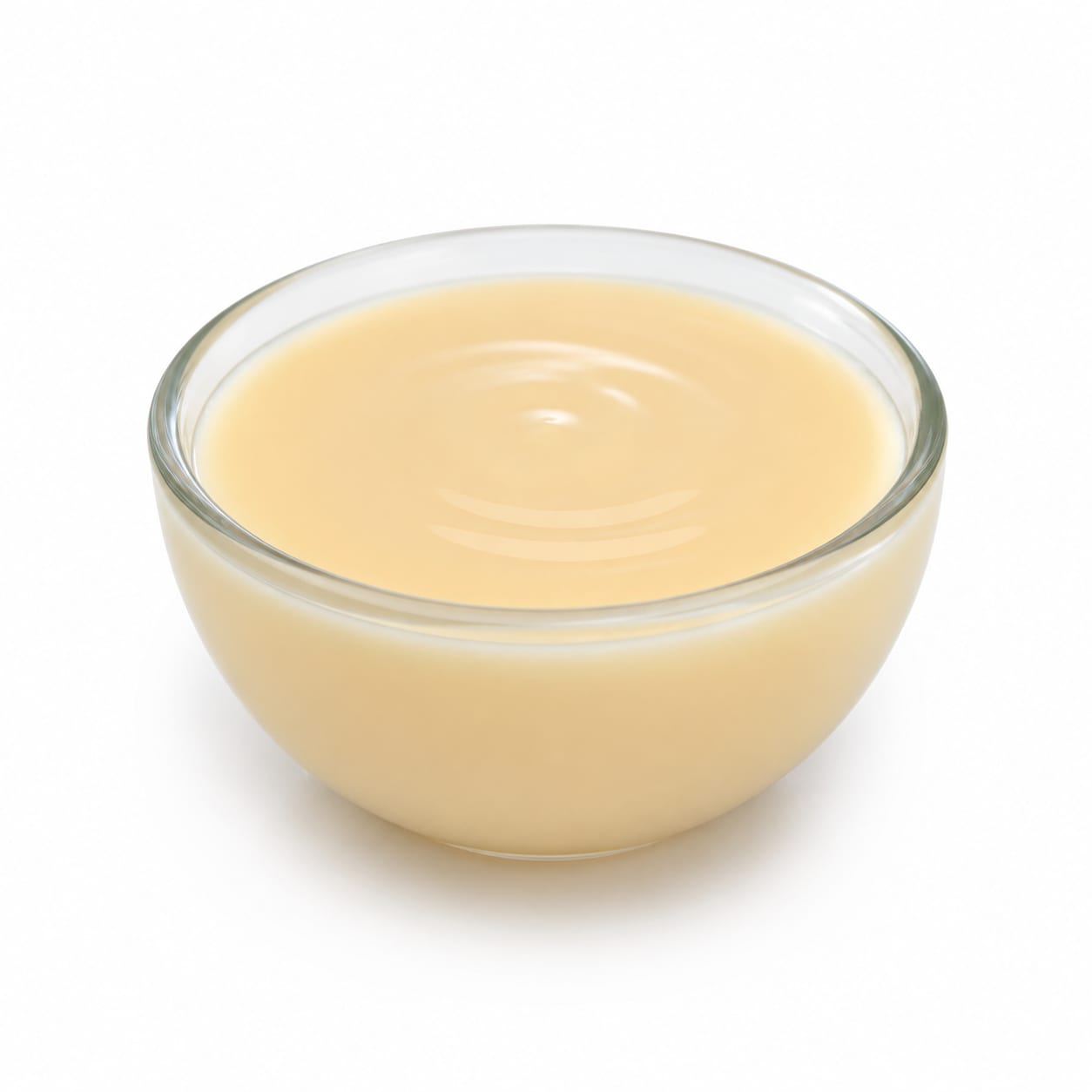
Evaporated Milk
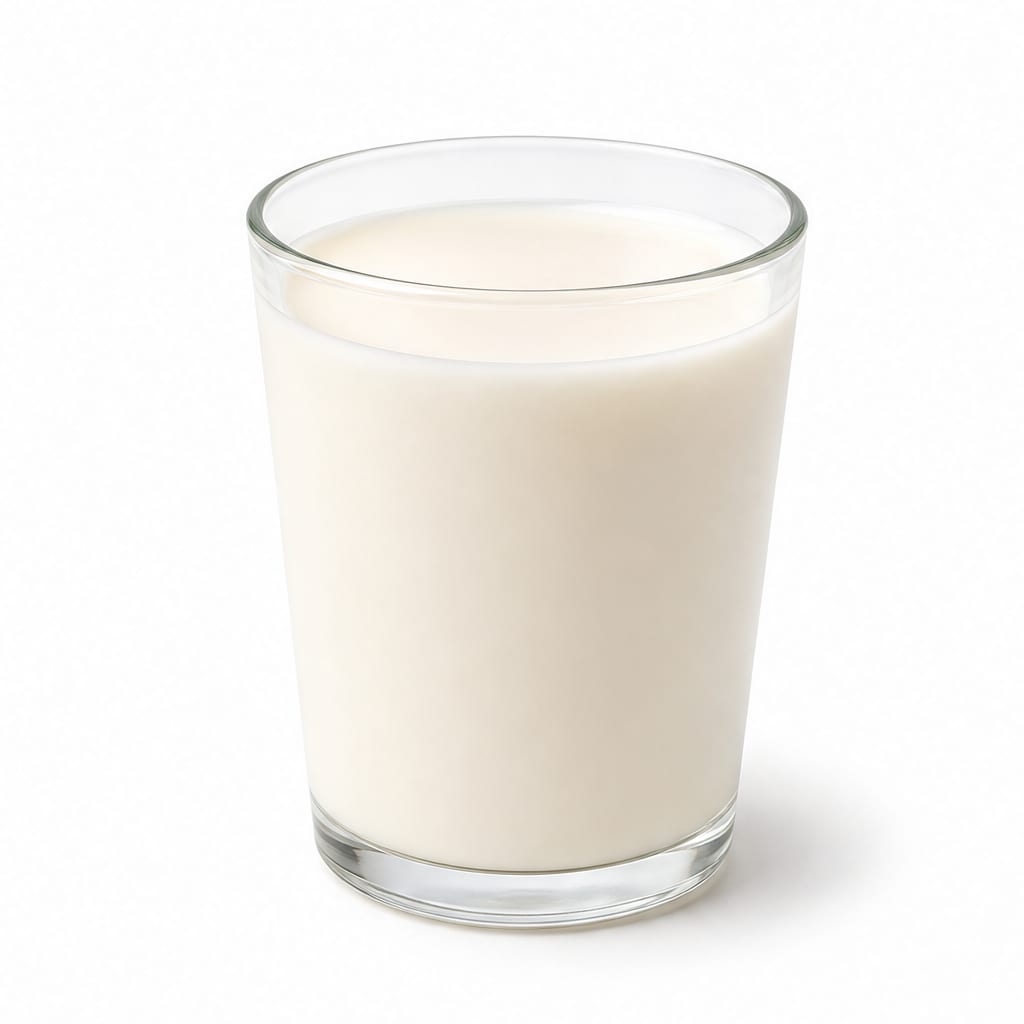
Unsweetened Almond Milk
Evaporated Milk is real nutrition in concentrated form; Unsweetened Almond Milk is a near-zero-calorie liquid with fortified extras. They serve completely different purposes.
Scores are close because each excels in opposite contexts. Evaporated Milk wins on genuine nutrition and cooking utility. Unsweetened Almond Milk wins on calorie control and daily convenience. Neither is universally better.
Substance versus lightness. Evaporated Milk fills you up and nourishes but costs calories and requires dairy tolerance. Unsweetened Almond Milk saves calories but leaves you hungry and relies on added fortification.
At a glance
Executive summary
Overall
It depends
Healthier
It depends
More practical
Unsweetened Almond Milk
Daily use
Unsweetened Almond Milk
Key comparison lenses
calorie vs nutrient density
Evaporated Milk is calorie-dense with real nutrition; Unsweetened Almond Milk is nearly calorie-free but nutritionally thin. This is the core tension.
dairy tolerance and digestive comfort
Lactose content in Evaporated Milk makes it a dealbreaker for many, while Unsweetened Almond Milk is naturally lactose-free.
protein and satiety
Evaporated Milk delivers meaningful protein that keeps you full; Unsweetened Almond Milk provides almost none.
cooking and baking functionality
Evaporated Milk is a kitchen staple for rich recipes; Unsweetened Almond Milk cannot replicate its thickening or richness.
weight management strategy
Users often choose between these when deciding between satisfying calories versus saving calories.
Best choice for
Evaporated Milk
- People needing concentrated nutrition and protein
- Bakers and cooks making creamy recipes
- Those who tolerate dairy well and want satiety
- Anyone recovering from illness needing calorie-dense nourishment
Unsweetened Almond Milk
- Lactose-intolerant individuals
- People cutting calories for weight loss
- Vegans avoiding all animal products
- Those wanting a light everyday milk substitute for cereal or coffee
Least suitable for
Evaporated Milk
- Lactose-intolerant or dairy-sensitive people
- Strict calorie counters
- Vegans
- Those watching saturated fat intake closely
Unsweetened Almond Milk
- Children needing protein and calories for growth
- Athletes requiring protein recovery
- Anyone relying on milk as a meaningful nutrition source
- People who find thin liquids unsatisfying
Deep comparison
Dimension by dimension
Each lens scores both foods and breaks down who each option suits.
- Dimension 1 · Priority 95Unsweetened Almond Milk
Caloric Efficiency
Evaporated Milk · 35Unsweetened Almond Milk · 92Unsweetened Almond Milk delivers minimal calories per cup, making it effortless for weight management. Evaporated Milk packs roughly 340 calories per cup, which is substantial.
Tradeoff
You save calories with Unsweetened Almond Milk but get almost no energy or nutrition in return. Evaporated Milk costs more calories but provides real fuel.
Why it matters
If you are tracking calories, Unsweetened Almond Milk is almost free. If you need nourishment, those calories in Evaporated Milk are doing real work.
Real-world impact
Pouring Unsweetened Almond Milk over cereal saves you 250+ calories compared to Evaporated Milk. That difference can matter daily for weight loss.
Evaporated Milk
- People who need calorie-dense nourishment
- Those recovering from illness or underweight
Better for
- Strict calorie counters
- People trying to lose weight rapidly
Worse for
Unsweetened Almond Milk
- Consistent calorie cutters
- Anyone managing portion control effortlessly
Better for
- Anyone needing energy from their beverages
- People who feel unsatisfied by low-calorie drinks
Worse for
- Dimension 2 · Priority 90Evaporated Milk
Protein and Satiety
Evaporated Milk · 88Unsweetened Almond Milk · 12Evaporated Milk provides about 17g of protein per cup from quality dairy sources. Unsweetened Almond Milk barely reaches 1g.
Tradeoff
Evaporated Milk genuinely fills you up and supports muscle maintenance. Unsweetened Almond Milk passes through without making a dent in hunger.
Why it matters
Protein is the main nutrient that signals fullness to your brain. A protein-rich drink reduces snacking later.
Real-world impact
A cup of Evaporated Milk in coffee or oatmeal can keep you satisfied for hours. Unsweetened Almond Milk in the same meal changes almost nothing about your hunger.
Evaporated Milk
- Breakfast skippers needing lasting energy
- Older adults preserving muscle mass
- Post-workout recovery
Better for
- Those limiting dairy protein for kidney issues
Worse for
Unsweetened Almond Milk
- People who eat protein from other sources and just want a light liquid
Better for
- Anyone relying on milk as a protein source
- People prone to mid-morning energy crashes
Worse for
- Dimension 3 · Priority 85It depends
Calcium and Bone Support
Evaporated Milk · 82Unsweetened Almond Milk · 75Evaporated Milk contains naturally occurring calcium concentrated by water removal. Unsweetened Almond Milk relies on added calcium fortification that may absorb less reliably.
Tradeoff
Natural calcium in dairy comes packaged with lactose and vitamin D that improve absorption. Fortified calcium in Unsweetened Almond Milk can settle at the bottom of the carton and may not be evenly consumed.
Why it matters
Bone health depends on consistent, absorbable calcium intake, not just listed amounts on a label.
Real-world impact
Shaking Unsweetened Almond Milk before pouring helps distribute added calcium. Evaporated Milk delivers it evenly every time without extra effort.
Evaporated Milk
- People wanting reliable calcium absorption
- Those concerned about osteoporosis
Better for
- Lactose-intolerant individuals who cannot consume it regularly
Worse for
Unsweetened Almond Milk
- People who cannot tolerate dairy but still need calcium
Better for
- Anyone assuming the label calcium equals absorbed calcium
Worse for
- Dimension 4 · Priority 88Unsweetened Almond Milk
Digestive Tolerance
Evaporated Milk · 30Unsweetened Almond Milk · 90Evaporated Milk contains concentrated lactose that triggers bloating, gas, and discomfort in lactose-sensitive people. Unsweetened Almond Milk is naturally lactose-free and gentle on digestion.
Tradeoff
If you tolerate dairy, Evaporated Milk causes no issues. If you are among the majority of the global population with some lactose sensitivity, Unsweetened Almond Milk is dramatically more comfortable.
Why it matters
Digestive discomfort undermines nutrition. A food you cannot digest well provides less benefit than its nutrient profile suggests.
Real-world impact
For lactose-sensitive people, even a small amount of Evaporated Milk in coffee can cause hours of bloating. Unsweetened Almond Milk avoids this entirely.
Evaporated Milk
- People with confirmed lactose tolerance
Better for
- Lactose-sensitive individuals
- People prone to bloating from dairy
Worse for
Unsweetened Almond Milk
- Lactose-intolerant individuals
- People with sensitive stomachs
- Anyone with IBS triggered by dairy
Better for
- Those with almond or tree nut allergies
Worse for
- Dimension 5 · Priority 78Evaporated Milk
Cooking and Baking Versatility
Evaporated Milk · 93Unsweetened Almond Milk · 28Evaporated Milk is a kitchen workhorse that adds richness, thickening, and browning to recipes. Unsweetened Almond Milk is too thin and watery for most cooking applications.
Tradeoff
Evaporated Milk transforms recipes with creaminess and structure. Unsweetened Almond Milk mostly just adds moisture without contributing texture or flavor.
Why it matters
If you cook regularly, ingredient functionality matters as much as nutrition labels.
Real-world impact
Pumpkin pie, mac and cheese, creamy soups, and fudge rely on Evaporated Milk's concentrated dairy solids. Substituting Unsweetened Almond Milk produces noticeably thinner, less satisfying results.
Evaporated Milk
- Home bakers making pies and desserts
- Cooks preparing creamy sauces and soups
- Anyone making homemade ice cream or fudge
Better for
- Vegan recipe requirements
Worse for
Unsweetened Almond Milk
- Simple smoothies where thinness is acceptable
- Overnight oats where a lighter liquid is preferred
Better for
- Any recipe requiring thickening or richness
- Custards, puddings, and cream-based dishes
Worse for
- Dimension 6 · Priority 72Unsweetened Almond Milk
Heart Health Profile
Evaporated Milk · 38Unsweetened Almond Milk · 78Evaporated Milk contains saturated fat and cholesterol that can raise LDL when consumed regularly. Unsweetened Almond Milk has virtually no saturated fat and contains heart-friendlier fats.
Tradeoff
Unsweetened Almond Milk is easier on cardiovascular risk markers. Evaporated Milk's saturated fat is fine in moderation but adds up if used daily.
Why it matters
Daily beverage choices compound over years. A saturated-fat-heavy drink consumed daily influences heart health meaningfully.
Real-world impact
Switching from Evaporated Milk to Unsweetened Almond Milk in daily coffee removes about 5g of saturated fat per cup, which adds up over months.
Evaporated Milk
- Active individuals burning through saturated fat without issue
Better for
- People with elevated LDL cholesterol
- Those consuming high saturated fat from other sources
Worse for
Unsweetened Almond Milk
- People managing cholesterol levels
- Those with family history of heart disease
- Anyone following a heart-healthy eating pattern
Better for
- People who compensate for saved calories with other high-fat foods
Worse for
- Dimension 7 · Priority 68Evaporated Milk
Processing and Additives
Evaporated Milk · 65Unsweetened Almond Milk · 40Evaporated Milk is simply milk with water removed and vitamins added. Unsweetened Almond Milk is mostly water with small amounts of almonds, plus emulsifiers, stabilizers, and fortified nutrients.
Tradeoff
Evaporated Milk undergoes one processing step with a short ingredient list. Unsweetened Almond Milk requires more additives to achieve shelf stability and palatable texture.
Why it matters
Fewer additives generally mean fewer concerns about long-term effects of gums, emulsifiers, and fortification stability.
Real-world impact
Evaporated Milk typically contains milk, vitamin D, and vitamin A. Unsweetened Almond Milk often lists gums, lecithin, and calcium carbonate alongside almonds and water.
Evaporated Milk
- Minimalists who prefer short ingredient lists
- People avoiding food additives
Better for
- People avoiding all processed foods
Worse for
Unsweetened Almond Milk
- Those who accept additives in exchange for dairy-free convenience
Better for
- Anyone sensitive to carrageenan or gums
- Those concerned about emulsifier effects on gut health
Worse for
Timeline
Health impact over time
Short-term
Hours to days
Evaporated Milk
- Provides immediate satiety from protein and fat content
- Can trigger bloating or gas in lactose-sensitive people within 30 minutes
- Delivers quick energy from concentrated natural sugars and fat
Unsweetened Almond Milk
- Feels light and hydrating without digestive burden
- Does not trigger fullness, which may lead to earlier snacking
- Virtually no impact on blood sugar
Long-term
Months to years
Evaporated Milk
- Regular consumption supports bone density through reliable calcium and vitamin D
- Daily saturated fat intake may gradually raise LDL cholesterol in susceptible people
- Consistent protein intake helps preserve muscle mass with aging
Unsweetened Almond Milk
- Calorie savings compound into meaningful weight management over months and years
- Relying on it as a primary milk substitute without other protein sources may contribute to inadequate protein intake
- Fortified nutrients may not absorb as consistently as naturally occurring ones in dairy
Risk profile
Safety & processing
Evaporated Milk is processed through a single heating and evaporation step, retaining a short ingredient list. Unsweetened Almond Milk requires more intervention to turn a small amount of nuts into a milk-like beverage, including stabilizers and fortification that push it into ultra-processed territory.
Evaporated Milk
Lactose intolerance reactions
mediumAffects roughly 65% of the global population to some degree. Concentrated lactose in Evaporated Milk amplifies symptoms compared to regular milk.
Dairy allergy
highTrue milk protein allergy can cause severe reactions. Evaporated Milk contains the same allergenic proteins as regular milk in concentrated form.
Bacterial spoilage after opening
mediumOnce opened, Evaporated Milk must be refrigerated and used within a few days like regular milk.
Unsweetened Almond Milk
Almond or tree nut allergy
highCan cause severe anaphylactic reactions in nut-allergic individuals. Cross-contamination in manufacturing is also possible.
Carrageenan sensitivity
lowSome brands use carrageenan as a thickener, which may cause digestive inflammation in sensitive people. Many brands have removed it.
Inconsistent fortification distribution
lowAdded calcium and vitamins can settle at the bottom of the carton, leading to uneven intake if not shaken well.
Who wins for whom
Audience fit
Same foods, different winners depending on your goal.
children
Evaporated MilkGrowing children need protein, calories, and bioavailable calcium that Evaporated Milk delivers reliably. Unsweetened Almond Milk is too nutritionally thin as a primary milk for kids.
daily consumption
Unsweetened Almond MilkUnsweetened Almond Milk is lighter, easier on digestion for most people, and simpler to consume daily without calorie or saturated fat accumulation.
diabetes
Unsweetened Almond MilkUnsweetened Almond Milk has virtually zero carbs and no sugar. Evaporated Milk contains concentrated lactose sugar that raises blood glucose more noticeably.
elderly
It dependsEvaporated Milk supports bone density and muscle preservation but may cause digestive issues. Unsweetened Almond Milk is gentler but requires careful protein intake from other sources.
muscle gain
Evaporated MilkEvaporated Milk provides 17g of complete protein per cup with all essential amino acids. Unsweetened Almond Milk's 1g of protein is negligible for muscle building.
weight loss
Unsweetened Almond MilkUnsweetened Almond Milk saves 250+ calories per cup compared to Evaporated Milk, making calorie restriction significantly easier without feeling deprived of a milk-like experience.
Your move
Decision guide
Choose Evaporated Milk
- You tolerate dairy well and want genuine nutrition from your milk
- You are baking or cooking recipes that need richness and thickening
- You need concentrated calories and protein during recovery or weight gain
- You want a short ingredient list with minimal additives
Choose Unsweetened Almond Milk
- You are lactose-intolerant or dairy-sensitive
- You are cutting calories and want a nearly free milk substitute
- You follow a vegan lifestyle
- You want something light for daily cereal, smoothies, or coffee without heaviness
Either works if
- You are using small amounts as a coffee creamer and can tolerate dairy
- You get protein and calcium from other reliable sources already
Avoid both if
- You have both dairy and tree nut allergies
- You are seeking a whole, unprocessed food as your primary beverage
Final recommendation
Think of these as completely different tools. Use Evaporated Milk when substance, protein, and cooking performance matter. Use Unsweetened Almond Milk when lightness, calorie savings, and dairy-free convenience are the priority. Trying to substitute one for the other usually leads to disappointment because they are not truly interchangeable.
Practical
Consumer tips
- 1
Shake Unsweetened Almond Milk vigorously before each use to redistribute settled calcium and vitamins
- 2
Use Evaporated Milk in coffee for a richer, more satisfying drink than any plant milk can provide
- 3
Dilute Evaporated Milk with equal parts water to approximate regular milk if you want its nutrition with less intensity
- 4
Check Unsweetened Almond Milk labels for carrageenan if you have digestive sensitivity to gums
- 5
Freeze leftover Evaporated Milk in ice cube trays for later use in cooking to avoid waste
- 6
Do not assume Unsweetened Almond Milk provides meaningful nutrition just because it is fortified
- 7
If choosing Unsweetened Almond Milk as your daily milk, ensure you get protein and calcium from other consistent sources