
Nutrition comparison
Evaporated Milk vs Sweetened Condensed Milk: Which Is Healthier?
Evaporated milk and sweetened condensed milk are both concentrated canned dairy, but the sugar difference is massive. Learn which to use for cooking, baking, and daily health.
Overall winner · Evaporated Milk
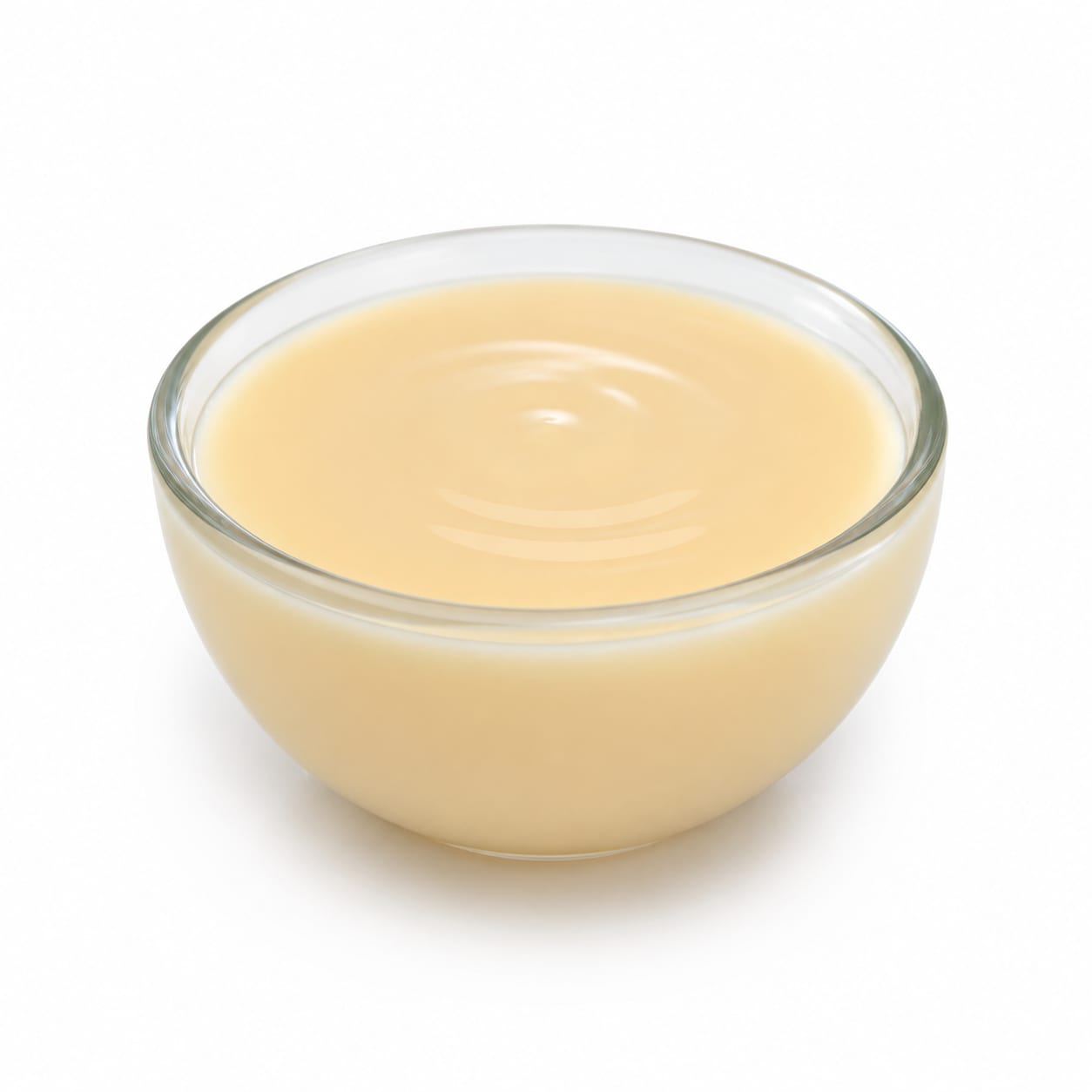
Evaporated Milk
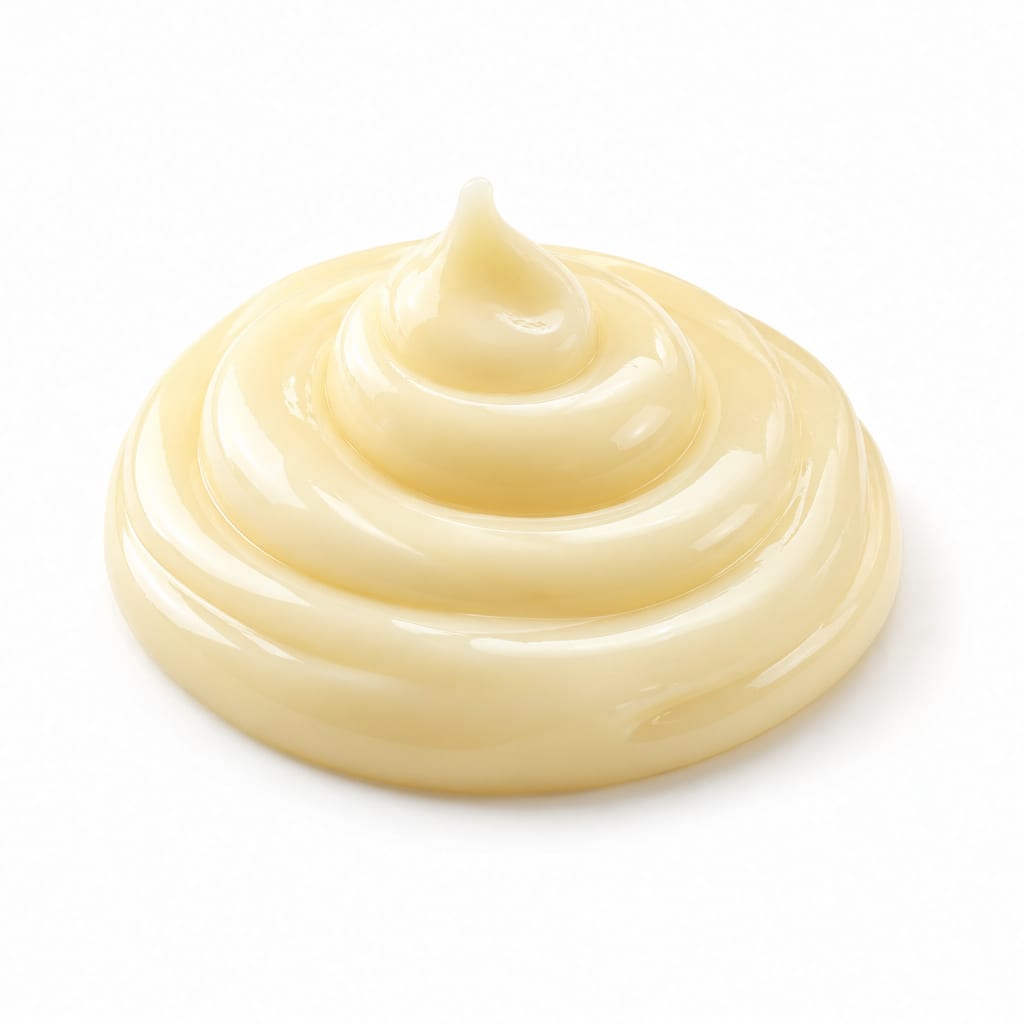
Sweetened Condensed Milk
Evaporated milk is the clearly healthier choice — same concentrated milk base but without the heavy sugar load that defines sweetened condensed milk.
Evaporated milk scores significantly higher because it provides the same concentrated dairy nutrition without the enormous sugar burden. Sweetened condensed milk is essentially a dessert ingredient, not a staple dairy product.
Sweetened condensed milk delivers rich, caramel-like sweetness that makes desserts irresistible, but you pay for it with roughly 55% sugar by weight and a massive calorie hit.
At a glance
Executive summary
Overall
Evaporated Milk
Healthier
Evaporated Milk
More practical
It depends
Daily use
Evaporated Milk
Key comparison lenses
sugar and glycemic impact
The defining difference between these two is the massive added sugar content in sweetened condensed milk, which dominates every health and usage consideration
calorie density and weight management
Sweetened condensed milk is extremely calorie-dense per serving, making portion control critical and overconsumption easy
cooking and baking versatility
Users often wonder if they can substitute one for the other in recipes, and the answer dramatically affects outcomes
diabetes and metabolic health
The sugar load in sweetened condensed milk makes it a serious concern for anyone managing blood sugar
nutritional value beyond calories
Both retain some protein and calcium from milk, but the sugar in condensed milk overshadows these benefits
Best choice for
Evaporated Milk
- Savory recipes like mac and cheese, chowders, or mashed potatoes
- Coffee creamer replacement with real dairy nutrition
- Anyone watching sugar intake or managing diabetes
- Everyday cooking where you control sweetness separately
Sweetened Condensed Milk
- Making fudge, flan, dulce de leche, or other classic desserts
- Recipes specifically designed for its thick, sweet consistency
- Quick caramel sauce by simply heating it
Least suitable for
Evaporated Milk
- Dessert recipes that rely on the sugar content of condensed milk for structure and sweetness
- Anyone wanting a ready-made sweet topping without adding extra sugar
Sweetened Condensed Milk
- Diabetics or anyone monitoring blood sugar
- Weight loss diets due to extreme calorie density
- Savory dishes where sweetness would be off-putting
- Daily coffee or tea creamer
Deep comparison
Dimension by dimension
Each lens scores both foods and breaks down who each option suits.
- Dimension 1 · Priority 95Evaporated Milk
sugar_and_glycemic_load
Evaporated Milk · 85Sweetened Condensed Milk · 8Evaporated milk contains only natural milk sugar (about 12g per cup), while sweetened condensed milk packs roughly 166g of sugar per cup — over 13 times more.
Tradeoff
If you need sweetness and thickness in one ingredient, condensed milk delivers both, but at a devastating sugar cost.
Why it matters
A single serving of sweetened condensed milk can exceed your entire recommended daily sugar limit. Evaporated milk lets you control sweetness yourself.
Real-world impact
Adding condensed milk to your morning coffee instead of evaporated milk could add 4+ tablespoons of sugar before you even eat breakfast.
Evaporated Milk
- Steady energy without sugar crashes
- Blood sugar management
- Controlling your own sweetness level
Better for
- Requires adding your own sweetener for desserts
Worse for
Sweetened Condensed Milk
- One-ingredient dessert sweetness
Better for
- Near-guaranteed blood sugar spike
- Sugar cravings triggered after eating
- Impossible to reduce sugar in recipes calling for it
Worse for
- Dimension 2 · Priority 88Evaporated Milk
calorie_density
Evaporated Milk · 70Sweetened Condensed Milk · 25A cup of evaporated milk runs about 340 calories, while a cup of sweetened condensed milk hits roughly 980 calories — nearly triple.
Tradeoff
Condensed milk's thickness and sweetness come at an extreme calorie cost that makes portion control essential and overconsumption almost effortless.
Why it matters
It is very easy to pour too much condensed milk because it tastes so good. The calories add up faster than most people realize.
Real-world impact
Two tablespoons of condensed milk on your dessert adds about 130 calories, mostly from sugar. The same amount of evaporated milk adds about 40 calories with actual protein.
Evaporated Milk
- Weight management
- Larger portions without calorie overload
- More protein per calorie
Better for
- Less rich mouthfeel in recipes
Worse for
Sweetened Condensed Milk
- Maximum calorie density for weight gain needs
Better for
- Very easy to overconsume
- Calories crowd out nutritious foods
Worse for
- Dimension 3 · Priority 75Evaporated Milk
nutritional_value
Evaporated Milk · 78Sweetened Condensed Milk · 45Both retain protein and calcium from concentrated milk, but the sugar in condensed milk dilutes the nutritional value per calorie significantly.
Tradeoff
Condensed milk still offers real dairy nutrition, but you have to consume a huge sugar payload to get it.
Why it matters
Per calorie, evaporated milk delivers far more protein and calcium relative to its energy content, making it a more efficient nutritional source.
Real-world impact
Getting 8g of protein from condensed milk means also consuming about 25g of sugar. From evaporated milk, that same protein comes with only 3g of natural milk sugar.
Evaporated Milk
- Better protein-to-calorie ratio
- More calcium per calorie
- Nutrition without the sugar tax
Better for
- Less concentrated milk solids than condensed milk
Worse for
Sweetened Condensed Milk
- Slightly more total protein per cup due to higher volume of milk solids
Better for
- Sugar displaces nutritional benefit
- Essentially a dessert, not a dairy serving
Worse for
- Dimension 4 · Priority 82Evaporated Milk
cooking_versatility
Evaporated Milk · 85Sweetened Condensed Milk · 50Evaporated milk works in both sweet and savory dishes. Sweetened condensed milk is locked into sweet applications only.
Tradeoff
Condensed milk is irreplaceable in certain desserts, but evaporated milk can go in chowders, casseroles, coffee, and baked goods alike.
Why it matters
If you can only keep one in your pantry, evaporated milk is far more flexible for everyday cooking.
Real-world impact
Evaporated milk can make a creamy soup or a pumpkin pie. Condensed milk can really only make the pie — and only the very sweet version.
Evaporated Milk
- Works in savory and sweet recipes
- Coffee and tea creamer
- You control the sweetness
- Pantry staple for emergency milk needs
Better for
- Cannot directly replace condensed milk in most dessert recipes without recipe adjustments
Worse for
Sweetened Condensed Milk
- Essential for specific traditional desserts
- Creates thick, rich textures without additional steps
Better for
- Ruins savory dishes with unwanted sweetness
- Very limited recipe range
Worse for
- Dimension 5 · Priority 55Evaporated Milk
digestive_tolerance
Evaporated Milk · 55Sweetened Condensed Milk · 30Both contain similar lactose levels from concentrated milk, but the high sugar in condensed milk adds digestive strain on top of the dairy.
Tradeoff
Neither is ideal for lactose-sensitive people, but condensed milk compounds the problem with a heavy sugar load that can cause additional gastrointestinal discomfort.
Why it matters
People with sensitive digestion may experience bloating or discomfort from either, but condensed milk is more likely to cause issues due to the combined effect of lactose and high sugar.
Real-world impact
If regular milk bothers your stomach, both of these concentrated forms will likely be worse. But condensed milk adds sugar fermentation on top of lactose fermentation.
Evaporated Milk
- Less likely to cause bloating or gas
- No sugar-related digestive irritation
Better for
- Still contains concentrated lactose
Worse for
Sweetened Condensed Milk
- Small serving sizes in recipes may reduce lactose exposure
Better for
- Double digestive hit: lactose plus high sugar
- More likely to cause upset in sensitive people
Worse for
Timeline
Health impact over time
Short-term
Hours to days
Evaporated Milk
- Provides steady energy from protein and fat with minimal blood sugar disruption
- Can feel filling due to protein content
- May cause mild bloating in lactose-sensitive individuals
Sweetened Condensed Milk
- Rapid blood sugar spike followed by a crash within 1-2 hours
- Sugar rush may cause temporary energy surge then fatigue
- Likely to trigger cravings for more sweet foods shortly after eating
- Higher chance of digestive discomfort from combined sugar and lactose load
Long-term
Months to years
Evaporated Milk
- Regular use as a dairy source can support bone health through calcium and vitamin D
- Moderate calorie content makes it sustainable for daily use
- Minimal concern for metabolic health when used reasonably
Sweetened Condensed Milk
- Frequent consumption significantly increases risk of weight gain and metabolic syndrome
- High added sugar intake linked to elevated diabetes risk, fatty liver, and cardiovascular issues
- Dental health concerns from concentrated sugar content
- The small amount of dairy nutrition does not offset the damage from regular high-sugar intake
Risk profile
Safety & processing
Both are processed by water removal and heat treatment, but neither typically contains artificial additives. The concern with sweetened condensed milk is not mysterious chemicals — it is the sheer quantity of added sugar, which is a natural ingredient used in deeply unnatural amounts.
Evaporated Milk
Lactose intolerance reactions
mediumConcentrated lactose means more lactose per ounce than regular milk, which can trigger symptoms in sensitive people.
Canned food BPA exposure
lowMost cans now use BPA-free linings, but older or imported cans may still contain BPA in the lining.
Sweetened Condensed Milk
Lactose intolerance reactions
mediumSame concentrated lactose as evaporated milk, compounded by high sugar that can worsen digestive symptoms.
Canned food BPA exposure
lowSame can lining concern as evaporated milk.
Dental decay from sugar concentration
mediumThe thick, sticky, sugar-laden consistency adheres to teeth and feeds decay-causing bacteria effectively.
Who wins for whom
Audience fit
Same foods, different winners depending on your goal.
children
Evaporated MilkChildren benefit from the calcium and protein in evaporated milk without the excessive sugar in condensed milk that contributes to childhood obesity and dental cavities.
daily consumption
Evaporated MilkEvaporated milk can reasonably be used daily in coffee, cooking, or as a milk substitute. Sweetened condensed milk is a dessert ingredient unsuitable for regular daily use.
diabetes
Evaporated MilkEvaporated milk has only natural milk sugars with a low glycemic impact. Sweetened condensed milk is essentially a sugar bomb that makes blood sugar management extremely difficult.
elderly
Evaporated MilkOlder adults often need to manage blood sugar and weight while maintaining calcium intake. Evaporated milk supports all three goals; condensed milk undermines the first two.
muscle gain
Evaporated MilkBoth contain milk protein, but evaporated milk delivers protein without the sugar payload that adds empty calories and can promote fat gain alongside muscle.
weight loss
Evaporated MilkEvaporated milk provides dairy nutrition at roughly one-third the calories of sweetened condensed milk per cup, with no added sugar driving cravings and fat storage.
Your move
Decision guide
Choose Evaporated Milk
- You want a versatile pantry milk that works in savory and sweet dishes
- You are watching your sugar intake, calories, or metabolic health
- You need a coffee creamer with real dairy nutrition
- You want to control sweetness yourself in recipes
- You are meal prepping everyday family meals
Choose Sweetened Condensed Milk
- You are making a specific dessert that requires it, like fudge, flan, or key lime pie
- You want to make quick dulce de leche by heating it
- You need a thick, sweet topping and do not want to add sugar separately
- You are intentionally trying to gain weight and need calorie density
Either works if
- You are baking and the recipe calls for one specifically — they are NOT interchangeable
Avoid both if
- You have severe lactose intolerance and cannot tolerate any concentrated dairy
- You are strictly dairy-free or vegan
Final recommendation
Keep evaporated milk as your everyday pantry staple — it is the far healthier and more versatile option. Save sweetened condensed milk for occasional dessert recipes where it truly shines, and treat it like the sugar-dense ingredient it is, not a regular dairy product.
Practical
Consumer tips
- 1
You cannot substitute evaporated milk and sweetened condensed milk 1:1 in recipes. The sugar content changes everything about texture and sweetness.
- 2
If a recipe calls for condensed milk and you want less sugar, use evaporated milk plus your own sweetener — you will cut sugar significantly while keeping the creamy texture.
- 3
A 14-ounce can of sweetened condensed milk contains about 10 tablespoons of added sugar — think of it that way when deciding how much to use.
- 4
Evaporated milk makes an excellent emergency coffee creamer and lasts months unopened in the pantry.
- 5
For homemade dulce de leche, simmer a can of sweetened condensed milk — but be sure to keep it submerged in water the entire time to prevent the can from bursting.
- 6
Both products are shelf-stable until opened, but once opened, treat them like regular milk and refrigerate, using within 5-7 days.