
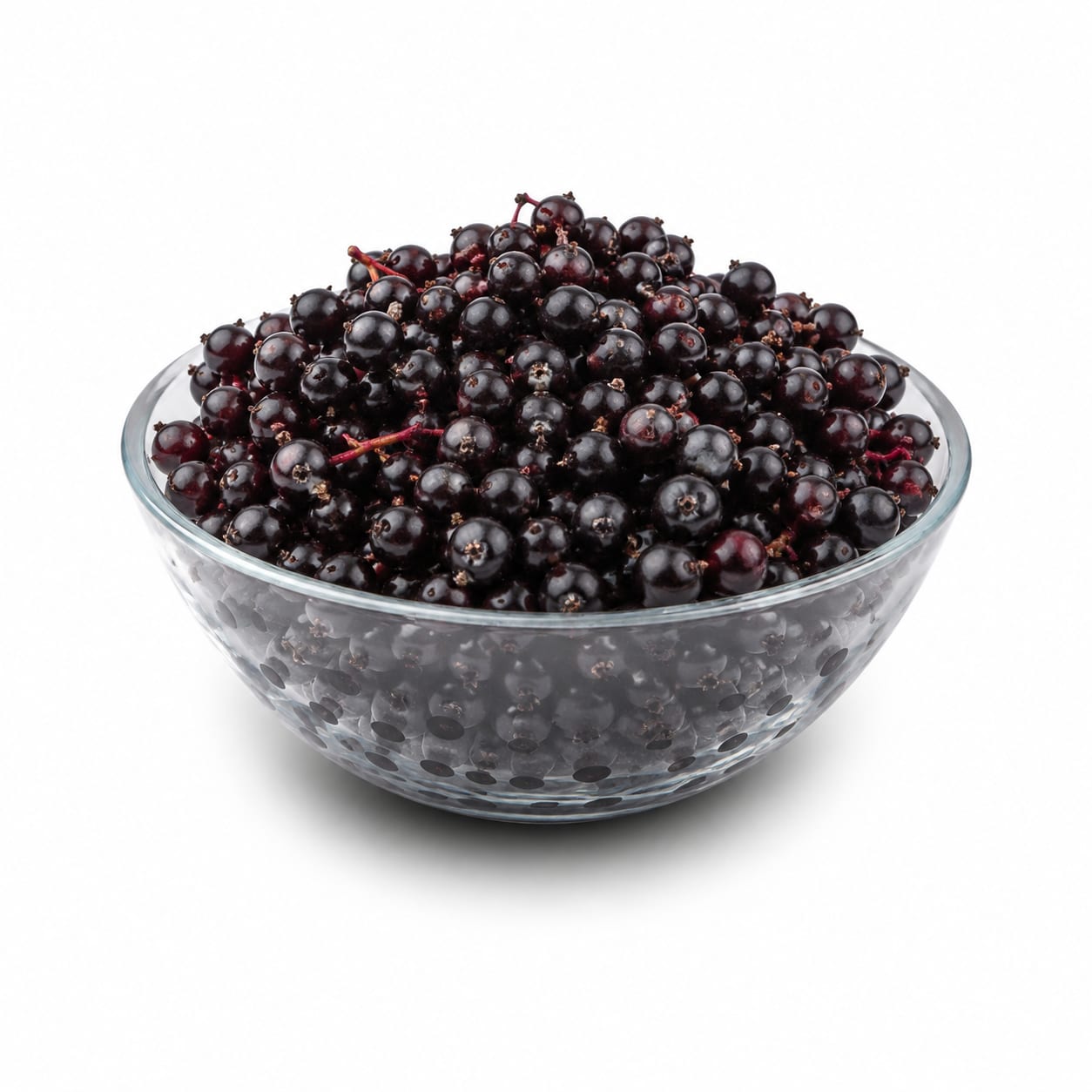
Berry
Elderberry
A dark, antioxidant-rich berry that must be cooked before eating to destroy natural toxins.
Dark purple berry from the Sambucus tree, widely recognized for its immune-supporting antioxidants but toxic when raw and must be cooked before consumption.
high-antioxidant low-glycemic berry
Typical serving · 100g
Common varieties · Sambucus nigra (European), Sambucus canadensis (American), Sambucus racemosa (Red - generally avoided)
Overall context score across nutrition, safety, and diet fit
At a glance
Quick facts
Simple indicators based on nutrition, processing, and diet fit.
The story
What makes it unique
Elderberries are slow-digesting due to high fiber content, providing moderate satiety. Their macronutrient profile is carbohydrate-dominant with minimal protein or fat. As a minimally processed whole food (when raw), they retain high levels of anthocyanins, though commercial preparations often involve extensive processing and added sugars.
Varieties: Sambucus nigra (European) · Sambucus canadensis (American) · Sambucus racemosa (Red - generally avoided)
Per 100g
Nutrition breakdown
Macro balance and key metrics at a glance.
Energy
Density 0.73 kcal/g
Protein
Carbs
Fat
Fiber
Sugar
5.2 g
Sodium
6 mg
Potassium
280 mg
Glycemic index
25
Glycemic load
4
Water content
79.8%
Standout compounds
Nutrient highlights
Anthocyanins
highPowerful antioxidants that reduce oxidative stress and support immune function
Fiber
highPromotes digestive regularity and feeds beneficial gut bacteria
Vitamin C
moderateSupports collagen synthesis and immune defense
Potassium
moderateHelps regulate blood pressure and fluid balance
Wellness map
Health scores & processing
NOVA processing scale
Minimally processed (when raw) · Whole food
Raw elderberries are unprocessed, though they are most commonly consumed in processed forms like syrups, gummies, or jams which increase their Nova group classification.
Diet compatibility
- Weight loss
- Muscle gain
- Diabetes
- Gut health
- Low carb
- High protein
- Heart health
Relative standing
Food rankings
Qualitative ranks compared to similar whole foods.
- Satietygood
- Blood sugarexcellent
- Nutrient densitygood
- Fitness fuelmoderate
- Processing qualitygood
Eat with confidence
Food safety profile
Raw elderberries contain cyanogenic glycosides that can cause severe gastrointestinal distress; they must always be cooked before consumption. Properly cooked berries are safe.
Evidence confidence 95%
- Pesticideslow
- Antibioticslow
- Heavy metalslow
- Contaminationmoderate
Watch for
- Cyanogenic glycosides (sambunigrin) in raw berries
Safer choices
Commercially prepared elderberry syrups or thoroughly cooked homemade preparations.
Prep tips
Always cook elderberries thoroughly to neutralize cyanogenic compounds; avoid crushing or juicing raw berries.
Raw elderberry products are regulated to ensure processing removes toxins before consumer sale.
Deep dive
Health analysis
How this food may fit different goals and preparation choices.
Weight loss
Low energy density and high fiber content promote fullness, making them a strong choice for calorie-controlled diets.
Blood sugar
Low glycemic index and high fiber prevent rapid blood sugar spikes, supporting stable glucose levels.
Fitness & energy
Provides slow-releasing carbohydrates but lacks the quick energy or protein needed for intense workout fuel or recovery.
Gut health
High fiber feeds beneficial gut bacteria and supports regular digestion.
Processing quality
Whole raw berries are minimally processed, but most consumers encounter them as heavily sweetened syrups or supplements.
Food safety
Strict preparation is required; raw berries are toxic and must be cooked to destroy cyanogenic glycosides.
Common mistakes
Eating raw berries off the bush or assuming all elderberry supplements provide the same antioxidant benefit as the whole fruit.
Best preparation
Simmering into a syrup, baking into pastries, or cooking down into jams to ensure toxins are neutralized.
Practical guide
Best use cases
When and how this food fits real eating patterns.
Winter immune syrup
Simmered into a homemade syrup with honey and spices for seasonal immune support.
High-fiber jam
Cooked down into a low-sugar preserve for gut-friendly toast toppings.
Antioxidant smoothie booster
Adding cooked or properly prepared elderberry juice to smoothies for an anthocyanin boost.
Balance sheet
Pros & cons
Upsides
- Extremely high in immune-supporting antioxidants
- Low glycemic impact supports stable blood sugar
- High fiber content promotes satiety and gut health
- Low in calories and energy density
Trade-offs
- Toxic when raw and must always be cooked
- Seeds contain concentrated toxins and can cause nausea
- Commercial preparations are often loaded with added sugar
- Tart flavor makes them unappealing to eat without sweeteners
Fit check
Who is it for?
Great match
- immune support
- low-glycemic diets
- high-volume eating
- antioxidant boosting
Consider alternatives
- raw snacking
- high-protein diets
- quick pre-workout energy
- strict zero-sugar diets (if using syrups)
Side by side
How it compares
Open the full head-to-head analysis for nutrition, safety, and practical tradeoffs.
This food
Elderberry
VS85% alike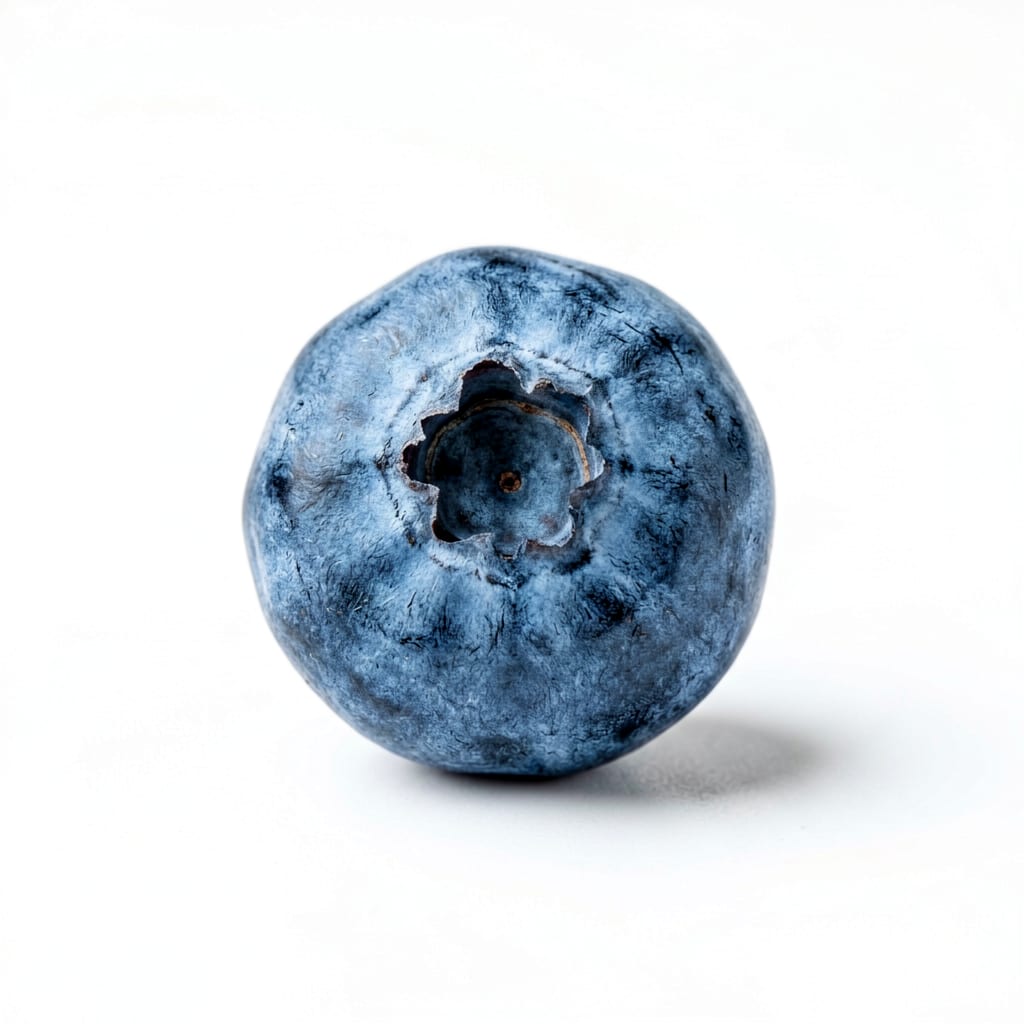
Compare with
Blueberry
Blueberries are sweeter and safe raw, while elderberries are tart, higher in fiber, and toxic raw.
Elderberries offer more fiber and better blood sugar control than blueberries, but blueberries are safer to eat raw and better for quick energy.
This food
Elderberry
VS80% alike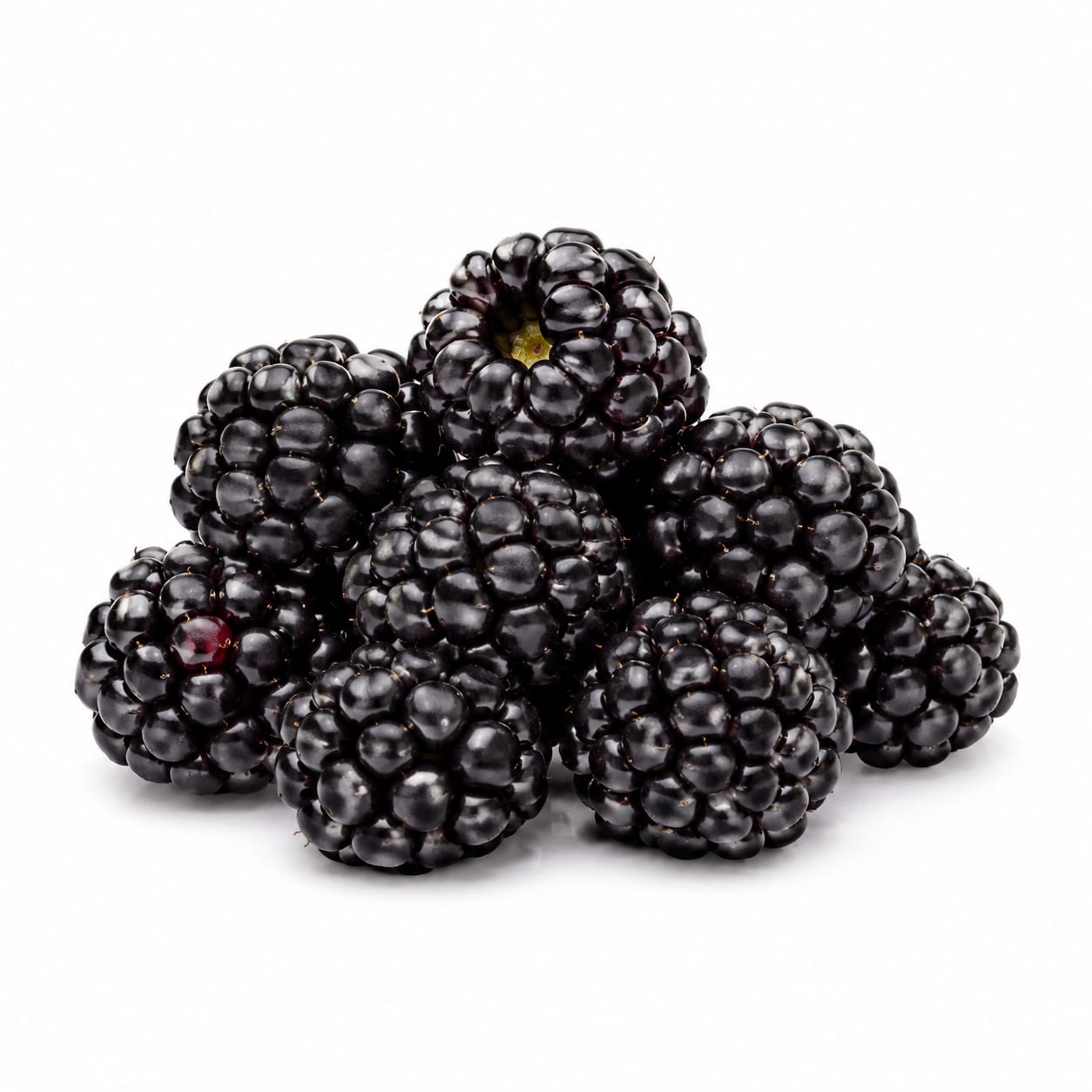
Compare with
Blackberry
Blackberries are larger, safe raw, and slightly higher in fiber, while elderberries require cooking.
Blackberries are easier to eat raw with similar fiber, while elderberries must be cooked but offer unique immune-supporting compounds.
This food
Elderberry
VS75% alike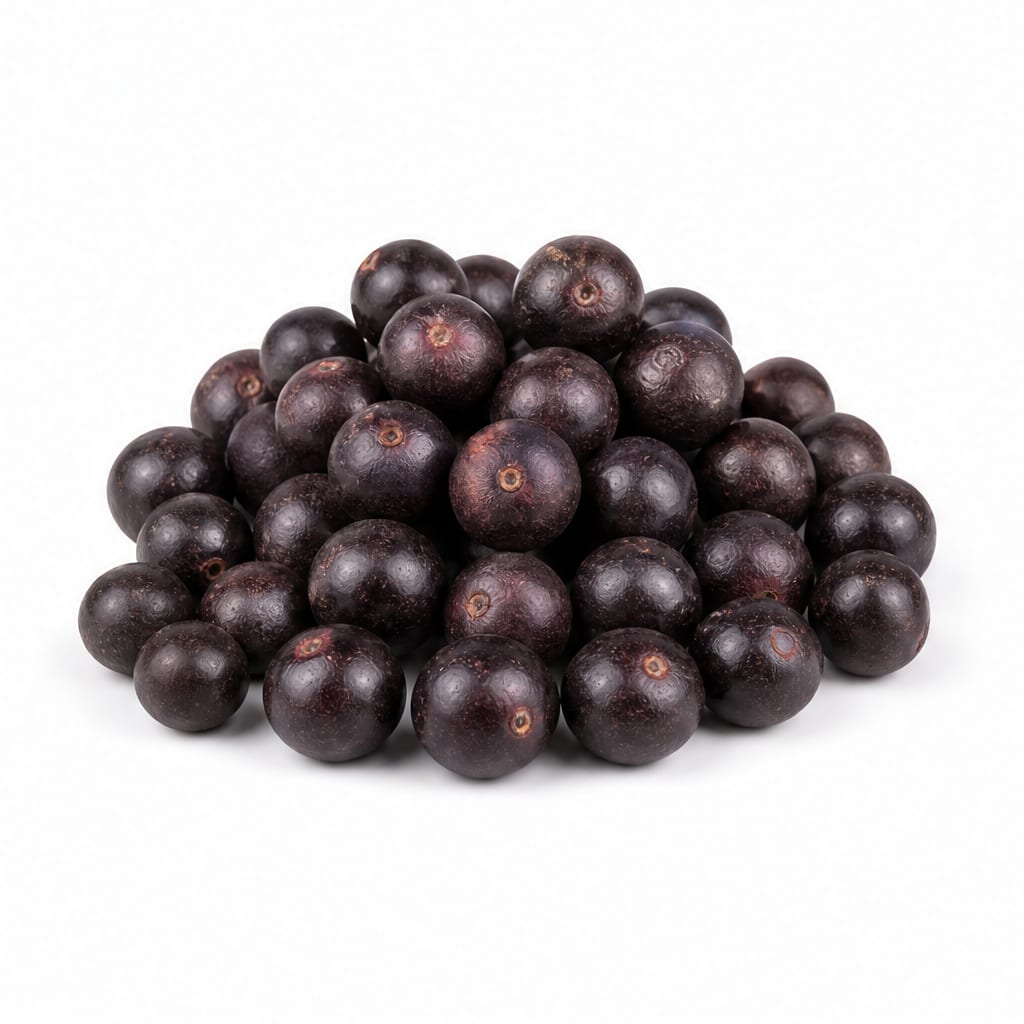
Compare with
Acai berry
Acai is higher in healthy fats and safe in pulp form, while elderberry is higher in fiber and requires cooking.
Acai provides healthy fats for sustained energy, whereas elderberry is lower calorie and higher in fiber for satiety.
This food
Elderberry
VS70% alike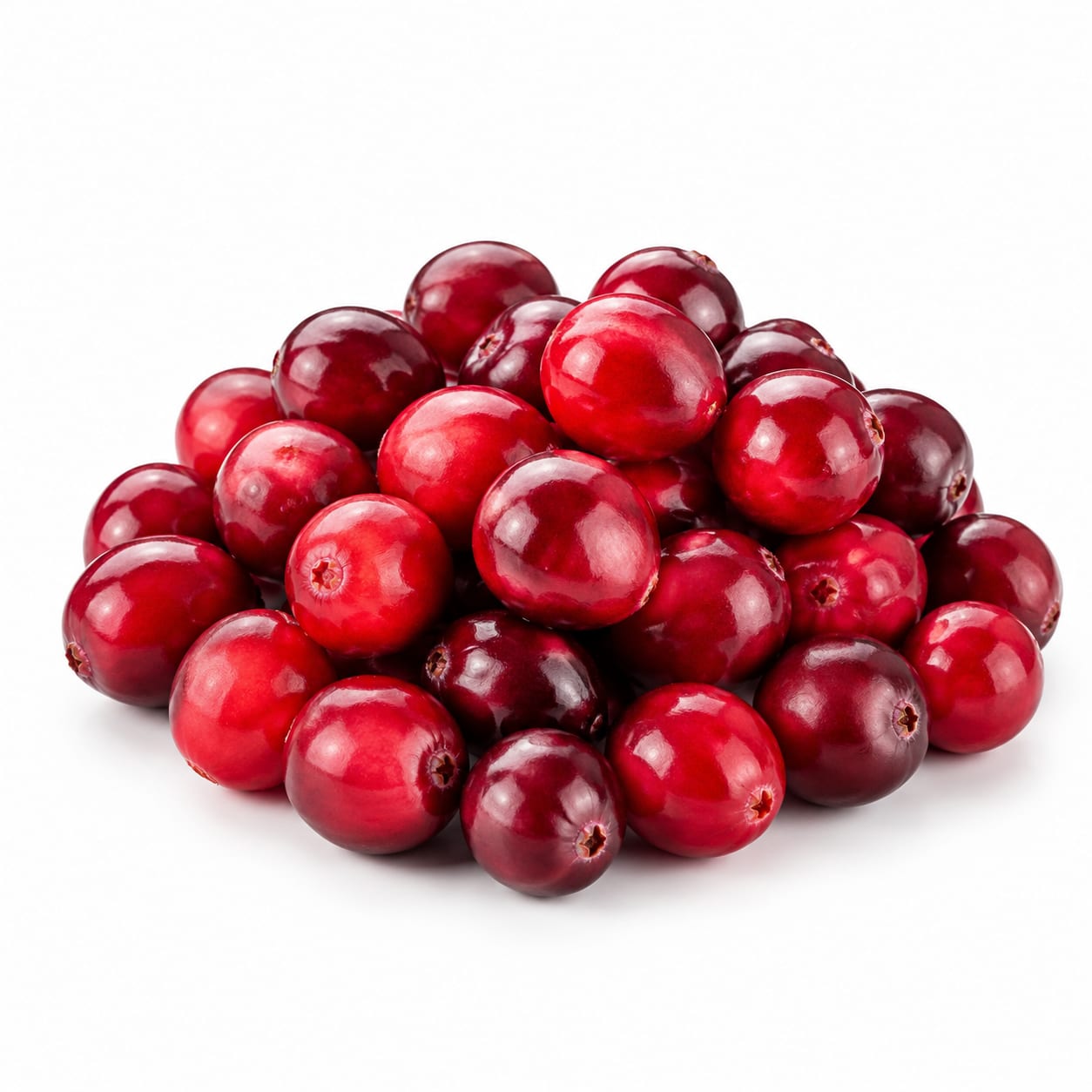
Compare with
Cranberry
Cranberries are higher in vitamin C and safe raw, while elderberries are higher in fiber and antioxidants.
Elderberries beat cranberries in fiber and antioxidants, but cranberries are more widely available raw and support urinary tract health.
This food
Elderberry
VS65% alike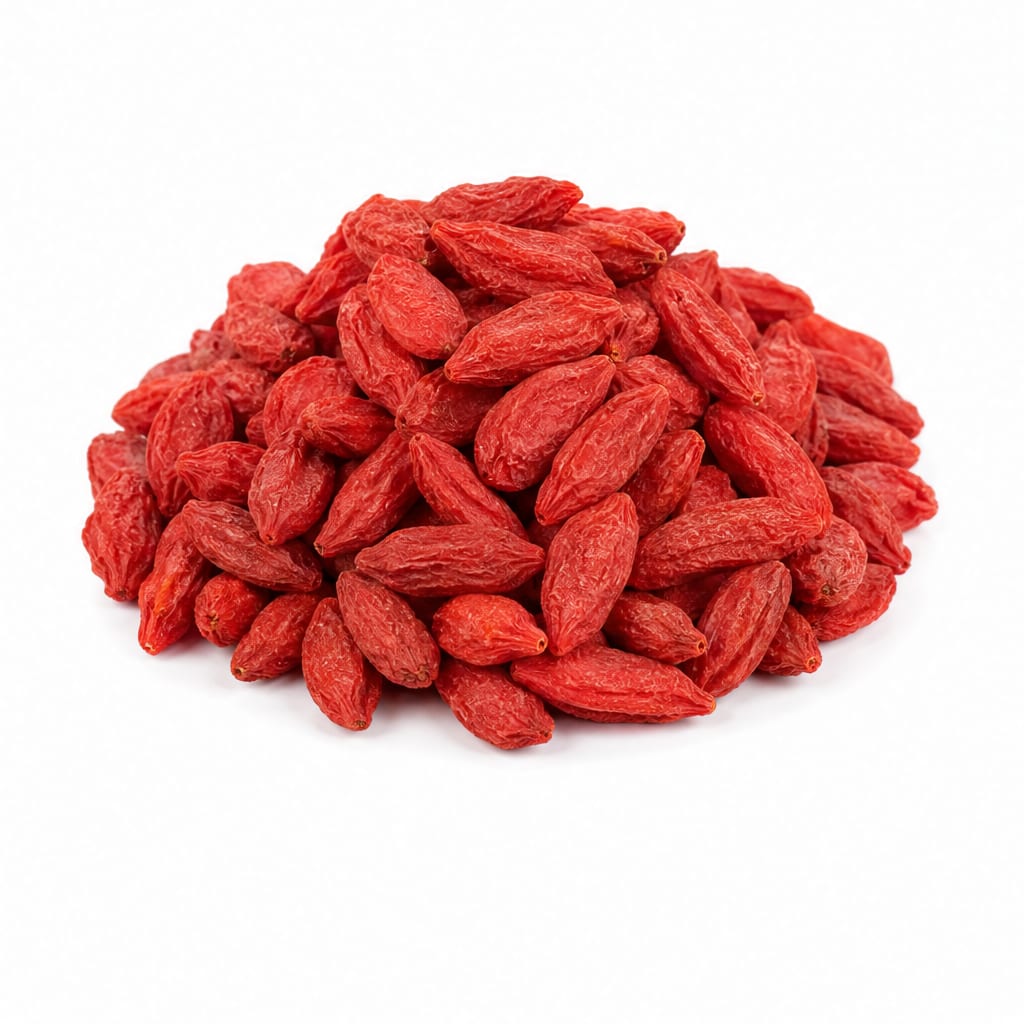
Compare with
Goji berry
Goji berries are higher in protein and vitamin A, while elderberries are lower in sugar and higher in fiber.
Goji berries offer more protein and vitamin A, while elderberries provide better blood sugar control and more fiber per calorie.
This food
Elderberry
VS70% alike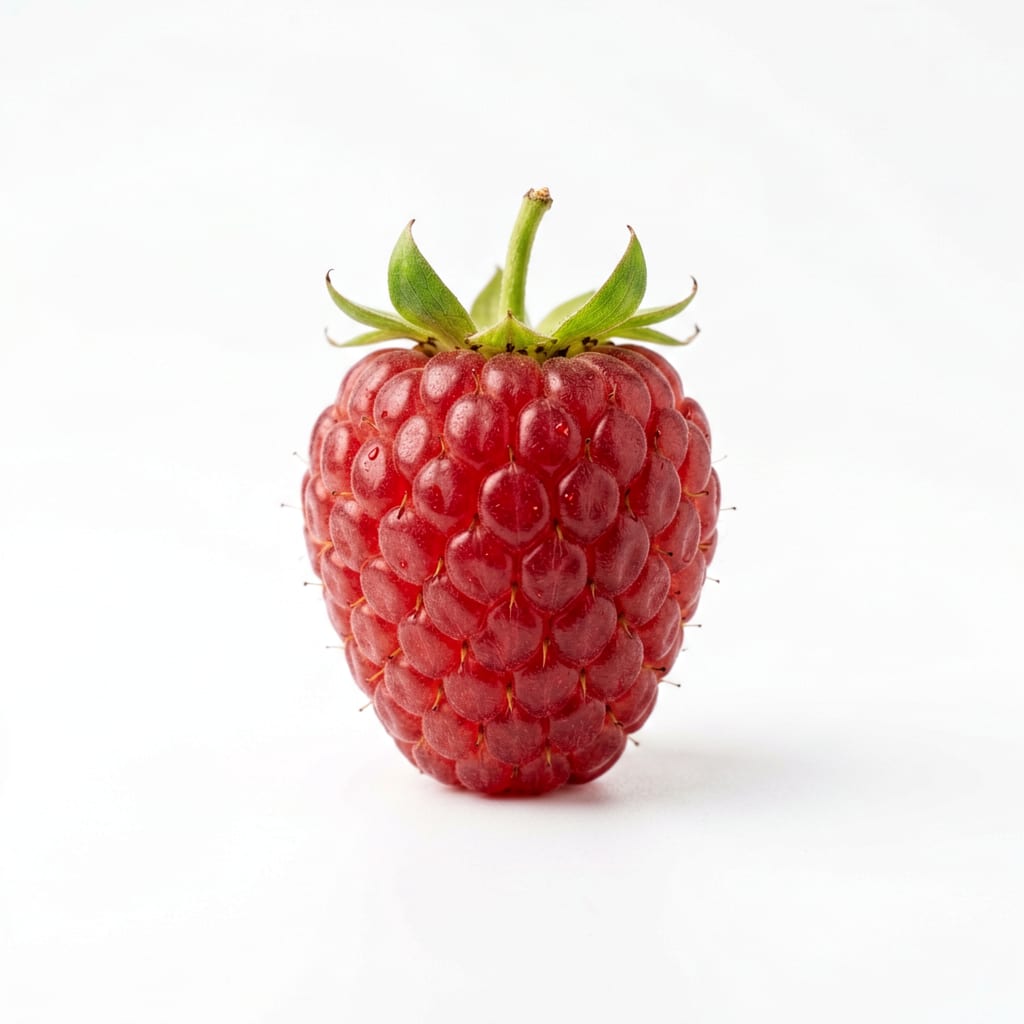
Compare with
Raspberry
Raspberries are safe raw and slightly higher in fiber, while elderberries must be cooked and have more anthocyanins.
Raspberries are safer and easier to snack on raw, while cooked elderberries offer a concentrated dose of immune-supporting antioxidants.
This food
Elderberry
VS65% alike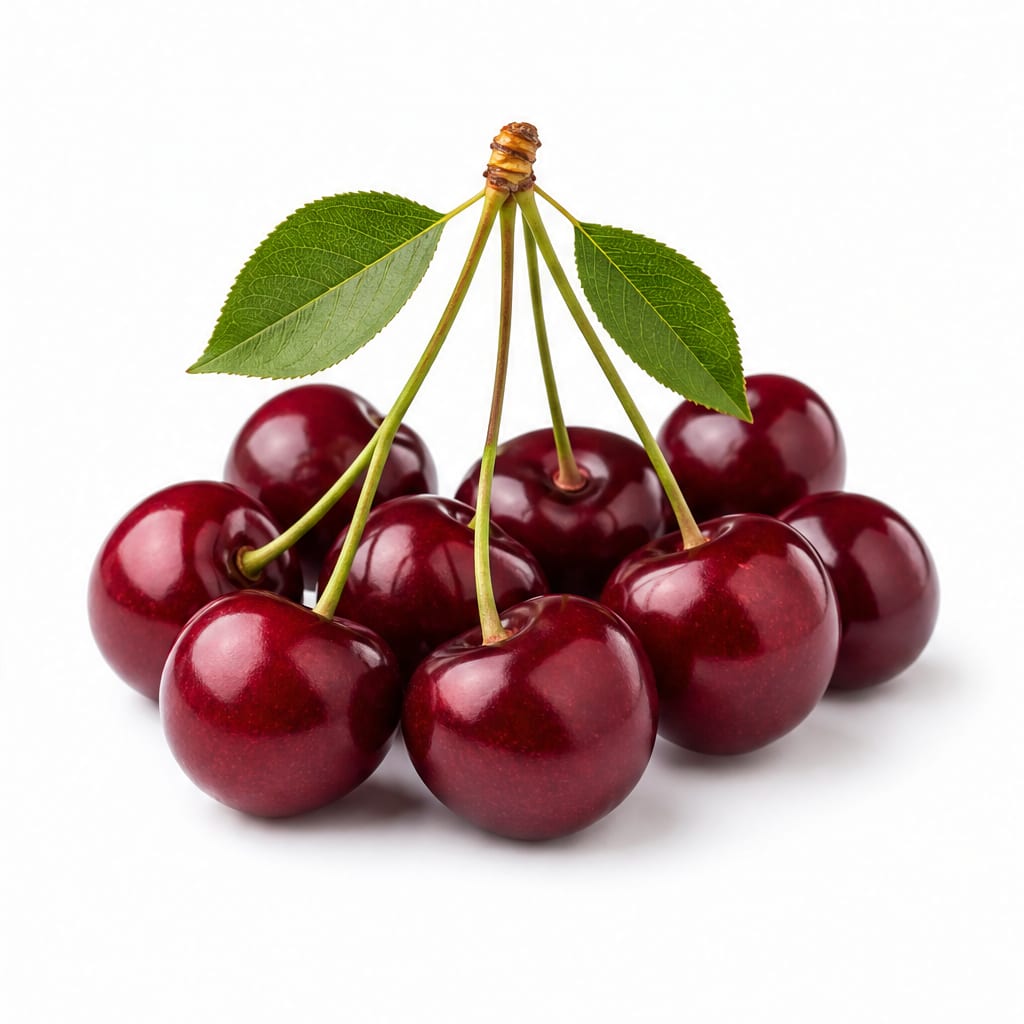
Compare with
Tart cherry
Tart cherries are safe raw and better for muscle recovery, while elderberries are higher in fiber and better for immune support.
Tart cherries excel in fitness recovery and inflammation reduction, whereas elderberries are superior for fiber and low-glycemic eating.
This food
Elderberry
VS90% alike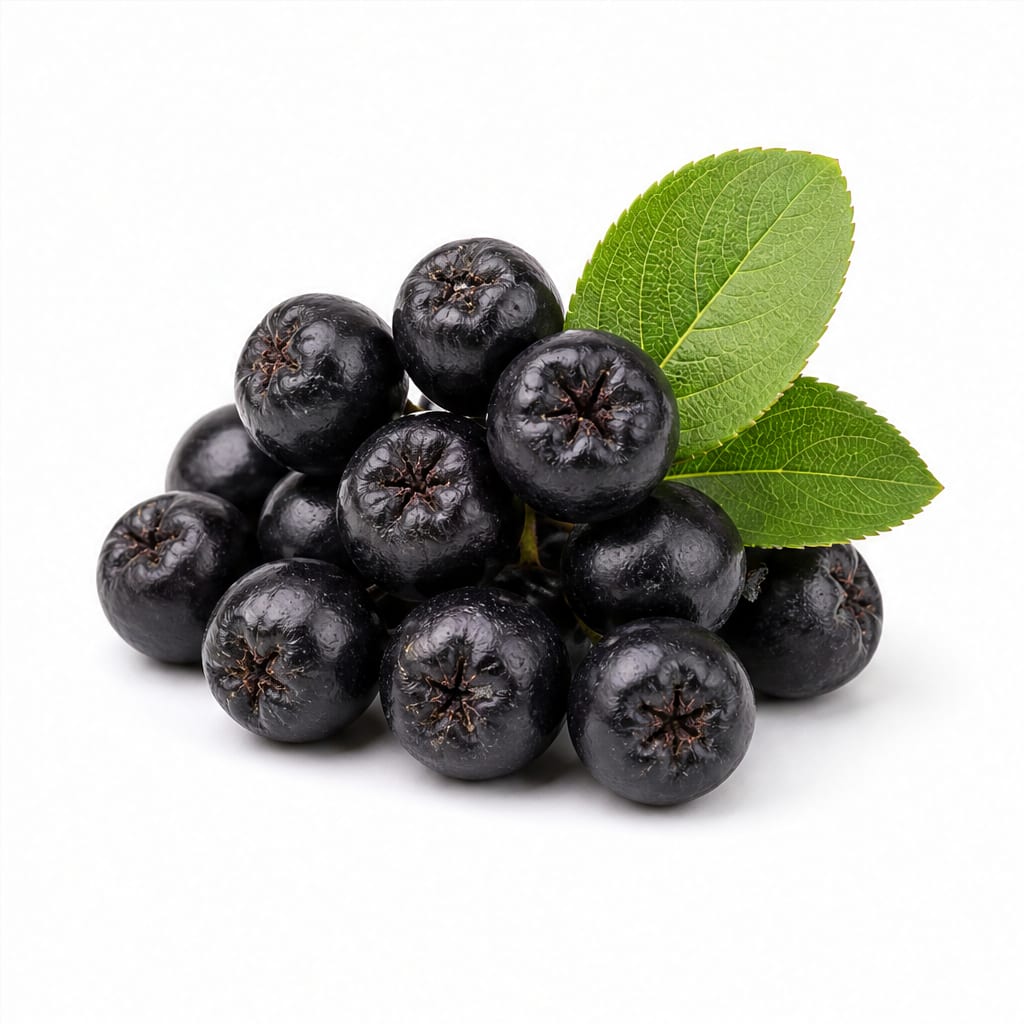
Compare with
Aronia berry
Aronia berries are safe to eat raw (though very tart), while elderberries are toxic raw and slightly lower in antioxidants.
Aronia berries contain even more antioxidants than elderberries and are safe raw, but elderberries are more widely recognized for immune support.
This food
Elderberry
VS60% alike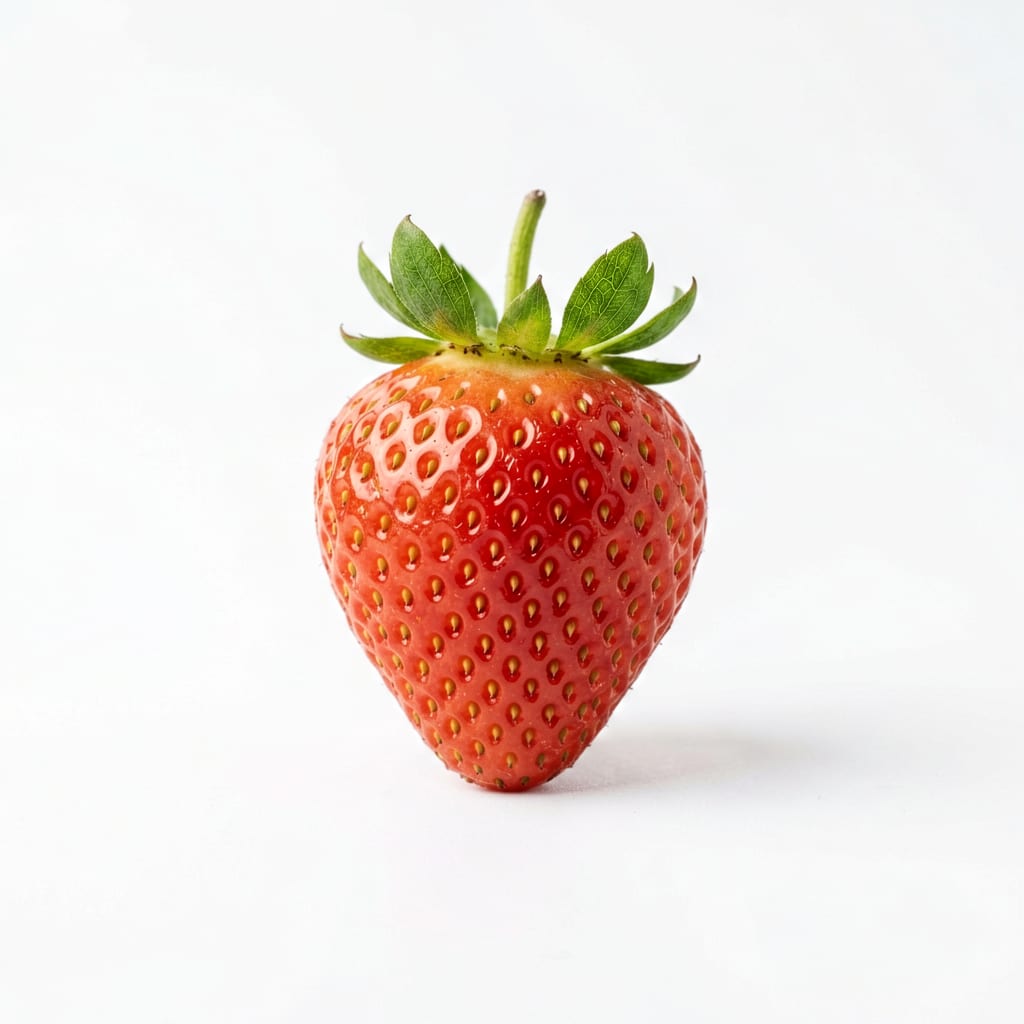
Compare with
Strawberry
Strawberries are sweeter, safe raw, and higher in vitamin C, while elderberries are lower in sugar and higher in fiber.
Strawberries are sweeter and better for vitamin C, while cooked elderberries provide more fiber and a lower glycemic load.
This food
Elderberry
VS55% alike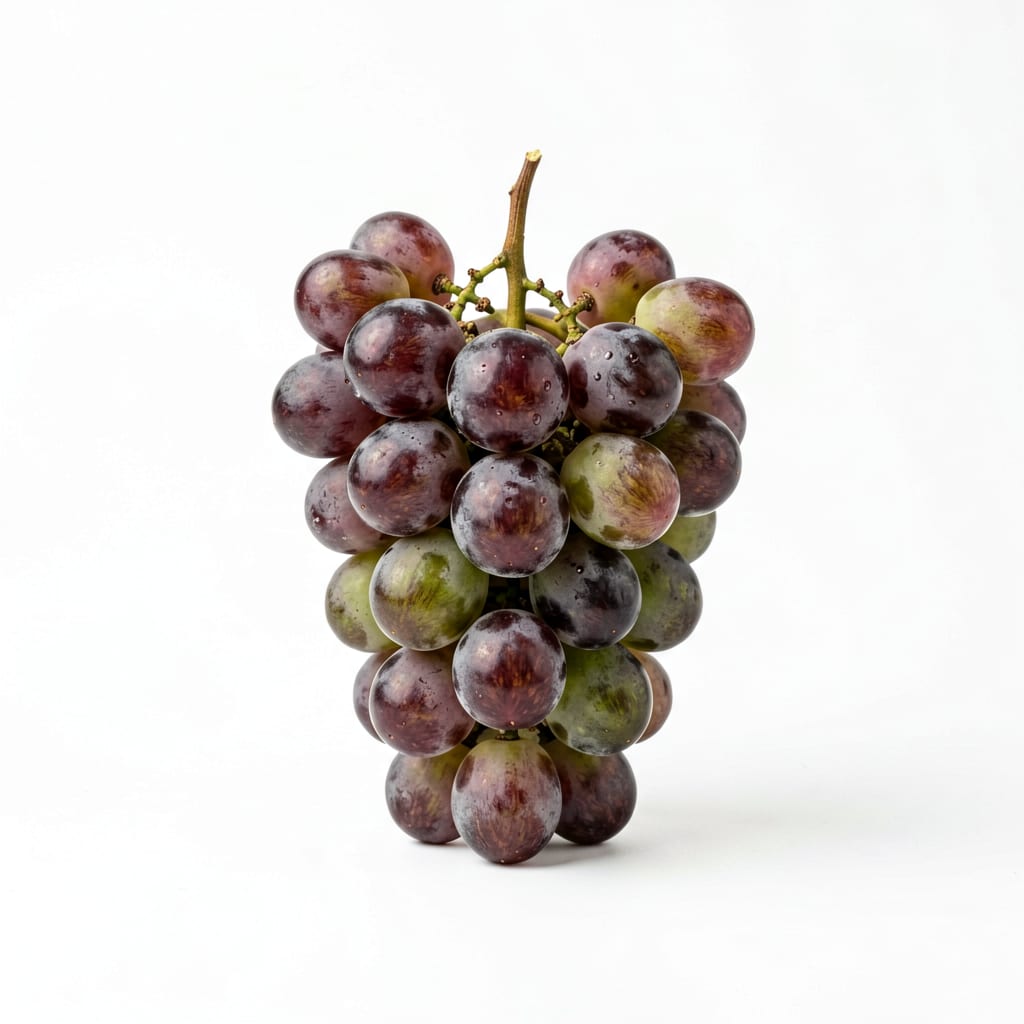
Compare with
Grape
Grapes are much higher in sugar and safe raw, while elderberries are tart, high in fiber, and toxic raw.
Elderberries are far lower in sugar and higher in fiber than grapes, making them better for blood sugar, but grapes are a convenient raw snack.
Common questions
FAQ
Answers aligned with how people search for this food.
Are raw elderberries poisonous?
Yes, raw elderberries contain cyanogenic glycosides that can cause nausea, vomiting, and diarrhea; they must be cooked before eating.
Is elderberry good for immune support?
Elderberries are rich in anthocyanins and vitamin C, which support normal immune function, especially during cold and flu season.
Can diabetics eat elderberry?
Yes, cooked elderberries have a low glycemic index and high fiber, which helps regulate blood sugar levels.
Is elderberry good for weight loss?
With only 73 calories and 7 grams of fiber per 100g, cooked elderberries are a low-energy-density food that supports satiety.
What is the difference between elderberry and blackberry?
Elderberries grow in clusters on Sambucus trees and must be cooked, while blackberries grow on bushes and can be eaten raw.
Does elderberry syrup have a lot of sugar?
Commercial elderberry syrups often contain high amounts of added sugar to balance tartness, unlike the raw whole fruit.
Can you eat elderberry seeds?
The seeds contain the highest concentration of toxins and should be strained out or thoroughly cooked to avoid stomach upset.
Transparency
Data confidence
Estimated confidence for nutrition data, interpretation, safety notes, and comparisons.
Nutrition data
Health analysis
Food safety
Comparisons