
Nutrition comparison
Elderberry vs Cranberry: Immunity, UTIs, and Safety Compared
Discover the key differences between Elderberry and Cranberry. Learn which is better for immune support, UTI prevention, and daily safety, plus the hidden risks of raw Elderberry.
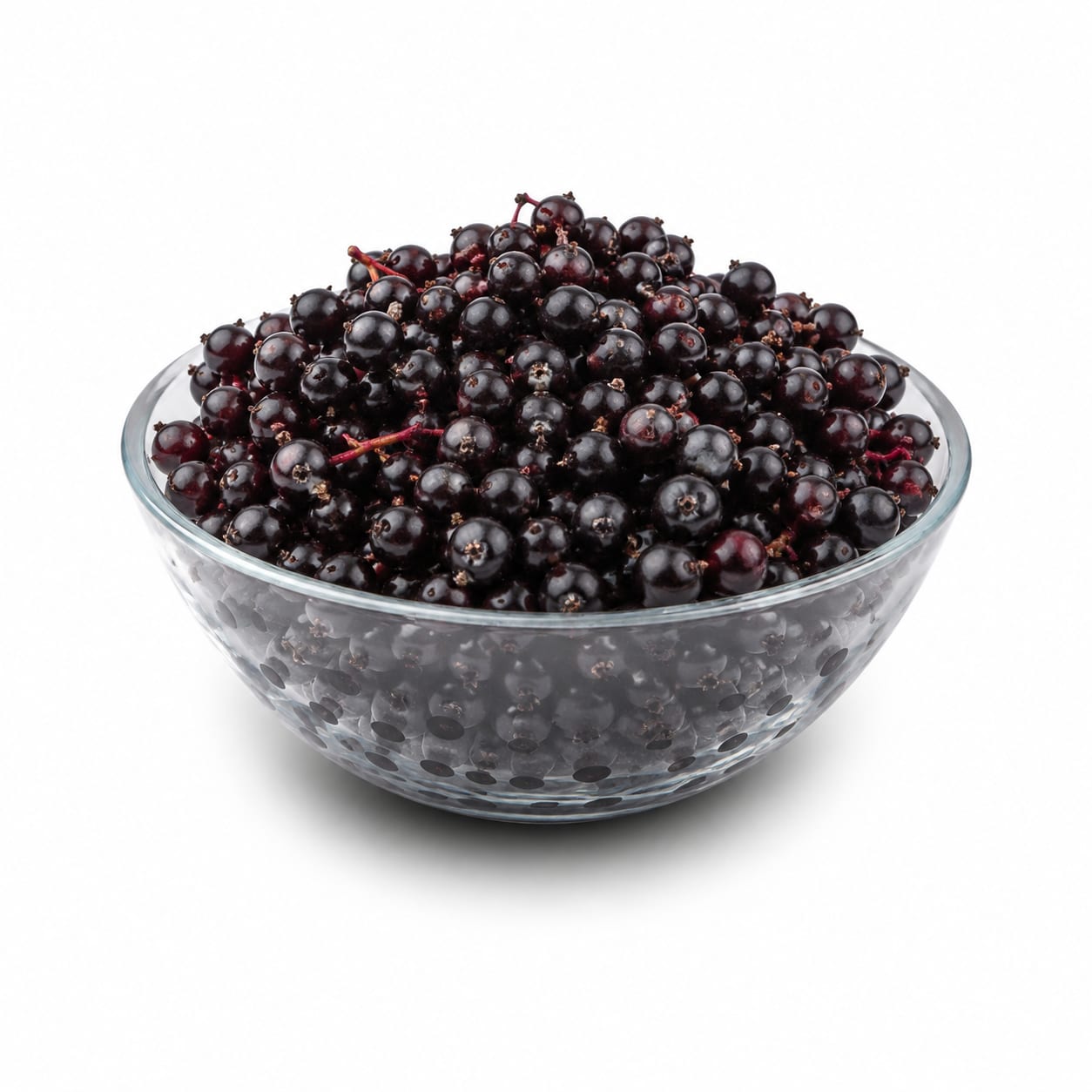
Elderberry
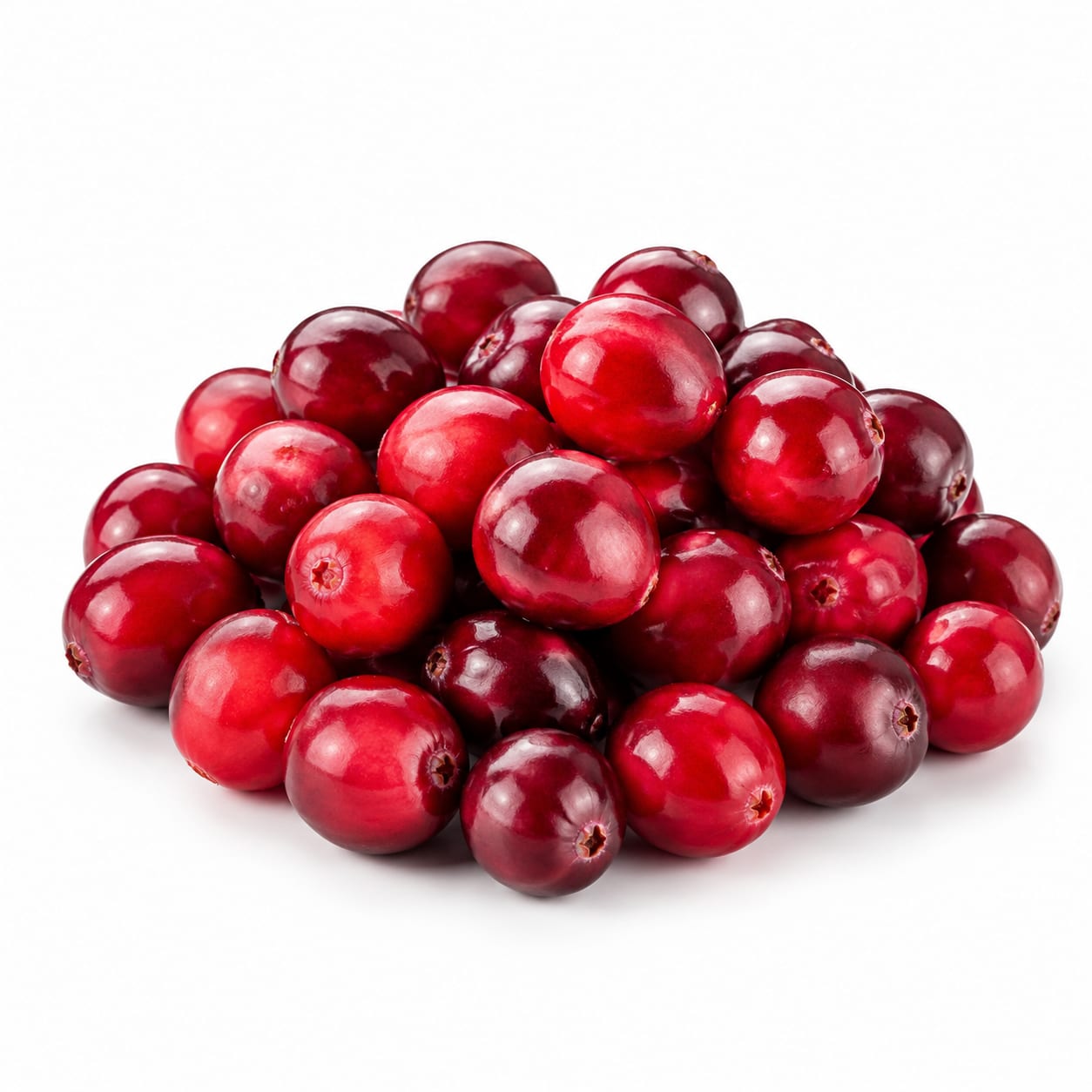
Cranberry
Elderberry excels at immune defense during cold season, while Cranberry is the superior choice for urinary tract health and safer daily snacking.
Cranberry scores slightly higher due to better safety for raw consumption and broader everyday usability, though Elderberry holds a distinct edge for acute immune support.
Targeted immune boosting versus urinary tract protection, complicated by Elderberry's raw toxicity and the high sugar often added to both.
At a glance
Executive summary
Overall
It depends
Healthier
It depends
More practical
Cranberry
Daily use
Cranberry
Key comparison lenses
Immune support versus urinary tract health
Elderberry is primarily used for cold and flu defense, while Cranberry is the go-to for UTI prevention.
Safety of raw consumption
Raw Elderberry contains toxins that cause nausea, whereas fresh Cranberry is safe but extremely tart.
Sugar content in common forms
Both are rarely eaten raw and are typically consumed as sweetened juices, syrups, or dried fruits, impacting blood sugar.
Best choice for
Elderberry
- Fighting off a cold or flu
- Seasonal immune support
- Reducing illness duration
Cranberry
- Preventing urinary tract infections
- Daily antioxidant maintenance
- Safe culinary experimentation
Least suitable for
Elderberry
- Casual raw snacking
- People who want a low-maintenance fresh berry
- Those avoiding all added sugars (since raw is toxic)
Cranberry
- People prone to kidney stones
- Those sensitive to very tart flavors
- Anyone avoiding sweetened juices
Deep comparison
Dimension by dimension
Each lens scores both foods and breaks down who each option suits.
- Dimension 1 · Priority 95Elderberry
Immune Support
Elderberry · 95Cranberry · 60Elderberry is heavily backed by research for reducing cold and flu duration, while Cranberry offers general antioxidants but lacks specific antiviral reputation.
Tradeoff
Elderberry is best used reactively or seasonally, not as a casual everyday snack.
Why it matters
When you feel a scratchy throat, Elderberry is the more targeted intervention.
Real-world impact
Reaching for Elderberry syrup at the first sign of a cold can cut sick days short.
Elderberry
- Cold and flu season
- Reactive immune support
Better for
- Year-round daily snacking
Worse for
Cranberry
- General daily wellness
Better for
- Acute viral illness recovery
Worse for
- Dimension 2 · Priority 92Cranberry
Urinary Tract Health
Elderberry · 30Cranberry · 98Cranberry contains unique proanthocyanidins that prevent bacteria from sticking to the urinary tract walls, a benefit Elderberry lacks.
Tradeoff
Getting this benefit without excess sugar usually requires Cranberry extract or unsweetened juice, which is very tart.
Why it matters
For anyone prone to UTIs, Cranberry is a proven preventative tool.
Real-world impact
Drinking unsweetened Cranberry juice or taking capsules can significantly reduce painful UTI recurrences.
Elderberry
- Urinary tract support
Worse for
Cranberry
- UTI prevention
- Bladder health
Better for
- Dimension 3 · Priority 88Cranberry
Safety and Preparation
Elderberry · 40Cranberry · 90Raw Elderberry contains cyanogenic glycosides that can cause severe stomach upset and must be cooked before eating. Fresh Cranberry is completely safe raw, just highly astringent.
Tradeoff
Elderberry requires careful preparation to be safe, whereas Cranberry only requires a sweetener to be palatable.
Why it matters
Accidentally snacking on raw Elderberries from the bush is a real safety risk, especially for children.
Real-world impact
You can toss fresh Cranberries into a salad safely (if you enjoy the sourness), but raw Elderberries could cause vomiting.
Elderberry
- Raw consumption
- Careless foraging
Worse for
Cranberry
- Safe raw snacking
- Easy kitchen prep
Better for
- Dimension 4 · Priority 80Elderberry
Antioxidant Density
Elderberry · 92Cranberry · 85Elderberry boasts one of the highest anthocyanin profiles of any fruit, giving it a deep purple color and massive antioxidant capacity. Cranberry is also rich but slightly lower overall.
Tradeoff
Getting those Elderberry antioxidants usually means consuming a syrup or extract, whereas Cranberry antioxidants are easier to get from whole cooked fruit.
Why it matters
High antioxidant intake fights cellular aging and inflammation.
Real-world impact
A daily dose of Elderberry syrup delivers a concentrated hit of anti-aging compounds, but often with added honey or sugar.
Elderberry
- Fighting oxidative stress
- Anti-aging protocols
Better for
Cranberry
- Sustained daily antioxidant intake
Better for
Timeline
Health impact over time
Short-term
Hours to days
Elderberry
- Can shorten the duration of cold and flu symptoms
- Raw uncooked berries can cause nausea and vomiting
Cranberry
- Helps flush out bacteria to prevent UTIs
- Unsweetened juice can cause stomach upset due to high acidity
Long-term
Months to years
Elderberry
- Consistent use may reduce the frequency of winter illnesses
- Supports cardiovascular health through anthocyanins
Cranberry
- Protects against recurrent urinary infections
- High oxalate content could contribute to kidney stones in susceptible individuals
Risk profile
Safety & processing
Neither berry is typically eaten raw in its natural state—Elderberry because it is toxic, and Cranberry because it is overwhelmingly tart. This means you will almost always encounter them in processed forms, making label reading essential to avoid sugar overload.
Elderberry
Cyanogenic glycosides (toxins)
highRaw Elderberries, stems, and leaves contain compounds that release cyanide. They must be properly cooked to neutralize the toxins.
Cranberry
Kidney stones
mediumCranberries are high in oxalates, which can bind with calcium and form kidney stones in prone individuals.
Blood sugar spikes from juice
mediumMost commercial Cranberry juice is heavily sweetened, leading to rapid blood sugar increases.
Who wins for whom
Audience fit
Same foods, different winners depending on your goal.
children
CranberryCranberry is safer to have around the house since raw consumption will not cause poisoning, though Elderberry gummies are a popular supplement if kept out of reach.
daily consumption
CranberryCranberry is safer and more practical for daily, long-term use, while Elderberry is usually cycled only during cold season.
diabetes
CranberryUnsweetened Cranberry extract or whole Cranberries have a lower glycemic impact compared to the honey-sweetened Elderberry syrups typically used.
elderly
It dependsCranberry is better for preventing UTIs (common in the elderly), while Elderberry is better for immune defense against respiratory viruses.
muscle gain
It dependsNeither berry is relevant for muscle building; they provide minimal protein and are used for flavor and health benefits.
weight loss
CranberryFresh Cranberries are extremely low in calories and sugar when cooked with a sugar substitute, whereas Elderberry is rarely consumed in a low-calorie format.
Your move
Decision guide
Choose Elderberry
- You feel a cold coming on and want to reduce its duration
- You are looking for a concentrated antioxidant boost during winter
- You are using pre-made, properly cooked syrups or supplements
Choose Cranberry
- You are prone to urinary tract infections
- You want a berry you can safely cook with from fresh or frozen
- You are looking for a daily maintenance antioxidant
Either works if
- You want to boost your overall antioxidant intake
- You are making a homemade fruit syrup or jam
Avoid both if
- You are strictly avoiding all added sugars and cannot find unsweetened extracts
- You have severe oxalate sensitivity (for Cranberry) or are foraging without proper knowledge (for Elderberry)
Final recommendation
Keep Cranberry in your daily routine for urinary health and general antioxidants, but stock Elderberry syrup in your medicine cabinet for when cold season hits. They serve completely different primary purposes, making them complementary rather than competitors.
Practical
Consumer tips
- 1
Never eat raw Elderberries; always cook them thoroughly for at least 20 minutes to destroy the toxins.
- 2
If buying Cranberry juice for UTI prevention, look for 100% pure unsweetened juice or take a PAC-standardized supplement to avoid the sugar crash.
- 3
Check the sugar content on Elderberry gummies and syrups—many are loaded with added sugars that counteract the immune benefits.
- 4
Frozen Cranberries work just as well as fresh for cooking and baking, and they last much longer.