
Nutrition comparison
Elderberry vs Aronia Berry: Which Antioxidant Powerhouse Is Right for You?
Compare Elderberry and Aronia berry on antioxidant content, immune support, safety, taste, and heart health benefits. Find out which dark berry fits your wellness goals.
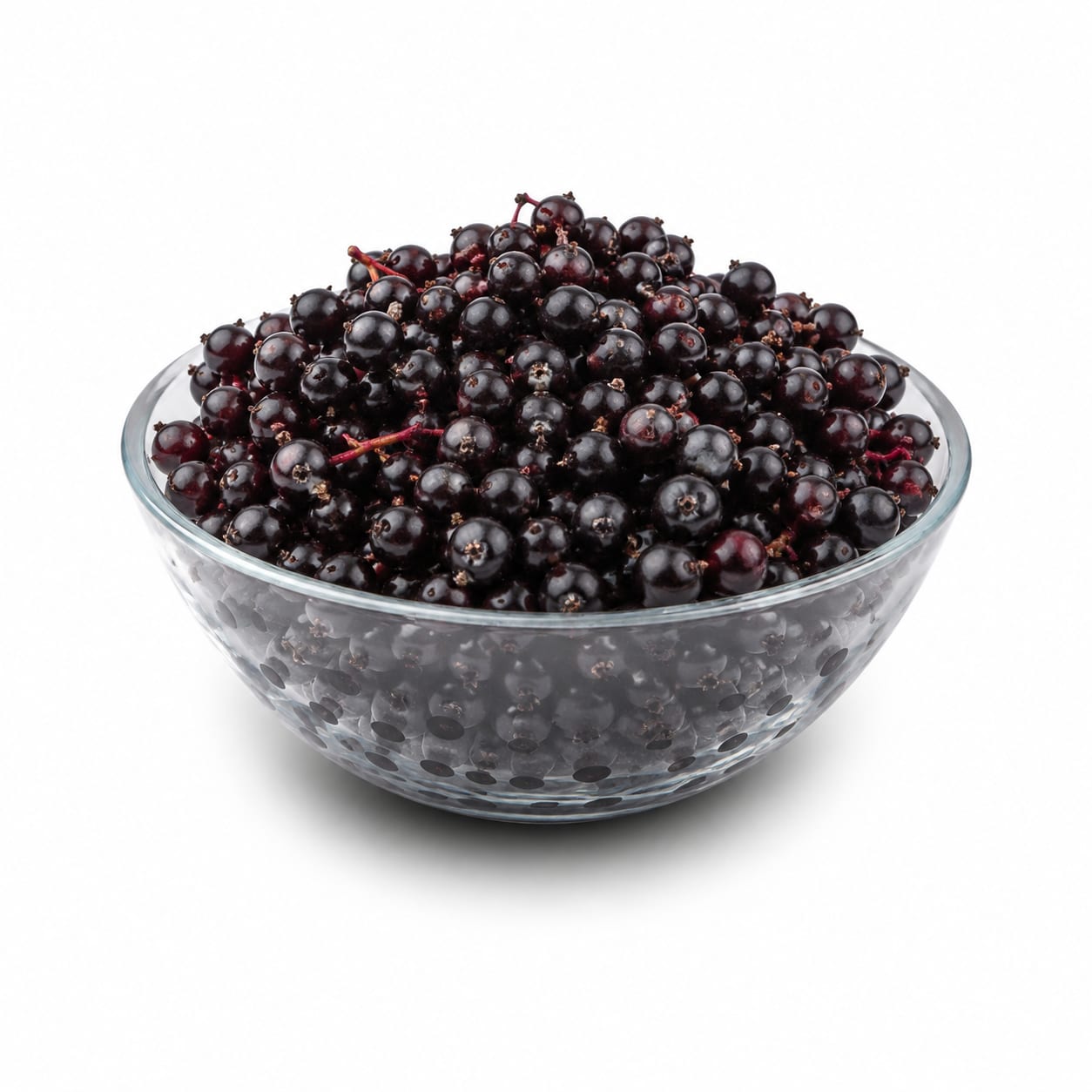
Elderberry
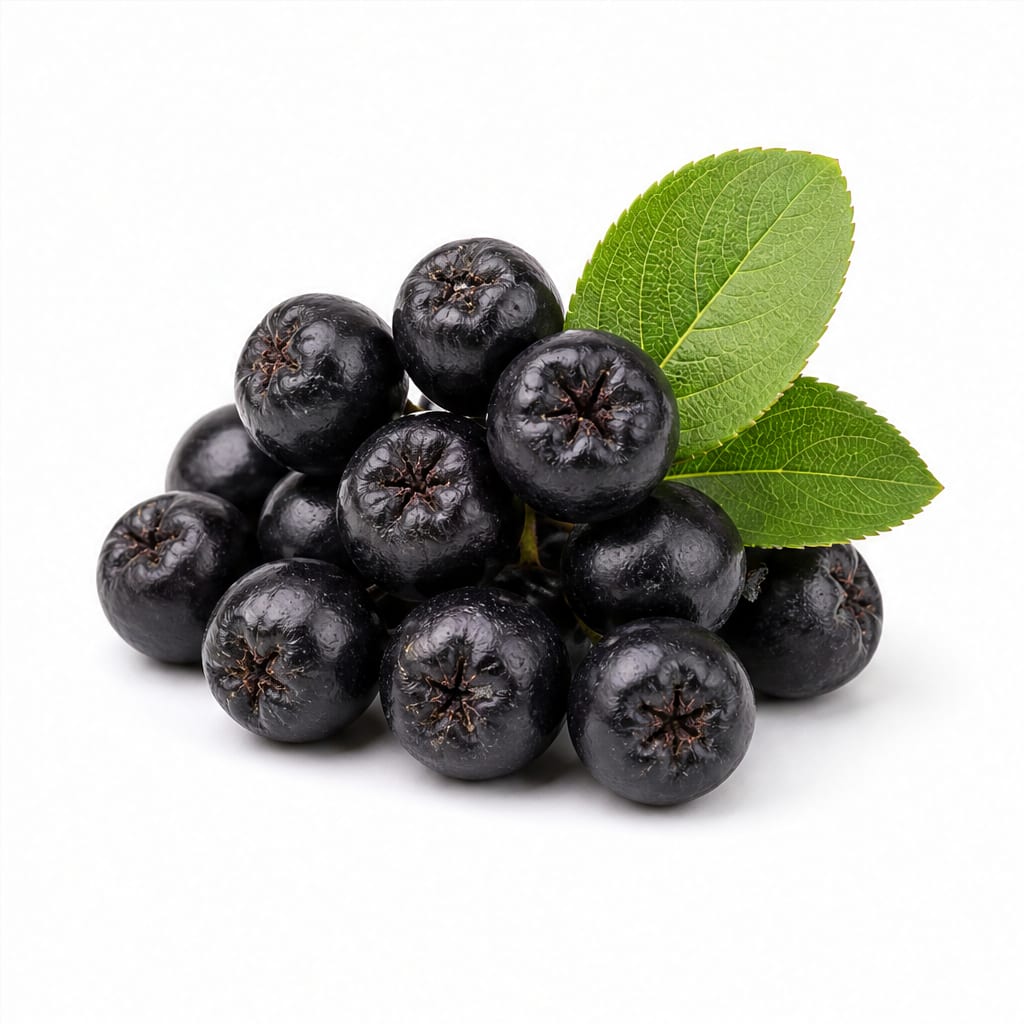
Aronia berry
Elderberry wins for immune support and ease of daily use, while Aronia berry delivers unmatched antioxidant density but challenges your tastebuds.
Elderberry edges ahead on practicality and clinical evidence for its signature immune benefit. Aronia berry scores slightly lower because its extreme astringency makes consistent daily consumption difficult for most people, despite superior antioxidant density.
Aronia berry offers higher total antioxidant power and safer raw consumption, but Elderberry tastes better and has stronger clinical evidence for immune benefits.
At a glance
Executive summary
Overall
It depends
Healthier
It depends
More practical
Elderberry
Daily use
Elderberry
Key comparison lenses
antioxidant potency
Both berries are consumed primarily for their exceptional antioxidant content, making this the core reason users compare them
immune support
Elderberry is famous for cold and flu defense, while Aronia berry is gaining attention for immune-related benefits
safety and preparation
Raw elderberry contains cyanogenic glycosides and must be cooked, while Aronia berry is safe raw — a critical practical difference
taste and palatability
Aronia berry's extreme astringency makes it challenging to consume regularly, affecting long-term adherence
cardiovascular and metabolic health
Both berries show promise for heart health and blood sugar regulation, but with different evidence bases
Best choice for
Elderberry
- Cold and flu season immune defense
- Families wanting a pleasant-tasting berry supplement
- People who prefer syrup or gummy formats
- Those new to functional berries
Aronia berry
- Maximum antioxidant intake per serving
- Cardiovascular and blood pressure support
- People comfortable with tart, astringent flavors
- Raw food enthusiasts who want safe uncooked berries
Least suitable for
Elderberry
- Raw food diets (must be cooked first)
- People seeking the absolute highest ORAC score
- Those with cyanide sensitivity concerns
Aronia berry
- Anyone sensitive to bitter or astringent flavors
- Children who reject tart foods
- People wanting a pleasant daily tonic experience
Deep comparison
Dimension by dimension
Each lens scores both foods and breaks down who each option suits.
- Dimension 1 · Priority 95Aronia berry
antioxidant_density
Elderberry · 78Aronia berry · 96Aronia berry has one of the highest ORAC values of any fruit on the planet, significantly surpassing Elderberry.
Tradeoff
You get more antioxidant power per gram with Aronia berry, but that intensity comes with a mouth-puckering astringency that makes large servings unpleasant.
Why it matters
Higher antioxidant density means smaller servings deliver more protective compounds, which matters if you want maximum benefit from minimal intake.
Real-world impact
A small shot of Aronia berry juice can deliver more antioxidants than a full glass of Elderberry syrup — but you may need to chase it with water.
Elderberry
- People who prefer getting antioxidants from a pleasant-tasting serving
Better for
- Users seeking the absolute top-tier antioxidant score
Worse for
Aronia berry
- Those prioritizing maximum polyphenol intake per calorie
- Anyone wanting the highest ORAC value available in a whole fruit
Better for
- People unlikely to consistently consume something that tastes harsh
Worse for
- Dimension 2 · Priority 90Elderberry
immune_support
Elderberry · 88Aronia berry · 70Elderberry has multiple clinical trials supporting its use for reducing cold and flu duration and severity. Aronia berry has promising lab data but less direct human evidence for immune outcomes.
Tradeoff
Elderberry's immune reputation is backed by real human studies, while Aronia berry's immune potential is mostly inferred from its antioxidant content.
Why it matters
When you're reaching for a berry during sick season, you want evidence it actually helps — not just theoretical benefits.
Real-world impact
Taking Elderberry syrup at the first sign of a cold has measurable support. Aronia berry might help too, but you're betting on antioxidant logic rather than direct trial results.
Elderberry
- Cold and flu season proactive defense
- Families wanting an evidence-backed immune supplement
Better for
- People who want a raw, unprocessed immune-supporting food
Worse for
Aronia berry
- Long-term immune maintenance through general antioxidant support
Better for
- Anyone wanting proven acute immune intervention
Worse for
- Dimension 3 · Priority 88Aronia berry
safety_and_preparation
Elderberry · 55Aronia berry · 90Raw Elderberry contains cyanogenic glycosides that can cause nausea, vomiting, and diarrhea. It must be cooked before consumption. Aronia berry is safe to eat raw without any special preparation.
Tradeoff
Aronia berry gives you peace of mind and flexibility, while Elderberry demands careful preparation or reliance on pre-made products.
Why it matters
If you forage, garden, or prefer raw foods, this safety gap is significant. One berry can make you sick if mishandled; the other cannot.
Real-world impact
Tossing fresh Aronia berries into a smoothie is effortless. Fresh Elderberries require cooking first — skip that step and you risk a very unpleasant evening.
Elderberry
- People who always use pre-cooked commercial products anyway
Better for
- Foragers and raw food enthusiasts
- Households with children who might eat uncooked berries
Worse for
Aronia berry
- Raw food diet followers
- Home gardeners who want to eat berries straight from the bush
- Anyone concerned about accidental cyanogenic exposure
Better for
- No significant safety disadvantage
Worse for
- Dimension 4 · Priority 80Elderberry
taste_and_palatability
Elderberry · 75Aronia berry · 40Elderberry has a pleasant, slightly sweet-tart flavor when cooked. Aronia berry is intensely astringent and bitter — its nickname 'chokeberry' is well earned.
Tradeoff
Elderberry is enjoyable enough to take daily without effort. Aronia berry requires willpower or creative masking in smoothies and recipes.
Why it matters
The best supplement is the one you actually take consistently. Astringency is the top reason people abandon Aronia berry products.
Real-world impact
Elderberry syrup feels like a treat. Aronia berry juice can make your mouth feel like you sucked on a dry tea bag — not something most people look forward to.
Elderberry
- Daily use without flavor fatigue
- Children and picky eaters
- Anyone wanting a supplement that feels like a ritual, not a chore
Better for
- No significant palatability disadvantage
Worse for
Aronia berry
- People who enjoy intense, complex flavors
- Culinary experimenters who blend berries into recipes
Better for
- Most casual consumers
- Anyone prone to abandoning unpleasant-tasting supplements
Worse for
- Dimension 5 · Priority 75Aronia berry
cardiovascular_and_metabolic_health
Elderberry · 65Aronia berry · 82Aronia berry shows stronger evidence for blood pressure reduction, lipid improvement, and vascular function. Elderberry has cardiovascular benefits too, but less research focus in this area.
Tradeoff
If heart health is your primary goal, Aronia berry's anthocyanin and proanthocyanidin profile appears more targeted. But the evidence base is still emerging.
Why it matters
For people managing blood pressure or cholesterol, choosing the berry with more relevant clinical data matters.
Real-world impact
Regular Aronia berry consumption has been linked to measurable blood pressure improvements in several small trials. Elderberry's heart benefits are real but less quantified.
Elderberry
- General cardiovascular maintenance as part of a varied diet
Better for
- People wanting the most cardio-targeted berry option
Worse for
Aronia berry
- People actively managing blood pressure
- Those with metabolic syndrome looking for targeted food support
- Anyone prioritizing vascular health specifically
Better for
- No significant cardiovascular disadvantage
Worse for
- Dimension 6 · Priority 70Elderberry
availability_and_convenience
Elderberry · 80Aronia berry · 60Elderberry products — syrups, gummies, lozenges, and dried berries — are widely available in pharmacies and health stores. Aronia berry products are harder to find and often limited to specialty shops or online.
Tradeoff
Elderberry is easy to grab at any drugstore. Aronia berry often requires planning ahead and ordering online, which hurts spontaneous or consistent use.
Why it matters
Accessibility determines whether a health food becomes a habit or a one-time experiment.
Real-world impact
You can find Elderberry syrup at most grocery stores during cold season. Aronia berry juice? You're probably ordering it online and waiting for shipping.
Elderberry
- People who shop at regular stores
- Those who want immediate availability
- Travelers who need to restock on the go
Better for
- No significant availability disadvantage
Worse for
Aronia berry
- Online shoppers comfortable with subscription ordering
- People near specialty or Eastern European markets
Better for
- Impulse buyers and anyone without reliable online access
- Rural consumers far from specialty retailers
Worse for
Timeline
Health impact over time
Short-term
Hours to days
Elderberry
- May reduce cold duration when taken at first symptoms
- Can cause nausea or vomiting if consumed raw or undercooked
- Mild anti-inflammatory effect noticeable within days of consistent use
Aronia berry
- Immediate astringent mouthfeel that may discourage first-time users
- Noticeable blood pressure support within a few weeks of daily intake
- Unlikely to cause any adverse digestive effects when consumed raw
Long-term
Months to years
Elderberry
- Consistent immune support during seasonal illness periods
- Cumulative antioxidant protection against oxidative stress
- Potential cardiovascular benefits from regular flavonoid intake
Aronia berry
- Sustained blood pressure and lipid improvements with daily consumption
- High anthocyanin intake linked to reduced chronic disease risk over time
- Possible improved vascular elasticity and circulation
Risk profile
Safety & processing
Both berries are whole foods when purchased fresh or dried. However, Elderberry's safety requirement means most consumers encounter it in processed forms like syrups and gummies, which often contain added sugars, preservatives, or thickeners. Aronia berry products tend to be simpler — juice, powder, or frozen — with fewer additives.
Elderberry
Cyanogenic glycoside toxicity from raw berries
highRaw Elderberry contains compounds that release cyanide when digested. Symptoms include nausea, vomiting, diarrhea, and in rare cases, more serious toxicity. Always cook Elderberries before consuming.
Stem and seed contamination
mediumElderberry stems and seeds contain higher concentrations of cyanogenic compounds than the flesh. Incomplete destemming increases risk, especially in homemade preparations.
Added sugars in commercial syrups
lowMany Elderberry syrups and gummies contain significant added sugar to improve taste, which can undermine the health benefits if consumed in large quantities.
Aronia berry
Extreme astringency causing digestive discomfort
lowLarge amounts of Aronia berry's tannins can cause mild stomach upset or constipation in sensitive individuals, though this is uncommon at normal serving sizes.
Pesticide residue on conventionally grown berries
lowAs with all berries, conventional Aronia may carry pesticide residue. Choosing organic reduces this concern.
Who wins for whom
Audience fit
Same foods, different winners depending on your goal.
children
ElderberryElderberry gummies and syrups are formulated for kids and taste pleasant. Aronia berry's astringency makes it a hard sell for most children.
daily consumption
ElderberryElderberry's pleasant taste and wide product availability make it easier to sustain as a daily habit. Aronia berry's harsh flavor causes many people to stop taking it regularly.
diabetes
Aronia berryAronia berry has a lower glycemic impact and emerging evidence for blood sugar regulation, plus it contains less natural sugar than Elderberry preparations.
elderly
ElderberryElderberry's immune support is especially valuable for older adults, and its palatable formats are easier for seniors to consume consistently.
muscle gain
It dependsNeither berry is relevant for muscle gain. Both offer negligible protein and minimal calories. Choose based on other health goals instead.
weight loss
Aronia berryAronia berry's extreme tartness naturally limits overconsumption, and its lower sugar content makes it slightly more weight-loss friendly per serving.
Your move
Decision guide
Choose Elderberry
- You want proven immune support during cold and flu season
- You value taste and ease of daily use
- You prefer widely available products you can buy locally
- You have children who need a palatable supplement
- You want a berry supplement that feels like a comforting ritual
Choose Aronia berry
- You prioritize maximum antioxidant power above all else
- You want raw-safe berries for smoothies and uncooked recipes
- Cardiovascular health and blood pressure management are your top concerns
- You enjoy or tolerate intense, astringent flavors
- You're comfortable ordering specialty products online
Either works if
- You simply want to add more dark berry polyphenols to your diet
- You're rotating between different antioxidant sources for variety
- You have no specific health target beyond general wellness
Avoid both if
- You have a berry allergy or sensitivity
- You're looking for a significant protein or calorie source
- You expect either berry to replace medical treatment for any condition
Final recommendation
For most people, Elderberry is the more practical and enjoyable choice — especially during sick season when its immune benefits matter most. Choose Aronia berry if you're a dedicated health optimizer who prioritizes raw antioxidant density over taste, or if cardiovascular health is your specific focus. Both berries are excellent functional foods; the right pick depends on whether you value pleasant consistency or maximum potency.
Practical
Consumer tips
- 1
If buying Elderberry, always choose cooked or commercially prepared products — never eat raw Elderberries from the garden without cooking them first.
- 2
Aronia berry's astringency mellows significantly when frozen and thawed, or when blended with sweeter fruits like banana or apple.
- 3
Check Elderberry syrup labels for added sugar — some brands contain as much sugar as pancake syrup, which undermines the health benefits.
- 4
Aronia berry powder is often easier to consume than the whole fruit — mix it into oatmeal, yogurt, or smoothies where the tartness gets masked.
- 5
If you grow your own Elderberry, be meticulous about removing all stems before cooking, as stems contain the highest concentration of cyanogenic compounds.
- 6
For the best of both worlds, consider alternating: Elderberry during cold season for immune support, and Aronia berry year-round for cardiovascular and antioxidant benefits.