
Nutrition comparison
Elderberry vs Goji Berry: Which Superberry Is Right for You?
Compare elderberry and goji berry for immune support, eye health, safety, and daily usability. Learn which berry fits your health goals and when to use each.
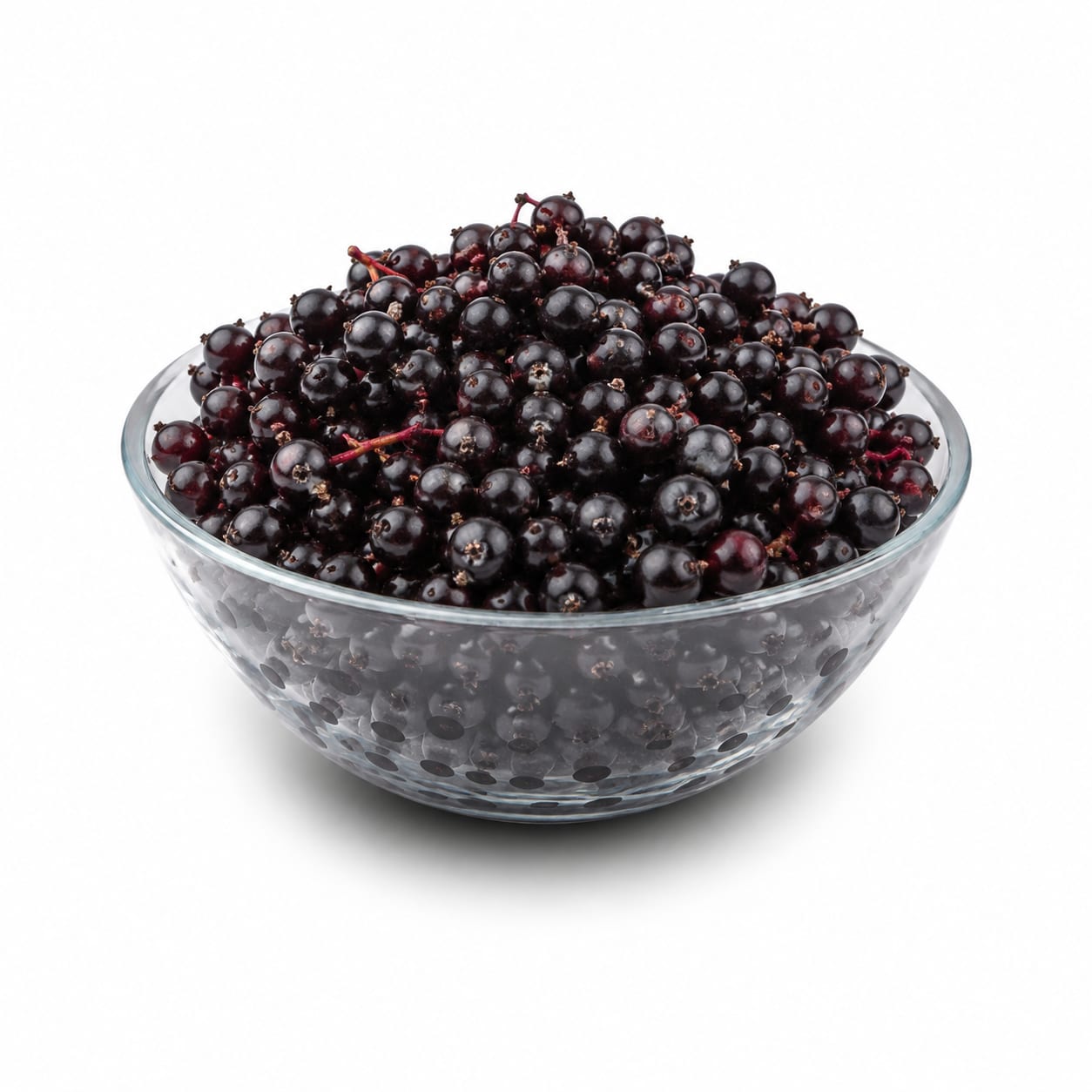
Elderberry
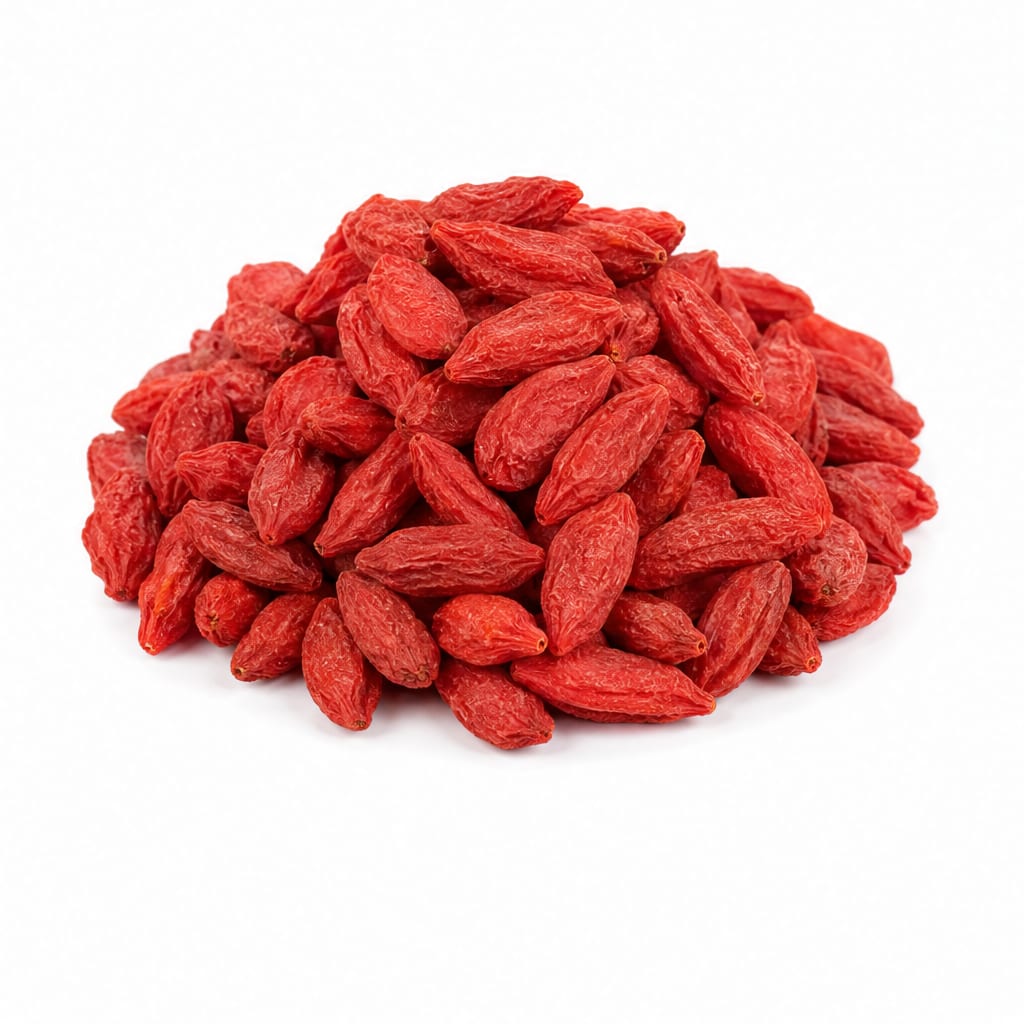
Goji berry
Elderberry is your acute immune defender during cold season; goji berry is your daily longevity snack with broader nutritional coverage.
Goji berry scores higher for daily nutritional value, convenience, and versatility. Elderberry earns strong marks for targeted immune potency but loses points for preparation requirements, raw toxicity risk, and limited everyday usability.
Elderberry offers stronger targeted immune action but requires preparation and is best used situationally, while goji berry provides steady daily nutrition with eye health benefits but less acute immune punch.
At a glance
Executive summary
Overall
It depends
Healthier
It depends
More practical
Goji berry
Daily use
Goji berry
Key comparison lenses
immune support comparison
Both berries are legendary for immune benefits but through completely different mechanisms — elderberry targets viral defense while goji supports immune resilience long-term
antioxidant profile difference
Elderberry delivers anthocyanins; goji delivers zeaxanthin and carotenoids — these protect completely different body systems
safety and preparation concerns
Raw elderberry is toxic and must be cooked; goji can interact with medications — both have non-trivial safety considerations most people ignore
daily versus situational use
Goji berry works as an everyday snack food; elderberry is better suited for targeted seasonal or therapeutic use
eye health and vitamin A
Goji berry is one of the richest plant sources of zeaxanthin, making eye health a key differentiator
Best choice for
Elderberry
- Cold and flu season immune defense
- Acute viral exposure situations
- People wanting targeted anthocyanin benefits
- Short-term immune boosting protocols
Goji berry
- Daily antioxidant snacking
- Eye health and vision protection
- Plant-based protein and iron supplementation
- Long-term anti-aging and longevity routines
Least suitable for
Elderberry
- Raw consumption (toxic when uncooked)
- Daily casual snacking
- People on immunosuppressants without medical guidance
- Those wanting a grab-and-go superfood
Goji berry
- People on blood thinners like warfarin
- Those managing diabetes with medications (risk of hypoglycemia)
- People sensitive to higher sugar dried fruits
- Anyone seeking acute cold symptom relief
Deep comparison
Dimension by dimension
Each lens scores both foods and breaks down who each option suits.
- Dimension 1 · Priority 95Elderberry
Immune Support Potency
Elderberry · 92Goji berry · 74Elderberry has stronger clinical evidence for directly combating viral infections, particularly influenza. Goji berry supports immunity indirectly through general nutrition.
Tradeoff
Elderberry works best when you feel something coming on; goji berry builds immune resilience gradually over weeks and months.
Why it matters
If you want acute defense during cold season, elderberry is the targeted tool. For everyday immune maintenance, goji berry is more practical.
Real-world impact
Elderberry syrup at the first sign of a sore throat can reduce symptom duration. Goji berry as a daily snack strengthens your baseline defenses over time.
Elderberry
- Acute cold and flu response
- Seasonal immune boosting
- Viral exposure situations
Better for
- Continuous daily immune maintenance
- People who forget to take remedies reactively
Worse for
Goji berry
- Long-term immune resilience
- Daily preventive nutrition
- General antioxidant support
Better for
- Acute symptom relief when already sick
- Rapid immune response needs
Worse for
- Dimension 2 · Priority 88Goji berry
Eye Health and Vision Protection
Elderberry · 45Goji berry · 94Goji berry is one of the richest natural sources of zeaxanthin, a carotenoid critical for macular health. Elderberry offers minimal eye-specific benefits.
Tradeoff
If eye health is a priority, especially with screen-heavy lifestyles, goji berry delivers nutrients elderberry simply cannot match.
Why it matters
Zeaxanthin accumulates in the retina and filters damaging blue light. Most people get far too little of it from their diet.
Real-world impact
A handful of dried goji berries daily can meaningfully increase macular pigment density within weeks, protecting against age-related vision decline.
Elderberry
- People specifically seeking vision support
Worse for
Goji berry
- Screen-heavy professionals
- Older adults concerned about macular degeneration
- Anyone with a family history of eye disease
Better for
- Dimension 3 · Priority 82Goji berry
Protein and Micronutrient Density
Elderberry · 48Goji berry · 86Goji berry contains all essential amino acids and notable iron, vitamin A, and zinc. Elderberry is primarily a source of vitamin C and anthocyanins with minimal protein.
Tradeoff
Goji berry functions almost like a multivitamin in berry form; elderberry is more of a single-purpose supplement.
Why it matters
For plant-based eaters, goji berry contributes meaningfully to protein and iron intake. Elderberry does not fill nutritional gaps the same way.
Real-world impact
Adding goji berries to oatmeal or trail mix boosts your protein, iron, and vitamin A intake effortlessly. Elderberry adds vitamin C and antioxidants but little else.
Elderberry
- Vitamin C focused supplementation
Better for
- Those needing broad micronutrient coverage
Worse for
Goji berry
- Plant-based diet nutrient insurance
- Iron deficiency support
- Complete amino acid intake
Better for
- Dimension 4 · Priority 88Goji berry
Safety and Preparation Requirements
Elderberry · 42Goji berry · 68Raw elderberry contains cyanogenic glycosides that can cause nausea, vomiting, and diarrhea. Proper cooking is mandatory. Goji berry has drug interaction risks but no inherent toxicity.
Tradeoff
Elderberry demands respect and preparation knowledge; goji berry is safer out of the package but requires medication awareness.
Why it matters
Many people do not realize raw elderberries are toxic. This is a meaningful safety concern that changes how each food fits into daily life.
Real-world impact
Eating raw elderberries from a bush can land you in the emergency room. Goji berries can be eaten straight from the bag, though you should check for medication interactions first.
Elderberry
- Anyone unfamiliar with proper preparation
- Casual or impulsive consumers
- Households with curious children
Worse for
Goji berry
- Grab-and-go snacking
- Families with children
- People who want minimal preparation
Better for
- People on warfarin or blood thinners
- Those on diabetes medications
Worse for
- Dimension 5 · Priority 80Goji berry
Convenience and Daily Usability
Elderberry · 40Goji berry · 88Dried goji berries are ready to eat, easy to add to meals, and shelf-stable. Elderberry is rarely eaten as a whole food and typically consumed as syrup, gummy, or extract.
Tradeoff
Goji berry integrates naturally into daily eating patterns. Elderberry is more of a supplement you take than a food you enjoy.
Why it matters
The best superfood is the one you actually consume consistently. Goji berry wins on sustainability of habit.
Real-world impact
Tossing goji berries into yogurt or trail mix takes zero thought. Elderberry requires buying a processed product or carefully cooking raw berries yourself.
Elderberry
- Anyone wanting a simple daily habit
- People who dislike supplement routines
Worse for
Goji berry
- Busy professionals
- Meal prep enthusiasts
- Trail mix and smoothie makers
Better for
- Dimension 6 · Priority 78It depends
Antioxidant Diversity
Elderberry · 85Goji berry · 83Elderberry is extraordinarily rich in anthocyanins, which combat oxidative stress and inflammation. Goji berry offers carotenoids and polysaccharides with different antioxidant pathways.
Tradeoff
They protect different systems through different mechanisms. Anthocyanins support vascular and immune health; carotenoids protect eyes and cellular membranes.
Why it matters
Antioxidant diversity matters more than total antioxidant capacity. Both berries complement each other rather than compete.
Real-world impact
Elderberry anthocyanins reduce inflammation markers acutely. Goji carotenoids build long-term cellular protection. Ideally, you benefit from both.
Elderberry
- Acute inflammation reduction
- Vascular health support
Better for
- Eye-specific antioxidant needs
Worse for
Goji berry
- Cellular membrane protection
- Long-term oxidative damage prevention
Better for
- Acute inflammatory situations
Worse for
- Dimension 7 · Priority 72Elderberry
Sugar Content and Blood Sugar Impact
Elderberry · 76Goji berry · 55Elderberry in its whole or properly prepared form is lower in sugar. Dried goji berries are significantly sweeter and more calorie-dense per serving.
Tradeoff
Elderberry is lighter on blood sugar; goji berry tastes better but packs more sugar per handful.
Why it matters
For people monitoring blood sugar or managing calorie intake, dried goji berries can be surprisingly easy to overeat.
Real-world impact
A quarter cup of dried goji berries contains roughly 100 calories and 20 grams of sugar. Elderberry preparations typically deliver benefits with far less sugar impact.
Elderberry
- Blood sugar management
- Lower calorie diets
- Keto-adjacent eating styles
Better for
- Those wanting a palatable daily snack
Worse for
Goji berry
- Athletes needing quick energy
- People who find low-sugar foods unappealing
Better for
- Diabetics counting sugar grams
- Calorie-conscious snackers
Worse for
Timeline
Health impact over time
Short-term
Hours to days
Elderberry
- Can reduce cold and flu symptom duration when taken early
- Raw consumption causes nausea, vomiting, and diarrhea
- Mild anti-inflammatory effect noticeable within days
Goji berry
- Provides quick energy from natural sugars
- May cause mild digestive adjustment if eaten in large quantities initially
- Noticeable satiety from protein and fiber content
Long-term
Months to years
Elderberry
- Consistent seasonal use may reduce frequency and severity of viral infections
- Anthocyanin intake supports cardiovascular health over years
- No evidence of harm from long-term cooked elderberry consumption
Goji berry
- Zeaxanthin accumulation protects macular health and may slow age-related vision decline
- Polysaccharides support balanced immune function with regular consumption
- Iron and vitamin A levels improve steadily with daily intake
Risk profile
Safety & processing
Dried goji berries are typically just dehydrated fruit with no additives. Elderberry is almost always consumed as a processed product — syrup, gummy, or extract — which introduces added sugars, preservatives, or fillers depending on the brand.
Elderberry
Cyanogenic glycoside toxicity from raw berries
highRaw elderberries, stems, leaves, and seeds contain compounds that release cyanide. Cooking destroys these toxins. Never eat elderberries raw or undercooked.
Added sugars in commercial preparations
mediumMany elderberry syrups and gummies contain significant added sugar to improve taste, which can undermine immune benefits if consumed frequently.
Inconsistent potency in supplements
mediumElderberry supplement standardization varies widely between brands. Actual anthocyanin content may not match label claims.
Goji berry
Drug interaction with blood thinners
highGoji berries can enhance the effect of warfarin and other anticoagulants, increasing bleeding risk. Consult a doctor if on blood thinners.
Interaction with diabetes medications
mediumGoji may lower blood sugar, which combined with diabetes medication could cause hypoglycemia. Monitor blood sugar closely.
Pesticide residue on conventionally grown berries
lowGoji berries from certain regions may carry higher pesticide residues. Choosing organic mitigates this concern.
Who wins for whom
Audience fit
Same foods, different winners depending on your goal.
children
Goji berryGoji berries are safe to eat straight from the bag and taste naturally sweet. Elderberry requires careful preparation and raw berries are dangerous for curious kids.
daily consumption
Goji berryGoji berry is designed for daily snacking with broad nutritional benefits. Elderberry is best used seasonally or situationally, not as an everyday food.
diabetes
ElderberryElderberry has lower sugar content and does not interact with diabetes medications, unlike goji berry which poses hypoglycemia risk when combined with drugs.
elderly
Goji berryGoji berry supports eye health, provides iron, and is easy to consume. Elderberry has seasonal value but goji offers broader daily nutritional support for aging bodies.
muscle gain
Goji berryGoji berry provides complete protein with all essential amino acids, making it a rare fruit-based protein contributor.
weight loss
ElderberryElderberry preparations are typically lower in calories and sugar than dried goji berries, which are calorie-dense and easy to overeat.
Your move
Decision guide
Choose Elderberry
- Cold and flu season is approaching and you want targeted immune defense
- You are comfortable with supplement-style consumption rather than snacking
- You want lower sugar antioxidant support
- You need acute anti-inflammatory action
Choose Goji berry
- You want a daily superfood snack with broad nutritional coverage
- Eye health is a priority, especially with heavy screen use
- You follow a plant-based diet and want protein and iron from fruit
- Convenience matters and you want something ready to eat
Either works if
- You want antioxidant diversity and can use both for different purposes
- You are building a well-rounded superfood pantry
- You have no medication interactions with either berry
Avoid both if
- You are on blood thinners without medical guidance
- You have severe pollen or berry allergies
- You are seeking a primary protein source — neither is sufficient alone
Final recommendation
Use both strategically: goji berry as your daily nutritional foundation and elderberry as your seasonal immune tool. If you must choose one, goji berry delivers more consistent daily value, while elderberry earns its place during cold season or when immune threats are high.
Practical
Consumer tips
- 1
Never eat raw elderberries — always cook them thoroughly or buy properly prepared products
- 2
Choose organic goji berries when possible to minimize pesticide exposure
- 3
Check elderberry supplement labels for added sugars, especially in syrups and gummies
- 4
Start with small amounts of goji berries to assess digestive tolerance before increasing portions
- 5
If on warfarin or diabetes medication, consult your doctor before adding goji berries to your routine
- 6
Keep dried goji berries in an airtight container away from sunlight to preserve carotenoid content
- 7
Consider making your own elderberry syrup at home to control sugar content and ingredient quality
- 8
Freeze-dried elderberry powder offers a convenient middle ground between raw preparation and commercial supplements