
Nutrition comparison
Elderberry vs Acai Berry: Which Superberry Is Right for You?
Compare Elderberry and Acai berry on immune support, antioxidants, safety, and daily practicality. Learn which berry fits your health goals and when to use each.
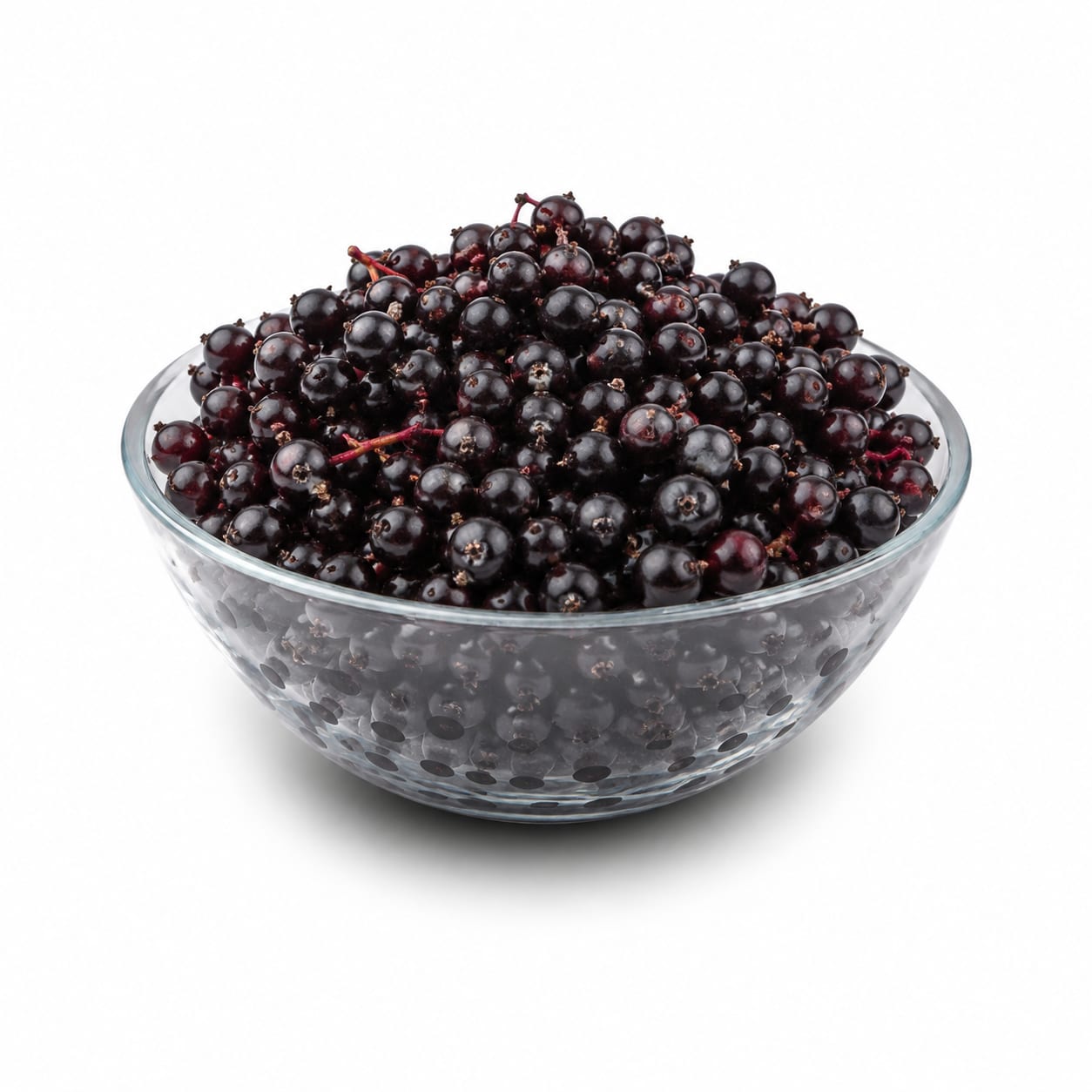
Elderberry
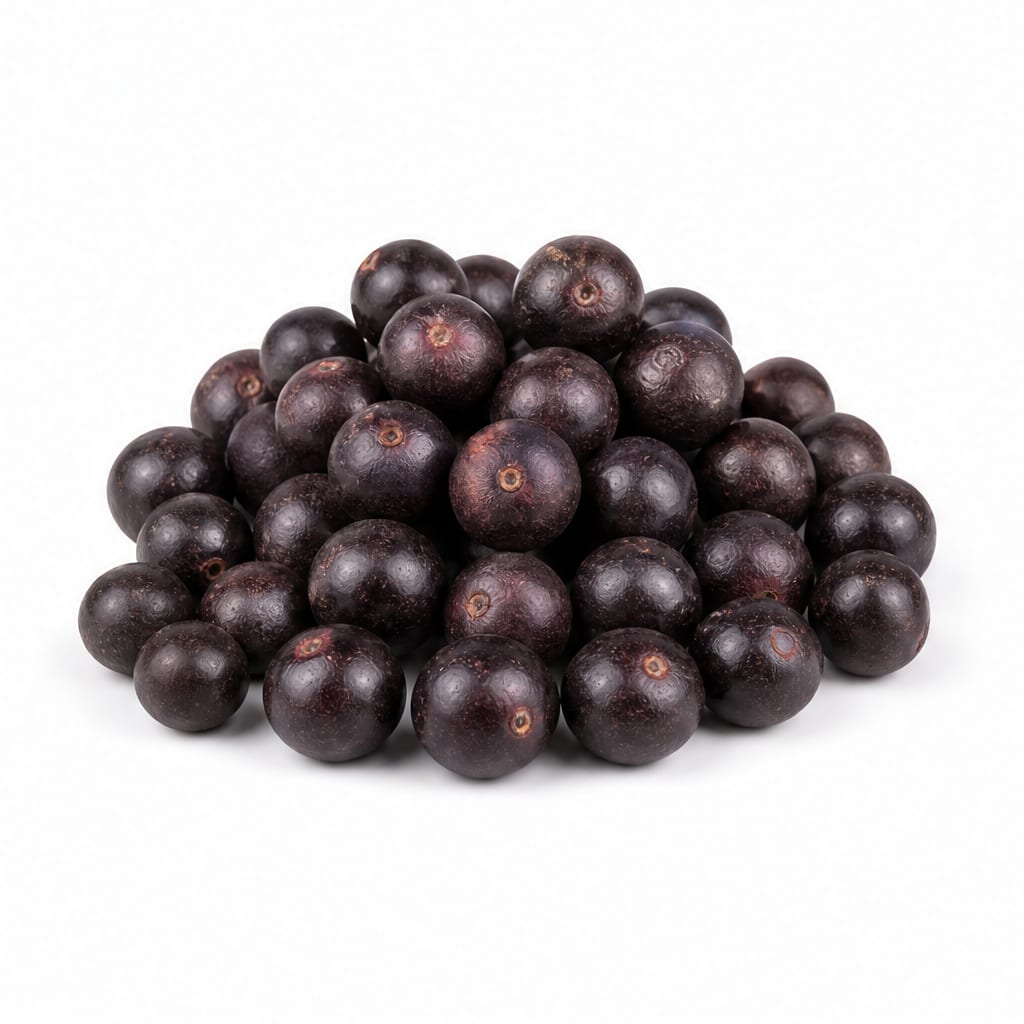
Acai berry
Elderberry excels at immune defense during cold season; Acai wins for daily antioxidant nourishment and culinary enjoyment.
Acai berry scores slightly higher due to better safety profile, daily usability, and culinary versatility. Elderberry earns strong marks for targeted immune efficacy but loses points on preparation requirements and limited everyday practicality.
Elderberry offers stronger targeted immune benefits but demands careful preparation and is less versatile, while Acai is safer, more versatile, and richer in healthy fats but lacks the same antiviral evidence.
At a glance
Executive summary
Overall
It depends
Healthier
It depends
More practical
Acai berry
Daily use
Acai berry
Key comparison lenses
immune support comparison
Elderberry is renowned for immune and antiviral properties while Acai is more associated with general antioxidant capacity, making this the primary decision driver
safety and preparation
Raw elderberries are toxic and require cooking, whereas Acai is safe to consume in its common forms — a critical practical distinction
antioxidant profile differences
Both are antioxidant powerhouses but through different compounds, leading to different health benefits
everyday practicality
Acai bowls and smoothies are mainstream convenience foods; elderberry is typically a supplement or syrup, changing how people actually use them
calorie and fat considerations
Acai is unusually high in fat for a berry, impacting calorie density and meal suitability
Best choice for
Elderberry
- Cold and flu season immune support
- Targeted antiviral defense when sick
- Short-term immune boosting protocols
- People seeking traditional remedy backing
Acai berry
- Daily antioxidant intake
- Satisfying meal replacements or smoothie bowls
- Heart health and anti-inflammatory goals
- People wanting a berry they can actually eat and enjoy
Least suitable for
Elderberry
- Casual snacking or raw consumption
- People unfamiliar with proper preparation techniques
- Daily unrestricted consumption year-round
- Children without adult preparation supervision
Acai berry
- Strict low-calorie or low-fat diets
- People avoiding calorie-dense foods
- Those seeking strong antiviral or immune-specific effects
- Budget-conscious shoppers wanting fresh berries
Deep comparison
Dimension by dimension
Each lens scores both foods and breaks down who each option suits.
- Dimension 1 · Priority 95Elderberry
immune_and_antiviral_support
Elderberry · 92Acai berry · 65Elderberry has stronger clinical evidence for reducing cold and flu duration and severity compared to Acai's more general antioxidant immune support.
Tradeoff
Elderberry's immune benefits are well-studied for acute illness but less proven for daily prevention, while Acai provides gentler ongoing antioxidant protection.
Why it matters
If you feel a cold coming on, Elderberry is the more evidence-backed choice for fighting it off faster.
Real-world impact
Elderberry syrup at the first sign of a sore throat may shave 1-2 days off a cold; Acai is better as a background daily defender.
Elderberry
- Acute cold and flu response
- Short-term immune boosting during illness season
- Targeted antiviral support
Better for
- Continuous daily immune supplementation without breaks
- People expecting immediate antioxidant energy benefits
Worse for
Acai berry
- Gentle daily immune maintenance
- Long-term antioxidant baseline protection
- People who prefer food-based over supplement-based immune support
Better for
- Acute illness response when you need strong antiviral action
- People specifically seeking cold and flu duration reduction
Worse for
- Dimension 2 · Priority 85Acai berry
antioxidant_diversity_and_strength
Elderberry · 78Acai berry · 88Acai boasts one of the highest ORAC scores of any fruit and offers a broader spectrum of antioxidants including anthocyanins, polyphenols, and vitamin A.
Tradeoff
Elderberry is extremely rich in anthocyanins but has a narrower antioxidant profile, while Acai delivers more variety and total antioxidant capacity per serving.
Why it matters
Broader antioxidant diversity translates to more comprehensive cellular protection against different types of oxidative stress.
Real-world impact
Regular Acai consumption contributes to a wider protective shield against aging and inflammation markers compared to Elderberry's more focused anthocyanin concentration.
Elderberry
- Targeted anthocyanin intake for vascular health
- People focused on specific flavonoid benefits
Better for
- People wanting the highest overall antioxidant score
- Those seeking diverse polyphenol profiles
Worse for
Acai berry
- Maximum total antioxidant capacity per serving
- Broader protection against multiple oxidative stress pathways
- Anti-aging and skin health goals
Better for
- Situations requiring concentrated single-compound benefits
Worse for
- Dimension 3 · Priority 90Acai berry
safety_and_preparation_requirements
Elderberry · 45Acai berry · 88Raw elderberries contain cyanogenic glycosides that can cause nausea, vomiting, and diarrhea — they must be cooked before consumption. Acai is safe in its commonly available forms.
Tradeoff
Elderberry demands knowledge and care to prepare safely, while Acai in frozen pulp or powder form is ready to use without safety concerns.
Why it matters
A food that can make you sick if prepared incorrectly is a real risk, especially for households with children or elderly members.
Real-world impact
Someone grabbing raw elderberries from a bush could end up with serious stomach distress; Acai bowls from a cafe carry no such risk.
Elderberry
- People comfortable with traditional preparation methods
- Those using commercially prepared elderberry products with safety testing
Better for
- Casual or inexperienced home cooks
- Households with curious children near raw berries
- Foragers who misidentify elderberry lookalikes
Worse for
Acai berry
- Families with children who might sample raw berries
- People who want grab-and-go safety
- Anyone unfamiliar with foraging or cooking toxic-to-safe transformations
Better for
- No significant safety concerns in common forms
Worse for
- Dimension 4 · Priority 75Acai berry
nutritional_density_and_macronutrients
Elderberry · 62Acai berry · 80Acai provides healthy monounsaturated and polyunsaturated fats, more fiber, and a richer micronutrient profile including calcium and vitamin A. Elderberry is lower in calories but also lower in overall nutrient density.
Tradeoff
Acai's fat content makes it more filling and nutritionally substantial but also more calorie-dense. Elderberry is lighter but less satiating.
Why it matters
If you are replacing a meal or need sustained energy, Acai's fat and fiber combo keeps you fuller longer. Elderberry works better as a light supplement.
Real-world impact
An Acai bowl can legitimately serve as breakfast; Elderberry syrup is a teaspoon-sized addition to your routine.
Elderberry
- Low-calorie supplement routines
- People watching fat intake closely
- Light additive to water or tea
Better for
- Anyone expecting a filling or satisfying food experience
- People wanting meaningful calorie intake from their berries
Worse for
Acai berry
- Meal replacement or substantial snack
- People benefiting from healthy fat intake
- Those needing sustained energy from food
Better for
- Strict calorie counters
- Very low-fat diet followers
Worse for
- Dimension 5 · Priority 70Acai berry
culinary_versatility_and_enjoyment
Elderberry · 48Acai berry · 82Acai stars in smoothie bowls, smoothies, and desserts with a rich berry-chocolate flavor. Elderberry is primarily consumed as syrup, gummies, or tea — more medicinal than culinary.
Tradeoff
Acai is a food you genuinely look forward to eating; Elderberry is something you take because you believe it helps your health.
Why it matters
Foods you enjoy are easier to consume consistently, which matters more for long-term health outcomes than occasional perfect choices.
Real-world impact
You will likely eat Acai twice a week because it tastes amazing; Elderberry syrup might sit in your cabinet until cold season arrives.
Elderberry
- People who prefer quick supplement-style consumption
- Traditional remedy enthusiasts
- Adding to hot beverages during illness
Better for
- Anyone wanting a versatile cooking ingredient
- People who dislike medicinal-tasting supplements
Worse for
Acai berry
- Creating enjoyable meals and snacks
- Social eating and sharing with friends
- People motivated by taste to maintain healthy habits
Better for
- Quick no-prep supplement routines
Worse for
- Dimension 6 · Priority 65It depends
cost_and_accessibility
Elderberry · 68Acai berry · 62Both are premium berry products rarely found fresh in typical grocery stores. Elderberry syrup and gummies are widely available and moderately priced. Acai frozen pulp and bowls tend to be more expensive, especially at cafes.
Tradeoff
Elderberry products are cheaper per dose but you use less. Acai costs more per serving but delivers more food volume and satisfaction.
Why it matters
Budget constraints determine whether these become regular habits or occasional splurges.
Real-world impact
A bottle of elderberry syrup lasts weeks; Acai bowl habits can run $10-15 per visit at a juice bar.
Elderberry
- Budget-conscious supplement users
- People wanting longer-lasting product per dollar
Better for
- Anyone wanting fresh whole berries at reasonable prices
Worse for
Acai berry
- Those who value food experience alongside nutrition
- People making Acai at home from frozen pulp to save money
Better for
- Frequent cafe Acai bowl customers watching their budget
Worse for
Timeline
Health impact over time
Short-term
Hours to days
Elderberry
- May reduce cold and flu duration when taken at first sign of illness
- Can cause nausea or digestive distress if consumed raw or in excessive amounts
- Slight anti-inflammatory effect noticeable within days of consistent use
Acai berry
- Provides noticeable energy sustenance from healthy fats and fiber
- Contributes to immediate antioxidant intake measurable in blood tests
- Can feel heavy or overly filling in large portions due to fat content
Long-term
Months to years
Elderberry
- Consistent seasonal use may reduce frequency and severity of viral infections
- Ongoing anthocyanin intake supports vascular health and circulation
- Risk of over-reliance as a cold remedy instead of broader lifestyle immune support
Acai berry
- Regular consumption associated with improved cholesterol profiles and heart health markers
- Sustained antioxidant intake may slow cellular aging and reduce chronic inflammation
- Calorie density can contribute to weight gain if portions are not managed, especially in bowl form with toppings
Risk profile
Safety & processing
Neither berry is typically consumed fresh. Elderberry is most often found as syrup, gummies, or lozenges which may contain added sugars, preservatives, or thickeners. Acai is usually frozen pulp, powder, or freeze-dried, and commercial Acai bowls often include hidden sugars and calorie-dense toppings. Both require label reading to avoid unwanted additives.
Elderberry
Cyanogenic glycoside toxicity from raw berries
highRaw elderberries, stems, leaves, and seeds contain compounds that release cyanide when digested. Cooking destroys these toxins. Never eat raw elderberries.
Misidentification with toxic lookalikes
mediumWater hemlock and other toxic plants can resemble elderberry. Foraging without expert knowledge is dangerous.
Added sugars in commercial syrups and gummies
mediumMany elderberry products are sweetened significantly to mask tartness, which can undermine immune benefits with sugar load.
Acai berry
Hidden sugars and calories in Acai bowls
mediumCafe Acai bowls often contain added sweeteners, granola, honey, and fruit that can push sugar and calorie content to dessert levels.
Exaggerated health claims from marketing
lowAcai has been subject to weight-loss and miracle-health scams. Stick to reputable brands and realistic expectations.
Oxidation and nutrient loss in poorly stored products
lowAcai's delicate antioxidants degrade quickly if not properly frozen or stored, reducing actual health benefits.
Who wins for whom
Audience fit
Same foods, different winners depending on your goal.
children
Acai berryAcai bowls are kid-friendly and safe to eat. Elderberry requires careful preparation and even commercial products should be dosed appropriately for children.
daily consumption
Acai berryAcai can be enjoyed daily as a food with broad benefits. Elderberry is best used seasonally or acutely rather than continuously, as long-term daily safety data is limited.
diabetes
ElderberryElderberry in unsweetened forms has minimal impact on blood sugar. Acai bowls frequently contain high-glycemic toppings and added sweeteners that spike glucose.
elderly
ElderberryElderberry's immune-supporting and antiviral properties are especially valuable for older adults more vulnerable to respiratory infections, when used as a seasonal supplement.
muscle gain
Acai berryAcai provides more calories, healthy fats, and can be paired with protein in bowls to support muscle-building nutrition. Elderberry contributes negligible macronutrients.
weight loss
ElderberryElderberry syrup in small doses adds minimal calories while providing immune support. Acai's fat content and common bowl preparations are calorie-dense and easy to overeat.
Your move
Decision guide
Choose Elderberry
- You want targeted immune support during cold and flu season
- You are comfortable with supplement-style consumption rather than food
- You need a low-calorie antioxidant addition to your routine
- You have access to properly prepared or commercial elderberry products
Choose Acai berry
- You want an enjoyable, food-based antioxidant source for daily use
- You are looking for healthy fats and sustained energy from a berry
- You prefer meals and snacks over supplements
- You value culinary versatility and taste motivation for healthy habits
Either works if
- You want to boost your overall antioxidant intake beyond common berries
- You are building a diverse superfood rotation rather than relying on one option
- You enjoy experimenting with different functional foods seasonally
Avoid both if
- You have berry or pollen allergies that could trigger reactions
- You are seeking a primary protein source or macronutrient-dense food
- You expect either to produce dramatic weight loss or cure illness independently
Final recommendation
Use both strategically: keep Elderberry syrup on hand for cold season immune defense, and enjoy Acai as a regular antioxidant-rich food that makes healthy eating feel rewarding. They serve different purposes and complement each other well when used appropriately.
Practical
Consumer tips
- 1
Always cook elderberries thoroughly before consuming — never eat them raw
- 2
Choose unsweetened or low-sugar elderberry syrups to avoid undermining immune benefits with sugar load
- 3
Make Acai bowls at home using frozen pulp to control sugar and calorie content
- 4
Watch portion sizes on Acai bowls — cafe versions can reach 600+ calories with toppings
- 5
Rotate your berry intake rather than relying on one superfood for all antioxidant needs
- 6
Store Acai frozen and consume quickly after thawing to preserve delicate antioxidants
- 7
Talk to your doctor before taking elderberry if you are on immunosuppressive medications
- 8
Avoid elderberry if you are pregnant or breastfeeding without medical guidance due to limited safety data