
Nutrition comparison
Elderberry vs Strawberry: Which Berry Is Better for Immunity and Daily Health?
Compare elderberry and strawberry for immune support, antioxidants, safety, and everyday nutrition. Learn which berry fits your health goals and how to use both strategically.
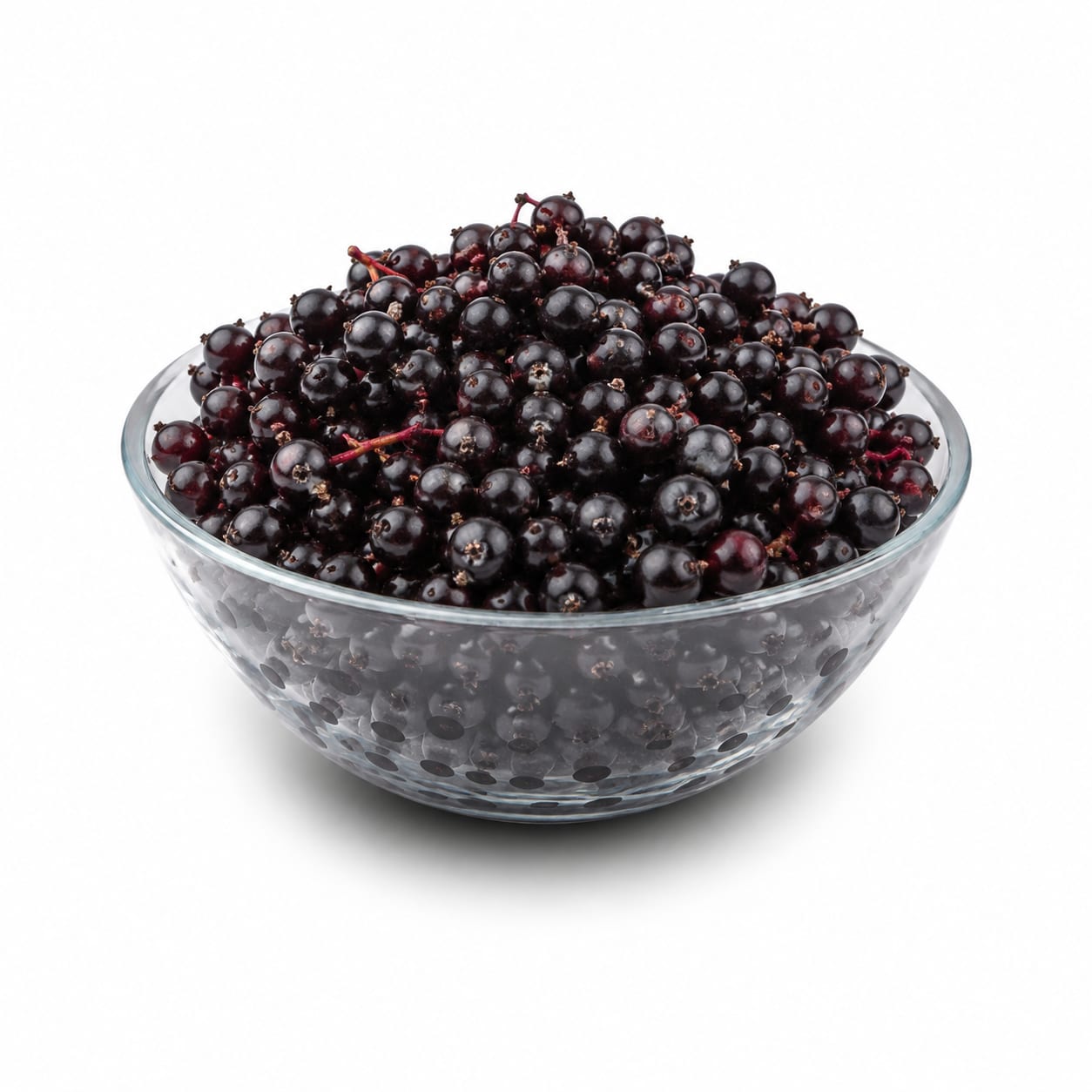
Elderberry
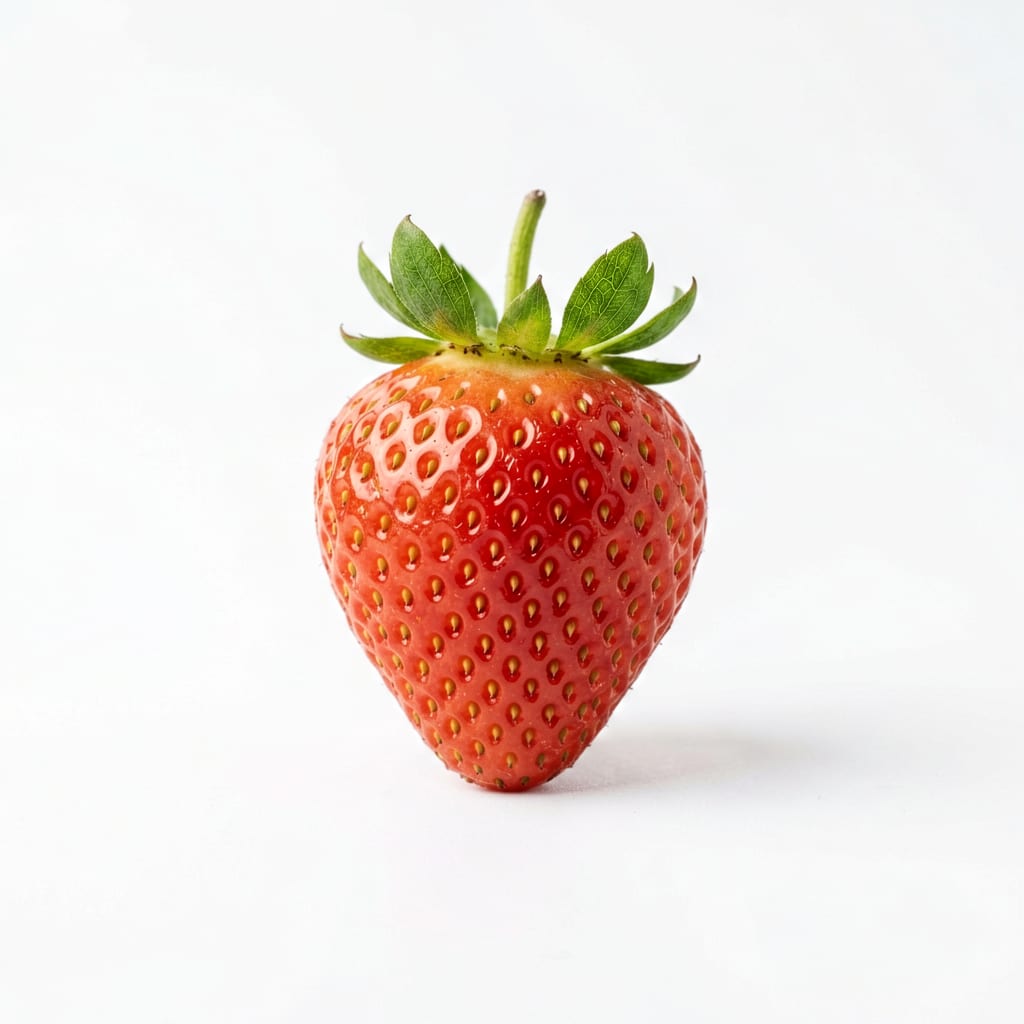
Strawberry
Elderberry wins for targeted immune support and antioxidant concentration, but Strawberry wins for everyday nutrition, safety, and enjoyment.
Strawberry scores higher overall due to superior everyday usability, safety, and versatility. Elderberry earns strong marks for antioxidant potency and immune relevance but loses ground on preparation requirements, availability, and toxicity risks when raw.
Medicinal potency versus daily practicality — elderberry is the stronger remedy, strawberry is the better food.
At a glance
Executive summary
Overall
It depends
Healthier
It depends
More practical
Strawberry
Daily use
Strawberry
Key comparison lenses
immune support potential
Elderberry is primarily known and consumed for its immune-boosting properties, making this the dominant comparison angle
everyday eating practicality
Strawberries are an everyday snack fruit while elderberries require preparation and are rarely eaten fresh
safety and preparation
Raw elderberries are toxic and must be cooked, while strawberries are safe to eat raw
antioxidant density
Both berries are antioxidant powerhouses but through different compounds and concentrations
daily sustainability
Long-term daily use favors the food that is easier to incorporate consistently
Best choice for
Elderberry
- People seeking immune support during cold and flu season
- Those wanting concentrated anthocyanin intake
- Anyone building a targeted supplement routine
- People interested in traditional remedy approaches
Strawberry
- Daily fruit eaters looking for versatile nutrition
- Families wanting a kid-friendly antioxidant source
- Anyone meal-prepping smoothies or snacks
- People who value eating food as-is without cooking
Least suitable for
Elderberry
- Children who might eat raw berries off a bush
- Anyone wanting a grab-and-go snack
- People unfamiliar with proper preparation techniques
- Those looking for a casual everyday fruit
Strawberry
- People seeking concentrated therapeutic immune effects
- Those wanting the highest possible antioxidant density per gram
- Anyone avoiding high-pesticide conventional produce without organic access
Deep comparison
Dimension by dimension
Each lens scores both foods and breaks down who each option suits.
- Dimension 1 · Priority 95Elderberry
immune_support_potency
Elderberry · 92Strawberry · 65Elderberry has significantly more clinical backing for immune modulation and cold/flu symptom reduction.
Tradeoff
You gain targeted immune benefits with elderberry but lose the ability to just grab and eat it raw.
Why it matters
During cold season, elderberry syrup or extract is one of the few berries with evidence for shortening illness duration.
Real-world impact
Reaching for elderberry at the first sign of a scratchy throat may cut your cold shorter by a day or two.
Elderberry
- Cold and flu season prevention
- Post-exposure immune response
- Targeted therapeutic use
Better for
- Situations requiring immediate raw consumption
- Households with young children who might eat berries unwashed or uncooked
Worse for
Strawberry
- Year-round baseline immune maintenance
- Gentle daily vitamin C support
Better for
- Acute immune challenges needing concentrated support
Worse for
- Dimension 2 · Priority 85Elderberry
antioxidant_density
Elderberry · 90Strawberry · 72Elderberry packs more anthocyanins and total antioxidants per gram than almost any other fruit, including strawberries.
Tradeoff
Higher antioxidant concentration comes with a more astringent taste and the need for cooking or processing.
Why it matters
Anthocyanins reduce oxidative stress, support vascular health, and may protect against chronic disease over time.
Real-world impact
A small serving of elderberry syrup delivers more antioxidant punch than a larger bowl of strawberries.
Elderberry
- Maximizing antioxidant intake in small doses
- Anti-aging and longevity-focused diets
- Cardiovascular protective nutrition
Better for
- Anyone who dislikes strong tart or astringent flavors
- Situations where you want to eat a large volume comfortably
Worse for
Strawberry
- Getting antioxidants alongside satisfying volume and fiber
- Enjoying the eating experience while still getting benefits
Better for
- When you need maximum antioxidant impact per calorie
Worse for
- Dimension 3 · Priority 90Strawberry
everyday_versatility
Elderberry · 35Strawberry · 92Strawberries are one of the most versatile fruits available; elderberries are niche and require preparation.
Tradeoff
Strawberries go anywhere — smoothies, salads, desserts, snacks. Elderberry is mostly a syrup, extract, or cooked jam.
Why it matters
The best healthy food is the one you actually eat consistently. Versatility drives consistency.
Real-world impact
Throwing strawberries into yogurt takes 10 seconds. Making elderberry syrup takes 30 minutes and a stove.
Elderberry
- Targeted immune shots or tonics
- Herbal tea blends
- Traditional remedy preparations
Better for
- Quick breakfasts
- Office snacks
- Any raw eating scenario
Worse for
Strawberry
- Smoothies and breakfast bowls
- Snacking straight from the container
- Kids' lunchboxes
- Salads and desserts
Better for
- Concentrated therapeutic applications
Worse for
- Dimension 4 · Priority 88Strawberry
safety_and_preparation
Elderberry · 40Strawberry · 88Raw elderberries contain cyanogenic glycosides that can cause nausea and vomiting. Strawberries are safe raw.
Tradeoff
Elderberry requires cooking to neutralize toxins; strawberries are safe to eat unwashed off the vine.
Why it matters
A food that can make you sick if prepared incorrectly carries real risk, especially around children.
Real-world impact
Eating a handful of raw elderberries from a backyard bush could land you with stomach cramps and vomiting within hours.
Elderberry
- People comfortable with careful preparation and cooking
Better for
- Anyone unfamiliar with proper preparation
- Children who might pick and eat berries raw
- Foraging beginners who might confuse varieties
Worse for
Strawberry
- Households with curious children
- Raw food diets
- Casual foraging or snacking
Better for
- Those with strawberry allergies, which are relatively common among fruit allergies
Worse for
- Dimension 5 · Priority 70Strawberry
vitamin_c_content
Elderberry · 55Strawberry · 85Strawberries are an excellent vitamin C source, delivering nearly 100% of daily needs per cup. Elderberry provides less.
Tradeoff
For daily vitamin C, strawberries are far more efficient and enjoyable to consume in quantity.
Why it matters
Vitamin C supports skin health, iron absorption, and immune function on a daily basis.
Real-world impact
One cup of strawberries covers your vitamin C for the day. You would need much more elderberry product to match that.
Elderberry
- Situations where vitamin C is supplemented from other sources anyway
Better for
- Anyone relying on a single fruit for vitamin C
Worse for
Strawberry
- Daily vitamin C targets
- Skin health and collagen support
- Iron absorption enhancement at meals
Better for
- Those who already get ample vitamin C from other sources
Worse for
- Dimension 6 · Priority 75Elderberry
pesticide_and_contamination_risk
Elderberry · 80Strawberry · 45Strawberries consistently rank near the top of the EWG Dirty Dozen for pesticide residues. Elderberry is typically wild-harvested or organically grown.
Tradeoff
Strawberries carry real pesticide exposure risk unless organic; elderberry is more often naturally or organically sourced.
Why it matters
Pesticide exposure from strawberries is one of the highest among common fruits, especially for children.
Real-world impact
Feeding conventional strawberries to kids daily means consistent low-level pesticide exposure. Going organic helps but costs more.
Elderberry
- Minimizing pesticide exposure without buying organic
- Wild-foraged and naturally grown food preferences
Better for
- Commercial elderberry syrups may contain added sugars and preservatives
Worse for
Strawberry
- Organic strawberry options are widely available in most grocery stores
Better for
- Conventional strawberries are among the most pesticide-contaminated fruits available
Worse for
Timeline
Health impact over time
Short-term
Hours to days
Elderberry
- May reduce cold and flu symptom duration when taken at first sign of illness
- Improperly prepared raw elderberries can cause nausea, vomiting, and diarrhea within hours
- Elderberry syrup provides a quick concentrated antioxidant dose
Strawberry
- Immediate vitamin C boost supporting energy and immune readiness
- Quick natural sugar lift for afternoon energy without a crash
- High water content supports hydration on hot days
Long-term
Months to years
Elderberry
- Consistent seasonal use may reduce frequency and severity of viral infections
- High anthocyanin intake supports vascular health and reduces oxidative damage over decades
- Risk of overconsumption of commercial syrups high in added sugar if not careful
Strawberry
- Regular consumption supports heart health, skin aging, and inflammation reduction
- Daily vitamin C and fiber intake improves long-term digestive and immune resilience
- Pesticide exposure from conventional strawberries may pose cumulative risk if eaten daily long-term
Risk profile
Safety & processing
Fresh strawberries are eaten as-is, making them one of the least processed foods possible. Elderberry is almost always consumed as a syrup, extract, gummy, or cooked product, which introduces processing variables like added sugars, preservatives, and alcohol in tinctures.
Elderberry
Cyanogenic glycoside toxicity from raw berries
highRaw elderberries contain compounds that release cyanide when digested. Cooking neutralizes this risk. Never eat elderberries raw, especially in quantity.
Misidentification with toxic elder species
mediumRed elderberry and other Sambucus species are more toxic. Foragers must correctly identify Sambucus nigra or canadensis.
Added sugar in commercial syrups
mediumMany elderberry syrups and gummies contain significant added sugar or honey, which can undermine immune benefits if overconsumed.
Strawberry
Pesticide residue exposure
highStrawberries rank #1 or near the top on EWG's Dirty Dozen list nearly every year. Conventional strawberries routinely test positive for multiple pesticide residues.
Allergic reactions
lowStrawberry allergy is one of the more common fruit allergies, causing oral allergy syndrome or hives in sensitive individuals.
Mold and spoilage
lowStrawberries spoil quickly and can grow mold within days. Inspect before eating, especially pre-packaged containers.
Who wins for whom
Audience fit
Same foods, different winners depending on your goal.
children
StrawberryStrawberries are safe, delicious, and kid-friendly. Elderberry poses toxicity risks if children eat raw berries and commercial syrups often contain too much sugar for regular use.
daily consumption
StrawberryStrawberries are easy, safe, and enjoyable every day. Elderberry is best used seasonally or therapeutically rather than as a daily staple.
diabetes
StrawberryFresh strawberries have a low glycemic index and can be eaten in satisfying portions. Elderberry syrups often contain added sugar that spikes blood glucose.
elderly
It dependsStrawberries support daily vitamin C, hydration, and fiber. Elderberry may offer stronger immune protection during vulnerable cold and flu seasons when older adults face higher complication risks.
muscle gain
It dependsNeither berry is a protein source. Strawberries offer better post-workout vitamin C for recovery; elderberry may help prevent illness during heavy training blocks.
weight loss
StrawberryStrawberries are low-calorie, high-volume, and satisfying to eat in quantity. Elderberry products often contain added sugars that add empty calories.
Your move
Decision guide
Choose Elderberry
- You want targeted immune support during cold and flu season
- You are comfortable cooking or buying prepared syrups and extracts
- You prioritize antioxidant density above all else
- You follow a traditional or herbal remedy approach to wellness
Choose Strawberry
- You want an everyday fruit that supports baseline health effortlessly
- You need a versatile ingredient for smoothies, snacks, and meals
- You have children and want a safe, enjoyable berry option
- You prefer eating food in its natural raw state
- You are watching your weight and want low-calorie satisfaction
Either works if
- You want antioxidant support and are open to using both strategically
- You rotate foods seasonally and can use each in its appropriate context
Avoid both if
- You have a berry allergy or salicylate sensitivity
- You are on a strict very-low-carb or keto diet and need to limit all fruit sugar
Final recommendation
Use both strategically. Keep strawberries as your daily fruit for consistent vitamin C, fiber, and enjoyment. Add elderberry syrup or extract during cold season or when you feel something coming on. Think of strawberries as your everyday nutrition and elderberry as your seasonal remedy.
Practical
Consumer tips
- 1
Always cook elderberries before consuming — boiling for at least 20 minutes neutralizes cyanogenic compounds
- 2
Buy organic strawberries whenever possible to avoid high pesticide exposure, especially for children
- 3
Read labels on elderberry syrups — many contain more sugar than actual elderberry
- 4
Freeze strawberries when in season for year-round smoothies at lower cost
- 5
If foraging elderberries, confirm you have Sambucus nigra or canadensis and avoid red elderberry entirely
- 6
Elderberry gummies often underdose the active compounds — syrups and extracts tend to be more effective
- 7
Wash strawberries right before eating, not before storing, to prevent faster mold growth