
Nutrition comparison
Elderberry vs Grape: Which Is Healthier for Immunity, Snacking, and Daily Use?
Compare elderberry and grape for immune support, antioxidant content, sugar, safety, and everyday practicality. Learn which berry fits your health goals and when to use each.
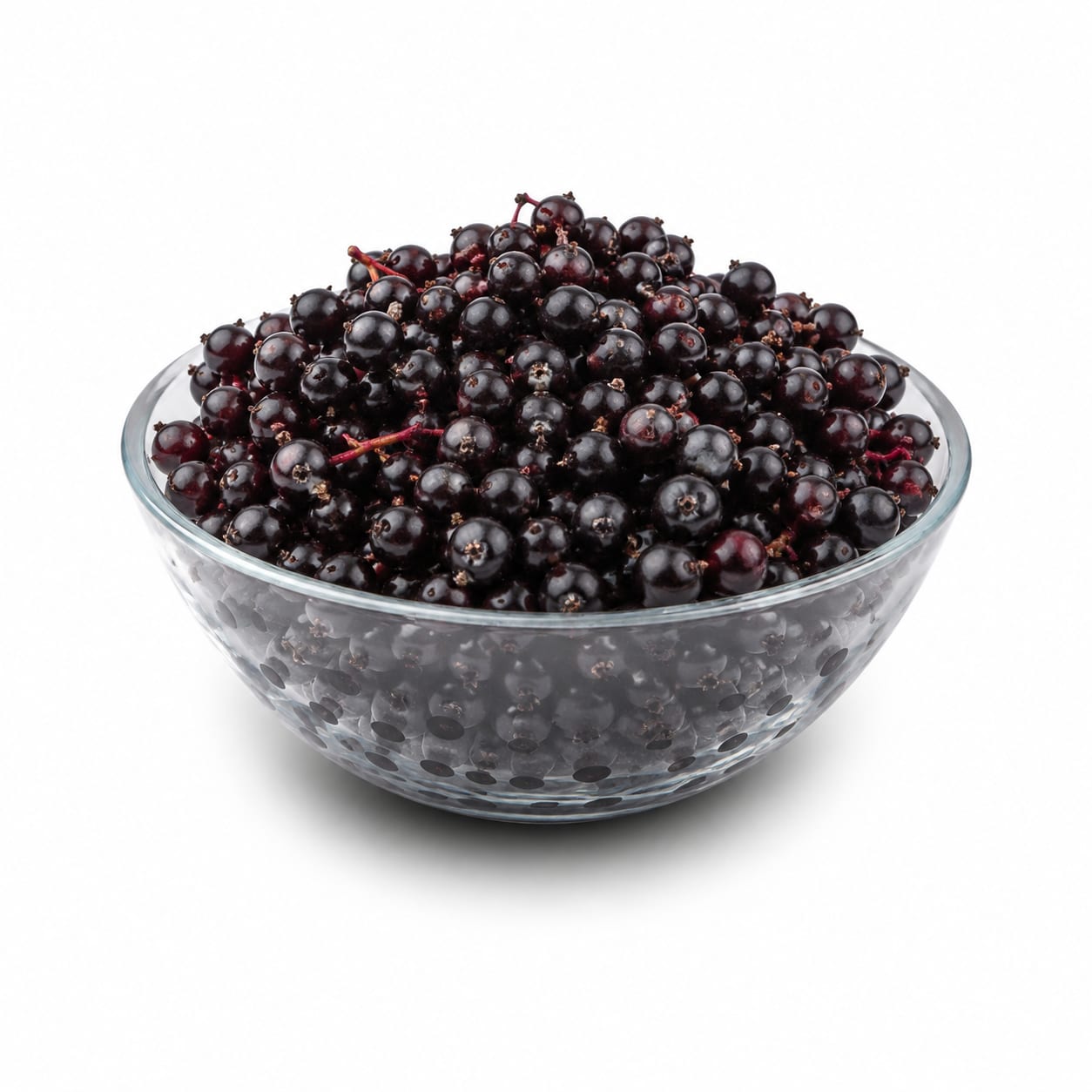
Elderberry
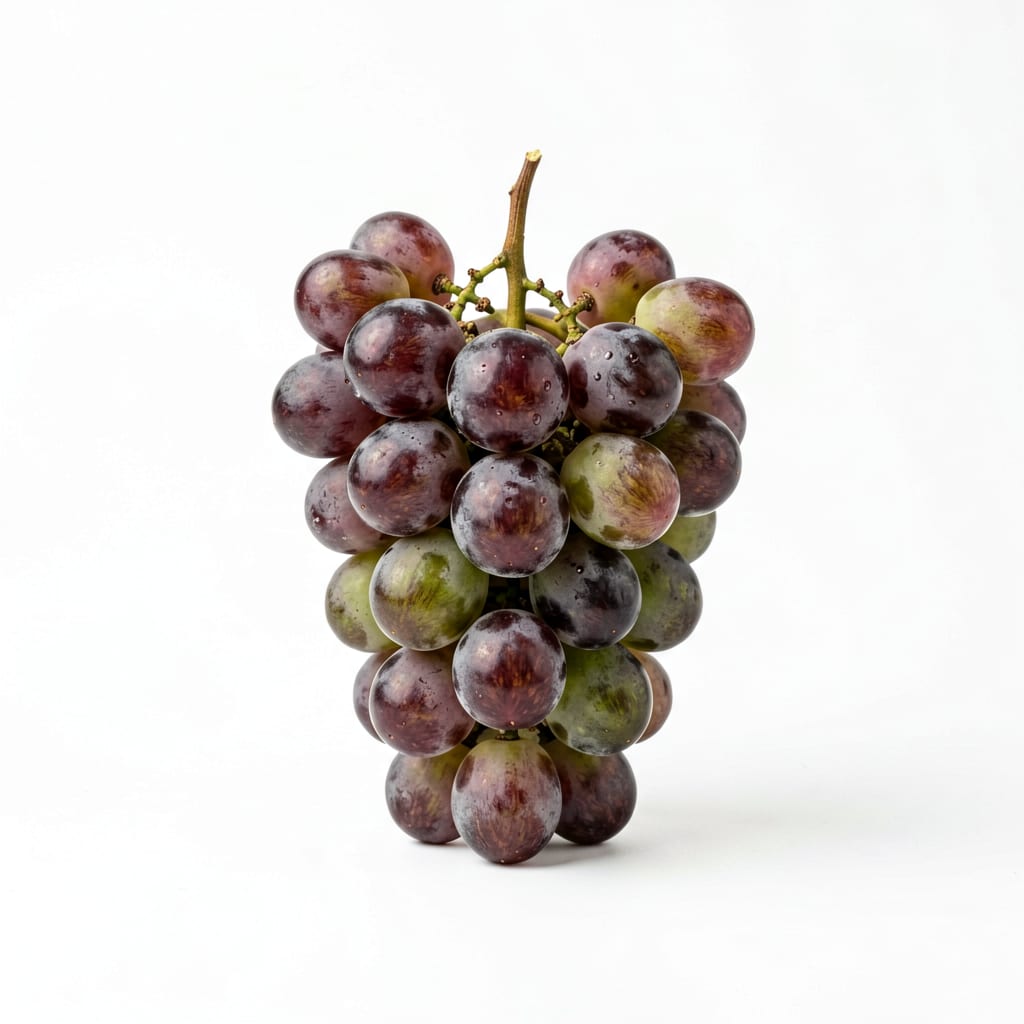
Grape
Elderberry wins on antioxidant potency and immune support, but grapes win on safety, convenience, and everyday eatability. They serve completely different roles.
Elderberry scores slightly higher for therapeutic potency and antioxidant concentration, but loses ground on safety, convenience, and versatility. Grapes score lower on density of benefits but higher on practical daily usability. The close scores reflect that neither is universally better — they serve different purposes.
Elderberry delivers more targeted health benefits but requires careful preparation and is rarely a fresh snack. Grapes are safe, easy, and enjoyable daily but less therapeutically potent.
At a glance
Executive summary
Overall
It depends
Healthier
Elderberry
More practical
Grape
Daily use
Grape
Key comparison lenses
immune support comparison
Elderberry is renowned for immune-boosting anthocyanins and traditional use during cold season, making this the primary reason people seek it out
safety and preparation concerns
Raw elderberries contain cyanogenic compounds that can cause illness, while grapes are safe to eat fresh — a critical practical difference
antioxidant density
Both are anthocyanin-rich, but users want to know which delivers more protective compounds per serving
everyday snack viability
Grapes are a grab-and-go fruit; elderberries almost never are, which shapes how people actually use them
sugar and calorie awareness
Grapes are notably sweet and easy to overeat; elderberry preparations vary widely in added sugar
Best choice for
Elderberry
- Cold and flu season immune support
- Targeted antioxidant supplementation
- People seeking traditional herbal remedies
- Occasional therapeutic use rather than casual snacking
Grape
- Everyday fruit snacking
- Lunchboxes and on-the-go eating
- Hydration and light refreshing sweetness
- Families wanting a safe fruit for children
Least suitable for
Elderberry
- Casual fresh snacking — raw berries are unsafe
- Children without adult preparation oversight
- People wanting a simple grab-and-go fruit
- Large portion unconstrained eating
Grape
- Targeted immune support during illness
- Low-sugar diets or strict keto
- People who struggle with portion control on sweet foods
- Maximizing antioxidant density per calorie
Deep comparison
Dimension by dimension
Each lens scores both foods and breaks down who each option suits.
- Dimension 1 · Priority 95Elderberry
immune_support_potency
Elderberry · 92Grape · 48Elderberry is one of the most studied berries for immune modulation, with clinical evidence supporting its use for reducing cold and flu duration.
Tradeoff
You get stronger immune support from elderberry, but only if it is properly prepared — raw elderberries can make you sick.
Why it matters
During cold season, people actively seek foods that help them stay well or recover faster. Elderberry has a genuine edge here.
Real-world impact
Someone taking elderberry syrup at the first sign of a sore throat may recover a day or two faster. Grapes will not provide that targeted effect.
Elderberry
- Cold and flu season proactive support
- Reducing duration of viral symptoms
- People wanting evidence-backed herbal immune aid
Better for
- Immediate fresh consumption — must be cooked or processed first
Worse for
Grape
- General wellness maintenance without specific therapeutic goals
Better for
- Targeted immune response during active illness
Worse for
- Dimension 2 · Priority 85Elderberry
antioxidant_density
Elderberry · 88Grape · 62Elderberry has one of the highest anthocyanin concentrations of any fruit, far exceeding grapes per gram.
Tradeoff
More antioxidants per serving from elderberry, but typical serving sizes are small (syrup or extract) compared to a bowl of grapes.
Why it matters
Antioxidant density matters for long-term cellular protection, but only if you consume enough volume consistently.
Real-world impact
A tablespoon of elderberry syrup delivers a concentrated dose. You would need to eat a large amount of grapes to approach similar anthocyanin intake.
Elderberry
- Maximizing antioxidant intake in small servings
- People who want concentrated plant compounds
Better for
- Total volume consumed is usually small, limiting some benefits
Worse for
Grape
- Getting antioxidants alongside hydration and larger food volume
- Sustained daily intake through enjoyable eating
Better for
- Lower concentration means you need more servings for equivalent dose
Worse for
- Dimension 3 · Priority 90Grape
safety_and_ease_of_use
Elderberry · 35Grape · 95Grapes are among the safest and easiest fruits to eat. Raw elderberries contain cyanogenic glycosides that can cause nausea, vomiting, and diarrhea.
Tradeoff
Grapes are worry-free. Elderberries demand knowledge — you must cook them properly or buy trusted processed products.
Why it matters
A healthy food that can make you sick if prepared wrong is a real concern, especially for households with children.
Real-world impact
You can hand a child a bowl of grapes without a second thought. Handing them raw elderberries from a bush could cause a trip to the doctor.
Elderberry
- People comfortable with proper preparation or buying verified products
Better for
- Risk of cyanogenic glycoside exposure from raw berries, stems, or leaves
- Requires cooking, straining, or purchasing processed forms
- Not suitable for casual foraging without expertise
Worse for
Grape
- Families with young children
- Anyone wanting zero-preparation fruit
- People unfamiliar with foraging or herbal preparation
Better for
- Choking hazard for very young children if not cut
Worse for
- Dimension 4 · Priority 70Elderberry
sugar_and_calorie_control
Elderberry · 68Grape · 45Fresh elderberries are tart and lower in sugar. Grapes are sweet and easy to overeat, with 16g of sugar per cup.
Tradeoff
Elderberry in its natural form is lower in sugar, but most commercial elderberry products add significant sugar to make it palatable.
Why it matters
Grapes are a classic example of a healthy food that is easy to overconsume because they taste great and require no prep.
Real-world impact
It is easy to eat three cups of grapes mindlessly while watching TV — that is nearly 50g of sugar. Elderberry syrup servings are measured by the spoonful.
Elderberry
- Portion control is built in with syrup or extract forms
- Fresh berries are naturally low in sugar
Better for
- Many commercial syrups and gummies contain substantial added sugar
Worse for
Grape
- No hidden added sugars when eaten fresh
Better for
- High natural sugar content with low satiety
- Very easy to overeat — grapes disappear fast
Worse for
- Dimension 5 · Priority 75Grape
everyday_versatility
Elderberry · 30Grape · 88Grapes work as a snack, in salads, frozen as a treat, or paired with cheese. Elderberry is limited to syrups, jams, supplements, and baked goods.
Tradeoff
Grapes fit into dozens of eating occasions. Elderberry has a narrow but valuable niche.
Why it matters
A food you actually enjoy and eat regularly beats a superior food that sits in your cabinet unused.
Real-world impact
Grapes can be part of breakfast, lunch, dinner, or snacking. Elderberry syrup is typically taken once daily during cold season and forgotten the rest of the year.
Elderberry
- Targeted supplement-style use during illness season
Better for
- Not a versatile culinary ingredient in most households
- Rarely consumed as a whole fresh food
Worse for
Grape
- Versatile snacking any time of day
- Adding to meals, salads, cheese boards, smoothies
- Frozen grapes as a refreshing summer treat
- School lunches and office snacks
Better for
- Not useful as a therapeutic or supplement-style food
Worse for
- Dimension 6 · Priority 60Grape
digestive_tolerance
Elderberry · 42Grape · 78Grapes are generally well tolerated. Improperly prepared elderberries can cause significant gastrointestinal distress.
Tradeoff
Grapes are gentle on most stomachs. Elderberry demands correct preparation to avoid digestive issues.
Why it matters
If a food causes nausea or diarrhea when prepared incorrectly, it creates a real barrier to regular use.
Real-world impact
Someone who eats slightly undercooked elderberry jam may experience stomach cramps and vomiting. Grapes rarely cause this unless you have a specific sensitivity.
Elderberry
- Properly cooked and processed elderberry products are generally well tolerated
Better for
- Raw or undercooked berries cause nausea, vomiting, diarrhea
- Even cooked, large amounts may cause mild stomach upset in some
Worse for
Grape
- Gentle digestion for most people
- No risk of cyanogenic compound exposure
- Suitable for sensitive stomachs when eaten in moderation
Better for
- Excessive consumption can cause loose stools due to sugar load
- Skins and seeds may bother some with IBS
Worse for
Timeline
Health impact over time
Short-term
Hours to days
Elderberry
- Properly prepared elderberry may reduce cold symptoms when taken at first sign of illness
- Commercial syrup provides a quick concentrated dose of antioxidants
- Improperly prepared elderberry can cause acute nausea, vomiting, and diarrhea within hours
Grape
- Quick hydration and natural energy from easily absorbed sugars
- Refreshing and light — satisfies sweet cravings without heavy fullness
- Eating large quantities can cause blood sugar spikes and subsequent energy dips
Long-term
Months to years
Elderberry
- Regular seasonal use may support reduced frequency and duration of viral infections
- High anthocyanin intake supports cardiovascular and cognitive health over time
- Dependence on commercial syrups may introduce unnecessary added sugar if products are not carefully chosen
Grape
- Consistent polyphenol intake from grapes supports heart health and vascular function
- Resveratrol in grape skins may offer anti-aging and anti-inflammatory benefits with regular consumption
- Habitual overconsumption can contribute to excess calorie and sugar intake, potentially affecting metabolic health
Risk profile
Safety & processing
Fresh grapes are eaten as-is with minimal intervention. Elderberry is almost never consumed raw and fresh — it requires cooking and typically comes as syrup, jam, gummies, or extract, often with added sugar, preservatives, or thickeners. This makes grapes the more natural whole-food option by a wide margin.
Elderberry
Cyanogenic glycoside toxicity
highRaw elderberries, along with their stems, leaves, and seeds, contain compounds that release cyanide when metabolized. Symptoms include nausea, vomiting, diarrhea, and in severe cases, more serious toxicity. Thorough cooking destroys these compounds.
Product quality inconsistency
mediumElderberry supplements and syrups are not well regulated. Anthocyanin content and actual elderberry concentration vary widely between brands, and some products may contain less active ingredient than claimed.
Added sugar in commercial products
mediumMany elderberry syrups and gummies contain significant added sugar or honey to improve taste, which can undermine the health benefits if used daily.
Grape
Pesticide residue
mediumGrapes consistently rank on the Environmental Working Group's Dirty Dozen list for pesticide residues. Washing helps but does not eliminate all residues. Organic grapes reduce this concern significantly.
Choking hazard for young children
lowWhole grapes are a documented choking hazard for children under 4. Cutting them lengthwise eliminates this risk.
Sugar overconsumption
lowNot a safety risk in the traditional sense, but the ease of eating large quantities can lead to excessive sugar intake without realizing it.
Who wins for whom
Audience fit
Same foods, different winners depending on your goal.
children
GrapeGrapes are kid-friendly, widely available, and safe when cut properly. Elderberry requires careful preparation and is not suitable for children to handle or consume raw.
daily consumption
GrapeGrapes are safe, enjoyable, and sustainable as a daily fruit. Elderberry is best used seasonally or situationally — daily long-term use of most commercial products introduces unnecessary added sugar.
diabetes
ElderberryProperly prepared elderberry without added sugar has a lower glycemic impact per serving. Grapes, while natural, contain enough sugar per cup to require careful portion management for people monitoring blood glucose.
elderly
It dependsElderberry may offer stronger immune support which matters for aging immune systems, but grapes provide hydration, gentle fiber, and are easier to consume regularly. The answer depends on whether the priority is therapeutic support or general nutrition.
muscle gain
GrapeNeither food is relevant for muscle gain, but grapes provide quick-digesting carbohydrates that can be useful around workouts. Elderberry offers no meaningful protein or carb support for training.
weight loss
ElderberryElderberry products are consumed in small measured doses with built-in portion control. Grapes are easy to overeat, and their low satiety means you can consume a lot of calories without feeling full.
Your move
Decision guide
Choose Elderberry
- You want targeted immune support during cold and flu season
- You are comfortable cooking berries or buying verified products
- You prefer concentrated plant compounds in small doses
- You are working with a healthcare provider on a seasonal wellness protocol
Choose Grape
- You want a safe, everyday fruit the whole family can enjoy
- You need a convenient snack with no preparation required
- You are looking for hydration and light sweetness without supplements
- You want a versatile ingredient for meals, snacks, and recipes
Either works if
- You want more antioxidant-rich foods in your diet overall
- You are focused on increasing fruit variety for long-term health
- You enjoy berries and want to rotate different types seasonally
Avoid both if
- You have a salicylate sensitivity — both contain moderate levels
- You are on a strict very-low-carb diet and cannot accommodate fruit sugar
- You have a known allergy to berries or related fruits
Final recommendation
Use both for different purposes. Keep grapes in your fridge as a daily fruit that actually gets eaten. Keep a quality elderberry product in your cabinet for cold season. They are not substitutes for each other — they are complementary. If you must pick only one for overall health, grapes win on sustainability and safety. If you are specifically fighting a cold, elderberry wins on targeted action.
Practical
Consumer tips
- 1
If buying elderberry syrup, check the label for added sugar — some products are mostly sugar with minimal elderberry content
- 2
Never eat raw elderberries from the wild unless you are absolutely certain of proper identification and preparation
- 3
Choose organic grapes when possible to reduce pesticide exposure, especially for children
- 4
Freeze grapes for a naturally sweet, long-lasting treat that slows down mindless eating
- 5
Start elderberry supplementation at the first sign of illness rather than waiting for symptoms to worsen
- 6
If making elderberry syrup at home, always strain out all seeds and cook thoroughly for at least 20 minutes
- 7
Wash grapes thoroughly under running water even if you buy organic — it reduces surface residues significantly