
Nutrition comparison
Blackberry vs Elderberry: Safety, Immune Power, and Which to Eat Daily
Compare blackberry and elderberry for immune support, fiber, safety, and everyday use. Learn why raw elderberries are dangerous and which berry fits your health goals.
Overall winner · Blackberry
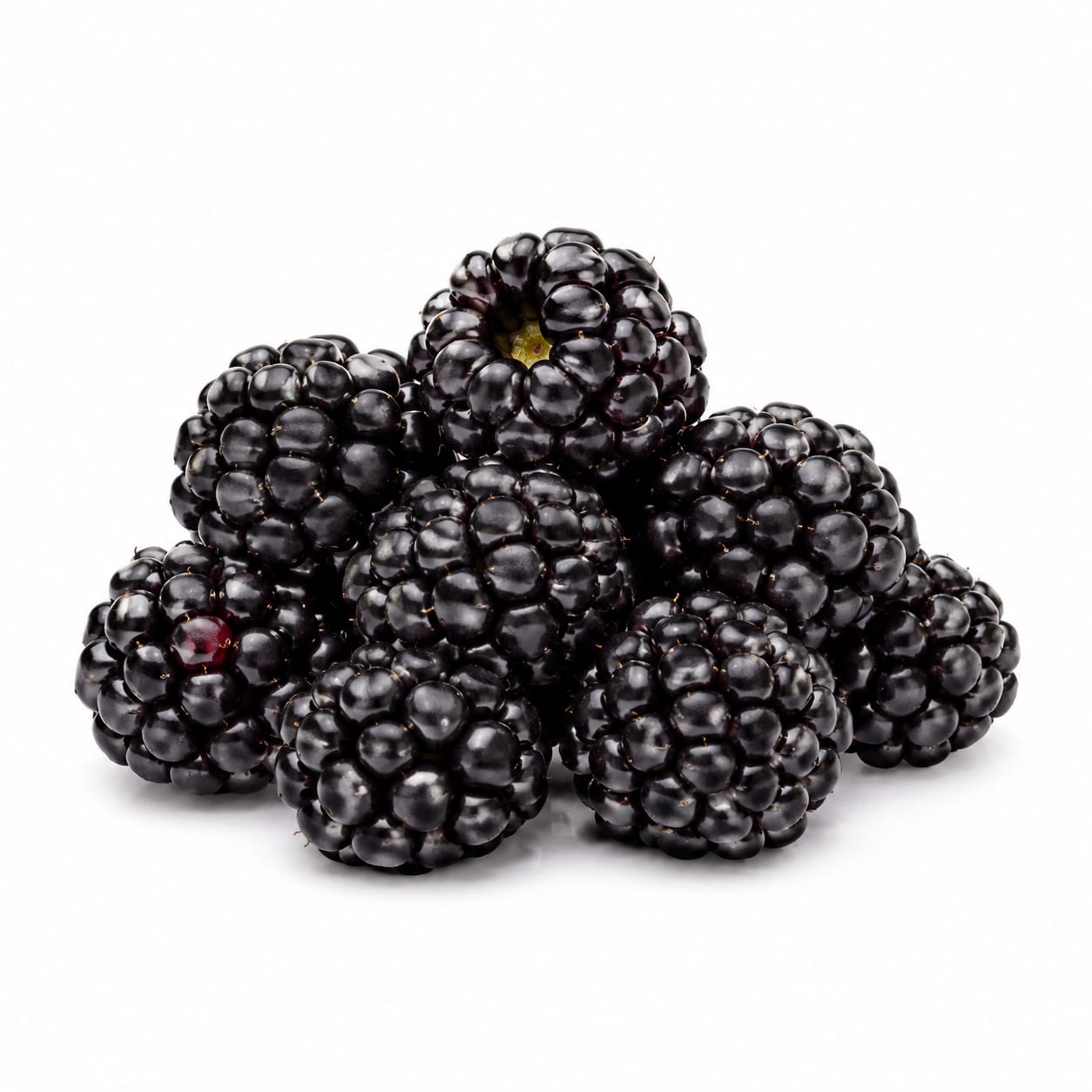
Blackberry
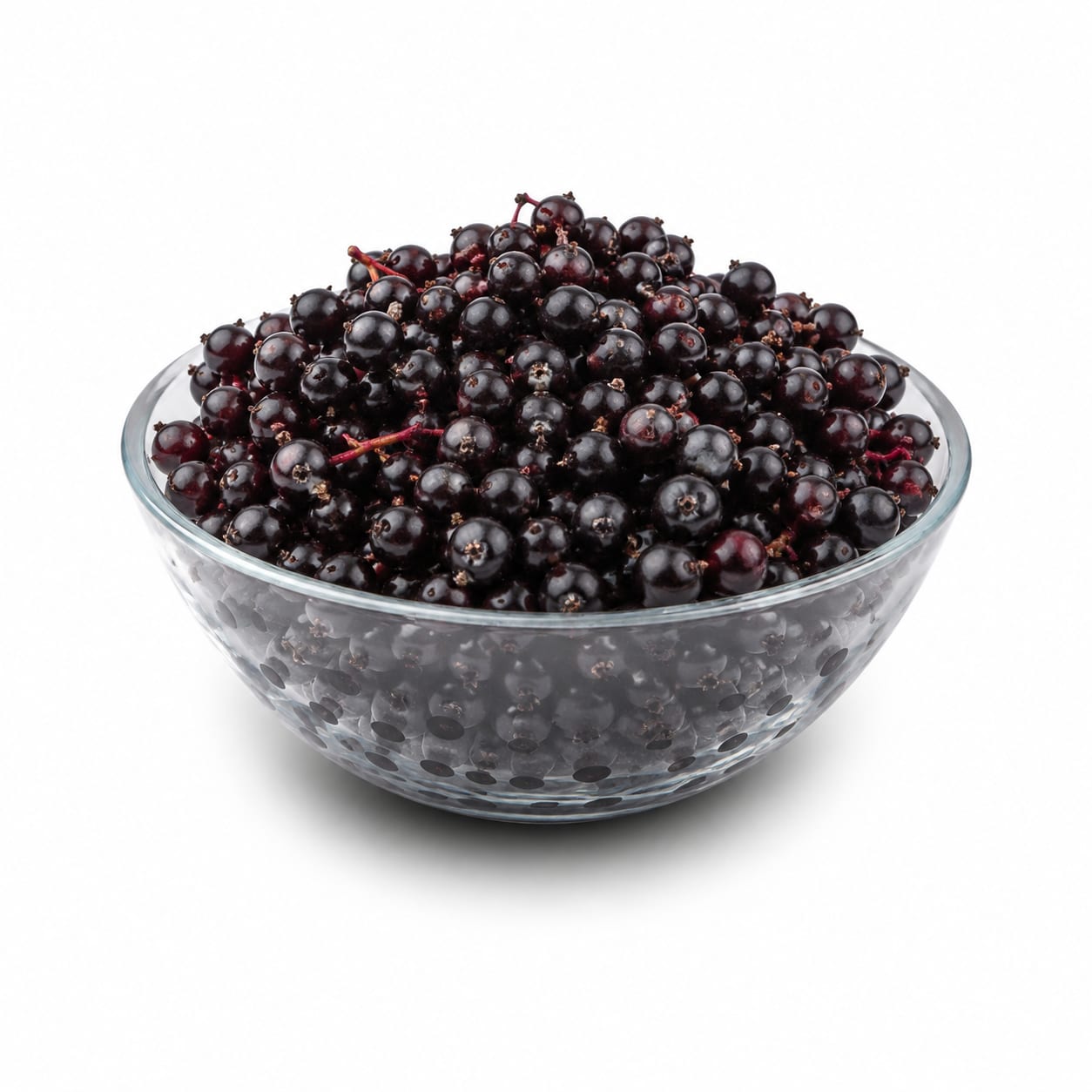
Elderberry
Blackberry wins for everyday eating — safe raw, fiber-rich, and easy to find fresh. Elderberry shines as a targeted immune supplement but demands careful preparation.
Blackberry scores notably higher because it is safe to eat raw, widely available, fiber-dense, and requires no special handling. Elderberry loses ground on safety, practicality, and everyday usability despite its superior immune-relevant compounds.
Elderberry offers stronger concentrated immune compounds but requires cooking and carries toxicity risks if raw. Blackberry is the safer, more versatile daily choice with better fiber.
At a glance
Executive summary
Overall
Blackberry
Healthier
Blackberry
More practical
Blackberry
Daily use
Blackberry
Key comparison lenses
raw consumption safety
Raw elderberries contain cyanogenic glycosides and must be cooked — a critical safety distinction
immune support comparison
Elderberry is famous for immune defense while blackberry offers broader daily nutrition
antioxidant potency
Both are anthocyanin powerhouses but elderberry concentrates more per serving
everyday eating versatility
Blackberry is a snackable fresh fruit; elderberry is mostly a supplement or syrup ingredient
fiber and digestive benefit
Blackberry delivers significantly more fiber for gut health and fullness
Best choice for
Blackberry
- Daily fruit rotation and snacking
- Fiber intake and gut health
- Safe raw consumption without prep
- Families with children who grab fruit from the fridge
- Baking, smoothies, and yogurt bowls
Elderberry
- Targeted immune support during cold season
- Short-term flu symptom reduction
- Making homemade syrups and tinctures
- People seeking concentrated anthocyanin doses
Least suitable for
Blackberry
- People seeking potent targeted immune intervention
- Those wanting a concentrated supplement form
Elderberry
- Raw snacking — unsafe without cooking
- Children who might eat uncooked berries
- Daily casual fruit consumption
- Anyone unfamiliar with proper preparation
Deep comparison
Dimension by dimension
Each lens scores both foods and breaks down who each option suits.
- Dimension 1 · Priority 95Blackberry
Raw Consumption Safety
Blackberry · 95Elderberry · 20Blackberries are safe to eat straight off the bush. Raw elderberries contain cyanogenic glycosides that can cause nausea, vomiting, and diarrhea.
Tradeoff
Elderberry's medicinal potency comes with a real preparation requirement — skip it and you risk illness.
Why it matters
This is the single most important difference. One berry is a grab-and-go snack; the other can make you sick if uncooked.
Real-world impact
Tossing fresh blackberries into a lunch bag is effortless. Eating raw elderberries from a backyard bush could send you to the bathroom for hours.
Blackberry
- Raw snacking without any cooking step
- Households with curious children
- Camping and hiking where cooking isn't possible
Better for
Elderberry
- Anyone who might accidentally eat them raw
- People who skip cooking steps out of convenience
- Children who forage without supervision
Worse for
- Dimension 2 · Priority 90Elderberry
Immune Support Potency
Blackberry · 60Elderberry · 92Elderberry has stronger clinical evidence for reducing cold and flu duration. Its anthocyanin concentration is among the highest of any berry.
Tradeoff
You get more immune firepower from elderberry but must process it correctly and use it more as medicine than food.
Why it matters
During flu season, elderberry syrup is one of the few berry-based remedies with real clinical backing.
Real-world impact
Taking elderberry syrup at the first sign of a sore throat may shave a day or two off your illness. Blackberry helps long-term but won't act that fast.
Blackberry
- Long-term immune foundation through daily nutrition
Better for
- Anyone needing fast-acting immune intervention
Worse for
Elderberry
- Acute cold and flu symptom reduction
- Short-term immune boosting during illness season
- People wanting a natural alternative to OTC cold remedies
Better for
- People who want a simple food-based approach without supplement thinking
Worse for
- Dimension 3 · Priority 78Blackberry
Fiber and Satiety
Blackberry · 88Elderberry · 40Blackberry delivers roughly 8g of fiber per cup — one of the highest fiber fruits available. Elderberry, typically consumed in small syrup doses, provides negligible fiber.
Tradeoff
Blackberry fills you up and supports digestion. Elderberry's benefits come in concentrated liquid form that skips fiber entirely.
Why it matters
If you want a fruit that actually keeps you full and feeds your gut bacteria, blackberry is the clear pick.
Real-world impact
A cup of blackberries with breakfast can help you stay full until lunch. A tablespoon of elderberry syrup won't touch your hunger at all.
Blackberry
- Weight management through natural fullness
- Gut microbiome support
- Blood sugar stabilization from soluble fiber
Better for
Elderberry
- Anyone relying on it for digestive regularity
- People tracking fiber intake goals
Worse for
- Dimension 4 · Priority 82Elderberry
Antioxidant Density
Blackberry · 75Elderberry · 90Elderberry packs more anthocyanins per gram than nearly any other fruit. Blackberry is strong but not at the same concentrated level.
Tradeoff
Elderberry's antioxidant edge is real but you typically consume far less of it per sitting, narrowing the gap in practice.
Why it matters
Antioxidant density matters for inflammation and cellular protection, but total dose depends on how much you actually eat.
Real-world impact
You might eat a full cup of blackberries but only a tablespoon of elderberry syrup. The per-serving antioxidant gap is smaller than it looks on paper.
Blackberry
- Total antioxidant intake from a realistic serving size
- People who eat large portions of fruit regularly
Better for
- Those wanting the highest possible anthocyanin concentration per gram
Worse for
Elderberry
- Concentrated antioxidant dosing in supplement form
- Targeted anti-inflammatory protocols
Better for
- People who judge by what they actually consume in a sitting
Worse for
- Dimension 5 · Priority 76Blackberry
Everyday Practicality and Availability
Blackberry · 90Elderberry · 35Blackberries sit in every grocery store produce section. Fresh elderberries are nearly impossible to find commercially — you mostly get syrup, gummies, or dried.
Tradeoff
Convenience matters for consistency. The best berry for you is the one you'll actually use regularly.
Why it matters
Nutrition only works if it fits your life. Blackberry is easy; elderberry requires planning and sourcing.
Real-world impact
Blackberries can be a daily habit. Elderberry is more like a medicine cabinet item you reach for when something feels off.
Blackberry
- Weekly grocery shopping without specialty stores
- Spontaneous snacking and meal prep
- People who want nutrition from food not supplements
Better for
Elderberry
- Planned seasonal immune protocols
- People comfortable ordering supplements online
Better for
- Anyone without access to specialty health stores or online shopping
- People who want fresh whole fruit only
Worse for
- Dimension 6 · Priority 68Blackberry
Vitamin and Mineral Breadth
Blackberry · 82Elderberry · 55Blackberry provides meaningful vitamin C, vitamin K, manganese, and folate across a full serving. Elderberry offers some vitamins but in the tiny doses people typically consume.
Tradeoff
Blackberry works as a real food covering multiple nutrient needs. Elderberry is too concentrated and portion-limited to serve as a broad nutrient source.
Why it matters
Eating for broad nutrition coverage requires volume. Supplements and syrups don't replace food-level nutrient diversity.
Real-world impact
A bowl of blackberries moves the needle on your daily vitamin K and manganese. A spoon of elderberry syrup barely registers on most nutrient trackers.
Blackberry
- Covering multiple micronutrient needs from one food
- People who want food to do the heavy lifting for nutrition
Better for
Elderberry
- Anyone relying on it as a primary nutrient source
- People who eat limited variety and need each food to deliver broadly
Worse for
Timeline
Health impact over time
Short-term
Hours to days
Blackberry
- Quick fiber boost that aids digestion within hours
- Mild blood sugar stabilization from low glycemic load
- Refreshing hydration from high water content
Elderberry
- Potential nausea or GI distress if consumed raw or undercooked
- Fast-acting immune support when taken as syrup at illness onset
- Virtually no satiety effect due to tiny typical serving size
Long-term
Months to years
Blackberry
- Improved gut health and regularity from consistent fiber intake
- Better vascular health from regular anthocyanin consumption
- Sustained weight management support from low-calorie high-fiber pattern
Elderberry
- Reduced cold and flu frequency when used consistently during season
- Lower systemic inflammation from concentrated anthocyanins
- Risk of over-reliance on supplement form instead of whole-food nutrition
Risk profile
Safety & processing
Fresh blackberries are as natural as fruit gets — wash and eat. Most elderberry products are syrups or gummies with added sugars, preservatives, or alcohol extracts. If you find dried elderberries, they are closer to whole food but still require cooking.
Blackberry
Pesticide residue on conventionally grown berries
mediumBlackberries rank moderately on pesticide lists. Buying organic reduces exposure significantly. Always wash thoroughly.
Mold and spoilage
lowBlackberries spoil quickly. Check for fuzz or mushiness before eating. Refrigerate and consume within a few days.
Elderberry
Cyanogenic glycoside toxicity from raw berries
highRaw elderberries contain compounds that release cyanide when digested. Symptoms include nausea, vomiting, diarrhea, and in extreme cases more severe toxicity. Always cook thoroughly before consuming.
Added sugars in commercial syrups and gummies
mediumMany elderberry products contain significant added sugar or honey. Check labels if managing blood sugar or calorie intake.
Inconsistent potency in supplements
mediumElderberry supplements vary widely in actual elderberry content. Quality brands matter. Look for third-party testing.
Who wins for whom
Audience fit
Same foods, different winners depending on your goal.
children
BlackberryBlackberries are safe and fun to eat raw. Elderberry poses a real poisoning risk if children find and eat raw berries, and syrups often contain honey unsuitable for infants.
daily consumption
BlackberrySafe, available, fiber-rich, and easy. Blackberry is built for daily eating. Elderberry is better used seasonally or situationally.
diabetes
BlackberryBlackberry's fiber slows sugar absorption and stabilizes blood glucose. Elderberry syrups often contain added sugars that spike blood sugar.
elderly
It dependsBlackberry supports daily fiber and vitamin needs. Elderberry may help elderly individuals reduce flu duration, which matters more for vulnerable populations. Both have a role.
muscle gain
It dependsNeither berry is relevant for muscle gain. Both are low-protein foods that serve complementary roles rather than primary fuel for training.
weight loss
BlackberryHigh fiber and low calories make blackberry a filling snack that supports calorie control. Elderberry syrup adds sugar without satiety.
Your move
Decision guide
Choose Blackberry
- You want a daily fruit that's safe, filling, and versatile
- You care about fiber intake and digestive health
- You have kids who snack from the fridge
- You prefer getting nutrition from whole foods rather than supplements
- You want something you can grab without cooking or prep
Choose Elderberry
- You're looking for targeted immune support during cold and flu season
- You're comfortable cooking berries or buying prepared syrups from trusted brands
- You want concentrated anthocyanins for anti-inflammatory purposes
- You treat it as a seasonal remedy rather than a daily food
Either works if
- You want more berry diversity in your diet overall
- You're building an antioxidant-rich eating pattern
- You enjoy making homemade jams or cooked berry dishes
Avoid both if
- You have a salicylate sensitivity — both berries are moderate to high in salicylates
- You're on blood-thinning medication and concerned about vitamin K intake — consult your doctor about blackberry
Final recommendation
Keep blackberries in your regular fruit rotation for daily fiber, vitamins, and safe snacking. Add elderberry syrup as a seasonal immune tool when illness is going around. Think of blackberry as your everyday foundation and elderberry as your targeted reinforcement — not a replacement.
Practical
Consumer tips
- 1
Never eat raw elderberries — always cook them thoroughly at 75°C or above to destroy cyanogenic compounds
- 2
If buying elderberry syrup, check the label for added sugars and actual elderberry content per serving
- 3
Freeze blackberries when they're in season — they retain nutrients well and last months
- 4
Organic blackberries are worth the premium if you eat them frequently, due to pesticide residue concerns
- 5
Don't forage elderberries unless you can confidently identify them — confusing them with toxic lookalikes is dangerous
- 6
Elderberry gummies often underdose actual elderberry — syrups and lozenges tend to deliver more reliable amounts