
Nutrition comparison
Elderberry vs Raspberry: Immune Boost, Safety, and Nutrition Compared
Elderberry vs Raspberry: Which is healthier? Compare immune benefits, safety risks, fiber, and daily practicality to see which berry fits your needs.
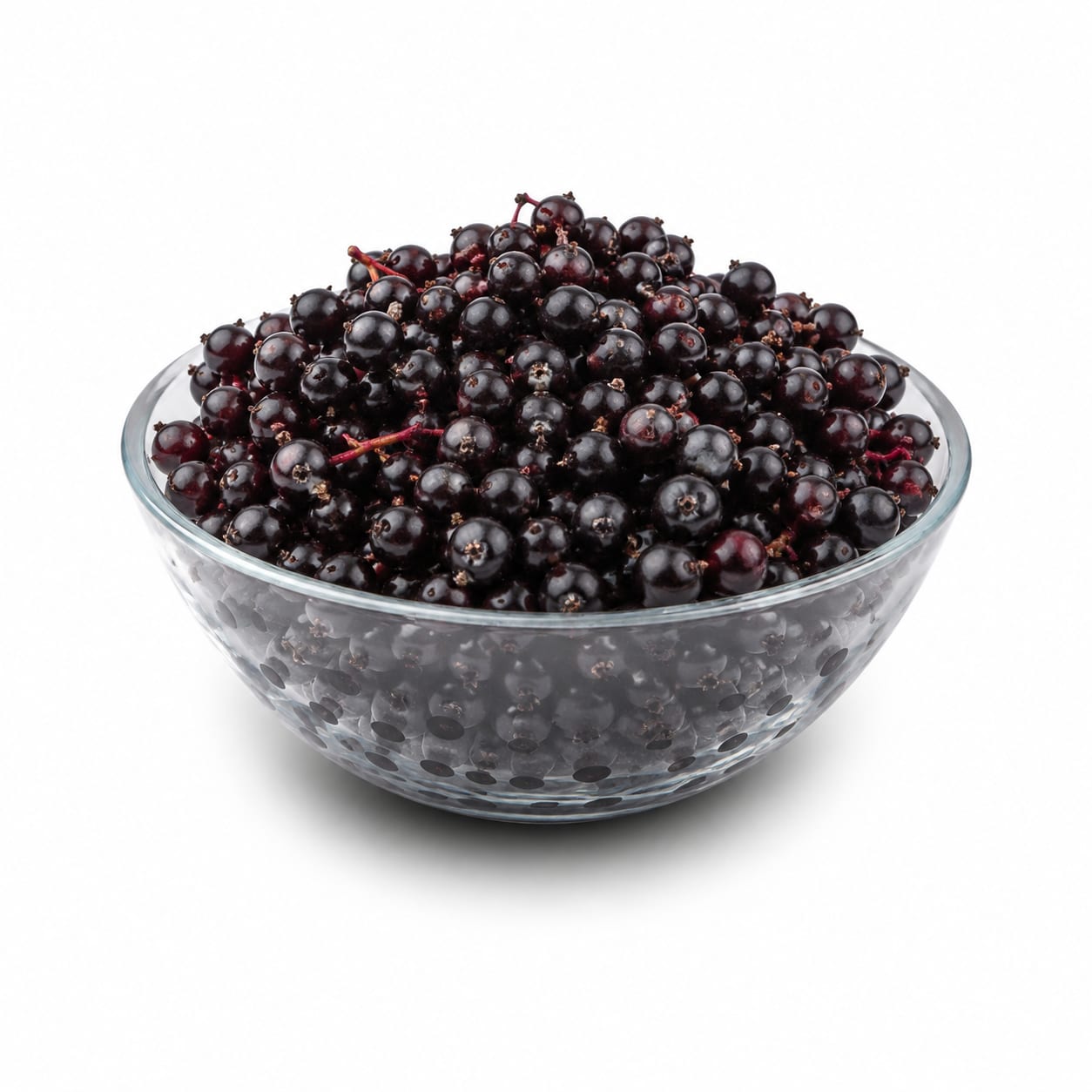
Elderberry
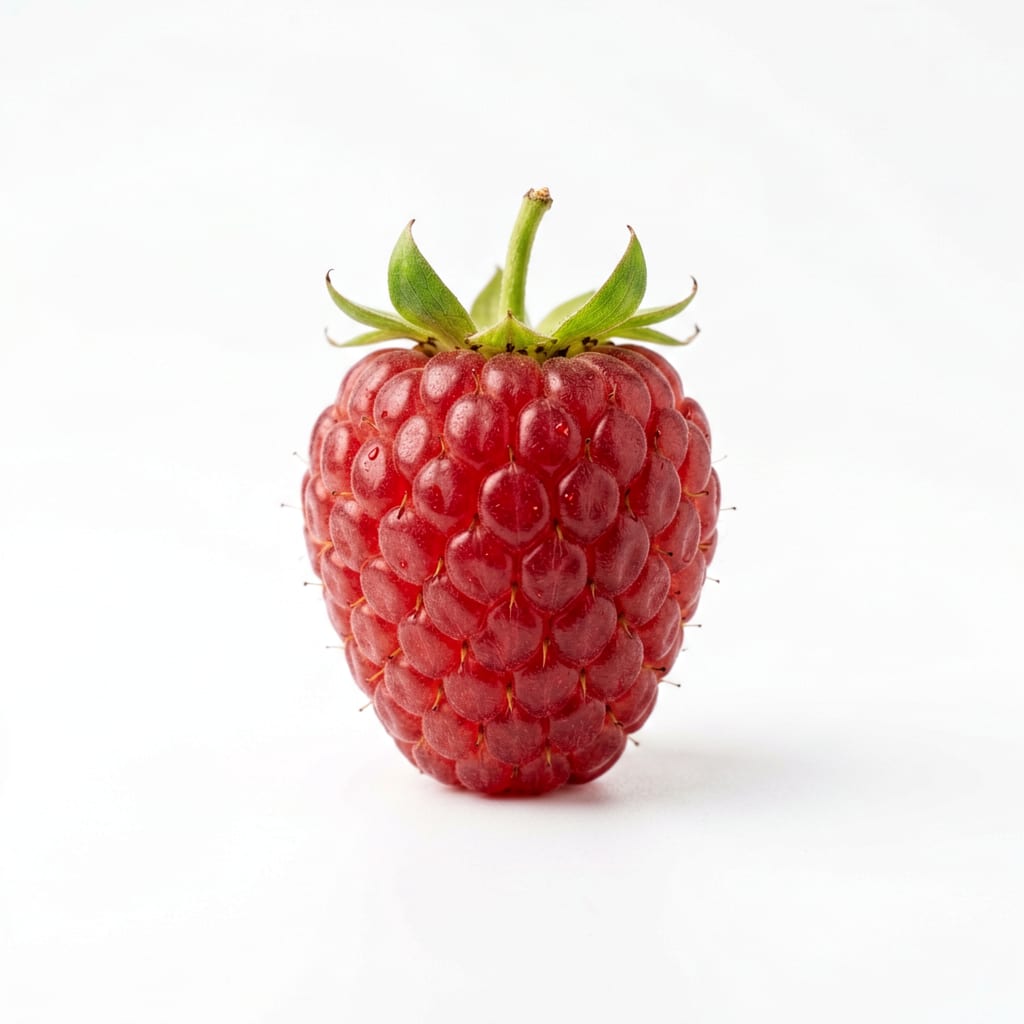
Raspberry
Elderberries are a potent, targeted immune supplement, while raspberries are a safer, high-fiber daily superfood.
Raspberries score higher due to safety, daily usability, and fiber. Elderberries are potent antioxidants but are restricted by preparation requirements and limited everyday versatility.
You trade the extreme immune-boosting power and convenience of raspberries for the targeted therapeutic benefits and preparation hassle of elderberries.
At a glance
Executive summary
Overall
It depends
Healthier
It depends
More practical
Raspberry
Daily use
Raspberry
Key comparison lenses
Targeted immune support versus daily nutritional staple
Elderberry is famous for acute immune defense, while raspberry excels as a safe, everyday fruit.
Safety and preparation requirements
Raw elderberries are toxic and must be cooked, whereas raspberries are safe to eat straight off the bush.
Antioxidant density and variety
Both are antioxidant-rich, but elderberry offers intense anthocyanins while raspberry provides ellagic acid.
Fiber and digestive health
Raspberries are a fiber powerhouse, while elderberry's fiber content is often lost in processing.
Culinary versatility and practicality
Raspberries are an easy snack or topping; elderberries are rarely eaten whole and usually consumed as syrup or extract.
Best choice for
Elderberry
- targeted immune support during cold and flu season
- high antioxidant supplementation
- occasional therapeutic use
Raspberry
- daily fruit intake
- high-fiber snacking
- weight management
- culinary versatility
Least suitable for
Elderberry
- raw snacking due to toxicity
- casual everyday consumption
- young children without supervision
Raspberry
- targeted acute immune boosting
Deep comparison
Dimension by dimension
Each lens scores both foods and breaks down who each option suits.
- Dimension 1 · Priority 95Elderberry
Immune and Antioxidant Potency
Elderberry · 95Raspberry · 80Elderberries pack a heavier antioxidant punch and are specifically linked to reducing cold duration.
Tradeoff
You get more immune firepower from elderberry, but usually in a processed syrup form rather than a whole food.
Why it matters
When you feel a cold coming on, a concentrated elderberry product can intervene faster than a bowl of raspberries.
Real-world impact
Taking elderberry syrup at the first sign of a scratchy throat might shorten your sick days, whereas raspberries are better for long-term prevention.
Elderberry
- fighting off a cold
- intense antioxidant therapy
Better for
- avoiding added sugars found in syrups
Worse for
Raspberry
- long-term cellular defense
- steady daily prevention
Better for
- acute immune rescue
Worse for
- Dimension 2 · Priority 90Raspberry
Safety and Preparation
Elderberry · 40Raspberry · 100Raw elderberries are toxic and must be cooked; raspberries are perfectly safe to eat raw.
Tradeoff
Elderberry requires careful preparation to be safe, while raspberries offer instant, risk-free snacking.
Why it matters
Eating raw elderberries can cause severe nausea and vomiting, making them a high-risk grab-and-go food.
Real-world impact
You can toss raspberries into yogurt straight from the fridge, but elderberries demand cooking or buying a pre-made syrup.
Elderberry
- learning traditional food preparation
Better for
- grab-and-go lifestyles
- households with curious children
Worse for
Raspberry
- raw snacking
- quick meal prep
Better for
Timeline
Health impact over time
Short-term
Hours to days
Elderberry
- nausea or stomach upset if consumed raw
- immune system stimulation if taken as cooked syrup
Raspberry
- quick satiety from high fiber
- stable blood sugar without crashes
Long-term
Months to years
Elderberry
- reduced frequency and duration of viral infections
- strong cellular defense against oxidative stress
Raspberry
- improved digestive health and regularity
- better weight management over time
Risk profile
Safety & processing
Raspberries are typically consumed fresh or frozen. Elderberries are almost always processed into syrups, gummies, or extracts, which often include added sugars and preservatives.
Elderberry
Cyanogenic glycosides (sambunigrin)
highRaw elderberries contain compounds that release cyanide, causing nausea and vomiting. Cooking thoroughly neutralizes this risk.
Raspberry
Pesticide residue
mediumRaspberries are often heavily sprayed with pesticides; washing thoroughly or buying organic reduces exposure.
Who wins for whom
Audience fit
Same foods, different winners depending on your goal.
children
RaspberryRaspberries are safe and easy to eat, while raw elderberries are toxic and even syrups need careful dosing for kids.
daily consumption
RaspberryRaspberries are safe, versatile, and easy to incorporate into daily meals without preparation risks.
diabetes
RaspberryRaspberries have low sugar and high fiber for blood sugar control, whereas elderberry products often contain added sugars.
elderly
It dependsElderberry offers strong immune support valuable for aging immune systems, but raspberries provide safer daily fiber and heart-health benefits.
muscle gain
It dependsNeither berry is a significant protein source; both serve as micronutrient additions to a protein-focused diet.
weight loss
RaspberryRaspberries are high in fiber and low in calories, keeping you full without the added sugars found in elderberry syrups.
Your move
Decision guide
Choose Elderberry
- You want targeted immune support during cold and flu season
- You are looking for the highest anthocyanin antioxidant concentration
- You are okay with cooking or buying prepared syrups
Choose Raspberry
- You want a safe, high-fiber daily snack
- You prefer eating fruit raw and fresh
- You are managing blood sugar or weight
Either works if
- You want to boost your overall antioxidant intake
- You enjoy adding berries to oatmeal or yogurt
Avoid both if
- You have a severe salicylate sensitivity
- You are looking for a significant protein source
Final recommendation
Keep raspberries in your fridge for daily snacking and fiber, but stock elderberry syrup in your medicine cabinet for when you feel a cold coming on.
Practical
Consumer tips
- 1
Never eat raw elderberries; always cook them thoroughly to neutralize toxins.
- 2
If buying elderberry syrup, watch out for added sugars—many commercial brands are sugar-heavy.
- 3
Choose organic raspberries when possible, as they are typically high on the pesticide residue list.
- 4
Frozen raspberries are just as nutritious as fresh and much more budget-friendly.