
Nutrition comparison
Elderberry vs Blueberry: Which Berry Is Better for Immunity, Brain Health, and Daily Use?
Compare elderberry and blueberry for immune support, safety, antioxidants, and everyday practicality. Learn when elderberry wins for cold defense and why blueberries are the better daily fruit.
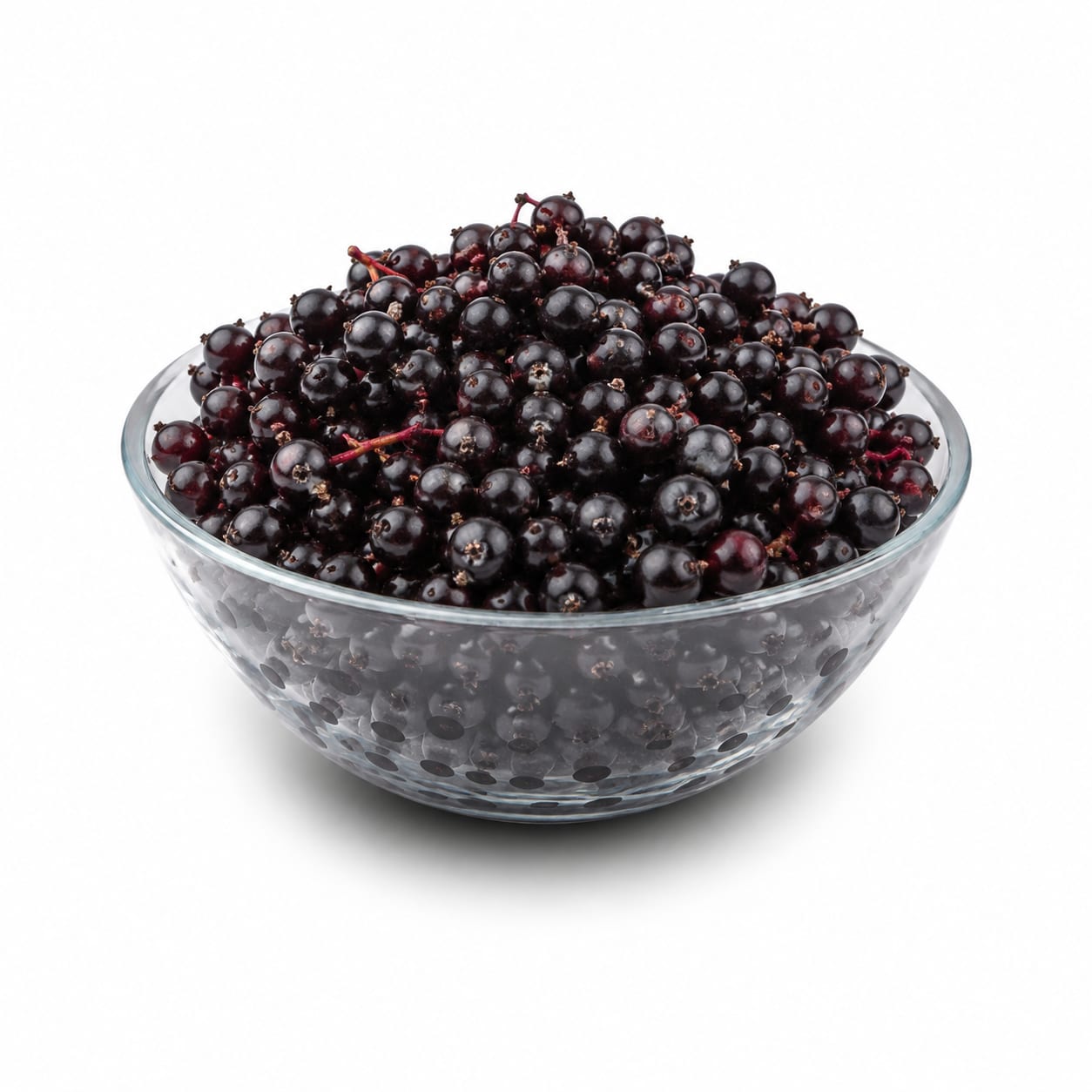
Elderberry
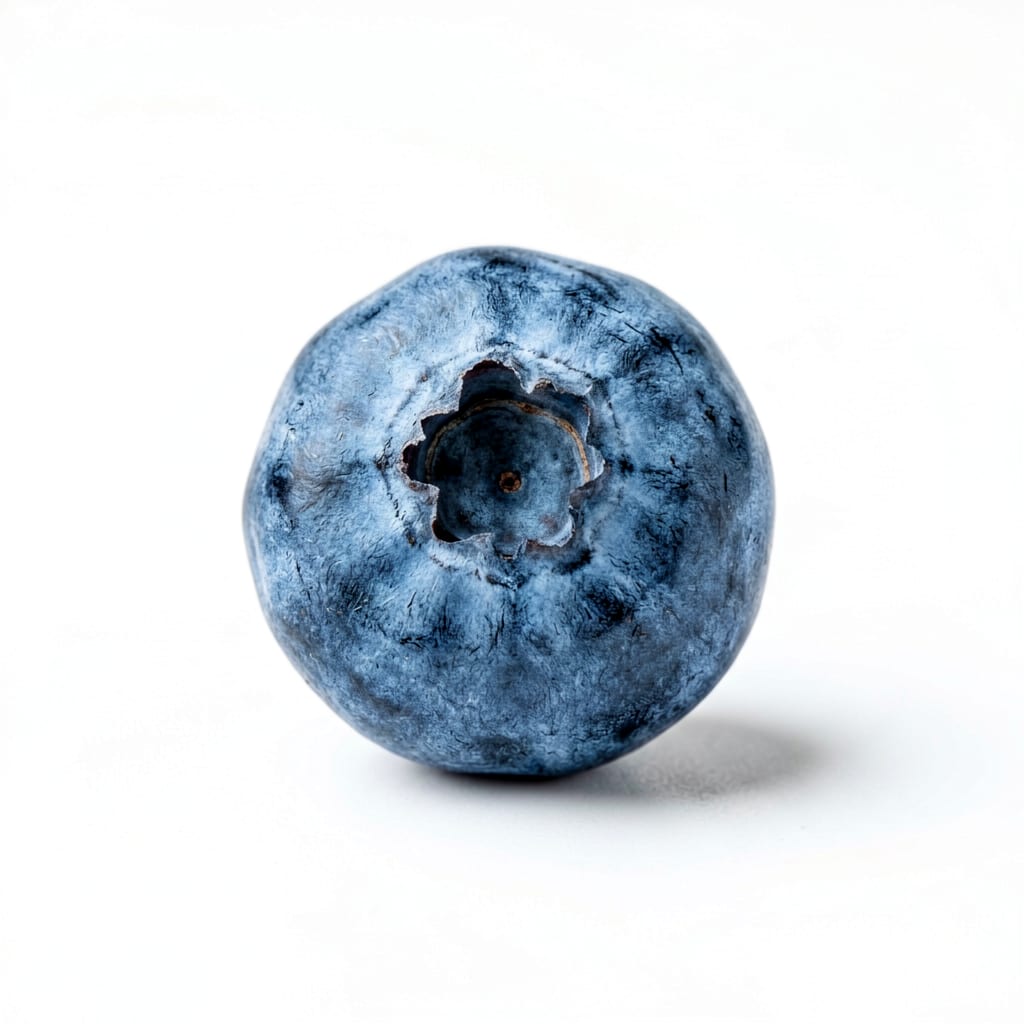
Blueberry
Blueberries are the better daily fruit, but elderberries are the stronger targeted immune ally when sickness hits.
Blueberries score higher overall due to safety, convenience, and daily usability. Elderberries earn strong marks for immune potency but lose ground on preparation requirements, safety concerns with raw consumption, and limited everyday practicality.
Elderberry delivers more concentrated immune compounds but demands careful preparation and is best used situationally, while blueberries offer safe, effortless daily antioxidant support with broader long-term benefits.
At a glance
Executive summary
Overall
It depends
Healthier
It depends
More practical
Blueberry
Daily use
Blueberry
Key comparison lenses
immune support comparison
Elderberry is famously used for immune defense during cold and flu season, while blueberries support immunity more gently through daily antioxidant intake
everyday practicality
Blueberries are a grab-and-go snack; elderberries require cooking or processing, making daily use very different between the two
safety and preparation
Raw elderberries contain compounds that can cause nausea and illness, while blueberries are safe to eat raw by the handful
antioxidant profile
Both are anthocyanin powerhouses but through different pathways and with different evidence bases for real-world outcomes
long term habit sustainability
A food only helps if you actually eat it consistently; blueberry wins on ease of integration into daily life
Best choice for
Elderberry
- People actively fighting or preventing a cold or flu
- Adults seeking concentrated immune support during winter months
- Those using berries therapeutically rather than as a snack
Blueberry
- Families wanting a safe, kid-friendly antioxidant-rich fruit
- Anyone building a sustainable daily fruit habit
- People prioritizing brain health and long-term cognitive protection
Least suitable for
Elderberry
- Children who might eat raw berries off a bush
- People wanting a convenient grab-and-go snack
- Anyone unfamiliar with proper preparation techniques
Blueberry
- Those specifically seeking acute immune intervention during illness
- People wanting a concentrated therapeutic berry extract
Deep comparison
Dimension by dimension
Each lens scores both foods and breaks down who each option suits.
- Dimension 1 · Priority 95Elderberry
immune_support_potency
Elderberry · 91Blueberry · 72Elderberry has stronger evidence for acute immune intervention, particularly against influenza-like viruses, while blueberries support immunity indirectly through daily antioxidant accumulation.
Tradeoff
Elderberry works better when you feel something coming on, but you would not eat it daily like blueberries for baseline immune maintenance.
Why it matters
If you are choosing a berry specifically to avoid getting sick this winter, elderberry is the more targeted tool.
Real-world impact
Taking elderberry syrup at the first sign of a sore throat may shorten illness duration by a day or two, whereas blueberries help your immune system stay resilient over months and years.
Elderberry
- Acute cold and flu defense
- Short-term immune boosting during peak illness season
- Situational use when exposed to sick contacts
Better for
- Cannot be used casually or spontaneously due to preparation needs
- Not a food you can rely on daily without planning
Worse for
Blueberry
- Long-term immune resilience through consistent antioxidant intake
- Gentle daily immune maintenance without any preparation hassle
- Supporting gut health which underpins immunity
Better for
- Less impactful as a targeted intervention when you are already sick
Worse for
- Dimension 2 · Priority 90Blueberry
safety_and_ease_of_use
Elderberry · 42Blueberry · 96Blueberries are one of the safest and easiest fruits to eat. Elderberries contain cyanogenic glycosides that can cause nausea, vomiting, and diarrhea if eaten raw or undercooked.
Tradeoff
Elderberry demands respect and preparation; blueberries demand nothing but a rinse.
Why it matters
A superfood that can make you sick if prepared wrong creates real risk, especially for children or anyone foraging.
Real-world impact
You can hand a toddler a bowl of blueberries without a second thought. Handing them raw elderberries could mean a trip to urgent care.
Elderberry
- None for safety — elderberry always requires caution
Better for
- Raw berries, stems, and leaves are toxic
- Improperly cooked elderberries cause gastrointestinal distress
- Seeds contain the highest concentration of harmful compounds
Worse for
Blueberry
- Safe raw consumption with zero preparation
- Kid-friendly with no toxicity risk
- Forgiving if you eat large quantities
Better for
- Minor pesticide residue concern on conventional berries
Worse for
- Dimension 3 · Priority 82Blueberry
antioxidant_diversity_and_brain_health
Elderberry · 76Blueberry · 88Both berries are rich in anthocyanins, but blueberries have far more research linking them to cognitive protection and memory support with age.
Tradeoff
Elderberry has a higher concentration of certain anthocyanins per gram, but blueberries have a deeper evidence base for what those antioxidants actually do for your brain over decades.
Why it matters
Antioxidant content on paper matters less than proven outcomes in real aging humans.
Real-world impact
Eating blueberries regularly in your 40s and 50s is associated with slower cognitive decline in your 60s and 70s. Elderberry does not yet have equivalent long-term human data.
Elderberry
- Higher anthocyanin concentration per serving when properly prepared
- Strong anti-inflammatory effects in acute use scenarios
Better for
- Limited long-term human studies on cognitive outcomes
- Difficult to consume enough consistently for cumulative brain benefits
Worse for
Blueberry
- Best-studied berry for cognitive preservation
- Consistent daily intake is realistic, compounding brain benefits
- Supports vascular health which feeds brain function
Better for
- Lower anthocyanin concentration per gram compared to elderberry
Worse for
- Dimension 4 · Priority 78Blueberry
daily_habit_sustainability
Elderberry · 35Blueberry · 94Blueberries are effortless to add to breakfast, snacks, and smoothies every day. Elderberry is almost never eaten as a whole food daily — it is a supplement or syrup used periodically.
Tradeoff
The best health food is the one you actually eat consistently. Blueberries win this by a wide margin.
Why it matters
Sporadic supplement use cannot match the compound benefit of a daily whole-food habit.
Real-world impact
A handful of blueberries with oatmeal each morning is a habit most people can maintain for years. Elderberry syrup a few times each winter is helpful but not the same kind of foundation.
Elderberry
- Useful as a seasonal ritual during cold months
- Can feel like a purposeful health intervention which motivates action
Better for
- Most people will never cook fresh elderberries at home
- Typically consumed as a processed syrup or gummy with added sugar
- Not a food you build a daily routine around
Worse for
Blueberry
- Requires zero preparation or cooking
- Easy to pair with dozens of meals and snacks
- Available fresh, frozen, and dried year-round everywhere
Better for
- Can become expensive as a daily organic purchase
Worse for
- Dimension 5 · Priority 70Blueberry
digestive_tolerance_and_gut_friendliness
Elderberry · 55Blueberry · 85Blueberries are gentle on most digestive systems and provide steady fiber. Elderberries can irritate the gut if undercooked and many commercial elderberry products contain added sugars that disrupt gut balance.
Tradeoff
Even when properly prepared, elderberry products often come with sugar and preservatives that blueberries do not need.
Why it matters
Gut-friendly foods support everything from mood to immunity; gut-irritating ones undermine those same goals.
Real-world impact
Blueberries after a meal feel light and comfortable. Elderberry syrup on an empty stomach can cause mild nausea in some people.
Elderberry
- Contains fiber that supports gut bacteria when consumed as whole cooked berries
Better for
- Raw or undercooked berries cause gastrointestinal distress
- Commercial syrups often contain high sugar which feeds harmful gut bacteria
Worse for
Blueberry
- Well-tolerated by nearly all digestive systems
- Fiber content supports regularity without bloating
- No added ingredients needed for palatability
Better for
- Very high intake may cause loose stools in sensitive individuals
Worse for
Timeline
Health impact over time
Short-term
Hours to days
Elderberry
- May reduce duration and severity of cold symptoms when taken early
- Can cause nausea or stomach upset if consumed raw or in large amounts
- Anti-inflammatory effects may reduce acute joint or muscle discomfort
Blueberry
- Provides steady energy without blood sugar spikes
- Mild anti-inflammatory effect noticeable with regular consumption
- Supports hydration and digestive regularity within hours of eating
Long-term
Months to years
Elderberry
- Consistent seasonal use may reduce frequency of viral infections over years
- Long-term safety of regular high-dose elderberry extract is not well established
- Potential for cumulative antioxidant benefits but limited human data
Blueberry
- Associated with slower cognitive decline and better memory with age
- Regular intake linked to lower blood pressure and improved vascular health
- Habitual consumption supports healthy gut microbiome diversity over years
Risk profile
Safety & processing
Fresh elderberries are rarely eaten as-is due to toxicity, so most people consume them as syrups, gummies, or extracts that often include added sugars, preservatives, or alcohol. Blueberries are typically eaten whole and raw, making them a cleaner whole-food choice.
Elderberry
Cyanogenic glycoside toxicity from raw berries
highRaw elderberries contain compounds that release cyanide in the body, causing nausea, vomiting, diarrhea, and in extreme cases more serious toxicity. Cooking neutralizes most of this risk.
Misidentification during foraging
highElderberry resembles poisonous water hemlock and other toxic plants. Foraging errors have led to serious poisoning events.
Added sugars in commercial products
mediumMost elderberry syrups and gummies contain significant added sugar to mask tartness, which can undermine the immune benefits you are taking it for.
Blueberry
Pesticide residue on conventional berries
mediumBlueberries consistently appear on the EWG Dirty Dozen list. Organic options significantly reduce this exposure.
Mold and spoilage
lowBlueberries spoil quickly and mold can develop within days. Inspect berries before eating and refrigerate promptly.
Who wins for whom
Audience fit
Same foods, different winners depending on your goal.
children
BlueberryBlueberries are a safe, fun, nutrient-dense snack kids can eat by the handful. Elderberry poses real toxicity risks if children access raw berries, and even syrups introduce unnecessary added sugar.
daily consumption
BlueberryBlueberries are designed by nature to be eaten daily. Elderberry is designed by nature to make you sick if you eat it raw, which tells you everything about its role as an occasional remedy rather than a daily food.
diabetes
BlueberryWhole blueberries have a low glycemic index and their fiber slows sugar absorption. Elderberry syrups and gummies often contain added sugars that spike blood glucose.
elderly
BlueberryBlueberries support brain health, vascular function, and gentle digestion — all critical for aging adults. Elderberry can still help seasonally but does not offer the same daily protective foundation.
muscle gain
It dependsNeither berry is a meaningful protein source. Both offer antioxidant support for recovery, but neither moves the needle on muscle building directly.
weight loss
BlueberryBlueberries are lower in calories per serving, have no added sugar, and their fiber content helps with fullness. Most elderberry products contain added sugars that add empty calories.
Your move
Decision guide
Choose Elderberry
- You are feeling early signs of a cold or flu and want targeted immune support
- It is peak cold season and people around you are getting sick
- You are comfortable cooking or buying quality elderberry products and using them strategically
Choose Blueberry
- You want a brain-protective, antioxidant-rich fruit you can eat every single day
- You are feeding kids and need something safe and effortless
- You care about long-term cognitive and cardiovascular health more than acute immune defense
- You want a whole food with no label, no sugar, and no preparation
Either works if
- You want more berry diversity in your diet for broader antioxidant coverage
- You are generally healthy and just want to eat more colorful fruits
Avoid both if
- You have a known allergy to berries or anthocyanin-rich foods
- You are on immunosuppressant medications and are concerned about immune-stimulating supplements — consult your doctor about elderberry specifically
Final recommendation
Keep blueberries in your fridge as a daily staple and keep elderberry syrup in your medicine cabinet for when cold season hits. They are not competitors — they are teammates with different jobs. Blueberries build your long-term health foundation; elderberry is your seasonal immune ally when you need extra reinforcement.
Practical
Consumer tips
- 1
If buying elderberry, choose products with minimal added sugar — many commercial syrups have more sugar than soda
- 2
Never eat raw elderberries, and never forage for them unless you are trained — the risk of misidentification is real
- 3
Frozen blueberries are just as nutritious as fresh and often more affordable — great for smoothies and oatmeal
- 4
Buy organic blueberries when possible to reduce pesticide exposure, since conventional berries rank high for residue
- 5
If making elderberry at home, cook berries thoroughly for at least 20 minutes to neutralize toxic compounds
- 6
Add blueberries to yogurt, oatmeal, or salads daily for cumulative brain and heart benefits that build over years