
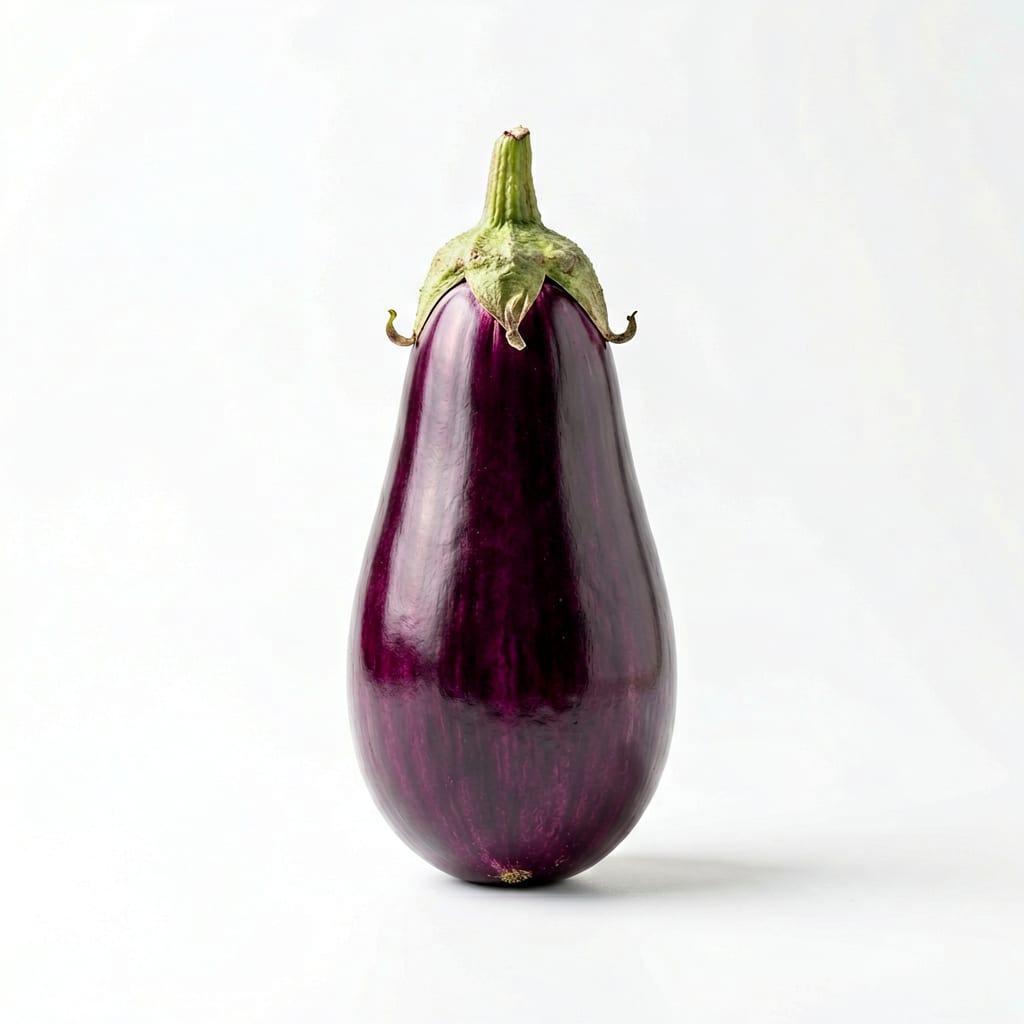
Vegetable
Eggplant
A low-calorie, high-fiber nightshade vegetable known for its deep purple skin and meaty texture when cooked.
A spongy, absorbent nightshade fruit used as a vegetable in cooking, recognized by its deep purple skin and mild, slightly bitter flavor that becomes rich and savory when cooked.
high-volume low-calorie vegetable
Typical serving · 82g
Common varieties · globe, japanese, italian, thai, white
Overall context score across nutrition, safety, and diet fit
At a glance
Quick facts
Simple indicators based on nutrition, processing, and diet fit.
The story
What makes it unique
Eggplant is a high-water, low-calorie fruit with moderate fiber content. It digests at a moderate pace, largely dependent on preparation method. Raw eggplant offers low satiety due to its water volume and lack of protein or fat, but cooking with healthy fats improves satiety. Its macronutrient profile is carbohydrate-dominant but very low in sugar and calories. As a minimally processed whole food, it retains its cellular structure and phytonutrients.
Varieties: globe · japanese · italian · thai · white
Per 100g
Nutrition breakdown
Macro balance and key metrics at a glance.
Energy
Density 0.25 kcal/g
Protein
Carbs
Fat
Fiber
Sugar
3.5 g
Sodium
2 mg
Potassium
229 mg
Glycemic index
15
Glycemic load
1
Water content
92%
Standout compounds
Nutrient highlights
Nasunin
highProtects brain cell membranes from oxidative damage
Dietary Fiber
moderatePromotes gut health and slows digestion for stable blood sugar
Potassium
moderateSupports healthy blood pressure and fluid balance
Manganese
moderateAids in bone formation and metabolism
Wellness map
Health scores & processing
NOVA processing scale
minimally processed · Whole food
Fresh eggplant is an unprocessed whole plant food.
Diet compatibility
- Weight loss
- Muscle gain
- Diabetes
- Gut health
- Low carb
- High protein
- Heart health
Relative standing
Food rankings
Qualitative ranks compared to similar whole foods.
- Satietymoderate
- Blood sugarexcellent
- Nutrient densitymoderate
- Fitness fuelpoor
- Processing qualityexcellent
Eat with confidence
Food safety profile
Eggplant is generally safe, but conventionally grown varieties may carry pesticide residues on the skin. Washing is recommended. Solanine content is low and rarely an issue unless consumed in extreme quantities.
Evidence confidence 85%
- Pesticidesmoderate
- Antibioticslow
- Heavy metalslow
- Contaminationlow
Watch for
- pesticide residues on skin
Safer choices
Organic eggplant to avoid pesticide residues
Prep tips
Wash thoroughly under running water and scrub the skin. Salting sliced eggplant can draw out bitterness and reduce oil absorption.
Standard agricultural pesticide monitoring applies; skin can retain sprays.
Deep dive
Health analysis
How this food may fit different goals and preparation choices.
Weight loss
Excellent for weight loss if baked, grilled, or roasted, as it provides high food volume for very few calories.
Blood sugar
Very low glycemic index and load, making it highly unlikely to spike blood sugar levels.
Fitness & energy
Not a significant source of fuel for high-intensity exercise due to low carbohydrate and calorie content.
Gut health
Provides dietary fiber that supports bowel regularity and feeds beneficial gut bacteria.
Processing quality
A whole, unprocessed food that retains its full nutritional profile and cellular integrity.
Food safety
Minimal safety risks; primary concern is agricultural chemicals on the skin.
Common mistakes
Frying in excessive oil, which transforms a low-calorie food into a highly caloric one. Peeling the skin removes valuable antioxidants and fiber.
Best preparation
Roasting, grilling, or air-frying with a light brushing of oil to maintain low calorie density while achieving a meaty texture.
Practical guide
Best use cases
When and how this food fits real eating patterns.
Low-calorie volume eating
Provides large portions for minimal calories when roasted or used as a pasta substitute.
Meat substitute in dishes
Its meaty texture makes it a satisfying replacement for meat in lasagnas, parmesans, and stir-fries.
Blood sugar friendly meals
A filling side dish or base that adds bulk to meals without impacting glucose levels.
Balance sheet
Pros & cons
Upsides
- Very low calorie and low energy density
- Rich in unique antioxidants like nasunin
- High fiber content supports gut health
- Versatile meaty texture for vegetarian cooking
Trade-offs
- Acts as an oil sponge when pan-fried
- Bland and spongy if not cooked properly
- Contains solanine, which can bother sensitive individuals
- Low in protein and healthy fats
Fit check
Who is it for?
Great match
- low-calorie volume eating
- blood sugar control
- vegetarian meal prep
- low-carb diets
Consider alternatives
- strict fat-free cooking
- high-protein diets
- people with severe nightshade sensitivities
Side by side
How it compares
Open the full head-to-head analysis for nutrition, safety, and practical tradeoffs.
This food
Eggplant
VS85% alike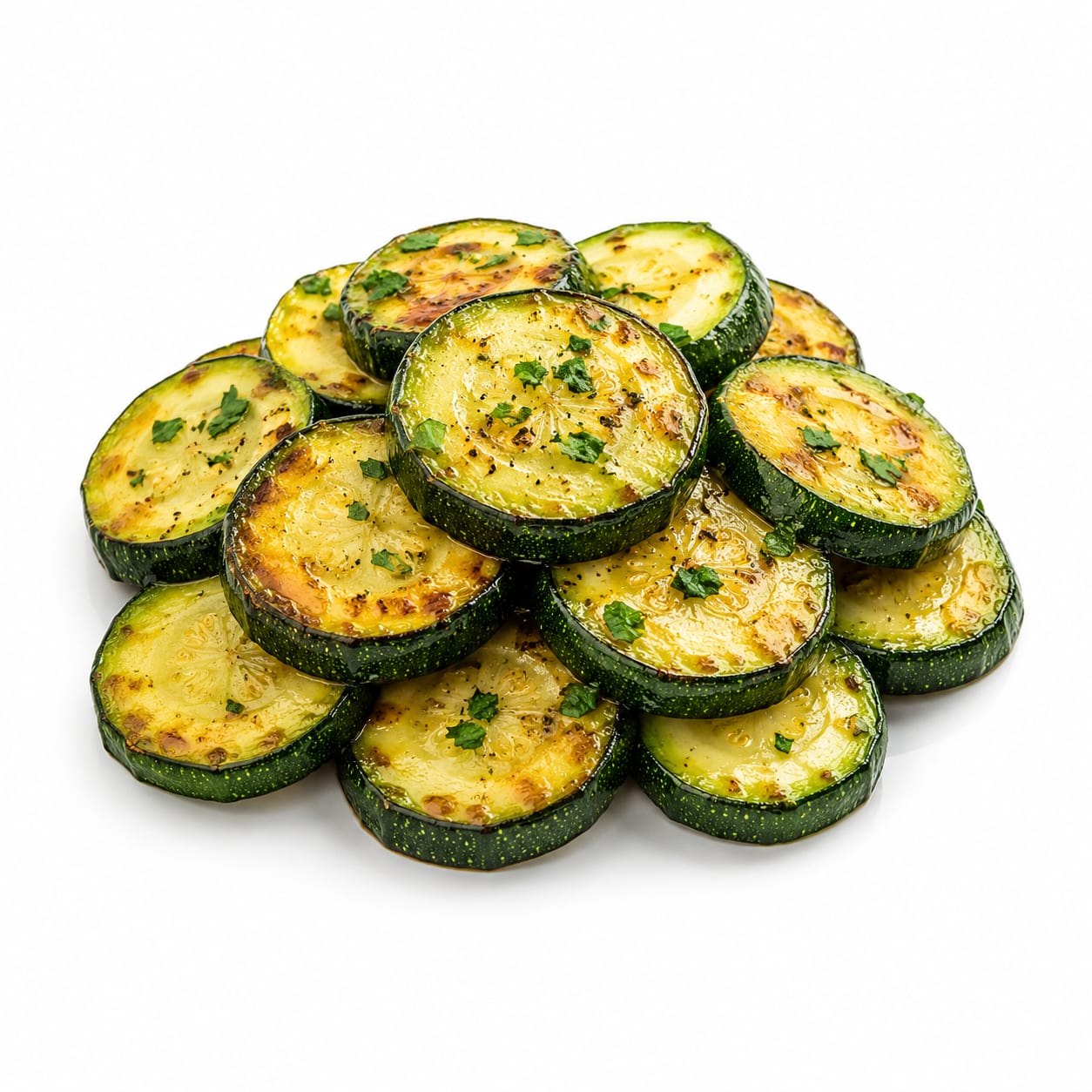
Compare with
Zucchini
Zucchini has fewer calories and less fiber, while eggplant offers more antioxidants.
Zucchini is lower in calories and better for strict weight loss, while eggplant provides more fiber and antioxidants.
This food
Eggplant
VS80% alike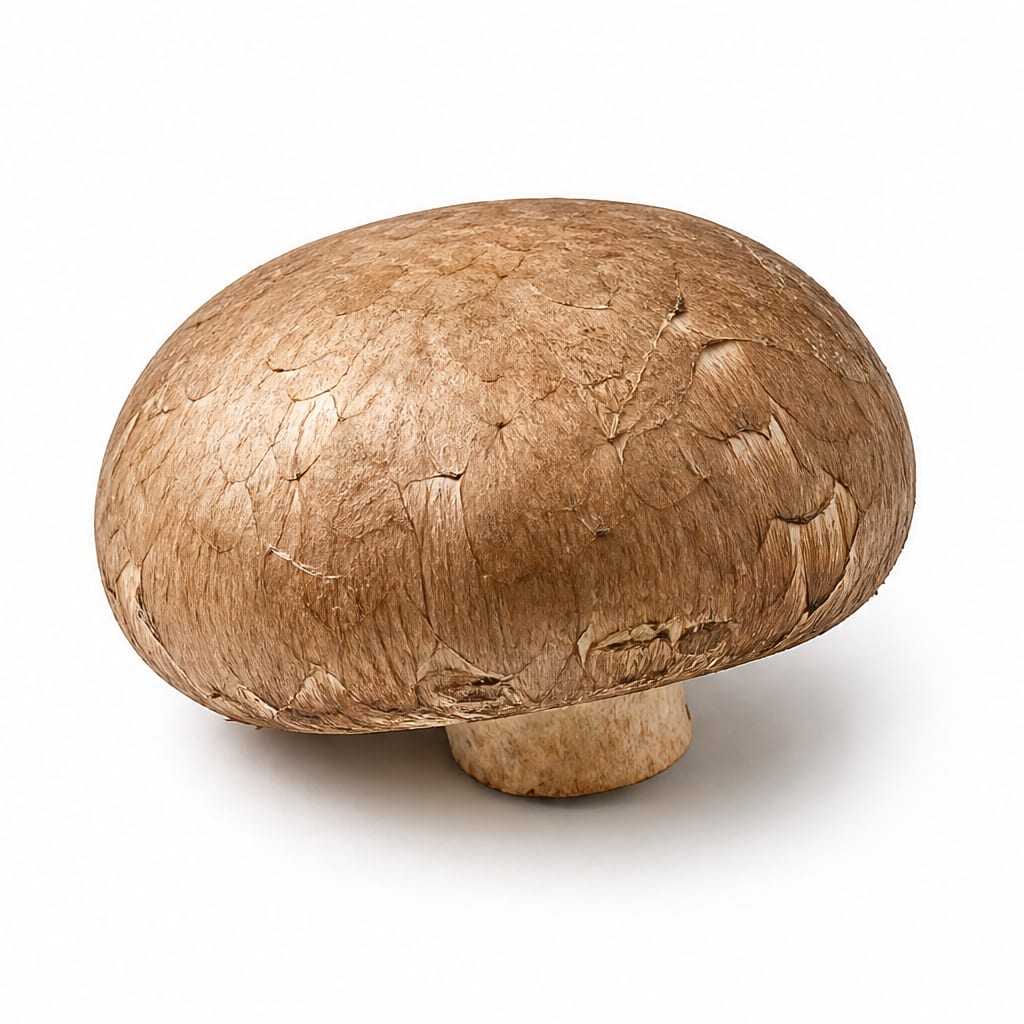
Compare with
Portobello Mushroom
Portobello offers more protein and a meatier texture, while eggplant is lower in sodium.
Portobello mushrooms are better for protein and a meaty bite, while eggplant is lower in sodium and better for blood pressure.
This food
Eggplant
VS75% alike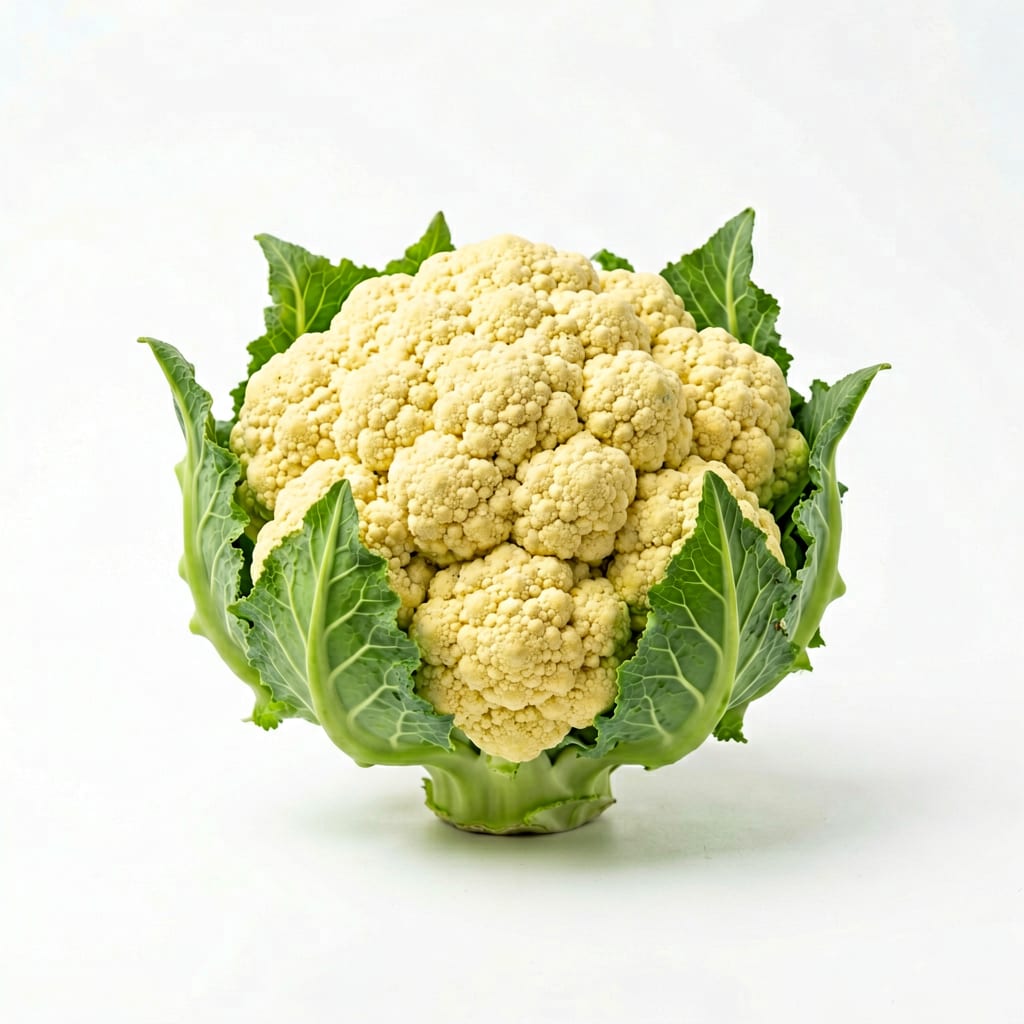
Compare with
Cauliflower
Cauliflower is lower in carbs and higher in Vitamin C, while eggplant is higher in fiber.
Cauliflower is lower in carbs and better for keto, while eggplant provides more dietary fiber for gut health.
This food
Eggplant
VS65% alike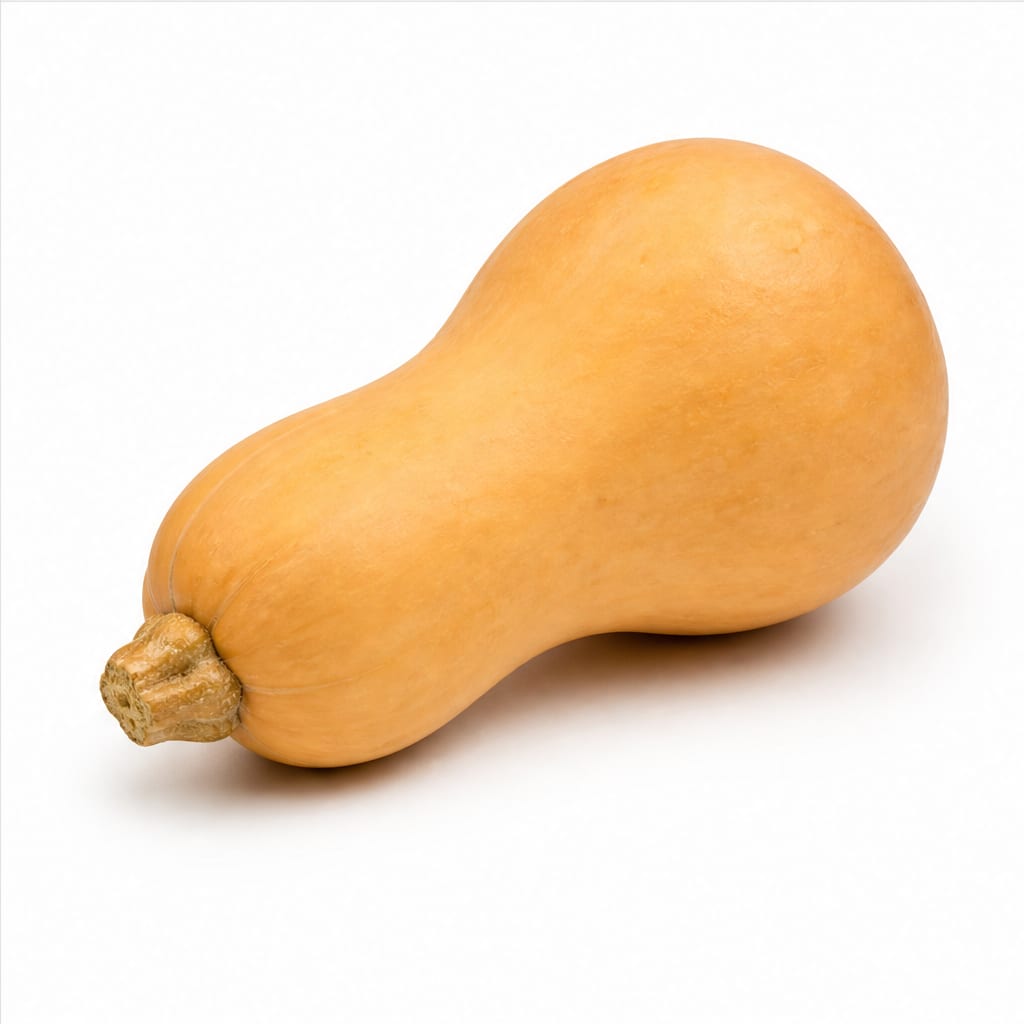
Compare with
Butternut Squash
Butternut squash is much higher in carbs, sugar, and Vitamin A, while eggplant is strictly low-calorie.
Eggplant is far lower in calories and better for weight loss, while butternut squash provides more energy and Vitamin A for fitness.
This food
Eggplant
VS70% alike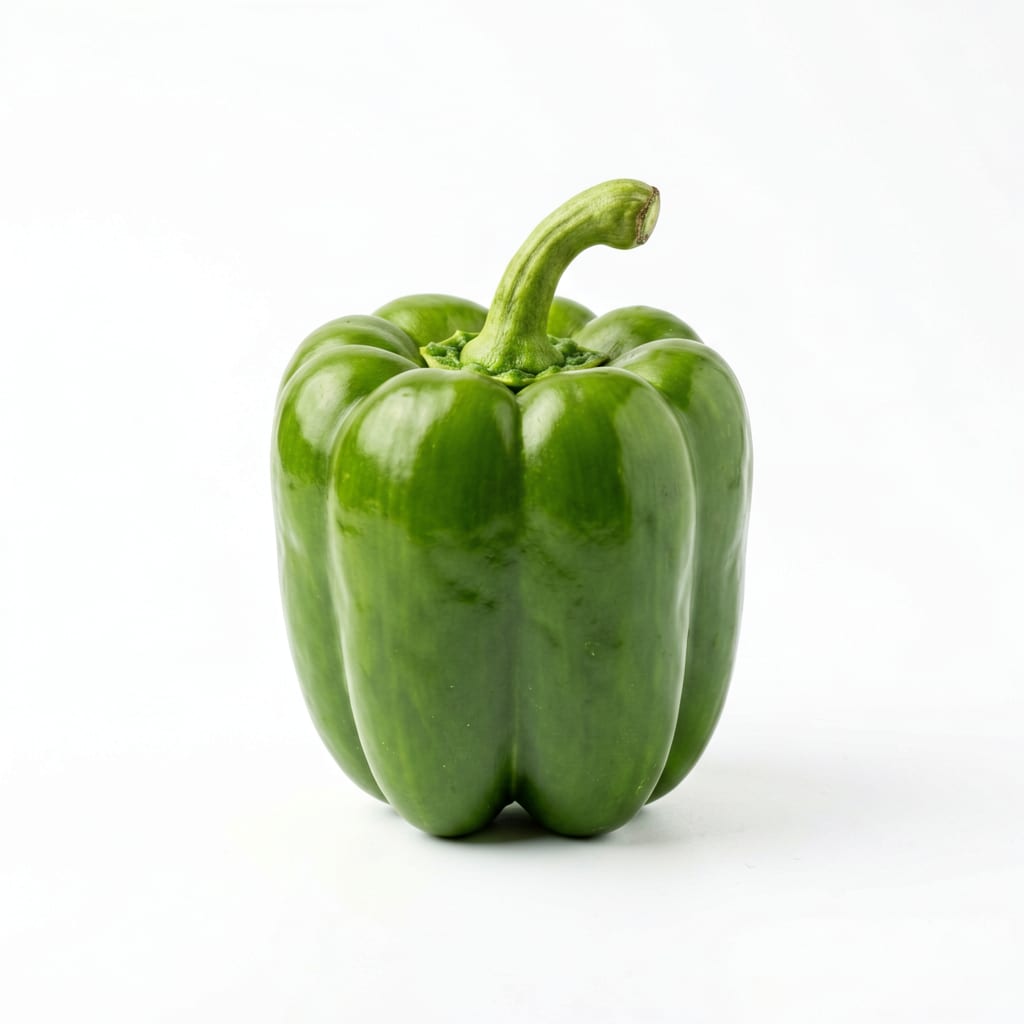
Compare with
Bell Pepper
Bell peppers are crunchier, sweeter, and much higher in Vitamin C, while eggplant is softer and higher in fiber.
Bell peppers offer more Vitamin C and crunch for snacking, while eggplant provides more fiber and is better cooked.
This food
Eggplant
VS70% alike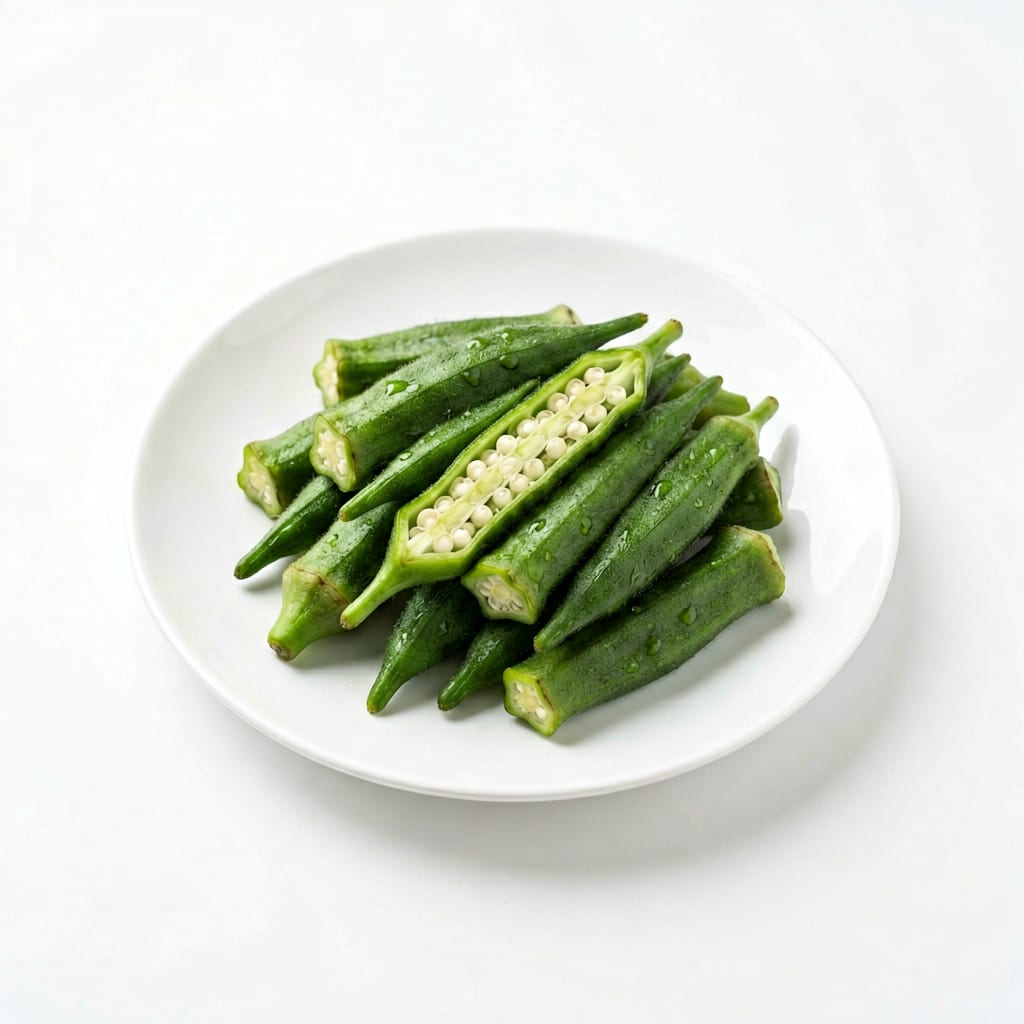
Compare with
Okra
Okra is higher in protein and fiber, while eggplant is lower in calories and more versatile in cooking.
Okra provides more protein and fiber per calorie, while eggplant is lower in overall calories and more versatile for replacing pasta.
This food
Eggplant
VS55% alike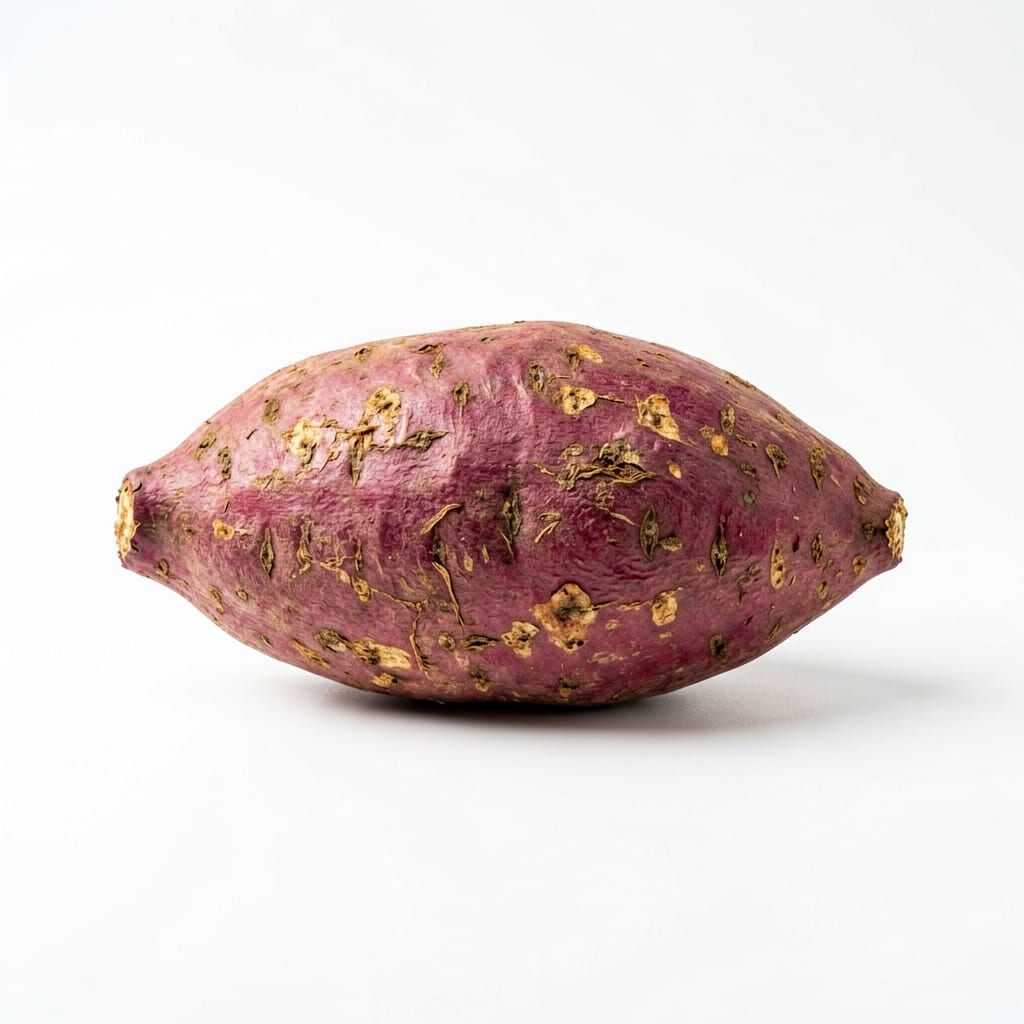
Compare with
Sweet Potato
Sweet potato is a high-carb energy source, while eggplant is a low-carb, low-calorie volume food.
Sweet potatoes are superior for pre-workout energy and Vitamin A, while eggplant is vastly better for low-carb weight loss.
This food
Eggplant
VS60% alike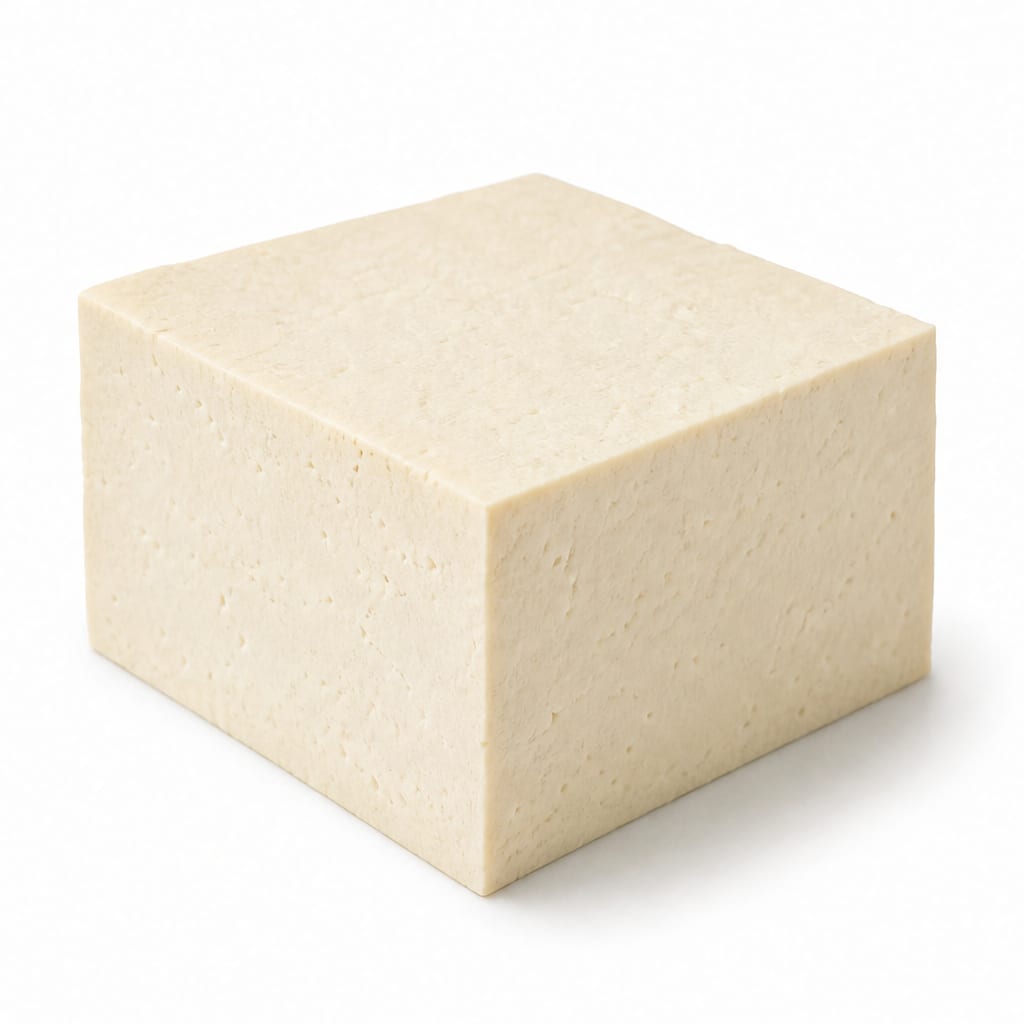
Compare with
Tofu
Tofu provides high protein and fat, while eggplant is a low-calorie, high-fiber carbohydrate.
Tofu wins for muscle gain and satiety due to high protein, while eggplant is better for low-calorie volume eating.
This food
Eggplant
VS75% alike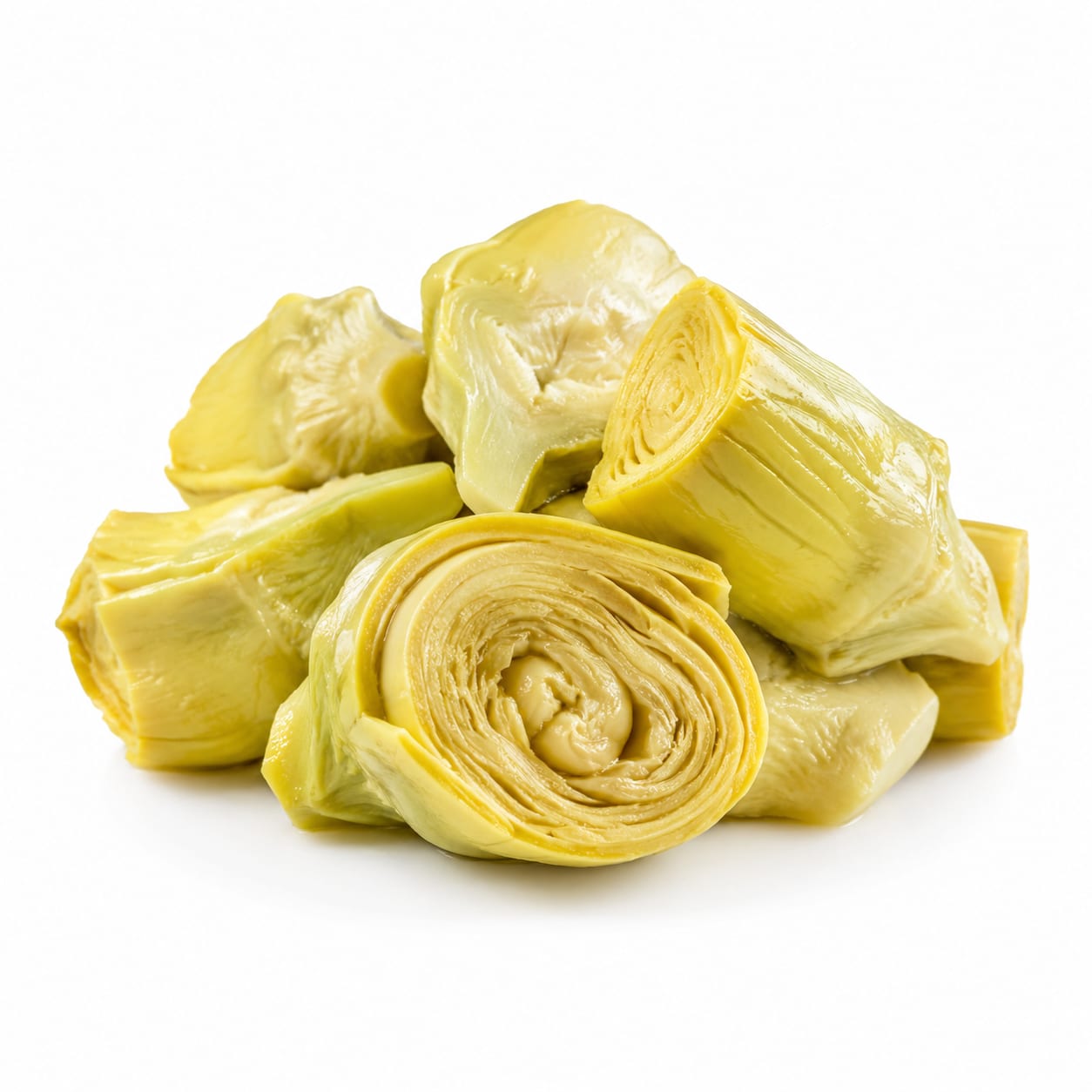
Compare with
Artichoke
Artichoke is a fiber powerhouse with more protein, while eggplant is lower in calories and easier to prep.
Artichokes provide significantly more fiber, while eggplant is lower in calories and easier to incorporate into main dishes.
This food
Eggplant
VS70% alike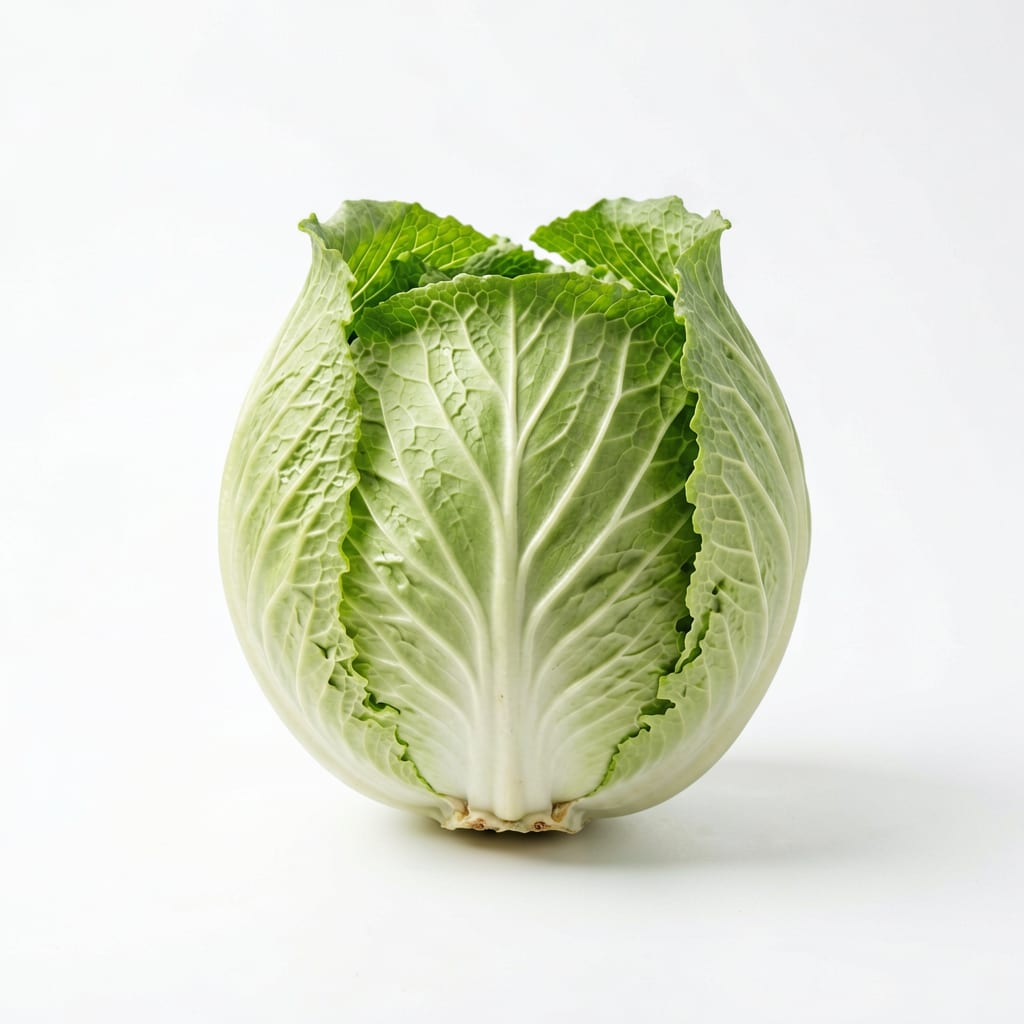
Compare with
Cabbage
Cabbage is extremely low in calories and high in Vitamin K, while eggplant offers more volume and antioxidants.
Cabbage is slightly lower in calories and great for slaws, while eggplant provides a meatier texture for cooked dishes.
Common questions
FAQ
Answers aligned with how people search for this food.
Is eggplant good for weight loss?
Yes, eggplant is excellent for weight loss because it is very low in calories and high in fiber, providing bulk and satiety as long as it is not fried in oil.
Can diabetics eat eggplant?
Yes, eggplant has a very low glycemic index and glycemic load, meaning it will not cause significant blood sugar spikes.
Why does eggplant absorb so much oil?
Eggplant flesh contains many tiny air pockets. When heated in a pan, the air collapses and acts like a sponge drawing in oil. Salting it beforehand helps collapse these pockets and reduces absorption.
Do you need to peel eggplant?
No, the skin is completely edible and contains most of the valuable antioxidants, particularly nasunin. Leave the skin on for maximum nutritional benefit.
Is eggplant a fruit or a vegetable?
Botanically, eggplant is a fruit because it contains seeds and develops from the flower of the plant. However, it is used as a vegetable in culinary contexts.
Is eggplant keto friendly?
Yes, with only about 3 grams of net carbs per 100 grams, eggplant fits well into a low-carb or ketogenic diet.
What are the health benefits of eggplant skin?
The deep purple skin is rich in nasunin, a powerful antioxidant that helps protect brain cell membranes from free radical damage.
Can you eat raw eggplant?
Yes, raw eggplant is safe to eat, though it has a slightly bitter taste and spongy texture that most people find unappealing compared to when it is cooked.
Transparency
Data confidence
Estimated confidence for nutrition data, interpretation, safety notes, and comparisons.
Nutrition data
Health analysis
Food safety
Comparisons