
Nutrition comparison
Eggplant vs Cauliflower: Which Vegetable Is Better for Your Health Goals?
Compare eggplant and cauliflower head-to-head on nutrition, low-carb versatility, digestion, and cooking practicality. Find out which one fits your diet better.
Overall winner · Cauliflower
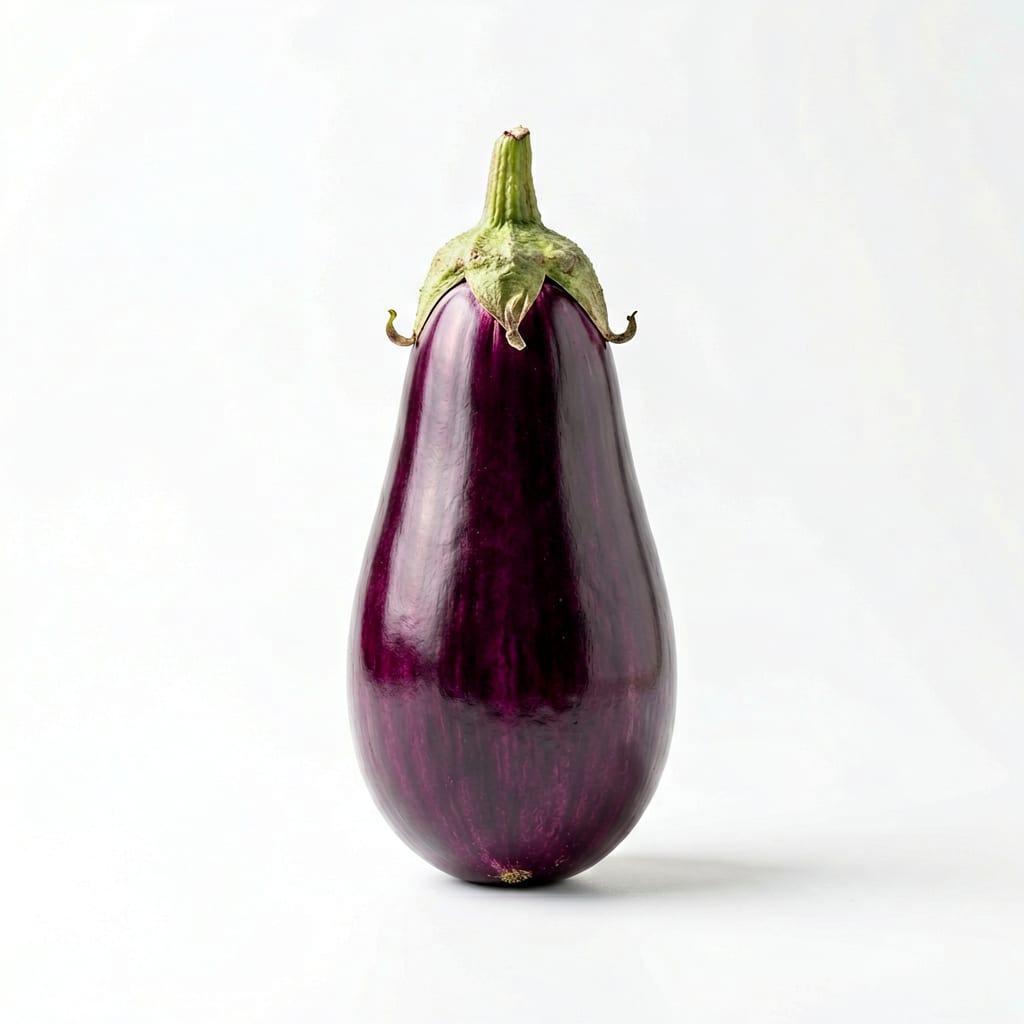
Eggplant
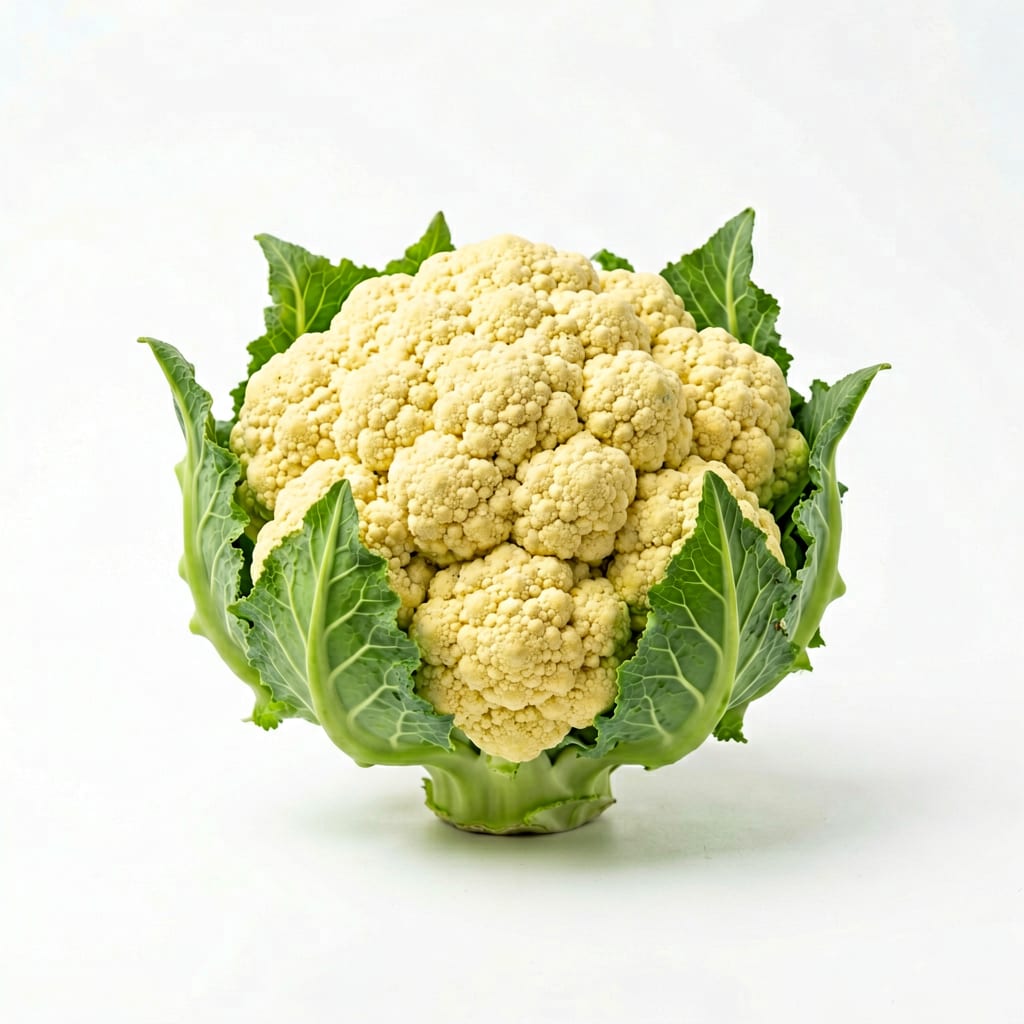
Cauliflower
Cauliflower edges out eggplant thanks to superior vitamin content, unmatched low-carb versatility, and broader culinary adaptability.
Cauliflower scores notably higher due to its vitamin density, extraordinary culinary versatility, and status as the go-to low-carb staple. Eggplant remains valuable but is more niche, less nutrient-dense, and has the double disadvantage of nightshade concerns and oil absorption during cooking.
Cauliflower delivers more vitamins and kitchen flexibility but can cause bloating; eggplant offers unique antioxidants and is gentler on digestion but acts as an oil sponge when cooked.
At a glance
Executive summary
Overall
Cauliflower
Healthier
Cauliflower
More practical
Cauliflower
Daily use
Cauliflower
Key comparison lenses
low carb diet substitute
Cauliflower is the reigning champion of low-carb substitutions while eggplant is rarely used that way
cooking versatility
Cauliflower can be riced, mashed, or turned into crusts; eggplant has a narrower culinary range
nutrient density comparison
Both are low-calorie vegetables but their vitamin and antioxidant profiles differ significantly
digestive tolerance
Cauliflower causes bloating for many while eggplant is a nightshade that triggers joint pain in some
anti inflammatory benefits
Both offer unique antioxidants but through different pathways
Best choice for
Eggplant
- People avoiding cruciferous vegetables due to bloating or thyroid concerns
- Those seeking nasunin antioxidants for brain health
- Mediterranean and Middle Eastern cuisine enthusiasts
- Individuals with cauliflower allergies or sensitivities
Cauliflower
- Low-carb and keto dieters needing grain substitutes
- Anyone boosting vitamin C and K intake naturally
- Meal preppers wanting one vegetable that does many jobs
- Families needing kid-friendly vegetable formats like tots or mash
Least suitable for
Eggplant
- People sensitive to nightshades with joint pain or inflammation
- Those watching oil intake since eggplant absorbs fat aggressively
- Anyone seeking a high-vitamin C vegetable source
- Keto dieters looking for grain replacements
Cauliflower
- People with IBS or FODMAP sensitivities who get bloated easily
- Those with thyroid issues consuming large amounts raw
- Anyone tired of cauliflower being pushed as a substitute for everything
- People prone to gas discomfort in social settings
Deep comparison
Dimension by dimension
Each lens scores both foods and breaks down who each option suits.
- Dimension 1 · Priority 90Cauliflower
Vitamin and Mineral Density
Eggplant · 45Cauliflower · 82Cauliflower is significantly richer in vitamins C and K, folate, and B6. Eggplant offers modest potassium but falls short on most micronutrients.
Tradeoff
Eggplant provides more manganese, but the overall vitamin gap is substantial and favors cauliflower.
Why it matters
If you rely on vegetables as a primary vitamin source, cauliflower pulls more weight per calorie.
Real-world impact
A single cup of cauliflower covers nearly all your daily vitamin C needs; eggplant covers less than 5%.
Eggplant
- Manganese intake
Better for
- Vitamin C is minimal
- Low folate and B6
Worse for
Cauliflower
- Vitamin C needs
- Vitamin K needs
- Folate intake
- Immune support
Better for
- Less manganese than eggplant
Worse for
- Dimension 2 · Priority 75It depends
Antioxidant Profile
Eggplant · 78Cauliflower · 72Eggplant skin contains nasunin, a potent brain-protective antioxidant. Cauliflower offers glucosinolates linked to cancer-fighting pathways.
Tradeoff
Brain protection versus cellular defense against cancer — both are valuable but operate through different mechanisms.
Why it matters
Your antioxidant priority should depend on your health focus: cognitive longevity or cancer prevention.
Real-world impact
Eating eggplant with the skin on gives you nasunin that helps protect brain cell membranes; cauliflower supports your body's natural detox enzymes.
Eggplant
- Brain health and cognitive protection
- Cell membrane defense
Better for
- Lacks glucosinolate compounds
Worse for
Cauliflower
- Detoxification enzyme support
- Cancer-risk reduction through glucosinolates
Better for
- No nasunin for brain-specific benefits
Worse for
- Dimension 3 · Priority 92Cauliflower
Low-Carb and Keto Versatility
Eggplant · 35Cauliflower · 95Cauliflower is the undisputed king of low-carb substitutions — rice, mash, pizza crust, tots. Eggplant has no equivalent substitution role.
Tradeoff
Eggplant works well as a dish centerpiece like parmigiana, but it cannot replace carbs the way cauliflower can.
Why it matters
For anyone reducing grains or carbs, cauliflower is practically a kitchen essential.
Real-world impact
One head of cauliflower can replace rice, potatoes, or flour-based crusts in a single meal prep session. Eggplant simply cannot do this.
Eggplant
- Hearty main dish applications
Better for
- Cannot replicate grain textures
- Absorbs oil instead of replacing carbs
Worse for
Cauliflower
- Rice substitute
- Mashed potato alternative
- Pizza crust base
- Low-carb thickening agent
- Tater tot replacements
Better for
- Does not have the meaty texture eggplant offers in main dishes
Worse for
- Dimension 4 · Priority 80Eggplant
Digestive Tolerance
Eggplant · 72Cauliflower · 48Eggplant is generally easier on the gut for most people. Cauliflower is high in FODMAPs and notorious for causing gas and bloating.
Tradeoff
Eggplant is gentler on digestion but is a nightshade; cauliflower causes more gas but is nightshade-free.
Why it matters
If you have IBS, SIBO, or general bloating sensitivity, cauliflower can be uncomfortable. Eggplant is usually better tolerated.
Real-world impact
A large serving of roasted cauliflower can leave you uncomfortably gassy; the same portion of eggplant typically will not.
Eggplant
- IBS-friendly option
- Less bloating risk
- Easier on sensitive stomachs
Better for
- Nightshade compounds can trigger joint pain in susceptible people
Worse for
Cauliflower
- Safe for nightshade-sensitive individuals
Better for
- High FODMAP content
- Common cause of gas and bloating
- Problematic for IBS and SIBO
Worse for
- Dimension 5 · Priority 70Cauliflower
Cooking Oil Absorption
Eggplant · 30Cauliflower · 85Eggplant acts like a sponge, absorbing significant oil during cooking. Cauliflower retains very little added fat.
Tradeoff
Eggplant's creamy texture comes at the cost of high oil intake unless you salt and press it first. Cauliflower stays lean regardless of cooking method.
Why it matters
If you are watching calories or fat intake, eggplant can silently double your oil consumption without you realizing it.
Real-world impact
Pan-fried eggplant can absorb 3-4 tablespoons of oil per medium eggplant. Roasted cauliflower barely needs a light coating.
Eggplant
- Rich mouthfeel when oil is desired
Better for
- Stealth calorie bomb when fried or sautéed
- Requires salting and pressing to reduce oil uptake
Worse for
Cauliflower
- Low fat cooking naturally
- Calorie control without extra effort
- Roasts beautifully with minimal oil
Better for
- Can dry out without enough moisture or fat
Worse for
- Dimension 6 · Priority 88Cauliflower
Culinary Versatility
Eggplant · 55Cauliflower · 90Cauliflower can be raw, roasted, steamed, riced, mashed, puréed, or baked into crusts. Eggplant must be cooked and has a narrower range.
Tradeoff
Eggplant shines in specific dishes like baba ganoush or parmigiana but lacks the chameleon-like adaptability of cauliflower.
Why it matters
A vegetable that can play many roles reduces food waste and keeps meals interesting.
Real-world impact
Cauliflower can appear in breakfast hash, lunch salad, dinner mash, and snack tots. Eggplant is mostly a dinner player.
Eggplant
- Smoky dips like baba ganoush
- Hearty layered casseroles
- Grilled steaks with meaty texture
Better for
- Must always be cooked
- Limited to savory dinner applications
Worse for
Cauliflower
- Raw crudités
- Riced as a base
- Mashed as a side
- Pizza crusts and flatbreads
- Soups and purées
- Roasted as a standalone dish
Better for
- Lacks the smoky depth eggplant develops when charred
Worse for
Timeline
Health impact over time
Short-term
Hours to days
Eggplant
- Minimal blood sugar impact due to low carb content
- May cause mild digestive comfort when cooked with excess oil
- Nightshade sensitivity can trigger joint stiffness within hours in susceptible individuals
Cauliflower
- Very low blood sugar impact with high fiber slowing absorption
- Can cause noticeable bloating and gas within 1-2 hours of eating
- Raw consumption may slightly suppress thyroid function temporarily
Long-term
Months to years
Eggplant
- Nasunin from the skin supports long-term brain cell membrane health
- Consistent nightshade consumption may worsen inflammatory conditions for some people
- Low calorie density supports weight maintenance when not cooked in heavy oil
Cauliflower
- Glucosinolates may reduce cancer risk through enhanced detoxification pathways
- High vitamin C intake supports immune resilience and collagen production over time
- Regular high consumption raw could contribute to thyroid issues in iodine-deficient individuals
Risk profile
Safety & processing
Both eggplant and cauliflower are whole vegetables typically sold fresh and unprocessed. Neither carries significant additive concerns in their natural state. The processing concern with cauliflower arises mainly with packaged cauliflower products like frozen tots or crusts, which may include binders and fillers.
Eggplant
Solanine toxicity
lowEggplant contains solanine like all nightshades. Eating extremely large quantities could cause nausea or headaches, but normal servings are safe for most people.
Oxalate content
lowEggplant contains moderate oxalates. Not a concern for most people but worth noting for those prone to kidney stones.
Pesticide residue
mediumEggplant tends to retain pesticide residue on its skin. Peeling or choosing organic reduces this exposure significantly.
Cauliflower
Goitrogenic compounds
lowRaw cauliflower contains goitrogens that can interfere with thyroid function. Cooking largely neutralizes this risk. Only concerning for those with existing thyroid issues eating large raw amounts.
Pesticide residue
mediumCauliflower is part of the Dirty Dozen list some years due to pesticide retention in its tight florets. Washing thoroughly or choosing organic is advisable.
Bacterial contamination in pre-cut formats
lowPre-riced or pre-cut cauliflower has more surface area for bacterial growth. Use quickly and refrigerate properly.
Who wins for whom
Audience fit
Same foods, different winners depending on your goal.
children
CauliflowerCauliflower can be disguised as mash, tots, or mac and cheese alternatives. Eggplant's texture and bitterness are harder sells to kids.
daily consumption
CauliflowerCauliflower's higher vitamin content and culinary flexibility make it more sustainable as a daily vegetable. Just cook it to reduce bloating risk.
diabetes
CauliflowerBoth have minimal blood sugar impact, but cauliflower's fiber and vitamin C content provide slightly better metabolic support.
elderly
EggplantEggplant is softer when cooked and easier to chew and digest. Cauliflower's gas-producing effects can be uncomfortable for older digestive systems.
muscle gain
It dependsNeither vegetable is a protein source. Both serve as low-calorie sides. Choose based on digestive tolerance and meal compatibility.
weight loss
CauliflowerCauliflower's versatility as a low-calorie substitute for higher-calorie foods makes it easier to maintain a calorie deficit without feeling deprived.
Your move
Decision guide
Choose Eggplant
- You have IBS or get bloated easily from cruciferous vegetables
- You want brain-protective nasunin antioxidants from the purple skin
- You cook Mediterranean or Middle Eastern dishes regularly
- You have thyroid concerns and want to avoid goitrogenic vegetables raw
Choose Cauliflower
- You are on a low-carb or keto diet and need grain substitutes
- You want maximum vitamin C and K from a low-calorie vegetable
- You meal prep and need one vegetable that can fill multiple roles
- You are feeding kids who need creative vegetable formats
Either works if
- You simply want more vegetables in your diet and enjoy both
- You are looking for low-calorie dinner side dishes
- You have no specific digestive sensitivities to either
Avoid both if
- You have severe digestive conditions that make most vegetables uncomfortable
- You are on a very strict low-fiber diet for medical reasons
Final recommendation
Keep both in rotation but let cauliflower be your daily workhorse and eggplant your specialty player. Cauliflower earns its spot through vitamin density and unmatched versatility as a carb substitute. Eggplant earns its place through unique antioxidants and being gentler on the gut. If you must pick one for regular use, cauliflower gives you more for less effort — just cook it to tame the bloating.
Practical
Consumer tips
- 1
Salt sliced eggplant and let it sit for 20 minutes before cooking to dramatically reduce oil absorption
- 2
Always leave the skin on eggplant — that is where the valuable nasunin antioxidants live
- 3
Roast cauliflower instead of steaming it to reduce the sulfur smell and improve flavor
- 4
If cauliflower causes bloating, try smaller portions or cook it thoroughly which breaks down some FODMAPs
- 5
Buy organic for both vegetables when possible — both tend to retain pesticide residues
- 6
Pre-riced cauliflower is convenient but spoils faster and costs more — rice it yourself if you have 5 minutes
- 7
Pair eggplant with tomatoes and olive oil for optimal absorption of its fat-soluble antioxidants
- 8
If you have thyroid issues, always cook cauliflower before eating — never eat it raw in large amounts