
Nutrition comparison
Eggplant vs Cabbage: Nutrition, Calories, and Health Benefits Compared
Discover the nutritional differences between Eggplant and Cabbage. Learn which is better for weight loss, digestion, and daily meals, and how their cooking behaviors impact your diet.
Overall winner · Cabbage
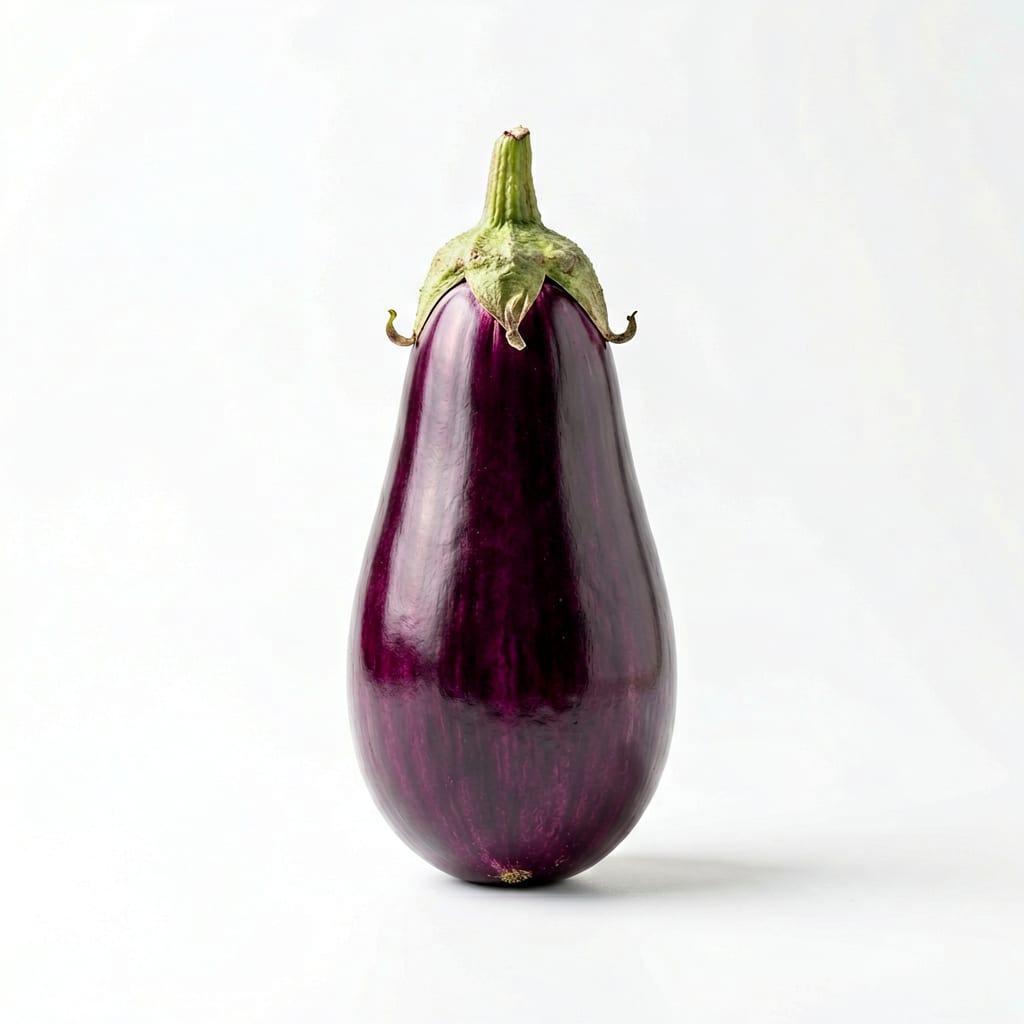
Eggplant
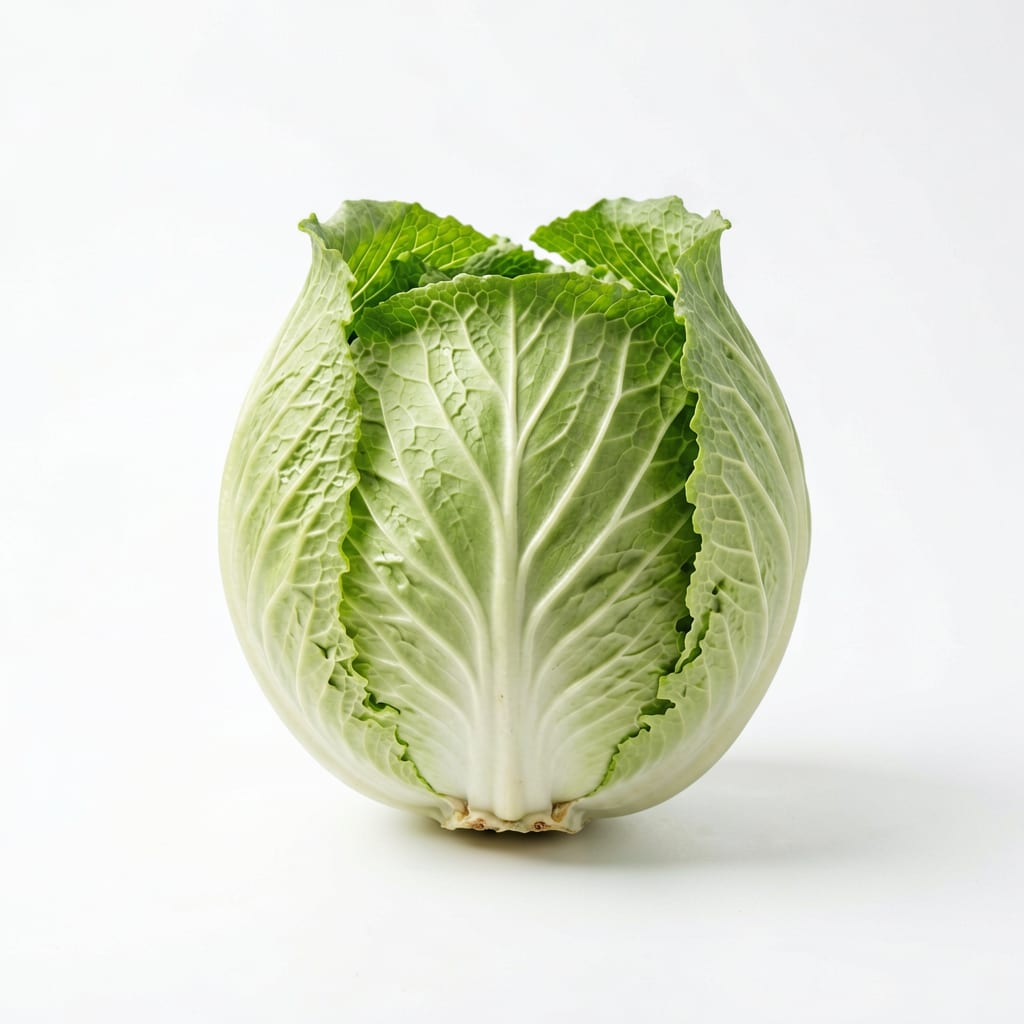
Cabbage
Cabbage wins on nutrient density and ease of use, while Eggplant offers richer culinary depth but demands careful cooking to avoid oil overload.
Cabbage scores higher due to superior nutrient density, lower calorie risk during cooking, and higher vitamin content. Eggplant remains a strong choice for its antioxidant properties but loses points for its tendency to absorb excess cooking oil.
Cabbage delivers more vitamins and fiber with fewer calories and no oil-sponge effect, whereas Eggplant provides unique antioxidants and a meaty texture but easily becomes a calorie bomb if pan-fried.
At a glance
Executive summary
Overall
Cabbage
Healthier
Cabbage
More practical
Cabbage
Daily use
Cabbage
Key comparison lenses
Low-calorie bulk and weight management
Both are classic diet foods, but they behave very differently in the kitchen when it comes to calorie density.
Cooking behavior and oil absorption
Eggplant acts like a sponge for oil, while Cabbage releases water and stays lean, drastically altering final calorie counts.
Antioxidant and disease-fighting compounds
Eggplant offers brain-protecting nasunin, while Cabbage provides cancer-fighting glucosinolates.
Digestive tolerance and gut health
Cabbage is famous for gut-healing fermented forms but can cause gas raw; Eggplant is generally gentler but nightshades bother some.
Best choice for
Eggplant
- Mediterranean diet followers
- People seeking a meaty vegetarian texture
- Those wanting brain-protective antioxidants
Cabbage
- Strict calorie counters
- Meal preppers needing a versatile base
- People aiming for high vitamin C and K on a budget
Least suitable for
Eggplant
- People trying to minimize cooking oil
- Those sensitive to nightshades
- Anyone prone to kidney stones due to oxalates
Cabbage
- People with severe IBS or FODMAP sensitivities
- Those with thyroid issues if consumed raw in large amounts
- Individuals who dislike cruciferous bitterness
Deep comparison
Dimension by dimension
Each lens scores both foods and breaks down who each option suits.
- Dimension 1 · Priority 90Cabbage
Nutrient Density and Vitamins
Eggplant · 60Cabbage · 90Cabbage absolutely outshines Eggplant in vitamin content, particularly Vitamin C and Vitamin K.
Tradeoff
You get significantly more immune-boosting and bone-supporting vitamins per calorie from Cabbage, whereas Eggplant is mostly water with trace nutrients.
Why it matters
If you are eating vegetables to actually hit your vitamin targets, Cabbage gets the job done much more efficiently.
Real-world impact
A serving of Cabbage helps you hit your daily Vitamin C needs, while Eggplant barely moves the needle on micronutrients.
Eggplant
- Increasing manganese intake
Better for
- Reliance on it for vitamin targets
Worse for
Cabbage
- Boosting immune function
- Supporting bone health and blood clotting
Better for
- Those avoiding Vitamin K due to blood thinner medications
Worse for
- Dimension 2 · Priority 95Cabbage
Calorie Control and Cooking Behavior
Eggplant · 55Cabbage · 92Cabbage stays naturally low-calorie regardless of how you cook it, while Eggplant can secretly become a high-calorie dish.
Tradeoff
Eggplant's spongy flesh absorbs oil for a rich, satisfying bite, but Cabbage's water-release keeps meals light and lean.
Why it matters
The way a vegetable cooks dictates your actual calorie intake, which often derails healthy eating intentions.
Real-world impact
Pan-frying Eggplant can easily double or triple its calories, while sautéing Cabbage stays light because it cooks down in its own moisture.
Eggplant
- Creating rich, indulgent vegetarian meals
- Mimicking the mouthfeel of meat
Better for
- Controlling fat intake during cooking
Worse for
Cabbage
- Keeping daily calories effortlessly low
- Bulking up soups and stews without fat
Better for
- Dishes where a dense, meaty bite is desired
Worse for
- Dimension 3 · Priority 75It depends
Antioxidant Profile
Eggplant · 85Cabbage · 80Eggplant and Cabbage offer completely different, highly valuable antioxidant families.
Tradeoff
Eggplant skin provides nasunin for brain health, while Cabbage offers glucosinolates for cellular defense and detoxification.
Why it matters
Diverse antioxidants protect different body systems, making both uniquely valuable in a varied diet.
Real-world impact
Eating Eggplant supports cognitive longevity, whereas eating Cabbage supports the body's natural detox pathways and cellular protection.
Eggplant
- Brain and cognitive protection
- Reducing oxidative stress in neural tissue
Better for
- Getting the benefits if you peel the skin off
Worse for
Cabbage
- Supporting the body's natural detoxification
- Cellular protection against environmental toxins
Better for
- People who overcook it, destroying heat-sensitive antioxidants
Worse for
- Dimension 4 · Priority 70Eggplant
Digestive Tolerance
Eggplant · 78Cabbage · 65Eggplant is generally easier on the digestive system for most people, while raw Cabbage is notorious for causing gas.
Tradeoff
Cabbage offers more fiber and probiotic potential when fermented, but its raw form causes bloating; Eggplant is gentler but provides less roughage.
Why it matters
Bloating and gas can make a healthy meal deeply uncomfortable, ruining the practical benefits of eating vegetables.
Real-world impact
A big Cabbage salad might leave you feeling puffy and gassy, while roasted Eggplant feels comforting and easy on the stomach.
Eggplant
- Those with sensitive stomachs
- People prone to bloating from cruciferous veggies
Better for
- Those with nightshade sensitivities
Worse for
Cabbage
- Promoting healthy gut bacteria when fermented
- Improving bowel regularity with high fiber
Better for
- Individuals with IBS or FODMAP intolerances
- Social events where bloating is undesirable
Worse for
Timeline
Health impact over time
Short-term
Hours to days
Eggplant
- Very filling and satisfying when cooked with healthy fats
- Can feel heavy or greasy if pan-fried in too much oil
Cabbage
- Light and refreshing when eaten raw in slaws
- Can cause noticeable gas and bloating if consumed in large raw quantities
Long-term
Months to years
Eggplant
- Nasunin from the skin supports long-term brain health
- Consistent use as an oil vehicle could contribute to weight gain if not managed
Cabbage
- Glucosinolates support cellular health and lower inflammation
- Excellent for maintaining a lean body weight over the years
Risk profile
Safety & processing
Both Eggplant and Cabbage are whole, natural vegetables with minimal processing and no artificial additives when purchased fresh.
Eggplant
Nightshade sensitivity
lowEggplant contains solanine, which can trigger joint pain or inflammation in people with severe nightshade sensitivities.
Oxalate content
lowContains oxalates which may contribute to kidney stone formation in highly susceptible individuals.
Cabbage
Goitrogenic compounds
mediumRaw Cabbage contains goitrogens that can interfere with thyroid function if eaten in massive amounts by susceptible people; cooking largely neutralizes this.
Severe gas and bloating
mediumThe high raffinose and fiber content in raw Cabbage can cause intense digestive discomfort for those with IBS.
Who wins for whom
Audience fit
Same foods, different winners depending on your goal.
children
CabbageMild, cooked Cabbage is easier for kids to digest, whereas Eggplant's spongy texture and slight bitterness often turn picky eaters away.
daily consumption
CabbageCabbage is cheaper, stores longer, and is easier to incorporate into daily meals without accidentally increasing calorie intake.
diabetes
CabbageCabbage has a lower carbohydrate load and no hidden fat traps, making blood sugar management much easier.
elderly
CabbageCabbage provides crucial Vitamin K for bone density and is very gentle when cooked, while Eggplant's nightshade compounds can occasionally aggravate arthritis.
muscle gain
It dependsNeither is a significant protein source, but Cabbage offers more Vitamin C which aids in collagen formation for joint repair.
weight loss
CabbageCabbage provides massive volume and fiber for very few calories, and unlike Eggplant, it does not act as a sponge for cooking oils.
Your move
Decision guide
Choose Eggplant
- You want a satisfying, meaty texture in vegetarian dishes
- You are cooking Mediterranean or Middle Eastern recipes
- You want to boost brain-protective antioxidants
Choose Cabbage
- You want maximum nutrition and volume for minimal calories
- You need a versatile vegetable for slaws, soups, and stir-fries
- You are carefully tracking your cooking oil intake
Either works if
- You simply need low-calorie bulk for a hearty stew
- You are rotating vegetables to diversify your antioxidant intake
Avoid both if
- You have severe FODMAP sensitivities and struggle with all fibrous vegetables
Final recommendation
Keep Cabbage as your daily workhorse for lean nutrition and meal prep, and bring in Eggplant when you want a richer, more indulgent culinary experience. Just remember to roast or grill Eggplant rather than frying it to keep the calorie count honest.
Practical
Consumer tips
- 1
Salt Eggplant slices and let them sweat for 20 minutes before cooking to drastically reduce oil absorption.
- 2
Leave the skin on Eggplant to get the full brain-protecting benefits of nasunin.
- 3
Lightly steam or sauté Cabbage instead of eating it raw to reduce bloating and neutralize goitrogens.
- 4
Ferment Cabbage into sauerkraut or kimchi to unlock huge probiotic benefits for your gut.
- 5
Roast Eggplant cubes with a light spray of olive oil for a satisfying, low-calorie alternative to frying.