
Nutrition comparison
Eggplant vs Sweet Potato: Which Is Better for Your Goals?
Compare eggplant and sweet potato on carbs, calories, nutrients, and blood sugar impact. Find out which fits your diet — keto, weight loss, diabetes, or daily energy.
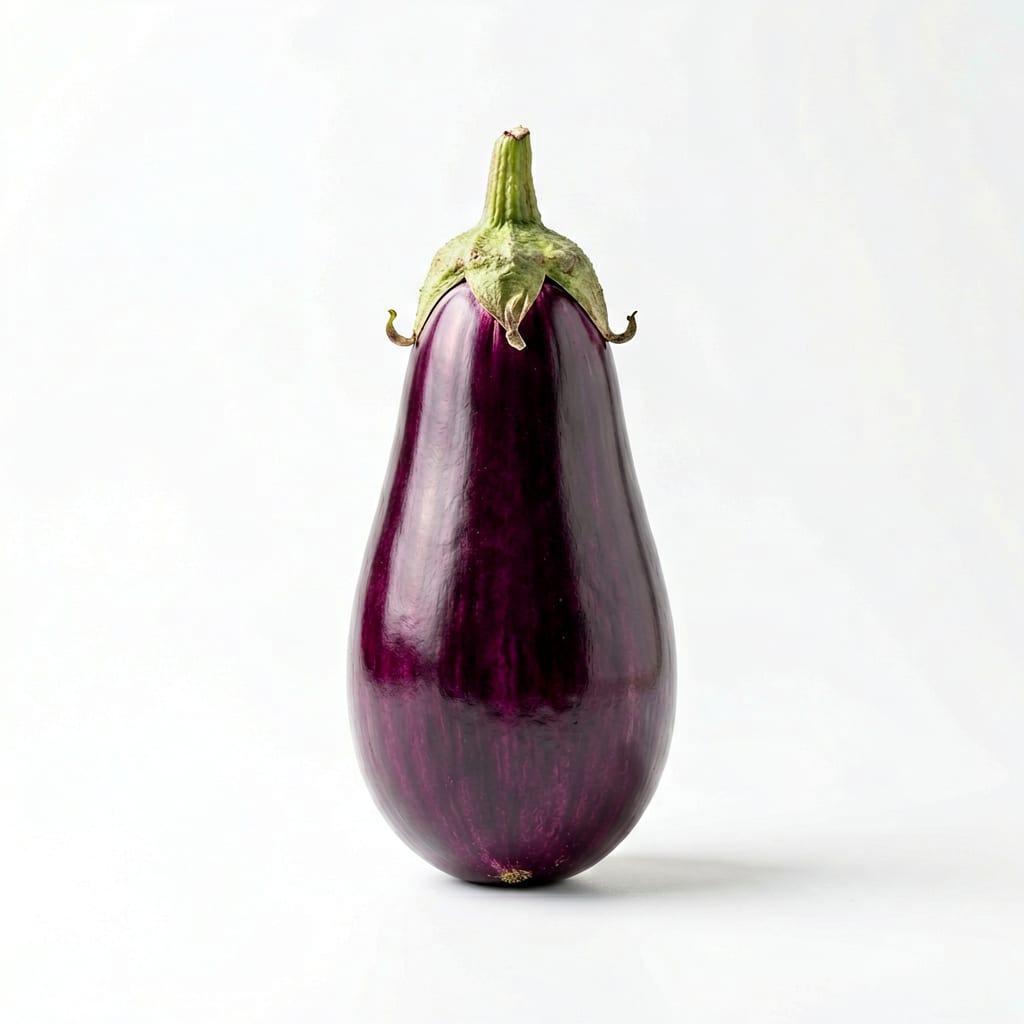
Eggplant
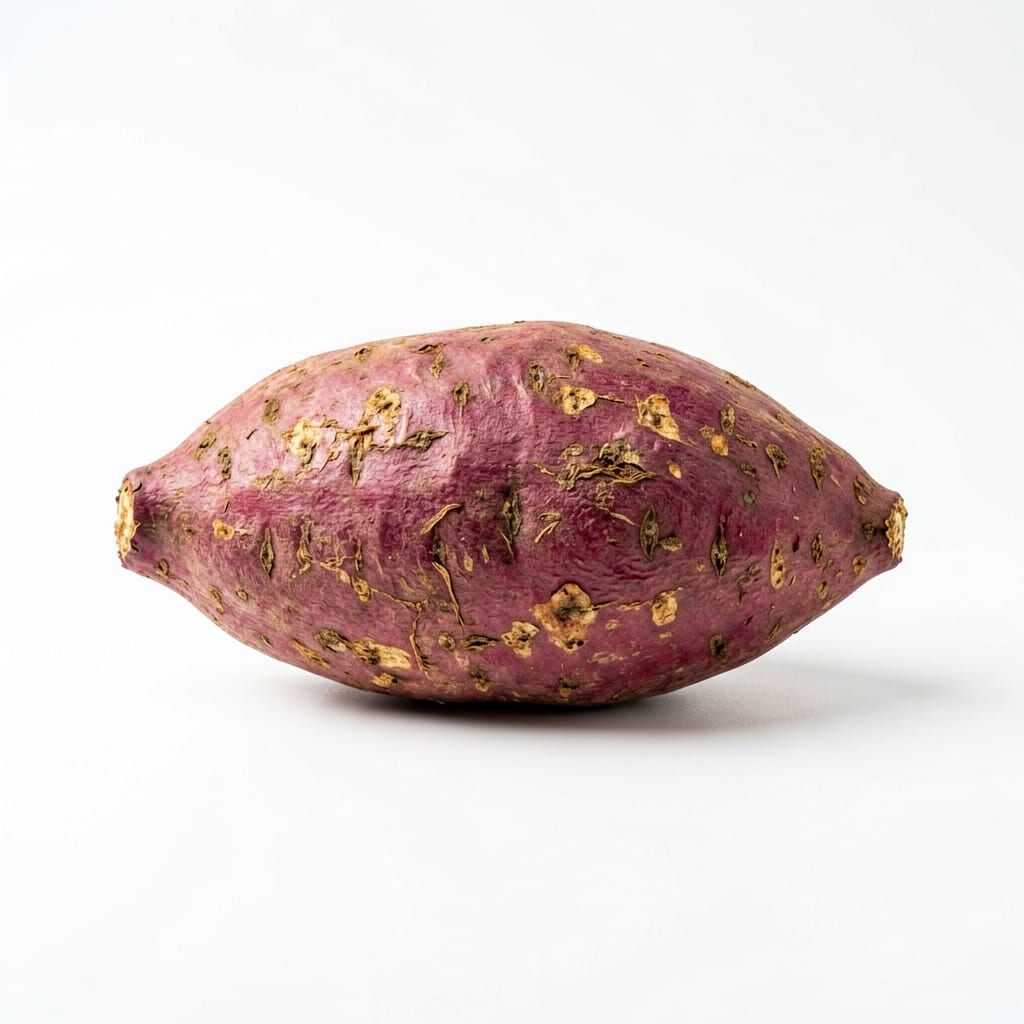
Sweet Potato
Sweet potato fuels you; eggplant lightens your plate. Pick based on whether you need energy or restraint.
Sweet potato scores higher overall due to superior nutrient density, satiety, and energy value. Eggplant wins narrowly in low-carb contexts but offers less nutritional return per bite in most scenarios.
Sweet potato delivers sustained energy and vitamin A but comes with carbs. Eggplant keeps calories and carbs negligible but provides almost no fuel.
At a glance
Executive summary
Overall
It depends
Healthier
It depends
More practical
Sweet Potato
Daily use
Sweet Potato
Key comparison lenses
low carb vs energy food
Eggplant is ultra-low carb while sweet potato is a starchy energy source — this is the core tension users face
weight loss plate companion
Both are popular whole-food sides, but they serve very different roles on a weight-loss plate
blood sugar management
Carb gap between these two is massive, making this critical for anyone monitoring glucose
nutrient density comparison
Sweet potato brings vitamin A and potassium; eggplant brings antioxidants but fewer micronutrients overall
nightshade sensitivity awareness
Eggplant is a nightshade and can trigger inflammation or joint pain in sensitive individuals
Best choice for
Eggplant
- Strict low-carb or keto dieters
- People counting calories aggressively
- Those managing blood sugar spikes
- Anyone needing bulk without energy load
- Nightshade-tolerant individuals seeking antioxidant variety
Sweet Potato
- Active people needing steady energy
- Children and elderly needing nutrient-dense calories
- Anyone deficient in vitamin A
- Endurance athletes refueling after training
- People wanting a satisfying, naturally sweet whole food
Least suitable for
Eggplant
- Anyone needing caloric or carb fuel
- People with nightshade sensitivities or arthritis flares
- Those prone to overeating oily eggplant dishes
- Individuals looking for nutrient-dense calories
Sweet Potato
- Strict keto followers
- People carefully managing carb intake per meal
- Those monitoring glycemic load at every sitting
- Anyone with specific beta-carotene excess concerns
Deep comparison
Dimension by dimension
Each lens scores both foods and breaks down who each option suits.
- Dimension 1 · Priority 92Eggplant
Blood Sugar and Energy Stability
Eggplant · 88Sweet Potato · 62Eggplant barely moves blood sugar. Sweet potato raises it moderately but provides lasting energy.
Tradeoff
Eggplant gives you glucose stability but no fuel. Sweet potato gives you fuel but requires portion awareness.
Why it matters
For diabetics or low-carb eaters, this gap is decisive. For athletes, sweet potato's energy is the whole point.
Real-world impact
Eggplant after dinner won't cause an energy crash. Sweet potato at lunch powers you through the afternoon but may cause drowsiness if overeaten.
Eggplant
- Diabetics managing post-meal glucose
- Keto and very-low-carb dieters
- Evening meals where you want lightness
Better for
- Moments when you actually need caloric energy
- Post-workout refueling windows
Worse for
Sweet Potato
- Pre-workout fueling
- Active mornings needing sustained energy
- Recovery meals after physical exertion
Better for
- Sedentary evenings when excess carbs store as fat
- Tight carb budgets in diabetic meal plans
Worse for
- Dimension 2 · Priority 86Sweet Potato
Satiety and Fullness
Eggplant · 52Sweet Potato · 81Sweet potato fills you up with real substance. Eggplant provides volume but leaves you hungry sooner.
Tradeoff
Eggplant lets you eat a large portion for few calories, but you'll be hungry again faster. Sweet potato costs more calories but keeps you satisfied longer.
Why it matters
Satiety drives whether you snack later. A food that doesn't fill you often leads to overeating elsewhere.
Real-world impact
A baked sweet potato at lunch can hold you until dinner. A serving of eggplant alone often has you reaching for a snack by 3pm.
Eggplant
- Volume eaters who want large portions without calories
- Multi-course meals where eggplant is just one component
Better for
- Anyone relying on it as a standalone meal
- People prone to late-day snacking
Worse for
Sweet Potato
- Single-dish meals needing staying power
- Busy people who can't snack between meals
- Breakfast or lunch as the anchor food
Better for
- Those who find starchy foods trigger overeating
Worse for
- Dimension 3 · Priority 84Sweet Potato
Nutrient Density
Eggplant · 48Sweet Potato · 86Sweet potato is a micronutrient powerhouse, especially vitamin A. Eggplant offers antioxidants but limited vitamins and minerals.
Tradeoff
Sweet potato delivers far more nutrition per calorie. Eggplant's nasunin is unique but not enough to close the gap.
Why it matters
If you're eating for health returns, sweet potato gives you dramatically more per bite — especially vitamin A, potassium, and vitamin C.
Real-world impact
One sweet potato covers over 300% of your daily vitamin A needs. Eggplant covers almost no daily targets meaningfully.
Eggplant
- Those already meeting micronutrient needs elsewhere
- Antioxidant diversity seekers who eat varied diets
Better for
- Nutritionally vulnerable populations
- People relying on few foods to meet needs
Worse for
Sweet Potato
- Anyone needing vitamin A support
- Children and elderly with higher nutrient needs
- People eating limited diets who need each food to count
Better for
- Those with vitamin A excess from supplements already
Worse for
- Dimension 4 · Priority 80Eggplant
Calorie Efficiency and Weight Management
Eggplant · 85Sweet Potato · 64Eggplant is one of the lowest-calorie foods you can eat. Sweet potato is moderate but not a freebie.
Tradeoff
Eggplant gives you plate presence without caloric cost. Sweet potato costs more calories but rewards you with fullness and nutrients.
Why it matters
For aggressive calorie cutting, eggplant is hard to beat. But low calories without satiety often backfire.
Real-world impact
You can eat a massive plate of roasted eggplant for under 100 calories. A single sweet potato runs 100-130 calories and is portion-limited.
Eggplant
- Aggressive calorie deficit diets
- Volume eating strategies
- People who snack out of boredom and need low-cost crunch
Better for
- Dieters who end up bingeing from insufficient fullness
Worse for
Sweet Potato
- Sustainable weight management where satiety matters
- People who'd rather eat less volume but feel fuller
Better for
- Very low calorie diet protocols
Worse for
- Dimension 5 · Priority 72It depends
Digestive Tolerance and Sensitivity
Eggplant · 58Sweet Potato · 75Sweet potato is gentle on most digestive systems. Eggplant can irritate nightshade-sensitive individuals and causes issues for some.
Tradeoff
Eggplant's solanine and histamine content can trigger joint pain or GI upset in sensitive people. Sweet potato is widely tolerated and even recommended for IBS-friendly diets.
Why it matters
If you have autoimmune issues, arthritis, or nightshade sensitivity, eggplant may worsen symptoms silently.
Real-world impact
People with joint pain often report flares after eating eggplant. Sweet potato is commonly used in elimination diets and gentle reintroduction protocols.
Eggplant
- Those without any nightshade sensitivity
- People who tolerate solanine well
Better for
- Arthritis and joint pain sufferers
- People with histamine intolerance
Worse for
Sweet Potato
- IBS or sensitive gut sufferers
- People with autoimmune or inflammatory conditions
- Anyone doing an elimination diet
Better for
- Those specifically sensitive to high-fiber foods during flare-ups
Worse for
- Dimension 6 · Priority 68It depends
Cooking Versatility and Oil Trap Risk
Eggplant · 55Sweet Potato · 78Sweet potato is simpler to prepare well. Eggplant is versatile but acts as a calorie bomb when fried or heavily oiled.
Tradeoff
Eggplant absorbs oil like a sponge, turning a low-calorie food into a high-calorie dish. Sweet potato is forgiving — baked, roasted, or mashed, it stays reasonable.
Why it matters
The way you cook eggplant can completely negate its calorie advantage. Many restaurant eggplant dishes are among the highest-calorie vegetable options.
Real-world impact
Eggplant parmesan can hit 400+ calories per serving. A baked sweet potato stays around 130. Preparation method matters enormously for eggplant.
Eggplant
- Home cooks who roast or grill without excess oil
- Cuisines that use salt-pressing to reduce oil absorption
Better for
- Restaurant diners getting oil-soaked preparations
- People who default to frying
Worse for
Sweet Potato
- Meal preppers wanting consistent, easy results
- Anyone eating out where cooking method is unknown
Better for
- Those who load sweet potatoes with butter and sugar
Worse for
Timeline
Health impact over time
Short-term
Hours to days
Eggplant
- Very low blood sugar impact after meals
- May feel unsatisfied if eaten alone
- Can cause bloating in sensitive individuals due to fiber type
- Oil-heavy preparations cause sluggishness
Sweet Potato
- Provides noticeable energy within 30-60 minutes
- Promotes satiety that reduces snacking for hours
- Orange varieties may cause harmless skin tinting with very high intake
- Mild blood sugar rise that stabilizes within 1-2 hours
Long-term
Months to years
Eggplant
- Nasunin from skin supports brain cell membrane protection
- Consistent low-calorie intake supports weight maintenance
- Nightshade compounds may aggravate chronic inflammation in susceptible people
- Minimal risk of vitamin toxicity due to low micronutrient density
Sweet Potato
- Consistent vitamin A intake supports eye health and immune function
- Potassium contributes to blood pressure regulation over time
- Fiber supports gut microbiome diversity with regular consumption
- Stable complex carb source supports metabolic health when portions are managed
Risk profile
Safety & processing
Both are whole, unprocessed foods in their natural state. Neither carries inherent additive concerns. The processing risk comes entirely from how you prepare them — breading and frying eggplant, or candying sweet potatoes, changes the equation dramatically.
Eggplant
Solanine toxicity from nightshade family
lowEggplant contains solanine, which is toxic in very high amounts. Normal consumption is safe, but eating large quantities of bitter, underripe eggplant could cause GI distress.
Oxalate content
lowEggplant contains moderate oxalates. Not a concern for most people, but those with kidney stone history should be aware.
Pesticide residue on skin
mediumEggplant typically retains pesticide residue on its skin. Peeling or choosing organic reduces exposure significantly.
Sweet Potato
Mold and spoilage
mediumSweet potatoes are prone to mold when stored in damp or cold conditions. Moldy sweet potatoes can produce toxins — discard any with soft spots or mold.
Beta-carotene excess
lowVery high intake can cause carotenemia — harmless yellowing of skin. No toxicity risk, but cosmetic and sometimes alarming to notice.
Pesticide residue
lowSweet potatoes rank relatively low on pesticide residue charts. Conventional is generally acceptable, but organic is preferred for frequent consumers.
Who wins for whom
Audience fit
Same foods, different winners depending on your goal.
children
Sweet PotatoSweet potato's natural sweetness, vitamin A content, and soft texture make it ideal for kids. Eggplant's bitterness and nightshade compounds are less kid-friendly.
daily consumption
Sweet PotatoSweet potato provides consistent nutritional value daily. Eggplant is fine daily but contributes less to meeting your micronutrient needs.
diabetes
EggplantEggplant's near-zero carb load makes it safer for blood glucose management. Sweet potato is acceptable in portions but requires more vigilance.
elderly
Sweet PotatoSweet potato's nutrient density, easy digestibility, and potassium content support aging bodies. Eggplant's solanine can worsen joint issues common in elderly populations.
muscle gain
Sweet PotatoSweet potato provides the carbs needed for glycogen replenishment and training fuel. Eggplant offers negligible energy for muscle building.
weight loss
It dependsEggplant wins for aggressive calorie cutting with volume. Sweet potato wins for sustainable weight loss where satiety prevents bingeing.
Your move
Decision guide
Choose Eggplant
- You're on a keto or very-low-carb diet
- You need plate volume without calories
- You have no nightshade sensitivity and want antioxidant variety
- You're cooking at home with controlled oil use
- You're managing diabetes and need near-zero carb sides
Choose Sweet Potato
- You need real energy from your food
- You want a nutrient-dense carb source
- You're feeding children or elderly family members
- You're an active person who trains regularly
- You want a satisfying food that reduces between-meal snacking
Either works if
- You're building a varied vegetable rotation
- You have no specific dietary restrictions
- You want to alternate low-carb and moderate-carb days
Avoid both if
- You need a high-protein food — neither is a protein source
- You're looking for a quick convenience food — both require cooking
- You have specific allergies to either nightshades or root vegetables
Final recommendation
Keep both in rotation. Sweet potato is your everyday energy and nutrient anchor. Eggplant is your low-carb, high-volume tool for cutting days or blood-sugar-sensitive meals. The real mistake is treating them as interchangeable — they serve completely different roles on your plate.
Practical
Consumer tips
- 1
Salt eggplant slices and let them sit 20 minutes before cooking to reduce oil absorption dramatically
- 2
Bake or grill eggplant instead of frying to preserve its low-calorie advantage
- 3
Pierce sweet potatoes before baking and cook at 400°F for 45-50 minutes for the best caramelized texture
- 4
Don't store sweet potatoes in the fridge — cold converts starches to sugar and alters taste
- 5
Choose firm, unblemished eggplants with smooth skin — wrinkles mean bitterness
- 6
Leave the skin on eggplant for nasunin antioxidants, but choose organic when possible due to pesticide residue
- 7
Cinnamon on sweet potato adds flavor without sugar and may help with blood sugar response
- 8
Meal prep sweet potatoes in batches — they reheat well for 3-4 days and save busy-week energy