
Nutrition comparison
Eggplant vs Butternut Squash: Which Is Healthier?
Compare eggplant and butternut squash side by side. Eggplant is ultra-low carb; butternut squash is a Vitamin A powerhouse. Find out which fits your goals better.
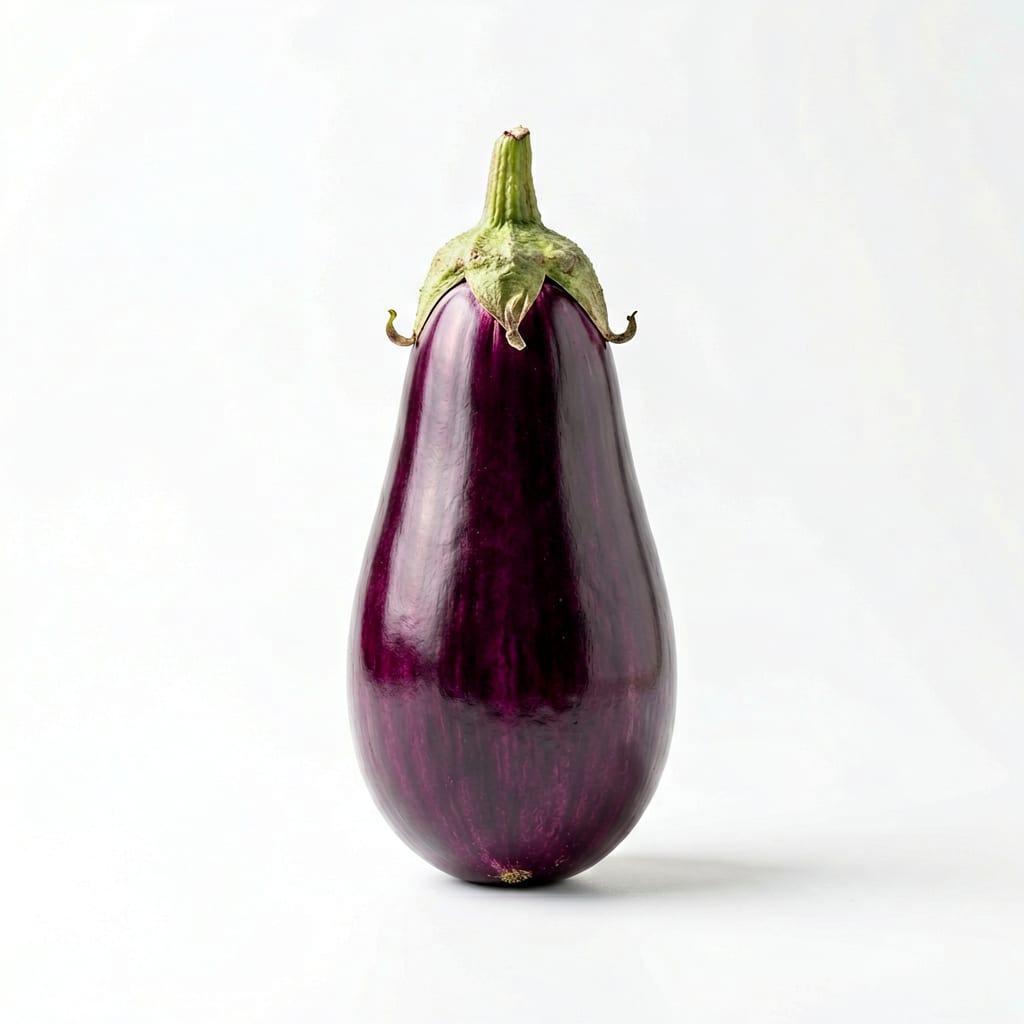
Eggplant
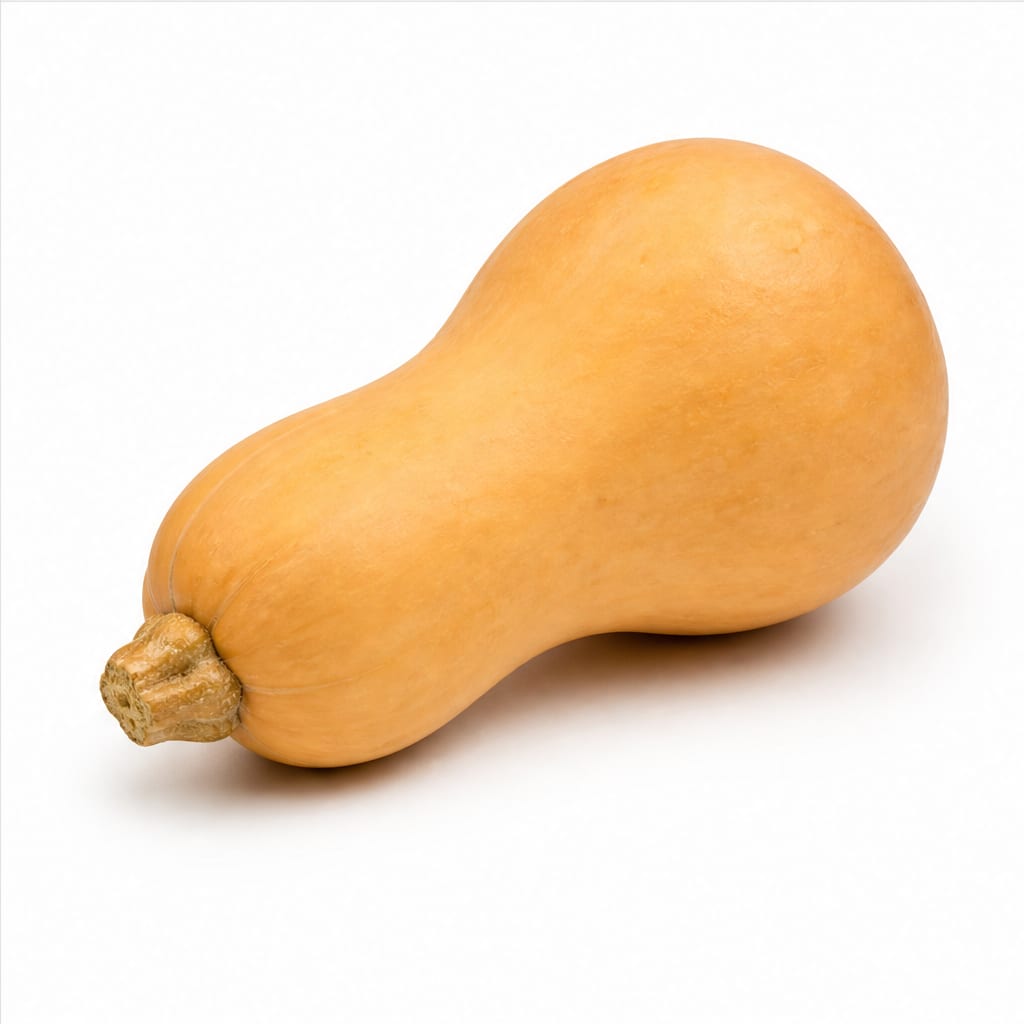
Butternut Squash
Eggplant is the low-calorie, low-carb champion, while butternut squash is the nutrient-dense, more satisfying option. Your pick depends on whether you're restricting carbs or chasing vitamins.
Butternut squash scores higher overall due to its superior vitamin content, better satiety, and broader versatility. Eggplant remains valuable for specific low-carb contexts but offers less nutritional return per serving.
Calorie and carb minimalism versus vitamin richness and satiety. Eggplant barely moves the needle on either; butternut squash delivers more of both.
At a glance
Executive summary
Overall
It depends
Healthier
Butternut Squash
More practical
Butternut Squash
Daily use
Butternut Squash
Key comparison lenses
low carb vs nutrient density
Eggplant is ultra-low carb while butternut squash offers far more vitamins, creating a classic tradeoff between carb restriction and nutritional payoff
weight loss plate vs satisfying side
Eggplant fills a plate with almost no calories, but butternut squash satisfies hunger longer with its natural sweetness and density
nightshade sensitivity
Eggplant belongs to the nightshade family, which triggers inflammation concerns for some people; butternut squash does not
meal versatility
Butternut squash works in both sweet and savory dishes, while eggplant is almost exclusively savory
Best choice for
Eggplant
- Strict low-carb or keto eaters
- People counting every calorie
- Those avoiding nightshades is NOT a concern
- Anyone wanting volume eating with minimal intake
Butternut Squash
- People wanting more vitamins, especially Vitamin A
- Those who find low-cal meals unsatisfying
- Families needing kid-friendly vegetable sides
- Anyone meal prepping hearty soups or roasted dishes
Least suitable for
Eggplant
- People with nightshade sensitivity or arthritis flares
- Anyone prone to oil-soaked cooking disasters
- Those needing calorie-dense fuel for active days
- Kids who dislike bitter or spongy textures
Butternut Squash
- Strict keto followers tracking every carb gram
- People managing blood sugar spikes from sweeter vegetables
- Anyone short on prep time (peeling is labor-intensive)
Deep comparison
Dimension by dimension
Each lens scores both foods and breaks down who each option suits.
- Dimension 1 · Priority 95Butternut Squash
Nutrient Density
Eggplant · 35Butternut Squash · 88Butternut squash is a Vitamin A powerhouse with over 400% daily value per cup, plus strong potassium and Vitamin C. Eggplant offers modest amounts of manganese and fiber but cannot compete on overall micronutrient impact.
Tradeoff
You sacrifice significant vitamin intake if you choose eggplant for its lower calorie count.
Why it matters
Vitamin A supports immunity, skin health, and vision. A single serving of butternut squash covers multiple days of this critical nutrient.
Real-world impact
Eating butternut squash regularly can meaningfully improve your Vitamin A status. Eggplant, while healthy, will not move the needle on any vitamin target.
Eggplant
- Avoiding excess sugar from sweeter vegetables
Better for
- Anyone at risk of Vitamin A deficiency
- Children needing nutrient-dense foods
Worse for
Butternut Squash
- Boosting immune function through Vitamin A
- Supporting eye health
- Getting more nutrition per serving
Better for
- Strict carb counters who cannot afford the sugar content
Worse for
- Dimension 2 · Priority 90Eggplant
Calorie Efficiency and Weight Loss
Eggplant · 92Butternut Squash · 65Eggplant delivers roughly 25 calories per cup versus 82 for butternut squash. For pure volume eating, eggplant lets you fill your plate with almost no caloric cost.
Tradeoff
Eggplant's low calorie count comes with low satiety. You may feel hungry sooner, potentially leading to overeating later.
Why it matters
Volume eating works for some but backfires if the meal never feels satisfying. Butternut squash's natural sweetness and density often prevent the post-meal snack attack.
Real-world impact
A big plate of roasted eggplant feels light—sometimes too light. Butternut squash feels like a real side dish that holds you over.
Eggplant
- Volume eaters who want big portions
- Anyone in a steep calorie deficit
- Intermittent fasters eating light meals
Better for
- Athletes needing fuel, not filler
- People who get hungry again within an hour
Worse for
Butternut Squash
- People who feel deprived on low-cal meals
- Those who prefer fewer but more satisfying servings
Better for
- Anyone precisely tracking calories downward
Worse for
- Dimension 3 · Priority 85Eggplant
Blood Sugar Impact
Eggplant · 90Butternut Squash · 68Eggplant has minimal carbs and almost no sugar, making it nearly neutral for blood sugar. Butternut squash contains more natural sugars and carbs, though its glycemic load remains moderate.
Tradeoff
Eggplant is safer for tight glucose control, but butternut squash's carbs come packaged with fiber that slows absorption significantly.
Why it matters
For diabetics or keto adherents, the carb difference is meaningful. For most others, butternut squash's glycemic impact is manageable and worth the nutritional payoff.
Real-world impact
Eggplant will not spike blood sugar at all. Butternut squash may cause a small rise, especially if roasted, which concentrates sugars.
Eggplant
- Type 2 diabetics monitoring every carb gram
- Keto and very-low-carb dieters
- People with insulin resistance
Better for
- Endurance athletes needing carbohydrate replenishment
Worse for
Butternut Squash
- Active people who need carb fuel for performance
- Those who tolerate moderate carbs well
Better for
- Anyone on a strict ketogenic protocol
- People experiencing blood sugar spikes from sweeter vegetables
Worse for
- Dimension 4 · Priority 82Butternut Squash
Satiety and Fullness
Eggplant · 45Butternut Squash · 80Butternut squash is denser, sweeter, and more filling. Eggplant's spongy texture and water content leave you less satisfied despite larger portions.
Tradeoff
You eat more eggplant by volume but feel less full. Butternut squash delivers satisfaction in a smaller, more calorie-costly package.
Why it matters
Satiety drives long-term dietary success. Foods that leave you hungry often lead to snacking that erases any calorie savings.
Real-world impact
After an eggplant-heavy meal, you might be hunting for snacks in an hour. Butternut squash tends to keep you comfortable until the next meal.
Eggplant
- People who prefer grazing over feeling full
Better for
- Emotional eaters who need meals to feel complete
- People prone to late-night snacking after light dinners
Worse for
Butternut Squash
- Anyone trying to reduce between-meal snacking
- Those who find light meals unsatisfying
- People eating fewer meals per day
Better for
- Anyone who dislikes feeling heavy after meals
Worse for
- Dimension 5 · Priority 78It depends
Anti-Inflammatory and Antioxidant Profile
Eggplant · 72Butternut Squash · 75Eggplant's purple skin delivers nasunin, a unique antioxidant that protects brain cell membranes. Butternut squash offers beta-carotene and Vitamin C, which fight systemic inflammation more broadly.
Tradeoff
Different antioxidant families serve different purposes. Nasunin is rare and neuroprotective; beta-carotene is widespread and immune-supportive.
Why it matters
Both foods contribute meaningfully to antioxidant intake but through entirely different pathways. Variety here matters more than choosing one over the other.
Real-world impact
Eating both regularly gives you complementary antioxidant coverage. Choosing only one means missing unique protective compounds.
Eggplant
- People interested in brain-health-specific antioxidants
- Those already getting plenty of beta-carotene from other sources
Better for
- Those with nightshade-triggered inflammation
Worse for
Butternut Squash
- Anyone wanting broad immune and anti-inflammatory support
- People who do not eat many orange vegetables
Better for
- Smokers where high-dose beta-carotene supplements have shown risk (food-level intake is safe)
Worse for
- Dimension 6 · Priority 72Butternut Squash
Cooking Practicality and Versatility
Eggplant · 55Butternut Squash · 82Butternut squash works in soups, roasts, purees, pasta sauces, and even baked goods. Eggplant is more limited and notoriously absorbs oil like a sponge when pan-fried.
Tradeoff
Eggplant requires careful cooking technique to avoid greasy results. Butternut squash is more forgiving and naturally delicious when simply roasted.
Why it matters
A vegetable you cook well and enjoy repeatedly beats one that frustrates you into ordering takeout.
Real-world impact
Roasted butternut squash cubes are almost foolproof. Poorly cooked eggplant can be bitter, oily, or mushy, turning people off entirely.
Eggplant
- Experienced cooks comfortable with salting and draining technique
- Mediterranean and Asian recipe enthusiasts
Better for
- People who default to pan-frying everything
- Those short on prep time
Worse for
Butternut Squash
- Meal preppers wanting easy, reliable sides
- Beginner cooks needing forgiving ingredients
- Anyone wanting sweet and savory flexibility
Better for
- Anyone without a sharp peeler or patience for peeling
Worse for
Timeline
Health impact over time
Short-term
Hours to days
Eggplant
- Very light feeling after eating due to minimal calorie load
- Potential digestive discomfort if undercooked or consumed in large quantities
- Oil absorption during cooking can dramatically increase calorie intake if pan-fried
Butternut Squash
- Comforting, satisfying fullness from natural density and sweetness
- Moderate blood sugar rise, especially noticeable in sensitive individuals
- Warming and energizing effect, particularly when roasted or in soup
Long-term
Months to years
Eggplant
- Consistent low-calorie intake supports weight maintenance when prepared without excess oil
- Nasunin from the skin may contribute to cognitive protection over time
- Nightshade compounds could aggravate joint pain or inflammation in susceptible individuals
Butternut Squash
- Sustained Vitamin A intake supports immune resilience, skin health, and vision
- Potassium content contributes to healthy blood pressure over time
- Natural sweetness may reduce cravings for processed sugary foods when used as a substitute
Risk profile
Safety & processing
Both eggplant and butternut squash are whole, unprocessed vegetables. The main concern is how you cook them—eggplant's oil absorption can turn a healthy vegetable into a calorie bomb, while butternut squash remains relatively healthy regardless of preparation method.
Eggplant
Nightshade sensitivity
mediumEggplant contains solanine, which can trigger joint pain, digestive issues, or inflammation in sensitive individuals. Most people tolerate it fine, but those with autoimmune conditions may notice flare-ups.
Oxalate content
lowEggplant contains moderate oxalates. Not a concern for most people, but those prone to kidney stones should be aware.
Pesticide residue
mediumEggplant typically appears on EWG's Dirty Dozen list. Washing and peeling helps, but peeling removes the most nutritious part—the purple skin.
Butternut Squash
Pesticide residue
lowButternut squash has a thick protective rind that shields the flesh from most pesticide exposure. It consistently ranks as a cleaner conventional produce choice.
Sugar content for diabetics
lowWhile not a safety risk per se, the natural sugars in butternut squash require carb-aware individuals to account for it in meal planning.
Who wins for whom
Audience fit
Same foods, different winners depending on your goal.
children
Butternut SquashButternut squash's natural sweetness and smooth texture when mashed make it far more kid-friendly than eggplant's bitter, spongy profile.
daily consumption
Butternut SquashButternut squash offers more consistent nutritional value day over day. Eggplant is healthy but provides less per serving and carries minor nightshade concerns with daily intake.
diabetes
EggplantEggplant's near-zero carb and sugar content makes it safer for tight glucose management. Butternut squash can fit in moderation but requires more careful portioning.
elderly
Butternut SquashButternut squash's Vitamin A supports aging immune systems and vision, and its soft texture when cooked is easy to eat. Eggplant's nightshade compounds may worsen joint discomfort some seniors experience.
muscle gain
Butternut SquashNeither vegetable is a protein source, but butternut squash provides more carbs to fuel training and replenish glycogen, making it more useful around workouts.
weight loss
It dependsEggplant wins for pure calorie counting, but butternut squash wins for sustainable weight loss because it satisfies hunger longer and reduces compensatory snacking.
Your move
Decision guide
Choose Eggplant
- You are on a strict low-carb or ketogenic diet
- You need maximum food volume with minimum calories
- You have no nightshade sensitivity and enjoy Mediterranean cooking
- You want a vehicle for absorbing bold flavors like garlic, tomato, and spices
Choose Butternut Squash
- You want more vitamins per serving, especially Vitamin A
- You find low-calorie meals unsatisfying and end up snacking later
- You are cooking for kids or picky eaters
- You want a versatile vegetable that works in soups, roasts, and even baked goods
- You have joint inflammation and want to avoid nightshades
Either works if
- You are simply trying to eat more vegetables overall
- You want to rotate antioxidant sources for broader coverage
- You are meal prepping a vegetable medley or roasted mix
Avoid both if
- You need a significant protein source—neither delivers meaningful protein
- You are looking for a quick no-cook vegetable option
Final recommendation
Butternut squash is the better everyday choice for most people because it delivers more nutrition, better satiety, and easier cooking. Choose eggplant when carb restriction is your top priority or when you want a low-calorie canvas for bold flavors. Ideally, rotate both to get complementary antioxidants—nasunin from eggplant and beta-carotene from butternut squash.
Practical
Consumer tips
- 1
Salt eggplant slices and let them sit 20 minutes before cooking to draw out bitterness and reduce oil absorption
- 2
Roast butternut squash with olive oil and cinnamon for an easy side that tastes like comfort food but is genuinely healthy
- 3
Buy pre-cubed butternut squash if peeling feels like too much work—the convenience is worth the small price premium
- 4
Keep the skin on eggplant when roasting—that is where most nasunin lives
- 5
Butternut squash freezes well after roasting, making it great for batch meal prep
- 6
If eggplant consistently feels greasy when you cook it, try roasting or grilling instead of pan-frying