
Nutrition comparison
Eggplant vs Tofu: Which Plant-Based Food Is Better for You?
Compare eggplant and tofu on protein, calories, satiety, and cooking behavior. Learn which fits your diet goals and when to use both together.
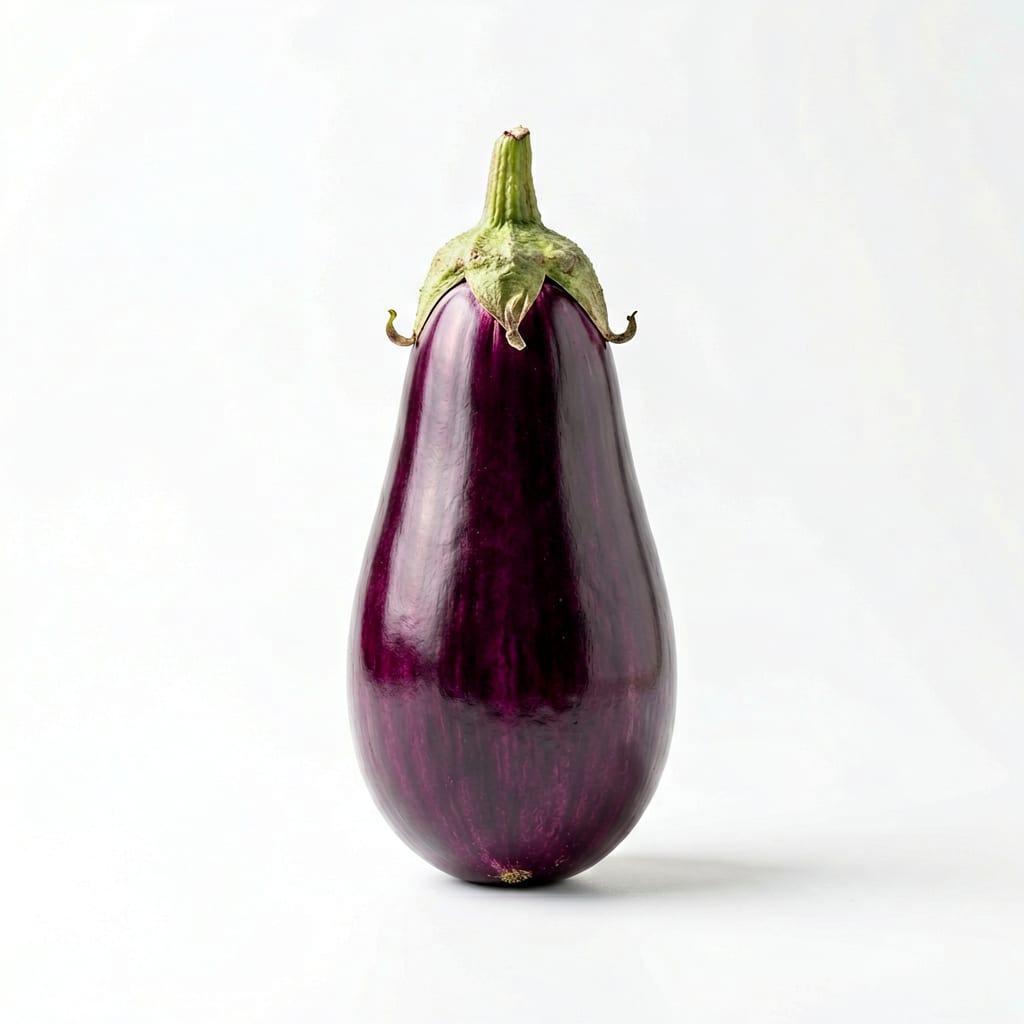
Eggplant
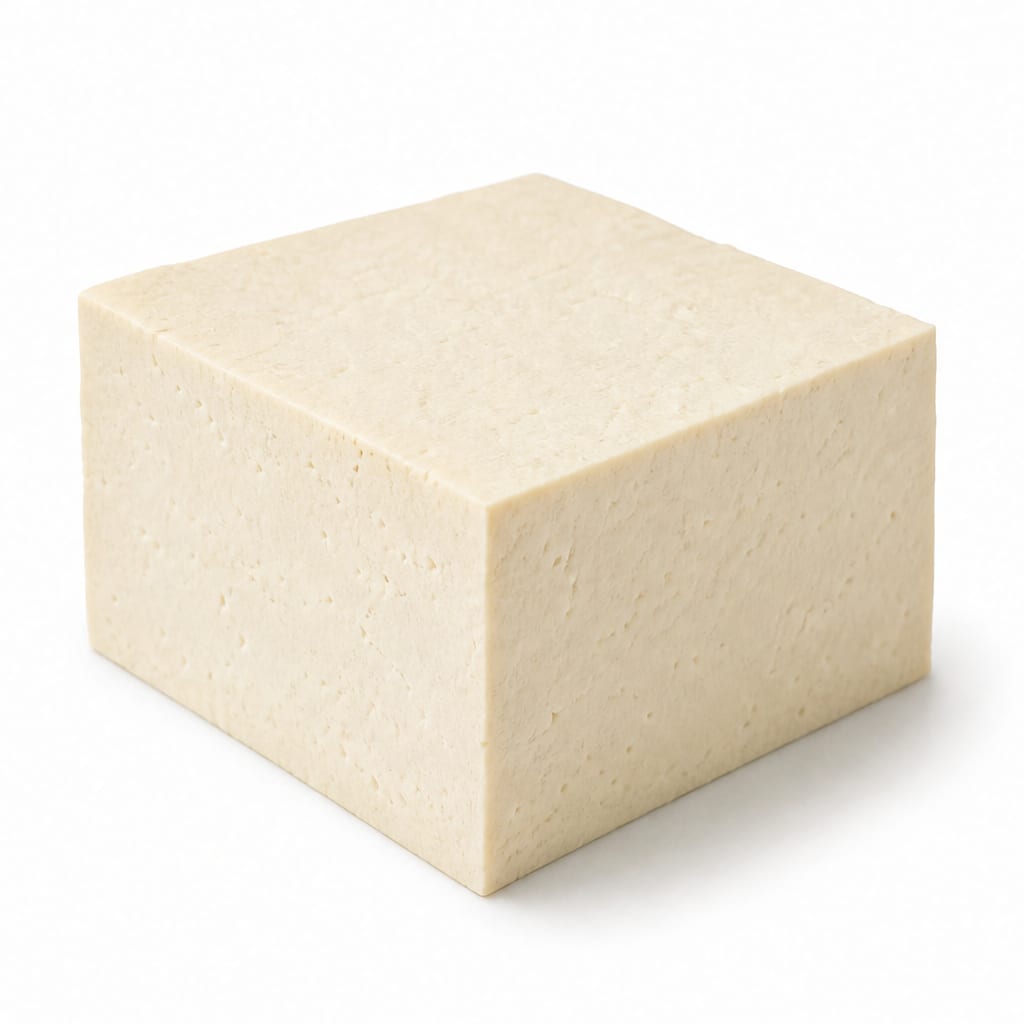
Tofu
Tofu delivers protein and lasting fullness; eggplant delivers bulk and antioxidants with almost no calories. They solve different problems.
Tofu scores higher primarily due to protein content, satiety value, and versatility as a dietary staple. Eggplant remains valuable but is nutritionally narrower and more dependent on cooking method.
Protein and satiety versus calorie density and whole-food simplicity. Tofu fills you up; eggplant fills your plate.
At a glance
Executive summary
Overall
It depends
Healthier
It depends
More practical
Tofu
Daily use
Tofu
Key comparison lenses
plant-based protein comparison
Tofu is a major plant protein source while eggplant provides almost none, making this the starkest difference between the two
whole food vs minimally processed choice
Eggplant is a whole vegetable straight from the ground; tofu requires coagulation and pressing of soy milk
weight loss strategy selection
Eggplant is extremely low in calories but tofu offers more satiety per serving, creating a genuine tradeoff
nightshade and soy sensitivity awareness
Both foods carry distinct intolerance risks that affect real-world digestibility
cooking behavior and oil absorption
Eggplant acts like a sponge for oil which can dramatically change its calorie content, while tofu behaves more predictably
Best choice for
Eggplant
- Low-calorie volume eaters who want big portions
- Antioxidant-focused diets emphasizing polyphenols
- People avoiding soy entirely
- Whole-food purists seeking unprocessed options
Tofu
- Vegetarians and vegans needing reliable protein
- Anyone wanting longer-lasting satiety from a meal
- Meal preppers seeking consistent texture and storage
- Older adults preserving muscle mass
Least suitable for
Eggplant
- Anyone relying on it as a protein source
- People sensitive to nightshades
- Those who dislike spongy textures
- Low-carb eaters wanting fat or protein density
Tofu
- People with soy allergies or intolerances
- Those avoiding even minimally processed foods
- Individuals concerned about GMO crops unless organic
- Anyone seeking crunch without extra preparation
Deep comparison
Dimension by dimension
Each lens scores both foods and breaks down who each option suits.
- Dimension 1 · Priority 95Tofu
Protein & Satiety
Eggplant · 8Tofu · 88Tofu provides roughly 8g of complete protein per 100g while eggplant offers under 1g. This is the single biggest difference between them.
Tradeoff
You gain lasting fullness and muscle support with tofu but give up the whole-food simplicity of eggplant.
Why it matters
Protein is the macronutrient most responsible for keeping you satisfied between meals. Without it, you get hungry faster.
Real-world impact
A tofu-based lunch keeps you full for 4-5 hours. An eggplant-based lunch may leave you snacking within 2 hours.
Eggplant
- Light eaters who prefer small frequent meals
- Anyone already meeting protein needs elsewhere
Better for
- Using eggplant as a main protein source will leave you undernourished
Worse for
Tofu
- Vegans and vegetarians building meals around protein
- Active people needing recovery nutrition
- Anyone trying to reduce between-meal snacking
Better for
- Those with soy allergies must avoid tofu entirely
Worse for
- Dimension 2 · Priority 82Eggplant
Caloric Efficiency
Eggplant · 92Tofu · 64Eggplant delivers roughly 25 calories per 100g raw. Tofu ranges from 55-144 calories depending on firmness. Eggplant lets you eat more volume for fewer calories.
Tradeoff
More food volume with eggplant, but those calories are mostly water and fiber rather than building blocks for your body.
Why it matters
If you eat for volume and satisfaction rather than fuel, eggplant is hard to beat. But low calories without protein can backfire.
Real-world impact
You can eat an entire roasted eggplant for under 100 calories. The same calories give you only a small cube of firm tofu.
Eggplant
- Volume eaters who feel satisfied by large portions
- Very low-calorie diet phases under supervision
Better for
- Relying on eggplant alone can lead to undereating without realizing it
Worse for
Tofu
- Anyone who finds that low-cal meals leave them ravenous
- People needing calorie density for weight maintenance or gain
Better for
- Calorie-dense firm tofu can quietly add up if portions are not measured
Worse for
- Dimension 3 · Priority 75Eggplant
Antioxidants & Phytonutrients
Eggplant · 86Tofu · 65Eggplant skin contains nasunin, a potent anthocyanin that protects brain cell membranes. Tofu offers isoflavones which support bone and heart health but are more debated.
Tradeoff
Eggplant gives you sharper antioxidant specificity; tofu gives you broader hormonal and bone benefits with more controversy.
Why it matters
Nasunin is rare in other foods. Isoflavones are common across soy products but their effects vary by individual and life stage.
Real-world impact
Eating eggplant with the skin on is like taking a targeted brain-health supplement. Tofu is more like a gentle daily tonic for hormones and bones.
Eggplant
- Brain health optimization through nasunin intake
- Colorful diet enthusiasts tracking anthocyanin diversity
Better for
- Peeling eggplant removes most of the nasunin benefit
Worse for
Tofu
- Postmenopausal women benefiting from isoflavones
- Bone density maintenance in aging adults
Better for
- Isoflavone effects are subtle and may take months to notice
Worse for
- Dimension 4 · Priority 78Eggplant
Processing & Naturalness
Eggplant · 95Tofu · 55Eggplant is a whole food eaten essentially as grown. Tofu requires soaking, grinding, coagulating, and pressing soybeans into a new form.
Tradeoff
Eggplant wins on purity and simplicity. Tofu wins on functional nutrition despite being more processed.
Why it matters
Minimally processed foods generally have more predictable effects on the body and fewer hidden additives.
Real-world impact
You can pick an eggplant and roast it. Tofu requires trusting a manufacturer's ingredient list and coagulation process.
Eggplant
- Clean-eating advocates avoiding all processed foods
- People with chemical sensitivities to coagulants
Better for
- Minimal processing means shorter shelf life and faster spoilage
Worse for
Tofu
- Pragmatists who prioritize nutritional outcome over processing level
Better for
- Some tofu brands add calcium sulfate or magnesium chloride which may concern purists
Worse for
- Dimension 5 · Priority 70It depends
Digestive Tolerance & Allergen Risk
Eggplant · 60Tofu · 58Eggplant is a nightshade that triggers joint pain or digestive upset in sensitive individuals. Tofu contains soy, one of the top eight allergens. Both carry real but different risks.
Tradeoff
Nightshade sensitivity versus soy allergy. Your personal biology determines which is safer for you.
Why it matters
A food that is perfectly healthy for most people can be genuinely harmful to you specifically.
Real-world impact
If eggplant makes your knees ache the next day, no antioxidant benefit justifies eating it. If tofu gives you hives, its protein is irrelevant.
Eggplant
- People with confirmed soy allergy or intolerance
- Those who tolerate nightshades well
Better for
- Nightshade-sensitive individuals may experience joint pain or bloating
Worse for
Tofu
- People with confirmed nightshade sensitivity
- Those who digest soy without issues
Better for
- Soy-allergic individuals must avoid tofu completely
Worse for
- Dimension 6 · Priority 65Tofu
Cooking Behavior & Oil Absorption
Eggplant · 35Tofu · 78Eggplant absorbs oil like a sponge, often turning a low-calorie vegetable into a calorie bomb. Tofu releases moisture and browns predictably with minimal added fat.
Tradeoff
Eggplant rewards careful technique but punishes careless cooking. Tofu is more forgiving and consistent.
Why it matters
How a food behaves in the pan determines what you actually eat, not what the raw nutrition label says.
Real-world impact
Pan-fried eggplant can absorb 3-4 tablespoons of oil per medium vegetable. That adds 350-500 hidden calories. Tofu needs just a light coating to crisp.
Eggplant
- Experienced cooks who salt and press eggplant before cooking
- Baking or grilling enthusiasts who avoid pan-frying
Better for
- Carelessly fried eggplant can become one of the highest-calorie vegetable dishes possible
Worse for
Tofu
- Beginner cooks wanting predictable results
- Anyone monitoring added fat intake without meticulous technique
Better for
- Tofu's blandness requires seasoning skill to make it enjoyable
Worse for
Timeline
Health impact over time
Short-term
Hours to days
Eggplant
- Very light feeling after eating due to low calorie density
- Possible bloating if consumed with heavy oil absorption
- Quick digestion leaving you hungry again within 1-2 hours
Tofu
- Noticeable fullness lasting 3-5 hours after a proper serving
- Mild digestive adjustment period if your body is unaccustomed to soy
- Steadier energy without the crash that follows low-protein meals
Long-term
Months to years
Eggplant
- Consistent antioxidant intake supporting brain and cardiovascular health
- Risk of inadequate protein if eggplant replaces protein sources regularly
- Possible nightshade-related joint inflammation in susceptible individuals
Tofu
- Improved bone density from isoflavones and often-added calcium
- Better muscle maintenance especially important after age 40
- Mild hormonal modulation from isoflavones that is beneficial for most but requires caution with certain thyroid conditions
Risk profile
Safety & processing
Eggplant is a whole food with essentially no processing. Tofu is processed but uses traditional methods with minimal additives. Neither contains artificial preservatives or emulsifiers in standard forms.
Eggplant
Solanine exposure
lowEggplant contains small amounts of solanine, a natural toxin found in nightshades. Normal consumption is safe but very large quantities could cause digestive distress.
Oxalate content
lowEggplant contains moderate oxalates which are rarely problematic unless you have a history of calcium oxalate kidney stones.
Pesticide residue on skin
mediumEggplant is typically on the EWG's Dirty Dozen list. The skin that holds the most antioxidants also holds the most residue. Choose organic when possible.
Tofu
GMO soy exposure
mediumOver 90% of US soy is genetically modified. Unless labeled organic or non-GMO verified, assume conventional tofu comes from GMO soybeans.
Soy allergen
highSoy is a top eight allergen. Reactions can range from mild hives to anaphylaxis. This is a hard exclusion, not a moderation issue.
Thyroid interaction
lowIsoflavones may mildly interfere with thyroid function in iodine-deficient individuals. This is rarely an issue with adequate iodine intake.
Who wins for whom
Audience fit
Same foods, different winners depending on your goal.
children
TofuGrowing bodies need protein more than volume. Tofu provides building blocks for development. Eggplant is fine as a side but insufficient as a staple.
daily consumption
TofuTofu provides daily nutritional value that compounds over time. Eggplant is healthy but nutritionally thin for daily reliance without protein pairing.
diabetes
TofuBoth are low glycemic, but tofu's protein stabilizes blood sugar longer. Eggplant alone may cause a quicker return of hunger that leads to poor snacking choices.
elderly
TofuOlder adults face sarcopenia risk and need consistent protein intake. Tofu also offers bone-supporting isoflavones and often added calcium.
muscle gain
TofuTofu provides complete protein with all essential amino acids. Eggplant contributes essentially nothing toward muscle building.
weight loss
It dependsEggplant wins for volume-based low-calorie approaches. Tofu wins for satiety-driven approaches that reduce snacking. Your eating psychology determines the winner.
Your move
Decision guide
Choose Eggplant
- You want maximum food volume with minimum calories
- You are already hitting protein targets from other sources
- You value whole unprocessed foods above all else
- You enjoy cooking and can manage oil absorption with proper technique
- You are avoiding soy for personal or medical reasons
Choose Tofu
- You need a reliable plant protein that actually keeps you full
- You are vegan or vegetarian and building meals around protein
- You want a versatile staple that works from breakfast to dinner
- You are concerned about muscle maintenance as you age
- You meal prep and want something that stores and reheats well
Either works if
- You are building a stir-fry and can use both for complementary texture
- You want variety in your plant-based diet across the week
- Neither food triggers any personal sensitivity or allergy
Avoid both if
- You have both a soy allergy and nightshade sensitivity
- You are seeking a single food that provides complete nutrition alone
Final recommendation
Use both. Tofu is the nutritional anchor and eggplant is the volume and flavor enhancer. Together in a single dish they create a meal that is filling, nutrient-rich, and calorically reasonable. If you must pick one, tofu serves more dietary needs more consistently.
Practical
Consumer tips
- 1
Salt eggplant slices and let them sit 20 minutes before cooking to draw out water and reduce oil absorption dramatically
- 2
Choose firm or extra-firm tofu for stir-frying and baking; silken tofu only works for smoothies and desserts
- 3
Buy organic tofu to avoid GMO soy unless the brand explicitly states non-GMO verification
- 4
Never peel eggplant if you want the nasunin antioxidants — they live almost entirely in the dark purple skin
- 5
Press tofu for 15-30 minutes between paper towels under a heavy pan for better browning and crispier texture
- 6
Freeze and thaw firm tofu before cooking to create a spongier texture that absorbs marinades more deeply
- 7
Pair eggplant with a protein source like chickpeas or tofu to prevent the hunger rebound that follows low-protein vegetable meals