
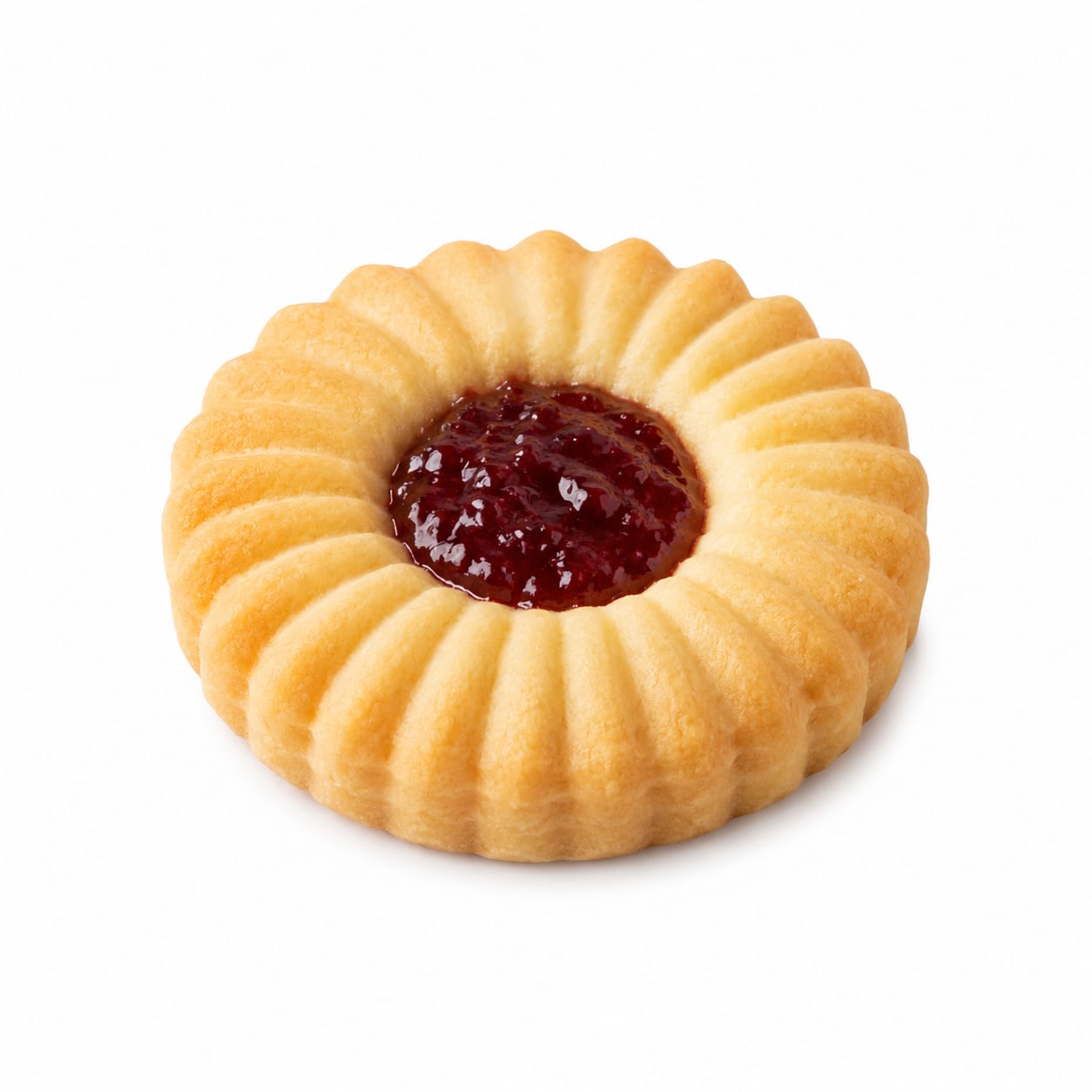
Berry
Dewberry
A low-growing, dark purple bramble fruit similar to a blackberry, high in fiber and antioxidants.
Dewberries are small, dark purple to black trailing bramble fruits closely related to blackberries. They grow low to the ground and offer a sweet-tart flavor profile with high fiber and antioxidant content.
high-fiber low-sugar antioxidant berry
Typical serving · 100g
Common varieties · northern dewberry, southern dewberry, pacific dewberry, european dewberry, lucretia dewberry
Overall context score across nutrition, safety, and diet fit
At a glance
Quick facts
Simple indicators based on nutrition, processing, and diet fit.
The story
What makes it unique
Dewberries digest moderately slowly due to their high dietary fiber and water content, promoting sustained satiety and stable blood glucose. Their macronutrient profile is low in calories and sugar while being rich in micronutrients like vitamin C, vitamin K, and manganese. As a raw whole food, they undergo no processing, preserving their anthocyanin concentration.
Varieties: northern dewberry · southern dewberry · pacific dewberry · european dewberry · lucretia dewberry
Per 100g
Nutrition breakdown
Macro balance and key metrics at a glance.
Energy
Density 0.43 kcal/g
Protein
Carbs
Fat
Fiber
Sugar
4.9 g
Sodium
1 mg
Potassium
162 mg
Glycemic index
25
Glycemic load
2
Water content
88%
Standout compounds
Nutrient highlights
Dietary Fiber
highPromotes satiety, stabilizes blood sugar, and feeds beneficial gut bacteria.
Vitamin C
moderateSupports immune function, collagen synthesis, and acts as an antioxidant.
Vitamin K
moderateEssential for blood clotting and bone metabolism.
Manganese
moderateSupports metabolism, bone formation, and oxidative stress defense.
Anthocyanins
highPotent antioxidants that reduce inflammation and protect against cellular damage.
Wellness map
Health scores & processing
NOVA processing scale
unprocessed · Whole food
Raw dewberries are whole, unprocessed fruits harvested directly from the plant with no alterations or added ingredients.
Diet compatibility
- Weight loss
- Muscle gain
- Diabetes
- Gut health
- Low carb
- High protein
- Heart health
Relative standing
Food rankings
Qualitative ranks compared to similar whole foods.
- Satietyexcellent
- Blood sugarexcellent
- Nutrient densityexcellent
- Fitness fuelmoderate
- Processing qualityexcellent
Eat with confidence
Food safety profile
Dewberries are generally safe, but their bumpy texture can trap soil and microbes. Conventional farming uses pesticides that can linger in the drupelets.
Evidence confidence 85%
- Pesticidesmoderate
- Antibioticslow
- Heavy metalslow
- Contaminationlow
Watch for
- soil bacteria
- pesticide residue
- spider mites
Safer choices
Organic dewberries to avoid pesticide residues.
Prep tips
Rinse gently under cold running water just before eating. Avoid soaking, as they absorb water and become mushy.
Conventional bramble fruits often retain pesticide residues; washing is essential.
Deep dive
Health analysis
How this food may fit different goals and preparation choices.
Weight loss
Low energy density and high water and fiber content create physical fullness without excess calories, making them ideal for volume eating.
Blood sugar
Low glycemic index and load combined with high fiber slow sugar absorption, preventing glucose spikes and supporting insulin sensitivity.
Fitness & energy
Provides modest, slow-releasing carbohydrates suitable for light activity, but lacks the rapid energy or protein needed for intense workout fuel or recovery.
Gut health
Excellent source of both soluble and insoluble fiber, promoting healthy bowel movements and feeding beneficial gut microbiota.
Processing quality
A completely unprocessed whole food, retaining all native phytonutrients and fiber structure.
Food safety
Primary concerns are pesticide residues from conventional farming and potential soil-borne microbes trapped in the berry's crevices.
Common mistakes
Washing them too far in advance causes rapid spoilage and mold growth due to trapped moisture.
Best preparation
Consumed fresh and raw to preserve heat-sensitive vitamin C and antioxidants, or blended into smoothies.
Practical guide
Best use cases
When and how this food fits real eating patterns.
Low-calorie snacking
A sweet but low-calorie option for curbing sugar cravings without breaking a calorie budget.
Gut-friendly breakfast addition
Adding fiber and antioxidants to oatmeal, yogurt, or chia pudding to support digestion.
Antioxidant boost
Blending into smoothies to increase anthocyanin intake for cellular protection and heart health.
Diabetic-friendly dessert
A naturally sweet, low-glycemic fruit option that satisfies sweet teeth without spiking blood sugar.
Balance sheet
Pros & cons
Upsides
- Very high in dietary fiber for satiety and gut health
- Low glycemic index makes it safe for blood sugar management
- Rich in anthocyanins and antioxidants
- Low calorie and low energy density
- Good source of vitamin C and manganese
Trade-offs
- Highly perishable and bruises easily
- Seasonal and can be hard to find in grocery stores
- Seeds can be bothersome for some people
- Conventional varieties often have moderate pesticide residue
Fit check
Who is it for?
Great match
- weight loss
- blood sugar control
- gut health improvement
- low-carb diets
- antioxidant supplementation
Consider alternatives
- high-calorie bulking diets
- low-fiber diets
- people with seed sensitivities
Side by side
How it compares
Open the full head-to-head analysis for nutrition, safety, and practical tradeoffs.
This food
Dewberry
VS95% alike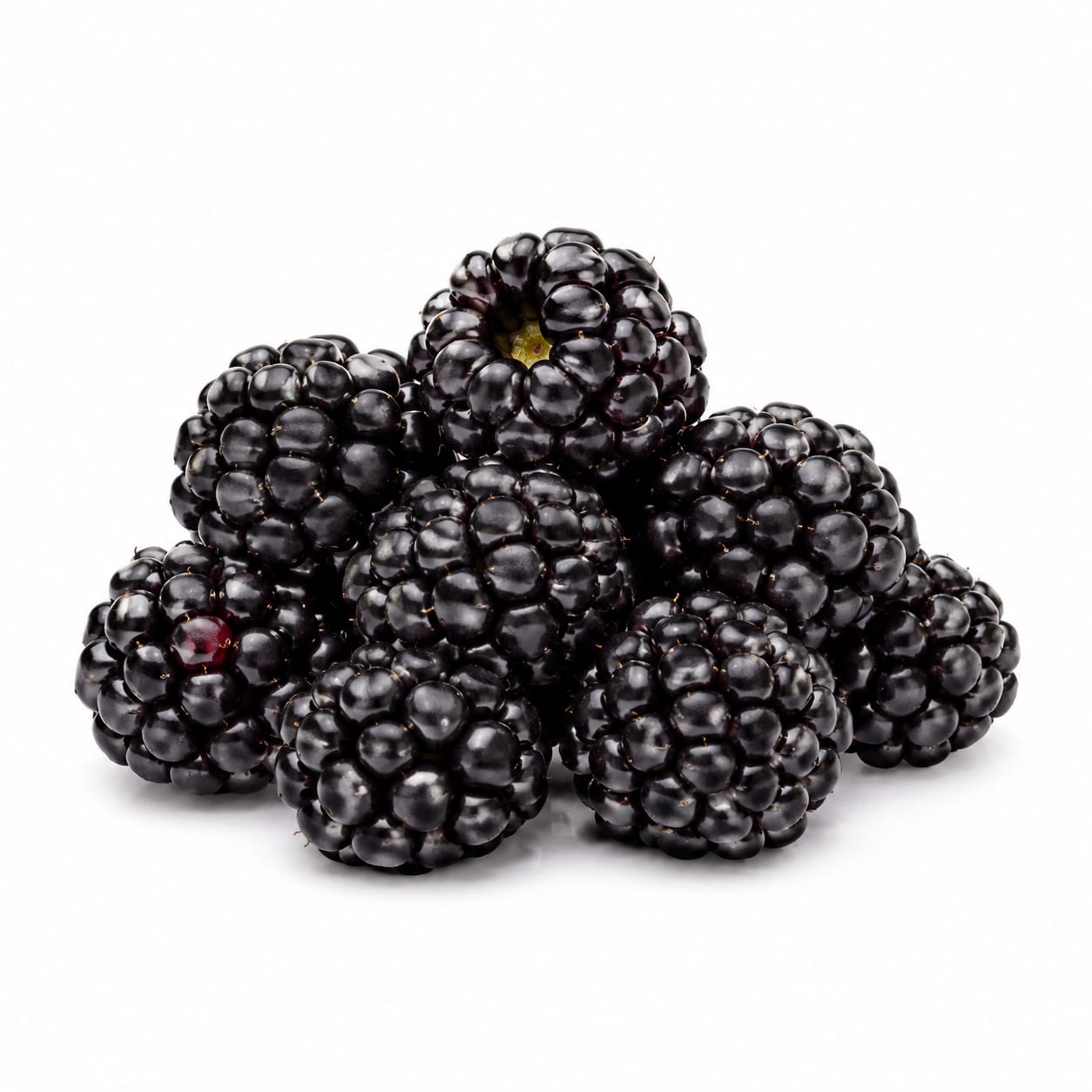
Compare with
Blackberry
Dewberries and blackberries are nutritionally almost identical, offering the same high fiber and low sugar benefits.
Dewberries and blackberries are nutritionally almost identical, offering the same high fiber and low sugar benefits, though dewberries are slightly sweeter and grow on trailing vines.
This food
Dewberry
VS85% alike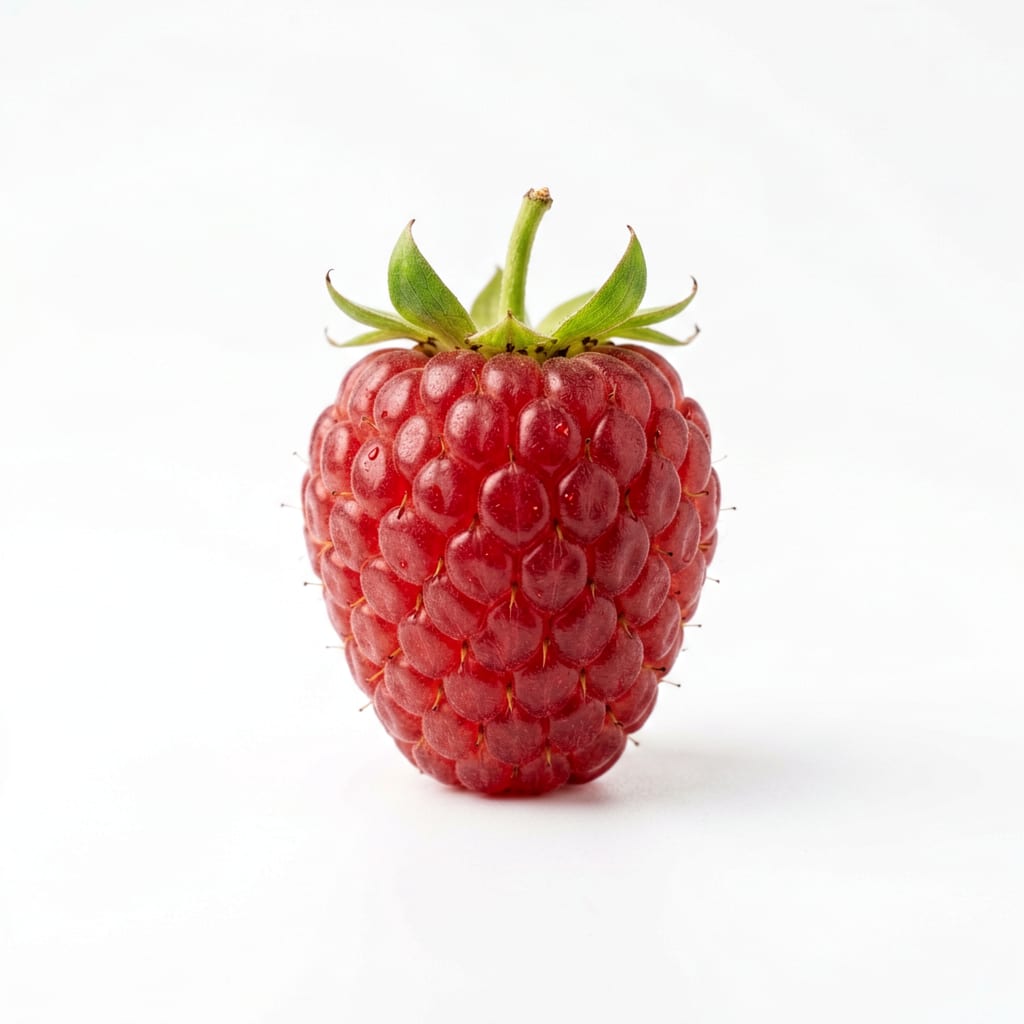
Compare with
Raspberry
Raspberries have slightly more fiber and less sugar than dewberries.
Raspberries edge out dewberries slightly for weight loss and blood sugar control due to higher fiber and lower sugar, but both are excellent low-calorie berries.
This food
Dewberry
VS75% alike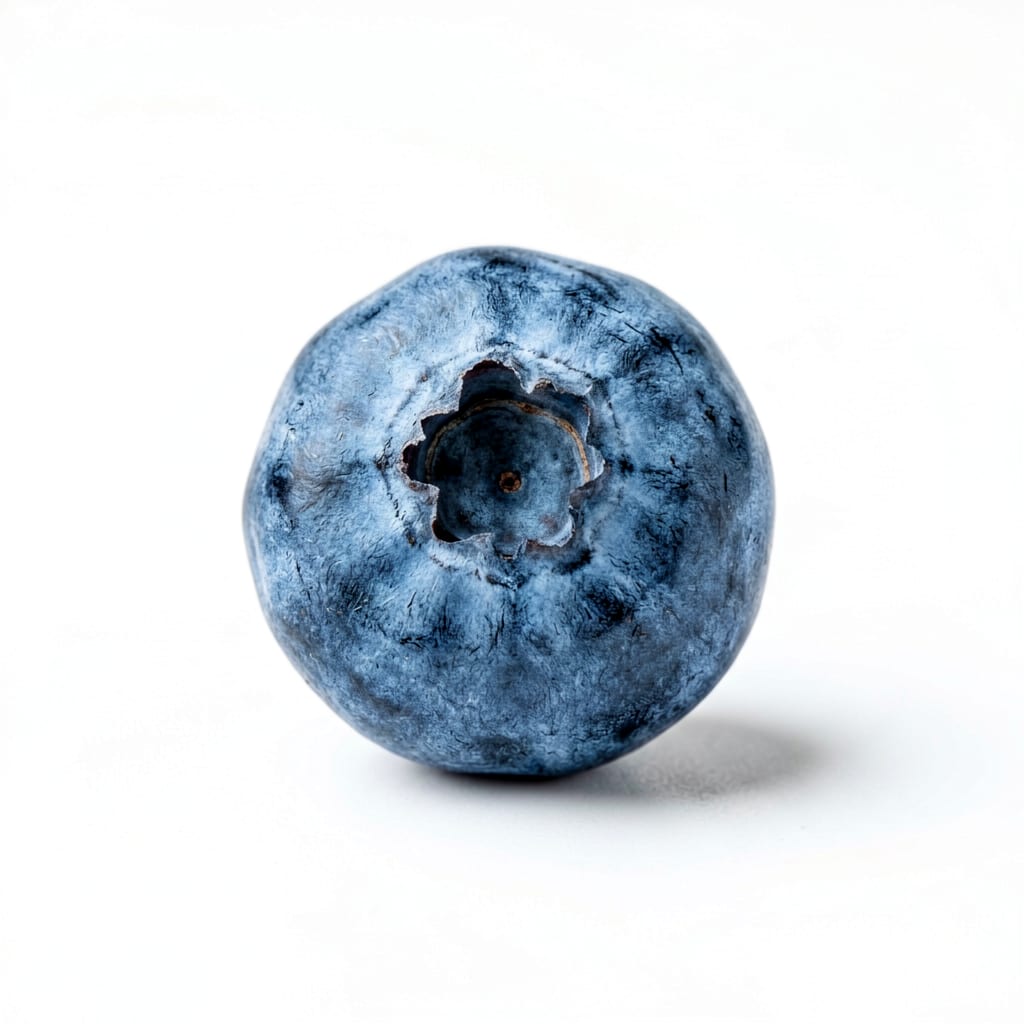
Compare with
Blueberry
Blueberries are sweeter with less fiber and a higher glycemic impact than dewberries.
Dewberries are better for blood sugar control and satiety than blueberries due to higher fiber and lower sugar, while blueberries offer slightly more quick energy.
This food
Dewberry
VS70% alike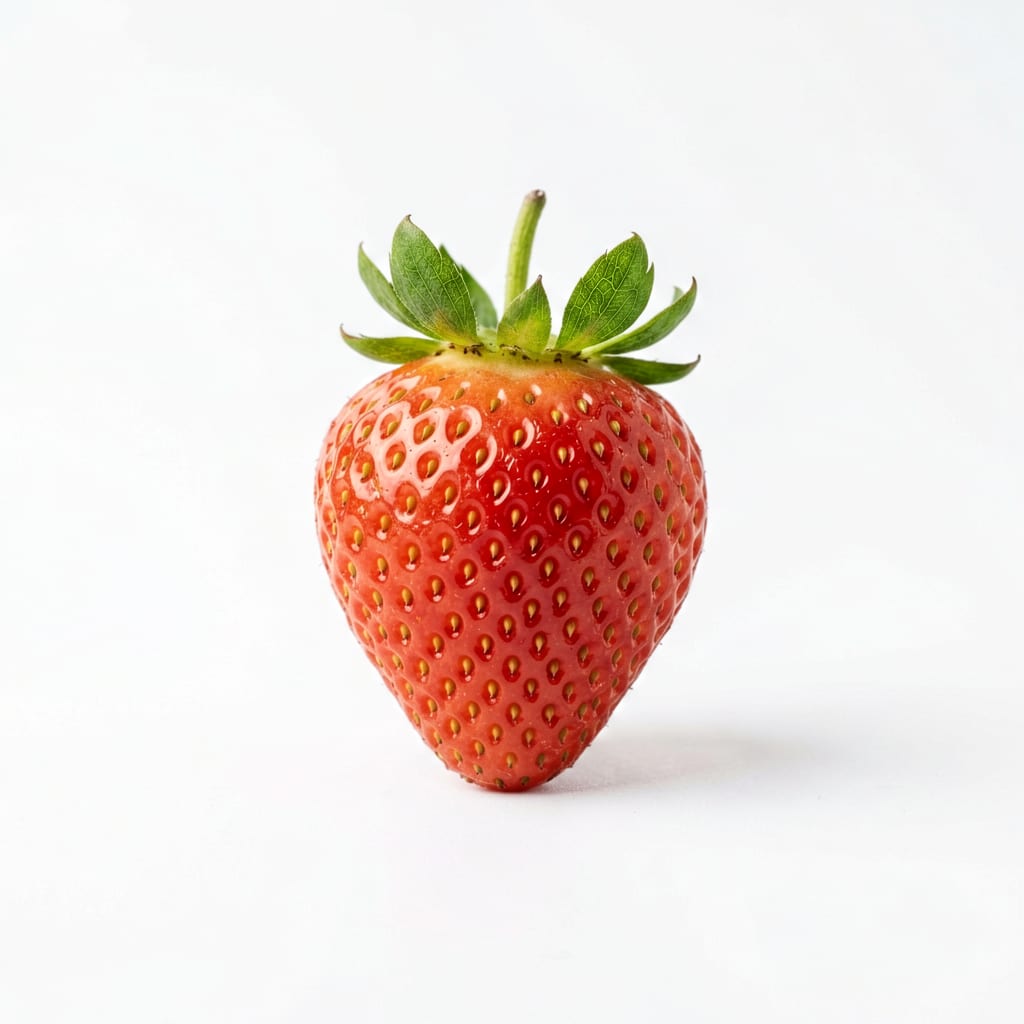
Compare with
Strawberry
Strawberries are lower in calories and higher in vitamin C, but dewberries provide more fiber.
Strawberries are lower in calories than dewberries, but dewberries offer significantly more fiber for gut health and satiety.
This food
Dewberry
VS80% alike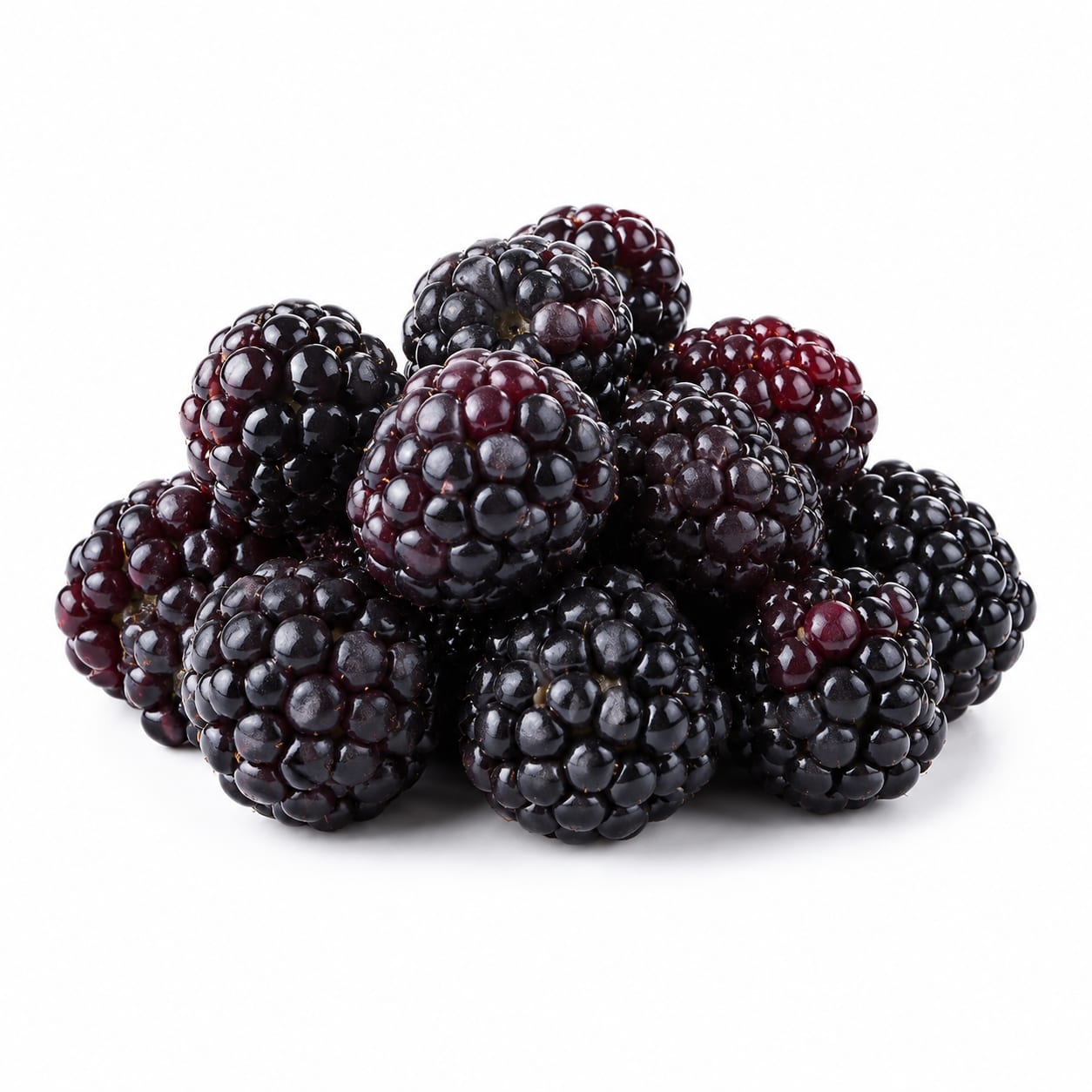
Compare with
Boysenberry
Boysenberries are larger and slightly sweeter with a marginally higher sugar content.
Dewberries are slightly lower in sugar and calories than boysenberries, making them a marginally better choice for strict blood sugar control.
This food
Dewberry
VS75% alike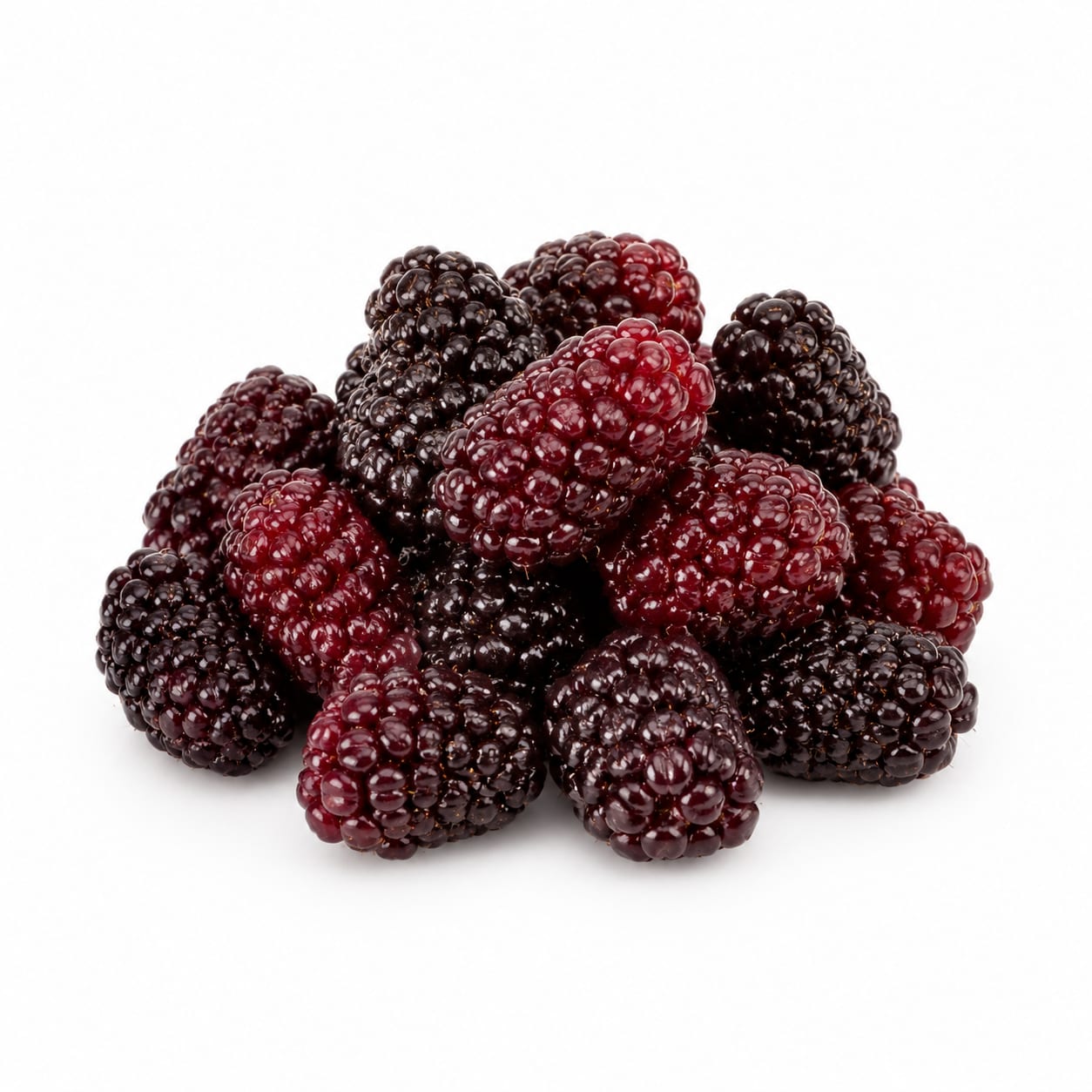
Compare with
Loganberry
Loganberries are a blackberry-raspberry cross with a tart flavor and similar fiber profile.
Loganberries and dewberries are nutritionally comparable, both offering high fiber and low sugar for stable blood sugar and weight management.
This food
Dewberry
VS85% alike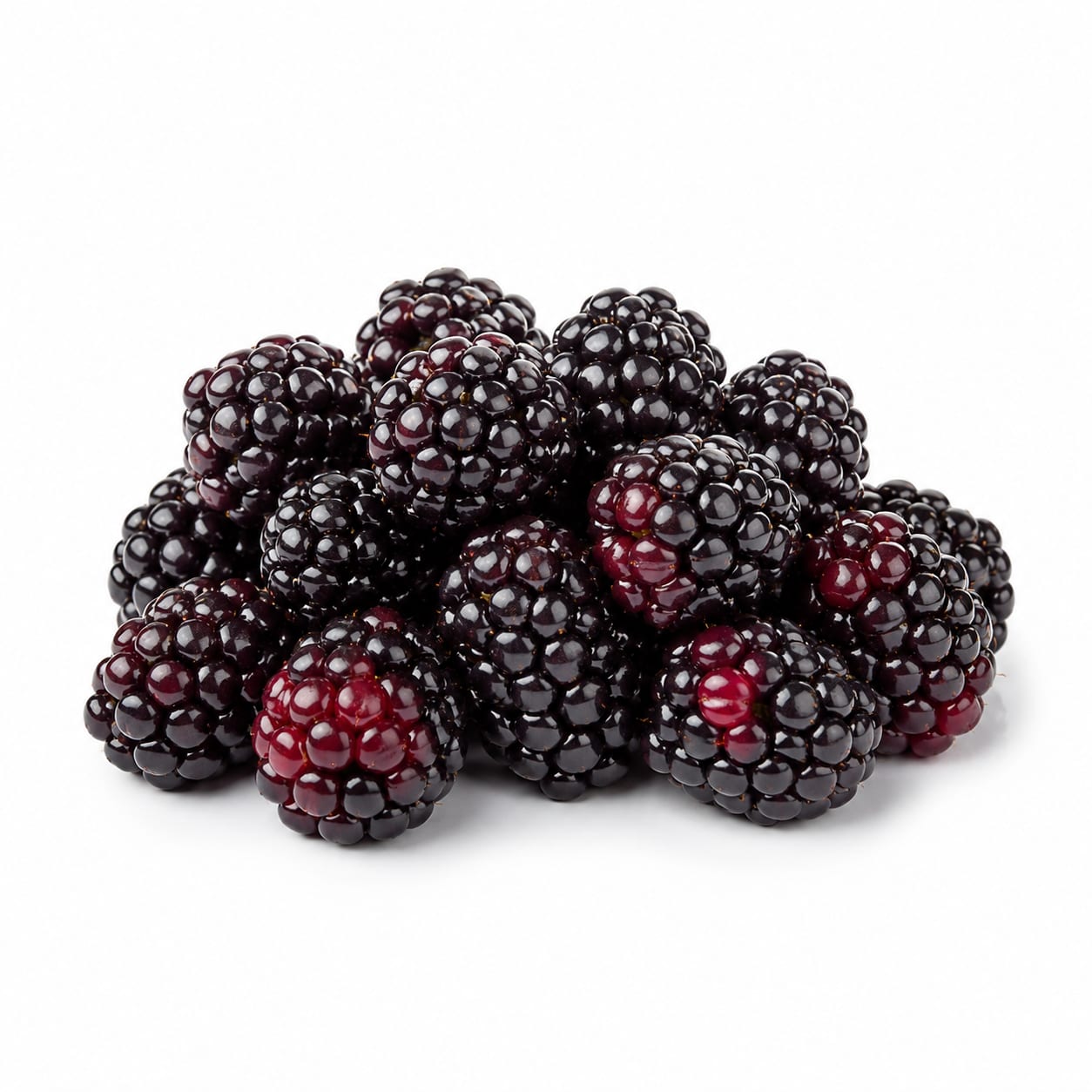
Compare with
Marionberry
Marionberries are a specific type of blackberry with a slightly sweeter, more robust flavor.
Dewberries and marionberries share similar fiber content, but dewberries tend to be slightly lower in sugar, benefiting blood sugar control.
This food
Dewberry
VS60% alike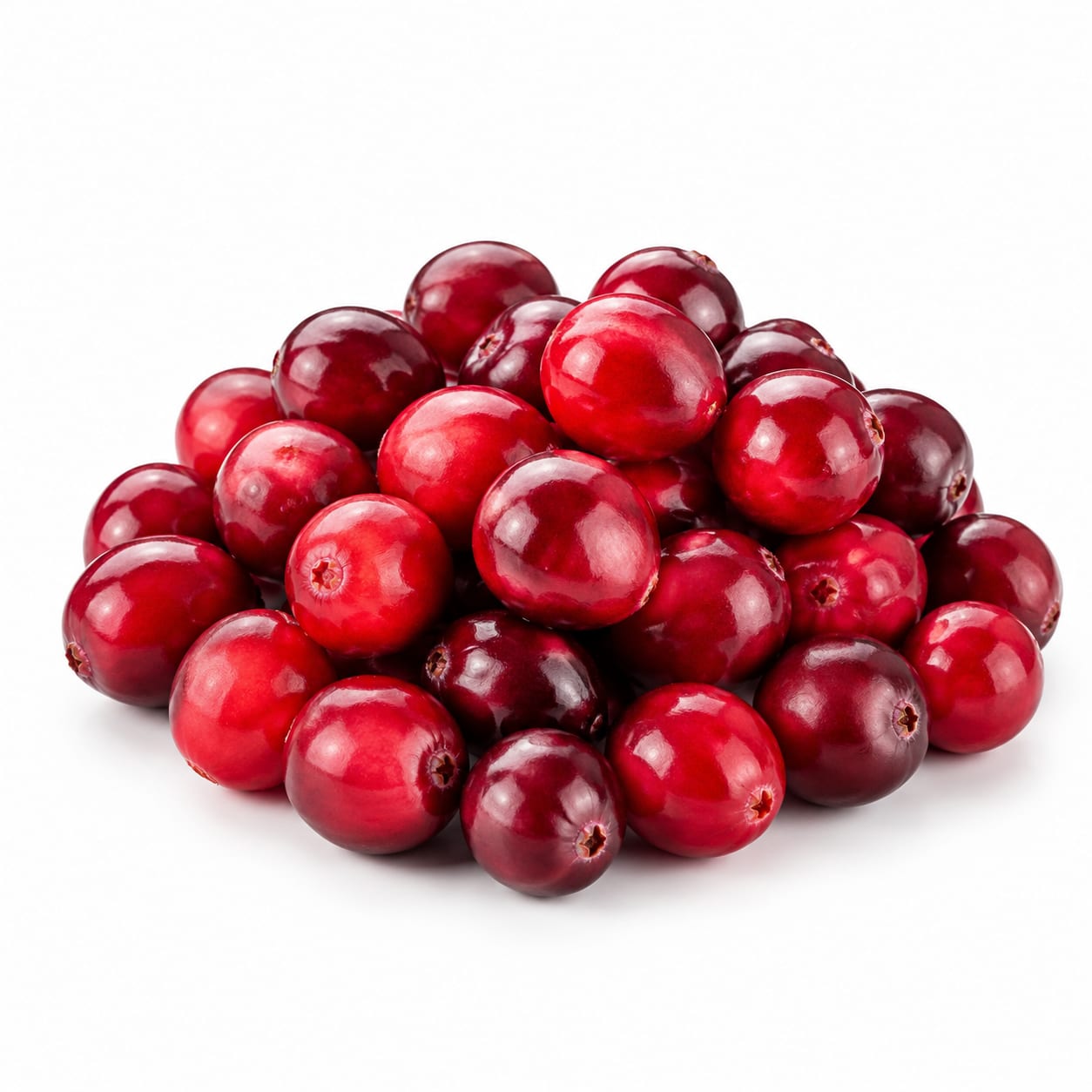
Compare with
Cranberry
Cranberries are much tarter, significantly lower in sugar, and higher in specific urinary tract antioxidants.
Fresh cranberries are lower in sugar than dewberries, but dewberries are much sweeter and higher in fiber, making them better for satiety.
This food
Dewberry
VS55% alike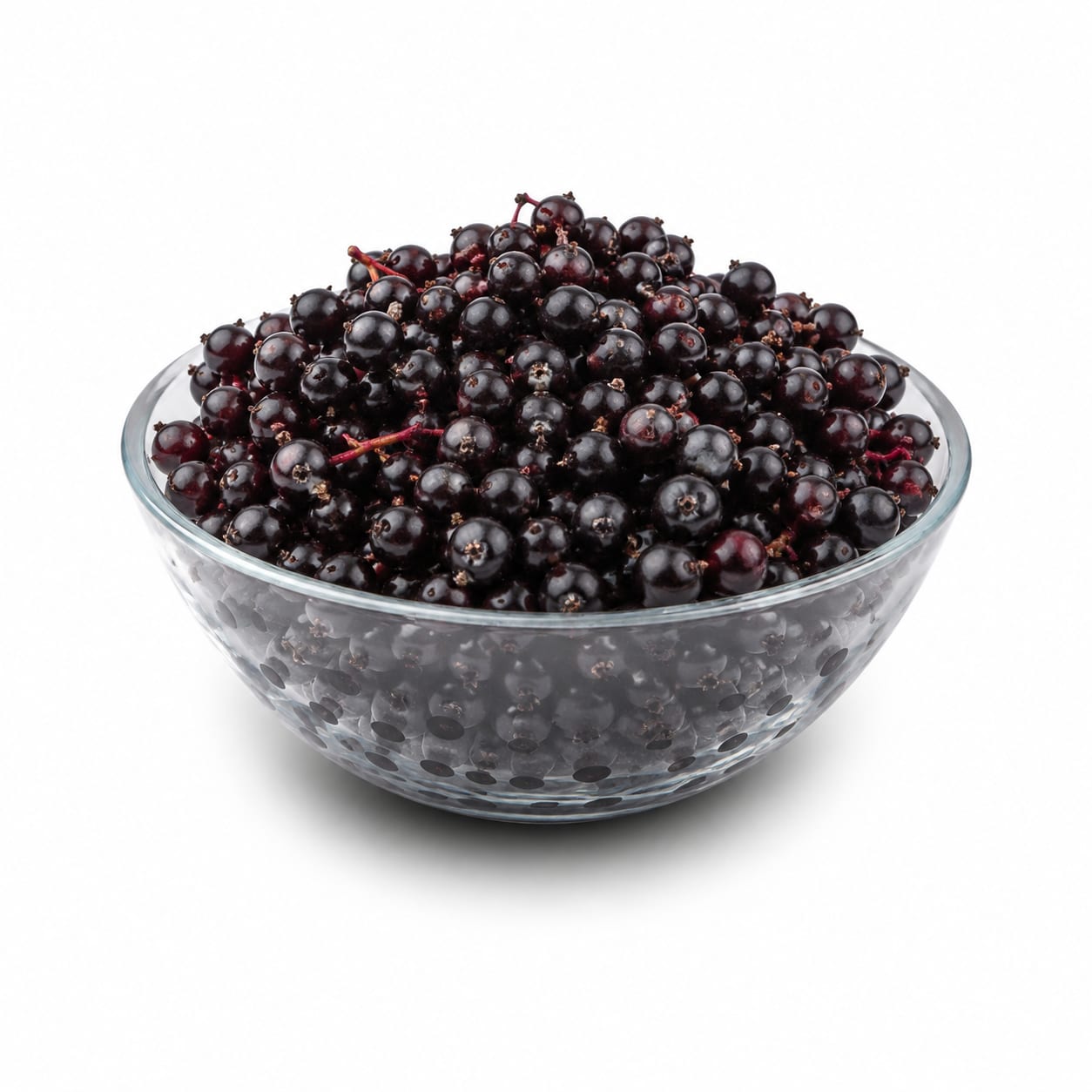
Compare with
Elderberry
Elderberries are renowned for immune benefits but must be cooked, whereas dewberries are eaten raw.
Dewberries are better for raw snacking and fiber intake, while elderberries are primarily used cooked for immune support and have lower raw palatability.
This food
Dewberry
VS50% alike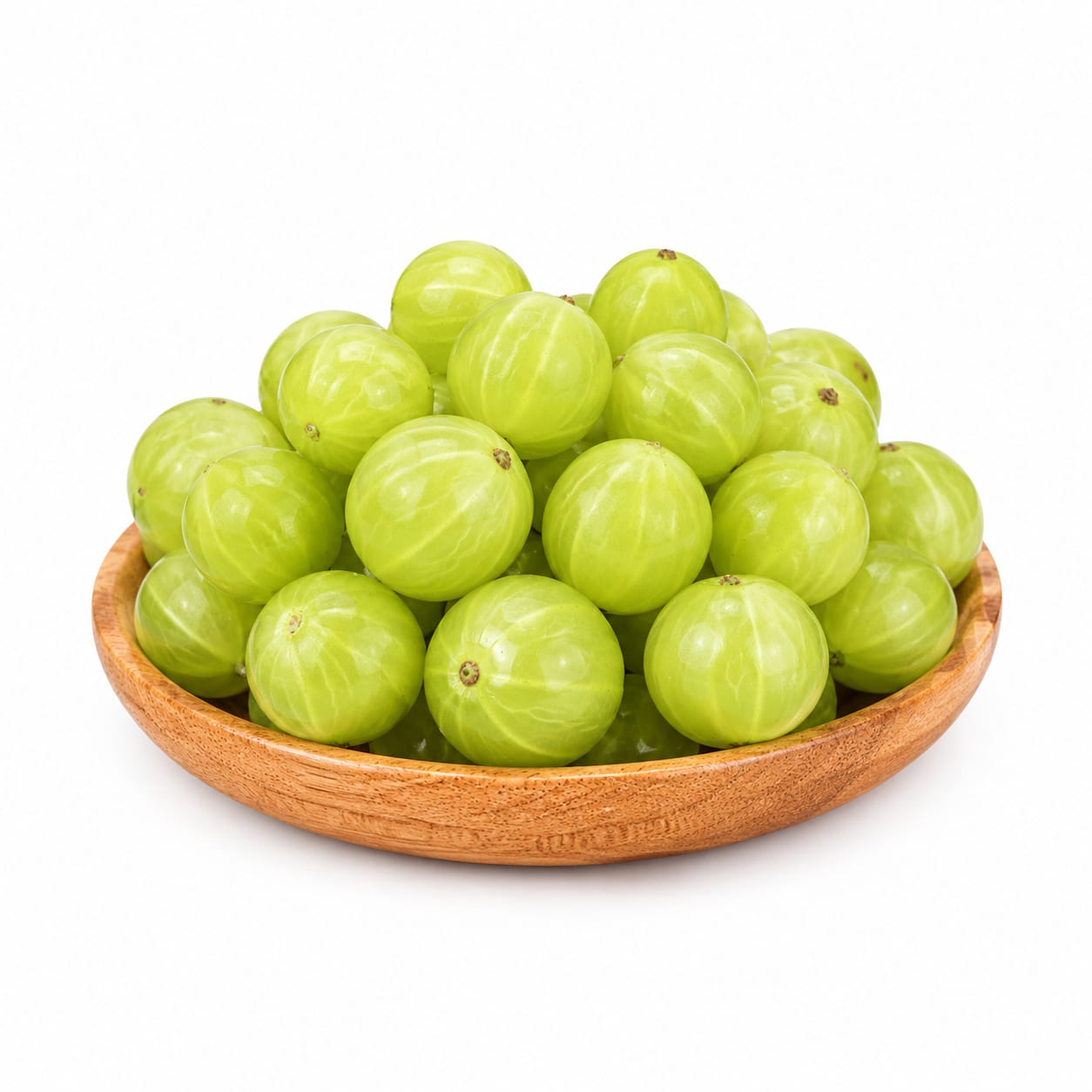
Compare with
Gooseberry
Gooseberries are tart, crisp berries with slightly more vitamin C and similar fiber.
Gooseberries and dewberries offer similar low-calorie and high-fiber profiles, though dewberries are sweeter and softer while gooseberries are tart and crisp.
Common questions
FAQ
Answers aligned with how people search for this food.
Are dewberries and blackberries the same thing?
No, but they are closely related. Dewberries grow on trailing vines close to the ground, while blackberries grow on upright canes. Nutritionally, they are almost identical.
Can diabetics eat dewberries?
Yes. Dewberries have a low glycemic index and are very high in fiber, which slows down sugar absorption and helps maintain stable blood glucose levels.
Are dewberries good for weight loss?
Absolutely. They are very low in calories and high in water and fiber, which helps you feel full longer without consuming excess energy.
Can you eat dewberries raw?
Yes, dewberries are delicious raw and this is the best way to consume them to preserve their heat-sensitive vitamin C and antioxidant content.
Do dewberries have a lot of sugar?
No, dewberries are relatively low in sugar compared to other fruits, containing only about 5 grams of sugar per 100 grams, balanced by over 5 grams of fiber.
How should I store fresh dewberries?
Store them unwashed in the refrigerator in a breathable container. Wash them gently right before eating to prevent mold and premature spoilage.
Transparency
Data confidence
Estimated confidence for nutrition data, interpretation, safety notes, and comparisons.
Nutrition data
Health analysis
Food safety
Comparisons