
Nutrition comparison
Dewberry vs Strawberry: Nutrition, Antioxidants, and Which Berry to Pick
Compare dewberry and strawberry nutrition, antioxidant content, pesticide safety, and practicality. Find out which berry fits your health goals and lifestyle best.

Dewberry
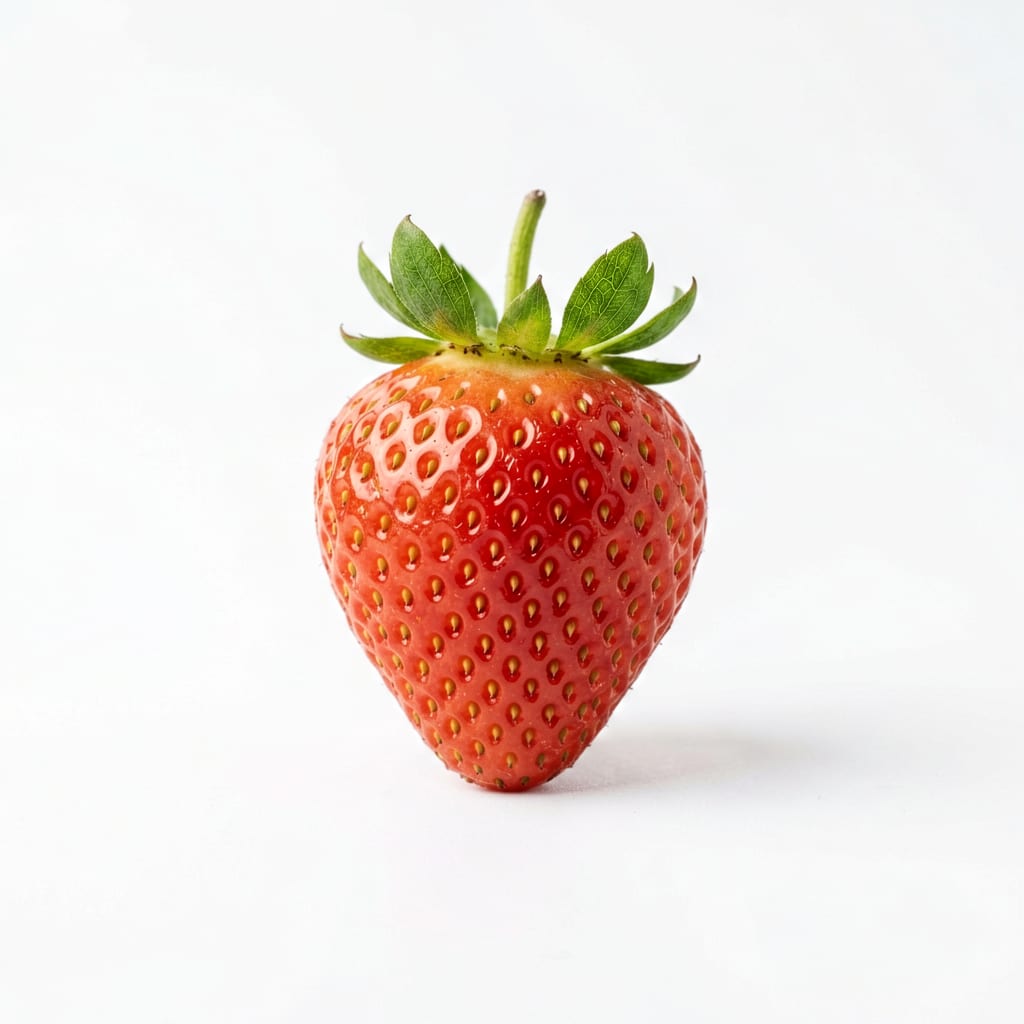
Strawberry
Dewberries edge out strawberries in antioxidant power and pesticide safety, but strawberries win on availability, consistency, and everyday practicality.
Dewberries score higher on nutrient density and safety, but strawberries compensate with vastly superior accessibility, affordability, and consistency. The narrow gap reflects that nutrition advantage alone does not win if you cannot reliably find the food.
Peak nutrition and purity versus convenience and reliability — dewberries are the wild superfruit you can rarely find, while strawberries are the dependable staple you can always grab.
At a glance
Executive summary
Overall
It depends
Healthier
Dewberry
More practical
Strawberry
Daily use
Strawberry
Key comparison lenses
antioxidant and nutrient density
Both are berries prized for antioxidants, but their pigment differences signal major nutrient gaps
everyday accessibility and practicality
Strawberries are available year-round in any grocery store; dewberries are seasonal and often foraged
pesticide and contamination exposure
Strawberries consistently rank on the Dirty Dozen list; dewberries are typically wild or organically grown
blood sugar and weight management
Both are low-sugar fruits, but subtle differences in fiber and sugar content affect satiety and glucose response
culinary versatility
Strawberries dominate recipes and meal prep; dewberries are niche and less predictable in cooking
Best choice for
Dewberry
- People seeking maximum antioxidant intake per calorie
- Foragers and farmers market shoppers wanting low-pesticide fruit
- Anyone managing inflammation who wants deeper-pigment berry compounds
- Rural or Southern US residents with local dewberry access
Strawberry
- Busy families needing affordable, year-round berry nutrition
- Meal preppers who want consistent texture and flavor
- Anyone prioritizing vitamin C on a budget
- People new to eating berries who want an easy entry point
Least suitable for
Dewberry
- Urban dwellers without foraging access or specialty stores
- Anyone needing reliable nutrition week to week
- People who dislike tart or earthy berry flavors
- Budget-conscious shoppers during off-season
Strawberry
- People strictly avoiding pesticide residue who cannot find organic options
- Those seeking the highest possible anthocyanin concentration
- Anyone bored by mainstream fruit options and wanting variety
Deep comparison
Dimension by dimension
Each lens scores both foods and breaks down who each option suits.
- Dimension 1 · Priority 94Dewberry
antioxidant_density
Dewberry · 91Strawberry · 72Dewberries deliver significantly more anthocyanins and total antioxidants due to their dark purple-black pigmentation.
Tradeoff
You get a stronger antioxidant punch from dewberries, but only during their narrow seasonal window.
Why it matters
Darker berries consistently outperform lighter ones on ORAC scores. These compounds fight cellular aging and chronic inflammation more effectively.
Real-world impact
Regular dewberry consumption could mean better recovery from exercise, less joint stiffness, and stronger visual contrast with aging — but only if you can source them regularly.
Dewberry
- Reducing oxidative stress from intense training
- Supporting cognitive longevity in older adults
- Managing chronic inflammatory conditions
Better for
- Anyone who cannot access them consistently enough for cumulative benefits
Worse for
Strawberry
- Maintaining a steady baseline of vitamin C and manganese year-round
- Adding reliable fruit variety to a standard healthy diet
Better for
- Situations demanding the highest possible anthocyanin intake per serving
Worse for
- Dimension 2 · Priority 90Strawberry
availability_and_convenience
Dewberry · 28Strawberry · 95Strawberries are available in virtually every grocery store year-round. Dewberries are seasonal, regional, and often require foraging or specialty sourcing.
Tradeoff
The berry with better nutrition is the one you will struggle to find; the one you can always buy is nutritionally second-best.
Why it matters
A food you actually eat regularly always outperforms a theoretically superior food you can never find. Consistency drives health outcomes more than peak nutrient density.
Real-world impact
You can plan meals around strawberries any week of the year. Dewberries might appear for a few weeks in late spring if you live in the right region or know a forager.
Dewberry
- Adventurous eaters who enjoy foraging as a lifestyle practice
- Southern US residents during late spring harvest
Better for
- Anyone without local foraging knowledge or access
- Urban apartment dwellers
- People who need to meal prep on a strict schedule
Worse for
Strawberry
- Weekly meal planning and grocery routines
- Last-minute recipe needs
- Families who need dependable fruit options kids will eat
Better for
- Rare situations where only local wild fruit is available
Worse for
- Dimension 3 · Priority 87Dewberry
pesticide_and_contamination_safety
Dewberry · 89Strawberry · 48Dewberries are typically wild-harvest or organically grown, carrying minimal pesticide residue. Strawberries rank among the most pesticide-contaminated fruits annually.
Tradeoff
Choosing organic strawberries closes the safety gap, but at a significantly higher price. Dewberries come with safety built in by default.
Why it matters
The Environmental Working Group places strawberries on the Dirty Dozen list nearly every year. Conventional strawberries often carry residue from dozens of pesticides.
Real-world impact
If you eat berries daily and buy conventional strawberries, your cumulative pesticide exposure is meaningfully higher. Dewberries or organic strawberries eliminate this concern entirely.
Dewberry
- Minimizing long-term pesticide exposure without paying organic premiums
- Families with young children who are more vulnerable to pesticide residue
Better for
- Foraged berries from unknown land near roads or industrial areas may carry heavy metal risk
Worse for
Strawberry
- Organic strawberry buyers who already avoid the pesticide issue
- Anyone who washes fruit thoroughly and accepts the residual risk
Better for
- Conventional strawberry consumption as a daily habit, especially for children
Worse for
- Dimension 4 · Priority 82Strawberry
vitamin_and_mineral_profile
Dewberry · 73Strawberry · 84Strawberries provide substantially more vitamin C per serving along with solid folate and manganese. Dewberries offer a broader but less concentrated micronutrient spread.
Tradeoff
Strawberries are a vitamin C powerhouse; dewberries give you more diverse but milder micronutrient coverage.
Why it matters
A single cup of strawberries delivers over 100% of daily vitamin C needs. That makes them an efficient immune-support food.
Real-world impact
Eating strawberries regularly helps you hit vitamin C targets easily without supplements. Dewberries contribute modestly across multiple vitamins but do not strongly move the needle on any single one.
Dewberry
- Supplementing trace minerals like copper and manganese alongside other vitamin C sources
Better for
- Situations where vitamin C specifically is the priority nutrient
Worse for
Strawberry
- Boosting immune function during cold season
- Pregnant women needing folate support
- Anyone relying on food rather than supplements for vitamin C
Better for
- Diets already high in vitamin C from other sources where the strawberry advantage is redundant
Worse for
- Dimension 5 · Priority 79Dewberry
blood_sugar_and_satiety
Dewberry · 80Strawberry · 74Dewberries have slightly more fiber and slightly less sugar per serving, giving them a gentler impact on blood sugar and better satiety.
Tradeoff
The difference is modest — both are excellent low-glycemic fruits — but dewberries hold you over a bit longer.
Why it matters
Fiber slows sugar absorption and keeps you full. Even small fiber advantages matter when you are trying to avoid afternoon energy crashes.
Real-world impact
A dewberry snack might keep you satisfied for 30 minutes longer than strawberries before hunger returns. Both are far better choices than processed snacks.
Dewberry
- Pre-diabetics seeking the gentlest glycemic fruit option
- Snacking between meals without triggering cravings
Better for
- Post-workout recovery where quicker carbohydrate availability is preferred
Worse for
Strawberry
- Pre-workout fuel where slightly faster-digesting carbs are actually helpful
Better for
- Late-night snacking where steadier blood sugar supports better sleep
Worse for
- Dimension 6 · Priority 76Strawberry
cost_and_value
Dewberry · 35Strawberry · 82Strawberries are mass-produced and affordable. Dewberries are rarely sold commercially and command premium prices at farmers markets when available at all.
Tradeoff
Strawberries deliver strong nutrition per dollar. Dewberries deliver slightly better nutrition per calorie but at a much higher cost and lower availability.
Why it matters
Budget constraints determine what people actually eat long-term. The best berry nutritionally means nothing if it is too expensive or unavailable.
Real-world impact
You can buy a pound of strawberries for a few dollars almost anywhere. A pint of dewberries at a farmers market might cost double or triple that, only during a few weeks in spring.
Dewberry
- People who forage their own and get them free
- Special occasion meals where cost is secondary
Better for
- Households with tight food budgets
- Anyone needing to buy berries in large quantities
Worse for
Strawberry
- Weekly grocery budgets for families
- Anyone buying in bulk for smoothies or meal prep
- Consistent daily fruit intake without financial strain
Better for
- Rare cases where the price difference is negligible and dewberries are locally abundant
Worse for
Timeline
Health impact over time
Short-term
Hours to days
Dewberry
- Quick antioxidant boost from concentrated anthocyanins
- Mild blood sugar stabilization from higher fiber content
- Possible digestive adjustment if unaccustomed to wild berries
Strawberry
- Rapid vitamin C replenishment supporting immune function
- Light hydration from high water content
- Potential sugar spike if eaten in very large quantities without pairing
Long-term
Months to years
Dewberry
- Stronger cumulative anti-inflammatory protection from consistent anthocyanin intake
- Lower lifetime pesticide exposure when sourced from wild or organic origins
- Risk of inconsistent intake undermining long-term benefits due to seasonal availability
Strawberry
- Reliable long-term vitamin C status and immune resilience from year-round access
- Potential cumulative pesticide exposure if always buying conventional
- Consistent fiber intake supporting gut health over decades
Risk profile
Safety & processing
Both berries are whole, unprocessed foods in their fresh form. The key difference is agricultural context: dewberries are almost always wild or small-farm grown, while conventional strawberries carry agricultural chemical residues unless certified organic.
Dewberry
Foraging misidentification
mediumWild dewberries can be confused with unpalatable or mildly toxic lookalikes if foraged by inexperienced pickers. Always verify with a local expert.
Environmental contamination
lowBerries foraged near roads or industrial areas may absorb heavy metals or pollutants from soil and air. Harvest from clean, known locations.
Strawberry
Pesticide residue
highStrawberries consistently rank in the top three on the EWG Dirty Dozen list. Conventional samples frequently show residue from 10 to 20+ pesticides. Washing helps but does not eliminate all residue.
Mold and spoilage
mediumStrawberries are highly perishable and prone to mold within days. Mold spores can spread quickly through a container and may cause allergic reactions or mild toxicity.
Who wins for whom
Audience fit
Same foods, different winners depending on your goal.
children
StrawberryStrawberries are sweeter, more visually appealing to kids, widely available, and easy to portion. The pesticide concern is real but manageable with organic purchases.
daily consumption
StrawberryConsistency wins. Strawberries are available every week, affordable, and versatile enough to never get boring. Daily intake requires daily access.
diabetes
DewberryThe marginally lower sugar and higher fiber in dewberries creates a gentler blood sugar curve. Both are low-glycemic, but dewberries offer slightly more metabolic headroom.
elderly
DewberryThe higher anthocyanin content in dewberries supports cognitive function and vascular health, both critical concerns in aging. Anti-inflammatory benefits compound over time.
muscle gain
StrawberryStrawberries provide more vitamin C, which supports collagen synthesis and tissue repair after training. Their slightly faster-digesting carbs also help with post-workout recovery.
weight loss
DewberryDewberries have slightly more fiber and less sugar per serving, keeping you fuller longer with fewer cravings. Both are excellent choices, but the satiety edge goes to dewberries.
Your move
Decision guide
Choose Dewberry
- You have access to fresh or frozen dewberries locally or through specialty suppliers
- Minimizing pesticide exposure without paying organic prices is a priority
- You want the strongest antioxidant and anti-inflammatory berry you can find
- You enjoy foraging or connecting with local food traditions
Choose Strawberry
- You need reliable, affordable berry nutrition year-round
- You are feeding a family and want a fruit kids will eagerly eat
- You prioritize vitamin C intake from whole foods
- You meal prep regularly and need consistent ingredient availability
Either works if
- You simply want a low-calorie, nutrient-dense fruit snack
- Both are available and you want variety in your berry rotation
- You are already eating a diverse diet and the differences are marginal for your goals
Avoid both if
- You have a diagnosed berry allergy or salicylate sensitivity
- You are on a strict very-low-carb protocol and cannot accommodate any fruit sugar
Final recommendation
Eat dewberries whenever you can find them for their superior antioxidant and safety profile, but keep strawberries as your daily staple for their unmatched convenience and vitamin C. The ideal strategy is rotating both — dewberries in season, strawberries the rest of the year. Always buy organic strawberries if pesticide exposure concerns you.
Practical
Consumer tips
- 1
If buying conventional strawberries, soak them in a baking soda solution for 12 to 15 minutes to reduce surface pesticide residue more effectively than water alone.
- 2
Freeze dewberries when in season so you can enjoy their antioxidant benefits year-round in smoothies and oatmeal.
- 3
Foraged dewberries should always be washed thoroughly and sourced from areas at least 50 feet from roads or treated farmland.
- 4
Organic strawberries close the pesticide safety gap with dewberries but cost roughly 50% more — decide based on your budget and how often you eat them.
- 5
Pair either berry with a protein or fat source like Greek yogurt or nuts to slow sugar absorption and extend satiety.