
Nutrition comparison
Dewberry vs Gooseberry: Which Berry Is Healthier?
Compare dewberry and gooseberry nutrition, taste, vitamin C, sugar content, and health benefits. Find out which berry fits your diet and lifestyle better.

Dewberry
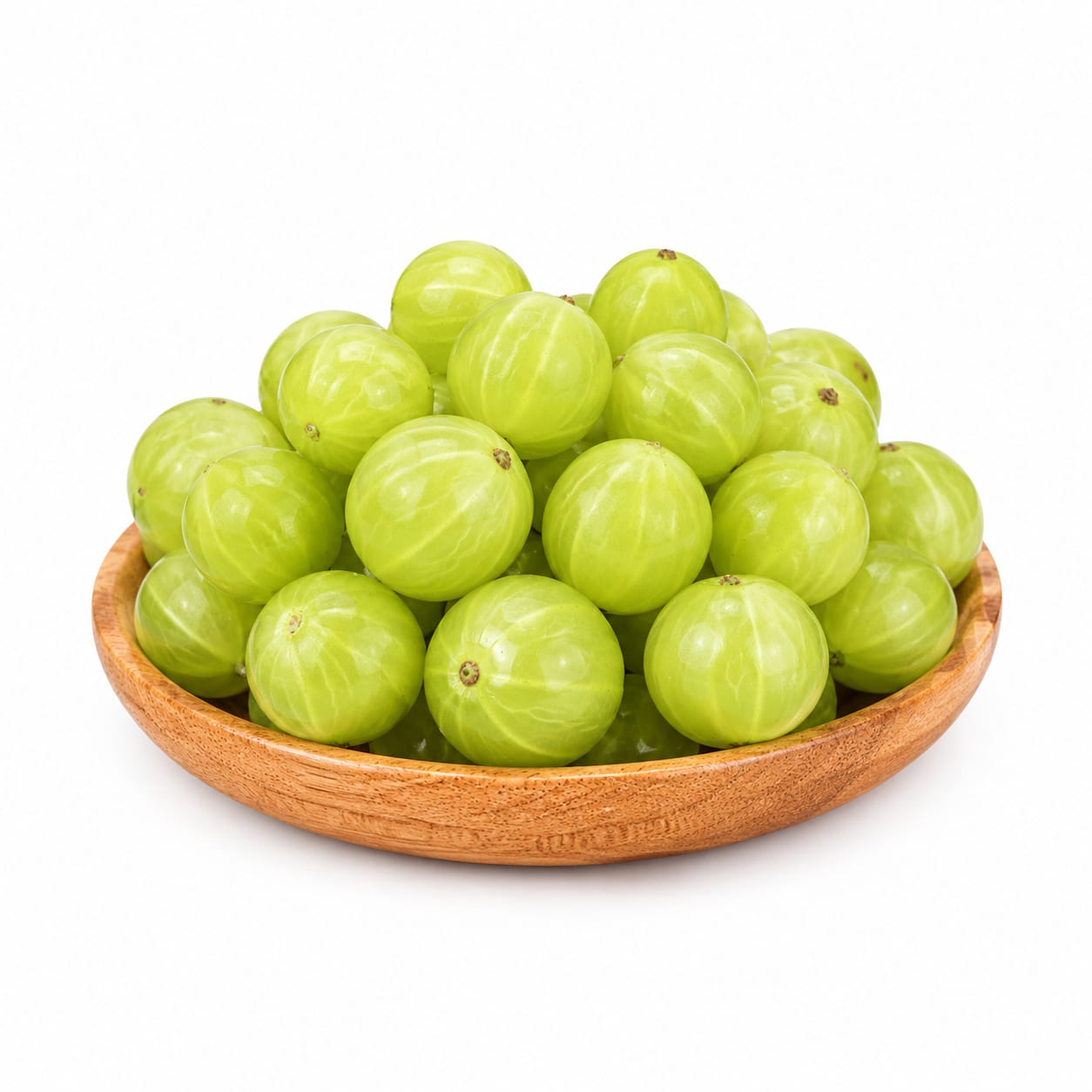
Gooseberry
Gooseberry delivers far more vitamin C and may help blood sugar control, but dewberry is the sweeter, more enjoyable berry for casual snacking.
Gooseberry scores higher due to its exceptional vitamin C content, lower sugar, and blood sugar benefits. Dewberry remains competitive through superior taste and snacking appeal, but falls behind on nutritional density.
Nutritional potency versus eating pleasure — gooseberry works harder for your health, dewberry is easier to actually enjoy eating.
At a glance
Executive summary
Overall
It depends
Healthier
Gooseberry
More practical
Dewberry
Daily use
Gooseberry
Key comparison lenses
antioxidant and vitamin C comparison
Gooseberry is famously rich in vitamin C while dewberry offers different antioxidant compounds, making this the most nutritionally significant differentiator
taste and snacking palatability
Dewberry is sweeter and more approachable for fresh eating, while gooseberry is notably tart and often requires preparation
blood sugar management potential
Gooseberry has traditional use for blood sugar regulation and lower sugar content, relevant for diabetic or low-carb consumers
wild foraging vs cultivated availability
Dewberries are often wild-foraged while gooseberries are more commonly farmed, affecting consistency and access
culinary versatility
Gooseberry's tartness makes it more versatile for cooking and preserving, while dewberry is best enjoyed fresh
Best choice for
Dewberry
- People who want a sweet, satisfying berry to eat fresh
- Casual snackers who find tart fruit unpleasant
- Wild foraging enthusiasts seeking trail snacks
- Anyone adding berries to yogurt or cereal without added sugar
Gooseberry
- People prioritizing immune support through vitamin C
- Those managing blood sugar or following low-carb diets
- Home cooks making jams, pies, or chutneys
- Anyone seeking the highest antioxidant density per calorie
Least suitable for
Dewberry
- People who need high vitamin C intake from food sources
- Those specifically seeking blood sugar management benefits
- Consumers wanting reliable store-bought availability year-round
Gooseberry
- People sensitive to tart or sour flavors
- Children who prefer sweet fruit
- Anyone looking for a grab-and-go fresh snack without preparation
Deep comparison
Dimension by dimension
Each lens scores both foods and breaks down who each option suits.
- Dimension 1 · Priority 95Gooseberry
Vitamin C and Immune Support
Dewberry · 45Gooseberry · 95Gooseberry is one of the richest berry sources of vitamin C, delivering roughly 4-5 times more than dewberry per serving.
Tradeoff
You get dramatically more immune-supporting vitamin C from gooseberry, but must tolerate its sharp tartness to access it.
Why it matters
Vitamin C is essential for immune function, skin health, and iron absorption. Most people do not get enough from diet alone.
Real-world impact
A single serving of gooseberry can cover most of your daily vitamin C needs, while dewberry would only cover about a quarter.
Dewberry
- People who get vitamin C from other sources and prioritize taste
Better for
- Relying on dewberry alone for vitamin C intake
Worse for
Gooseberry
- Anyone wanting to boost immunity naturally through food
- People who do not supplement vitamin C
- Those recovering from illness needing extra immune support
Better for
- People who cannot stomach tart flavors and avoid eating it entirely
Worse for
- Dimension 2 · Priority 88Gooseberry
Sugar Content and Blood Sugar Impact
Dewberry · 50Gooseberry · 82Gooseberry contains significantly less sugar and has traditional medicinal use for blood sugar regulation.
Tradeoff
Gooseberry's low sugar makes it metabolically friendlier, but its tartness means people often add sugar when cooking it.
Why it matters
Lower sugar berries create steadier energy and fit better into diabetic, keto, or metabolic health diets.
Real-world impact
Eating gooseberry raw gives you a low-sugar fruit option. But if you need to sweeten it with sugar to enjoy it, the metabolic advantage disappears.
Dewberry
- Active individuals who burn through natural sugars easily
- People who find low-sugar fruit unsatisfying and end up overeating later
Better for
- People monitoring blood sugar who need low-glycemic options
Worse for
Gooseberry
- People with diabetes or insulin resistance
- Those following low-carb or keto eating patterns
- Anyone trying to reduce overall sugar intake without eliminating fruit
Better for
- Anyone adding significant sugar to make gooseberry palatable
Worse for
- Dimension 3 · Priority 85Dewberry
Taste and Snacking Enjoyment
Dewberry · 88Gooseberry · 45Dewberry is sweet, juicy, and pleasant to eat raw. Gooseberry is sharply tart and many people find it unpleasant without preparation.
Tradeoff
The berry that tastes better delivers fewer nutrients per bite, while the more nutritious berry requires effort to enjoy.
Why it matters
The healthiest food only works if you actually eat it. Enjoyment drives consistency.
Real-world impact
Most people can happily snack on dewberries straight from the bush. Gooseberries often sit in the fridge until they spoil because nobody wants to eat them raw.
Dewberry
- Casual snackers wanting a pleasant fresh fruit experience
- Families introducing berries to children
- Anyone who has abandoned tart fruit in the past
Better for
- Those seeking bold tart flavors for cooking
Worse for
Gooseberry
- Culinary enthusiasts who enjoy cooking with tart ingredients
- People who appreciate complex sour flavors
Better for
- Anyone expecting a sweet berry snacking experience
- Children and picky eaters
Worse for
- Dimension 4 · Priority 80It depends
Antioxidant Diversity
Dewberry · 75Gooseberry · 78Both berries offer strong but different antioxidant profiles. Dewberry provides anthocyanins from its dark pigment, while gooseberry offers tannins and phenolic compounds.
Tradeoff
Dewberry's dark color signals anthocyanin benefits for brain and heart health. Gooseberry's tannins support cellular defense through different pathways.
Why it matters
Diverse antioxidant intake from multiple sources provides broader protection than relying on a single type.
Real-world impact
Eating both berries occasionally gives you wider antioxidant coverage than loading up on just one.
Dewberry
- People focused on anthocyanin-specific benefits like cognitive health
- Those who already eat other high-tannin foods
Better for
- Relying solely on dewberry limits antioxidant variety
Worse for
Gooseberry
- People wanting tannin-rich foods for cellular protection
- Those whose diet lacks phenolic compound diversity
Better for
- Missing out on the specific brain-health benefits of anthocyanins
Worse for
- Dimension 5 · Priority 72Gooseberry
Fiber and Digestive Health
Dewberry · 65Gooseberry · 78Gooseberry provides slightly more fiber per serving and contains compounds traditionally used to support digestion.
Tradeoff
Gooseberry's fiber advantage is modest, and its tartness can be mildly irritating to sensitive stomachs when eaten raw in quantity.
Why it matters
Fiber supports fullness, gut health, and steady digestion. Small differences add up over daily consumption.
Real-world impact
Both berries contribute meaningfully to daily fiber intake. The difference is real but not dramatic enough to be the deciding factor alone.
Dewberry
- People with sensitive stomachs who find high-fiber tart fruit irritating
- Those who prefer gentle, easy-to-digest fruit
Better for
- Those needing maximum fiber per calorie
Worse for
Gooseberry
- Anyone actively trying to increase fiber intake
- People seeking digestive support from traditional remedies
Better for
- People with acid sensitivity who experience discomfort from tart fruit
Worse for
- Dimension 6 · Priority 60Gooseberry
Availability and Consistency
Dewberry · 40Gooseberry · 70Gooseberries are more commonly cultivated and available in stores and farmers markets. Dewberries are primarily wild-foraged and rarely sold commercially.
Tradeoff
Gooseberry is easier to find reliably but may still be seasonal. Dewberry offers a magical foraging experience but requires effort and local knowledge.
Why it matters
A berry you cannot find is a berry you cannot eat regularly, no matter how good it tastes.
Real-world impact
Most consumers will struggle to find dewberries outside of rural foraging areas during short summer windows. Gooseberries at least appear in specialty stores and markets.
Dewberry
- People who live in regions where dewberries grow wild
- Foraging enthusiasts who enjoy the hunt as much as the harvest
Better for
- City dwellers with no foraging access
- People who want reliable year-round availability
Worse for
Gooseberry
- Urban consumers relying on stores and markets
- Anyone wanting consistent seasonal access to their berry of choice
Better for
- Those in regions where gooseberry cultivation is restricted due to rust disease regulations
Worse for
Timeline
Health impact over time
Short-term
Hours to days
Dewberry
- Quick natural energy from easily digested natural sugars
- Mild satiety from fiber and water content
- Pleasant eating experience that supports healthy snacking habits
Gooseberry
- Rapid vitamin C boost supporting immediate immune function
- Potential appetite suppression from tartness and fiber
- Possible mouth or stomach discomfort if eaten raw in large amounts
Long-term
Months to years
Dewberry
- Consistent antioxidant intake supporting heart and cognitive health
- Sustainable healthy snacking habit due to enjoyable taste
- Moderate blood sugar impact if consumed in large quantities regularly
Gooseberry
- Significant vitamin C intake supporting skin, immunity, and iron absorption over time
- Potential blood sugar regulation benefits with regular consumption
- Possible dental enamel wear from frequent acidic exposure if consumed daily raw
Risk profile
Safety & processing
Both dewberry and gooseberry are whole, unprocessed fruits typically consumed in their natural state. Neither carries meaningful additive concerns when eaten fresh. The only processing risk comes from sweetened gooseberry preserves or canned dewberries in syrup, which add significant sugar.
Dewberry
Wild foraging misidentification
mediumDewberries are often wild-harvested, increasing the chance of confusing them with unpalatable or mildly toxic lookalike berries if foragers lack expertise.
Pesticide residue from wild areas
lowWild dewberries growing near roads or agricultural edges may absorb environmental contaminants. Foraging from clean areas eliminates this concern.
Gooseberry
Acid irritation with excessive raw consumption
lowGooseberry's high acidity can irritate the mouth or stomach lining when eaten in large quantities raw, especially for those with acid sensitivity.
Dental enamel erosion
lowFrequent consumption of highly acidic raw gooseberry may contribute to enamel wear over time. Rinsing with water after eating mitigates this.
Who wins for whom
Audience fit
Same foods, different winners depending on your goal.
children
DewberryChildren overwhelmingly prefer sweet fruit. Dewberry's approachable flavor makes it far more likely that kids will actually eat it without complaint.
daily consumption
GooseberryGooseberry's superior vitamin C, lower sugar, and blood sugar benefits make it the stronger daily staple — assuming you can adapt to the tartness or prepare it in enjoyable ways.
diabetes
GooseberryGooseberry has substantially less sugar and emerging evidence suggesting blood sugar regulation properties, making it the clearly safer choice for glucose management.
elderly
GooseberryGooseberry's exceptional vitamin C content supports immune health and collagen production, both critical concerns for aging adults. The fiber also supports digestive regularity.
muscle gain
It dependsNeither berry is a significant protein source. Dewberry's slightly higher carbohydrate content offers marginally more post-workout energy, but the difference is negligible.
weight loss
GooseberryGooseberry's lower sugar and higher fiber per calorie make it more satiating with less caloric impact. The tartness also discourages overeating.
Your move
Decision guide
Choose Dewberry
- You want a berry you will actually look forward to eating every day
- You prefer sweet fruit and find tart flavors unpleasant
- You have access to wild dewberries through foraging
- You are introducing berries to children or picky eaters
- You prioritize eating enjoyment as a factor in dietary consistency
Choose Gooseberry
- You want maximum vitamin C from a natural food source
- You are managing blood sugar, diabetes, or metabolic concerns
- You enjoy tart flavors or are willing to prepare fruit creatively
- You want the most nutrient-dense berry per calorie
- You are an adventurous eater who values functional food benefits
Either works if
- You simply want to add more whole berries to your diet
- You are rotating through different berries for antioxidant diversity
- You have access to both and can alternate based on season
Avoid both if
- You have a berry allergy or salicylate sensitivity
- You are on a very strict low-oxalate diet and need to limit berry intake
Final recommendation
Eat gooseberry when nutrition is your priority and you can handle the tartness or prepare it well. Eat dewberry when you want something you will actually enjoy eating raw. The best long-term strategy is rotating both for broader antioxidant coverage — gooseberry for vitamin C and metabolic benefits, dewberry for anthocyanins and snacking pleasure.
Practical
Consumer tips
- 1
If gooseberry is too tart raw, try lightly cooking it with a pinch of cinnamon instead of sugar — the warmth mellows the sourness naturally
- 2
Add chopped gooseberry to smoothies with banana or mango to mask tartness while retaining the vitamin C benefits
- 3
Fresh dewberries are extremely perishable — eat within one to two days of harvesting or purchasing
- 4
Freeze gooseberries on a baking sheet before bagging to preserve their shape for later use in cooking
- 5
If foraging dewberries, always confirm identification with a local expert and avoid berries growing near roads or treated fields
- 6
Gooseberry chutney is an excellent way to use a large harvest while adding flavor complexity to savory meals