
Nutrition comparison
Dewberry vs Boysenberry: Nutrition, Taste, and Which Berry Is Better for You
Compare dewberry and boysenberry nutrition, antioxidants, fiber, sugar, and availability. Find out which dark berry fits your health goals and lifestyle best.
Overall winner · Boysenberry
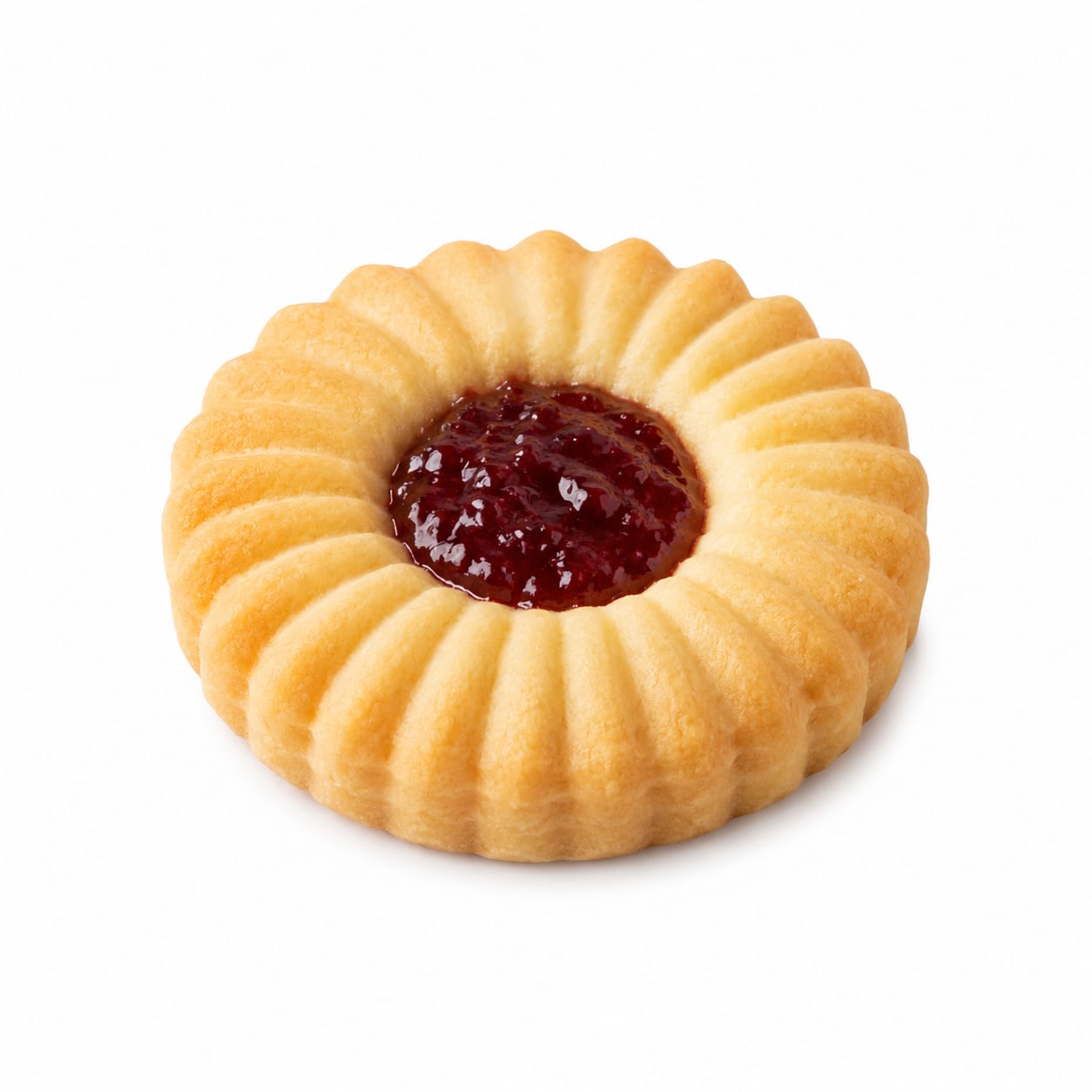
Dewberry
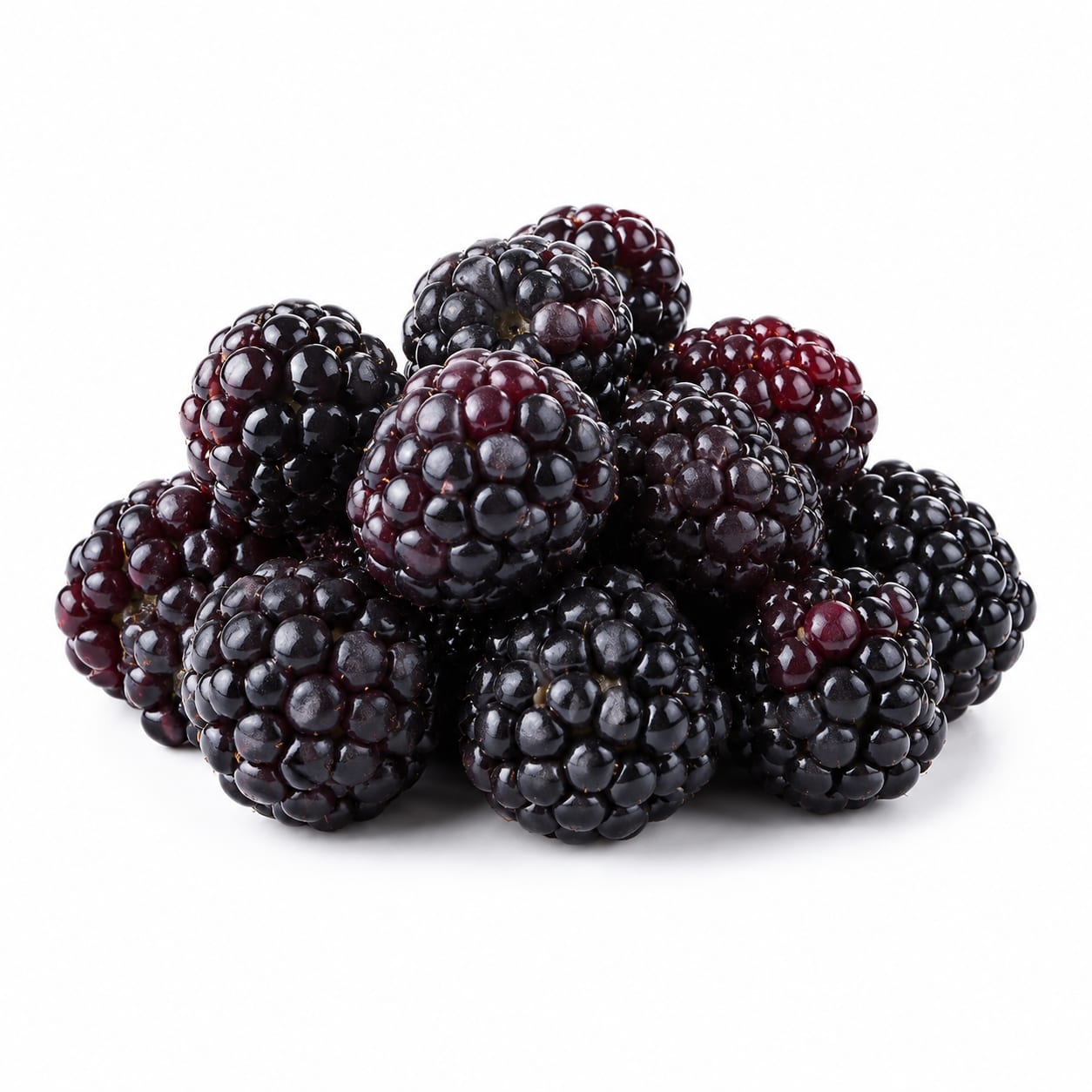
Boysenberry
Boysenberries edge ahead thanks to broader availability, higher vitamin content, and richer antioxidant diversity, though dewberries win on fiber and wild-foraged purity.
Boysenberries score higher primarily due to availability, vitamin density, and culinary versatility. Dewberries are nutritionally competitive but lose ground on access and consistency. The gap is moderate, not overwhelming.
Dewberries offer a wilder, more fiber-dense experience but are hard to find; boysenberries deliver more consistent nutrition and are far easier to buy.
At a glance
Executive summary
Overall
Boysenberry
Healthier
Boysenberry
More practical
Boysenberry
Daily use
Boysenberry
Key comparison lenses
antioxidant and berry nutrition comparison
Both are dark berries prized for antioxidant density; users want to know which delivers more health value
availability and practical access
Dewberries are primarily foraged while boysenberries are commercially farmed, creating a major real-world access gap
flavor and culinary use
These berries have distinct taste profiles that affect recipe choices and eating enjoyment
sugar and carb consciousness
Berry comparisons often involve low-sugar diet decisions
Best choice for
Dewberry
- Foragers and wild-food enthusiasts
- Those prioritizing maximum fiber per serving
- People seeking low-sugar berry options
- Anyone valuing wild-harvested, pesticide-free fruit
Boysenberry
- Families wanting reliable berry nutrition
- Home cooks making jams, pies, and sauces
- People seeking higher vitamin C and potassium
- Anyone shopping at grocery stores or farmers markets
Least suitable for
Dewberry
- People without foraging access or knowledge
- Anyone needing consistent year-round supply
- Consumers who prefer sweeter, juicier berries
Boysenberry
- Those avoiding farmed produce with potential pesticide residue
- People strictly limiting natural sugars
- Foraging purists who prefer wild-harvested foods
Deep comparison
Dimension by dimension
Each lens scores both foods and breaks down who each option suits.
- Dimension 1 · Priority 95Boysenberry
antioxidant_density
Dewberry · 78Boysenberry · 86Boysenberries contain a broader anthocyanin profile thanks to their hybrid genetics, while dewberries still deliver solid antioxidant power from their dark pigments.
Tradeoff
Dewberries are excellent antioxidants but lack the genetic diversity of boysenberries, which inherited beneficial compounds from multiple berry species.
Why it matters
More diverse antioxidants mean broader cellular protection against oxidative stress and inflammation over time.
Real-world impact
Regular boysenberry consumption may offer slightly better long-term aging and inflammation benefits, though both berries far outperform most other fruits.
Dewberry
- Rural dwellers with wild dewberry patches nearby
Better for
- Those wanting the most researched antioxidant profile
Worse for
Boysenberry
- Anyone seeking maximum antioxidant variety per serving
- People focused on anti-aging nutrition
Better for
- People concerned about farmed berry pesticide exposure
Worse for
- Dimension 2 · Priority 85Dewberry
fiber_content
Dewberry · 84Boysenberry · 75Dewberries typically pack more fiber per serving, thanks to their smaller size and higher skin-to-flesh ratio.
Tradeoff
More fiber means better digestion and steadier blood sugar, but dewberries' smaller size means you need more volume to match boysenberry calorie intake.
Why it matters
Fiber is the unsung hero of satiety, gut health, and blood sugar control — small differences add up over daily consumption.
Real-world impact
A dewberry snack will keep you fuller slightly longer and create less of a blood sugar blip than an equivalent boysenberry portion.
Dewberry
- People managing blood sugar
- Anyone needing more daily fiber
- Those prone to afternoon energy crashes
Better for
- Those who find seedy berry textures unpleasant
Worse for
Boysenberry
- People who prefer juicier, less seedy berry texture
Better for
- People counting on berries for significant fiber contribution
Worse for
- Dimension 3 · Priority 80Boysenberry
vitamin_and_mineral_profile
Dewberry · 70Boysenberry · 83Boysenberries deliver more vitamin C, vitamin K, and potassium per serving, benefiting from their larger size and hybrid vigor.
Tradeoff
Dewberries still provide decent micronutrients but in smaller quantities per berry due to their diminutive size.
Why it matters
Vitamin C supports immunity and skin health; potassium helps blood pressure regulation — both matter for daily vitality.
Real-world impact
A cup of boysenberries covers more of your daily vitamin C needs, making it a more efficient immune-supporting choice.
Dewberry
- Those who eat large volumes of berries anyway
Better for
- People relying on berries as a primary vitamin C source
Worse for
Boysenberry
- Anyone wanting maximum vitamins per calorie
- People focused on immune support
- Those who eat smaller portions
Better for
- Dimension 4 · Priority 90Boysenberry
availability_and_convenience
Dewberry · 35Boysenberry · 82Boysenberries are commercially grown and available frozen or fresh in many regions. Dewberries are rarely sold and must usually be foraged.
Tradeoff
Foraging dewberries is rewarding but seasonal, location-dependent, and time-consuming. Boysenberries can be bought year-round frozen.
Why it matters
The healthiest berry is the one you can actually eat regularly. Availability often determines long-term dietary habits.
Real-world impact
Most people will struggle to find dewberries outside the southern US during their brief spring season, while frozen boysenberries are a few clicks away.
Dewberry
- Experienced foragers in the American South
- People who enjoy seasonal eating rituals
Better for
- Urban dwellers without foraging access
- Anyone needing berries outside of spring
Worse for
Boysenberry
- Busy families
- Anyone outside dewberry growing regions
- People who want reliable year-round access
- Online grocery shoppers
Better for
- People who find frozen berries less appealing
Worse for
- Dimension 5 · Priority 70Dewberry
sugar_and_calorie_density
Dewberry · 80Boysenberry · 72Dewberries tend to be slightly lower in sugar and calories per serving, making them the leaner option for strict low-carb diets.
Tradeoff
Lower sugar means less sweetness, which some find less satisfying as a standalone snack.
Why it matters
For keto or low-sugar diets, even small sugar differences between berries can influence daily carb budgets.
Real-world impact
Dewberries let you eat a slightly larger volume for the same sugar cost — helpful for volume eaters watching carbs.
Dewberry
- Keto and low-carb dieters
- People monitoring sugar intake closely
- Volume eaters who want more food for fewer calories
Better for
- Those wanting a naturally sweet dessert berry
Worse for
Boysenberry
- Active individuals who benefit from natural fruit sugars
- Children who prefer sweeter fruit
Better for
- People on strict carbohydrate restrictions
Worse for
- Dimension 6 · Priority 75Boysenberry
culinary_versatility
Dewberry · 65Boysenberry · 84Boysenberries' larger size, juicier flesh, and balanced sweet-tart flavor make them superior for jams, pies, smoothies, and sauces.
Tradeoff
Dewberries work well in cobblers and preserves but yield less juice and can be more seed-forward in baked goods.
Why it matters
A berry that performs well in recipes gets used more often, increasing your overall berry consumption.
Real-world impact
Boysenberry jam is a beloved classic for good reason — the berry breaks down beautifully and creates rich, complex flavor.
Dewberry
- Rustic cobbler and crumble enthusiasts
- People who enjoy tart, wild-flavored preserves
Better for
- People who dislike prominent seeds in baked goods
Worse for
Boysenberry
- Home jam and jelly makers
- Smoothie enthusiasts
- Bakers making pies and tarts
- Anyone making berry sauces for desserts
Better for
Timeline
Health impact over time
Short-term
Hours to days
Dewberry
- Good fiber hit that supports steady digestion and satiety
- Moderate natural sugar provides gentle energy without a crash
- Tart flavor can feel refreshing and light on the stomach
Boysenberry
- Higher vitamin C gives a quick immune-supporting boost
- Juicier texture feels more hydrating and satisfying
- Natural sugars offer slightly faster energy availability
Long-term
Months to years
Dewberry
- Consistent fiber intake supports gut microbiome diversity over time
- Wild-harvested fruit avoids long-term pesticide exposure concerns
- Lower sugar load benefits metabolic health when eaten regularly
Boysenberry
- Broader antioxidant spectrum may offer stronger anti-aging and anti-inflammatory protection
- Higher potassium supports long-term cardiovascular health
- Regular consumption is more sustainable due to easy availability
Risk profile
Safety & processing
Both berries are whole, unprocessed foods in their natural state. Dewberries have a slight naturalness edge since they are almost always wild-harvested, while boysenberries are typically cultivated. Neither contains additives when purchased fresh or frozen.
Dewberry
Misidentification with toxic lookalikes
mediumForagers must confidently distinguish dewberries from potentially harmful wild berries. Only experienced foragers should harvest.
Environmental contamination in wild areas
lowRoadside or industrial-area dewberries may absorb pollutants. Always forage away from treated or contaminated land.
Boysenberry
Pesticide residue on conventionally grown berries
mediumCommercial boysenberries may carry pesticide residue. Washing helps, but organic options reduce this concern significantly.
Mold and spoilage due to high moisture content
lowBoysenberries are juicy and perishable. Refrigerate promptly and consume within a few days of purchase.
Who wins for whom
Audience fit
Same foods, different winners depending on your goal.
children
BoysenberryBoysenberries are sweeter, juicier, and easier for kids to enjoy. Their larger size is also less of a choking hazard.
daily consumption
BoysenberryConsistent availability and balanced nutrition make boysenberries a more realistic daily habit for most people.
diabetes
DewberryLower sugar content and higher fiber make dewberries gentler on blood glucose, though both berries are diabetes-friendly choices.
elderly
BoysenberryHigher vitamin K and potassium support bone and heart health in older adults, and the softer texture is easier to chew.
muscle gain
BoysenberryBoysenberries provide slightly more carbohydrates and potassium, supporting post-workout recovery and glycogen replenishment.
weight loss
DewberryDewberries offer more fiber and fewer calories per serving, helping with fullness and portion control on calorie-restricted diets.
Your move
Decision guide
Choose Dewberry
- You have access to wild dewberry patches and know how to forage safely
- You prioritize maximum fiber and minimum sugar in your fruit choices
- You value wild-harvested foods and want to avoid farmed produce
- You enjoy tart, intense berry flavors over sweet juiciness
Choose Boysenberry
- You want a berry you can actually buy at a store or online
- You cook or bake with berries regularly and need reliable results
- You prefer sweeter, juicier fruit for snacking and smoothies
- You want the broadest antioxidant and vitamin profile per serving
Either works if
- You simply want more dark berries in your diet and can access either
- You are focused on general fruit intake rather than specific nutrients
- You enjoy both tart and sweet berry flavors equally
Avoid both if
- You have a berry allergy or salicylate sensitivity
- You are on an extremely restrictive low-FODMAP diet and react to excess fruit fiber
Final recommendation
For most people, boysenberries are the more practical and nutritionally well-rounded choice — they are easier to find, richer in vitamins, and more versatile in the kitchen. However, if you have access to wild dewberries, they are a fantastic low-sugar, high-fiber alternative that connects you to seasonal eating. The best berry is the one you will actually eat regularly.
Practical
Consumer tips
- 1
Choose organic boysenberries when possible to minimize pesticide exposure, especially since berries are a high-residue crop
- 2
Flash-frozen boysenberries retain nearly all their nutrients and are available year-round — a smart pantry staple
- 3
If foraging dewberries, always confirm identification with a local expert and avoid areas near roads or treated fields
- 4
Add either berry to overnight oats, yogurt bowls, or smoothies for an easy antioxidant boost
- 5
Boysenberry jam is a healthier alternative to grape jelly — look for low-sugar versions or make your own