
Nutrition comparison
Dewberry vs Marionberry: Which Berry Is Healthier?
Compare dewberry and marionberry nutrition, antioxidants, sugar, and flavor. Find out which berry is better for weight loss, diabetes, and daily health.
Overall winner · Marionberry
Dewberry
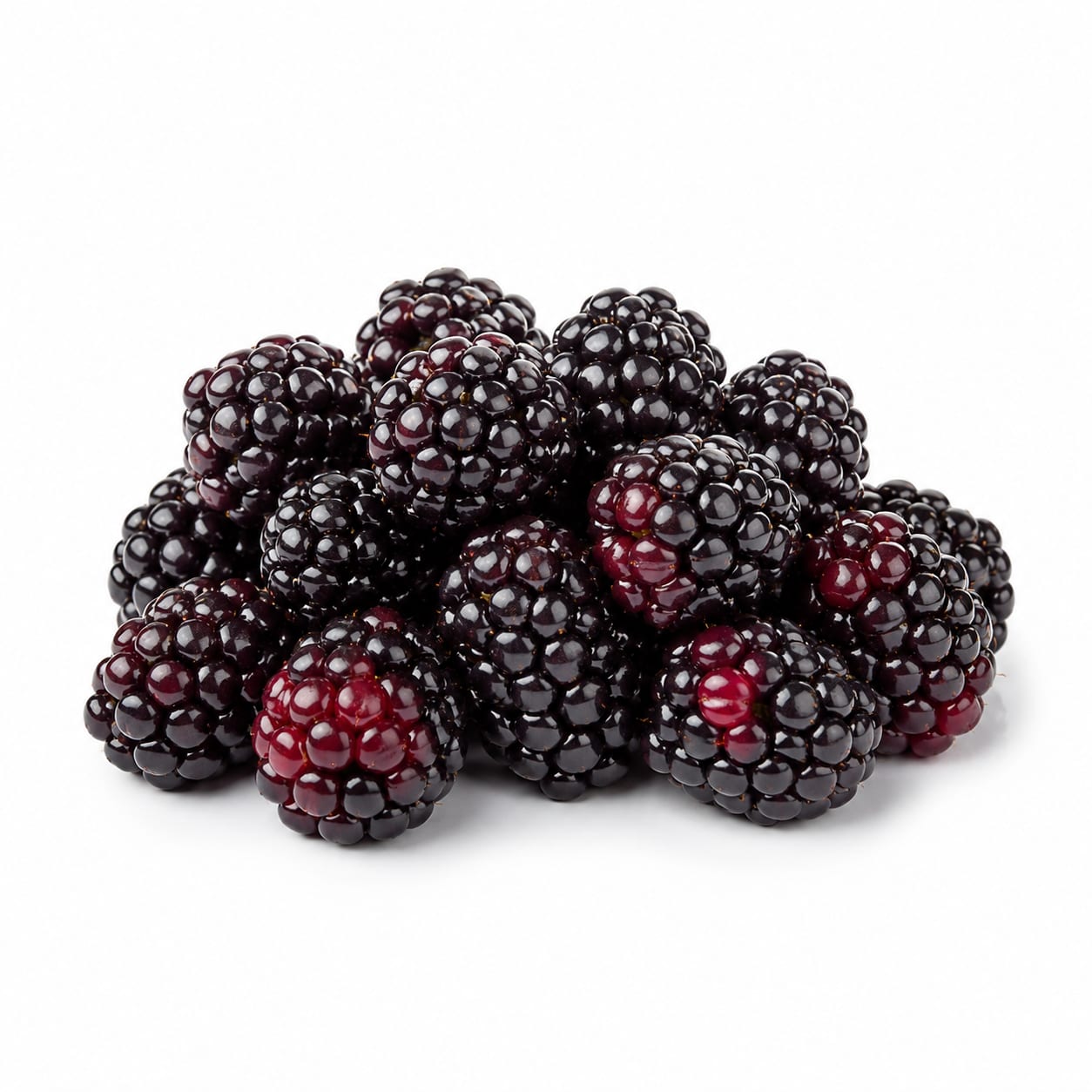
Marionberry
Marionberry edges ahead with higher antioxidant levels, better availability, and a more complex flavor that makes healthy eating feel like a treat rather than a chore.
Marionberry scores higher due to stronger antioxidant content, better availability, and culinary reliability. Dewberry stays competitive through wild-foraging benefits and slightly lower sugar, but its limited access and smaller average size reduce practical appeal.
Dewberry offers a wild-foraged purity and slightly lower sugar, but Marionberry delivers more anthocyanins, easier access, and superior culinary versatility.
At a glance
Executive summary
Overall
Marionberry
Healthier
Marionberry
More practical
Marionberry
Daily use
Marionberry
Key comparison lenses
antioxidant density and berry superiority
Both are dark berries prized for anthocyanins; users want to know which delivers more protective compounds
flavor and culinary use
Marionberry is famous for its complex flavor profile; dewberry offers a different eating experience worth comparing
wild vs cultivated nutrition differences
Dewberries are often wild-foraged while Marionberries are cultivated, affecting nutrient density and pesticide exposure
availability and practical access
Dewberries are harder to find commercially; Marionberries are more accessible especially in the Pacific Northwest
sugar and glycemic impact
Berry comparisons often involve subtle sugar differences that matter for low-carb and diabetic users
Best choice for
Dewberry
- Foragers and wild-food enthusiasts who value uncultivated purity
- Low-sugar dieters wanting the sweetest berry with slightly fewer carbs
- Locavores in southeastern US where dewberries grow natively
Marionberry
- Antioxidant seekers wanting maximum anthocyanin intake per serving
- Home cooks and bakers needing reliable flavor and texture
- Anyone wanting a daily berry habit with easy grocery access
Least suitable for
Dewberry
- People who need consistent grocery store availability
- Anyone unfamiliar with safe wild-foraging identification
Marionberry
- Those in regions where Marionberries are not distributed
- Strict locavores outside the Pacific Northwest
Deep comparison
Dimension by dimension
Each lens scores both foods and breaks down who each option suits.
- Dimension 1 · Priority 95Marionberry
antioxidant_power
Dewberry · 72Marionberry · 88Marionberry packs more anthocyanins per ounce thanks to its deeper pigmentation and larger, juice-dense drupelets.
Tradeoff
Dewberry still delivers solid antioxidants but from a smaller fruit with less concentrated pigment.
Why it matters
More anthocyanins mean better cellular protection against oxidative stress, which accumulates silently over years.
Real-world impact
Eating Marionberries regularly is like upgrading your body's defense system from a basic shield to reinforced armor.
Dewberry
- Those who forage and eat dewberries within hours of picking, when antioxidants are at peak potency
Better for
- People relying on grocery purchases where dewberries may be older and antioxidant-degraded
Worse for
Marionberry
- Anyone wanting reliable, high anthocyanin intake from store-bought berries
Better for
- Situations where only frozen Marionberries are available, which may have slightly reduced anthocyanins
Worse for
- Dimension 2 · Priority 82Dewberry
sugar_and_glycemic_impact
Dewberry · 79Marionberry · 73Dewberry tends to be slightly sweeter with marginally lower total sugar per serving due to its smaller size and higher water-to-sugar ratio.
Tradeoff
The difference is small enough that neither berry will spike blood sugar significantly, but dewberry's edge matters for strict low-carb trackers.
Why it matters
Even small sugar differences add up when berries are a daily habit, especially for insulin-sensitive individuals.
Real-world impact
A bowl of dewberries feels like a light sweet treat without the subtle crash that larger, denser berries can sometimes bring.
Dewberry
- Diabetics counting every gram of carbohydrate
- Keto dieters fitting berries into tight carb budgets
Better for
- Those expecting a bold, complex flavor who might find dewberry one-dimensionally sweet
Worse for
Marionberry
- Active people who benefit from the slightly higher natural sugars as quick fuel
Better for
- Very carb-sensitive individuals who notice even minor sugar differences
Worse for
- Dimension 3 · Priority 80Marionberry
fiber_and_digestive_value
Dewberry · 74Marionberry · 82Marionberry provides more fiber per serving due to its larger size and denser seed structure, supporting better digestion and satiety.
Tradeoff
Dewberry has slightly fewer seeds, which some find more pleasant to eat, but this means less fiber per bite.
Why it matters
Fiber from whole berries feeds gut bacteria and keeps you full longer, reducing the urge to snack on less healthy options.
Real-world impact
A Marionberry snack keeps you satisfied until your next meal; dewberry may leave you reaching for something else sooner.
Dewberry
- People sensitive to seeds who find Marionberry's seed density irritating
Better for
- Those relying on berries as a primary fiber source
Worse for
Marionberry
- Anyone prioritizing gut health and fullness from their fruit choices
Better for
- Anyone with diverticulitis or seed sensitivity concerns
Worse for
- Dimension 4 · Priority 88Marionberry
flavor_and_culinary_versatility
Dewberry · 70Marionberry · 91Marionberry is celebrated as the cabernet of blackberries for its tart-sweet complexity and rich jammy quality that elevates any dish.
Tradeoff
Dewberry is pleasantly sweet and simple but lacks the layered flavor that makes Marionberry a chef's favorite.
Why it matters
When healthy food tastes genuinely delicious, you actually want to eat it consistently, which is the real driver of long-term health.
Real-world impact
Marionberry transforms a plain yogurt bowl into something you crave; dewberry is nice but forgettable by comparison.
Dewberry
- Those who prefer straightforward sweetness without tart complexity
Better for
- Culinary applications where bold berry flavor is essential
Worse for
Marionberry
- Home bakers making pies, jams, and sauces
- Anyone who wants their healthy snacks to feel indulgent
Better for
- Delicate dishes where a subtler, lighter berry presence is preferred
Worse for
- Dimension 5 · Priority 85Marionberry
availability_and_convenience
Dewberry · 45Marionberry · 80Marionberry is commercially cultivated and widely available fresh, frozen, and in products across the US, especially the West Coast.
Tradeoff
Dewberry is primarily wild-foraged and regionally limited, making it a seasonal treasure rather than a reliable staple.
Why it matters
The healthiest berry is the one you can actually buy and eat regularly, not the one you read about but never find.
Real-world impact
Marionberry can be a weekly grocery habit; dewberry is more like a lucky find at a farmers market during a narrow summer window.
Dewberry
- Foragers who enjoy the hunt and have access to wild patches
Better for
- Anyone without foraging skills or regional access
Worse for
Marionberry
- Busy people who need reliable access to healthy berries year-round
Better for
- Those in regions where Marionberry distribution is limited
Worse for
- Dimension 6 · Priority 76Dewberry
pesticide_and_contamination_profile
Dewberry · 85Marionberry · 70Wild dewberries grow without agricultural chemicals, while cultivated Marionberries may receive conventional pesticide applications depending on the farm.
Tradeoff
Wild foraging carries its own risks from environmental contaminants and uncertain growing conditions that offset the pesticide advantage.
Why it matters
Reducing pesticide exposure matters for long-term hormonal and neurological health, especially when berries are eaten frequently.
Real-world impact
Eating wild dewberries feels cleaner in theory, but you need confidence in where they grew to truly benefit.
Dewberry
- Those with access to clean, verified wild-foraging spots away from roads and industrial areas
Better for
- Anyone foraging near roads, old farmland, or industrial areas where soil contamination is possible
Worse for
Marionberry
- Consumers who prefer certified organic options with traceable sourcing
Better for
- Those avoiding all pesticide residue who cannot access organic Marionberries
Worse for
Timeline
Health impact over time
Short-term
Hours to days
Dewberry
- Quick natural energy from easily digested simple sugars
- Mild satiety from fiber but less than denser berries
- Hydration boost from high water content
Marionberry
- Longer-lasting fullness thanks to higher fiber density
- Steadier energy release from the balanced tart-sweet sugar profile
- Satisfying mouthfeel that reduces cravings for processed sweets
Long-term
Months to years
Dewberry
- Solid antioxidant support if eaten fresh from foraging
- Lower cumulative pesticide exposure when wild-harvested from clean areas
- Potential nutrient gaps if dewberry is the only berry consumed due to limited seasonal access
Marionberry
- Stronger cumulative anthocyanin intake linked to better cardiovascular and cognitive aging
- Consistent fiber intake supporting gut microbiome diversity over years
- Possible low-level pesticide exposure if conventionally grown, mitigated by choosing organic
Risk profile
Safety & processing
Both berries are whole, unprocessed foods at their freshest. Dewberry wins slightly on naturalness since it is typically wild rather than cultivated, but Marionberry is equally clean when sourced from responsible farms.
Dewberry
misidentification_with_toxic_lookalikes
highWild dewberries resemble several toxic berries; incorrect identification during foraging can cause serious illness or death.
environmental_contamination_in_wild_harvest
mediumBerries growing near roads, old industrial sites, or treated farmland may absorb heavy metals or chemical runoff.
parasitic_contamination
lowWild berries can carry animal-borne parasites; thorough washing reduces but does not eliminate this risk.
Marionberry
pesticide_residue_on_conventional_fruit
mediumCultivated Marionberries may carry pesticide residue; washing helps but does not remove all traces. Organic options significantly reduce this concern.
mold_and_spoilage
lowLike all delicate berries, Marionberries mold quickly; inspect before eating and consume within days of purchase.
Who wins for whom
Audience fit
Same foods, different winners depending on your goal.
children
MarionberryMarionberry's bolder flavor and wider availability make it more likely kids will actually eat it, and the fiber supports healthy digestion.
daily consumption
MarionberryReliable access, better fiber, and superior flavor consistency make Marionberry the more sustainable daily habit.
diabetes
DewberryDewberry's slightly lower sugar per serving and smaller portion size make carb counting easier, though both are solid low-glycemic choices.
elderly
MarionberryHigher anthocyanins in Marionberry support cognitive and cardiovascular aging, and the softer texture is easy on aging teeth.
muscle gain
It dependsNeither berry is a protein source; both offer similar marginal benefits as antioxidant-rich sides to protein-focused meals.
weight loss
MarionberryMarionberry's higher fiber keeps you fuller longer, making it easier to stick with a calorie deficit without feeling deprived.
Your move
Decision guide
Choose Dewberry
- You are an experienced forager with access to clean wild dewberry patches
- You want the lowest-sugar berry option and can find dewberries reliably
- You value eating entirely outside the commercial food system
Choose Marionberry
- You want maximum antioxidant impact from your daily berry intake
- You need a berry you can actually find at the store year-round
- You cook or bake with berries and want the best flavor results
- You are building a long-term healthy eating pattern that needs to be sustainable
Either works if
- You simply want a delicious, low-calorie, antioxidant-rich snack and both are available
- You rotate berries seasonally and enjoy variety in your diet
Avoid both if
- You have a severe berry allergy or salicylate sensitivity
- You are on a very strict elimination diet that excludes all Rubus fruits
Final recommendation
Make Marionberry your daily go-to for its antioxidant power, fiber, and reliable availability. Treat dewberry as a special seasonal find when you can forage it safely. The best health strategy is the one you can sustain, and Marionberry makes that easy.
Practical
Consumer tips
- 1
If buying Marionberries, choose organic when possible to minimize pesticide residue on this thin-skinned fruit.
- 2
Never forage dewberries unless you are confident in identification and the area is free from contamination.
- 3
Freeze Marionberries at peak ripeness to preserve antioxidants for months of smoothies and baking.
- 4
Wash all berries right before eating, not before storing, to prevent mold acceleration.
- 5
Pair either berry with a fat source like nuts or yogurt to improve absorption of fat-soluble antioxidants.
- 6
If dewberries are unavailable, Marionberry is the closest cultivated substitute with even more to offer nutritionally.