
Nutrition comparison
Dewberry vs Elderberry: Safety, Immune Benefits, and Which Berry to Choose
Compare dewberry and elderberry nutrition, safety, and health benefits. Learn why elderberry must be cooked, which berry is better for immune support, and how to choose between them.

Dewberry
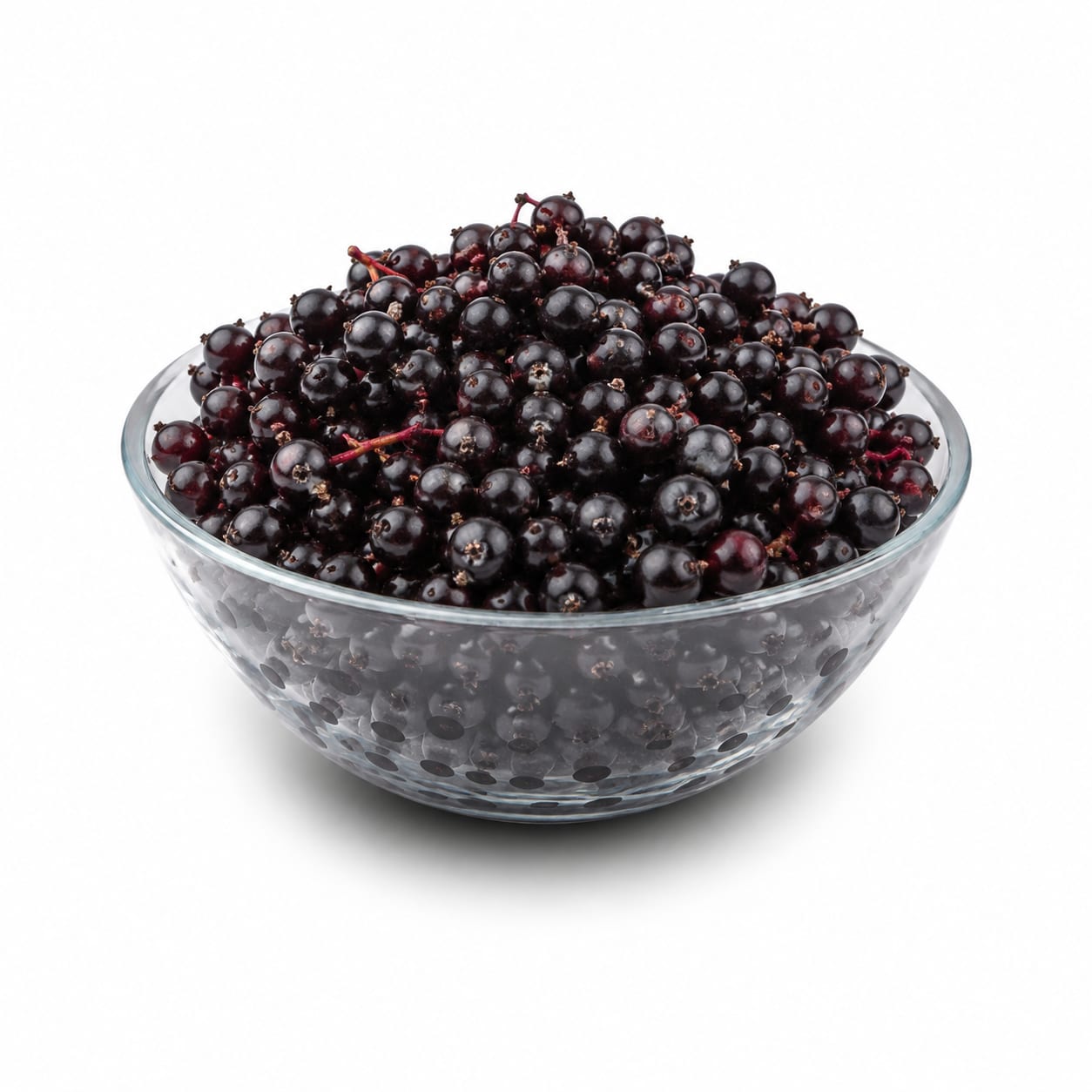
Elderberry
Dewberry wins for safe, casual snacking; elderberry wins for targeted immune support — but only if you cook it first.
Dewberry scores slightly higher overall due to safety and ease of use, but elderberry's medicinal edge keeps it competitive for specific health goals. The gap reflects practicality more than nutritional inferiority.
Elderberry offers stronger medicinal benefits but demands careful preparation to avoid toxicity, while dewberry is simpler and safer but less potent therapeutically.
At a glance
Executive summary
Overall
It depends
Healthier
It depends
More practical
Dewberry
Daily use
Dewberry
Key comparison lenses
safety and preparation
Elderberries are toxic when raw and must be cooked, while dewberries are safe to eat fresh — this is the single most critical distinction
immune support and medicinal use
Elderberry is widely used for immune defense and has strong clinical interest; dewberry is eaten more casually as a snack fruit
antioxidant potency
Both are anthocyanin-rich, but elderberry is notably denser in these compounds, making antioxidant comparison highly relevant
everyday versatility
Dewberry can be eaten out of hand; elderberry requires processing, which changes how people actually use them day to day
foraging and availability
Both are commonly foraged rather than store-bought, so sourcing and identification accuracy matter
Best choice for
Dewberry
- Fresh fruit snacking without cooking
- Families with children who might eat berries raw
- Baking, smoothies, and casual culinary use
- People wanting a low-hassle antioxidant source
Elderberry
- Cold and flu season immune support
- Making homemade syrups and tinctures
- People comfortable with proper preparation steps
- Targeted anti-inflammatory routines
Least suitable for
Dewberry
- Those seeking strong, concentrated immune support
- People wanting a medicinal berry supplement
Elderberry
- Anyone unwilling to cook berries before eating
- Households with small children who graze on fruit
- Quick on-the-go snacking needs
Deep comparison
Dimension by dimension
Each lens scores both foods and breaks down who each option suits.
- Dimension 1 · Priority 95Dewberry
safety_and_preparation_requirements
Dewberry · 92Elderberry · 35Dewberries are safe to eat fresh off the vine. Elderberries contain cyanogenic glycosides that can cause nausea, vomiting, and diarrhea if consumed raw — they must always be cooked first.
Tradeoff
Elderberry's medicinal potency comes with a real safety gate that dewberry simply doesn't have.
Why it matters
Eating raw elderberries has sent people to the hospital. This isn't a minor concern — it's the defining factor in how you interact with each berry.
Real-world impact
You can hand a child a bowl of fresh dewberries without worry. Elderberries require cooking supervision and clear labeling if stored at home.
Dewberry
- Spontaneous snacking
- Raw fruit salads
- Households with curious kids
Better for
- Situations requiring concentrated medicinal dosing
Worse for
Elderberry
- Planned, intentional preparation routines
Better for
- Any scenario involving raw consumption
- Foraging situations where preparation isn't possible
Worse for
- Dimension 2 · Priority 88Elderberry
immune_and_antiviral_potential
Dewberry · 48Elderberry · 91Elderberry has been studied for reducing flu duration and severity, with promising results. Dewberry offers general antioxidant support but lacks the same clinical backing for immune-specific outcomes.
Tradeoff
Elderberry's immune reputation is earned through research, but you must commit to proper preparation to access those benefits safely.
Why it matters
During cold and flu season, people actively choose elderberry syrup for a reason — the evidence for symptom reduction is stronger than almost any other common berry.
Real-world impact
Taking elderberry syrup at the first sign of a cold may shorten illness by a day or two. Dewberry won't give you that targeted effect.
Dewberry
- Mild, everyday antioxidant maintenance
Better for
- Acute immune challenges where you want a concentrated response
Worse for
Elderberry
- Proactive immune support during illness season
- Reducing cold and flu symptom duration
- Making therapeutic syrups and lozenges
Better for
- Situations where you want immune support without any preparation effort
Worse for
- Dimension 3 · Priority 80Elderberry
antioxidant_density
Dewberry · 65Elderberry · 88Elderberries are among the most antioxidant-dense fruits on earth, particularly rich in anthocyanins. Dewberries are respectable but don't reach the same concentration.
Tradeoff
More antioxidants per bite with elderberry, but you're likely eating it in smaller, processed amounts rather than fresh handfuls.
Why it matters
Total antioxidant intake depends on both concentration and quantity consumed. A few tablespoons of elderberry syrup may deliver more than a cup of fresh dewberries.
Real-world impact
If you're specifically eating berries for their free-radical-fighting power, elderberry gives you more per serving — but in a less snackable form.
Dewberry
- Getting antioxidants through larger portions of fresh whole fruit
Better for
- Matching elderberry's anthocyanin concentration per gram
Worse for
Elderberry
- Maximum antioxidant impact in small doses
- Supplement-style consumption patterns
Better for
- Enjoying large fresh quantities the way you would with other berries
Worse for
- Dimension 4 · Priority 75Dewberry
everyday_versatility_and_enjoyment
Dewberry · 85Elderberry · 50Dewberries work in smoothies, baked goods, salads, or straight from the container. Elderberries are almost always cooked into syrups, jams, or baked goods — raw eating is off the table.
Tradeoff
Dewberry fits into your life easily; elderberry demands a specific culinary plan every time.
Why it matters
The best healthy food is the one you actually eat regularly. Friction in preparation directly reduces how often you'll use something.
Real-world impact
Throwing dewberries into yogurt takes zero thought. Making elderberry syrup is a weekend project with cleanup.
Dewberry
- Quick breakfast additions
- Smoothie ingredients
- Fresh dessert toppings
- Trail mix and snack packs
Better for
- Providing a concentrated medicinal product
Worse for
Elderberry
- Dedicated syrup-making sessions
- Winter wellness routines
- Homemade jam and jelly projects
Better for
- Spontaneous snacking
- Quick meal assembly
- Any raw application
Worse for
- Dimension 5 · Priority 65Dewberry
foraging_accessibility_and_misidentification_risk
Dewberry · 70Elderberry · 55Both are commonly foraged, but elderberry has higher misidentification risk because its toxic lookalikes — particularly water hemlock growing in similar habitats — can be deadly.
Tradeoff
Foraging either berry requires confidence in identification, but the consequences of an elderberry foraging mistake are far more severe.
Why it matters
Wild-harvested food is rewarding but unforgiving. Elderberry's lookalikes include some of North America's most poisonous plants.
Real-world impact
A misidentified dewberry might taste bad. A misidentified elderberry lookalike could be a medical emergency.
Dewberry
- Beginner foragers
- Casual wild harvesting with lower stakes
Better for
- Situations where medicinal potency is the goal
Worse for
Elderberry
- Experienced foragers confident in plant identification
Better for
- Novice foraging
- Areas where water hemlock or other toxic lookalikes are common
Worse for
Timeline
Health impact over time
Short-term
Hours to days
Dewberry
- Quick natural energy from natural sugars
- Mild digestive support from fiber
- Safe to eat in quantity without preparation
Elderberry
- Nausea, vomiting, or diarrhea if eaten raw — even a small amount
- Potential immune-boosting effect within days if taken as cooked syrup
- Tart, astringent taste that limits overconsumption naturally
Long-term
Months to years
Dewberry
- Steady antioxidant intake supporting cellular health
- Consistent fiber supporting gut regularity
- Low-risk daily fruit option with no known toxicity concerns
Elderberry
- Stronger cumulative anti-inflammatory and immune benefits when used consistently
- Potential reduction in cold and flu frequency over seasons
- Requires sustained commitment to proper preparation to maintain safety
Risk profile
Safety & processing
Both berries are whole, natural foods when fresh. However, elderberry is almost always consumed after cooking, and commercial elderberry products like syrups and gummies often contain added sugars and preservatives — so read labels carefully.
Dewberry
Pesticide residue if not organically grown
lowDewberries have a relatively thin skin but are often wild-harvested, reducing pesticide exposure. Wash conventionally sourced berries thoroughly.
Mold and spoilage
mediumLike all delicate berries, dewberries spoil quickly. Refrigerate promptly and consume within a few days.
Elderberry
Cyanogenic glycoside toxicity from raw berries
highRaw elderberries contain compounds that release cyanide in the body. Symptoms include nausea, vomiting, diarrhea, and in severe cases, hospitalization. Always cook elderberries before eating.
Toxic lookalike misidentification
highElderberry bushes can be confused with water hemlock and other deadly plants. Only forage if you are absolutely certain of identification.
Added sugars in commercial elderberry products
mediumMany elderberry syrups and supplements contain significant added sugar or artificial ingredients. Check labels if buying pre-made products.
Who wins for whom
Audience fit
Same foods, different winners depending on your goal.
children
DewberryChildren can safely eat fresh dewberries as a snack. Raw elderberries pose a real poisoning risk for kids who might grab berries without understanding they need cooking.
daily consumption
DewberryDewberry requires no cooking, poses no toxicity risk, and integrates easily into daily meals. Elderberry's preparation requirement makes daily use harder to sustain.
diabetes
DewberryFresh dewberries have a lower effective sugar load per serving and no added sweeteners. Commercial elderberry syrups often contain added sugars that complicate blood sugar management.
elderly
It dependsDewberry is easier and safer for daily fruit intake. Elderberry may offer more targeted immune support, which matters more for older adults — but only if preparation is handled correctly.
muscle gain
It dependsNeither berry is a meaningful protein source. Both offer marginal antioxidant recovery benefits, but neither moves the needle for muscle building specifically.
weight loss
DewberryDewberries can be eaten fresh in satisfying quantities with minimal calories and no preparation barrier. Elderberry's weight loss utility is limited by the fact that it's usually consumed as syrup with added sugar.
Your move
Decision guide
Choose Dewberry
- You want a grab-and-go berry you can eat fresh
- You have children who snack from the fridge
- You prefer low-effort daily fruit routines
- You're foraging and want a lower-risk wild berry
Choose Elderberry
- You're specifically seeking immune support during cold season
- You enjoy making homemade syrups, jams, or wellness products
- You're comfortable cooking berries and following safety steps
- You want the most antioxidant-dense berry per gram
Either works if
- You want anthocyanin-rich berries in your diet
- You're baking — both work well in pies, muffins, and crisps
- You value wild-foraged foods over store-bought options
Avoid both if
- You have a berry allergy or salicylate sensitivity
- You're on a very low-carb or keto diet and need to minimize all fruit sugar
- You can't verify the source and suspect pesticide-heavy conventional farming
Final recommendation
Keep dewberries around for everyday eating — they're safe, versatile, and easy. Add elderberry as a seasonal immune tool, but only if you're willing to cook it properly or buy a trusted pre-made product. Think of dewberry as your daily driver and elderberry as your specialty supplement.
Practical
Consumer tips
- 1
If buying commercial elderberry syrup, check the sugar content — many brands add more sweetener than you'd expect
- 2
Never eat elderberries raw, even a few — cooking neutralizes the toxins but raw consumption can cause serious illness
- 3
When foraging either berry, go with an experienced guide for the first few times and always cross-reference multiple identification sources
- 4
Freeze fresh dewberries on a sheet pan before bagging — they'll keep for months and work perfectly in smoothies
- 5
If making elderberry syrup at home, strain out all seeds and stems, as they contain the highest concentration of toxic compounds
- 6
Dewberries spoil fast — don't wash them until right before eating to extend shelf life by a day or two