
Nutrition comparison
Dewberry vs Raspberry: Nutrition, Antioxidants, and Which is Better
Compare Dewberry vs Raspberry for health, taste, and availability. Learn which berry is better for weight loss, diabetes, and daily snacking.
Overall winner · Raspberry

Dewberry
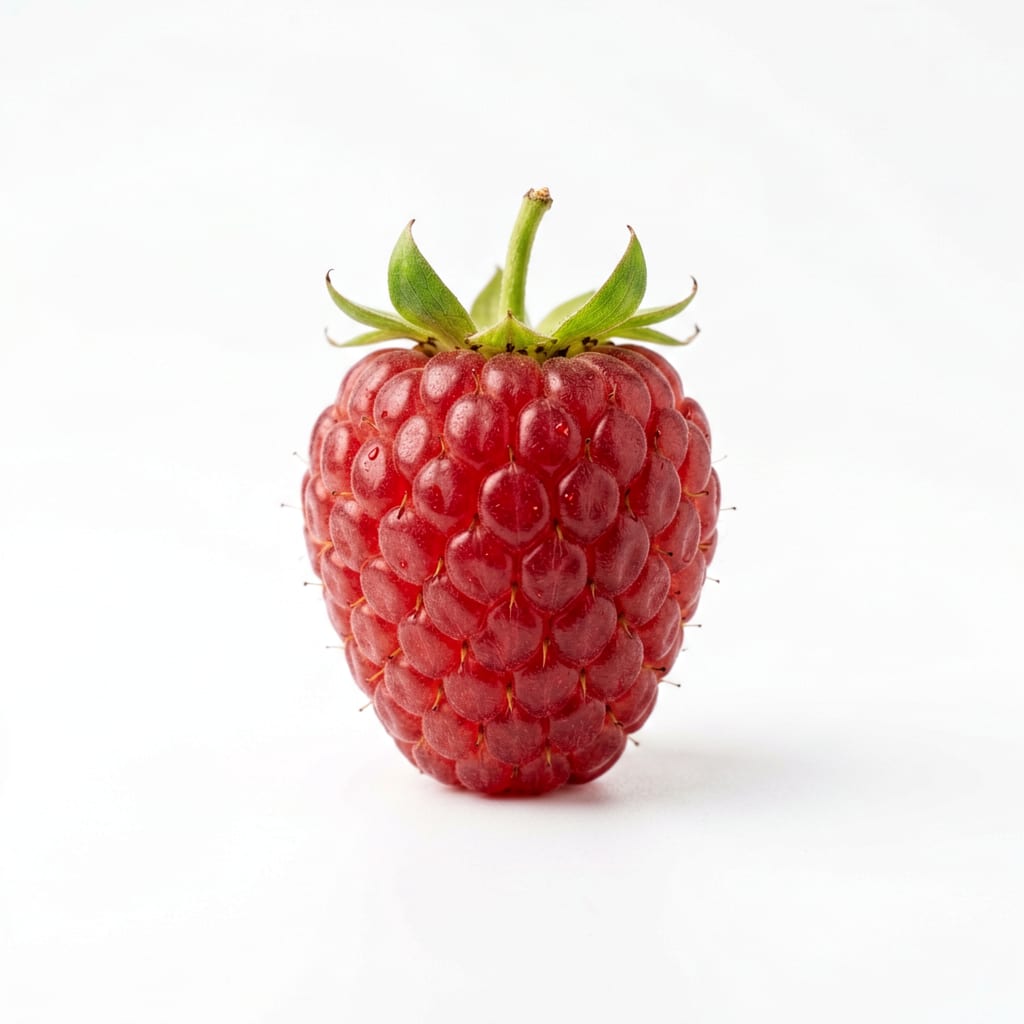
Raspberry
Raspberries offer more consistent nutrition and year-round availability, while Dewberries provide a unique wild-foraged antioxidant punch when in season.
Raspberries score higher mainly due to superior accessibility and slightly better fiber-to-sugar ratio, though Dewberries are nutritionally excellent when available.
Easy daily access and slightly higher fiber in Raspberries versus the rare, intense antioxidant profile of wild Dewberries.
At a glance
Executive summary
Overall
Raspberry
Healthier
It depends
More practical
Raspberry
Daily use
Raspberry
Key comparison lenses
Availability and everyday practicality
Raspberries are grocery staples; dewberries are highly seasonal and rarely sold commercially.
Antioxidant diversity and wild vs cultivated benefits
Dewberries are wild-foraged with intense pigments, while raspberries offer well-studied ellagic acid.
Blood sugar impact and low-sugar snacking
Both are low-sugar fruits, but raspberries are famously low on the glycemic index.
Fiber density and digestive fullness
Raspberries are among the highest-fiber berries, directly comparing against the decent fiber in dewberries.
Best choice for
Dewberry
- Foragers and wild food enthusiasts
- Seasonal eaters seeking wild plant benefits
- Fans of tart, blackberry-like flavor
Raspberry
- Daily smoothie makers
- Low-carb dieters
- People wanting reliable grocery access
Least suitable for
Dewberry
- People needing consistent year-round supply
- Those who dislike tart flavors
Raspberry
- Wild food enthusiasts looking for foraged variety
Deep comparison
Dimension by dimension
Each lens scores both foods and breaks down who each option suits.
- Dimension 1 · Priority 90Dewberry
Antioxidant Power & Cellular Defense
Dewberry · 92Raspberry · 88Dewberries, especially wild ones, pack a denser punch of anthocyanins from their dark skin, while Raspberries offer unique ellagic acid.
Tradeoff
You get deeper pigmented antioxidants in Dewberries, but Raspberries provide a more studied, consistent polyphenol profile.
Why it matters
Anthocyanins protect cells from daily wear and tear, while ellagic acid supports healthy inflammation responses.
Real-world impact
Eating Dewberries feels like a wild, intense antioxidant boost; Raspberries are a steady daily defense.
Dewberry
- Wild-foraged antioxidant diversity
- Dark pigment benefits
Better for
- Harder to get regularly for cumulative benefits
Worse for
Raspberry
- Consistent ellagic acid intake
- Reliable polyphenol content
Better for
- Less intense anthocyanin concentration than dark wild berries
Worse for
- Dimension 2 · Priority 85Raspberry
Blood Sugar Stability & Low-Sugar Snacking
Dewberry · 82Raspberry · 92Raspberries are famously low in sugar and high in fiber, making them one of the best fruits for steady energy.
Tradeoff
Dewberries are still low-sugar, but Raspberries edge them out with a better fiber-to-sugar ratio.
Why it matters
Less sugar means no afternoon energy crash, keeping your mood and focus stable.
Real-world impact
A bowl of Raspberries will not spike your blood sugar, making them a perfect afternoon snack.
Dewberry
- A tart, low-sugar treat when in season
Better for
- Slightly higher natural sugars than Raspberries
Worse for
Raspberry
- Strict low-carb diets
- Diabetes-friendly snacking
- Steady energy without crashes
Better for
- None significant for a berry
Worse for
- Dimension 3 · Priority 95Raspberry
Availability & Everyday Practicality
Dewberry · 35Raspberry · 95Raspberries are available in almost every grocery store year-round, while Dewberries are rare, seasonal, and often foraged.
Tradeoff
You trade the unique experience of a wild Dewberry for the guaranteed convenience of a store-bought Raspberry.
Why it matters
A superfood only works if you can actually eat it consistently.
Real-world impact
You can toss Raspberries in your cart any day of the week; Dewberries require special trips or foraging.
Dewberry
- Excitement of seasonal foraging
- Supporting local foragers at farmers markets
Better for
- Extremely limited availability
- Short season
Worse for
Raspberry
- Year-round grocery access
- Easy meal prep consistency
Better for
- Can be expensive out of season
Worse for
- Dimension 4 · Priority 80Raspberry
Digestive Health & Fiber Density
Dewberry · 85Raspberry · 93Raspberries are fiber champions, offering 8 grams per cup, which easily keeps you full and regular.
Tradeoff
Dewberries provide solid fiber, but Raspberries set the gold standard for digestive fullness.
Why it matters
High fiber means better gut health, less bloating, and staying full longer between meals.
Real-world impact
Adding Raspberries to breakfast makes it far more satisfying and keeps hunger away until lunch.
Dewberry
- Good fiber from a whole food source
Better for
- Lower fiber density compared to Raspberries
Worse for
Raspberry
- Maximum fiber per calorie
- Excellent for gut regularity
- Very filling snack
Better for
- Seeds can bother sensitive stomachs
Worse for
Timeline
Health impact over time
Short-term
Hours to days
Dewberry
- Quick burst of wild berry antioxidants
- Tart, satisfying flavor
Raspberry
- Very low sugar energy
- Immediate fullness from high fiber
Long-term
Months to years
Dewberry
- Diverse wild plant compounds support cellular resilience
- Seasonal eating variety
Raspberry
- Consistent fiber intake promotes a healthy gut microbiome
- Regular ellagic acid supports anti-aging
Risk profile
Safety & processing
Both Dewberries and Raspberries are whole, natural berries with no artificial additives when bought fresh or frozen.
Dewberry
Foraging misidentification
mediumWild foraged Dewberries can be confused with less edible or toxic berries if you are not experienced.
Environmental contamination
lowWild berries growing near roads or treated fields may absorb pollutants.
Raspberry
Pesticide residue
mediumConventional Raspberries are thin-skinned and often retain high pesticide levels; washing is essential.
Mold and spoilage
lowRaspberries are delicate and mold quickly, requiring prompt consumption or freezing.
Who wins for whom
Audience fit
Same foods, different winners depending on your goal.
children
RaspberryRaspberries are sweeter, easier to find, and eliminate the foraging misidentification risks of wild Dewberries.
daily consumption
RaspberryYear-round availability and a robust nutritional profile make Raspberries an easy daily habit.
diabetes
RaspberryRaspberries have an exceptionally low sugar content and glycemic load, making them safer for blood sugar management.
elderly
RaspberryConsistent access to Raspberries supports regular fiber intake for gut health without relying on seasonal foraging.
muscle gain
It dependsNeither berry is a significant protein source, though both add great micronutrients to protein shakes.
weight loss
RaspberryRaspberries offer more fiber and less sugar per calorie, keeping you full longer on fewer carbs.
Your move
Decision guide
Choose Dewberry
- You forage or have access to local farmers markets in summer
- You want a wild, robust dark berry flavor
- You seek diverse, wild-sourced antioxidants
Choose Raspberry
- You want a reliable, year-round low-sugar fruit
- You need a fiber boost for gut health
- You prefer grocery store convenience
Either works if
- You just want a delicious, antioxidant-rich berry snack
- You are making a mixed berry compote
Avoid both if
- You have a severe berry allergy
- You need a high-protein or high-calorie food
Final recommendation
Choose Raspberries for a dependable, low-sugar, high-fiber daily fruit. Opt for Dewberries when you find them fresh or foraged to enjoy a unique, wild antioxidant treat that adds exciting variety to your diet.
Practical
Consumer tips
- 1
Wash wild Dewberries thoroughly to remove potential environmental contaminants or small insects.
- 2
Buy organic Raspberries when possible to avoid high pesticide residues typical of delicate berries.
- 3
Freeze Raspberries when they are in season for a cheaper, year-round smoothie ingredient.
- 4
Mix Dewberries and Raspberries together for a complex flavor profile if you find Dewberries at a local market.