
Nutrition comparison
Dewberry vs Blueberry: Nutrition, Taste, and Which Berry Is Better for You
Compare dewberry and blueberry nutrition including fiber, sugar, antioxidants, and availability. Find out which berry fits your health goals and lifestyle best.
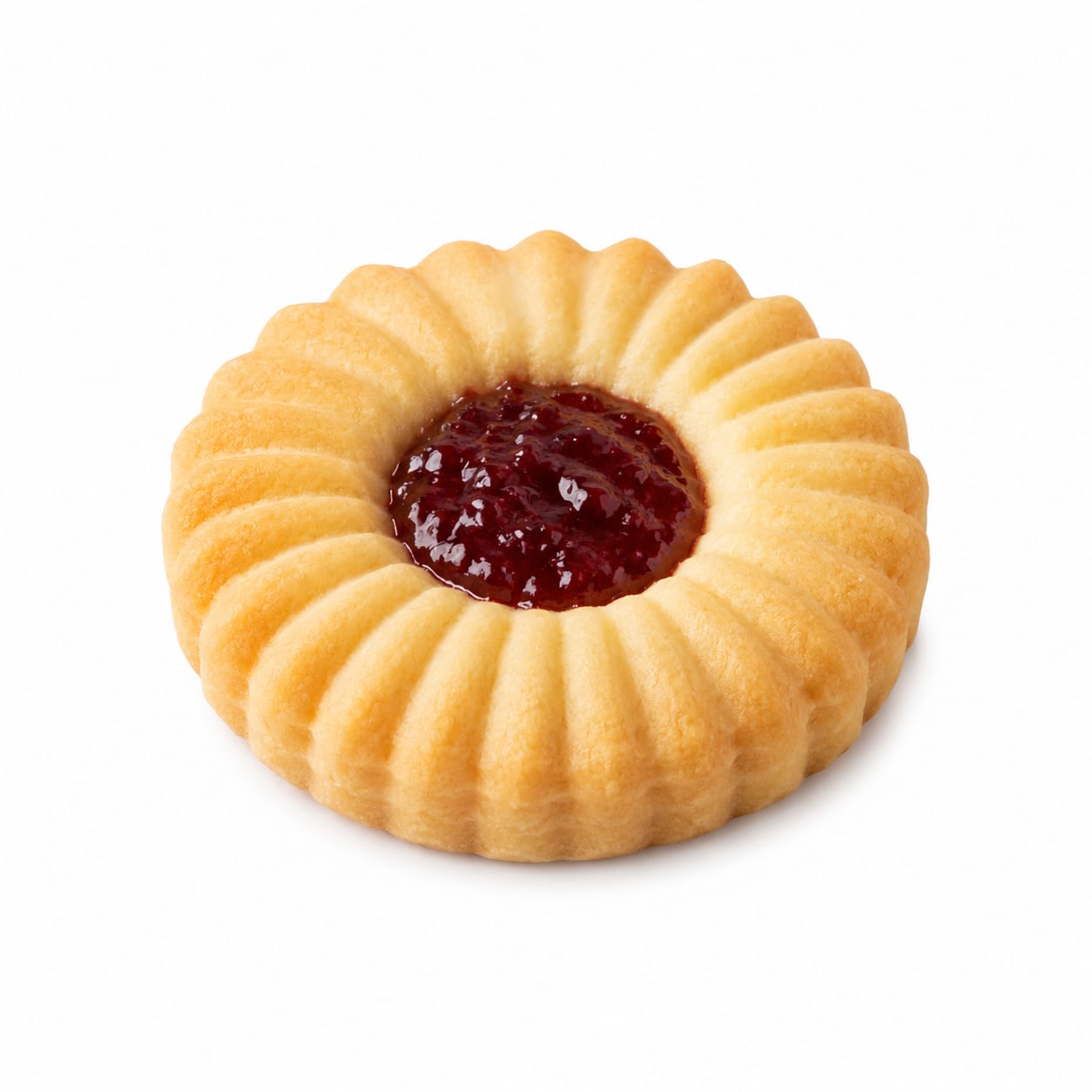
Dewberry
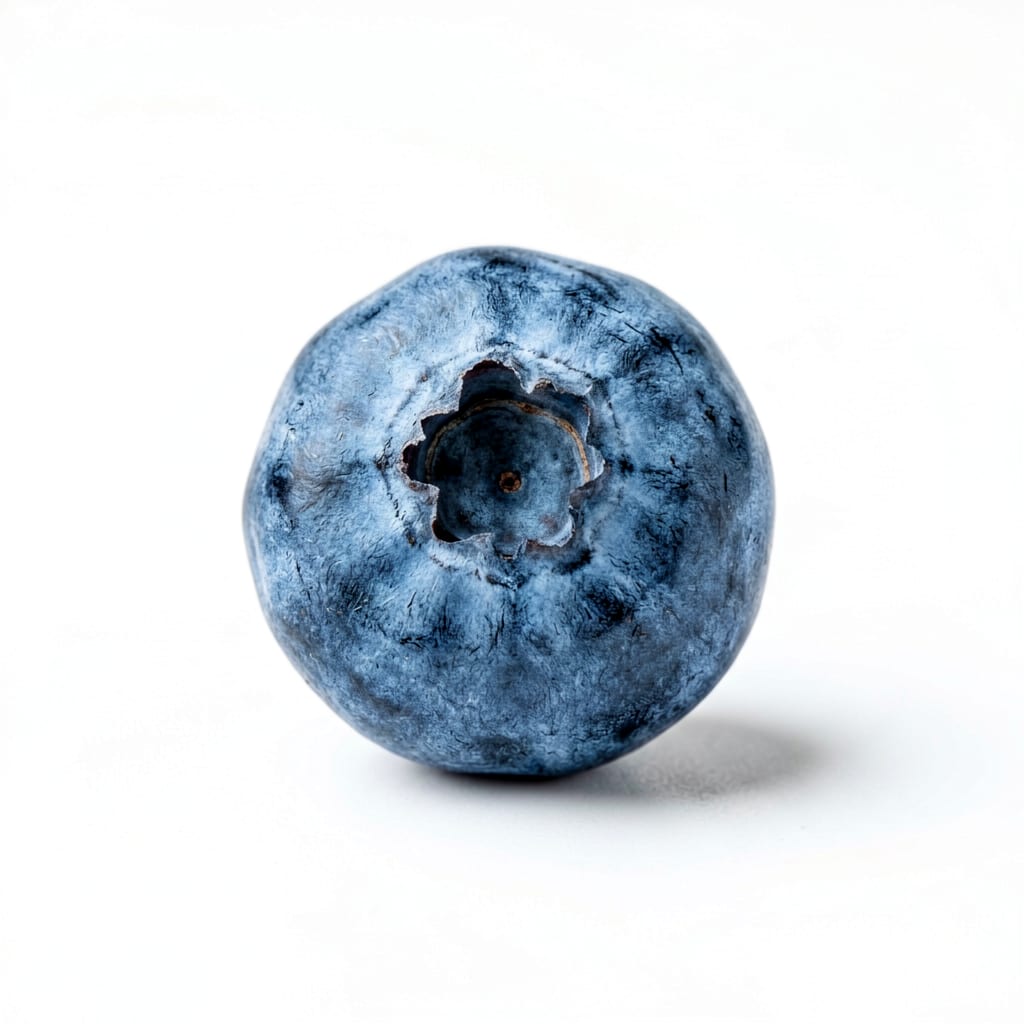
Blueberry
Blueberries win on convenience and anthocyanin power, while dewberries offer more fiber and a deeper, earthier nutrient profile if you can find them.
Dewberries edge out blueberries nutritionally in fiber and mineral content, but blueberries score higher overall due to superior accessibility, research backing, and consistent availability. The gap reflects practical reality more than nutritional inferiority.
Widely available and researched versus harder to find but nutritionally denser in fiber and certain minerals.
At a glance
Executive summary
Overall
It depends
Healthier
It depends
More practical
Blueberry
Daily use
Blueberry
Key comparison lenses
antioxidant profile comparison
Both berries are prized for antioxidants but belong to different plant families with distinct phytonutrient profiles
accessibility and everyday practicality
Blueberries are supermarket staples while dewberries are rarely sold commercially, making availability a major decision factor
fiber and digestive benefit
Dewberries, being related to blackberries, offer significantly more fiber per serving than blueberries
sugar and blood impact
Users comparing berries often care about sugar content and glycemic impact for weight management or diabetes
wild foraging vs commercial safety
Dewberries are commonly wild-foraged, raising questions about identification safety and contamination that blueberries avoid
Best choice for
Dewberry
- Foragers and rural dwellers with local access
- Those prioritizing maximum fiber intake
- Anyone seeking a lower-sugar berry option
- People wanting variety beyond common supermarket fruit
Blueberry
- Busy households needing reliable grocery access
- Smoothie and breakfast bowl enthusiasts
- Anyone focused on anthocyanin-specific benefits like cognitive support
- Parents needing kid-friendly, widely available fruit
Least suitable for
Dewberry
- Urban dwellers without foraging access or specialty markets
- Anyone uncertain about safe wild berry identification
- People who need consistent, year-round availability
Blueberry
- Those seeking the highest fiber berry option
- Anyone bored with common berries and wanting novel flavors
- People looking to minimize natural sugar slightly more
Deep comparison
Dimension by dimension
Each lens scores both foods and breaks down who each option suits.
- Dimension 1 · Priority 92It depends
antioxidant_diversity_and_power
Dewberry · 78Blueberry · 88Blueberries are anthocyanin champions with strong evidence for brain and cardiovascular benefits. Dewberries offer a broader antioxidant mix including ellagic acid, but lack the same depth of clinical research.
Tradeoff
Proven anthocyanin potency in blueberries versus a wider but less-studied antioxidant spectrum in dewberries.
Why it matters
If you are eating berries specifically for cognitive or anti-inflammatory benefits, blueberries have the strongest published evidence behind them.
Real-world impact
Eating blueberries regularly is like taking a well-studied supplement. Dewberries may offer similar or complementary benefits, but you are betting more on theory than proven outcomes.
Dewberry
- Ellagic acid intake linked to cellular defense
- Diverse polyphenol exposure from a less common fruit source
Better for
- Lacks the large-scale human trials that blueberries have
- Antioxidant claims remain more theoretical than proven
Worse for
Blueberry
- Anthocyanin-dense with proven cognitive and vascular benefits
- Most researched berry for anti-aging and neuroprotection
Better for
- Narrower antioxidant range dominated by anthocyanins
- Less ellagic acid than dewberry or blackberry relatives
Worse for
- Dimension 2 · Priority 85Dewberry
fiber_and_satiety
Dewberry · 88Blueberry · 62Dewberries deliver roughly double the fiber per serving compared to blueberries, making them noticeably more filling and better for digestive regularity.
Tradeoff
More satisfying and gut-friendly versus softer texture and milder flavor that some people prefer eating in larger quantities.
Why it matters
Fiber is the nutrient most people consistently underconsume. Choosing a higher-fiber berry makes each serving work harder for your gut health.
Real-world impact
A cup of dewberries with breakfast keeps you fuller longer than a cup of blueberries. That difference compounds over weeks and months.
Dewberry
- Roughly twice the fiber per cup compared to blueberries
- More effective at supporting digestive regularity
- Higher satiety per calorie consumed
Better for
- Seedy texture can feel less pleasant in smoothies or desserts
- Tartness may limit how much some people enjoy eating raw
Worse for
Blueberry
- Softer texture makes them easier to eat in larger volumes
- Milder flavor appeals to more palates, potentially increasing total fruit intake
Better for
- Noticeably less fiber means less gut health benefit per serving
- Less filling, so you may eat more to feel satisfied
Worse for
- Dimension 3 · Priority 78Dewberry
sugar_and_blood_stability
Dewberry · 82Blueberry · 72Dewberries contain slightly less sugar per serving and more fiber to slow absorption, giving them a gentler impact on blood sugar.
Tradeoff
Marginally better glycemic profile versus sweeter taste that makes blueberries more enjoyable as a standalone snack.
Why it matters
For anyone monitoring blood sugar or managing cravings, small differences in sugar and fiber ratio add up meaningfully over time.
Real-world impact
Dewberries are less likely to trigger a sugar craving cycle. Blueberries are still low-sugar compared to most fruit, but the difference is real for sensitive individuals.
Dewberry
- Lower sugar content per serving
- Higher fiber slows glucose absorption more effectively
- Better suited for low-glycemic eating approaches
Better for
- Tartness means some people add sweetener, negating the advantage
- Less enjoyable as a pure snack for sweet-toothed eaters
Worse for
Blueberry
- Still well within low-glycemic territory for most people
- Sweeter taste may satisfy dessert cravings without junk food
Better for
- Higher sugar relative to fiber compared to dewberries
- Slightly more likely to cause a blood sugar bump in sensitive people
Worse for
- Dimension 4 · Priority 90Blueberry
availability_and_convenience
Dewberry · 28Blueberry · 95Blueberries are available year-round in nearly every grocery store. Dewberries are rarely sold commercially and are primarily accessed through foraging, farmers markets, or specialty suppliers.
Tradeoff
Nutritional edge and novelty versus the reality that most people simply cannot buy dewberries easily.
Why it matters
The healthiest food is the one you can actually access and eat consistently. Availability often trumps marginal nutritional differences.
Real-world impact
You can throw blueberries in your cart every week without thinking. Dewberries require effort, timing, and often geographic luck.
Dewberry
- Free if you forage in regions where they grow wild
- Novel ingredient that adds variety to a repetitive diet
Better for
- Almost never found in mainstream supermarkets
- Seasonal and regional, limiting reliable access
- Requires foraging knowledge or specialty sourcing
Worse for
Blueberry
- Available fresh, frozen, and organic in virtually every grocery store
- Consistent year-round supply regardless of season
- Easy to find in multiple forms including dried and freeze-dried
Better for
- Ubiquity can feel boring compared to lesser-known berries
- Organic options are expensive relative to other fruit
Worse for
- Dimension 5 · Priority 72Dewberry
vitamin_and_mineral_density
Dewberry · 80Blueberry · 70Dewberries provide more vitamin C, vitamin K, and several minerals per serving than blueberries, owing to their blackberry-like nutritional profile.
Tradeoff
Higher micronutrient concentrations versus blueberries having exceptional vitamin K and manganese that are still well above average for fruit.
Why it matters
If berries are a primary fruit source in your diet, choosing the more micronutrient-dense option amplifies your nutritional baseline.
Real-world impact
Dewberries give you more immune-supporting vitamin C and blood-clotting vitamin K per cup. Blueberries still deliver solid nutrition but slightly less per bite.
Dewberry
- Higher vitamin C per serving supports immune function more effectively
- More vitamin K contributes to bone and blood health
- Greater manganese and folate content per calorie
Better for
- Wild varieties vary widely in nutrient content depending on soil and conditions
- No standardized nutrition data means estimates are less reliable
Worse for
Blueberry
- Still excellent vitamin K and manganese sources
- More consistent nutrient profiles due to commercial cultivation standards
Better for
- Lower vitamin C than dewberries and many other berries
- Slightly less mineral-dense per serving overall
Worse for
Timeline
Health impact over time
Short-term
Hours to days
Dewberry
- High fiber may cause mild bloating if you are not used to it
- Tart flavor can be refreshing but may not satisfy sweet cravings immediately
- Vitamin C content provides a quick immune-supporting boost
Blueberry
- Gentle on digestion and well-tolerated by most people
- Natural sweetness provides quick satisfaction without a sugar crash
- Anthocyanins begin supporting blood flow within hours of consumption
Long-term
Months to years
Dewberry
- Consistent fiber intake supports gut microbiome diversity and regularity
- Ellagic acid exposure may contribute to cellular defense over years
- Lower sugar intake helps maintain insulin sensitivity when replacing sweeter fruits
Blueberry
- Regular anthocyanin intake strongly associated with slower cognitive decline in aging
- Consistent consumption linked to improved cardiovascular markers over time
- Widely studied long-term safety profile with no concerning findings
Risk profile
Safety & processing
Both berries are whole, unprocessed foods in their natural state. Dewberries are almost always consumed fresh or wild-foraged with minimal intervention. Blueberries may undergo more commercial handling and freezing, but remain fundamentally clean foods.
Dewberry
Misidentification during foraging
highDewberries resemble several toxic wild berries. Only experienced foragers should harvest them, and positive identification is essential before eating.
Parasite and contamination exposure from wild growth
mediumWild dewberries grow close to the ground and may be exposed to animal waste, agricultural runoff, or polluted soil near roadsides.
Pesticide residue from unknown sources
mediumWild dewberries growing near conventional farms may absorb drift pesticides, with no organic certification to verify cleanliness.
Blueberry
Pesticide residue on conventional blueberries
mediumBlueberries frequently appear on the Dirty Dozen list. Conventional varieties carry measurable pesticide residues that washing does not fully remove.
Mold and spoilage from moisture retention
lowBlueberries mold quickly if not stored properly. Discard any soft or fuzzy berries to avoid inhaling or consuming mold spores.
Who wins for whom
Audience fit
Same foods, different winners depending on your goal.
children
BlueberryBlueberries are sweeter, safer from a sourcing standpoint, and widely loved by kids. Dewberries carry foraging risks and a tartness most children reject.
daily consumption
BlueberryConsistent access, mild flavor, and extensive safety data make blueberries the more sustainable daily habit for most people.
diabetes
DewberryLower sugar and higher fiber create a more favorable glycemic profile, though both berries are solid choices compared to most fruit.
elderly
BlueberryBlueberries have the strongest evidence for cognitive protection in aging populations, and their soft texture is easy on aging teeth and digestion.
muscle gain
It dependsNeither berry is a meaningful protein source. Both provide antioxidants that support recovery, but the difference is negligible for muscle-building goals.
weight loss
DewberryDewberries offer more fiber and less sugar per serving, keeping you fuller on fewer calories and reducing the likelihood of overeating.
Your move
Decision guide
Choose Dewberry
- You have reliable access through foraging, farmers markets, or specialty suppliers
- Maximizing fiber and minimizing sugar are top priorities for you
- You enjoy tart, complex flavors and want something beyond common supermarket berries
- You are confident in wild berry identification or source from trusted foragers
Choose Blueberry
- You want a berry you can buy anywhere, any time of year
- Cognitive and cardiovascular benefits with strong research backing matter most to you
- You need a kid-friendly fruit that requires no preparation or sweetener
- You prefer sweeter, milder berries for smoothies, oatmeal, or snacking
Either works if
- You simply want more berry variety in your diet and can access both
- Your main goal is increasing daily fruit and antioxidant intake generally
- You rotate seasonal fruits and treat berries as complementary rather than competing choices
Avoid both if
- You have a salicylate sensitivity that triggers reactions to berries
- You are on a very strict low-FODMAP elimination phase and cannot tolerate fruit sugars
- You are allergic to berries or have histamine intolerance that berries aggravate
Final recommendation
Eat blueberries as your daily staple and seek out dewberries when you find them for variety. Blueberries give you consistency, proven benefits, and easy access. Dewberries offer a nutritional upgrade in fiber and minerals when available, but their limited access makes them a supplement to your routine rather than a replacement. If you forage dewberries, always verify identification with an expert and wash thoroughly.
Practical
Consumer tips
- 1
Buy organic blueberries when possible, as conventional blueberries rank high for pesticide residue
- 2
Freeze blueberries in a single layer on a baking sheet before bagging to prevent clumping
- 3
If foraging dewberries, always cross-reference with a local expert or field guide and avoid berries growing near roads or treated farmland
- 4
Wash dewberries thoroughly with a vinegar-water solution to reduce potential contamination from wild growth
- 5
Mix both berries together when you have them for a broader antioxidant spectrum and balanced sweetness
- 6
Add dewberries to baked goods where their tartness balances sweet batter, and save blueberries for raw snacking and smoothies