
Nutrition comparison
Dewberry vs Cranberry: Which Berry Is Healthier for You?
Compare dewberry and cranberry on sugar, antioxidants, UTI prevention, taste, and daily usability. Find out which berry fits your health goals better.
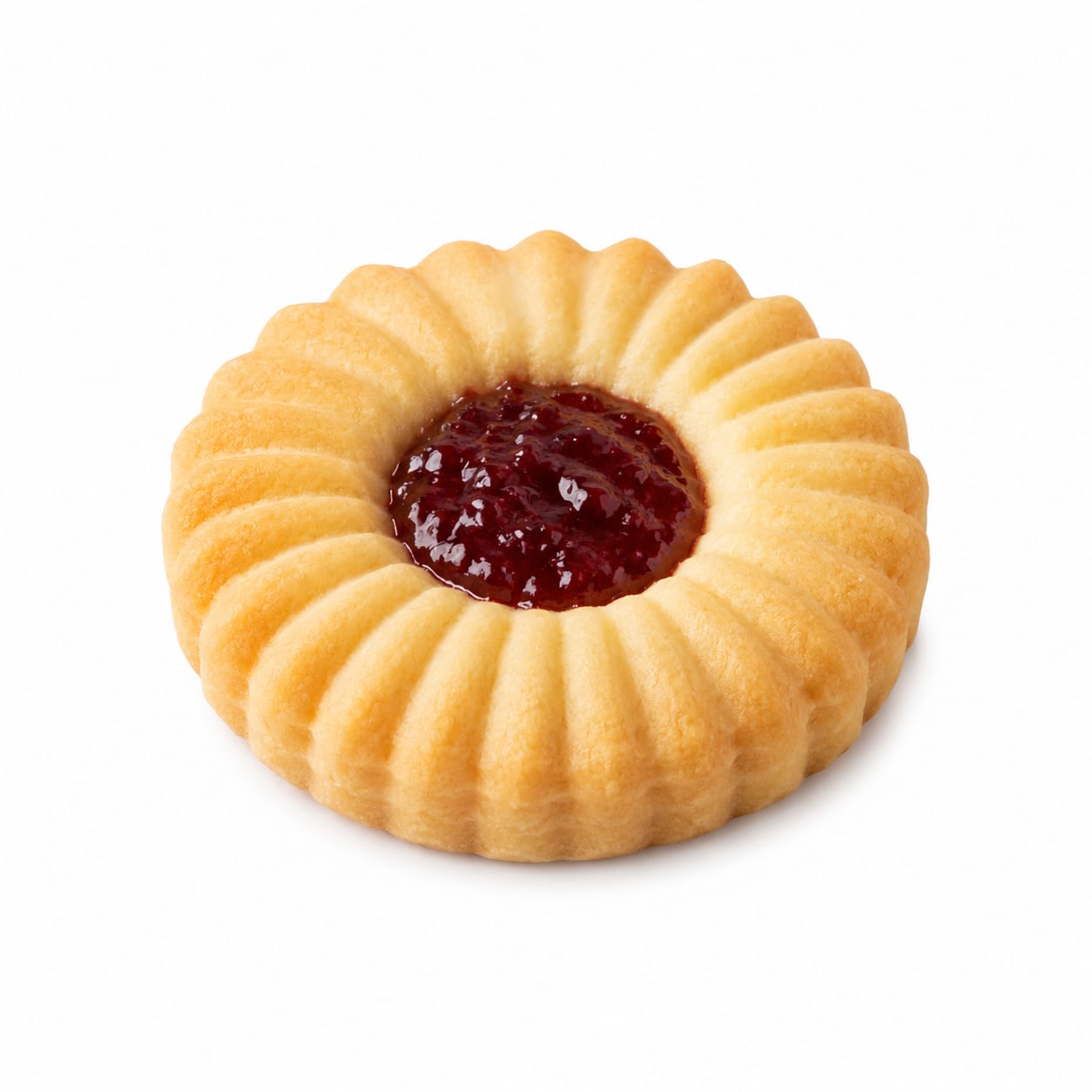
Dewberry
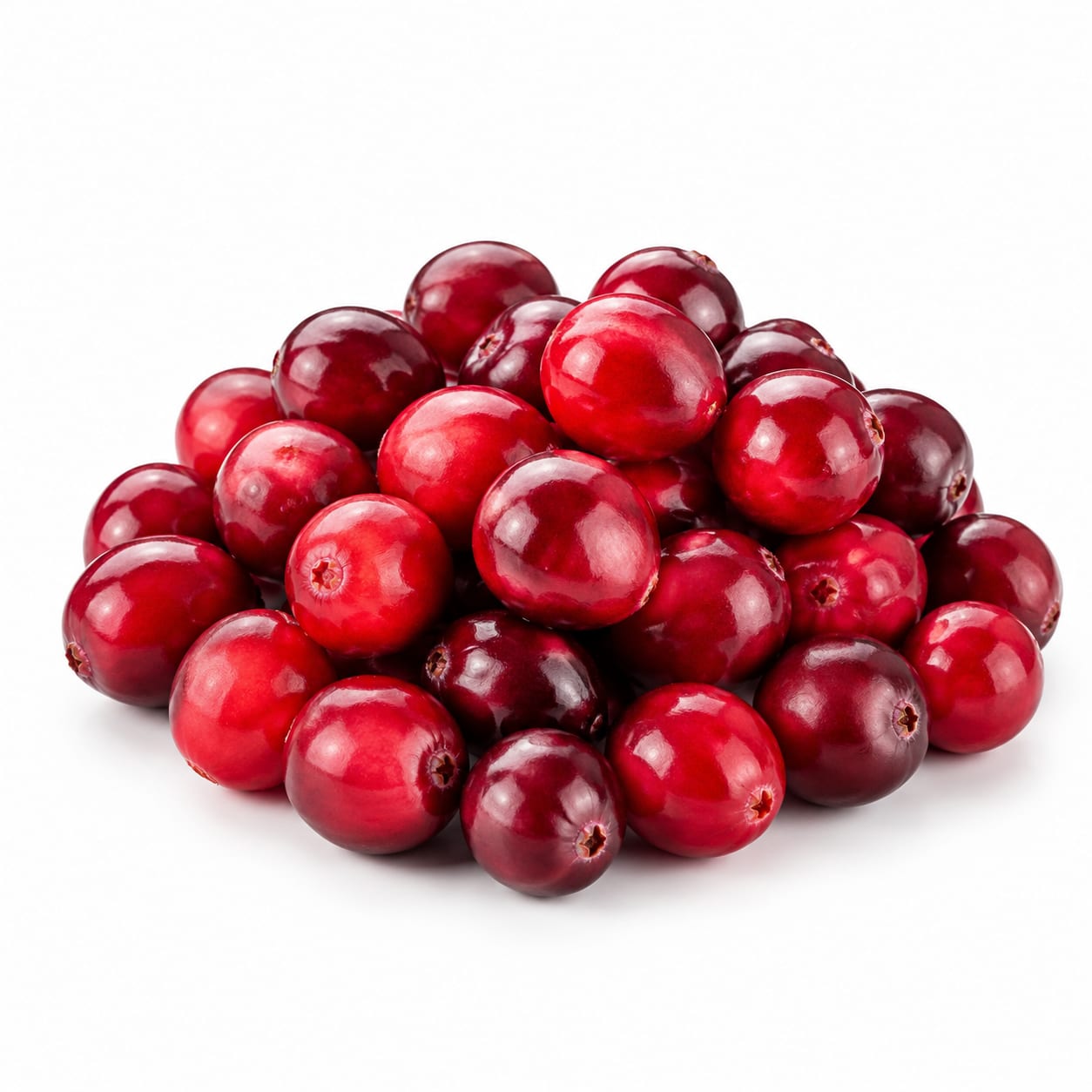
Cranberry
Cranberry wins for targeted urinary health and low sugar; dewberry wins for enjoyable fresh eating and higher natural sweetness.
Cranberry scores higher due to its unique medicinal properties, lower sugar, and wider availability. Dewberry is more enjoyable fresh but less nutritionally distinctive and harder to find.
You choose between cranberry's medicinal edge and dewberry's superior taste and snackability.
At a glance
Executive summary
Overall
It depends
Healthier
Cranberry
More practical
Cranberry
Daily use
Dewberry
Key comparison lenses
antioxidant and urinary health
Cranberry is uniquely famous for urinary tract protection while dewberry offers different antioxidant benefits
sugar and palatability tradeoff
Cranberry is extremely tart and rarely eaten raw without sweetening, while dewberry is naturally sweeter and more palatable fresh
everyday versatility
Dewberry works as a fresh snack but is harder to find; cranberry is widely available but needs preparation or sweetening
fiber and digestive benefit
Both berries offer fiber but in different amounts and types, affecting satiety and gut health differently
Best choice for
Dewberry
- People who want a naturally sweet fresh berry snack
- Anyone seeking a more enjoyable everyday fruit
- Those who dislike tart flavors and avoid cranberry for that reason
- Home gardeners in warm climates who can grow their own
Cranberry
- People prone to urinary tract infections
- Anyone monitoring sugar intake closely
- Those who want a well-studied medicinal berry
- People who enjoy tart flavors or use berries in cooking and baking
Least suitable for
Dewberry
- People who need a low-sugar fruit option
- Anyone looking for the specific urinary tract benefits cranberry provides
- Those without local access to dewberries
Cranberry
- People sensitive to very tart or acidic foods
- Anyone trying to avoid added sweeteners since raw cranberry is nearly unpalatable
- Children who reject sour flavors
Deep comparison
Dimension by dimension
Each lens scores both foods and breaks down who each option suits.
- Dimension 1 · Priority 95Cranberry
urinary_and_medicinal_benefit
Dewberry · 30Cranberry · 95Cranberry contains unique proanthocyanidins that prevent bacteria from adhering to urinary tract walls, a benefit dewberry cannot match.
Tradeoff
If UTI prevention is your goal, cranberry is clearly superior. Dewberry offers general antioxidants but nothing targeting urinary health specifically.
Why it matters
Recurrent UTIs affect millions and cranberry is one of the few foods with strong evidence for prevention.
Real-world impact
Regular cranberry consumption can meaningfully reduce UTI recurrence, saving antibiotics and discomfort.
Dewberry
- General antioxidant support without a specific medicinal target
Better for
- No specific urinary tract protection
Worse for
Cranberry
- UTI prevention
- Proanthocyanidin intake
- Targeted bacterial anti-adhesion benefits
Better for
- Benefits are specific to urinary health, not broad-spectrum
Worse for
- Dimension 2 · Priority 88Cranberry
sugar_content_and_blood_impact
Dewberry · 55Cranberry · 85Raw cranberry is extremely low in sugar but nearly inedible without sweetening. Dewberry has moderate natural sugar making it enjoyable fresh.
Tradeoff
Cranberry's low sugar advantage disappears if you consume it sweetened as juice or dried. Dewberry's sugar is natural and comes with fiber that slows absorption.
Why it matters
Sugar content determines whether a fruit fits into low-carb, diabetic, or weight-loss diets.
Real-world impact
A handful of fresh dewberries gives you a satisfying sweet snack without a sugar crash. Raw cranberries are too sour to eat alone, pushing most people toward cranberry products with added sugar.
Dewberry
- Enjoyable without added sweeteners
- Fiber slows sugar absorption for steadier energy
Better for
- Higher natural sugar means larger blood sugar impact per serving
Worse for
Cranberry
- Inherently very low sugar when consumed raw
- Better fit for strict low-carb approaches if you tolerate the tartness
Better for
- Most commercial cranberry products are loaded with added sugar, negating the advantage
Worse for
- Dimension 3 · Priority 85Dewberry
taste_and_palatability
Dewberry · 82Cranberry · 35Dewberry is sweet-tart and pleasant to eat fresh. Raw cranberry is aggressively tart and astringent, rarely eaten alone.
Tradeoff
Better taste means dewberry is easier to eat regularly without processing. Cranberry requires sweetening, cooking, or drying to become palatable.
Why it matters
If a food is unpleasant to eat, you will not sustain it as a habit regardless of health benefits.
Real-world impact
You can hand someone a bowl of fresh dewberries and they will enjoy them. Hand them raw cranberries and they will wince.
Dewberry
- Fresh snacking straight from the container
- Kids and picky eaters
- No need for added sugar or preparation
Better for
- Less culinary versatility due to milder flavor
Worse for
Cranberry
- Cooking and baking where tartness adds complexity
- Sauces and relishes where sugar balances the flavor
Better for
- Almost impossible to enjoy raw without sweetening
- Limited appeal as a fresh snack
Worse for
- Dimension 4 · Priority 80Cranberry
availability_and_convenience
Dewberry · 30Cranberry · 80Cranberry is available nationwide in multiple forms year-round. Dewberry is regional, seasonal, and rarely found in grocery stores.
Tradeoff
Cranberry's wide availability comes with the caveat that most convenient forms are processed and sweetened. Dewberry is hard to find but when available is typically fresh and unprocessed.
Why it matters
A food you cannot buy is a food you cannot eat regularly, no matter how good it is.
Real-world impact
You can find cranberries or cranberry products in any supermarket. Finding fresh dewberries requires farmers markets, foraging, or growing your own.
Dewberry
- When available, it is typically fresh and whole
- Less likely to be consumed in processed forms
Better for
- Very limited commercial availability
- Short seasonal window
- Most people have never seen one in a store
Worse for
Cranberry
- Available fresh, frozen, dried, and juiced everywhere
- Easy to incorporate into meals year-round
Better for
- Widest availability is in processed forms with added sugar
Worse for
- Dimension 5 · Priority 72Dewberry
fiber_and_digestive_health
Dewberry · 75Cranberry · 65Dewberry edges out cranberry in fiber content per serving, offering better satiety and digestive support.
Tradeoff
Both berries provide decent fiber, but dewberry's slightly higher content makes it more filling per handful.
Why it matters
Fiber determines how satisfying a fruit feels and how it affects your digestion and gut bacteria.
Real-world impact
A serving of dewberries keeps you fuller longer than the same volume of cranberries, making it a better between-meal snack.
Dewberry
- More filling per serving
- Better for gut regularity
- More satisfying snack experience
Better for
- Not a dramatic fiber advantage over cranberry
Worse for
Cranberry
- Still provides meaningful fiber, especially when consumed whole or dried
Better for
- Slightly less fiber means less satiety per serving
Worse for
- Dimension 6 · Priority 70It depends
antioxidant_diversity
Dewberry · 70Cranberry · 72Both berries are antioxidant powerhouses but with different profiles. Cranberry excels in proanthocyanidins; dewberry offers anthocyanins and vitamin C.
Tradeoff
Cranberry's antioxidants are more studied and target specific conditions. Dewberry's antioxidants are broader but less clinically validated.
Why it matters
Antioxidant diversity matters more than total amount for long-term cellular protection.
Real-world impact
Eating both berries gives you complementary antioxidant coverage. Choosing only one means missing unique compounds from the other.
Dewberry
- Anthocyanins for brain and vascular health
- Broader spectrum of polyphenols from the bramble family
Better for
- Less research on specific health outcomes
Worse for
Cranberry
- Proanthocyanidins with proven anti-adhesion benefits
- More clinical research backing specific health claims
Better for
- Narrower antioxidant focus primarily on PACs
Worse for
Timeline
Health impact over time
Short-term
Hours to days
Dewberry
- Provides quick natural energy from moderate sugar content
- Satisfies sweet cravings without junk food
- Fiber supports comfortable digestion
Cranberry
- Raw cranberry can cause mouth puckering and stomach discomfort due to extreme tartness
- Cranberry juice may irritate sensitive stomachs
- Unsweetened cranberry helps curb sweet cravings through sheer sourness
Long-term
Months to years
Dewberry
- Consistent antioxidant intake supports vascular and cognitive health
- Natural sweetness may help reduce reliance on processed sweets
- Regular fiber supports healthy gut microbiome
Cranberry
- Reduced UTI recurrence with regular consumption
- Proanthocyanidins may protect against certain cancers and support oral health
- Risk of excess added sugar if consumed primarily as sweetened juice or dried cranberries
Risk profile
Safety & processing
Both berries are whole foods when fresh, but cranberry's extreme tartness drives most consumers toward processed forms like sweetened juice, dried cranberries with added sugar, or cranberry sauce. Dewberry is almost always consumed fresh because it tastes good that way.
Dewberry
Foraging misidentification
mediumWild dewberries can be confused with less edible or toxic lookalikes by inexperienced foragers.
Pesticide residue
lowWhen commercially grown, standard berry pesticide concerns apply. Wild-harvested berries avoid this entirely.
Cranberry
Added sugar in commercial products
highMost cranberry juice cocktails and dried cranberries contain large amounts of added sugar that undermine the health benefits.
Kidney stone risk from oxalates
mediumCranberry contains moderate oxalates which may contribute to kidney stone formation in susceptible individuals with heavy consumption.
Medication interaction
lowCranberry may interact with blood thinners like warfarin in high doses, though evidence is mixed.
Who wins for whom
Audience fit
Same foods, different winners depending on your goal.
children
DewberryDewberry's pleasant sweetness makes it an easy sell to kids. Raw cranberry's extreme tartness will be rejected by most children.
daily consumption
DewberryDewberry's enjoyable taste and satisfying nature make it a sustainable daily fruit habit. Cranberry requires more effort to consume in healthy forms.
diabetes
CranberryUnsweetened cranberry has minimal impact on blood sugar. Dewberry's higher natural sugar requires more portion awareness.
elderly
CranberryUTI prevention and lower sugar content are especially valuable for older adults who face higher infection risk and blood sugar concerns.
muscle gain
It dependsNeither berry is significant for muscle gain. Both provide marginal antioxidant support for recovery but negligible protein.
weight loss
CranberryRaw cranberry is extremely low in calories and sugar, though this advantage vanishes with sweetened products. Dewberry's higher sugar makes it easier to overeat.
Your move
Decision guide
Choose Dewberry
- You want a berry you actually look forward to eating fresh
- You prefer foods that need no preparation or sweetening
- You can source dewberries locally or grow them
- General wellness matters more than targeted medicinal benefits
Choose Cranberry
- You are prone to urinary tract infections
- You want the lowest sugar fruit option available
- You enjoy tart flavors or cook with berries often
- You want a berry backed by extensive clinical research
Either works if
- You simply want more berry variety in your diet
- You are looking for antioxidant-rich fruit snacks
- You rotate fruits seasonally and enjoy both when available
Avoid both if
- You have a berry allergy or salicylate sensitivity
- You are on a very restricted low-FODMAP diet and sensitive to fruit sugars
Final recommendation
Eat both when you can. Choose cranberry for its unmatched urinary tract protection and low sugar, but reach for dewberry when you want a berry that actually tastes good fresh. The best berry is the one you will eat consistently.
Practical
Consumer tips
- 1
If you buy cranberry products, check labels for added sugar. Unsweetened cranberry juice and fresh or frozen whole cranberries are the healthiest forms.
- 2
Dewberries are worth seeking at farmers markets in late spring through summer. They do not store or ship well, which is why grocery stores rarely carry them.
- 3
Freeze fresh cranberries when they are in season in fall. They freeze beautifully and last months.
- 4
If raw cranberry is too tart, try adding a small handful to a smoothie with sweeter fruit instead of buying pre-sweetened cranberry products.
- 5
Growing dewberries is practical in USDA zones 5-9 and they require less maintenance than many garden fruits.