
Nutrition comparison
Dewberry vs Loganberry: Nutrition, Taste, and Which Berry to Pick
Compare Dewberry and Loganberry side by side — antioxidant content, vitamin C, sugar, foraging safety, and which berry fits your lifestyle better.
Dewberry
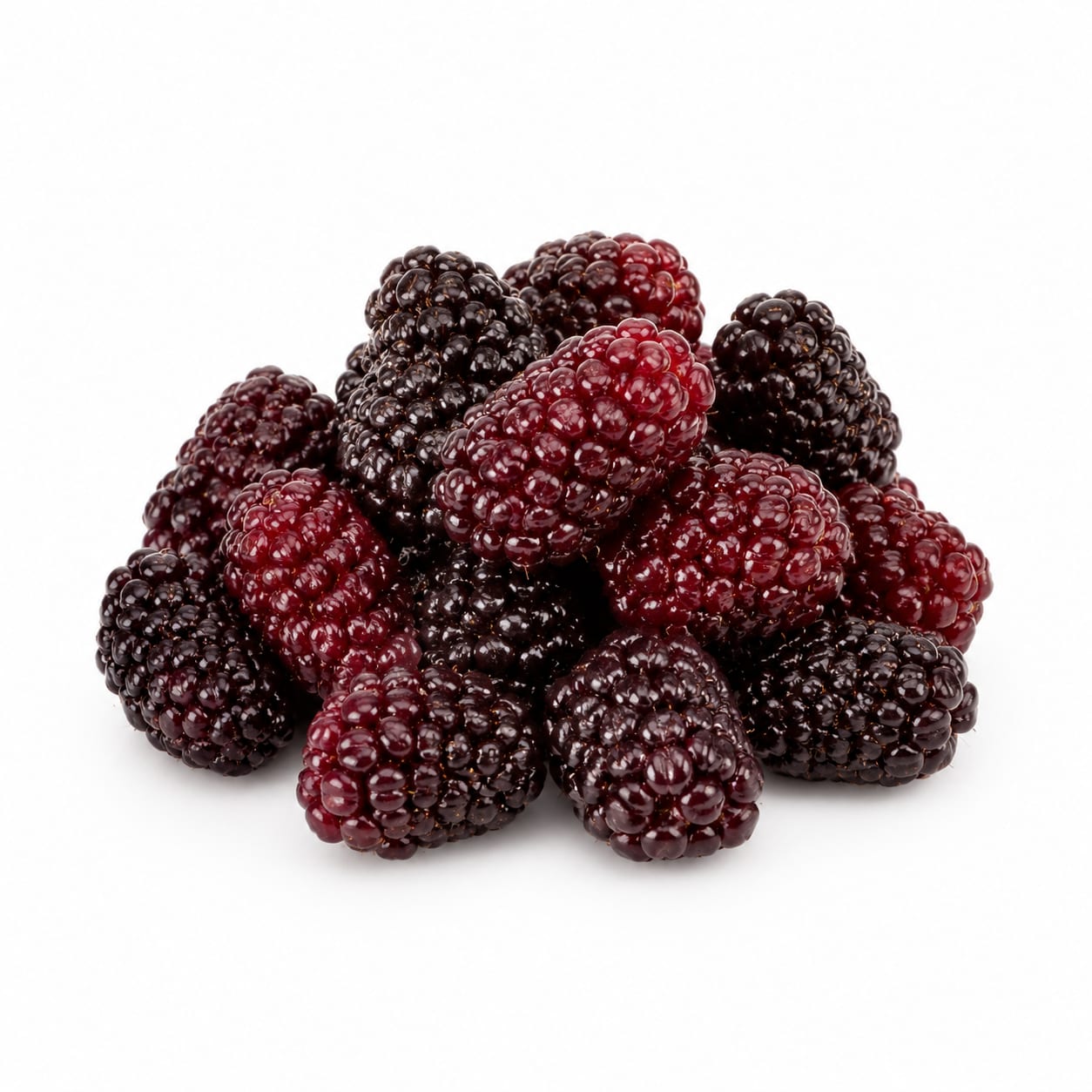
Loganberry
Dewberry wins for sweet snacking and wild-foraging enthusiasts; Loganberry wins for reliable nutrition, kitchen versatility, and safer sourcing.
Loganberry edges ahead thanks to better availability, slightly richer vitamin C content, and cultivated safety. Dewberry is nutritionally strong but loses points on inconsistent access and foraging risks.
Dewberry offers a sweeter, more delicate eating experience but is harder to find and riskier to forage. Loganberry delivers a tart, nutrient-dense punch with easier commercial availability.
At a glance
Executive summary
Overall
It depends
Healthier
Loganberry
More practical
Loganberry
Daily use
Loganberry
Key comparison lenses
antioxidant and berry nutrition comparison
Both are lesser-known berries prized for antioxidant density, so nutrient profile differences matter most
wild foraging vs cultivated safety
Dewberries are commonly wild-foraged while Loganberries are typically cultivated, creating meaningful safety and practicality differences
culinary versatility and accessibility
Availability and kitchen use differ significantly between these two berries
sugar and flavor balance
Dewberry tends sweeter, Loganberry more tart, affecting snacking preference and recipe use
Best choice for
Dewberry
- Foragers who enjoy wild-harvested fruit
- Those preferring sweeter berries for fresh snacking
- Anyone seeking a low-acid, gentle berry option
- People wanting a seasonal, local-foraging experience
Loganberry
- Home cooks making jams, sauces, or baked goods
- Anyone wanting reliable store-bought berry nutrition
- People prioritizing higher vitamin C intake
- Those who enjoy tart, complex berry flavors
Least suitable for
Dewberry
- People concerned about foraging safety or pesticide exposure
- Anyone needing consistent year-round availability
- Consumers unfamiliar with safe wild berry identification
Loganberry
- Those sensitive to tart or acidic flavors
- Anyone wanting a mild, sweet-only berry experience
- People in regions where Loganberries are not grown or sold
Deep comparison
Dimension by dimension
Each lens scores both foods and breaks down who each option suits.
- Dimension 1 · Priority 93Loganberry
antioxidant_density
Dewberry · 76Loganberry · 84Loganberry inherits anthocyanin richness from both raspberry and blackberry parents, giving it a broader antioxidant spectrum than Dewberry.
Tradeoff
Dewberry still delivers solid antioxidants but from a narrower range of compounds.
Why it matters
A wider antioxidant variety supports more pathways of cellular protection over time.
Real-world impact
Regular Loganberry consumption may offer more diverse long-term protective benefits, though both berries are excellent choices.
Dewberry
- Basic free radical defense
- Seasonal antioxidant boosts when foraged fresh
Better for
- Narrower range of protective compounds
Worse for
Loganberry
- Broad-spectrum cellular protection
- Consistent antioxidant intake from reliable sources
Better for
- None significant — both are strong antioxidant sources
Worse for
- Dimension 2 · Priority 86Loganberry
vitamin_c_content
Dewberry · 68Loganberry · 82Loganberry provides meaningfully more vitamin C per serving, inherited from its raspberry parentage.
Tradeoff
Dewberry still offers decent vitamin C but noticeably less than Loganberry.
Why it matters
Vitamin C supports immune function, skin health, and iron absorption — areas where small differences add up.
Real-world impact
A cup of Loganberry covers a larger share of daily vitamin C needs, making it more efficient for immune support.
Dewberry
- Light immune support
Better for
- Less efficient vitamin C delivery per serving
Worse for
Loganberry
- Stronger daily immune support
- Better iron absorption pairing with plant meals
Better for
- None significant
Worse for
- Dimension 3 · Priority 80Dewberry
sugar_and_flavor_profile
Dewberry · 82Loganberry · 70Dewberry is naturally sweeter and lower in acidity, making it more pleasant for fresh eating without added sweeteners.
Tradeoff
Loganberry's tartness is excellent for cooking and preserves but requires sweetening for most people to enjoy raw.
Why it matters
Flavor directly affects whether you actually eat the berry regularly or it sits in the fridge.
Real-world impact
Dewberry is the grab-and-go snacking berry; Loganberry shines in recipes where its tartness balances other ingredients.
Dewberry
- Fresh snacking without added sugar
- Kids or adults who dislike tart flavors
- Simple dessert topping
Better for
- Less complex flavor for culinary use
Worse for
Loganberry
- Baking and cooking applications
- Jam and preserve making
- Flavor complexity in sauces and dressings
Better for
- Needs sweetener for most raw eating
Worse for
- Dimension 4 · Priority 78It depends
fiber_content
Dewberry · 75Loganberry · 77Both berries provide good fiber, with Loganberry holding a slight edge due to its denser seed structure.
Tradeoff
The difference is small enough that flavor preference should drive your choice here.
Why it matters
Fiber supports fullness, digestion, and blood sugar stability — both berries contribute well.
Real-world impact
Either berry supports steady energy and digestive health; Loganberry gives a marginal extra boost.
Dewberry
- Still a strong fiber source for daily fruit intake
Better for
- Slightly less fiber per cup than Loganberry
Worse for
Loganberry
- Slightly better for digestion regularity
- Marginally more filling per serving
Better for
- Seeds can be texturally bothersome for some
Worse for
- Dimension 5 · Priority 88Loganberry
availability_and_practicality
Dewberry · 45Loganberry · 72Loganberry is cultivated commercially and available at farmers markets and specialty stores. Dewberry is rarely sold and mostly wild-foraged.
Tradeoff
Dewberry's wild nature gives it charm and zero cost if foraged, but you cannot reliably find it.
Why it matters
A berry you cannot buy is a berry you will not eat regularly.
Real-world impact
Loganberry can be planned into meals and grocery runs. Dewberry requires luck, season, and foraging knowledge.
Dewberry
- Free if you forage successfully
- Seasonal excitement and novelty
Better for
- Almost never in stores
- Highly seasonal and region-dependent
Worse for
Loganberry
- Consistent grocery or market access
- Year-round planning possible in some regions
- Reliable portion and quality control
Better for
- Still less common than mainstream berries like blueberry or raspberry
Worse for
- Dimension 6 · Priority 82Loganberry
food_safety_and_sourcing
Dewberry · 52Loganberry · 80Loganberry's cultivated origin means regulated growing conditions. Dewberry's wild-foraged nature introduces contamination and misidentification risks.
Tradeoff
Foraging Dewberry can be rewarding but demands plant identification skill and awareness of the growing environment.
Why it matters
Eating misidentified berries or berries from contaminated soil can cause serious illness.
Real-world impact
Loganberry is the safe, predictable choice. Dewberry requires knowledge and caution to enjoy safely.
Dewberry
- No pesticide exposure if foraged from clean areas
Better for
- Risk of confusing with toxic wild berries
- Potential soil contamination near roads or old industrial sites
- Parasite exposure from unwashed wild fruit
Worse for
Loganberry
- Regulated growing standards
- Zero misidentification risk
- Consistent food safety oversight
Better for
- Possible pesticide residue if conventionally grown
Worse for
Timeline
Health impact over time
Short-term
Hours to days
Dewberry
- Quick natural energy from simple sugars with enough fiber to prevent spikes
- Mild digestive support from fiber and water content
- Satisfying sweet craving without processed sugar
Loganberry
- Tart flavor can stimulate digestion and saliva production
- Vitamin C boost supports immediate immune activity
- Fiber provides noticeable fullness, reducing between-meal snacking
Long-term
Months to years
Dewberry
- Consistent antioxidant intake supports cellular aging defense
- Low calorie density aids weight maintenance when eaten regularly
- Wild foraging encourages outdoor activity and seasonal eating patterns
Loganberry
- Higher vitamin C intake supports skin collagen and immune resilience over years
- Broad antioxidant diversity may reduce chronic inflammation markers
- Regular fiber intake promotes gut microbiome diversity and digestive health
Risk profile
Safety & processing
Both berries are whole, unprocessed foods when eaten fresh. Dewberry is typically consumed straight from the wild. Loganberry is cultivated but equally natural when sold fresh or frozen without additives.
Dewberry
Misidentification with toxic wild berries
highSeveral toxic berries resemble Dewberry in the wild. Positive identification requires experience or expert guidance.
Environmental contamination
mediumWild Dewberries near roads, old farmland, or industrial areas may absorb heavy metals or pesticides from soil.
Parasite and bacteria exposure
lowUnwashed wild berries can carry soil-borne organisms. Thorough rinsing reduces this risk significantly.
Loganberry
Pesticide residue
lowConventionally grown Loganberries may carry trace pesticide residue. Washing or choosing organic minimizes this.
Mold on overripe fruit
lowLike all delicate berries, Loganberries mold quickly. Inspect before eating and refrigerate promptly.
Who wins for whom
Audience fit
Same foods, different winners depending on your goal.
children
DewberryDewberry's sweeter, milder flavor appeals more to kids. However, only serve commercially sourced Dewberry — never wild-foraged berries to children without certainty of identification.
daily consumption
LoganberryLoganberry is easier to source consistently, offering reliable daily nutrition without the unpredictability of wild foraging.
diabetes
LoganberryLoganberry's lower sugar and higher fiber ratio creates a gentler blood sugar response, though both berries are diabetes-friendly choices.
elderly
LoganberryLoganberry's higher vitamin C supports immune and skin health in aging bodies, and cultivated sourcing removes foraging safety concerns.
muscle gain
It dependsNeither berry is a protein source. Both offer antioxidant recovery support post-workout, with no meaningful difference for muscle building.
weight loss
LoganberryLoganberry's tartness discourages overeating, its fiber keeps you full, and slightly higher vitamin C supports active metabolism.
Your move
Decision guide
Choose Dewberry
- You have safe, reliable access to wild Dewberry patches
- You prefer sweeter berries for fresh snacking
- You enjoy seasonal foraging as a lifestyle activity
- You want a low-acid berry that is gentle on the stomach
Choose Loganberry
- You want a berry you can actually buy at a store or market
- You cook, bake, or make preserves regularly
- You prioritize higher vitamin C and antioxidant diversity
- You prefer tart, complex flavors over simple sweetness
Either works if
- You simply want a nutritious, low-calorie berry snack
- You are looking for natural dessert alternatives
- You want to rotate berry types for nutrient diversity
Avoid both if
- You have a berry allergy or salicylate sensitivity
- You need a high-protein or high-calorie food source
Final recommendation
For most people, Loganberry is the more practical and slightly more nutritious choice — especially if you value consistent access and kitchen versatility. Dewberry is a wonderful seasonal treat if you forage safely, offering a sweeter, gentler eating experience. When in doubt, choose Loganberry for daily use and enjoy Dewberry as a wild bonus when the season and opportunity align.
Practical
Consumer tips
- 1
Never eat wild-foraged Dewberries unless you are certain of identification — consult a local foraging expert or field guide.
- 2
If buying Loganberries, check farmers markets in summer; frozen Loganberries are available year-round from specialty suppliers.
- 3
Wash all berries thoroughly, whether wild or cultivated, to remove soil, bacteria, and potential pesticide residue.
- 4
Freeze both berries at peak ripeness to preserve nutrients — they retain most antioxidants when frozen quickly.
- 5
Pair either berry with a handful of nuts or yogurt for a balanced snack that steadies blood sugar.
- 6
If Loganberry is too tart for your taste, try it blended into a smoothie with banana instead of adding refined sugar.
- 7
Avoid foraging Dewberries near roadsides, old orchards, or industrial areas where soil contamination is likely.