
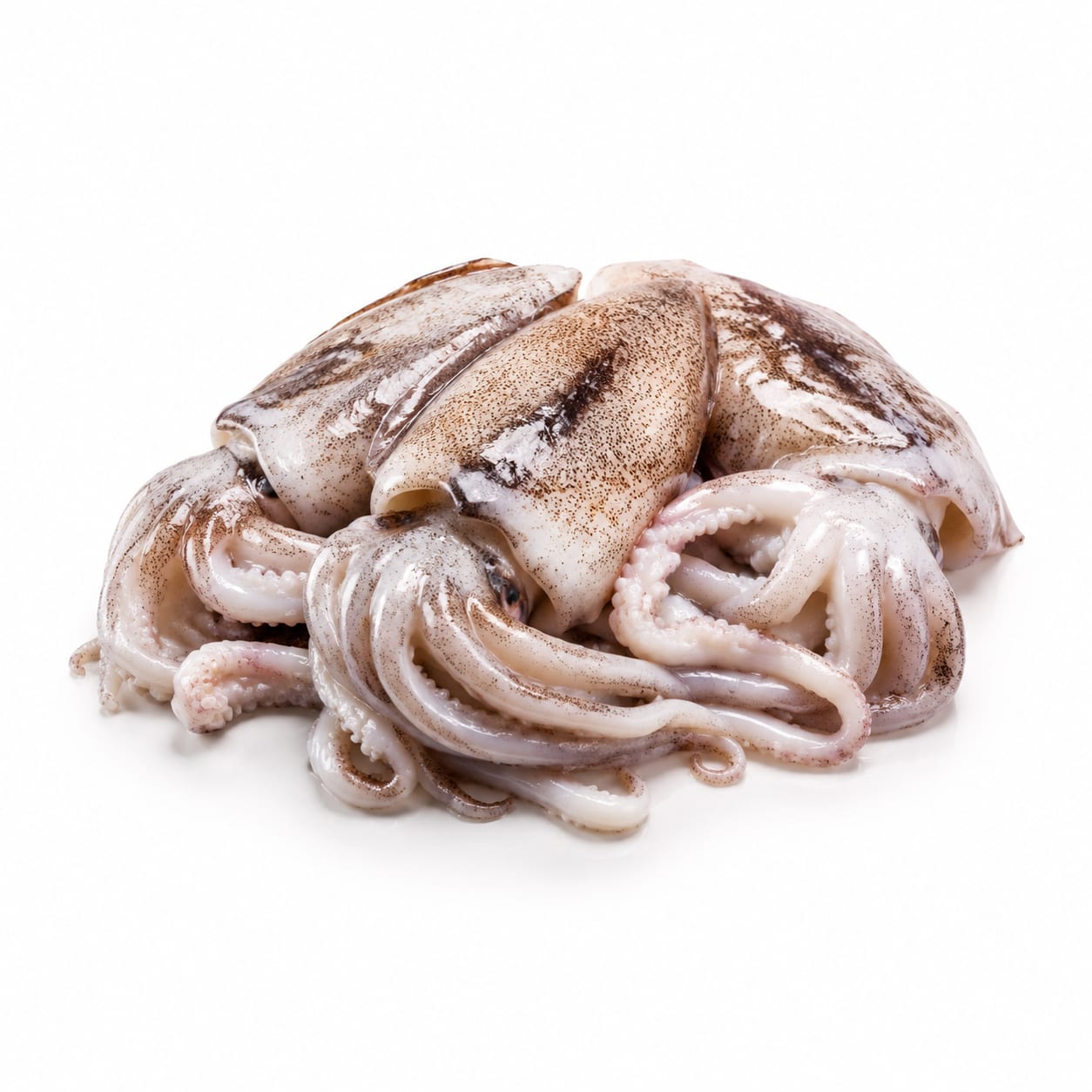
Seafood
Cuttlefish
A low-calorie, high-protein marine cephalopod rich in selenium and vitamin B12.
A marine cephalopod similar to squid and octopus, prized for its tender meat and rich, mild flavor, commonly consumed in Mediterranean and Asian cuisines.
lean protein-dense seafood
Typical serving · 85g
Common varieties · common cuttlefish, flamboyant cuttlefish, pharaoh cuttlefish, broadclub cuttlefish
Overall context score across nutrition, safety, and diet fit
At a glance
Quick facts
Simple indicators based on nutrition, processing, and diet fit.
The story
What makes it unique
Cuttlefish is a fast-digesting, lean marine protein providing high satiety with minimal calories. Its macronutrient profile is dominated by protein with virtually zero carbohydrates and very low fat. As a minimally processed whole food, it retains its native micronutrient density, particularly selenium and vitamin B12.
Varieties: common cuttlefish · flamboyant cuttlefish · pharaoh cuttlefish · broadclub cuttlefish
Per 100g
Nutrition breakdown
Macro balance and key metrics at a glance.
Energy
Density 0.79 kcal/g
Protein
Carbs
Fat
Fiber
Sugar
0 g
Sodium
220 mg
Potassium
250 mg
Glycemic index
0
Glycemic load
0
Water content
80%
Standout compounds
Nutrient highlights
Selenium
highSupports thyroid function and acts as a powerful antioxidant.
Vitamin B12
highEssential for nerve function and red blood cell formation.
Protein
highBuilds and repairs tissues while promoting fullness.
Iron
moderateCrucial for oxygen transport in the blood.
Wellness map
Health scores & processing
NOVA processing scale
minimally processed · Whole food
Fresh or frozen cuttlefish is a whole, unmodified animal food. Processed variations like dried or ink-preserved cuttlefish belong to higher Nova groups.
Diet compatibility
- Weight loss
- Muscle gain
- Diabetes
- Gut health
- Low carb
- High protein
- Heart health
Relative standing
Food rankings
Qualitative ranks compared to similar whole foods.
- Satietygood
- Blood sugarexcellent
- Nutrient densitygood
- Fitness fuelexcellent
- Processing qualityexcellent
Eat with confidence
Food safety profile
Cuttlefish is generally safe when sourced from clean waters and cooked thoroughly. Raw consumption carries a risk of vibriosis. Heavy metal accumulation is a moderate concern, so frequent consumption of large cephalopods from polluted waters should be limited.
Evidence confidence 85%
- Pesticideslow
- Antibioticslow
- Heavy metalsmoderate
- Contaminationmoderate
Watch for
- cadmium
- lead
- vibrio parahaemolyticus
Safer choices
Sourcing from reputable suppliers with heavy metal testing, particularly for cadmium, reduces risk.
Prep tips
Remove the ink sac, beak, and internal shell before cooking. Cook to an internal temperature of 63°C (145°F) to eliminate harmful bacteria and parasites.
Cephalopods can accumulate heavy metals, particularly cadmium, in their digestive glands and tissues from marine environments.
Deep dive
Health analysis
How this food may fit different goals and preparation choices.
Weight loss
Extremely low energy density and high protein content promote fullness and reduce overall calorie intake, making it highly effective for weight loss.
Blood sugar
Contains virtually zero carbohydrates, resulting in no glycemic spike and excellent blood sugar stability.
Fitness & energy
Provides pure, fast-digesting protein ideal for post-workout muscle repair without the sluggishness associated with high-fat meats.
Gut health
Easily digestible lean protein, but lacks dietary fiber, so it should be paired with fiber-rich foods to support optimal gut motility and microbiome health.
Processing quality
When purchased fresh or frozen whole, it is an unprocessed whole food with maximum nutrient retention.
Food safety
Proper cooking eliminates microbial risks, but consumers should be mindful of cadmium accumulation from the marine food chain.
Common mistakes
Overcooking cuttlefish quickly turns it rubbery and tough; it must be cooked either very quickly over high heat or slowly braised over low heat.
Best preparation
Quick searing or grilling for 1-2 minutes, or slow braising for 45+ minutes to break down connective tissue.
Practical guide
Best use cases
When and how this food fits real eating patterns.
post-workout recovery
Fast-digesting lean protein supports immediate muscle protein synthesis without added fat calories.
low-carb dinner base
Zero-carb protein foundation that pairs perfectly with fibrous vegetables for a complete ketogenic meal.
weight loss meal prep
High volume and protein content provide satiety with minimal caloric impact.
Balance sheet
Pros & cons
Upsides
- Extremely high protein-to-calorie ratio
- Virtually zero carbohydrates
- Rich in essential micronutrients like selenium and B12
- Very low in saturated fat
- Versatile cooking ingredient for various cuisines
Trade-offs
- Can become very rubbery if cooked incorrectly
- Contains moderate to high dietary cholesterol
- Risk of cadmium accumulation from marine environments
- Can be difficult to find fresh outside of specialty markets
- Moderate purine content may trigger gout in susceptible individuals
Fit check
Who is it for?
Great match
- weight loss diets
- ketogenic and low-carb eating
- post-workout muscle recovery
- high-volume low-calorie meals
Consider alternatives
- severe hypercholesterolemia with physician advisories
- purine-restricted diets for gout management
- individuals with shellfish or mollusk allergies
Side by side
How it compares
Open the full head-to-head analysis for nutrition, safety, and practical tradeoffs.
This food
Cuttlefish
VS95% alike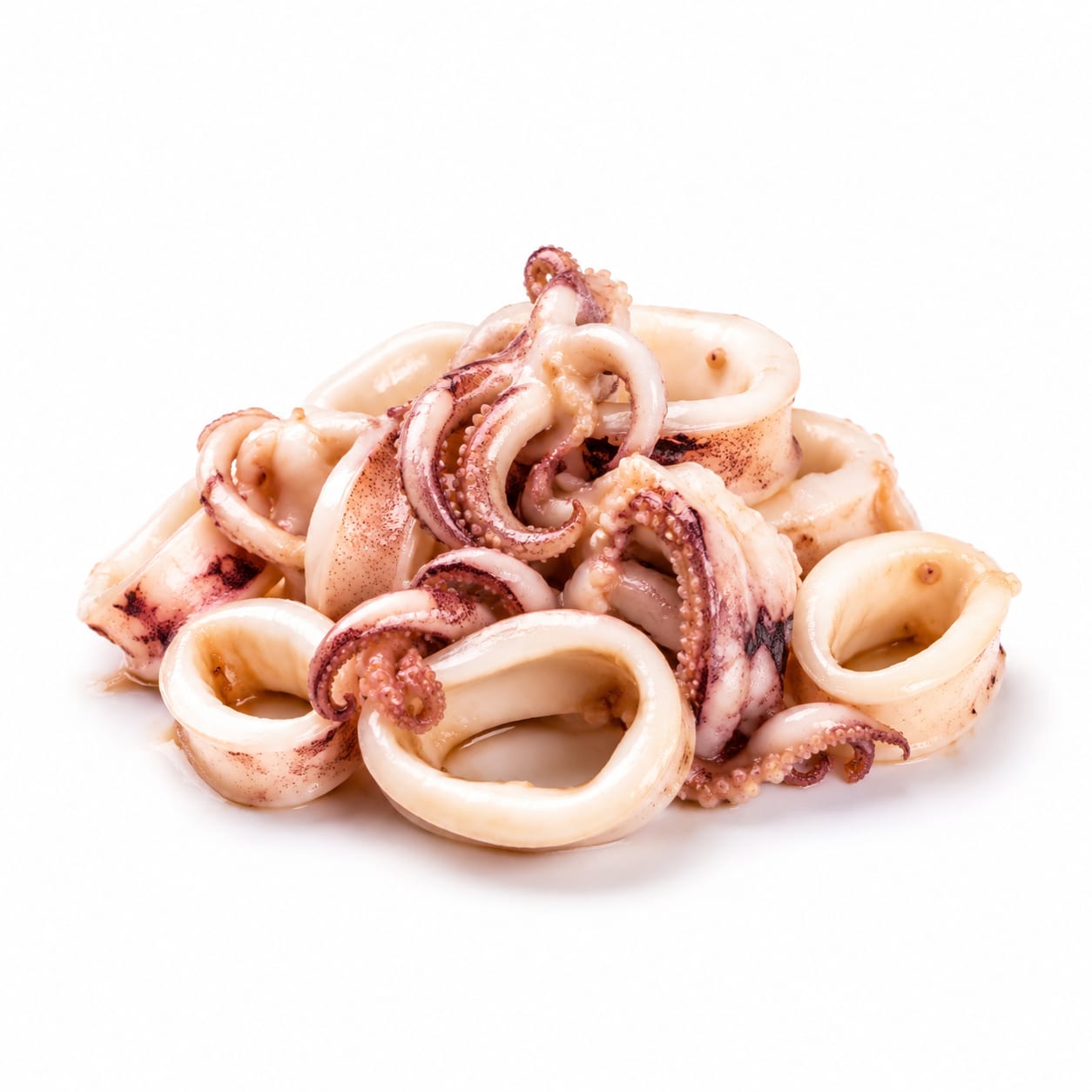
Compare with
Squid
Cuttlefish is slightly thicker and richer in flavor than squid. Nutritionally, they are nearly identical, though cuttlefish often has a bit more iron.
Cuttlefish and squid are nutritionally almost identical zero-carb proteins, but cuttlefish offers slightly more iron and a denser texture.
This food
Cuttlefish
VS85% alike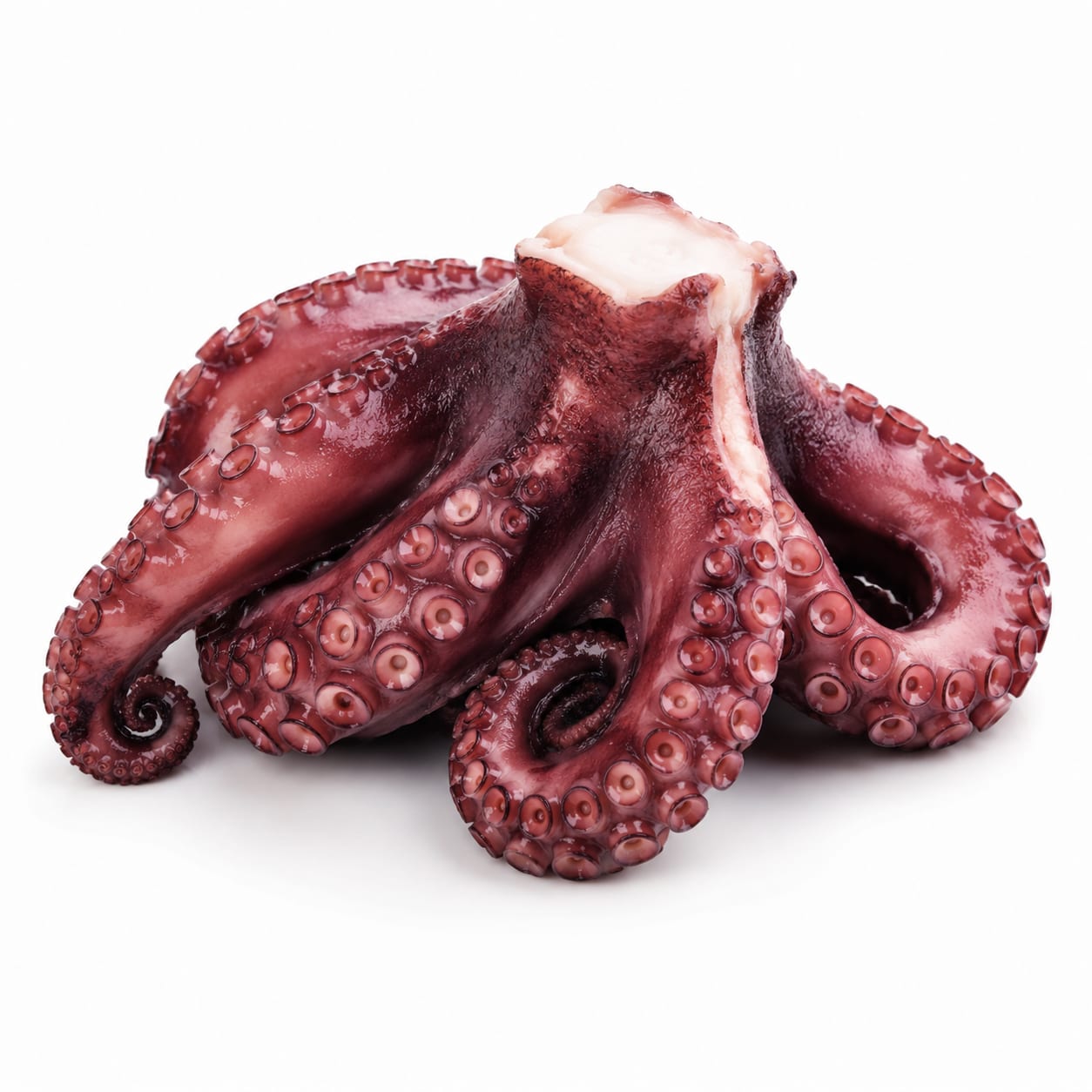
Compare with
Octopus
Octopus is lower in cholesterol and slightly lower in calories than cuttlefish, but requires longer cooking times to tenderize.
Octopus is slightly lower in calories and cholesterol than cuttlefish, but both are excellent lean seafood choices.
This food
Cuttlefish
VS80% alike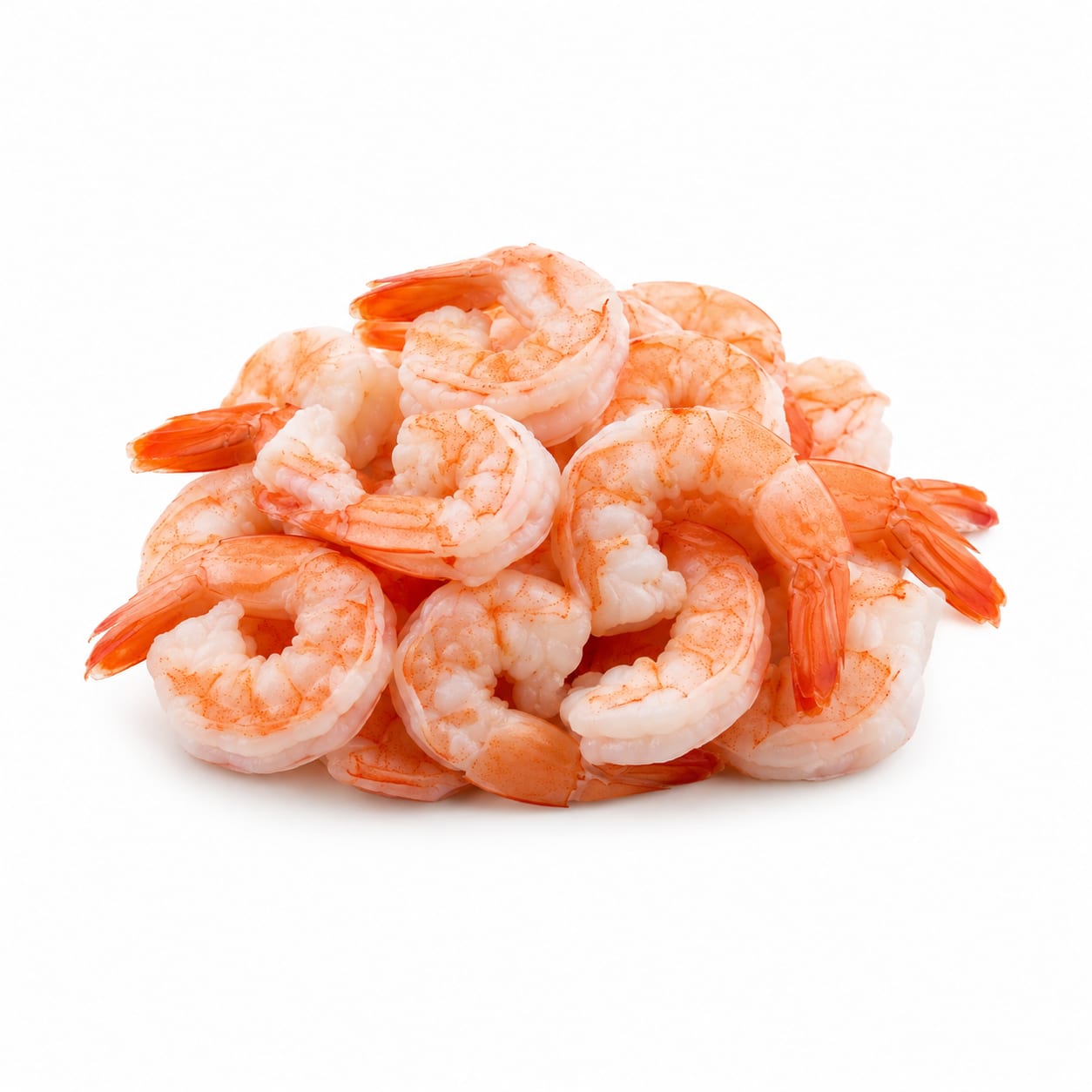
Compare with
Shrimp
Shrimp is lower in calories per gram but also lower in protein. Cuttlefish provides a more substantial protein hit per serving.
Shrimp is lower in calories, but cuttlefish provides more protein per serving, making it better for muscle gain and satiety.
This food
Cuttlefish
VS75% alike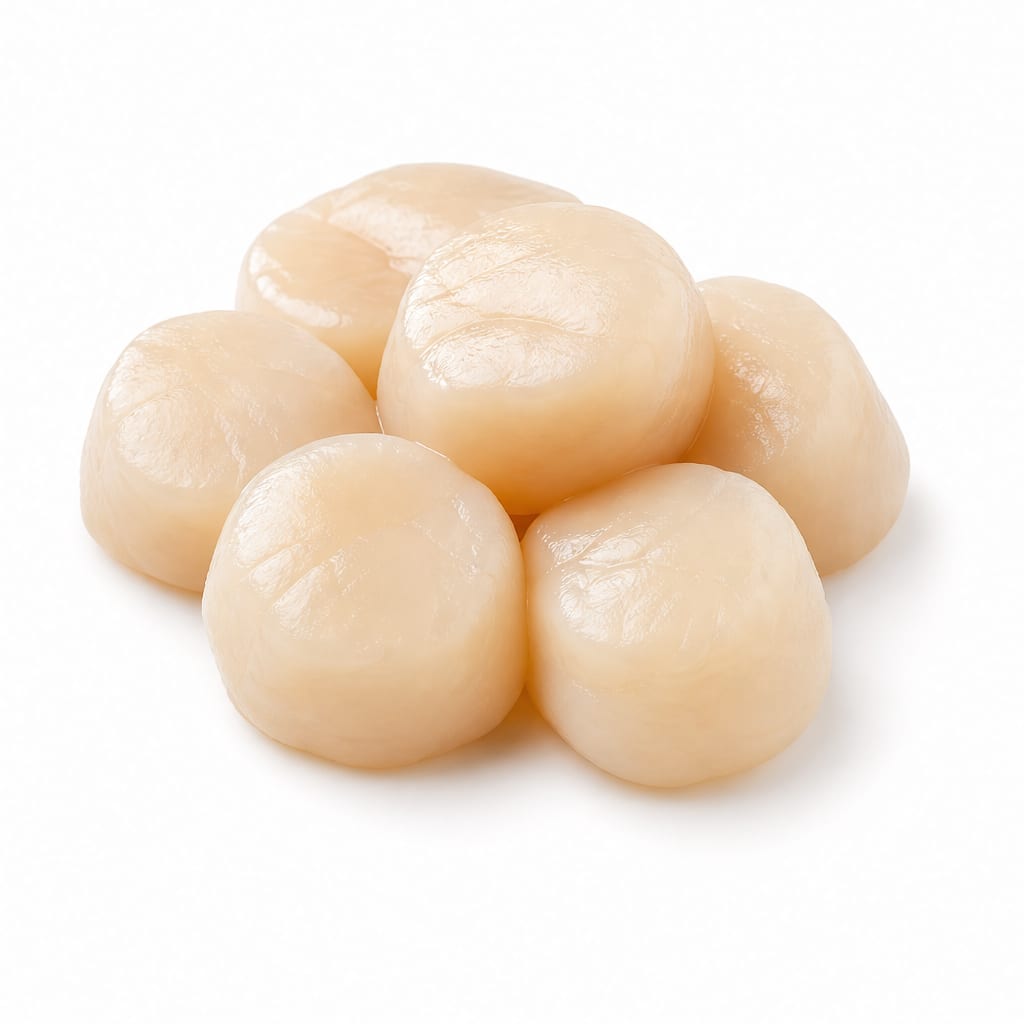
Compare with
Scallops
Scallops are sweeter and more tender, with slightly more carbohydrates, while cuttlefish is strictly zero-carb and chewier.
Cuttlefish is strictly zero-carb and higher in protein than scallops, making it slightly better for strict keto and muscle building.
This food
Cuttlefish
VS70% alike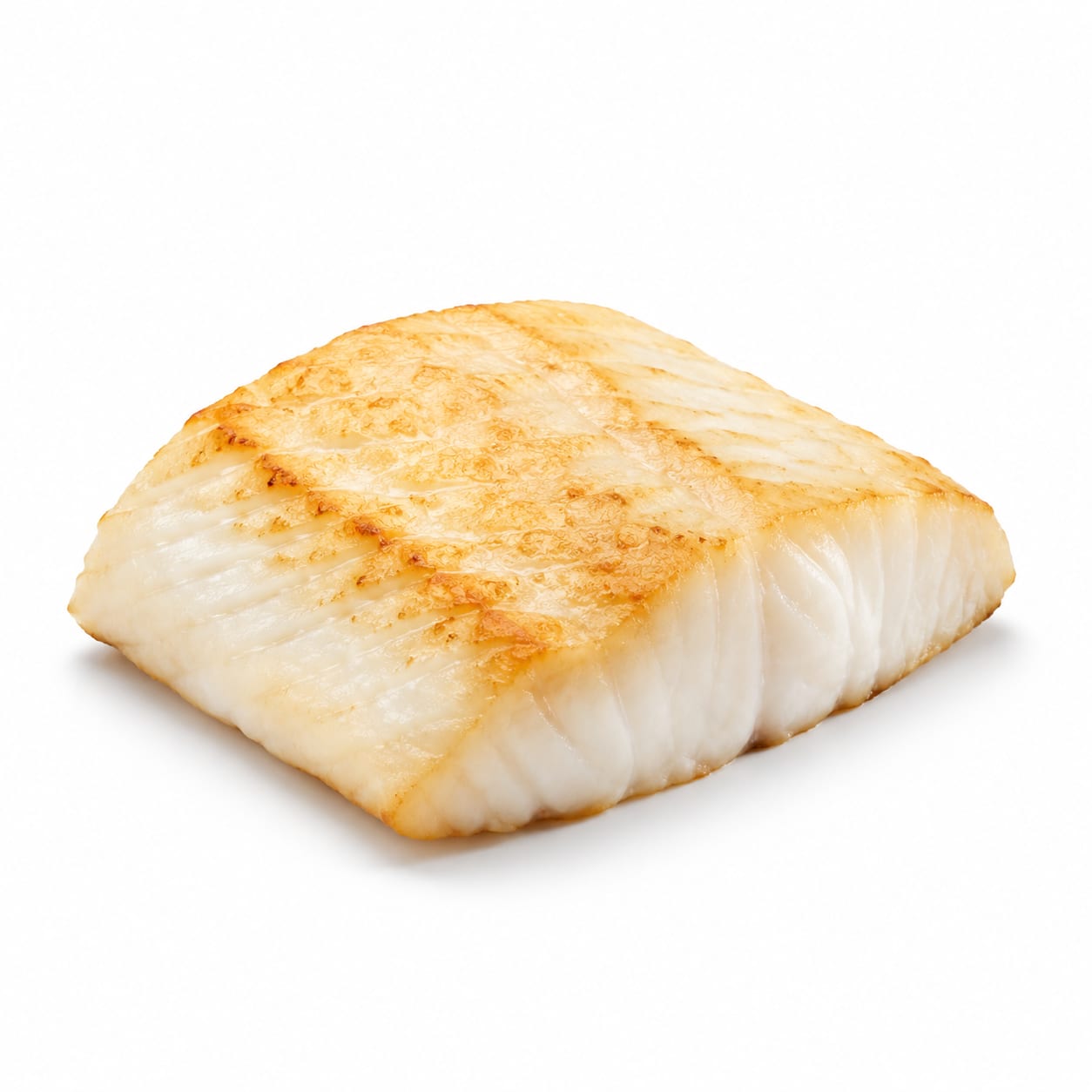
Compare with
Cod
Cod is flakier and milder, while cuttlefish is denser. Cod has slightly fewer calories, but cuttlefish packs more micronutrients like selenium.
Cod is lower in calories, but cuttlefish provides a denser chew and higher selenium, offering better satiety for low-carb dieters.
This food
Cuttlefish
VS65% alike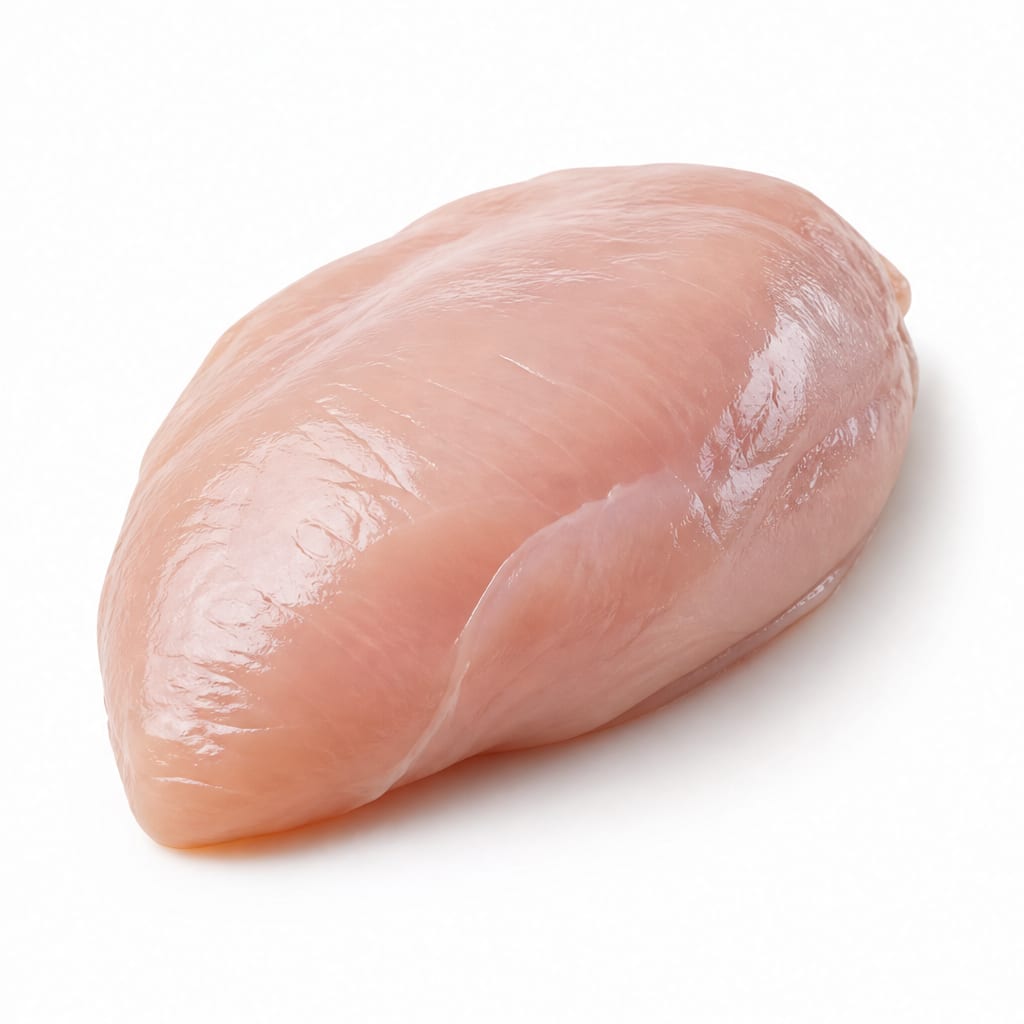
Compare with
Chicken Breast
Chicken breast is higher in protein and lower in cholesterol, but cuttlefish offers unique marine micronutrients like B12 and iodine.
Chicken breast wins on pure protein content and satiety, but cuttlefish provides zero carbs and unique marine nutrients like B12.
This food
Cuttlefish
VS60% alike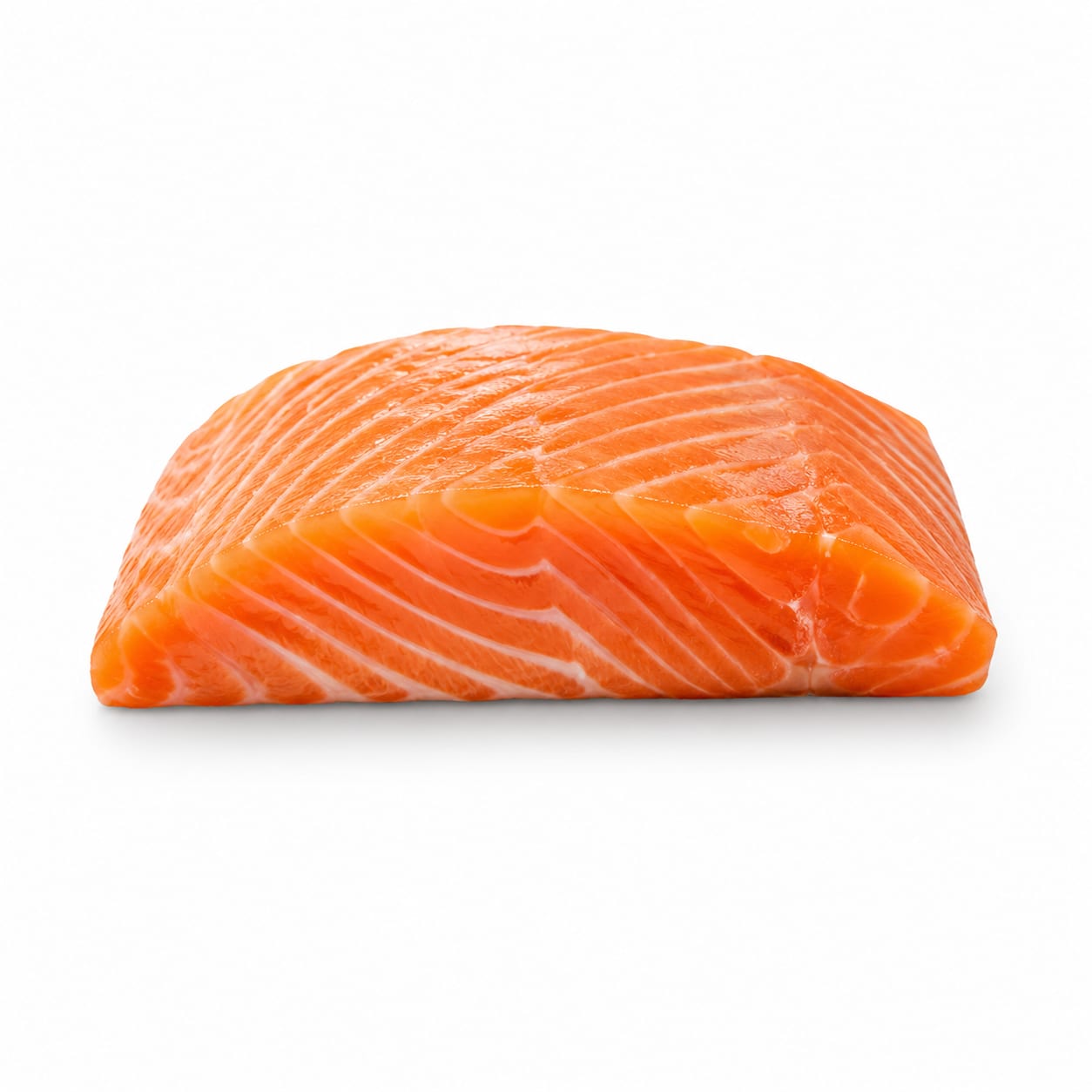
Compare with
Salmon
Salmon is high in omega-3 fats and calories, while cuttlefish is virtually fat-free and much lower in calories.
Cuttlefish is much lower in calories and fat than salmon, making it better for cutting, while salmon is better for omega-3 intake.
This food
Cuttlefish
VS70% alike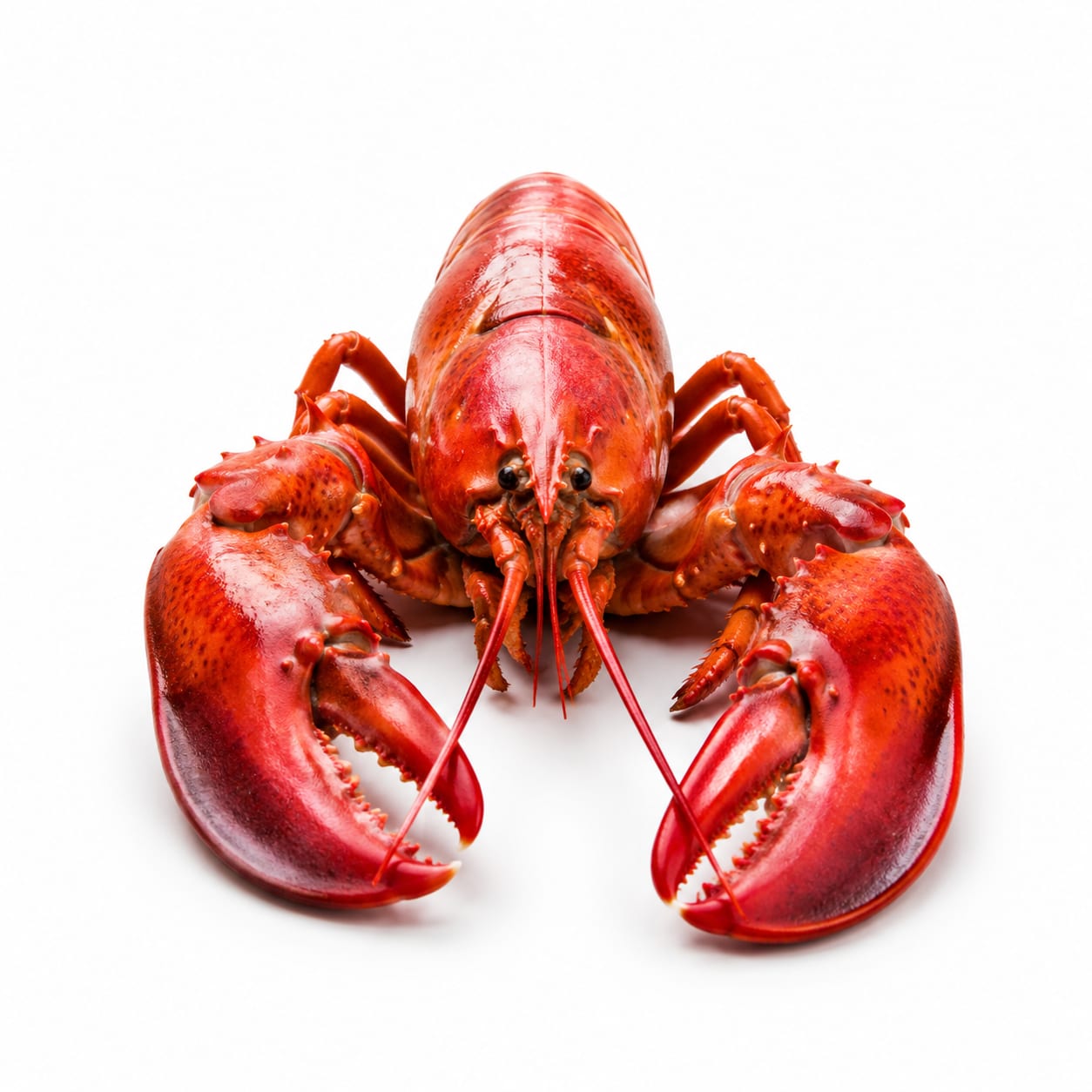
Compare with
Lobster
Lobster is slightly lower in calories and fat but higher in cholesterol. Cuttlefish offers a denser protein profile per 100g.
Lobster is slightly lower in calories, but cuttlefish provides more protein and is far more budget-friendly for everyday meals.
This food
Cuttlefish
VS65% alike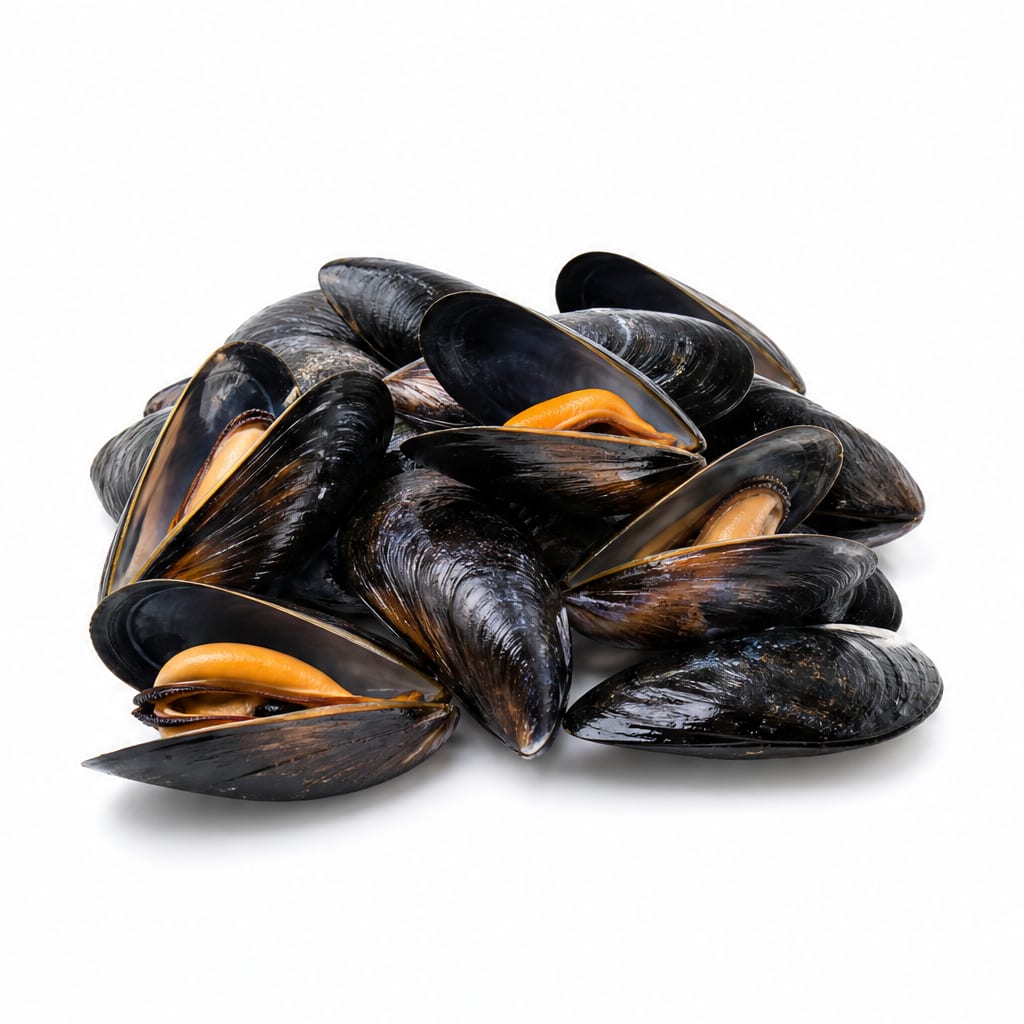
Compare with
Mussels
Mussels are higher in carbohydrates and lower in protein than cuttlefish, but offer superior zinc and omega-3 content.
Cuttlefish is much higher in protein and lower in carbs than mussels, making it the better choice for keto and muscle-building diets.
This food
Cuttlefish
VS65% alike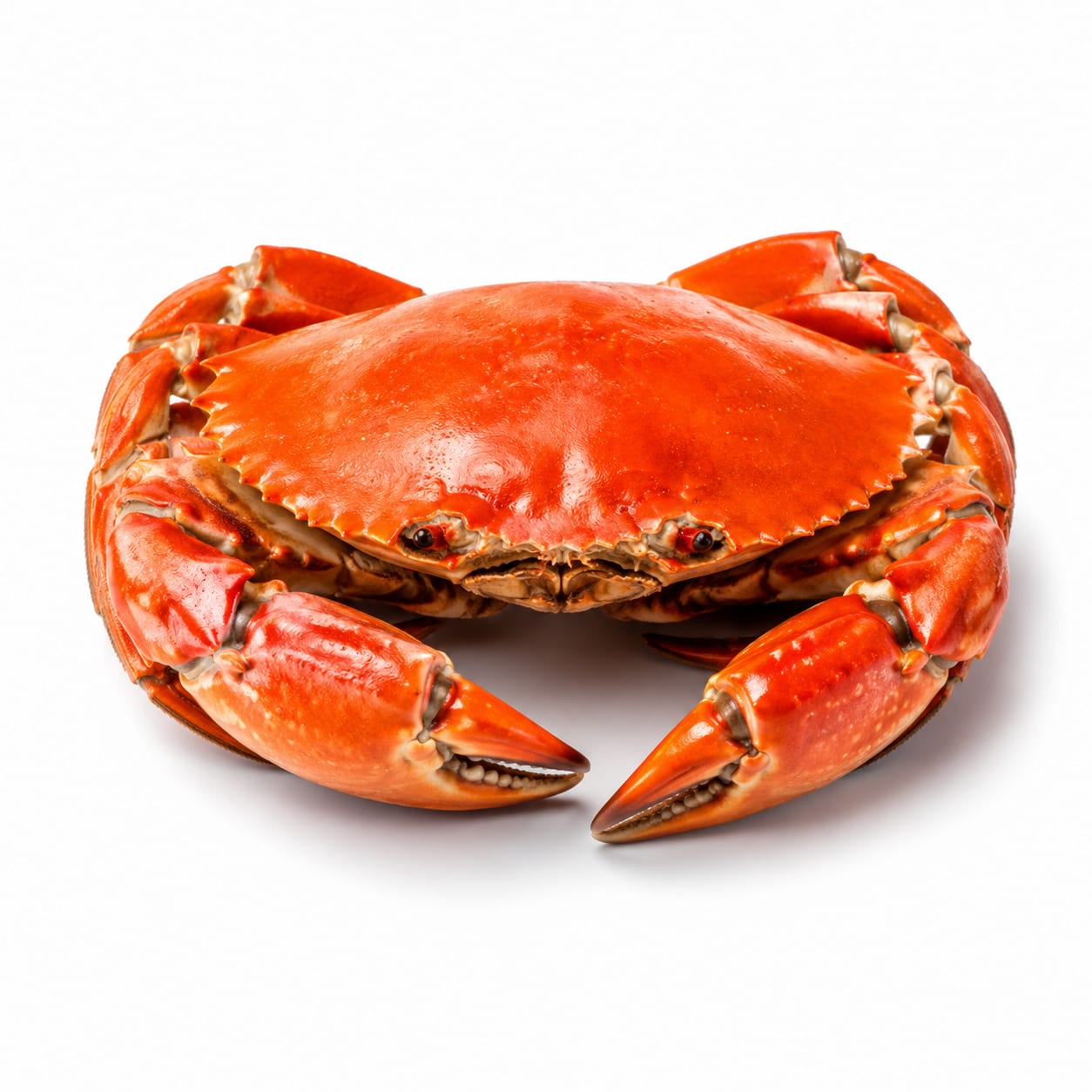
Compare with
Crab
Crab meat is lower in calories and cholesterol but also lower in protein density compared to cuttlefish.
Crab is lower in calories and cholesterol, but cuttlefish delivers significantly more protein per serving for fitness goals.
Common questions
FAQ
Answers aligned with how people search for this food.
Is cuttlefish good for weight loss?
Yes, cuttlefish is excellent for weight loss. It is very low in calories and fat while being high in protein, which helps increase satiety and preserve lean muscle mass during a calorie deficit.
Does cuttlefish have high cholesterol?
Cuttlefish does contain dietary cholesterol, but it is very low in saturated fat. For most people, dietary cholesterol from seafood has minimal impact on blood cholesterol levels compared to saturated fat.
Is cuttlefish the same as squid?
No, they are different cephalopods. Cuttlefish have a thicker, broader body and an internal shell called a cuttlebone, while squid are more elongated. Nutritionally they are similar, but cuttlefish is often richer in flavor.
Can you eat cuttlefish on a keto diet?
Yes, cuttlefish is keto-friendly. It contains almost zero carbohydrates and is a great source of lean protein for those following a strict ketogenic diet.
How do you cook cuttlefish so it's not tough?
To avoid toughness, cook cuttlefish either very fast over high heat for just 1-2 minutes, or very slowly in a braise for 45 minutes or more. Moderate cooking times will make it rubbery.
Is cuttlefish safe to eat during pregnancy?
Cuttlefish can be eaten during pregnancy if cooked thoroughly to eliminate bacteria. However, due to moderate heavy metal accumulation, pregnant women should limit intake to 1-2 servings per week.
What does cuttlefish taste like?
Cuttlefish has a mild, slightly sweet, and earthy flavor. The texture is denser and slightly chewier than squid, and it absorbs marinades and sauces very well.
Is cuttlefish high in mercury?
Cuttlefish is generally moderate in heavy metals like cadmium rather than mercury. It is not considered a high-mercury seafood like swordfish or shark, making it a safer frequent choice compared to large predatory fish.
Transparency
Data confidence
Estimated confidence for nutrition data, interpretation, safety notes, and comparisons.
Nutrition data
Health analysis
Food safety
Comparisons