
Nutrition comparison
Cuttlefish vs Salmon: Which Seafood Is Healthier for You?
Compare cuttlefish and salmon nutrition including omega-3, protein, cholesterol, mercury, and practicality. Find out which seafood fits your health goals better.
Overall winner · Salmon
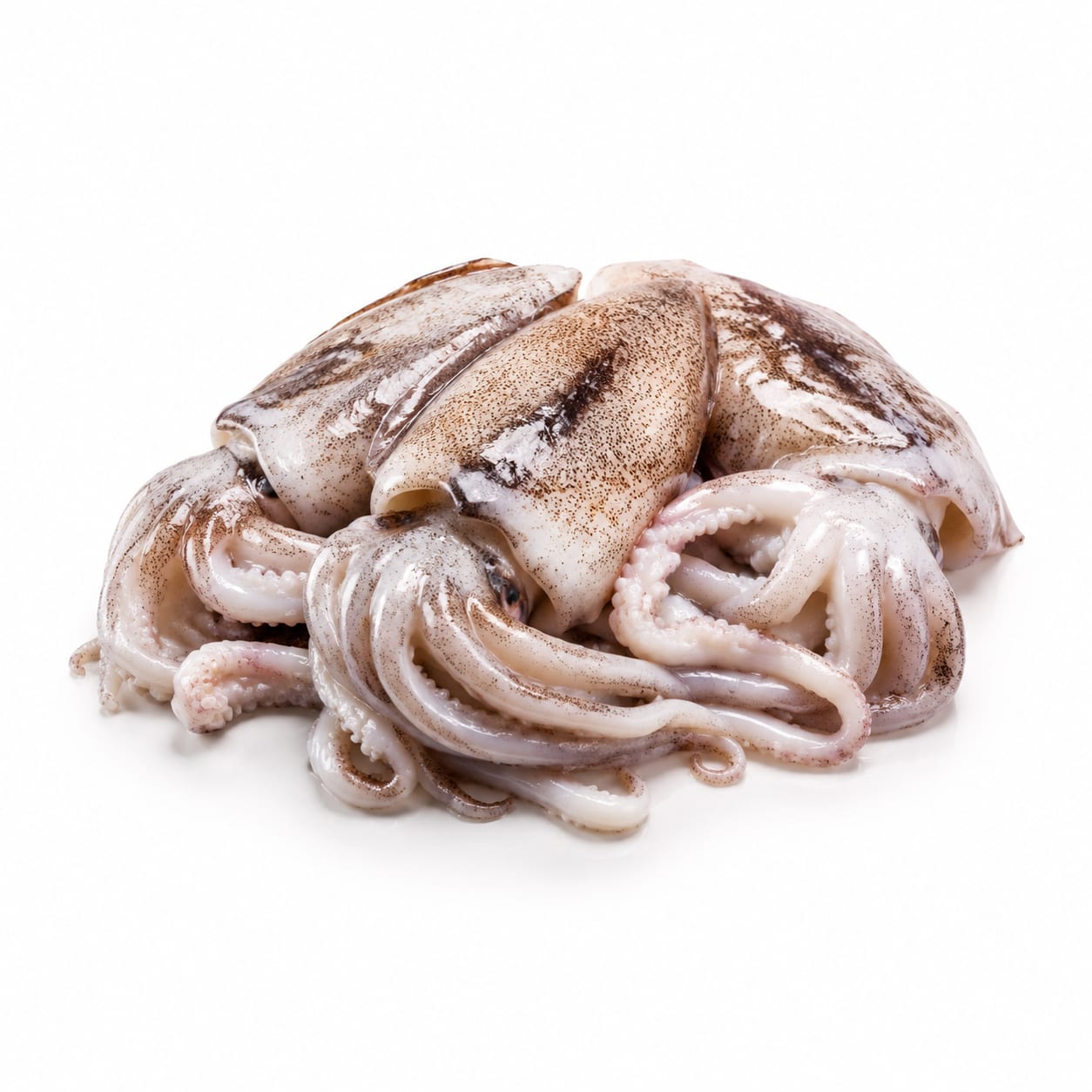
Cuttlefish
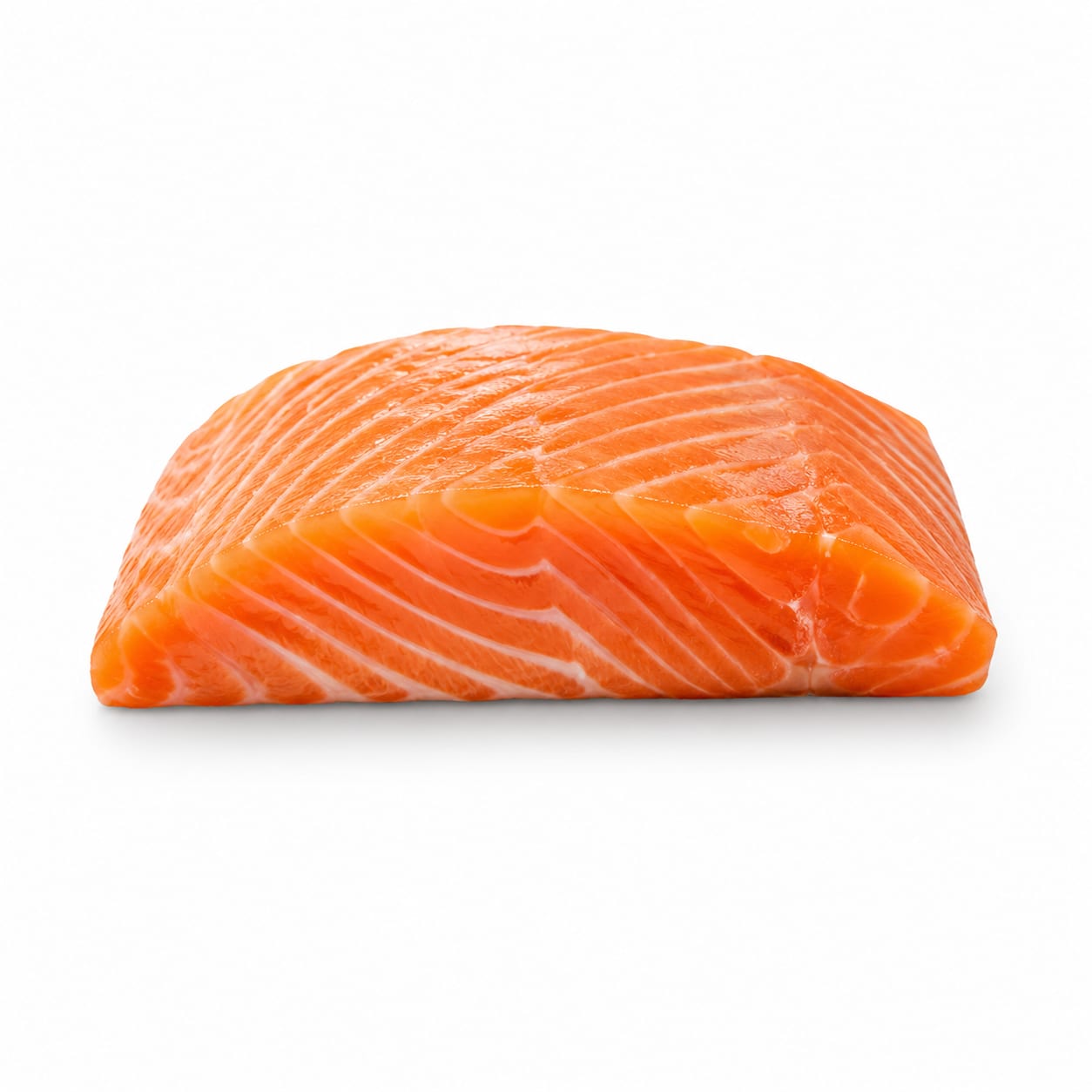
Salmon
Salmon wins for most people thanks to its omega-3 richness, broad availability, and decades of health research. Cuttlefish is the leaner, lower-calorie option with unique minerals but harder to find and less studied.
Salmon scores notably higher due to its omega-3 density, vitamin D content, research backing, and everyday practicality. Cuttlefish scores respectably as a lean protein with unique minerals but loses ground on cholesterol content, availability, and limited health evidence.
Salmon gives you heart-protective omega-3s and vitamin D in a convenient package. Cuttlefish gives you more protein per calorie and a leaner plate but with higher cholesterol and limited availability.
At a glance
Executive summary
Overall
Salmon
Healthier
Salmon
More practical
Salmon
Daily use
Salmon
Key comparison lenses
omega-3 and heart health comparison
Salmon is renowned for omega-3 content while cuttlefish offers a leaner profile with different lipid benefits
protein quality and leanness
Both are high-protein seafood but cuttlefish is significantly leaner, appealing to different dietary goals
contaminant and heavy metal exposure
Seafood comparisons always demand mercury and contaminant awareness for safe consumption
practicality and availability
Salmon is globally accessible while cuttlefish is regional and specialty, affecting real-world choices
cholesterol and lipid profile tradeoffs
Cuttlefish is notably higher in cholesterol despite being leaner, creating a nuanced tradeoff
Best choice for
Cuttlefish
- Low-calorie high-protein diets
- Bodybuilders cutting body fat
- Mediterranean and Asian cuisine enthusiasts
- People avoiding dietary fat
- Selenium and zinc optimization
Salmon
- Heart health and cardiovascular protection
- Anti-inflammatory eating patterns
- Vitamin D deficiency concerns
- Pregnancy and brain development support
- Consistent weekly meal prep
Least suitable for
Cuttlefish
- People with high cholesterol concerns
- Those needing easy grocery access
- Diners unfamiliar with cephalopod preparation
- Low-sodium diets if prepared with salt
- Children sensitive to texture
Salmon
- Strict low-fat dieters
- People with fish allergies
- Those avoiding higher-calorie proteins
- Vegans and vegetarians
- Budget-constrained households buying premium cuts
Deep comparison
Dimension by dimension
Each lens scores both foods and breaks down who each option suits.
- Dimension 1 · Priority 95Salmon
omega-3 and anti-inflammatory power
Cuttlefish · 30Salmon · 95Salmon is one of the richest food sources of EPA and DHA omega-3s. Cuttlefish contains minimal omega-3 fats due to its extremely lean nature.
Tradeoff
Choosing cuttlefish means missing out on the anti-inflammatory and heart-protective fats that make salmon a superfood. You get leanness instead of healthy fat density.
Why it matters
Omega-3s reduce inflammation, support brain health, and lower heart disease risk. This single dimension heavily favors salmon for most health-conscious eaters.
Real-world impact
Eating salmon twice weekly can meaningfully lower triglycerides and improve mood. Cuttlefish cannot replicate this benefit regardless of portion size.
Cuttlefish
- Calorie-controlled meal plans
- Those already supplementing omega-3s
Better for
- Anti-inflammatory diets
- Brain health optimization
Worse for
Salmon
- Heart disease prevention
- Depression and mood support
- Pregnancy nutrition
- Joint inflammation reduction
Better for
- Strict low-fat protocols
Worse for
- Dimension 2 · Priority 85Cuttlefish
protein density and leanness
Cuttlefish · 90Salmon · 72Cuttlefish delivers more protein per calorie with almost no fat. Salmon provides excellent protein too but comes with significant fat calories.
Tradeoff
Cuttlefish is the cleaner protein hit for cutting phases. Salmon pairs protein with healthy fats that enhance satiety but add calories.
Why it matters
For anyone tracking macros or calories, the protein-to-calorie ratio determines how much food you can eat while hitting targets.
Real-world impact
A cuttlefish serving gives you lean protein without using up your fat macro budget. Salmon fills you up more but costs more calories per gram of protein.
Cuttlefish
- Competition prep and cutting
- Lean bulk phases
- Post-workout without heaviness
Better for
- Those needing calorie density
- People who feel unsatisfied without fat
Worse for
Salmon
- Sustained energy meals
- Keto and low-carb diets
- Satiety-focused eating
Better for
- Aggressive calorie restriction
Worse for
- Dimension 3 · Priority 80Salmon
vitamin and mineral profile
Cuttlefish · 70Salmon · 88Salmon is a top source of vitamin D, B12, and selenium. Cuttlefish offers impressive selenium, zinc, and iron but lacks vitamin D entirely.
Tradeoff
Salmon covers more nutritional bases especially vitamin D which most people lack. Cuttlefish has edge-case mineral strengths but a narrower profile.
Why it matters
Vitamin D deficiency is widespread and few foods provide it naturally. Salmon fills this gap while cuttlefish does not.
Real-world impact
Regular salmon eaters often improve vitamin D status measurably. Cuttlefish eaters get great selenium and zinc but need other sources for vitamin D.
Cuttlefish
- Zinc optimization
- Iron intake without red meat
Better for
- Those relying on food for vitamin D
Worse for
Salmon
- Vitamin D deficiency correction
- B12 for energy metabolism
- Broader micronutrient coverage
Better for
- People already supplementing vitamin D
Worse for
- Dimension 4 · Priority 70Salmon
cholesterol and lipid tradeoffs
Cuttlefish · 45Salmon · 78Cuttlefish is surprisingly high in dietary cholesterol despite being lean. Salmon has moderate cholesterol but its omega-3s actively improve blood lipid profiles.
Tradeoff
Cuttlefish looks lean on the macro sheet but its cholesterol content raises flags for sensitive individuals. Salmon has more fat but it actively improves your cholesterol numbers.
Why it matters
Dietary cholesterol affects people differently, but those with existing lipid issues should be cautious with cuttlefish portions.
Real-world impact
Someone with high LDL cholesterol might see numbers creep up with frequent cuttlefish. Salmon tends to improve the ratio of good to bad cholesterol over time.
Cuttlefish
- People without cholesterol concerns
- Hyper-responders to fat rather than cholesterol
Better for
- Familial hypercholesterolemia
- Those monitoring dietary cholesterol
Worse for
Salmon
- Existing high cholesterol
- Heart disease risk reduction
- Improving HDL to LDL ratio
Better for
- Very low-fat diet prescriptions
Worse for
- Dimension 5 · Priority 75Salmon
availability and practicality
Cuttlefish · 35Salmon · 90Salmon is available in virtually every grocery store worldwide in fresh, frozen, and canned forms. Cuttlefish is regional, seasonal, and requires specialty sourcing.
Tradeoff
Salmon fits into any weekly meal plan effortlessly. Cuttlefish demands effort to source, prepare, and cook properly.
Why it matters
The healthiest food only works if you can actually buy and eat it consistently. Convenience drives long-term adherence.
Real-world impact
You can meal-prep salmon on any Sunday without special shopping. Cuttlefish requires planning, possibly a fishmonger, and comfort with cephalopod cooking techniques.
Cuttlefish
- Coastal Mediterranean and Asian communities
- Adventurous home cooks
- Restaurant dining in seafood regions
Better for
- Inland dwellers
- Time-pressed weeknight cooks
Worse for
Salmon
- Weekly meal prep routines
- Suburban grocery shopping
- Busy professionals needing reliable options
- Canned and frozen pantry stocking
Better for
- Remote areas with limited refrigeration
Worse for
- Dimension 6 · Priority 80It depends
contaminant and safety profile
Cuttlefish · 72Salmon · 70Both carry seafood contamination risks but of different types. Cuttlefish may have lower mercury but can carry cadmium. Farmed salmon has contaminant concerns wild salmon avoids.
Tradeoff
Wild salmon is one of the cleaner large fish options. Cuttlefish avoids mercury but cadmium in cephalopods is an emerging concern. Source quality matters enormously for both.
Why it matters
Frequent seafood eaters accumulate contaminants over time. Choosing cleaner sources and varying species reduces long-term risk.
Real-world impact
A person eating salmon three times weekly should prioritize wild-caught to avoid PCB exposure. Cuttlefish eaters should vary with other proteins to limit cadmium accumulation.
Cuttlefish
- Avoiding mercury specifically
- Smaller portion cephalopod consumption
Better for
- Cadmium accumulation with heavy consumption
- Less regulated harvesting in some regions
Worse for
Salmon
- Wild-caught selection for low PCBs
- Well-regulated sourcing standards
Better for
- Farmed salmon PCB and dioxin exposure
- Higher mercury than small cephalopods
Worse for
Timeline
Health impact over time
Short-term
Hours to days
Cuttlefish
- Light, clean protein satisfaction without heaviness
- Quick digestion due to minimal fat content
- Potential digestive adjustment if unused to cephalopod texture
- Low post-meal energy crash risk
Salmon
- Sustained fullness from protein and fat combination
- Steadier blood sugar due to fat slowing digestion
- Possible mild fish oil aftertaste for sensitive individuals
- Warming, satisfying meal sensation
Long-term
Months to years
Cuttlefish
- Lean muscle maintenance with minimal fat gain risk
- Possible cholesterol elevation in sensitive individuals
- Cadmium accumulation risk if consumed very frequently
- Excellent selenium status supporting thyroid and immunity
Salmon
- Reduced cardiovascular disease risk from consistent omega-3 intake
- Improved vitamin D status supporting bone and immune health
- Better inflammatory markers across multiple health conditions
- Potential contaminant exposure if farmed salmon is the primary source
Risk profile
Safety & processing
Both cuttlefish and salmon are whole, minimally processed foods when purchased fresh or frozen. Concerns arise with smoked salmon which adds sodium and nitrates, and breaded or pre-seasoned cuttlefish preparations. Stick to plain fillets and whole specimens for the cleanest option.
Cuttlefish
Cadmium accumulation
mediumCephalopods can accumulate cadmium in their tissues, particularly in the liver and digestive gland. Frequent consumption increases body burden over time.
Allergic reactions to cephalopods
mediumShellfish and cephalopod allergies can cause serious reactions. Cross-reactivity with other mollusks is common.
Foodborne illness from improper handling
mediumCuttlefish spoils quickly and requires strict cold chain management. Improper handling increases bacterial contamination risk.
Salmon
Mercury exposure
lowSalmon is relatively low in mercury compared to large predatory fish, but regular consumption still contributes to total mercury load. Wild salmon generally has lower levels than farmed.
PCBs and dioxins in farmed salmon
mediumFarmed salmon can contain higher levels of persistent organic pollutants from feed. Choosing wild-caught significantly reduces this exposure.
Parasites in raw preparations
mediumRaw or undercooked salmon can carry Anisakis parasites. Proper freezing or cooking eliminates this risk. Sushi-grade fish must be previously frozen.
Who wins for whom
Audience fit
Same foods, different winners depending on your goal.
children
SalmonSalmon provides DHA crucial for brain development, vitamin D for growing bones, and a milder texture kids accept more readily than cephalopod.
daily consumption
SalmonSalmon's broader nutrient profile, easier availability, and more flexible preparation methods make it more sustainable as a regular dietary staple.
diabetes
SalmonSalmon's healthy fats slow digestion and stabilize blood sugar. Its omega-3s also improve insulin sensitivity over time, which cuttlefish's leanness cannot match.
elderly
SalmonSalmon's omega-3s protect against cognitive decline and cardiovascular disease, both primary concerns for aging populations. Its soft texture is also easier to chew.
muscle gain
SalmonSalmon offers high-quality protein plus anti-inflammatory omega-3s that support recovery and reduce exercise-induced inflammation, benefiting training adaptation.
weight loss
CuttlefishCuttlefish provides more protein per calorie with virtually no fat, making it easier to stay in a calorie deficit while maintaining muscle mass.
Your move
Decision guide
Choose Cuttlefish
- You are cutting calories and need maximum protein with minimal fat
- You live in a region where cuttlefish is fresh and affordable
- You already eat fatty fish or take omega-3 supplements regularly
- You enjoy cooking cephalopods and have reliable sourcing
- You want to diversify your protein sources beyond common fish
Choose Salmon
- Heart health and omega-3 intake are top priorities
- You need a reliable protein source available at any grocery store
- You want to improve vitamin D levels through food
- You are pregnant, nursing, or supporting brain development in children
- You meal-prep weekly and need versatile, forgiving proteins
Either works if
- You simply want high-quality seafood protein and both are available
- You rotate protein sources to minimize contaminant accumulation
- You are cooking for a seafood-loving audience with diverse preferences
Avoid both if
- You have a seafood or fish allergy
- You are on a strict vegan or plant-based diet
- You live in an area where seafood supply chain quality is unreliable
- You have gout and are sensitive to purine-rich foods
Final recommendation
For most people, salmon is the smarter default. It delivers omega-3s, vitamin D, and broad nutrition in a convenient package. Choose cuttlefish when you want a leaner protein hit, already cover your omega-3 needs, or crave culinary adventure. Rotating both is ideal for nutrient diversity and contaminant minimization.
Practical
Consumer tips
- 1
Buy wild-caught salmon when possible to avoid PCB exposure from farmed varieties. Frozen wild salmon is often excellent quality and more affordable.
- 2
Limit cuttlefish to once or twice weekly to minimize cadmium accumulation, especially if you eat other cephalopods like squid or octopus.
- 3
If buying farmed salmon, look for ASC-certified or organic labels indicating better feed and farming practices.
- 4
Fresh cuttlefish should smell like clean ocean, not fishy. Avoid specimens with dull eyes or slimy texture.
- 5
Canned salmon with bones provides extra calcium and is a budget-friendly way to get omega-3s regularly.
- 6
Freeze cuttlefish for 24 hours before cooking to tenderize the meat and reduce toughness.
- 7
Pregnant women should choose low-mercury salmon over cuttlefish and ensure all seafood is thoroughly cooked.