
Nutrition comparison
Cuttlefish vs Mussels: Nutrition, Protein, and Health Comparison
Compare Cuttlefish vs Mussels to see which seafood is healthier. Discover the differences in cholesterol, omega-3s, protein, and food safety risks.
Overall winner · Mussels
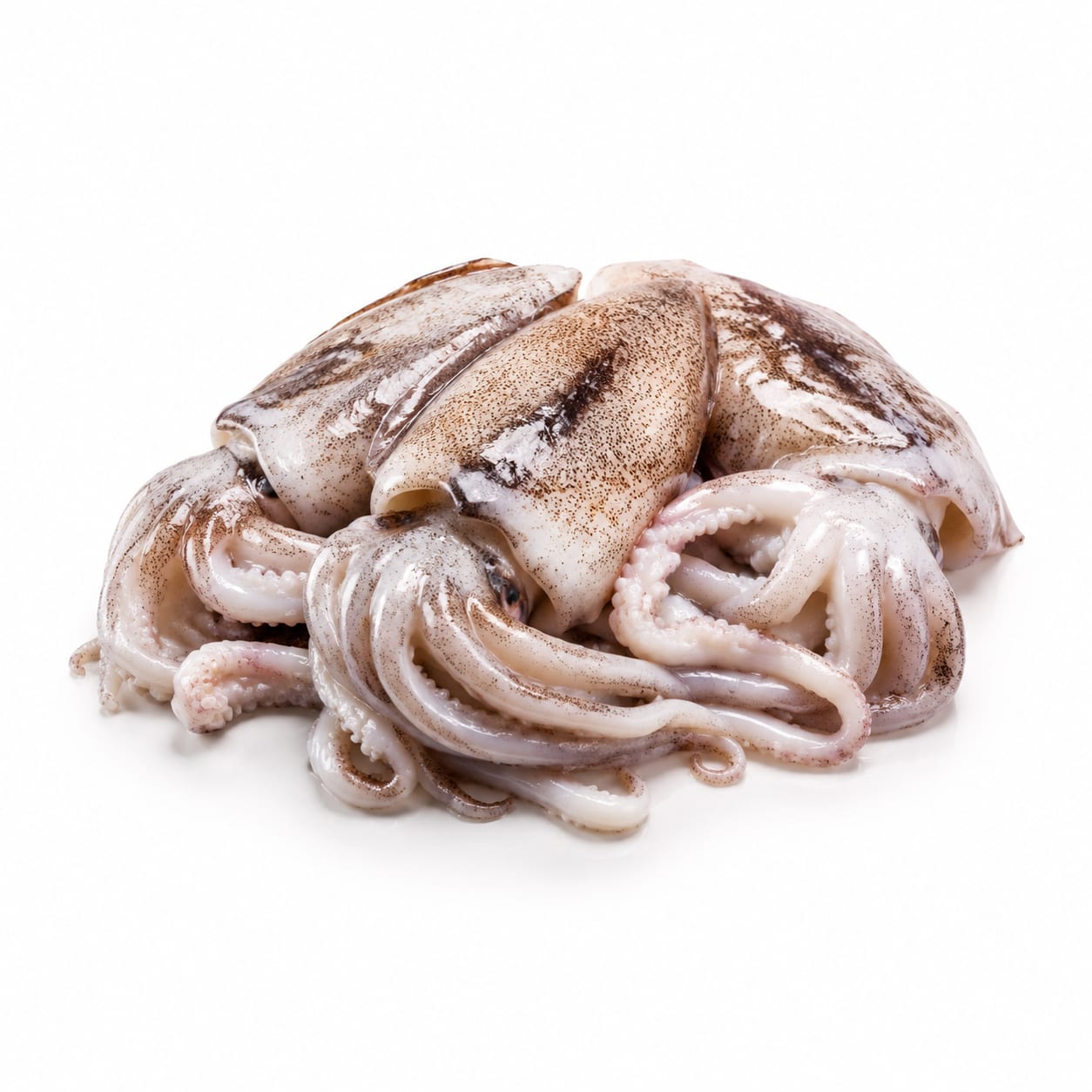
Cuttlefish
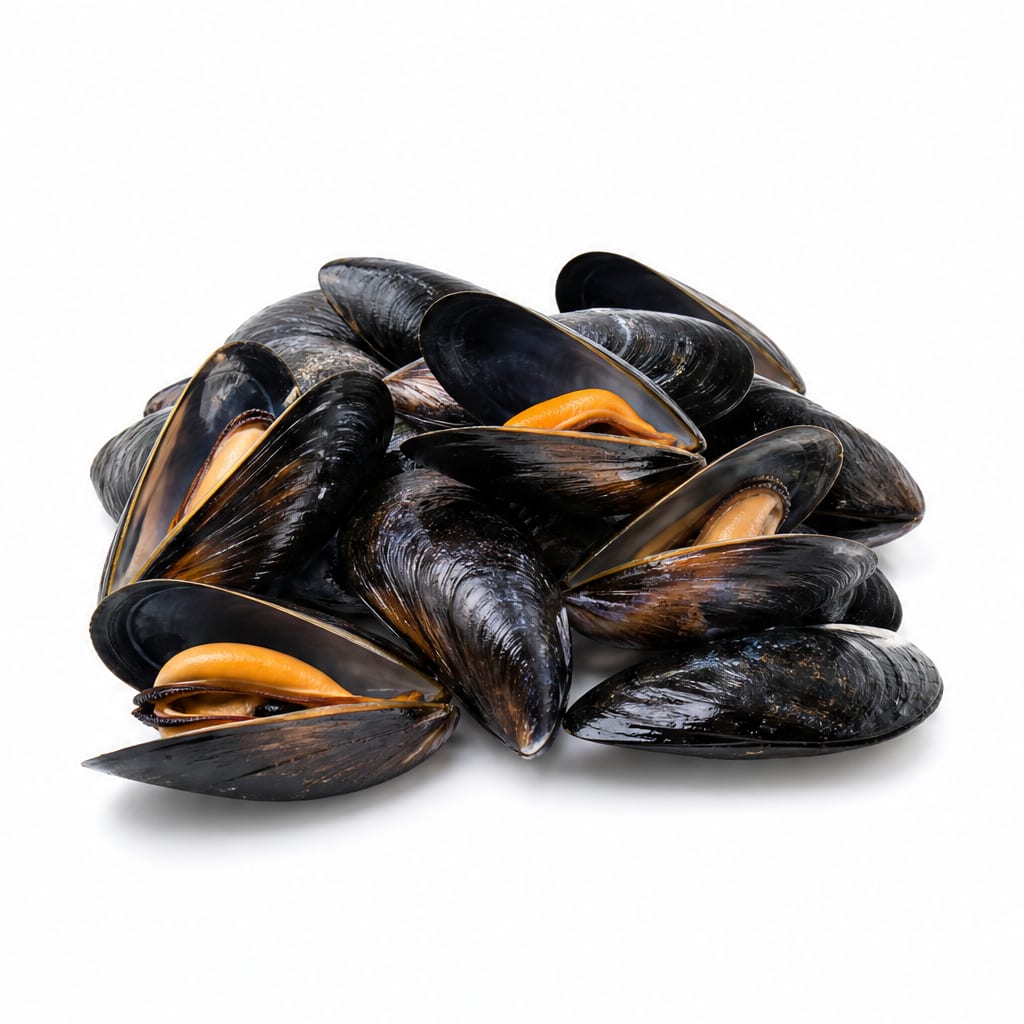
Mussels
Mussels edge out Cuttlefish thanks to their superior omega-3 profile and micronutrient density, though Cuttlefish is the better lean protein choice.
Mussels score higher due to their omega-3 fatty acids and richer vitamin and mineral profile, making them more nutritionally well-rounded than Cuttlefish, despite Cuttlefish being a leaner protein source.
Choosing Cuttlefish gives you leaner protein but more cholesterol, while Mussels offer heart-healthy fats and a stronger mineral punch.
At a glance
Executive summary
Overall
Mussels
Healthier
Mussels
More practical
Mussels
Daily use
It depends
Key comparison lenses
Heart Health & Cholesterol Impact
Cuttlefish is notably high in cholesterol, while Mussels offer heart-friendly omega-3s, making lipid impact the primary concern.
Micronutrient Density & Anemia Prevention
Mussels are exceptionally rich in iron, zinc, and B12, crucial for energy and immunity, whereas Cuttlefish is less concentrated in these minerals.
Lean Protein & Calorie Efficiency
Cuttlefish provides an extremely lean protein source, ideal for strict macronutrient tracking and low-calorie diets.
Seafood Safety & Toxin Risks
Both carry distinct risks: Mussels are filter feeders prone to biotoxins, while Cuttlefish can accumulate heavy metals.
Best choice for
Cuttlefish
- Low-calorie dieters
- Lean muscle builders
- Those needing high protein with minimal fat
Mussels
- Heart-health conscious eaters
- Iron-deficient individuals
- Those seeking natural B12 and zinc boosts
Least suitable for
Cuttlefish
- People managing high blood cholesterol
- Those prone to gout flares
Mussels
- People with shellfish allergies
- Those with compromised immune systems eating raw seafood
Deep comparison
Dimension by dimension
Each lens scores both foods and breaks down who each option suits.
- Dimension 1 · Priority 90Mussels
Heart Health & Lipids
Cuttlefish · 60Mussels · 88Mussels support heart health with omega-3s, while Cuttlefish carries a heavy cholesterol load.
Tradeoff
You get less dietary fat with Cuttlefish, but significantly more cholesterol.
Why it matters
High dietary cholesterol can impact blood lipid profiles, especially for sensitive individuals.
Real-world impact
Eating Mussels feels lighter on the cardiovascular system over time, whereas Cuttlefish should be a moderate indulgence if you watch your cholesterol.
Cuttlefish
- Very low-fat diets
Better for
- Cholesterol-sensitive individuals
Worse for
Mussels
- Cardiovascular health
- Reducing inflammation
Better for
- Extremely low-fat diet protocols
Worse for
- Dimension 2 · Priority 85Mussels
Micronutrient Density
Cuttlefish · 70Mussels · 92Mussels are a nutritional powerhouse, overflowing with B12, iron, and zinc.
Tradeoff
Cuttlefish provides good selenium and B12, but Mussels deliver a much stronger mineral punch.
Why it matters
Iron and B12 are critical for energy and preventing anemia, which many people lack.
Real-world impact
A bowl of Mussels can practically cover your daily B12 and iron needs, leaving you more energized than a serving of Cuttlefish.
Cuttlefish
- Selenium intake
Better for
- Correcting iron deficiency
Worse for
Mussels
- Energy and fatigue reduction
- Immune support via zinc
Better for
- Those needing strictly controlled iron intake
Worse for
- Dimension 3 · Priority 80Cuttlefish
Protein & Calorie Efficiency
Cuttlefish · 90Mussels · 82Cuttlefish is an extremely lean protein source, offering high protein for very few calories.
Tradeoff
Mussels have slightly more calories from fat, though it is the healthy kind.
Why it matters
For strict calorie counting or cutting phases, every macro counts.
Real-world impact
Cuttlefish fits seamlessly into a strict cutting diet, keeping you full without pushing up your calorie budget.
Cuttlefish
- Calorie-restricted diets
- Lean muscle building
Better for
- Those needing calorie-dense recovery meals
Worse for
Mussels
- Endurance athletes needing healthy fats
Better for
- Strict calorie counters
Worse for
- Dimension 4 · Priority 75It depends
Food Safety & Contaminants
Cuttlefish · 75Mussels · 75Both carry distinct seafood risks: Cuttlefish accumulates heavy metals, while Mussels filter biotoxins and bacteria.
Tradeoff
You choose between heavy metal exposure risk with Cuttlefish and biotoxin or filter-feeding risks with Mussels.
Why it matters
Both risks can cause acute illness or long-term health issues if sourcing is poor.
Real-world impact
Sourcing is everything. Bad Mussels can ruin your night immediately, while contaminated Cuttlefish poses a slower, cumulative risk.
Cuttlefish
- Cooked-only seafood diets
Better for
- Frequent heavy seafood eaters
Worse for
Mussels
- Sourcing from pristine, monitored waters
Better for
- Raw bar enthusiasts
Worse for
Timeline
Health impact over time
Short-term
Hours to days
Cuttlefish
- Quick, high-quality protein satiety
- Potential digestive heaviness if overcooked and rubbery
Mussels
- Rapid B12 and iron energy boost
- Risk of immediate GI distress if undercooked or spoiled
Long-term
Months to years
Cuttlefish
- Potential cholesterol concerns with frequent consumption
- Possible heavy metal accumulation if sourced from polluted waters
Mussels
- Improved cardiovascular health from omega-3s
- Better iron stores and sustained energy levels
Risk profile
Safety & processing
Both Cuttlefish and Mussels are typically consumed whole and fresh, making them highly natural with minimal processing concerns.
Cuttlefish
Heavy Metal Accumulation
mediumCuttlefish can accumulate cadmium and lead, especially in larger or older specimens from polluted waters.
High Cholesterol
mediumWhile not a pathogen, the extremely high cholesterol content is a health risk for susceptible individuals.
Mussels
Biotoxins
highAs filter feeders, Mussels can concentrate paralytic shellfish toxins from algal blooms, which cooking does not destroy.
Bacterial Contamination
mediumVibrio and other bacteria can thrive in raw Mussels, requiring thorough cooking to ensure safety.
Who wins for whom
Audience fit
Same foods, different winners depending on your goal.
children
MusselsMussels are easier to chew and provide crucial iron and zinc for growth, though they must be thoroughly cooked.
daily consumption
It dependsNeither should be eaten daily due to seafood contaminant risks; rotating them is the healthiest approach.
diabetes
MusselsThe omega-3s in Mussels improve insulin sensitivity and protect the heart, which is crucial for diabetics, whereas Cuttlefish's high cholesterol poses added cardiovascular concerns.
elderly
MusselsThe high B12 and omega-3s in Mussels support nerve health and cognitive function, and they are gentler to chew than Cuttlefish.
muscle gain
CuttlefishThe extremely lean, high-quality protein in Cuttlefish supports muscle repair without adding extra dietary fat.
weight loss
CuttlefishCuttlefish offers more protein per calorie with virtually zero fat, making it ideal for strict calorie deficits.
Your move
Decision guide
Choose Cuttlefish
- You are on a strict cutting phase and need maximum protein with minimal calories.
- You are unconcerned about dietary cholesterol.
- You want a firm, meaty texture for seafood dishes.
Choose Mussels
- You want to boost your iron, zinc, or B12 levels naturally.
- Heart health and omega-3 intake are your primary goals.
- You prefer tender seafood that cooks quickly in stews or steamed dishes.
Either works if
- You need high-quality, zero-carb seafood protein.
- You are bored with standard fish and want something more flavorful.
Avoid both if
- You have a severe shellfish or mollusk allergy.
- You are pregnant and unsure about seafood sourcing and heavy metal levels.
Final recommendation
Choose Mussels for a nutrient-dense, heart-healthy meal, but opt for Cuttlefish if you prioritize lean protein for muscle building or weight loss. Always source both from reputable suppliers to minimize contamination risks.
Practical
Consumer tips
- 1
Cook Cuttlefish either very quickly (2 minutes) or very slowly (45+ minutes) to avoid a rubbery texture.
- 2
Never eat Mussels that do not open during cooking; this is a clear sign they were dead and potentially toxic.
- 3
Limit Cuttlefish portions if you have high blood cholesterol, as a single serving packs a massive amount.
- 4
Soak Mussels in cold water for 20 minutes before cooking to help them purge sand.