
Nutrition comparison
Cuttlefish vs Crab: Nutrition, Protein, and Health Comparison
Comparing cuttlefish and crab? Discover which seafood is lower in calories, higher in protein, and safer for allergies. Find out which is better for your diet.
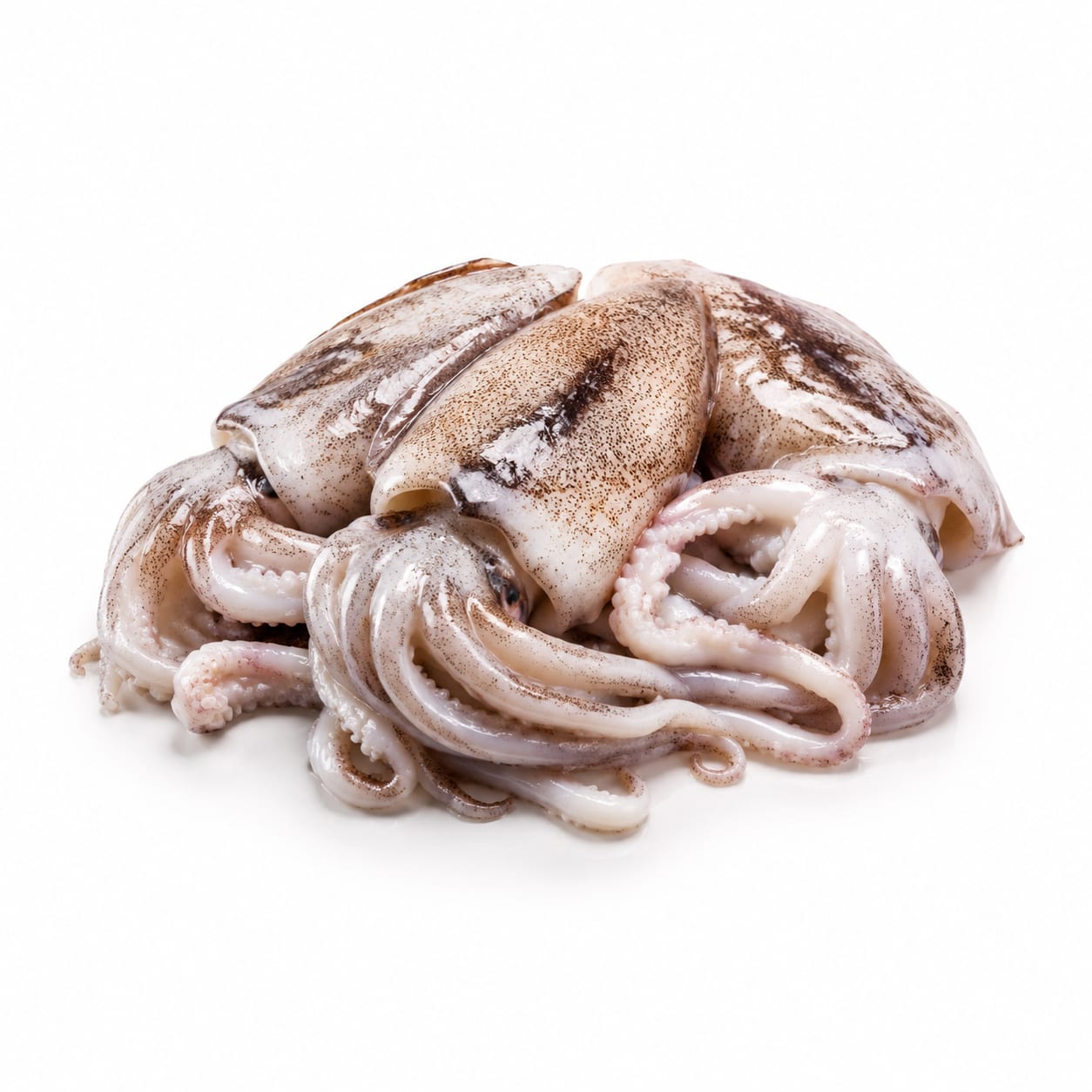
Cuttlefish
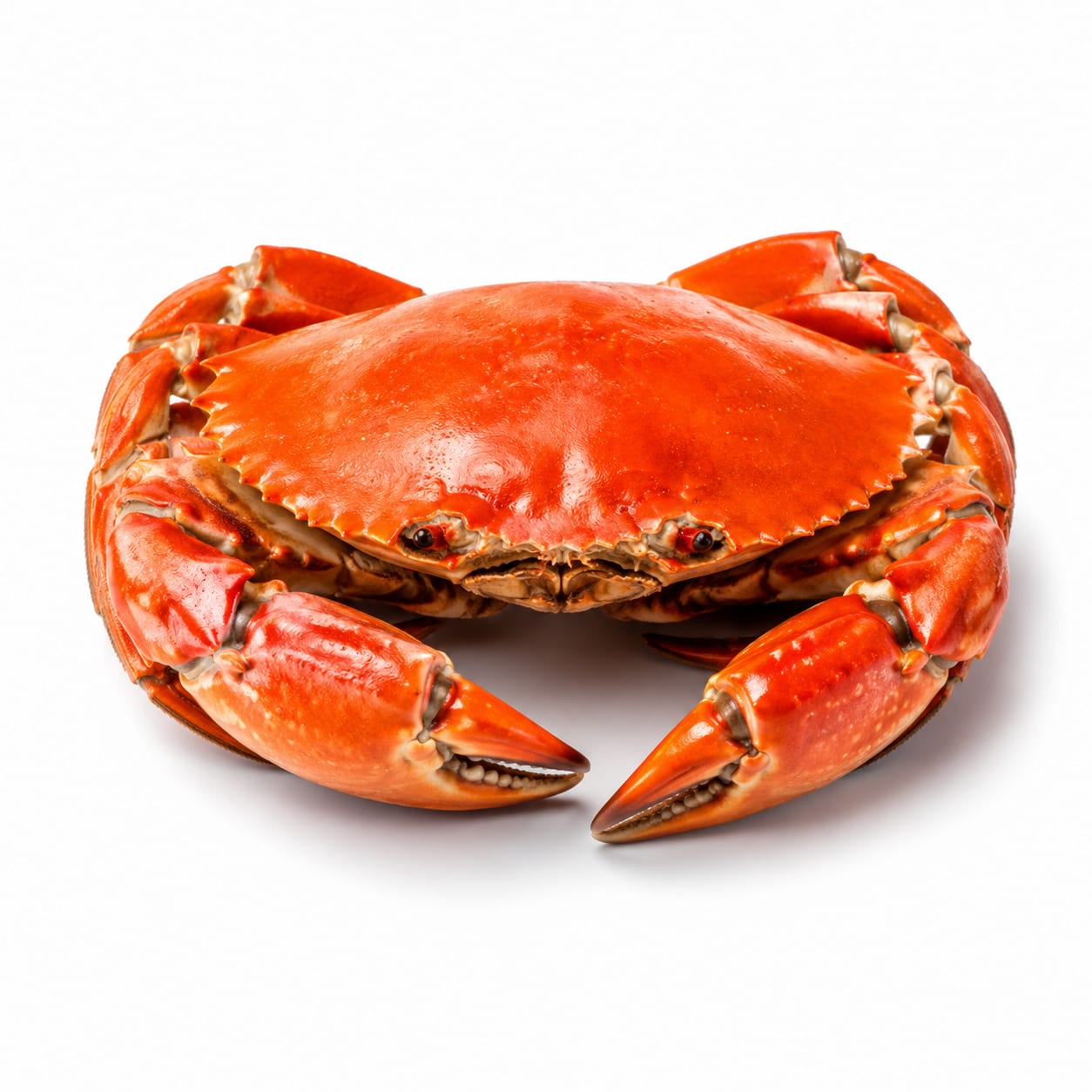
Crab
Cuttlefish is the leaner, lower-calorie protein powerhouse, while crab is more nutrient-dense in vitamins and far easier to eat.
Crab edges out slightly due to its superior vitamin profile and culinary convenience, but cuttlefish remains an excellent low-calorie choice. The near-tie reflects their different strengths for different goals.
You trade the ultra-low calorie count and mineral density of cuttlefish for the tender texture, B-vitamins, and convenience of crab.
At a glance
Executive summary
Overall
It depends
Healthier
It depends
More practical
Crab
Daily use
It depends
Key comparison lenses
Lean protein source comparison
Both are popular seafood choices for high protein and low fat, but they differ significantly in calorie density and specific nutrients.
Cholesterol and heart health impact
Cuttlefish and crab both contain substantial dietary cholesterol, which is a common concern for seafood consumers.
Allergy and contamination safety
Crab is a top shellfish allergen, while cuttlefish carries specific heavy metal and microplastic concerns typical of cephalopods.
Culinary practicality and ease of use
Crab meat is often ready-to-eat and tender, whereas cuttlefish requires specific cooking techniques to avoid a rubbery texture.
Best choice for
Cuttlefish
- Strict calorie counters
- Low-carb and keto dieters seeking lean protein
- Those needing an iron and selenium boost
- Adventurous home cooks
Crab
- People wanting quick, ready-to-eat protein
- Those needing more vitamin B12 and zinc
- Older adults who need tender, easy-to-chew food
- Fans of seafood salads and quick snacks
Least suitable for
Cuttlefish
- People with high cholesterol who are sensitive to dietary cholesterol
- Those who dislike chewy seafood textures
- Beginners in the kitchen
- People with cephalopod allergies
Crab
- People with shellfish allergies
- Those watching their sodium intake (especially with canned crab)
- Budget-conscious shoppers looking for cheap protein
Deep comparison
Dimension by dimension
Each lens scores both foods and breaks down who each option suits.
- Dimension 1 · Priority 92Cuttlefish
Protein & Caloric Efficiency
Cuttlefish · 90Crab · 82Cuttlefish delivers more protein per calorie, making it incredibly efficient for lean muscle maintenance.
Tradeoff
Crab provides slightly less protein per gram but offers a more tender, satisfying eating experience that feels less restrictive.
Why it matters
If you are strictly tracking calories to lose weight, cuttlefish gives you the biggest protein payoff for the fewest calories.
Real-world impact
A cuttlefish dinner keeps you full on fewer calories, while a crab salad feels more like a satisfying treat.
Cuttlefish
- Cutting phases in fitness
- Very low-calorie diet days
Better for
- Those who find lean proteins unsatisfying and need more fat to feel full
Worse for
Crab
- Maintaining a balanced diet without strict tracking
- Post-workout meals where enjoyment matters
Better for
- Strict calorie counters who need maximum protein per bite
Worse for
- Dimension 2 · Priority 88Crab
Micronutrient Density
Cuttlefish · 78Crab · 88Crab is a standout source of vitamin B12 and zinc, while cuttlefish brings more iron and selenium to the plate.
Tradeoff
Crab supports nerve health and immunity more directly, whereas cuttlefish is better for oxygen transport and antioxidant defense.
Why it matters
B12 is crucial for energy and brain function, and crab delivers it in massive amounts. Cuttlefish fills the iron gap that many women and athletes experience.
Real-world impact
Eating crab can help fight afternoon brain fog, while cuttlefish helps keep energy steady by supporting healthy blood iron levels.
Cuttlefish
- Women with low iron
- Those needing antioxidant support
Better for
- Those specifically needing B12 supplementation through food
Worse for
Crab
- Older adults at risk for B12 deficiency
- People wanting immune support from zinc
Better for
- Those who need high iron intake from their protein sources
Worse for
- Dimension 3 · Priority 82Crab
Cholesterol & Heart Health
Cuttlefish · 55Crab · 62Both are high in cholesterol, but cuttlefish contains significantly more, which can be a concern for sensitive individuals.
Tradeoff
While both are low in saturated fat (the real heart enemy), the sheer volume of cholesterol in cuttlefish makes it a less frequent choice for those with lipid issues.
Why it matters
If your doctor has told you to watch your dietary cholesterol, cuttlefish is a bigger spike per serving than crab.
Real-world impact
Enjoying crab occasionally is easier to fit into a heart-healthy diet than cuttlefish, which can quickly use up your daily cholesterol budget.
Cuttlefish
- Healthy individuals with no cholesterol sensitivity
Better for
- Anyone with hypercholesterolemia
Worse for
Crab
- People monitoring their dietary cholesterol intake
- Those focusing on heart-healthy seafood choices
Better for
- Those who assume all seafood is equally low in cholesterol
Worse for
- Dimension 4 · Priority 76Crab
Convenience & Culinary Practicality
Cuttlefish · 45Crab · 85Crab meat is often purchased pre-cooked and ready to eat, while cuttlefish requires careful preparation to avoid a rubbery texture.
Tradeoff
Cuttlefish is much cheaper and more versatile in stir-fries, but it demands cooking skill. Crab is instant but expensive.
Why it matters
In real life, if a food is hard to cook well, you are less likely to make it a staple.
Real-world impact
Crab can be tossed straight into a salad or wrap for a quick lunch. Cuttlefish requires timing and tenderizing, making it a weekend project for most.
Cuttlefish
- Home cooks who enjoy preparing cephalopods
- Stir-fry and pasta dishes where texture is desired
Better for
- Beginners who easily overcook seafood
Worse for
Crab
- Busy professionals needing quick protein
- Cold seafood salads and snacks
Better for
- Cooking on a tight budget
Worse for
- Dimension 5 · Priority 80Cuttlefish
Allergy & Contamination Risk
Cuttlefish · 72Crab · 58Crab is a top allergen that triggers severe reactions in many, while cuttlefish avoids the shellfish allergy umbrella but carries ocean contamination concerns.
Tradeoff
Cuttlefish is safer for those with shellfish allergies, but as a cephalopod, it can accumulate heavy metals like cadmium. Crab is a major allergen but generally has lower heavy metal accumulation.
Why it matters
Shellfish allergies are life-threatening and incredibly common. This makes crab a non-starter for a significant portion of the population.
Real-world impact
If you have a shellfish allergy, cuttlefish might be a safe alternative to explore. If you are pregnant, both should be eaten in moderation due to ocean contaminants.
Cuttlefish
- People with shellfish allergies (with doctor approval)
- Those looking to avoid crustacean allergens
Better for
- Pregnant women concerned about cadmium and microplastics
Worse for
Crab
- People without shellfish allergies seeking widely tolerated seafood
Better for
- Anyone with a diagnosed crustacean allergy
Worse for
Timeline
Health impact over time
Short-term
Hours to days
Cuttlefish
- High satiety from lean protein without feeling heavy
- Steady energy from iron and B-vitamins
- Risk of digestive discomfort if undercooked or overcooked
Crab
- Quick, light protein satisfaction
- Immediate B12 boost for energy metabolism
- Potential sodium spike if eating canned or restaurant-prepared crab
Long-term
Months to years
Cuttlefish
- Excellent for maintaining lean muscle mass on a low-calorie diet
- High dietary cholesterol may impact blood lipid profiles in sensitive individuals
- Potential accumulation of ocean-borne heavy metals if eaten excessively
Crab
- Supports long-term nerve health and red blood cell production via B12
- Zinc aids immune resilience over time
- Consistent intake of sodium from prepared crab could affect blood pressure
Risk profile
Safety & processing
Fresh or frozen cuttlefish is typically sold whole or cleaned with no additives. Crab, while natural when fresh, is frequently sold canned or pasteurized with added sodium and preservatives like sodium bisulfite to maintain color.
Cuttlefish
Heavy metal accumulation
mediumCephalopods can accumulate cadmium and lead from ocean environments, particularly in their digestive glands.
Microplastic exposure
mediumCuttlefish may ingest microplastics, which are increasingly common in marine ecosystems.
Tough texture leading to poor digestion
lowImproperly cooked cuttlefish can be extremely chewy and harder to digest comfortably.
Crab
Severe allergic reactions
highCrab is a major crustacean allergen that can cause anaphylaxis in sensitive individuals.
High sodium from preparation
mediumCanned, imitation, or restaurant crab cakes often contain very high levels of sodium.
Sodium bisulfite sensitivity
lowOften used as a preservative in processed crab meat, which can trigger reactions in sulfite-sensitive people.
Who wins for whom
Audience fit
Same foods, different winners depending on your goal.
children
CrabCrab meat is soft, easy to chew, and familiar. Cuttlefish can be too chewy for kids, and heavy metal concerns are more sensitive for developing bodies.
daily consumption
It dependsNeither should be eaten daily due to cholesterol and ocean contaminant concerns, but both are great 1-2 times a week.
diabetes
CuttlefishCuttlefish has zero carbs and lower calories, making blood sugar management effortless. Canned crab often contains added sugars or high sodium.
elderly
CrabCrab is extremely tender and packed with B12, which is crucial for older adults who often struggle to absorb this vitamin.
muscle gain
It dependsBoth provide excellent protein. Cuttlefish is leaner, but crab's B12 supports energy production for harder workouts.
weight loss
CuttlefishCuttlefish is exceptionally low in calories while being high in protein, making it one of the most weight-loss-friendly proteins available.
Your move
Decision guide
Choose Cuttlefish
- You are strictly counting calories and want maximum protein per bite
- You have a shellfish allergy but can safely eat mollusks
- You enjoy cooking and know how to prepare cephalopods properly
- You need a boost in dietary iron
Choose Crab
- You want a quick, no-cook protein source for salads or snacks
- You prioritize getting enough vitamin B12 and zinc
- You are cooking for someone who needs soft, easy-to-chew foods
- You want a familiar, crowd-pleasing seafood option
Either works if
- You want high-quality, low-fat protein for a seafood dinner
- You are bored with chicken and want a marine alternative
- You are focusing on low-carb meals
Avoid both if
- You have gout and are sensitive to purines
- You are pregnant and limiting your exposure to potential ocean contaminants
- You are on a strict low-cholesterol diet prescribed by a doctor
Final recommendation
Choose cuttlefish if your priority is lean, low-calorie protein and you enjoy cooking. Choose crab if you want convenience, tender texture, and a massive B12 boost. Both are excellent seafood choices to rotate into your diet a couple of times a week, rather than choosing just one.
Practical
Consumer tips
- 1
If buying crab, check the sodium content on canned varieties; fresh or frozen is usually lower in salt.
- 2
Tenderize cuttlefish by scoring the flesh in a crosshatch pattern before cooking to keep it tender.
- 3
If you have a shellfish allergy, consult an allergist before trying cuttlefish, as cross-reactivity can occasionally occur.
- 4
Pair cuttlefish with vitamin C-rich ingredients like tomatoes or lemon to boost iron absorption.
- 5
Avoid imitation crab meat—it is highly processed, packed with starch and sodium, and contains very little real crab.