
Nutrition comparison
Cuttlefish vs Squid: Nutrition, Cholesterol, and Health Comparison
Compare cuttlefish vs squid to see which seafood is better for protein, cholesterol, and cooking. Discover the nutritional differences and health tradeoffs.
Overall winner · Squid
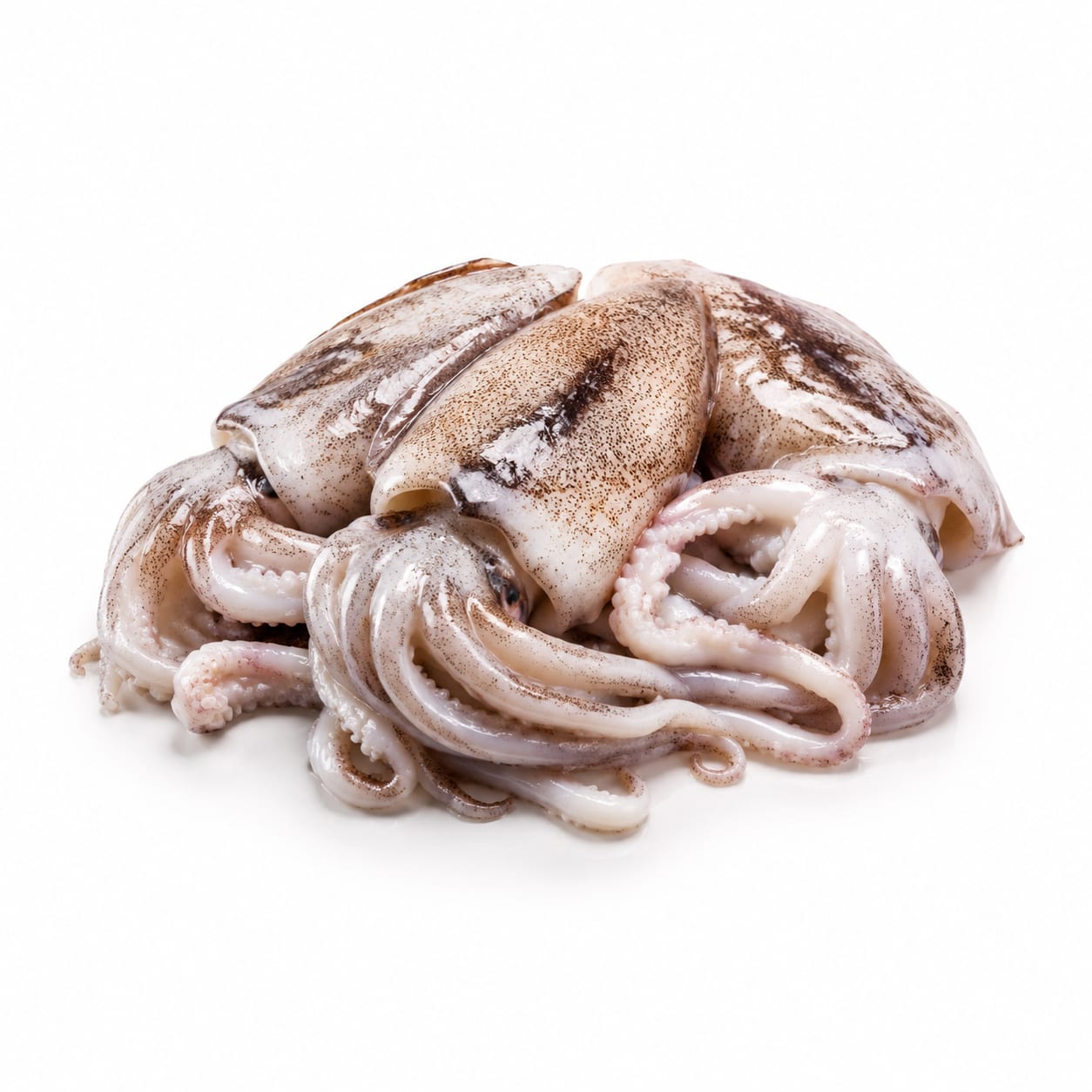
Cuttlefish
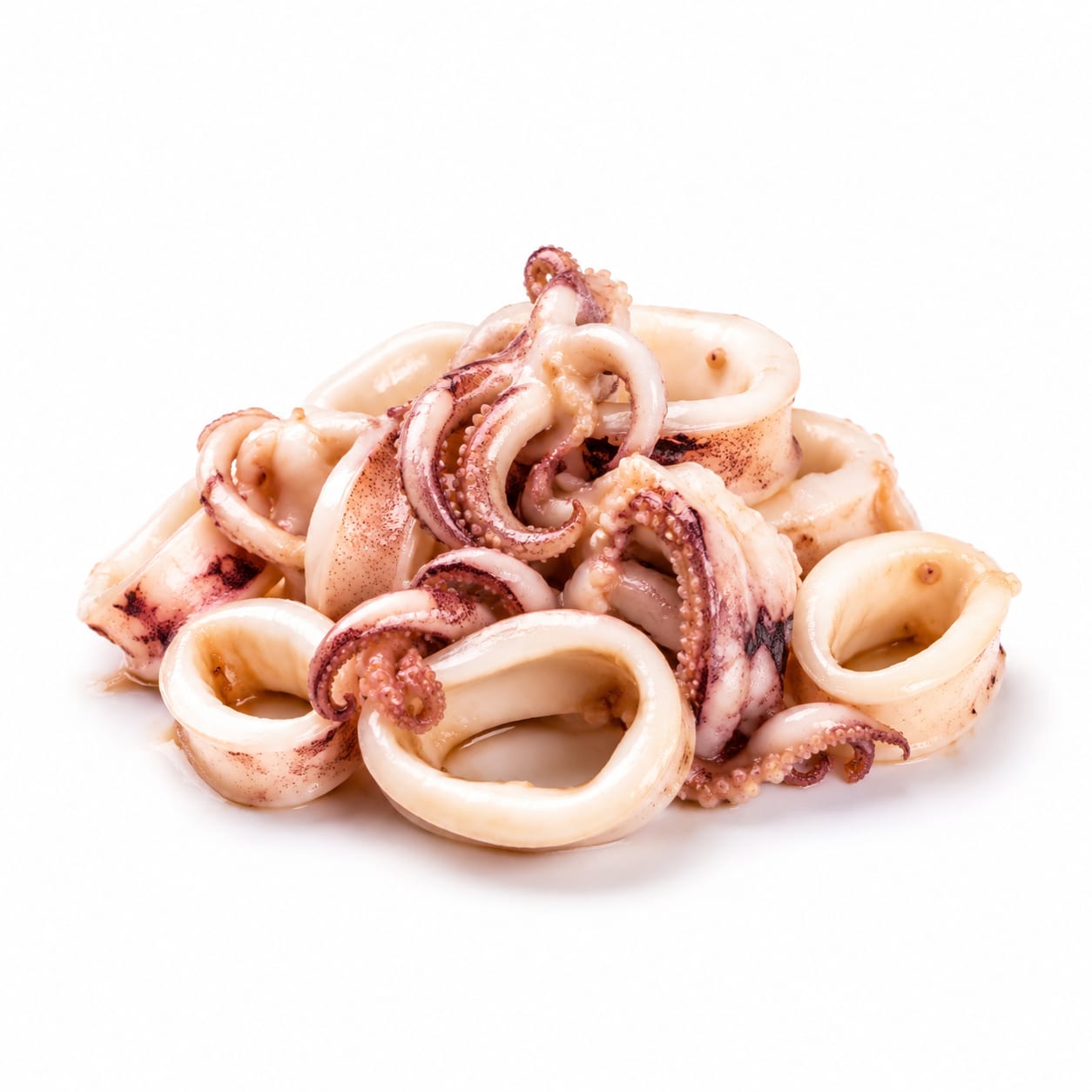
Squid
Squid wins on practicality and lower cholesterol, making it an easier everyday choice. Cuttlefish offers superior micronutrients but demands more cooking skill and carries a higher cholesterol load.
Squid scores higher overall due to its accessibility, lower cholesterol, and versatility in everyday cooking. Cuttlefish remains nutritionally potent but is held back by its higher cholesterol and culinary difficulty.
You trade better mineral density and a richer flavor in cuttlefish for the easier preparation, wider availability, and lighter cholesterol profile of squid.
At a glance
Executive summary
Overall
Squid
Healthier
It depends
More practical
Squid
Daily use
Squid
Key comparison lenses
Lean protein source comparison
Both are popular high-protein, low-calorie seafood options often used interchangeably in Mediterranean and Asian cuisines.
Cholesterol and heart health impact
Cephalopods are known for having high dietary cholesterol, which is a common concern for consumers comparing the two.
Culinary practicality and accessibility
Squid is widely available and easy to cook, whereas cuttlefish requires more skill to prepare without turning rubbery.
Micronutrient density and mineral intake
Both offer strong mineral profiles, but cuttlefish tends to pack more selenium and zinc per serving.
Best choice for
Cuttlefish
- Maximizing selenium and zinc intake
- Experienced home cooks seeking rich, savory flavor
- Nutrient-dense low-carb diets
Squid
- Quick weeknight seafood dinners
- Calorie-conscious dieters avoiding excess cholesterol
- Beginner cooks looking for forgiving prep times
Least suitable for
Cuttlefish
- People strictly managing dietary cholesterol
- Those who dislike chewy textures
- Beginners prone to overcooking seafood
Squid
- Those seeking peak mineral density per calorie
- People avoiding common restaurant frying oils
Deep comparison
Dimension by dimension
Each lens scores both foods and breaks down who each option suits.
- Dimension 1 · Priority 90It depends
Protein Quality & Content
Cuttlefish · 85Squid · 86Both are exceptional lean protein sources, delivering high-quality complete protein with minimal fat.
Tradeoff
Squid provides slightly more protein per calorie, while cuttlefish offers a marginally better amino acid profile for tissue repair.
Why it matters
High-quality lean protein supports muscle maintenance and keeps you full without weighing you down.
Real-world impact
Either choice makes an excellent post-workout meal that feels light but satisfying.
Cuttlefish
- Tissue repair and recovery
Better for
- Very low-fat diets needing maximum protein efficiency
Worse for
Squid
- Maximizing protein per calorie
Better for
- Dimension 2 · Priority 88Squid
Cholesterol & Heart Health
Cuttlefish · 45Squid · 60Cuttlefish contains significantly more cholesterol than squid, which can be a concern for heart health.
Tradeoff
Choosing squid eases the load on your daily cholesterol budget, while cuttlefish consumes a large portion of it.
Why it matters
For those monitoring blood lipids, keeping dietary cholesterol in check is a daily balancing act.
Real-world impact
Eating cuttlefish can take up over half your daily cholesterol allowance in one serving, leaving less room for other foods.
Cuttlefish
- People on strict low-cholesterol diets
Worse for
Squid
- Heart-health conscious eaters
- Those with a family history of high cholesterol
Better for
- Dimension 3 · Priority 80Cuttlefish
Micronutrient Density
Cuttlefish · 90Squid · 75Cuttlefish is a micronutrient powerhouse, heavily outperforming squid in essential minerals.
Tradeoff
You get a major upgrade in selenium and zinc with cuttlefish, but it comes attached to the higher cholesterol load.
Why it matters
Selenium supports thyroid and immune function, while zinc is crucial for immunity and wound healing.
Real-world impact
A single serving of cuttlefish almost covers your daily selenium needs, giving your immune system a solid boost.
Cuttlefish
- Boosting immune function
- Addressing mineral deficiencies
Better for
Squid
- Correcting mineral gaps efficiently
Worse for
- Dimension 4 · Priority 85Squid
Culinary Practicality & Availability
Cuttlefish · 50Squid · 90Squid is far easier to find, prep, and cook without ruining the texture.
Tradeoff
Squid offers convenience and a tender result when flash-cooked, whereas cuttlefish demands slow braising or precise cooking to avoid a rubbery bite.
Why it matters
If a food is hard to cook or find, you are less likely to eat it regularly, no matter how healthy it is.
Real-world impact
You can toss squid into a quick 2-minute stir-fry on a busy Tuesday; cuttlefish usually requires a weekend simmer or expert timing.
Cuttlefish
- Slow-cooked stews and braises
Better for
- Last-minute meal prep
Worse for
Squid
- Quick weeknight meals
- Fast appetizers like calamari
Better for
- Rich, slow-cooked seafood stews
Worse for
Timeline
Health impact over time
Short-term
Hours to days
Cuttlefish
- High satiety from dense protein and minerals
- Potential digestive heaviness if cooked in rich sauces
Squid
- Quick, light energy with very low calorie burden
- Easily digested when flash-cooked, but can cause jaw fatigue if overcooked
Long-term
Months to years
Cuttlefish
- Excellent immune and thyroid support from high selenium
- Risk of elevated LDL cholesterol if consumed too frequently
Squid
- Sustained lean muscle maintenance with very low fat intake
- Better lipid profile maintenance compared to cuttlefish
Risk profile
Safety & processing
Both are whole, natural seafood. However, squid is often sold pre-cleaned and frozen, occasionally treated with tenderizing agents or phosphates to retain moisture, whereas cuttlefish is more often sold fresh and whole.
Cuttlefish
Heavy metal accumulation
mediumCuttlefish are bottom-dwellers and can accumulate cadmium and lead, particularly in their livers, which are sometimes eaten in specific cuisines.
Allergic reaction
mediumMollusk allergies are common, and cross-reactivity with shellfish can cause severe responses.
Squid
Phosphate additives
lowCommercially frozen squid tubes are often treated with sodium tripolyphosphate to retain water, which can slightly increase sodium intake.
Allergic reaction
mediumLike cuttlefish, squid is a mollusk and poses a distinct allergy risk.
Who wins for whom
Audience fit
Same foods, different winners depending on your goal.
children
SquidSquid is easier to cook to a tender texture and is less likely to be chewy, making it more kid-friendly when served as calamari or in pasta.
daily consumption
SquidSquid's lighter cholesterol load and widespread availability make it a more sustainable daily lean protein option.
diabetes
SquidBoth have zero carbs, but squid's lower cholesterol content makes it a safer long-term choice for cardiovascular health, which is a key concern for diabetics.
elderly
SquidLower cholesterol and an easier-to-chew texture when properly prepared make squid a more suitable choice for aging cardiovascular and digestive systems.
muscle gain
It dependsBoth provide excellent lean protein. Squid edges out slightly on protein density, but the difference is negligible for muscle building.
weight loss
SquidSquid has slightly fewer calories and less cholesterol per serving, making it easier to fit into a calorie deficit without lipid concerns.
Your move
Decision guide
Choose Cuttlefish
- You want to maximize your intake of selenium and zinc
- You are an experienced cook planning a slow braise or rich stew
- You are not concerned about dietary cholesterol
Choose Squid
- You need a fast-cooking protein for busy weeknights
- You are watching your cholesterol or heart health closely
- You want a lighter, more versatile seafood for salads or quick grilling
Either works if
- You simply need a zero-carb, high-quality protein source
- You are meal-prepping seafood for muscle maintenance
- You enjoy Mediterranean or Asian seafood diets
Avoid both if
- You have a diagnosed mollusk or shellfish allergy
- You are strictly limiting seafood due to gout or purine concerns
Final recommendation
Opt for squid as your go-to everyday lean seafood due to its ease of cooking and better lipid profile. Choose cuttlefish occasionally when you have the time to braise it properly and want a richer micronutrient boost.
Practical
Consumer tips
- 1
Cook squid either very fast (2 minutes) or very slow (45+ minutes) to avoid a rubbery texture; the middle ground is the danger zone.
- 2
If buying frozen squid, check the ingredients list to avoid products with added phosphates or sodium tripolyphosphate.
- 3
When preparing cuttlefish, remove the skin and beak thoroughly, and consider scoring the flesh to help tenderize it.
- 4
Pair both with vitamin C-rich ingredients like lemon or tomatoes to enhance iron absorption from the seafood.
- 5
Source both from reputable fisheries to minimize the risk of heavy metal exposure, especially for cuttlefish.