
Nutrition comparison
Cuttlefish vs Shrimp: Nutrition, Taste, and Health Comparison
Compare cuttlefish and shrimp to find out which seafood is better for protein, iron, weight loss, and everyday cooking. Discover the nutritional tradeoffs.
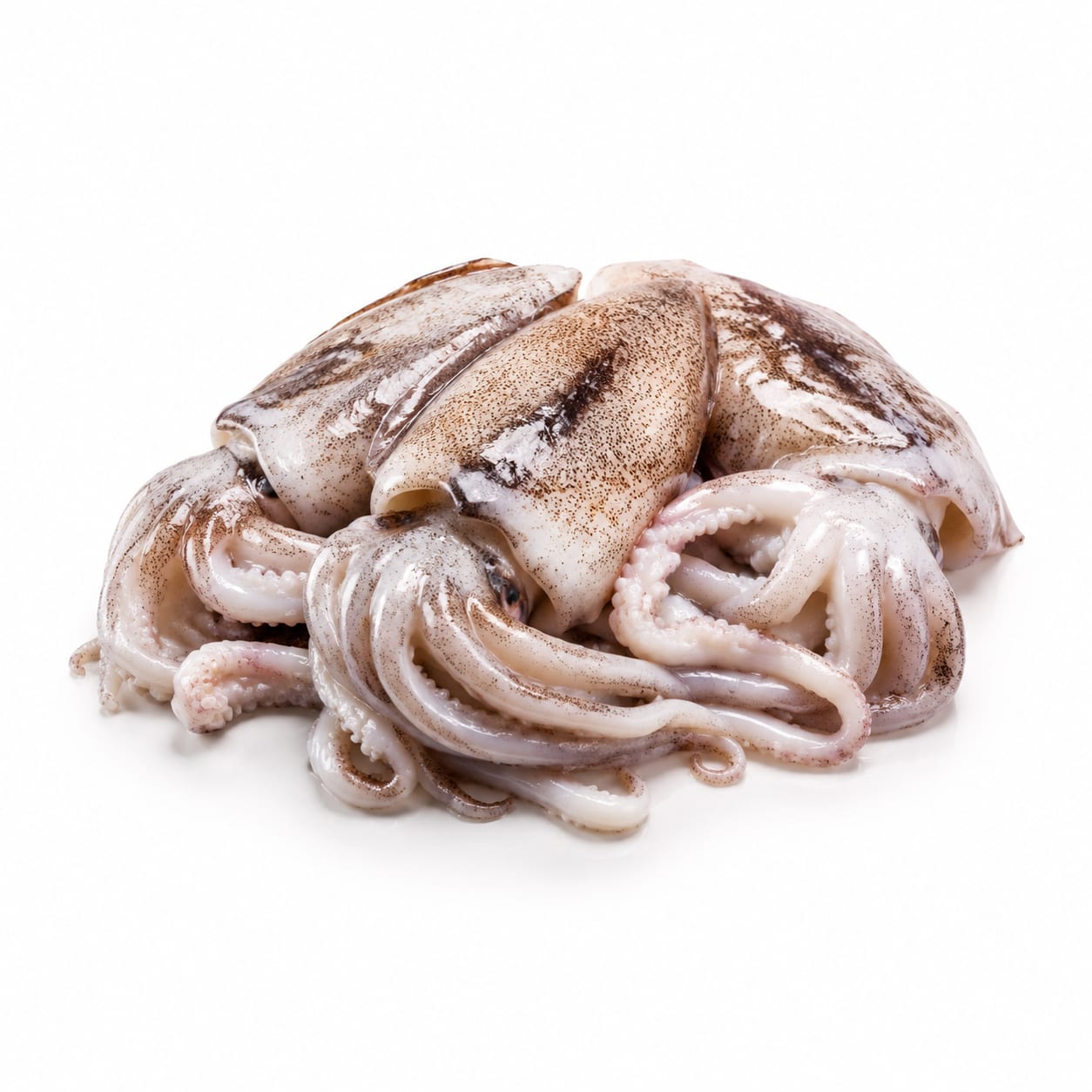
Cuttlefish
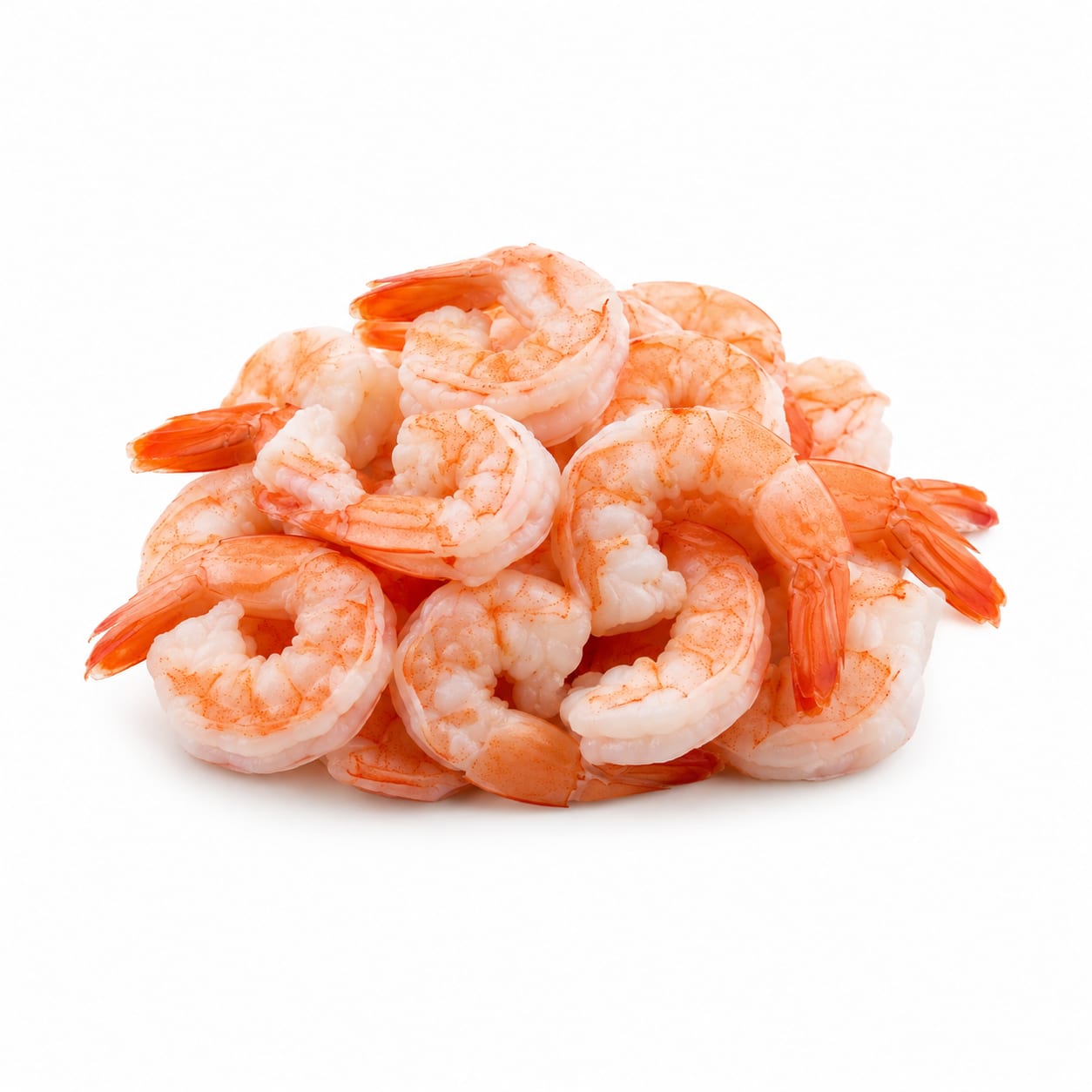
Shrimp
Shrimp offers unbeatable convenience and lean protein, while cuttlefish brings superior iron and zinc for those willing to master its cooking.
Shrimp scores slightly higher due to its unmatched convenience and widespread availability, but cuttlefish holds its own with superior mineral density.
Everyday accessibility and quick cooking of shrimp versus the richer mineral profile and unique texture of cuttlefish.
At a glance
Executive summary
Overall
It depends
Healthier
It depends
More practical
Shrimp
Daily use
Shrimp
Key comparison lenses
Seafood protein selection for health and convenience
Both are lean marine proteins, but they differ greatly in accessibility, cooking ease, and specific mineral profiles.
Mineral density and anemia prevention
Cuttlefish offers significantly more iron and zinc, making it a standout for those needing a mineral boost.
Culinary practicality and weeknight cooking
Shrimp is a staple for quick meals, while cuttlefish requires specific cooking techniques to avoid a rubbery texture.
Cholesterol and heart health impact
Both are relatively high in dietary cholesterol, which is a common concern for seafood consumers.
Best choice for
Cuttlefish
- Boosting iron levels and fighting fatigue
- Adding culinary variety to seafood routines
- Getting antioxidant benefits from cuttlefish ink
Shrimp
- Quick weeknight dinners
- Lean post-workout protein
- Easy meal prep and batch cooking
Least suitable for
Cuttlefish
- People wanting quick, foolproof meals
- Those unfamiliar with cooking cephalopods
Shrimp
- People with severe shellfish allergies
- Those strictly limiting dietary cholesterol
Deep comparison
Dimension by dimension
Each lens scores both foods and breaks down who each option suits.
- Dimension 1 · Priority 90Shrimp
Protein & Satiety
Cuttlefish · 82Shrimp · 88Shrimp provides slightly more protein per calorie and digests faster, while cuttlefish is denser and takes longer to chew, aiding satiety.
Tradeoff
Shrimp is lighter and quicker to digest, whereas cuttlefish feels more substantial but can be tough if overcooked.
Why it matters
Protein density matters for muscle maintenance, while texture influences how satisfied you feel after eating.
Real-world impact
Shrimp makes a light post-workout snack; cuttlefish feels more like a hearty main course.
Cuttlefish
- Longer-lasting fullness from chewing effort
- Slower digestion keeping you satisfied longer
Better for
- Rubbery texture if cooked incorrectly
- Slightly lower total protein per 100g
Worse for
Shrimp
- Higher protein per serving for muscle repair
- Lighter feeling after eating
Better for
- Less chewing satisfaction
- Can feel less filling on its own
Worse for
- Dimension 2 · Priority 85Cuttlefish
Micronutrient Profile
Cuttlefish · 89Shrimp · 82Cuttlefish packs significantly more iron, zinc, and potassium, while shrimp shines with iodine, selenium, and astaxanthin.
Tradeoff
Cuttlefish is better for energy and immune support via iron and zinc, while shrimp supports thyroid function and antioxidant defense.
Why it matters
Iron and zinc are commonly deficient, making cuttlefish a potent source; iodine is crucial for metabolism where shrimp excels.
Real-world impact
Eating cuttlefish can help fight fatigue from low iron, while shrimp supports a healthy metabolism and thyroid.
Cuttlefish
- Preventing iron-deficiency anemia
- Immune support from high zinc
- Muscle and nerve function via potassium
Better for
- Lower iodine content
- Lacks the specific antioxidant astaxanthin
Worse for
Shrimp
- Thyroid health from iodine
- Cellular protection from astaxanthin
- Antioxidant support from selenium
Better for
- Much lower iron content
- Less zinc for immune support
Worse for
- Dimension 3 · Priority 80Shrimp
Practicality & Cooking
Cuttlefish · 55Shrimp · 95Shrimp cooks in minutes and is available everywhere; cuttlefish requires careful preparation to avoid a rubbery texture.
Tradeoff
Shrimp is a weeknight staple for busy schedules, while cuttlefish demands more culinary skill and planning.
Why it matters
Convenience often dictates what we actually eat, giving shrimp a massive real-world advantage.
Real-world impact
You can throw shrimp in a stir-fry on a Tuesday night; cuttlefish usually requires a specific recipe or slow cooking.
Cuttlefish
- Impressing dinner guests with a unique dish
- Slow-cooked stews and paellas
Better for
- Easy to overcook and ruin texture
- Harder to find in standard grocery stores
Worse for
Shrimp
- Last-minute meal prep
- Quick sautés and grilling
- Easy supermarket availability
Better for
- Can overcook quickly too, but more forgiving
- Less culinary novelty
Worse for
- Dimension 4 · Priority 75It depends
Cholesterol & Heart Health
Cuttlefish · 70Shrimp · 70Both are high in dietary cholesterol but low in saturated fat, meaning they are generally safe for heart health unless you are a hyper-responder.
Tradeoff
Neither is a low-cholesterol food, but both offer lean protein that fits well into heart-healthy diets for most people.
Why it matters
Dietary cholesterol doesn't spike blood cholesterol for most, but those with genetic hypercholesterolemia need to monitor intake.
Real-world impact
For most, eating either a few times a week won't harm heart health, but portion control matters if your doctor flagged your cholesterol.
Cuttlefish
- More omega-3s relative to total fat in some preparations
- Ink contains heart-protective antioxidants
Better for
- Very high cholesterol content per serving
Worse for
Shrimp
- Well-studied and proven to fit into Mediterranean-style diets
- Astaxanthin offers cardiovascular protection
Better for
- Very high cholesterol content per serving
Worse for
Timeline
Health impact over time
Short-term
Hours to days
Cuttlefish
- Provides a dense, satisfying meal that curbs hunger for hours
- May feel heavy in the stomach if you are unused to eating cephalopods
Shrimp
- Quickly digests, providing fast amino acids for muscle recovery
- Can cause mild allergic reactions like hives in sensitive individuals
Long-term
Months to years
Cuttlefish
- Excellent for maintaining healthy iron stores and preventing anemia
- Supports immune resilience through high zinc intake
Shrimp
- Supports thyroid health and metabolic rate via iodine
- Astaxanthin provides ongoing anti-inflammatory and skin benefits
Risk profile
Safety & processing
Both are typically sold fresh or frozen with minimal additives, though some frozen shrimp is treated with sodium tripolyphosphate to retain moisture, which cuttlefish usually avoids.
Cuttlefish
Heavy metal accumulation
mediumAs a slightly larger predatory mollusk, cuttlefish can accumulate cadmium and lead, though usually within safe limits.
Allergic reaction
mediumMollusk allergies are less common than crustacean allergies, but still pose a risk for sensitive individuals.
Shrimp
Shellfish allergy
highShrimp is one of the top major allergens and can cause severe anaphylactic reactions.
Additives in frozen varieties
mediumSodium tripolyphosphate is often used to retain moisture in frozen shrimp, adding unnecessary sodium and a spongy texture.
Microplastics
lowShrimp can contain microplastics due to ocean contamination, though health impacts are still being studied.
Who wins for whom
Audience fit
Same foods, different winners depending on your goal.
children
ShrimpShrimp is easier to chew and less likely to be rubbery, making it safer and more appealing for kids.
daily consumption
ShrimpShrimp's ease of cooking and milder flavor make it more sustainable for daily or near-daily meals.
diabetes
It dependsBoth have zero carbs and will not spike blood sugar, making them equally excellent choices for blood sugar stability.
elderly
CuttlefishThe high iron and zinc content in cuttlefish is highly beneficial for older adults who often struggle with these deficiencies.
muscle gain
ShrimpSlightly higher protein density and faster digestibility make shrimp an excellent post-workout option.
weight loss
ShrimpShrimp is extremely low in calories and fat, making it incredibly easy to fit into a strict calorie deficit.
Your move
Decision guide
Choose Cuttlefish
- You want to boost your iron and zinc intake naturally
- You enjoy cooking and want to experiment with a unique seafood protein
- You are making a slow-cooked seafood stew or paella
Choose Shrimp
- You need a fast, high-protein meal after a workout
- You want a versatile, easy-to-find protein for weekly meal prep
- You are counting calories closely and want the lowest calorie option
Either works if
- You are looking for a zero-carb, high-protein seafood option
- You want to increase your intake of essential marine minerals
Avoid both if
- You have a diagnosed shellfish or mollusk allergy
- Your doctor has advised you to follow a strict low-cholesterol diet
Final recommendation
Keep shrimp as your reliable weeknight staple for convenience and lean protein, but swap in cuttlefish occasionally to upgrade your iron and zinc intake and keep your meals exciting.
Practical
Consumer tips
- 1
If buying frozen shrimp, check the label to avoid sodium tripolyphosphate, which adds sodium and a spongy texture.
- 2
Cook cuttlefish for either 2 minutes or 45 minutes—anything in between will make it rubbery.
- 3
If you buy whole cuttlefish, save the ink; it adds rich flavor and antioxidants to pasta and risotto.
- 4
Marinate shrimp in a little olive oil and lemon for 10 minutes before cooking to keep it tender and flavorful.