
Nutrition comparison
Cuttlefish vs Scallops: Nutrition, Safety, and Which Seafood to Eat More Often
Compare cuttlefish and scallops side by side — protein, cholesterol, mercury, minerals, and cooking ease. Find out which seafood fits your health goals and how often to eat each.
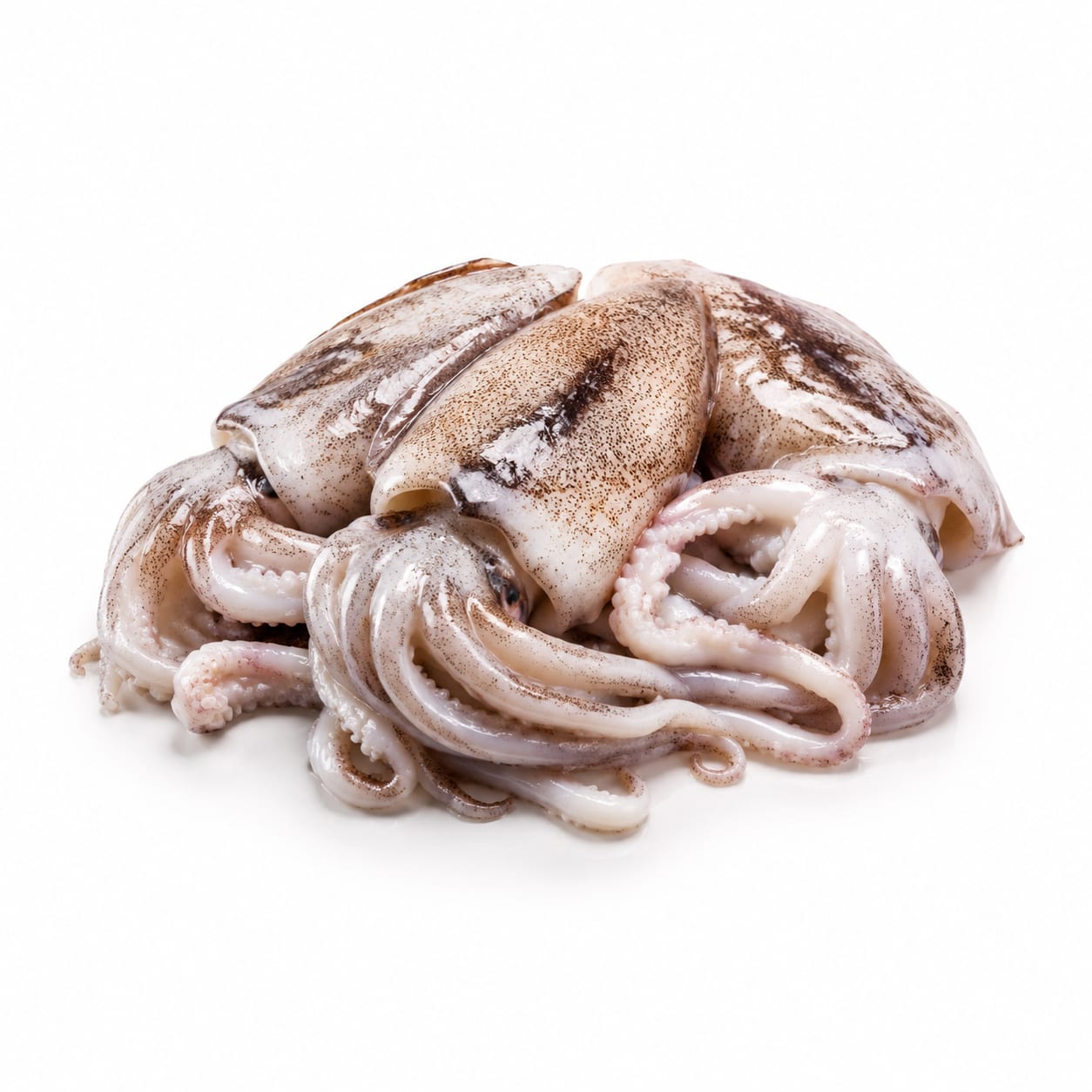
Cuttlefish
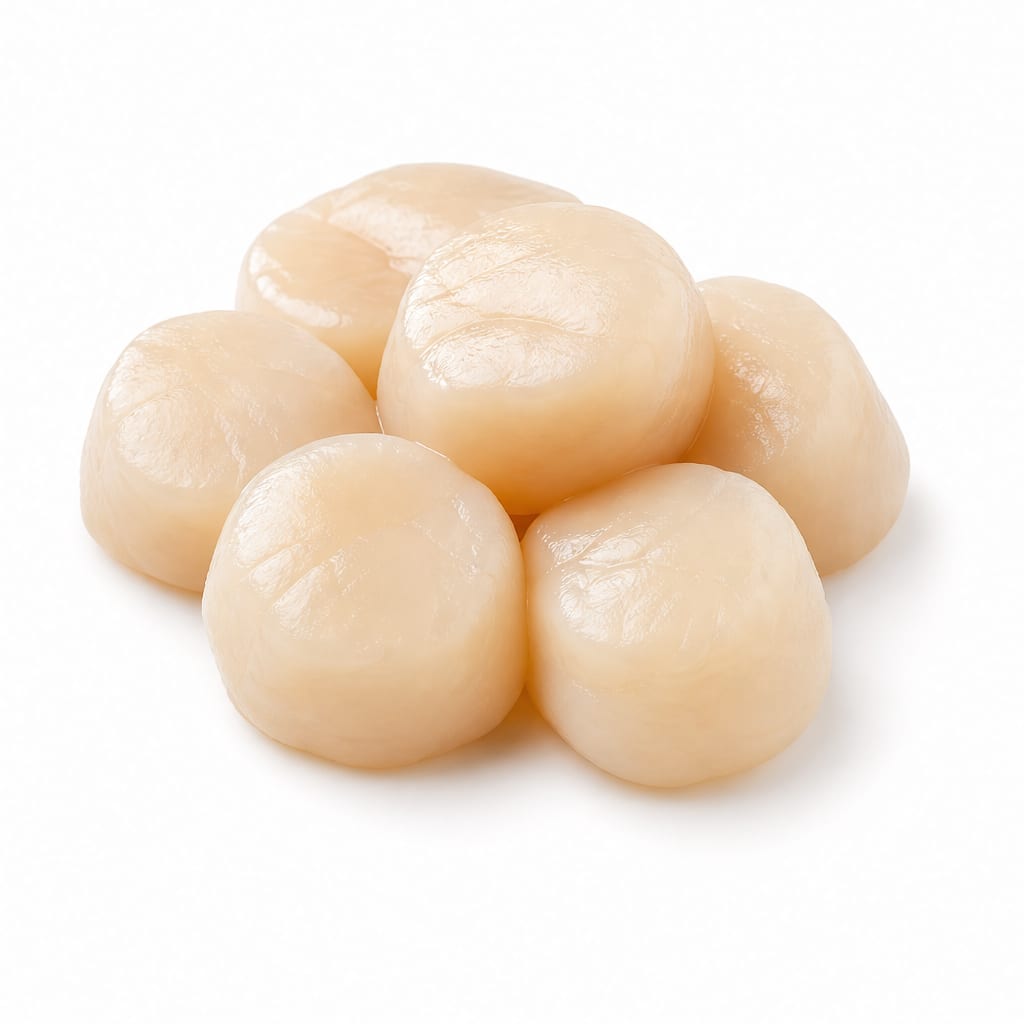
Scallops
Scallops are the safer, leaner everyday choice with lower cholesterol and mercury risk. Cuttlefish packs far more minerals but carries higher cholesterol and contamination concerns that limit frequent use.
Scallops score higher primarily due to lower cholesterol, reduced contamination risk, and broader everyday usability. Cuttlefish earns strong marks for mineral density but loses ground on heart health safety and accessibility. The gap is moderate — both are quality seafood, but scallops are the more sustainable daily choice.
Mineral density versus heart health safety — cuttlefish feeds you more iron and zinc per bite, while scallops protect your cholesterol numbers and are easier to eat regularly
At a glance
Executive summary
Overall
It depends
Healthier
Scallops
More practical
Scallops
Daily use
Scallops
Key comparison lenses
seafood protein quality comparison
Both are high-protein seafood options, so users likely want to know which delivers better protein per calorie and with fewer tradeoffs
cholesterol and heart health concerns
Cuttlefish is notably high in cholesterol, making heart health a key decision factor between these two
heavy metal and contamination safety
Both are marine organisms with different contamination profiles that matter for regular consumption
mineral density and micronutrient value
Cuttlefish is significantly richer in iron, zinc, and selenium, which may matter for nutrient-deficient diets
culinary accessibility and ease of preparation
Scallops are more widely available and easier to cook well, while cuttlefish requires more skill and sourcing effort
Best choice for
Cuttlefish
- People with iron deficiency or anemia needing a potent mineral boost
- Athletes seeking zinc and selenium for recovery and immune support
- Mediterranean or Asian cuisine enthusiasts who cook cephalopods regularly
- Those wanting maximum micronutrient density per serving
Scallops
- People monitoring cholesterol or with heart disease risk factors
- Anyone eating seafood multiple times per week who needs a low-mercury option
- Home cooks wanting a quick, forgiving protein that's hard to ruin
- Those prioritizing lean, low-calorie protein for weight management
Least suitable for
Cuttlefish
- People with high cholesterol or cardiovascular disease
- Pregnant women due to higher heavy metal accumulation risk
- Those unfamiliar with cooking cephalopods who may end up with rubbery results
- Anyone needing a low-sodium protein source
Scallops
- People with severe shellfish allergies
- Those on very tight budgets since scallops are often expensive
- Anyone needing significant iron supplementation from food alone
- People seeking bold, intense seafood flavor — scallops are quite mild
Deep comparison
Dimension by dimension
Each lens scores both foods and breaks down who each option suits.
- Dimension 1 · Priority 90It depends
Protein Quality and Content
Cuttlefish · 82Scallops · 80Both deliver excellent lean protein with all essential amino acids. Cuttlefish edges ahead slightly in total protein per serving, while scallops offer slightly better protein-to-calorie ratio.
Tradeoff
Cuttlefish gives you more total protein and taurine for muscle and nerve function. Scallops give nearly equivalent protein with fewer calories and less cholesterol baggage.
Why it matters
For most people the protein difference is negligible — both outperform land meats on a per-calorie basis. The real question is what comes packaged with that protein.
Real-world impact
After a workout, either option rebuilds muscle effectively. Scallops feel lighter in the stomach; cuttlefish feels more substantial and filling.
Cuttlefish
- Larger appetites needing more total protein per meal
- Athletes wanting taurine for recovery and nerve support
Better for
- People who find dense seafood proteins heavy before activity
Worse for
Scallops
- Calorie-conscious eaters wanting maximum protein efficiency
- Those preferring a lighter post-workout meal that digests quickly
Better for
- Very active individuals needing larger protein portions without eating huge volumes
Worse for
- Dimension 2 · Priority 88Scallops
Cholesterol and Heart Health
Cuttlefish · 42Scallops · 85Cuttlefish contains roughly 3-4 times more cholesterol than scallops, making it a clear concern for anyone watching their lipid profile.
Tradeoff
You gain iron and zinc with cuttlefish but take on a significant cholesterol load. Scallops keep your heart happier with minimal dietary cholesterol.
Why it matters
Dietary cholesterol impacts blood cholesterol differently per person, but for those with existing risk factors, the difference between ~190mg and ~50mg per serving is meaningful.
Real-world impact
Eating cuttlefish several times a week could nudge your cholesterol numbers upward. Scallops you can eat far more often without that worry.
Cuttlefish
- People with genetically low cholesterol who process dietary cholesterol efficiently
Better for
- People already struggling with high cholesterol
- Anyone whose doctor has recommended a low-cholesterol diet
Worse for
Scallops
- Anyone with elevated LDL or family history of heart disease
- People on heart-healthy diets like Mediterranean or DASH
- Older adults more vulnerable to cardiovascular risk
Better for
- Those with no cholesterol concerns who could benefit from cuttlefish's mineral advantages instead
Worse for
- Dimension 3 · Priority 82Cuttlefish
Mineral Density
Cuttlefish · 91Scallops · 58Cuttlefish is a mineral powerhouse — dramatically higher in iron, zinc, selenium, and copper. Scallops provide decent B12 and magnesium but cannot compete on overall mineral breadth.
Tradeoff
Cuttlefish delivers the kind of mineral density usually seen in organ meats, while scallops offer a cleaner but less nutrient-packed profile.
Why it matters
Iron deficiency is the world's most common nutrient shortfall. Zinc and selenium are critical for immunity and thyroid function. Getting these from food beats supplements for absorption and compliance.
Real-world impact
One serving of cuttlefish can cover over 80% of daily iron needs. You would need to eat scallops frequently to approach similar mineral intake, and still fall short on iron.
Cuttlefish
- Women of reproductive age needing iron support
- Vegetarians transitioning to seafood who want maximum nutrient catch-up
- Anyone recovering from illness needing immune-supporting zinc and selenium
Better for
- People with hemochromatosis or iron overload conditions
Worse for
Scallops
- People who already get ample minerals from other sources and don't need the extra load
Better for
- Those relying on seafood as their primary mineral source, especially for iron
Worse for
- Dimension 4 · Priority 85Scallops
Contamination and Heavy Metal Risk
Cuttlefish · 55Scallops · 78Scallops are among the lower-mercury seafood options available. Cuttlefish, as a cephalopod higher in the food chain, accumulates more heavy metals including cadmium.
Tradeoff
Cuttlefish's position as an active predator means it bioaccumulates more contaminants. Scallops, as filter feeders, have their own risks but generally test lower for mercury.
Why it matters
Frequent seafood eaters need to manage cumulative mercury exposure. Choosing lower-mercury options for regular consumption matters more than occasional meals.
Real-world impact
If you eat seafood 3+ times weekly, scallops are the safer staple. Cuttlefish is better as an occasional dish, maybe once or twice monthly.
Cuttlefish
- Infrequent seafood eaters for whom occasional cuttlefish poses minimal cumulative risk
Better for
- Pregnant women should limit or avoid cuttlefish due to cadmium and mercury concerns
Worse for
Scallops
- Pregnant and breastfeeding women needing low-mercury protein
- Frequent seafood consumers managing total mercury load
- Children whose developing nervous systems are more vulnerable to heavy metals
Better for
- Those who assume all shellfish are equally risky and avoid scallops unnecessarily — they are actually among the safest
Worse for
- Dimension 5 · Priority 72Scallops
Culinary Ease and Accessibility
Cuttlefish · 45Scallops · 82Scallops cook in minutes and are widely available. Cuttlefish requires specialized knowledge to prepare properly and is harder to find outside specialty markets.
Tradeoff
Scallops offer convenience and consistent results for home cooks. Cuttlefish rewards skill and cultural knowledge but punishes mistakes with rubbery, unpleasant texture.
Why it matters
The best nutritious food is one you actually cook and eat. Difficulty and intimidation factor directly reduce how often a food appears in real meals.
Real-world impact
Seared scallops take 4 minutes and feel restaurant-quality. Overcooked cuttlefish takes 30 seconds to ruin and 45 minutes of braising to rescue.
Cuttlefish
- Experienced cooks comfortable with cephalopod techniques
- People with access to Mediterranean or Asian markets where cuttlefish is common and affordable
Better for
- Beginners who will likely overcook and dislike the result
- People in areas where cuttlefish is simply unavailable fresh
Worse for
Scallops
- Busy home cooks wanting impressive results with minimal effort
- Anyone shopping at standard grocery stores without specialty seafood counters
Better for
- Those who find scallops too mild and want bolder seafood flavor
Worse for
- Dimension 6 · Priority 68Scallops
Digestive Tolerance and Lightness
Cuttlefish · 52Scallops · 80Scallops are notably easy to digest with their soft, delicate texture. Cuttlefish can be tough and chewy, requiring more digestive effort especially if not perfectly cooked.
Tradeoff
Scallops feel light and settle quickly. Cuttlefish sits heavier and can cause discomfort if undercooked or if you have sensitive digestion.
Why it matters
For older adults, those with GI sensitivities, or anyone eating before activity, digestibility determines whether a food works in real life.
Real-world impact
Scallops at dinner won't interfere with sleep. Cuttlefish too close to bedtime might leave you uncomfortable.
Cuttlefish
- People with robust digestion who enjoy substantial, chewy textures
Better for
- People prone to bloating or slow gastric emptying
Worse for
Scallops
- Those with sensitive stomachs or IBS tendencies
- Older adults with slower digestion
- Anyone eating a late dinner who needs food that settles quickly
Better for
- Those who find very soft textures unsatisfying and need more chewing satisfaction to feel full
Worse for
Timeline
Health impact over time
Short-term
Hours to days
Cuttlefish
- High satiety from dense protein and chewy texture keeps hunger at bay for hours
- Mineral-rich meal may feel energizing, especially for those with low iron
- Risk of digestive heaviness or discomfort if undercooked
- Sodium content can cause bloating in salt-sensitive individuals
Scallops
- Light, quick-digesting protein that won't weigh you down after eating
- Steady energy without the sluggishness that heavier proteins can cause
- Very gentle on the stomach — unlikely to cause GI distress
- Low calorie load means you may feel hungry sooner than with denser proteins
Long-term
Months to years
Cuttlefish
- Excellent mineral intake supports immune resilience and thyroid health over time
- Regular high cholesterol intake may elevate LDL in susceptible individuals
- Cumulative heavy metal exposure warrants limiting frequency to a few times monthly
- Taurine content may support cardiovascular and neurological function long-term
Scallops
- Consistent low-mercury protein supports safe long-term seafood consumption patterns
- Heart-friendly profile fits cleanly into cardiovascular prevention diets
- Adequate but not exceptional mineral intake — you will need other sources for iron
- Omega-3 contribution, while modest, adds up favorably with regular consumption
Risk profile
Safety & processing
Both cuttlefish and scallops are typically sold as whole, minimally processed seafood. The main concern is what they absorb from their environment rather than what manufacturers add. Frozen versions of both may contain sodium-based preservatives like sodium tripolyphosphate — check labels and choose dry-packed scallops or plainly frozen cuttlefish when possible.
Cuttlefish
Cadmium accumulation
mediumCephalopods accumulate cadmium in their livers and digestive glands. Proper cleaning removes most of this, but inadequate preparation can leave significant residues.
Mercury exposure
mediumModerate mercury levels compared to large predatory fish, but higher than scallops. Frequent consumption increases cumulative exposure.
Allergic reactions
lowCephalopod allergies exist but are less common than shellfish allergies. Cross-reactivity with squid and octopus is possible.
Foodborne illness from improper handling
mediumFresh cuttlefish spoils quickly and requires careful refrigeration. Inadequate cooking of whole cuttlefish risks parasitic infection.
Scallops
Shellfish allergy
highScallops are a top allergen. Reactions can be severe and life-threatening. This is the most serious risk for susceptible individuals.
Sodium tripolyphosphate additive
lowWet-packed scallops are treated with STPP to retain moisture, adding sodium and creating a mushy texture when cooked. Choose dry-packed scallops to avoid this.
Vibrio contamination
lowRaw or undercooked scallops can harbor Vibrio bacteria, especially in warm-water harvests. Cooking eliminates this risk.
Microplastic ingestion
lowAs filter feeders, scallops can accumulate microplastics, though current evidence suggests levels are well below thresholds of concern for occasional consumption.
Who wins for whom
Audience fit
Same foods, different winners depending on your goal.
children
ScallopsLower mercury, softer texture, milder flavor, and easier digestion make scallops the safer and more kid-friendly option. Cuttlefish's chewiness and heavier metal load are less suitable for developing bodies.
daily consumption
ScallopsScallops' low mercury, low cholesterol, and gentle digestion make them suitable for regular use. Cuttlefish should be limited to occasional meals due to cumulative heavy metal and cholesterol concerns.
diabetes
ScallopsBoth have zero carbohydrates and minimal impact on blood sugar. Scallops win on overall cardiovascular safety, which matters disproportionately for diabetics managing heart disease risk.
elderly
ScallopsScallops' soft texture is easier to chew and digest, their low cholesterol supports cardiovascular health, and their B12 content helps address common elderly deficiencies. Cuttlefish's toughness and cholesterol load are drawbacks.
muscle gain
CuttlefishCuttlefish delivers more total protein per serving along with zinc and taurine, which support testosterone production and muscle recovery. The higher calorie-protein combination supports mass-building phases better.
weight loss
ScallopsScallops provide fewer calories per gram of protein and digest quickly, making portion control easier. Their lightness prevents that heavy, overfed feeling that triggers overeating later.
Your move
Decision guide
Choose Cuttlefish
- You have low iron or zinc levels and want a food-based solution with real impact
- You are an experienced cook who knows how to prepare cephalopods properly
- You eat seafood only occasionally and want maximum nutrient density when you do
- You have no cholesterol concerns and want the most mineral-rich seafood available
Choose Scallops
- You eat seafood multiple times per week and need a low-mercury staple
- Heart health or cholesterol management is a priority for you
- You want a quick-cooking protein that's hard to mess up on busy weeknights
- You have digestive sensitivities or are cooking for older adults
Either works if
- You are simply looking for a high-quality lean protein and have no specific health constraints
- You enjoy variety in your seafood rotation and want to alternate between them
- Budget and availability are not limiting factors for you
Avoid both if
- You have a diagnosed shellfish or mollusk allergy
- You are on a strict low-sodium diet and cannot control preparation methods
- You lack access to reliable fresh or properly frozen seafood sources
Final recommendation
Make scallops your everyday seafood and treat cuttlefish as a nutrient-dense indulgence. Scallops give you a clean, heart-friendly protein you can eat several times a week without worry. Cuttlefish delivers an exceptional mineral punch that's worth enjoying occasionally — perhaps once or twice a month — when you want something more substantial and have the skill to cook it well. This way you get the best of both: daily safety with periodic nutrient intensity.
Practical
Consumer tips
- 1
Always choose dry-packed scallops over wet-packed — they sear properly and contain no added phosphates
- 2
If buying frozen cuttlefish, look for whole specimens rather than pre-cut rings, which are often from older, tougher animals
- 3
Soak cuttlefish in milk for 30 minutes before cooking to tenderize it and reduce any strong fishy notes
- 4
Sear scallops in a very hot pan for just 90 seconds per side — overcooking by even 30 seconds makes them rubbery
- 5
If you are new to cooking cuttlefish, braise it low and slow for at least 45 minutes rather than attempting quick cooking methods
- 6
Check seafood watch lists for both options — sustainability varies significantly by catch location and method
- 7
Pregnant women should treat scallops as a safe staple but limit cuttlefish to rare occasions due to cadmium concerns
- 8
Pair cuttlefish with vitamin C-rich ingredients like tomatoes or lemon to boost iron absorption from its impressive mineral content