
Nutrition comparison
Cuttlefish vs Lobster: Nutrition, Cholesterol, and Value Compared
Comparing cuttlefish and lobster? Discover which seafood is better for protein, cholesterol, and budget. Learn the nutritional tradeoffs between cuttlefish and lobster.
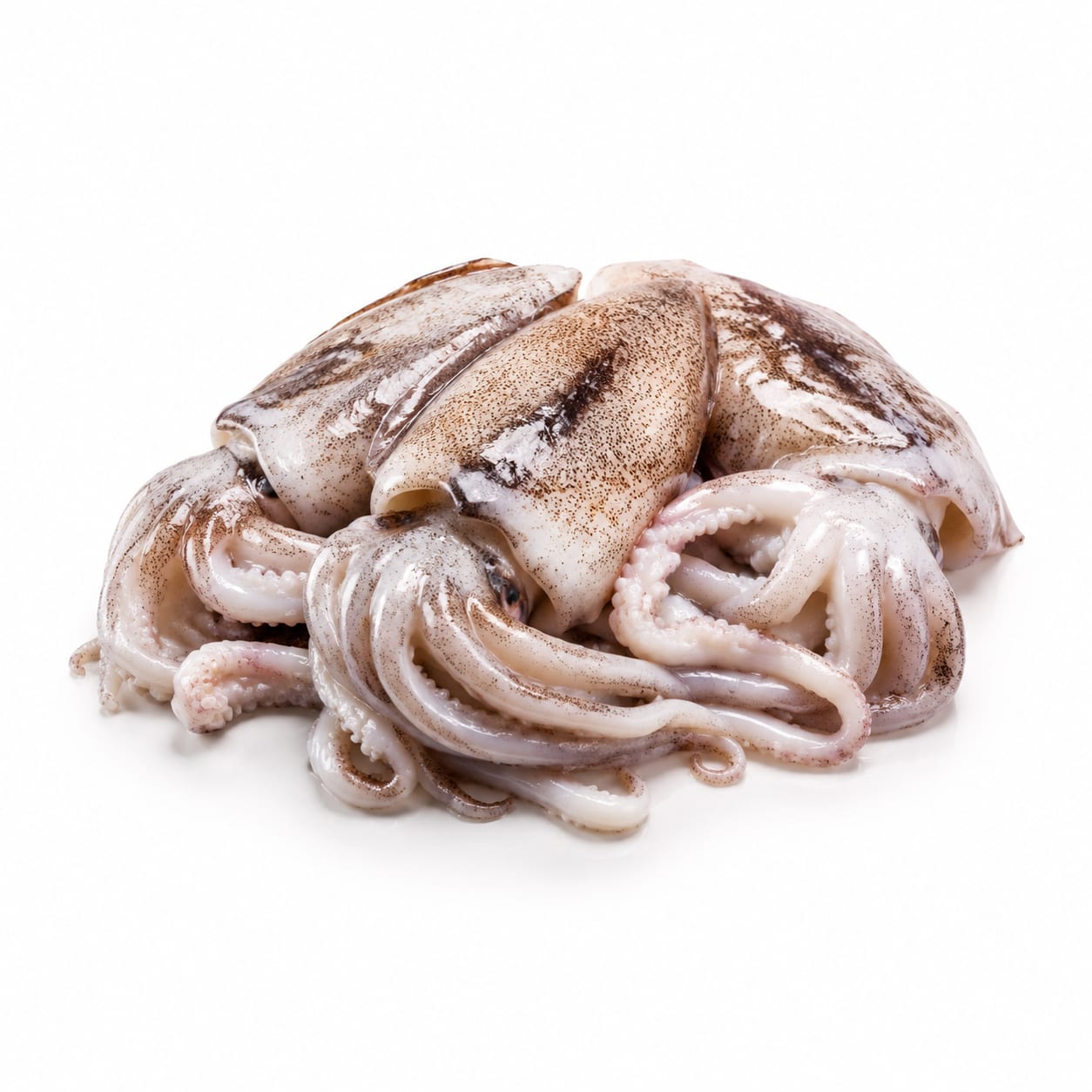
Cuttlefish
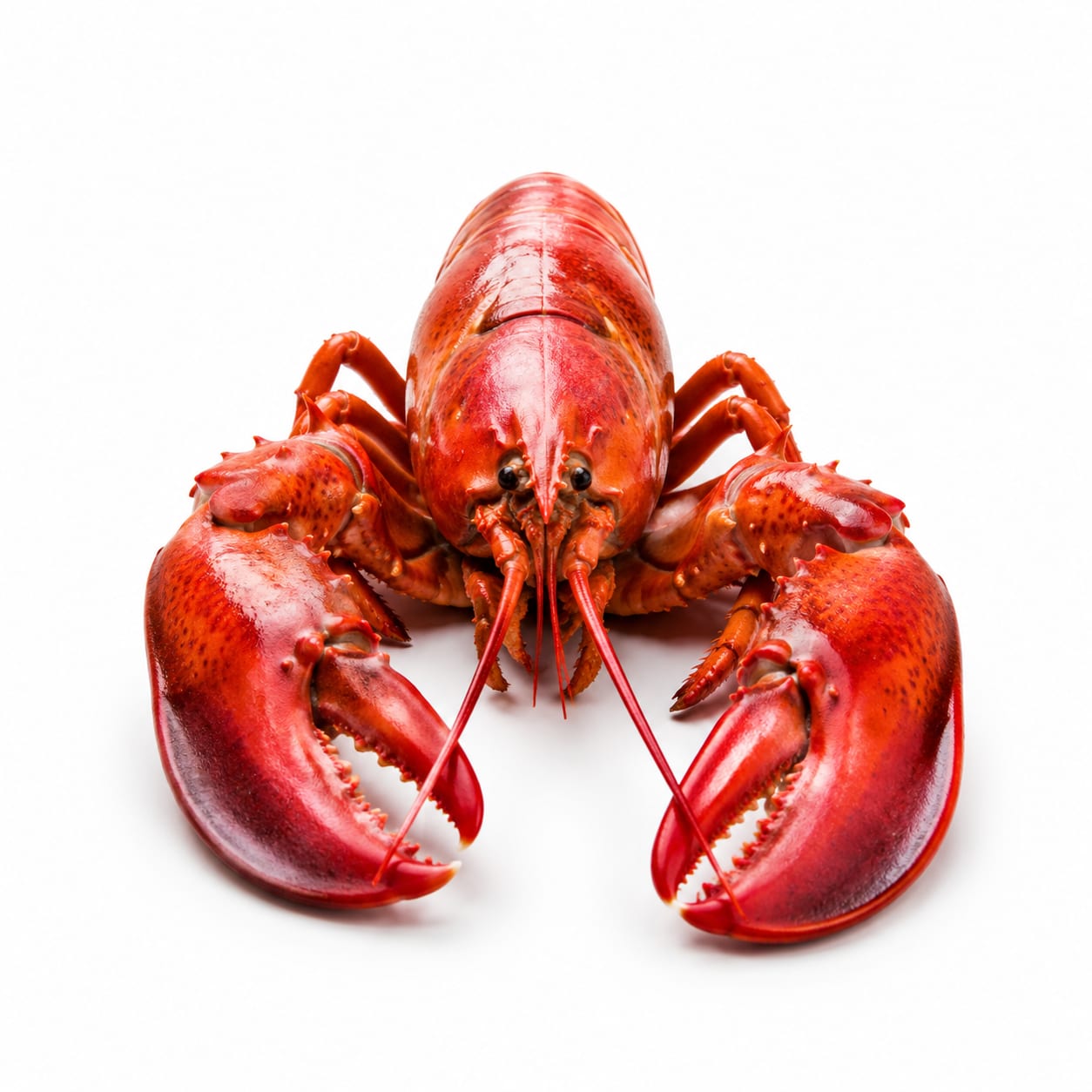
Lobster
Cuttlefish delivers superior value and a massive iron boost, but lobster offers a richer dining experience with far less cholesterol.
Cuttlefish scores slightly higher due to its exceptional mineral density and everyday affordability, though its very high cholesterol keeps the race tight against lobster's leaner lipid profile.
Affordable, iron-dense, but cholesterol-heavy cuttlefish versus luxurious, lower-cholesterol, but expensive lobster.
At a glance
Executive summary
Overall
It depends
Healthier
It depends
More practical
Cuttlefish
Daily use
Cuttlefish
Key comparison lenses
Protein quality and satiety
Both are premium lean seafoods prized for high-quality protein, making them popular among health-conscious eaters.
Cholesterol and heart health impact
Cuttlefish is notoriously high in dietary cholesterol, which is a major concern for many consumers comparing it to lobster.
Budget and everyday practicality
Lobster is a luxury item, while cuttlefish is an accessible, budget-friendly staple in many coastal regions.
Heavy metal and ocean contaminant exposure
As bottom-dwellers and cephalopods, both carry specific risks regarding oceanic toxins and heavy metals.
Best choice for
Cuttlefish
- Budget-conscious meal preppers
- People needing an iron and zinc boost
- Those seeking a low-calorie volume food
Lobster
- Special occasion dinners
- People strictly monitoring dietary cholesterol
- Those wanting tender, easy-to-chew protein
Least suitable for
Cuttlefish
- People with severe hypercholesterolemia
- Those unfamiliar with cooking cephalopods
Lobster
- Budget-conscious families
- People with crustacean shellfish allergies
Deep comparison
Dimension by dimension
Each lens scores both foods and breaks down who each option suits.
- Dimension 1 · Priority 90It depends
Protein & Satiety
Cuttlefish · 82Lobster · 86Lobster packs slightly more protein per bite, but cuttlefish offers more food volume for fewer calories.
Tradeoff
Lobster provides denser protein, while cuttlefish provides more filling volume per calorie.
Why it matters
If you are tracking calories strictly, cuttlefish lets you eat a larger portion. If you want maximum protein per ounce, lobster wins.
Real-world impact
A cuttlefish dinner leaves you comfortably full without feeling heavy, while a lobster tail delivers concentrated protein quickly.
Cuttlefish
- Calorie-conscious dieters
- Volume eaters wanting larger portions
Better for
- People needing very high protein in small portions
Worse for
Lobster
- Athletes needing fast protein synthesis
- Those with smaller appetites
Better for
- Those watching their seafood budget closely
Worse for
- Dimension 2 · Priority 88Lobster
Cholesterol & Heart Health
Cuttlefish · 45Lobster · 75Cuttlefish is extremely high in cholesterol, while lobster has a moderate, manageable amount.
Tradeoff
You get a massive iron advantage with cuttlefish, but it comes with a heavy cholesterol load.
Why it matters
For the portion of the population sensitive to dietary cholesterol, cuttlefish can significantly spike LDL levels.
Real-world impact
Eating cuttlefish regularly might show up on your next blood panel if you are cholesterol-sensitive, whereas lobster is much safer for your arteries.
Cuttlefish
- People with no genetic cholesterol sensitivity
Better for
- People with hypercholesterolemia
Worse for
Lobster
- Those managing blood lipid levels
- People with a family history of heart disease
Better for
- Those on a strict sodium restriction due to boiling methods
Worse for
- Dimension 3 · Priority 80Cuttlefish
Mineral Density
Cuttlefish · 90Lobster · 72Cuttlefish is a powerhouse of iron, zinc, and potassium, easily outshining lobster's selenium and copper profile.
Tradeoff
Cuttlefish builds your blood and immunity with iron and zinc, while lobster focuses more on antioxidant defense with selenium.
Why it matters
Iron deficiency is incredibly common, making cuttlefish a highly functional food for fighting fatigue.
Real-world impact
Choosing cuttlefish can help clear up brain fog and low energy if you are running low on iron, whereas lobster supports thyroid health.
Cuttlefish
- Women prone to anemia
- People needing an iron boost
Better for
- People with hemochromatosis (iron overload)
Worse for
Lobster
- Those focusing on thyroid support
- People wanting antioxidant minerals
Better for
- Those needing significant iron intake from food
Worse for
- Dimension 4 · Priority 82Cuttlefish
Affordability & Practicality
Cuttlefish · 92Lobster · 35Cuttlefish is an everyday, budget-friendly protein, while lobster is a costly luxury.
Tradeoff
Lobster brings a premium dining experience, but cuttlefish is realistically repeatable on a normal income.
Why it matters
The healthiest food only matters if you can afford to eat it consistently.
Real-world impact
You can throw cuttlefish into a weekly pasta or stir-fry without thinking about the cost; lobster is a bill you feel.
Cuttlefish
- Families
- Meal preppers
- Budget-conscious eaters
Better for
- High-end dining experiences
Worse for
Lobster
- Celebratory dinners
- Impressing guests
Better for
- Weeknight dinners
- Large family meals
Worse for
- Dimension 5 · Priority 75Cuttlefish
Contaminant & Allergy Risk
Cuttlefish · 70Lobster · 55Lobster carries a higher risk of severe shellfish allergies and sodium load, while cuttlefish poses moderate heavy metal concerns.
Tradeoff
Lobster's crustacean allergy can be life-threatening, whereas cuttlefish is a mollusk often tolerated by those with shellfish allergies.
Why it matters
Cross-contamination and severe allergic reactions make lobster a riskier choice at restaurants.
Real-world impact
Someone with a shrimp allergy might still safely enjoy cuttlefish, but lobster is strictly off-limits.
Cuttlefish
- People with crustacean allergies (if cleared by a doctor)
- Those avoiding high-sodium cooking methods
Better for
- People concerned about oceanic heavy metals like cadmium
Worse for
Lobster
- People specifically avoiding cadmium (sometimes found in cuttlefish)
Better for
- People with shellfish allergies
- Those sensitive to high sodium
Worse for
Timeline
Health impact over time
Short-term
Hours to days
Cuttlefish
- Quick, light satiety from lean protein
- Potential digestive ease if cooked properly (tenderized)
Lobster
- High satisfaction from rich flavor
- Possible bloating if eaten with large amounts of butter
Long-term
Months to years
Cuttlefish
- Excellent support for blood health via iron and zinc
- Possible LDL cholesterol increase if consumed excessively
Lobster
- Good thyroid and immune support from selenium
- Potential sodium-related blood pressure issues depending on preparation
Risk profile
Safety & processing
Both cuttlefish and lobster are typically sold whole or frozen with minimal additives, making them very clean whole foods.
Cuttlefish
Heavy metal accumulation
mediumCuttlefish can accumulate cadmium and lead, especially in larger specimens from polluted waters.
Tough texture if overcooked
lowWhile not a safety risk, overcooking makes cuttlefish rubbery and harder to digest.
Lobster
Shellfish allergy
highCrustacean allergies are among the most common and severe, potentially causing anaphylaxis.
High sodium from cooking
mediumLobster is often boiled in heavily salted water, which drastically increases its sodium content.
Who wins for whom
Audience fit
Same foods, different winners depending on your goal.
children
LobsterLobster is easier for kids to chew and digest, though portions should be small due to sodium.
daily consumption
CuttlefishCuttlefish is far more affordable and practical for daily meals, though cholesterol intake should be monitored.
diabetes
It dependsBoth are zero-carb options that will not spike blood sugar, but preparation methods like butter or sugary sauces matter most.
elderly
LobsterLobster's tender meat is easier to chew, and its selenium supports aging immune systems, provided sodium is managed.
muscle gain
LobsterLobster provides slightly more protein per serving, which is beneficial for muscle repair and synthesis.
weight loss
CuttlefishCuttlefish is lower in calories and offers more volume, making it easier to stick to a calorie deficit.
Your move
Decision guide
Choose Cuttlefish
- You want a budget-friendly, iron-rich protein for everyday meals.
- You are focusing on calorie control and high satiety.
- You have a crustacean allergy but can safely eat mollusks.
Choose Lobster
- You are celebrating a special occasion and want a luxury experience.
- You need a tender, easy-to-chew protein source.
- You are closely monitoring your dietary cholesterol.
Either works if
- You just need a high-quality, zero-carb seafood protein.
- You are cooking a Mediterranean-style seafood stew.
Avoid both if
- You have a severe shellfish or mollusk allergy.
- You are on a strict low-sodium diet and cannot control the cooking method.
Final recommendation
Choose cuttlefish for an affordable, mineral-packed everyday protein, and save lobster for special occasions where its tender texture and luxury appeal shine. Keep an eye on cuttlefish's cholesterol if your blood lipid levels are sensitive.
Practical
Consumer tips
- 1
If buying cuttlefish, look for smaller specimens—they tend to be more tender and have lower heavy metal accumulation.
- 2
Skip the drawn butter with lobster to keep it a genuinely healthy, low-calorie protein.
- 3
Pound cuttlefish before cooking or cook it very quickly to avoid a rubbery texture.
- 4
Ask how lobster was prepared; steaming adds far less sodium than boiling in heavily salted water.