
Nutrition comparison
Cuttlefish vs Octopus: Nutrition, Cholesterol & Health Comparison
Compare Cuttlefish and Octopus to see which cephalopod is healthier. Learn about protein, cholesterol, vitamins, and which is best for weight loss and heart health.
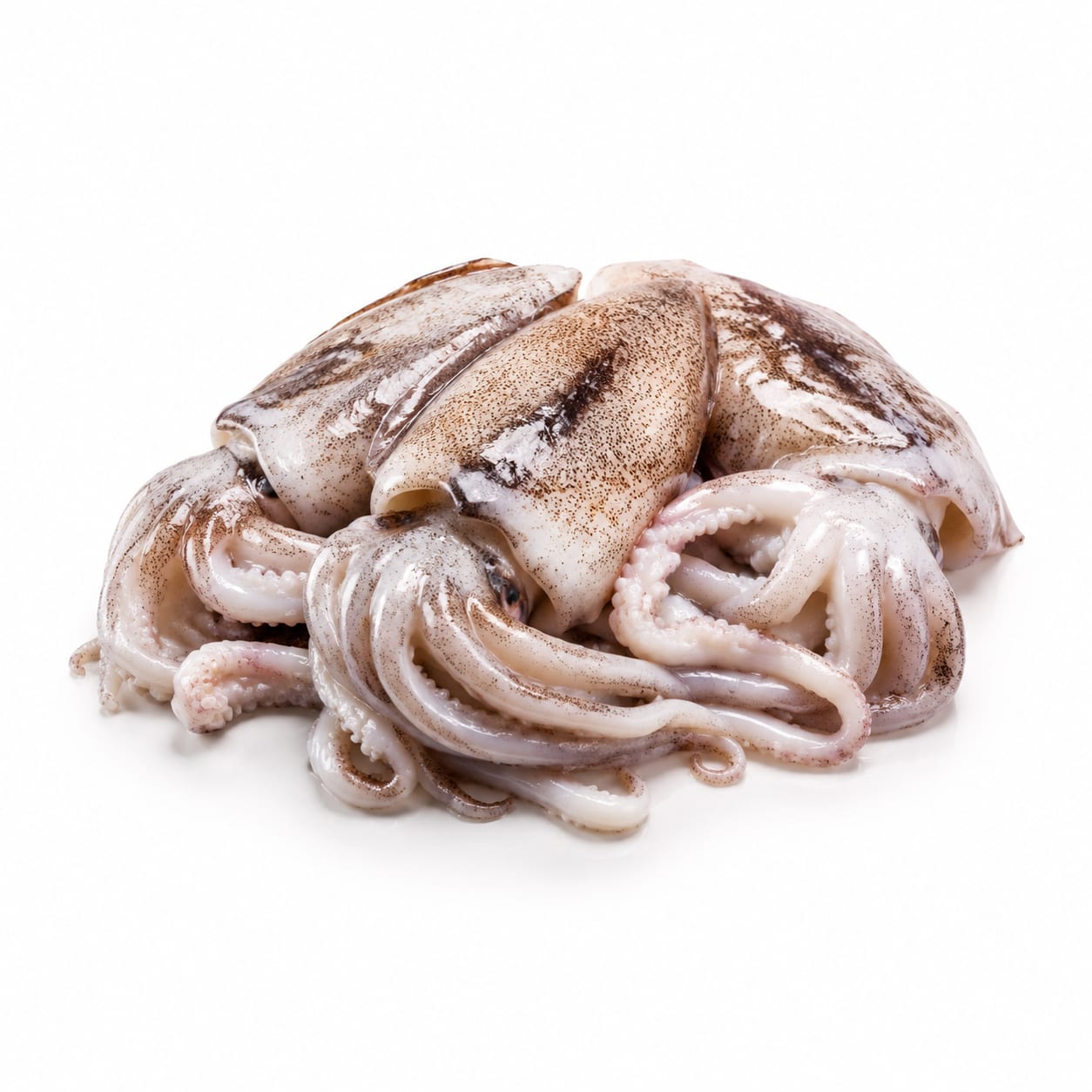
Cuttlefish
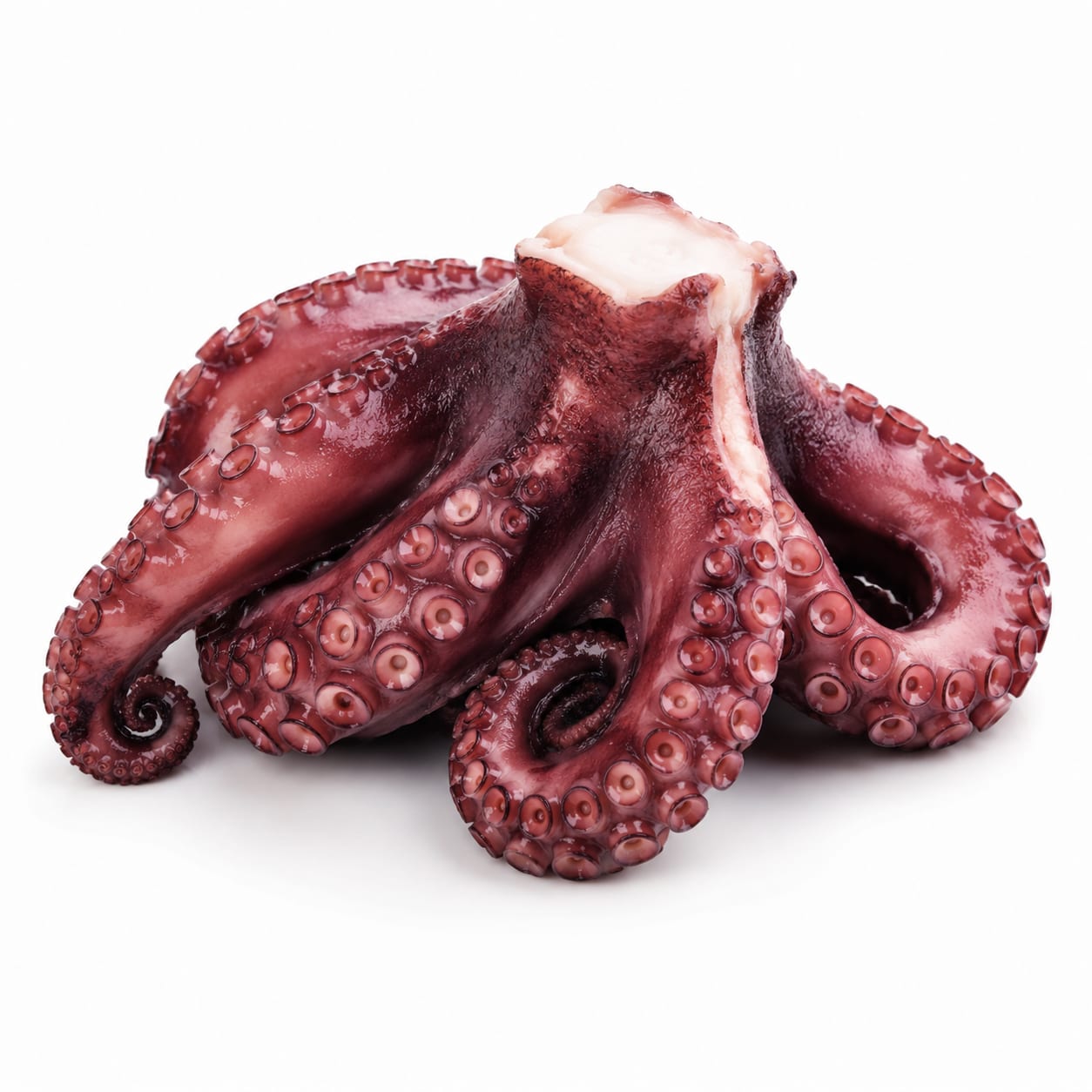
Octopus
Octopus is leaner with far less cholesterol, while Cuttlefish offers slightly more protein and a richer micronutrient profile for those unconcerned about cholesterol.
Octopus scores slightly higher due to its vastly lower cholesterol content and better suitability for regular cardiovascular health, though Cuttlefish remains an excellent high-protein choice.
Higher protein and vitamin A in Cuttlefish versus significantly lower cholesterol and easier heart-health profile in Octopus.
At a glance
Executive summary
Overall
It depends
Healthier
Octopus
More practical
Octopus
Daily use
Octopus
Key comparison lenses
Protein quality and leanness for fitness goals
Both are extremely high-protein, low-fat seafood options popular among athletes and health-conscious eaters.
Cholesterol impact and heart health
Cuttlefish contains significantly more cholesterol than Octopus, which is a major deciding factor for cardiovascular health.
Heavy metal and contaminant exposure
Cephalopods can accumulate heavy metals like cadmium, making sourcing and safety a key concern.
Culinary practicality and digestibility
Both can become rubbery if overcooked, but they require different preparation techniques that affect real-world usability.
Best choice for
Cuttlefish
- Bodybuilders seeking maximum protein per bite
- People needing more iron and vitamin A
- Those on low-carb or keto diets who tolerate dietary cholesterol
Octopus
- People managing high cholesterol or heart conditions
- Weight loss seekers wanting the lowest calorie density
- Home cooks looking for easier tenderizing and versatile prep
Least suitable for
Cuttlefish
- People with severe hypercholesterolemia
- Those highly sensitive to dietary cholesterol
- Diners who dislike chewy textures unless meticulously prepared
Octopus
- Those with shellfish or mollusk allergies
- People avoiding bottom-feeding seafood due to heavy metal concerns
- Budget-conscious shoppers as it can be pricey
Deep comparison
Dimension by dimension
Each lens scores both foods and breaks down who each option suits.
- Dimension 1 · Priority 92Cuttlefish
Protein & Calorie Density
Cuttlefish · 88Octopus · 84Cuttlefish packs slightly more protein and fewer calories per serving, making it marginally better for strict macro-tracking.
Tradeoff
You get a bit more protein with Cuttlefish, but it comes with a hefty dose of cholesterol that Octopus avoids.
Why it matters
When eating for body composition, maximizing protein while minimizing calories is key, but not if it compromises heart health.
Real-world impact
A Cuttlefish steak will keep you full and fuel muscle repair slightly better, but an Octopus salad is far gentler on your arteries.
Cuttlefish
- Strict macro-counting
- Keto and carnivore diets
Better for
- Heart-healthy diets
Worse for
Octopus
- Lean bulking
- Low-calorie meal prep
Better for
- Those needing maximum calorie efficiency in small portions
Worse for
- Dimension 2 · Priority 88Octopus
Cholesterol & Heart Health
Cuttlefish · 40Octopus · 90Octopus has less than half the cholesterol of Cuttlefish, making it the clear winner for cardiovascular health.
Tradeoff
Choosing Cuttlefish means consuming over 100mg of cholesterol per 100g, which is a dealbreaker for those monitoring lipid panels.
Why it matters
Dietary cholesterol significantly impacts blood lipid levels in sensitive individuals, directly affecting long-term heart disease risk.
Real-world impact
If your doctor told you to watch your cholesterol, Octopus is a safe weekly protein, whereas Cuttlefish should be an occasional treat.
Cuttlefish
- Genetic hyper-responders to dietary cholesterol who are already managing intake
Better for
- People with high LDL cholesterol
Worse for
Octopus
- Heart-healthy eating patterns
- Older adults monitoring lipid profiles
Better for
- Dimension 3 · Priority 75It depends
Micronutrient Density
Cuttlefish · 82Octopus · 80Cuttlefish provides more Vitamin A and selenium, while Octopus delivers significantly more Vitamin B12 and iron.
Tradeoff
Cuttlefish supports vision and antioxidant defense better, while Octopus excels at energy production and blood health.
Why it matters
B12 is crucial for nerve function and preventing anemia, while Vitamin A is vital for immunity and skin health.
Real-world impact
Eating Octopus can help fight fatigue and brain fog, whereas Cuttlefish supports immune resilience and eye health.
Cuttlefish
- Boosting immunity and skin health
- Improving antioxidant intake
Better for
- Those specifically needing B12 supplementation
Worse for
Octopus
- Preventing B12 deficiency
- Combating anemia and fatigue
Better for
- Those needing high Vitamin A intake
Worse for
- Dimension 4 · Priority 65Octopus
Culinary Practicality & Texture
Cuttlefish · 60Octopus · 70Octopus requires tenderizing but holds up well to grilling, while Cuttlefish cooks faster but turns rubbery more easily.
Tradeoff
Octopus takes more initial effort to tenderize but is more forgiving afterward, whereas Cuttlefish demands precise cooking times.
Why it matters
If a food is too difficult to cook well, you are less likely to incorporate it into your regular meal rotation.
Real-world impact
A poorly cooked Octopus is chewy but edible; an overcooked Cuttlefish is like eating a rubber band, making weeknight cooking stressful.
Cuttlefish
- Quick stir-fries and fast prep dishes
Better for
- Inexperienced home cooks
- Slow-cooking recipes
Worse for
Octopus
- Grilling and slow-braising
- Meal prep that requires holding texture
Better for
- Last-minute weeknight dinners
Worse for
Timeline
Health impact over time
Short-term
Hours to days
Cuttlefish
- High satiety from dense protein
- Potential sluggishness if sensitive to high cholesterol meals
- Quick energy from B-vitamins
Octopus
- Very light, clean feeling after eating
- Sustained energy from high B12 and iron
- Easy digestion when properly tenderized
Long-term
Months to years
Cuttlefish
- Risk of elevated LDL cholesterol if consumed frequently
- Strong muscle maintenance from high protein
- Good thyroid support from selenium
Octopus
- Improved cardiovascular health due to low fat and cholesterol
- Better blood health and anemia prevention
- Potential heavy metal accumulation if sourced from polluted waters
Risk profile
Safety & processing
Both Cuttlefish and Octopus are typically sold fresh or frozen with minimal processing, making them clean, whole-food protein sources.
Cuttlefish
High dietary cholesterol
mediumContains over 100mg of cholesterol per 100g, which can impact blood lipid profiles in sensitive individuals.
Heavy metal accumulation
mediumCuttlefish can accumulate cadmium and lead, especially in larger, older specimens from polluted waters.
Allergic reaction
highMollusk allergies are common and can cause severe anaphylactic reactions.
Octopus
Parasitic infection
mediumRaw or undercooked Octopus can carry parasites like Anisakis; freezing before raw consumption is essential.
Heavy metal accumulation
mediumAs bottom-dwellers, they can accumulate cadmium and other ocean pollutants depending on sourcing.
Allergic reaction
highShellfish and mollusk allergies apply, requiring strict avoidance by sensitive individuals.
Who wins for whom
Audience fit
Same foods, different winners depending on your goal.
children
OctopusOctopus is lower in cholesterol and provides essential B12 for brain development, though both must be cooked thoroughly to avoid parasites.
daily consumption
OctopusThe lower cholesterol content of Octopus makes it a safer everyday protein compared to the cholesterol load of Cuttlefish.
diabetes
OctopusBoth have zero carbs, but Octopus has a cleaner lipid profile that better supports the cardiovascular risks associated with diabetes.
elderly
OctopusLower cholesterol and high B12 make Octopus safer and more beneficial for aging hearts and cognitive function.
muscle gain
CuttlefishCuttlefish offers slightly more protein per gram, giving it a marginal edge for muscle repair and growth.
weight loss
OctopusOctopus is extremely low in calories and fat while providing high satiety, making it easier to sustain a calorie deficit.
Your move
Decision guide
Choose Cuttlefish
- You are an athlete or bodybuilder focused purely on maximizing protein intake
- You have no cholesterol concerns and want a nutrient-dense seafood option
- You are preparing a quick stir-fry or Mediterranean-style dish
Choose Octopus
- You are monitoring your heart health or have high cholesterol
- You want a lean, clean protein for weight loss or daily meals
- You enjoy grilling or slow-braising seafood and have time to tenderize
Either works if
- You need a zero-carb, high-protein seafood option
- You are bored with standard fish and chicken and want culinary variety
- You have access to high-quality, sustainably sourced cephalopods
Avoid both if
- You have a known mollusk or shellfish allergy
- You are highly concerned about heavy metal exposure and cannot verify the seafood's origin
- You dislike chewy or rubbery seafood textures
Final recommendation
Choose Octopus for a leaner, heart-healthier everyday protein that supports energy and blood health. Opt for Cuttlefish when you want a protein-dense meal with a richer nutrient profile, provided your cholesterol levels are healthy.
Practical
Consumer tips
- 1
Always freeze Octopus before cooking if buying fresh; this breaks down muscle fibers and ensures tenderness.
- 2
Boil Cuttlefish briefly or cook it low and slow; the middle ground makes it unmanageably rubbery.
- 3
Source both from reputable fisheries to minimize heavy metal and cadmium exposure.
- 4
If you have high cholesterol but want the benefits of Cuttlefish, keep portions small and pair with fiber-rich vegetables to mitigate cholesterol absorption.