
Nutrition comparison
Cuttlefish vs Cod: Which Lean Seafood is Healthier?
Compare Cuttlefish vs Cod for protein, cholesterol, mercury, and minerals. Find out which fish is better for weight loss, heart health, and daily meals.
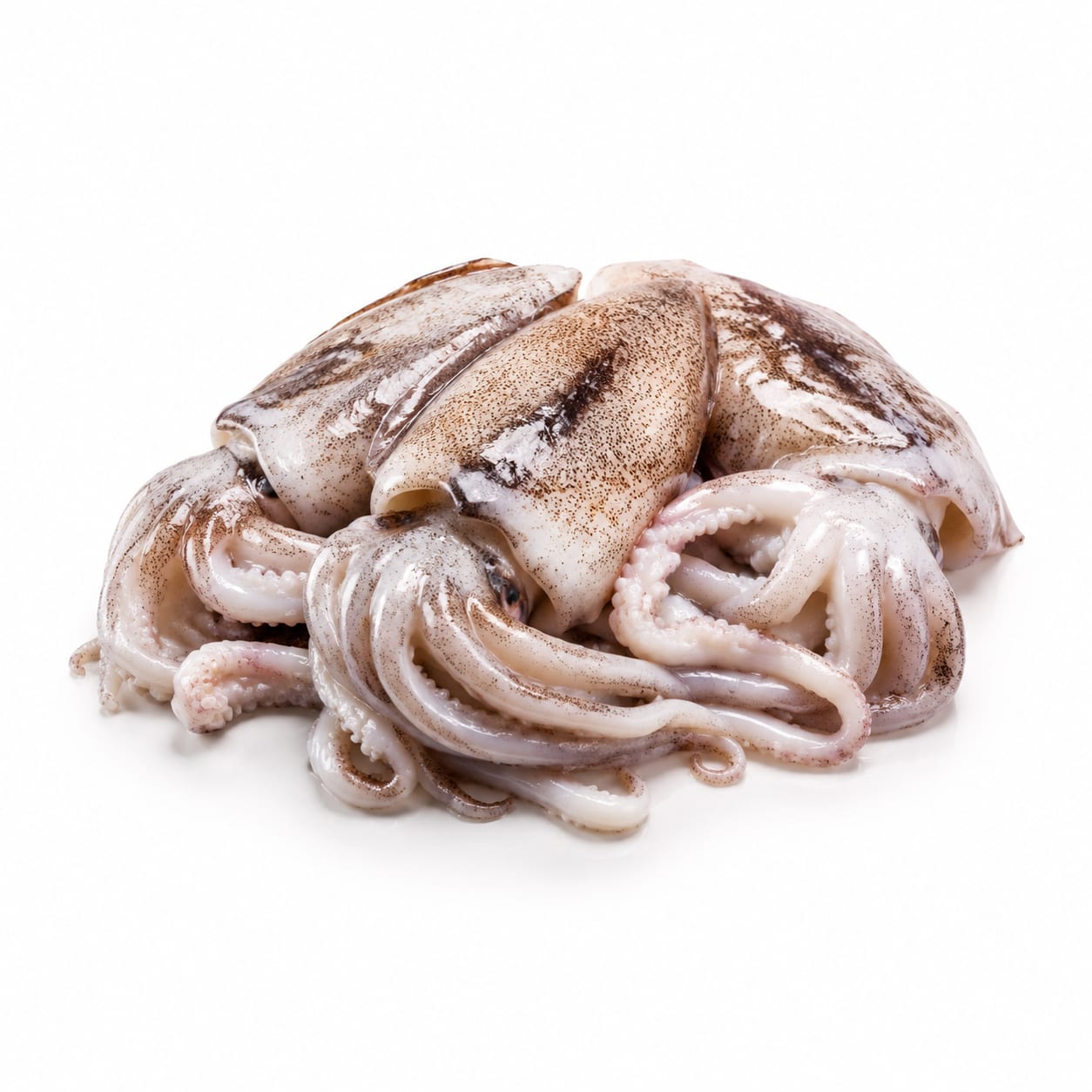
Cuttlefish
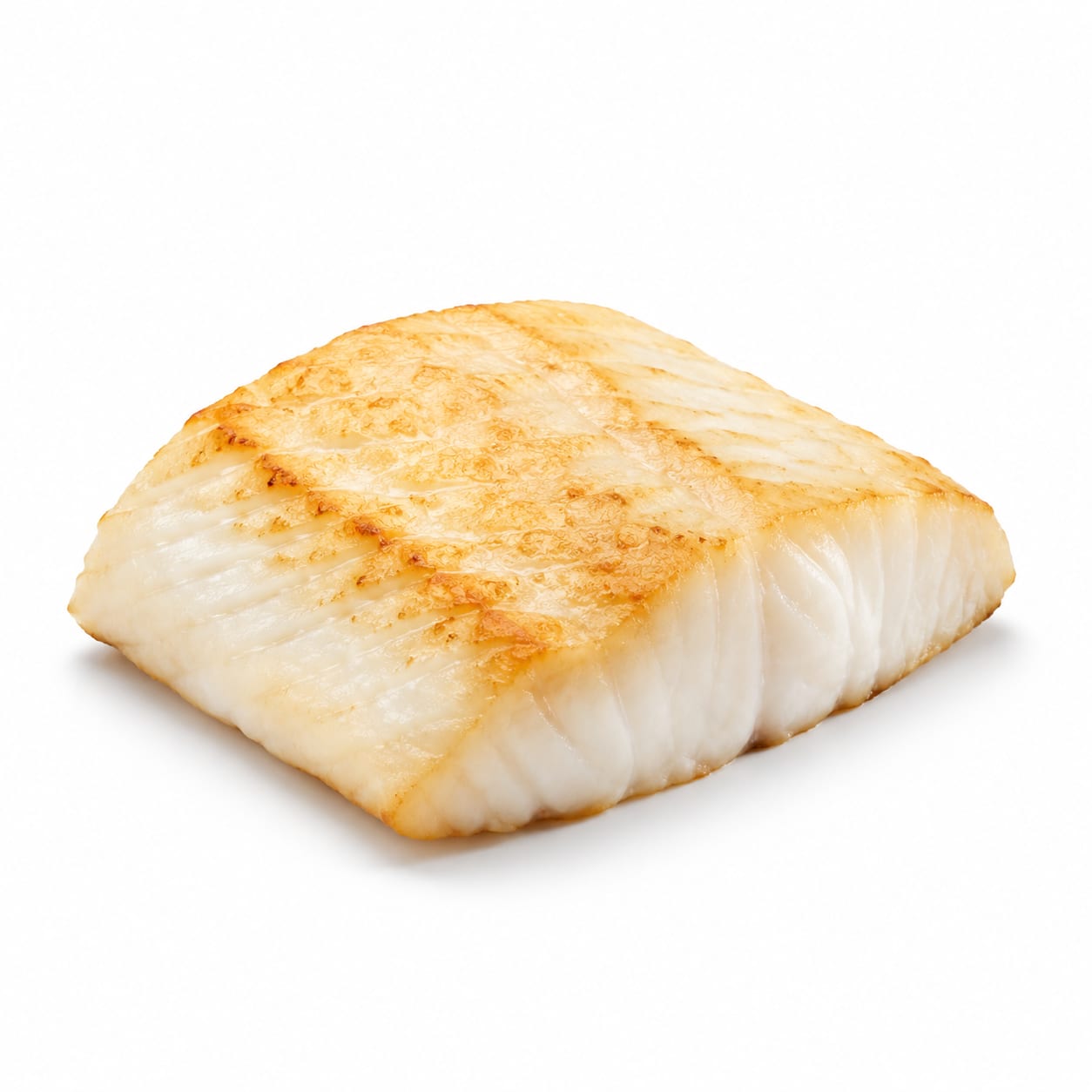
Cod
Cod is a leaner, heart-friendlier everyday fish, while Cuttlefish packs far more minerals but carries a heavy cholesterol load.
Cod scores higher due to its lower cholesterol, safer contaminant profile, and easier digestibility, making it a more sustainable daily choice. Cuttlefish is nutritionally potent but limited by its cholesterol content and culinary difficulty.
Lower cholesterol and safer mercury profile versus a richer mineral profile and unique culinary texture.
At a glance
Executive summary
Overall
It depends
Healthier
Cod
More practical
Cod
Daily use
Cod
Key comparison lenses
Lean protein source selection
Both are popular low-fat, high-protein seafood options, but they serve very different dietary needs.
Cholesterol impact
Cuttlefish is surprisingly high in cholesterol, while Cod is virtually cholesterol-free, making this a major deciding factor.
Mineral density comparison
Cuttlefish offers significantly more iron and zinc, whereas Cod provides more iodine.
Seafood safety and heavy metals
Consumers often weigh mercury and contaminant risks when choosing between different types of seafood.
Best choice for
Cuttlefish
- Iron-deficient individuals needing heme iron
- Bodybuilders seeking varied mineral intake for recovery
- Adventurous home cooks wanting a meaty, chewy texture
Cod
- People managing cardiovascular health and cholesterol
- Daily lean protein seekers
- Families needing a mild, flaky fish that is easy to cook
Least suitable for
Cuttlefish
- People with high blood cholesterol
- Those with mollusk allergies
- People who struggle with chewy or tough textures
Cod
- Those needing a dietary iron boost
- People avoiding very low-fat foods for satiety
- Diners seeking a strong, distinct seafood flavor
Deep comparison
Dimension by dimension
Each lens scores both foods and breaks down who each option suits.
- Dimension 1 · Priority 90Cod
Heart Health & Cholesterol
Cuttlefish · 40Cod · 95Cod is extremely heart-friendly with almost no cholesterol, while Cuttlefish is surprisingly high in cholesterol.
Tradeoff
You trade heart-friendly lipids in Cod for a massive cholesterol hit in Cuttlefish.
Why it matters
High dietary cholesterol can impact blood lipid levels, especially for those already struggling with heart health.
Real-world impact
Eating Cuttlefish regularly might spike your cholesterol numbers, whereas Cod keeps your heart doctor happy.
Cuttlefish
- Diets where cholesterol is not a concern
- Those prioritizing mineral intake over heart markers
Better for
- People with hypercholesterolemia
- Low-cholesterol diet followers
Worse for
Cod
- Heart-healthy diets
- Managing blood lipid levels
Better for
- Those who need higher dietary fat to feel satisfied
Worse for
- Dimension 2 · Priority 85Cuttlefish
Micronutrient Density
Cuttlefish · 90Cod · 75Cuttlefish is a mineral powerhouse, offering far more iron, zinc, and copper than Cod.
Tradeoff
You get superior blood-building minerals with Cuttlefish, but miss out on Cod's thyroid-supporting iodine.
Why it matters
Iron and zinc are critical for energy and immunity, which many people lack.
Real-world impact
Choosing Cuttlefish can help fight fatigue and support immune function better than Cod.
Cuttlefish
- Anemic individuals needing heme iron
- Immune support via high zinc intake
Better for
- Those relying on seafood solely for iodine
Worse for
Cod
- Thyroid management needing iodine
- Low-calorie mineral top-ups
Better for
- People with iron deficiency
Worse for
- Dimension 3 · Priority 80Cod
Contaminant & Safety Profile
Cuttlefish · 65Cod · 85Cod generally has lower mercury and heavy metal accumulation compared to Cuttlefish.
Tradeoff
Cod offers safer long-term daily consumption, while Cuttlefish carries a slightly higher cumulative toxin risk.
Why it matters
Regular consumption of high-mercury or cadmium-heavy seafood can affect neurological and kidney health over time.
Real-world impact
Cod is a safer bet if you eat fish multiple times a week, while Cuttlefish is better as an occasional treat.
Cuttlefish
- Occasional culinary indulgence
Better for
- Daily consumption habits
- People worried about heavy metals
Worse for
Cod
- Frequent seafood eaters
- Pregnant women seeking safe fish
Better for
- Those avoiding all ocean fish entirely
Worse for
- Dimension 4 · Priority 75Cod
Digestibility & Culinary Ease
Cuttlefish · 50Cod · 90Cod is flaky, mild, and easy to digest, while Cuttlefish can be rubbery and tough on the stomach if overcooked.
Tradeoff
Cod is foolproof to cook and eat, whereas Cuttlefish requires skill to keep tender.
Why it matters
Tough proteins can cause digestive discomfort and make meals less enjoyable.
Real-world impact
Cod is a weeknight dinner hero, while Cuttlefish can easily become a chewy mistake if rushed.
Cuttlefish
- Slow-cooked stews and braises
- Experienced seafood cooks
Better for
- Sensitive stomachs
- Rushed meal prep
Worse for
Cod
- Quick weeknight dinners
- Gentle digestion needs
Better for
- Dishes requiring a chewy, meaty bite
Worse for
Timeline
Health impact over time
Short-term
Hours to days
Cuttlefish
- Provides a dense hit of protein and energy-boosting iron
- Can feel heavy or rubbery if not cooked properly
Cod
- Delivers light, easily digestible protein
- Leaves you feeling satisfied without feeling weighed down
Long-term
Months to years
Cuttlefish
- Supports immune function and oxygen transport via high zinc and iron
- May elevate cholesterol levels if consumed frequently
Cod
- Supports thyroid health and cardiovascular wellness
- Helps maintain lean muscle with very low fat intake
Risk profile
Safety & processing
Both are typically sold fresh or frozen with minimal additives, making them clean whole-food choices.
Cuttlefish
High Cholesterol
highA single serving can contain over 400mg of cholesterol, which is a major concern for cardiovascular health.
Heavy Metal Accumulation
mediumAs a bottom feeder, Cuttlefish can accumulate cadmium and other heavy metals depending on the water source.
Allergenicity
mediumMollusk allergies are common and can cause severe reactions.
Cod
Parasites
lowLike many wild fish, Cod can carry parasites, but cooking or freezing eliminates this risk.
Mercury
lowCod is relatively low in mercury compared to larger predatory fish, making it safe for regular consumption.
Who wins for whom
Audience fit
Same foods, different winners depending on your goal.
children
CodCod's flaky texture and mild flavor are much more kid-friendly, and its low mercury level is safer for developing bodies.
daily consumption
CodWith lower cholesterol and safer mercury levels, Cod is a much better everyday staple than Cuttlefish.
diabetes
CodCod has zero carbs and virtually no fat or cholesterol, keeping blood vessels healthy alongside blood sugar.
elderly
CodCod is easier to chew and digest, and its low cholesterol supports aging cardiovascular systems.
muscle gain
CuttlefishCuttlefish offers slightly more protein per serving along with zinc and iron, which support muscle recovery and oxygen delivery.
weight loss
CodCod is extremely low in calories and fat, making it easier to stay in a deficit while staying full.
Your move
Decision guide
Choose Cuttlefish
- You need an iron and zinc boost
- You are an adventurous cook who knows how to prepare cephalopods
- You have no cholesterol concerns
Choose Cod
- You want a reliable, heart-healthy daily protein
- You prefer mild, flaky fish
- You are cooking for kids or elderly family members
Either works if
- You just need a lean, zero-carb protein source for a salad
- You are meal-prepping seafood for the week
Avoid both if
- You have a severe seafood allergy
- You are strictly vegan or vegetarian
Final recommendation
Make Cod your go-to lean fish for everyday meals, and enjoy Cuttlefish occasionally for its unique texture and mineral benefits, keeping an eye on portion size if you watch your cholesterol.
Practical
Consumer tips
- 1
If cooking Cuttlefish, either sear it very fast or braise it very long; the middle ground makes it rubbery.
- 2
Look for Atlantic Cod if you want a slightly sweeter, flakier fillet, but both Pacific and Atlantic are great lean options.
- 3
If you have high cholesterol but want the minerals from Cuttlefish, pair it with fiber-rich vegetables to help mitigate cholesterol absorption.
- 4
Choose frozen Cod without additives; previously frozen fish is often fresher than what sits at the counter.