
Fruit
Custard Apple
A high-sugar, creamy tropical fruit prized for its sweet taste and soft texture.
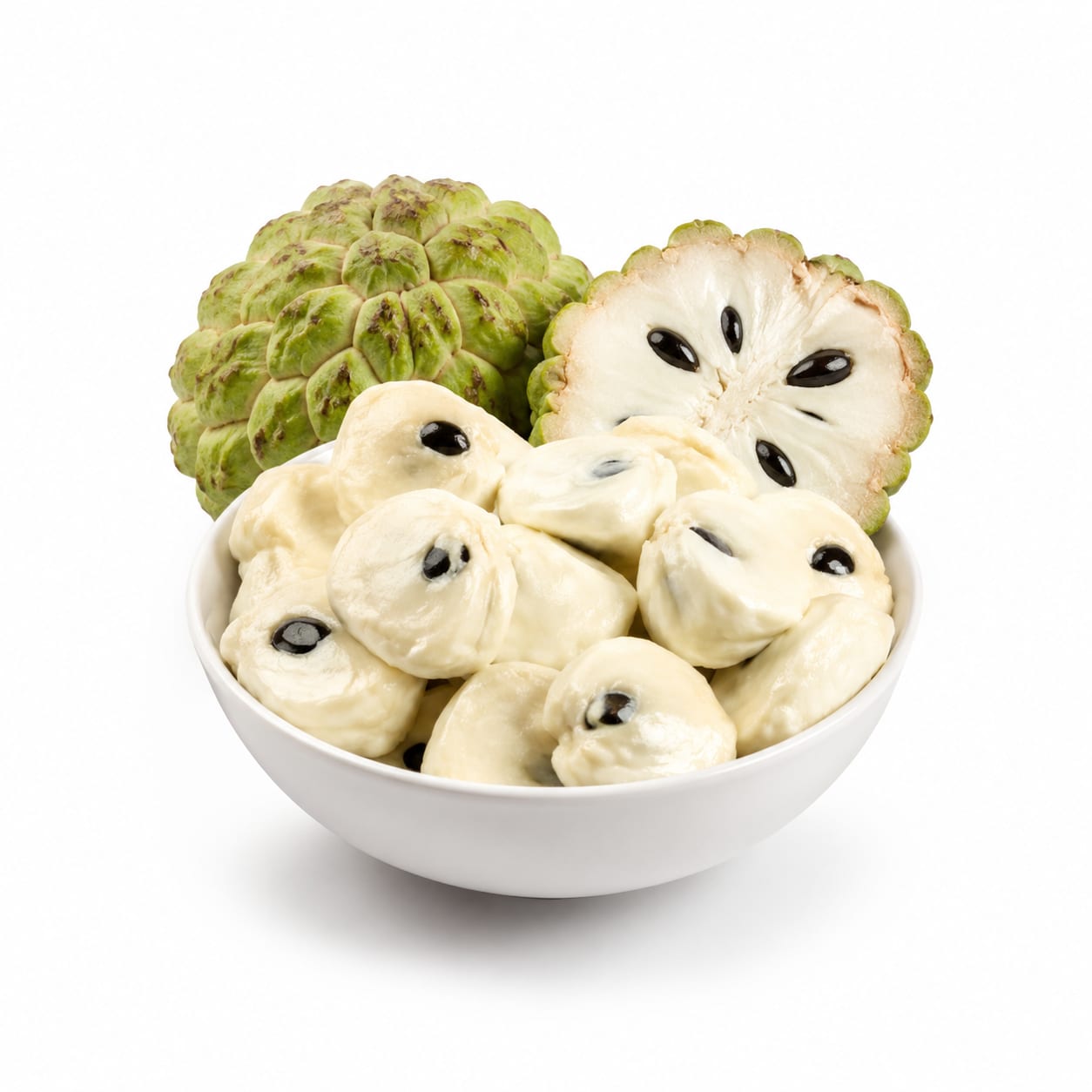
A sweet, creamy tropical fruit with a scaly green exterior and soft white flesh, known for its rich, custard-like texture and high sugar content.
sugar-dense tropical fruit
Typical serving · 100g
Common varieties · sugar apple (sweetsop), cherimoya, atemoya, soursop (guanabana), ilama
Overall context score across nutrition, safety, and diet fit
At a glance
Quick facts
Simple indicators based on nutrition, processing, and diet fit.
The story
What makes it unique
Custard apple is a carbohydrate-dense fruit primarily composed of simple sugars (glucose, fructose) and dietary fiber. It digests moderately fast due to its sugar content, providing rapid energy but lower satiety compared to low-sugar fruits. Its macronutrient profile is low in fat and protein, while offering notable micronutrients like vitamin C, B6, and potassium.
Varieties: sugar apple (sweetsop) · cherimoya · atemoya · soursop (guanabana) · ilama
Per 100g
Nutrition breakdown
Macro balance and key metrics at a glance.
Energy
Density 0.94 kcal/g
Protein
Carbs
Fat
Fiber
Sugar
18 g
Sodium
9 mg
Potassium
247 mg
Glycemic index
62
Glycemic load
11
Water content
73%
Standout compounds
Nutrient highlights
Dietary Fiber
highSupports digestive regularity and feeds beneficial gut bacteria
Vitamin C
moderateBoosts immune function and acts as an antioxidant
Potassium
moderateHelps regulate blood pressure and fluid balance
Vitamin B6
moderateSupports brain health and amino acid metabolism
Wellness map
Health scores & processing
NOVA processing scale
unprocessed · Whole food
Whole, raw fruit with no added ingredients or artificial processing.
Diet compatibility
- Weight loss
- Muscle gain
- Diabetes
- Gut health
- Low carb
- High protein
- Heart health
Relative standing
Food rankings
Qualitative ranks compared to similar whole foods.
- Satietymoderate
- Blood sugarpoor
- Nutrient densitygood
- Fitness fuelgood
- Processing qualityexcellent
Eat with confidence
Food safety profile
The flesh of the custard apple is safe to eat, but the seeds contain toxic compounds and must never be consumed. Conventional farming may involve pesticide use on the skin.
Evidence confidence 85%
- Pesticidesmoderate
- Antibioticslow
- Heavy metalslow
- Contaminationlow
Watch for
- pesticide residue
- annonacin (neurotoxin in seeds)
Safer choices
Organically grown custard apples to reduce pesticide exposure on the skin.
Prep tips
Wash the exterior thoroughly before cutting. Carefully remove and discard all seeds before eating the flesh. Do not blend or consume the skin.
Seeds and skin contain annonacin, a neurotoxin linked to atypical Parkinsonism in regions with high consumption of Annona species; flesh is safe but seeds must be strictly avoided.
Deep dive
Health analysis
How this food may fit different goals and preparation choices.
Weight loss
The high calorie and sugar density make it easy to overconsume calories, limiting its usefulness for strict weight loss compared to lower-sugar fruits.
Blood sugar
With 18g of sugar per 100g and a medium glycemic index, it causes noticeable blood sugar spikes, making portion control critical for diabetics.
Fitness & energy
The rapid-digesting carbohydrates provide a quick energy source before a workout, though it lacks the sustained energy of complex carbs.
Gut health
4.4g of fiber per 100g supports healthy bowel movements and feeds beneficial gut bacteria, improving digestive regularity.
Processing quality
A completely whole, unprocessed food with no artificial additives or refined sugars.
Food safety
Flesh is safe, but seeds contain annonacin, a natural neurotoxin. Careful deseeding is mandatory before consumption.
Common mistakes
Accidentally blending or biting into the toxic seeds, or treating it as a free-eating fruit on a low-carb diet due to its natural origin.
Best preparation
Chill the fruit, slice in half, and scoop out the flesh with a spoon, carefully spitting or picking out the toxic seeds.
Practical guide
Best use cases
When and how this food fits real eating patterns.
pre-workout energy snack
The fast-digesting sugars provide a quick energy boost 30-60 minutes before exercise.
healthy weight gain
The calorie density and palatability make it an easy way to add nutritious calories for those trying to gain weight.
natural dessert alternative
Its creamy, sweet custard-like texture satisfies sweet cravings without the need for added refined sugars or artificial ingredients.
constipation relief
The high fiber content helps add bulk to stools and promotes regular bowel movements.
Balance sheet
Pros & cons
Upsides
- Excellent creamy texture for natural desserts
- Good source of dietary fiber for gut health
- Provides quick-digesting carbohydrates for energy
- Rich in antioxidants and vitamin C
- Contains potassium which supports cardiovascular health
Trade-offs
- High sugar content spikes blood glucose
- Relatively high in calories compared to other fruits
- Seeds are toxic and must be meticulously removed
- Short shelf life and bruises very easily
- Not suitable for low-carb or ketogenic diets
Fit check
Who is it for?
Great match
- pre-workout fuel
- healthy weight gain
- natural sweet cravings
- digestive regularity
Consider alternatives
- strict low-carb diets
- blood sugar management
- calorie-restricted weight loss
- convenient on-the-go snacking
Side by side
How it compares
Open the full head-to-head analysis for nutrition, safety, and practical tradeoffs.
This food
Custard Apple
VS95% alike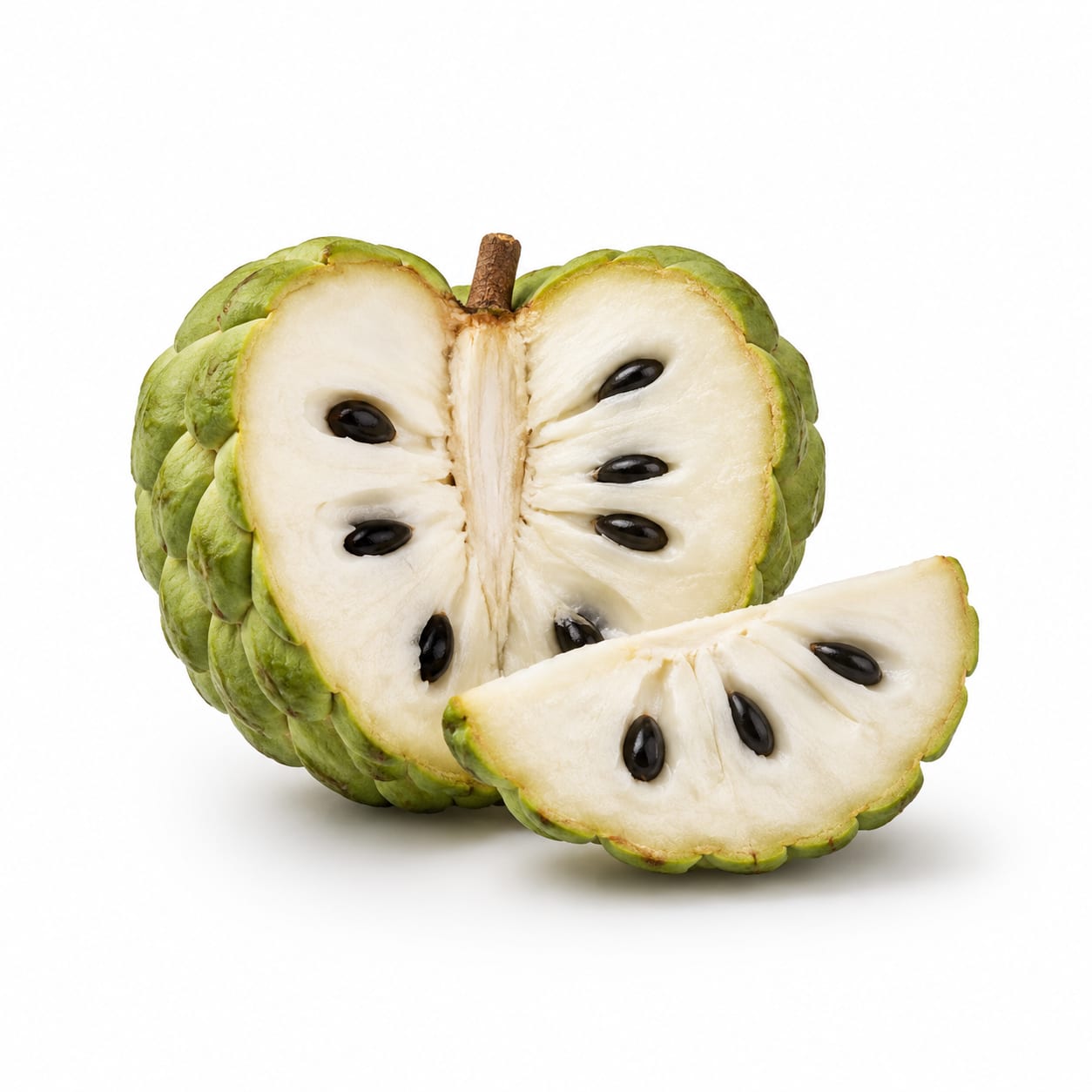
Compare with
Cherimoya
Cherimoya is slightly lower in sugar and higher in vitamin C, making it marginally better for blood sugar control, though both are high-sugar fruits.
Cherimoya and custard apple are nutritionally similar creamy fruits, but cherimoya is slightly lower in sugar and better for blood sugar control.
This food
Custard Apple
VS85% alike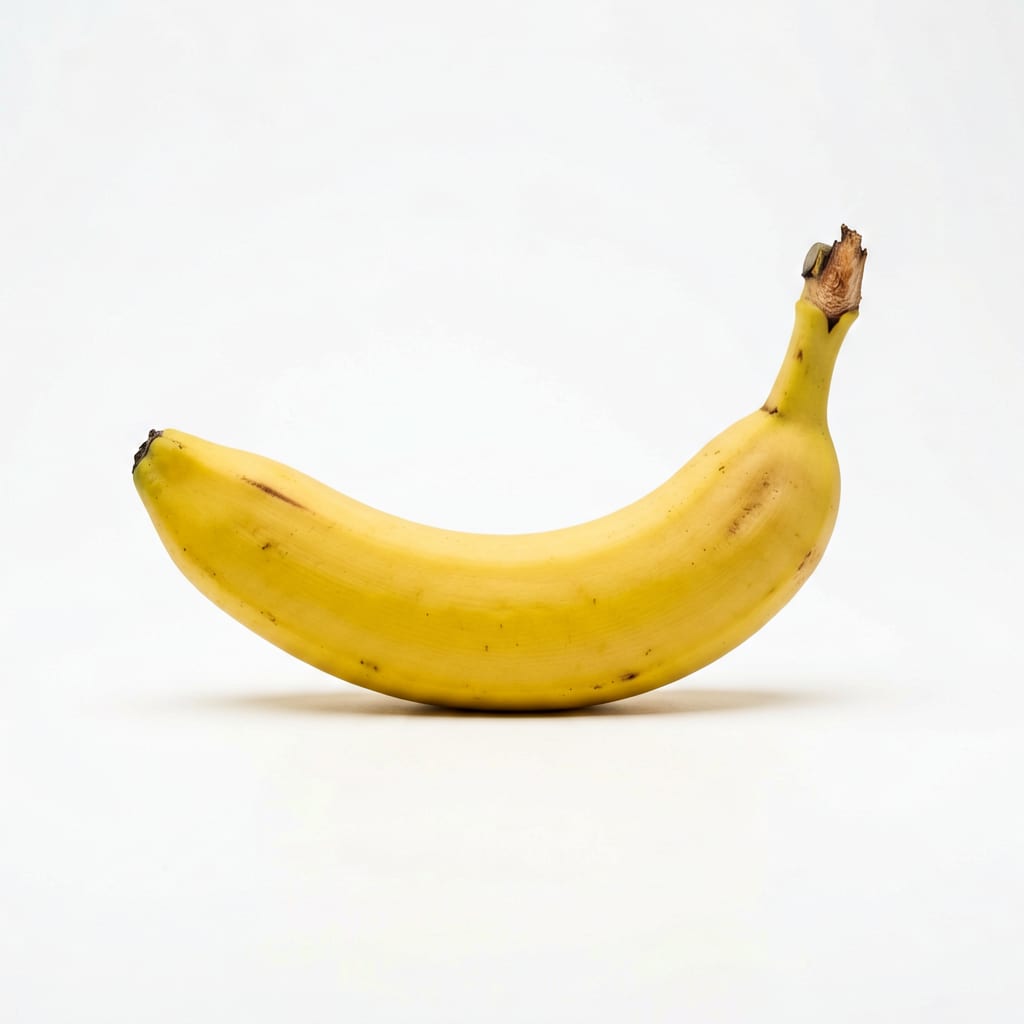
Compare with
Banana
Bananas are slightly lower in calories and sugar per 100g, offering a firmer texture and more portable packaging, while custard apple provides more fiber.
Bananas are lower in calories and easier to eat on the go, while custard apple provides more fiber per serving but contains more sugar.
This food
Custard Apple
VS80% alike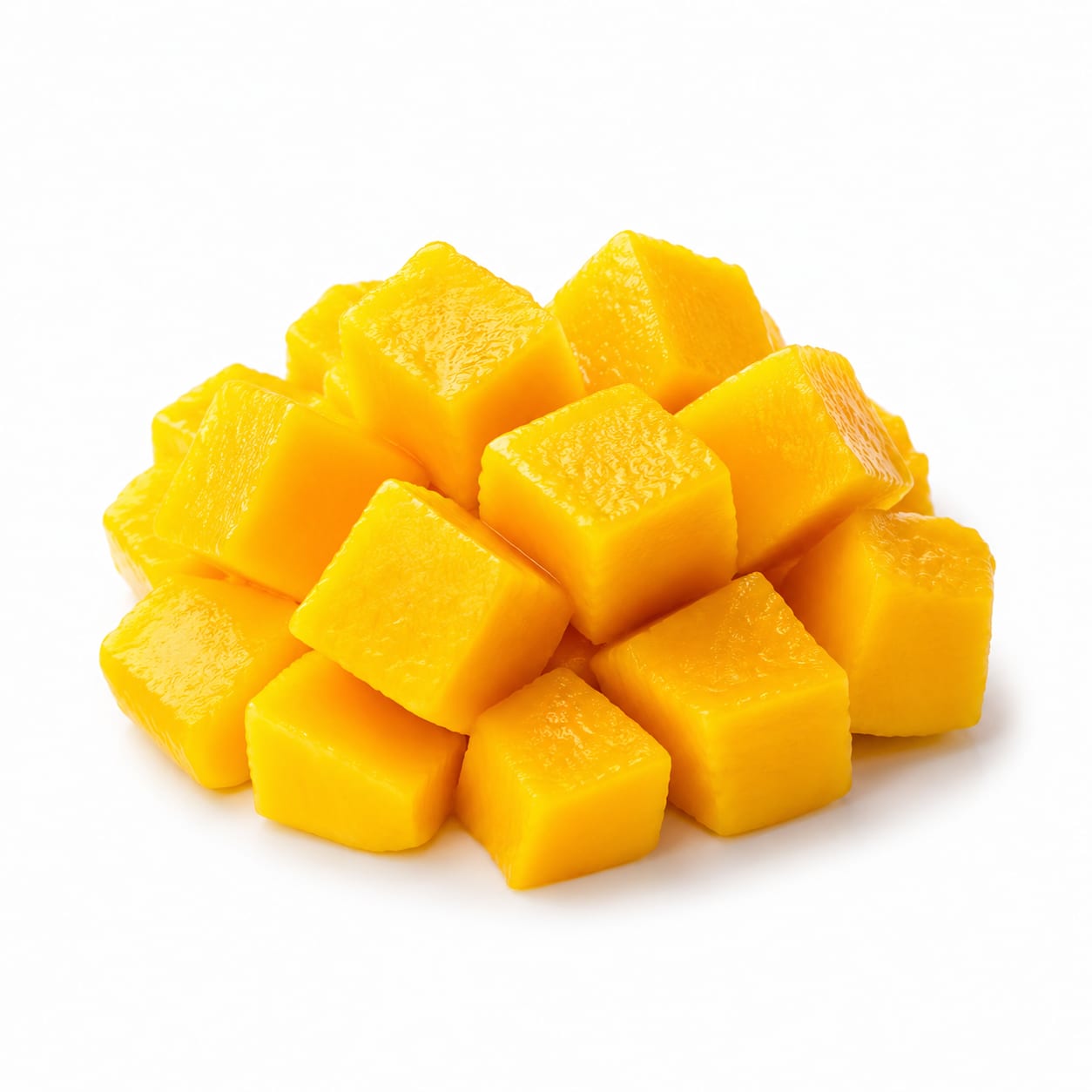
Compare with
Mango
Mango is richer in vitamin A and slightly lower in fiber, while custard apple offers more vitamin C and a creamier texture.
Mango is lower in fiber and slightly lower in calories than custard apple, but both are high-sugar tropical fruits that require portion control.
This food
Custard Apple
VS85% alike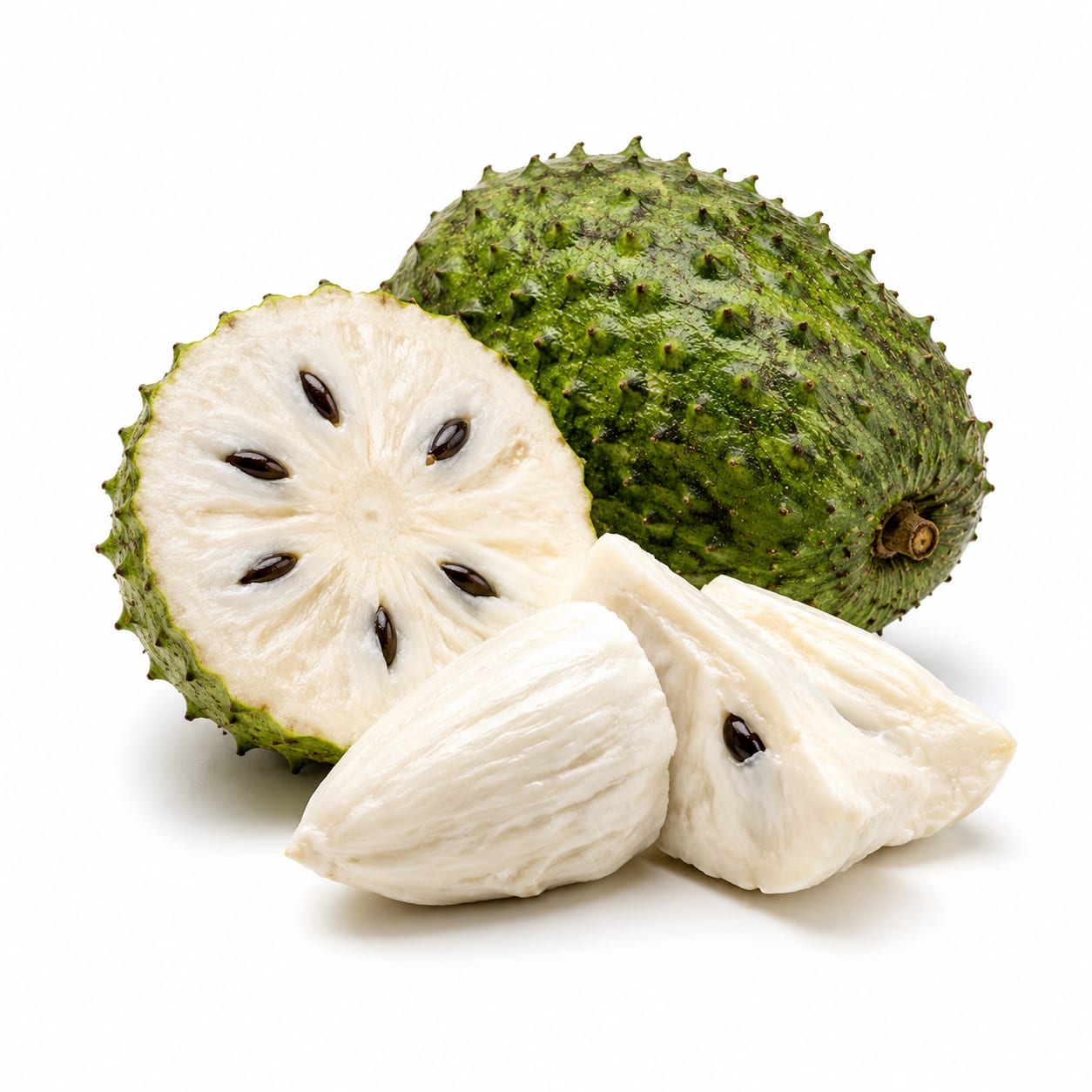
Compare with
Soursop
Soursop is significantly lower in calories and sugar, with a fibrous rather than custardy texture, making it better for weight loss.
Soursop is lower in sugar and calories than custard apple, making it the better choice for weight management, while custard apple provides quicker energy.
This food
Custard Apple
VS75% alike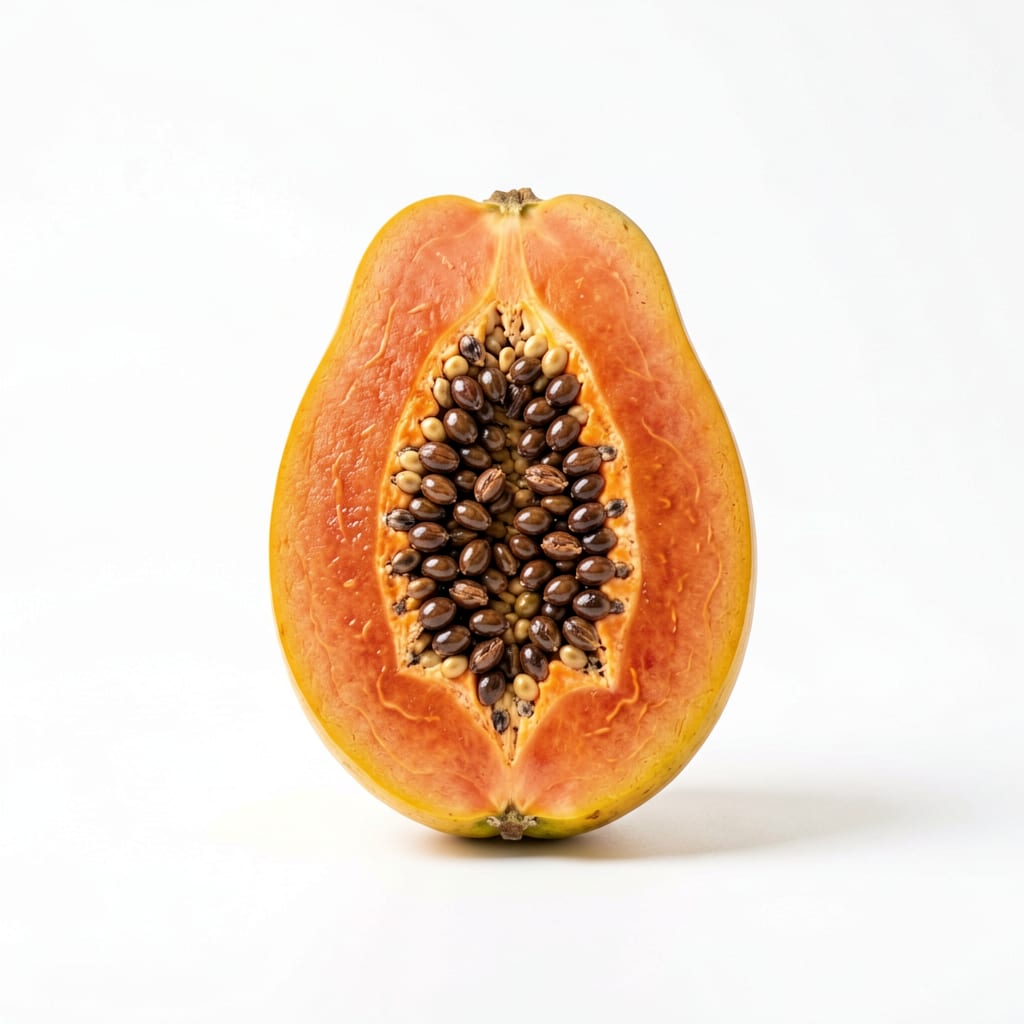
Compare with
Papaya
Papaya is much lower in calories and sugar, offering digestive enzymes like papain, whereas custard apple is denser and sweeter.
Papaya is a much lower-calorie and lower-sugar tropical fruit compared to custard apple, making it better for weight loss and blood sugar control.
This food
Custard Apple
VS70% alike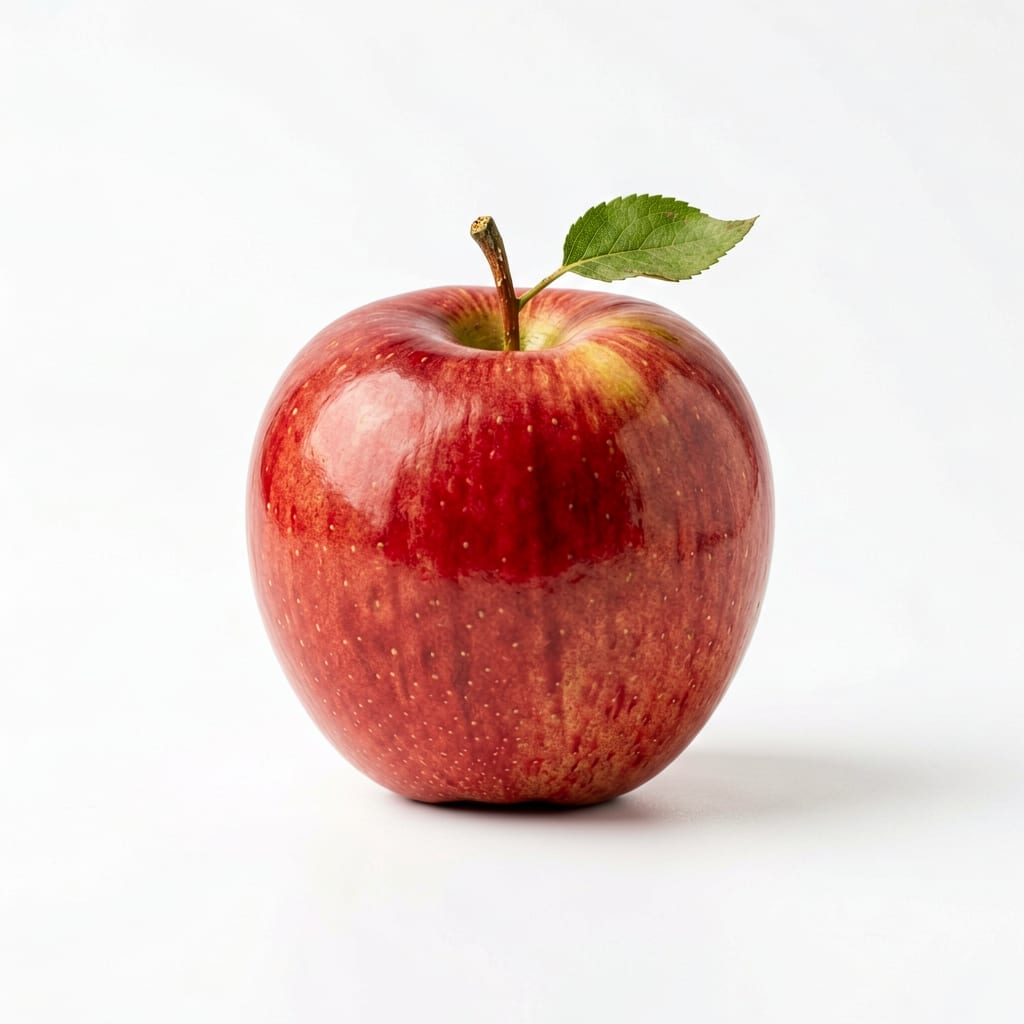
Compare with
Apple
Apples are significantly lower in calories and sugar with a lower glycemic load, making them far superior for weight loss and blood sugar management.
Apples are lower in calories and sugar with a lower glycemic load than custard apples, making them a better everyday choice for weight management.
This food
Custard Apple
VS75% alike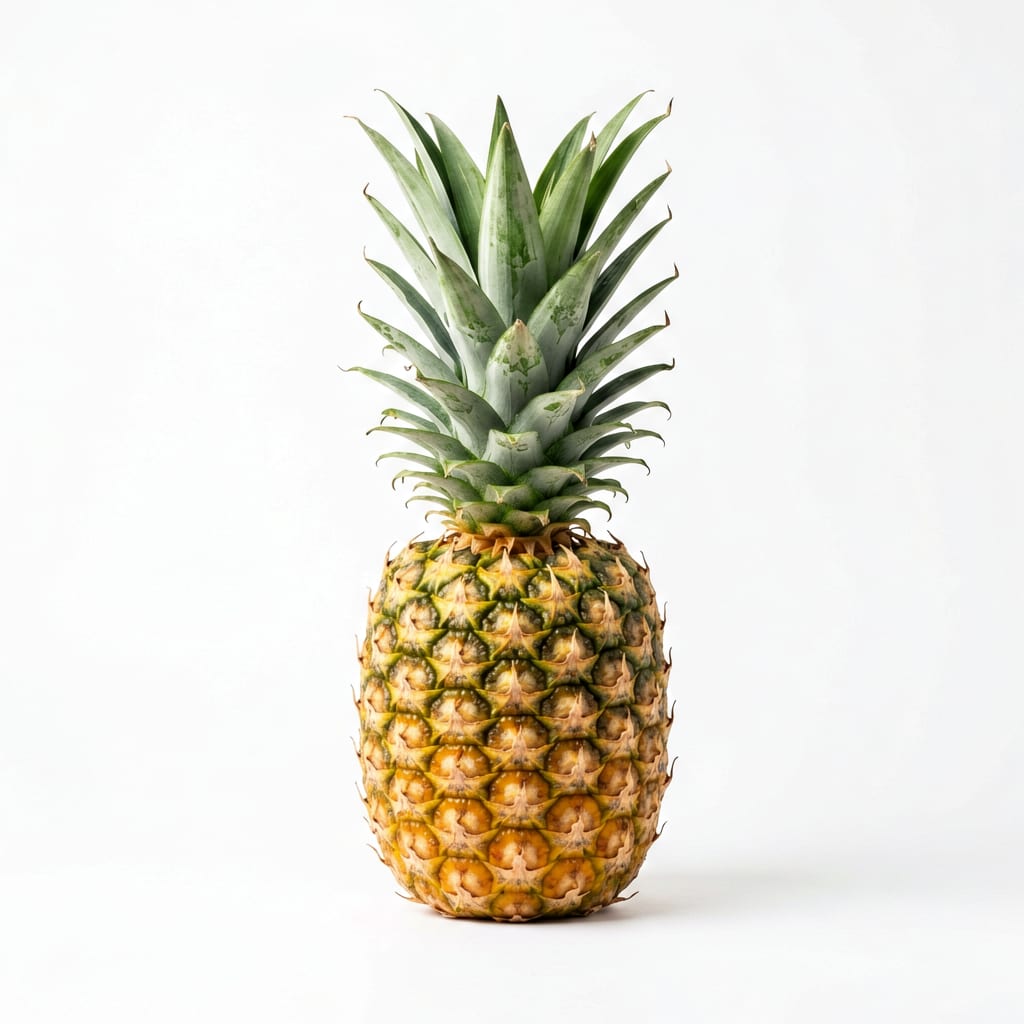
Compare with
Pineapple
Pineapple has slightly less sugar and fewer calories per 100g, plus anti-inflammatory bromelain enzymes, making it a slightly leaner choice.
Pineapple is lower in calories and rich in anti-inflammatory enzymes, while custard apple is higher in sugar and provides a creamier texture.
This food
Custard Apple
VS70% alike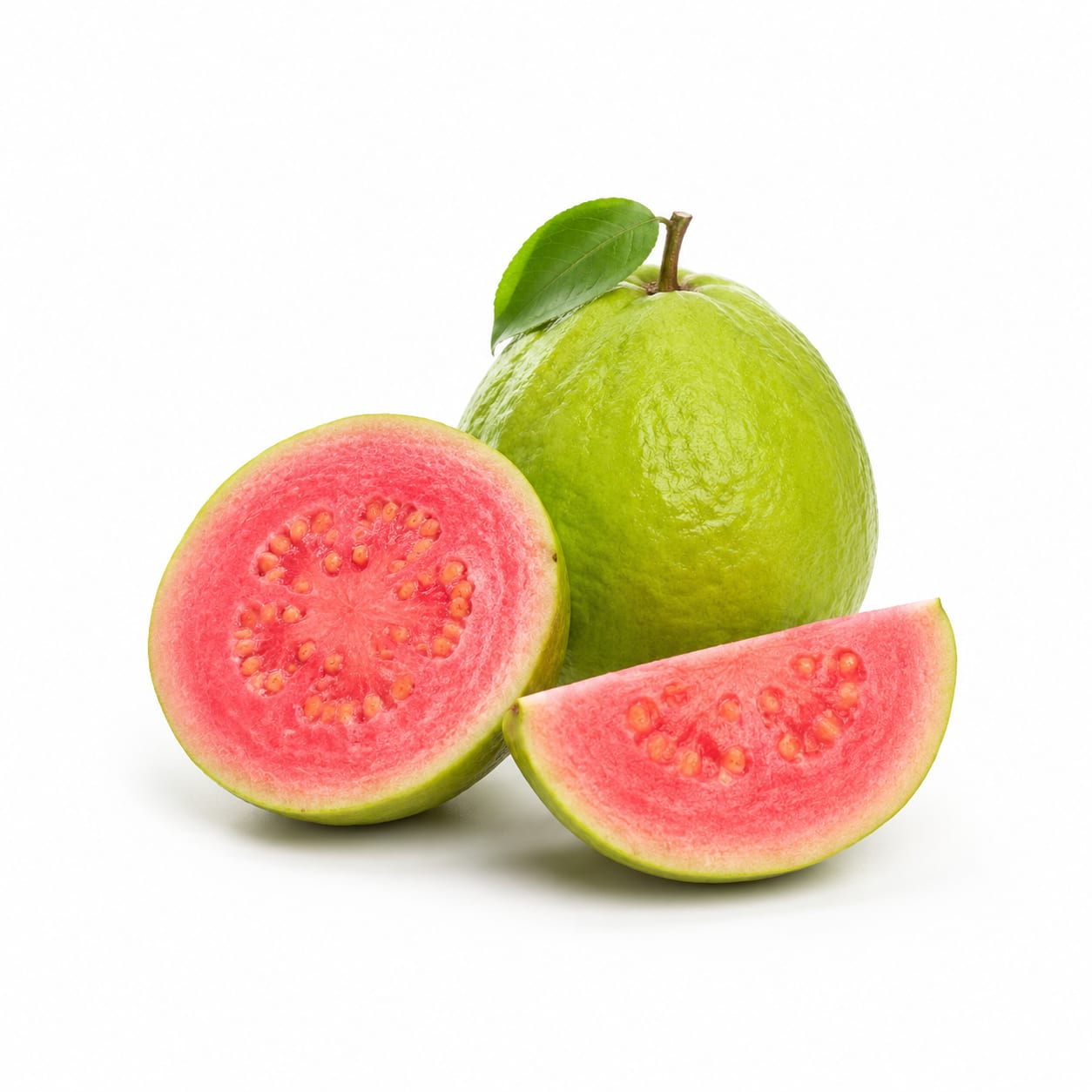
Compare with
Guava
Guava is a nutritional powerhouse with vastly more fiber, vitamin C, and protein, alongside significantly less sugar, outperforming custard apple in almost all health metrics.
Guava is much higher in fiber and vitamin C with far less sugar than custard apple, making it the superior choice for weight loss and blood sugar control.
This food
Custard Apple
VS65% alike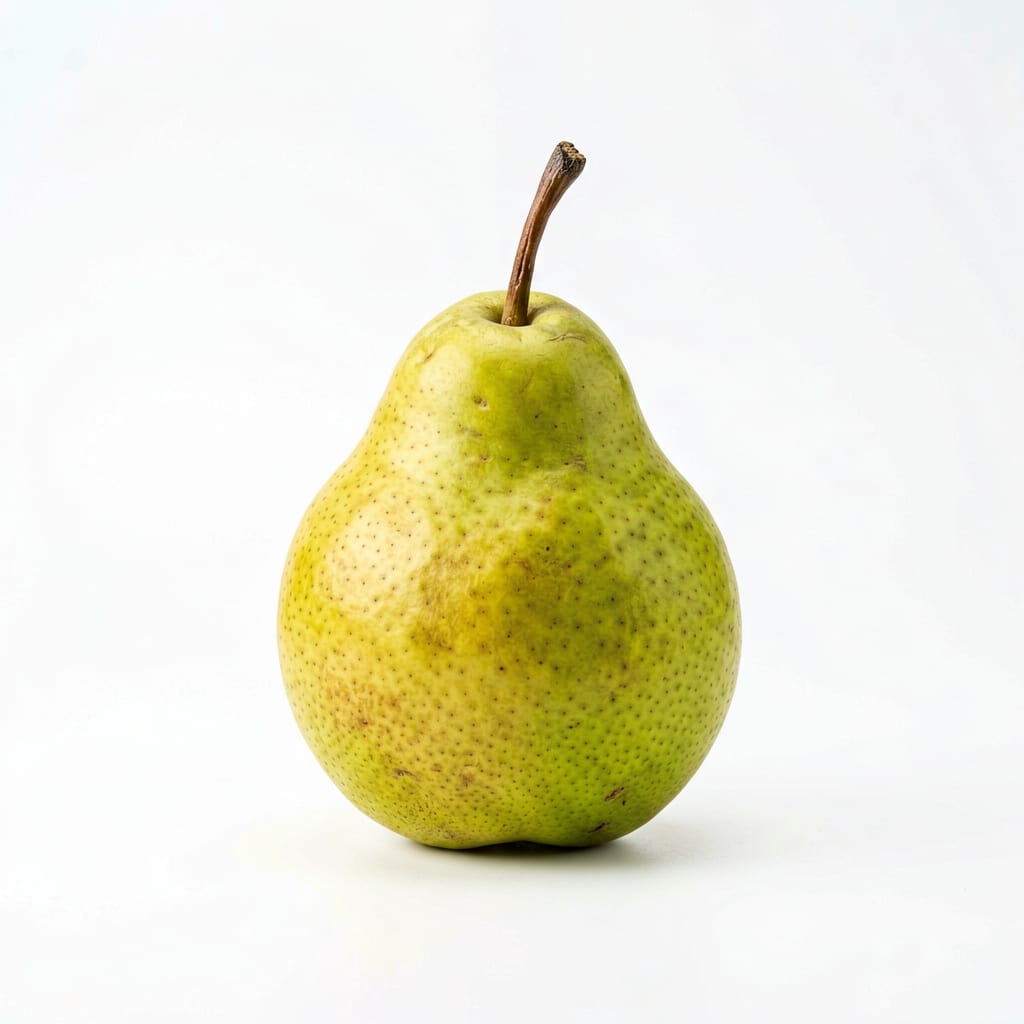
Compare with
Pear
Pears offer similar fiber content but with significantly less sugar and a lower calorie density, making them a safer choice for steady energy and dieting.
Pears provide similar fiber to custard apple but with much less sugar, making them a better option for managing calorie intake and blood sugar.
This food
Custard Apple
VS60% alike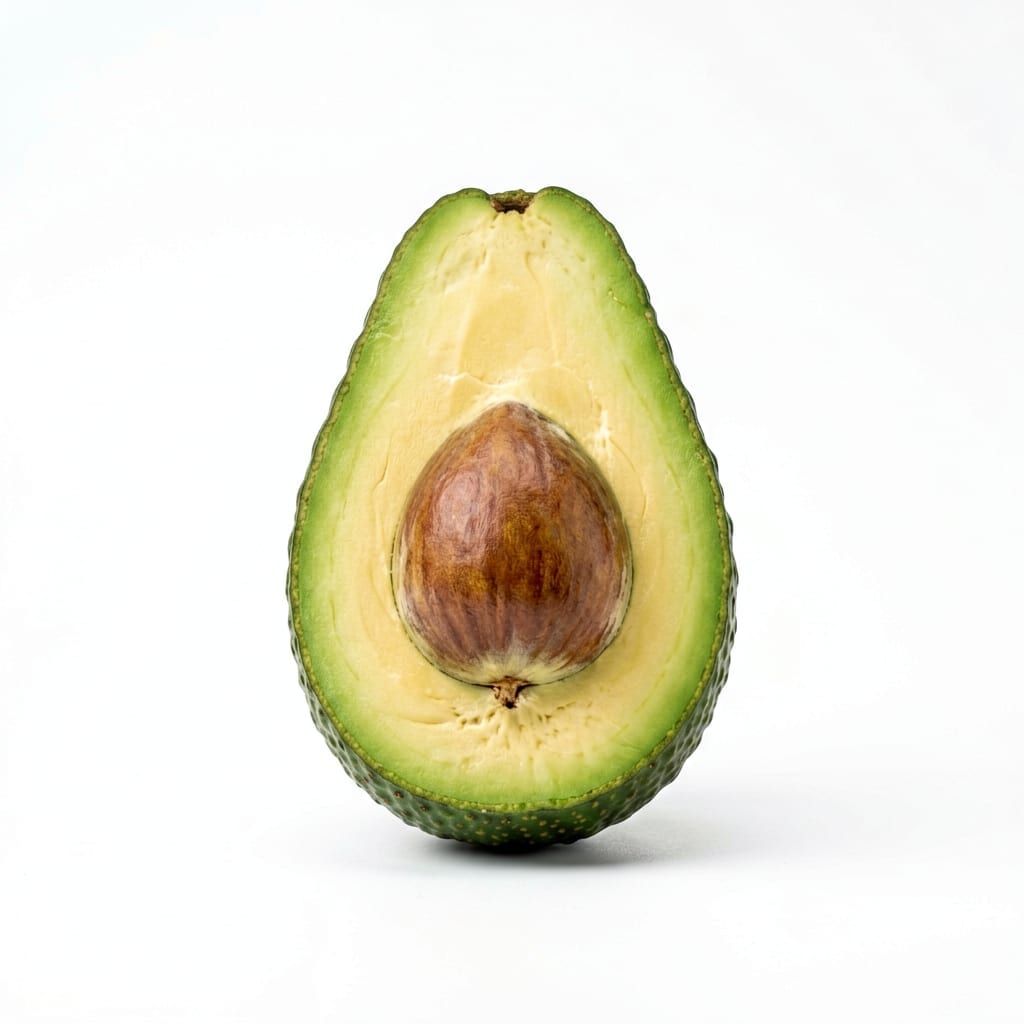
Compare with
Avocado
Avocado is high in healthy fats and virtually sugar-free, providing sustained energy and satiety, whereas custard apple relies on fast-digesting carbs.
Avocado provides healthy fats and zero sugar for sustained energy, while custard apple offers quick carbs from high sugar content.
Common questions
FAQ
Answers aligned with how people search for this food.
Is custard apple good for weight loss?
Custard apple is not ideal for weight loss due to its high calorie and sugar content. At 94 calories and 18g of sugar per 100g, it is easy to overconsume, making lower-sugar fruits like berries a better choice for weight management.
Can diabetics eat custard apple?
Diabetics should eat custard apple with caution and strict portion control. It has a medium glycemic index and 18g of sugar per 100g, which can cause rapid blood sugar spikes if eaten in large amounts.
Are custard apple seeds poisonous?
Yes, custard apple seeds are toxic. They contain annonacin, a natural neurotoxin that can cause severe health issues if consumed. Always carefully remove and discard the seeds before eating the flesh.
What does custard apple taste like?
Custard apple tastes like a blend of banana, pineapple, and vanilla. Its flesh is incredibly soft, smooth, and custard-like, making it a popular ingredient for smoothies and dairy-free desserts.
How much sugar is in a custard apple?
There are approximately 18 grams of sugar per 100 grams of custard apple flesh. A single medium fruit can contain over 30 grams of sugar depending on its size.
Is custard apple the same as cherimoya?
They are closely related but different fruits. Cherimoya is generally larger, has a smoother skin, and thrives in cooler highlands, while custard apple (sweetsop) has a bumpier, scaly skin and grows in warmer lowland tropics.
When is custard apple ripe?
A custard apple is ripe when it yields slightly to gentle pressure, similar to an avocado or peach. The skin may also turn slightly pale or yellowish-green. If it is very soft or has dark spots, it is overripe.
What are the benefits of eating custard apple?
Custard apple is rich in dietary fiber for digestion, vitamin C for immune support, and potassium for heart health. It also provides quick energy and antioxidants that help fight oxidative stress.
Transparency
Data confidence
Estimated confidence for nutrition data, interpretation, safety notes, and comparisons.
Nutrition data
Health analysis
Food safety
Comparisons