
Nutrition comparison
Soursop vs Custard Apple: Nutrition, Safety, and Which Tropical Fruit to Choose
Compare Soursop and Custard Apple side by side—nutrition, sugar content, safety concerns including annonacin risk, taste differences, and which fruit fits your health goals better.
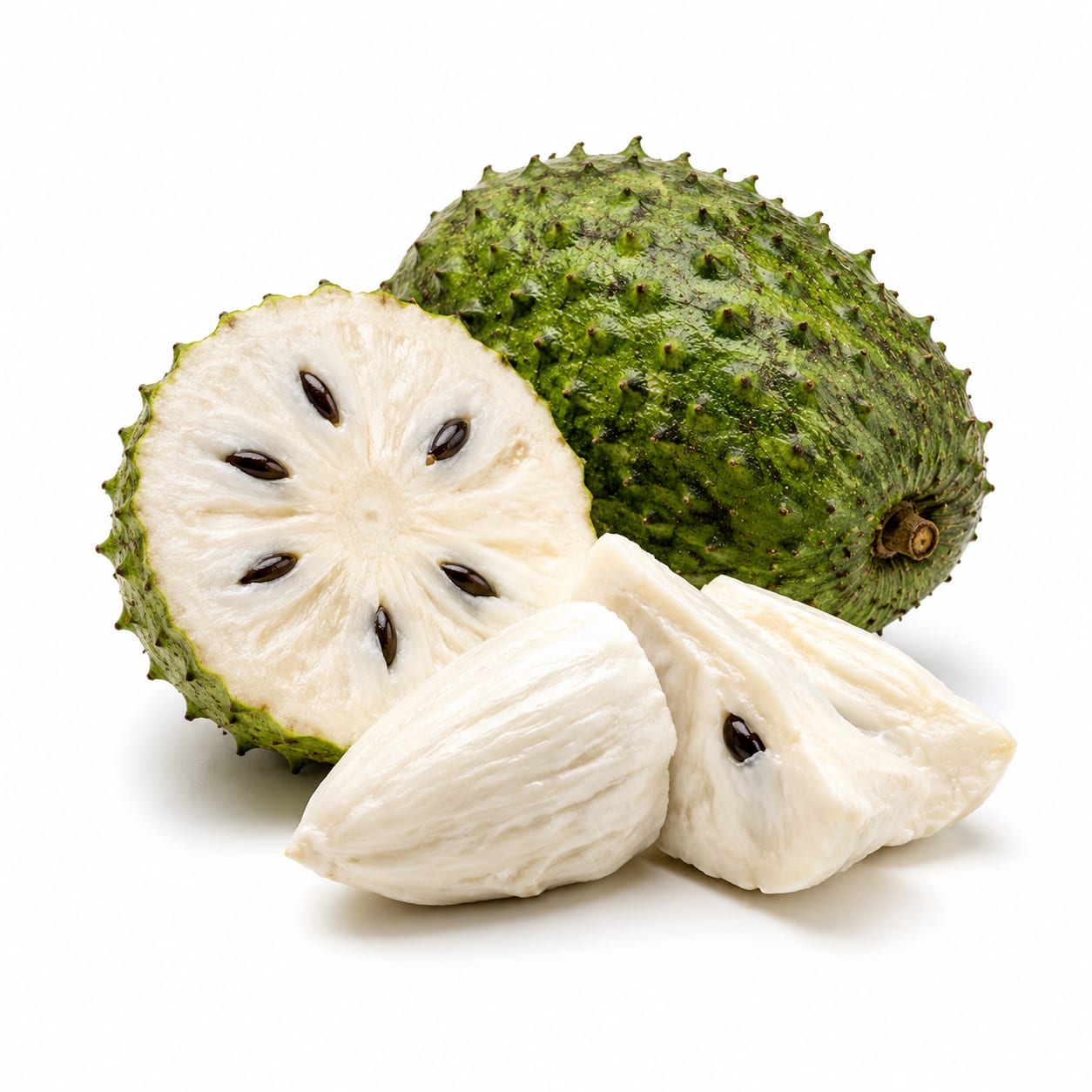
Soursop
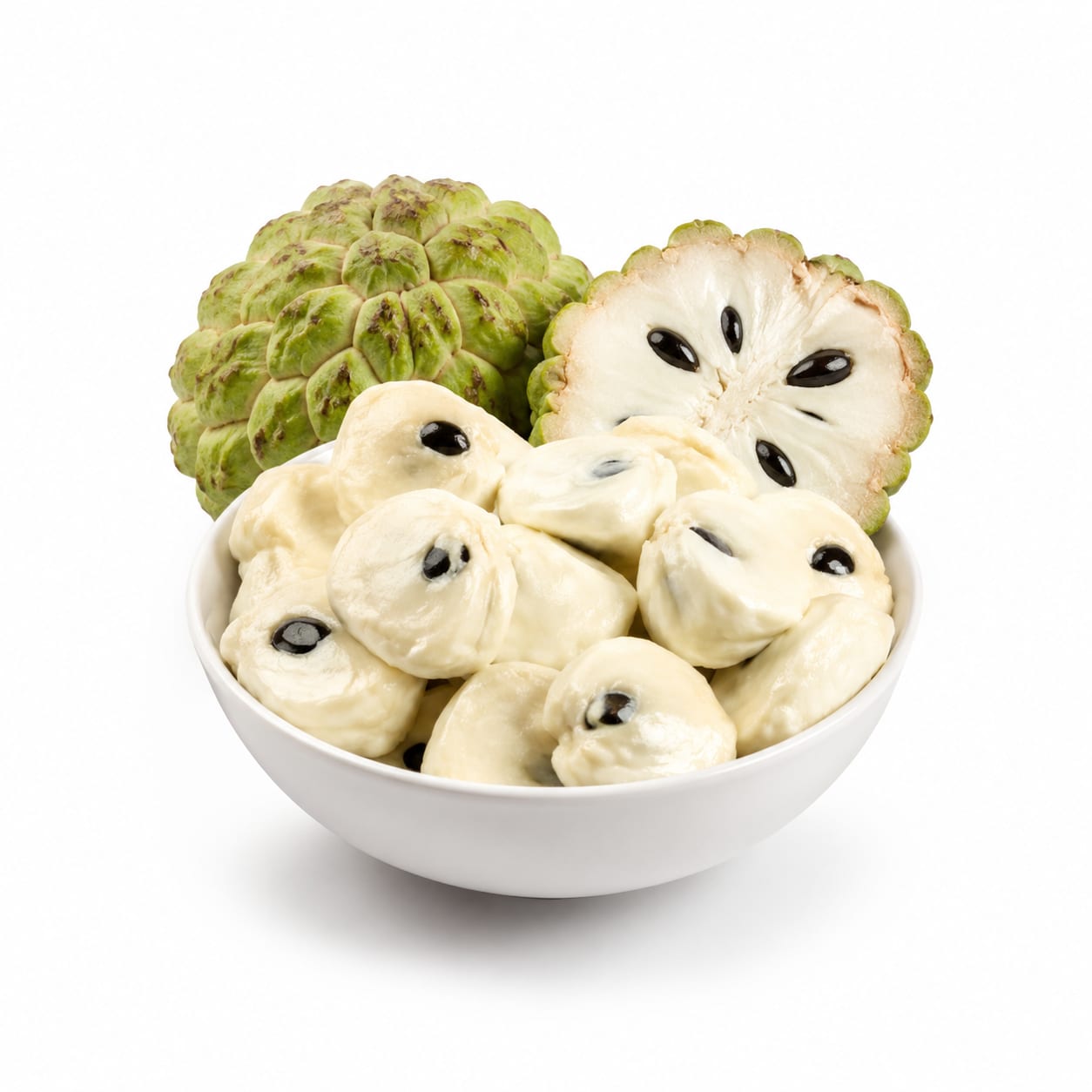
Custard Apple
Soursop wins on nutrition and blood sugar, but Custard Apple wins on taste and creaminess—both carry the same neurotoxin concern that limits frequent consumption.
Soursop scores higher due to stronger nutritional density and lower sugar, but both lose points for annonacin safety concerns that cap their suitability for regular consumption. Custard Apple's higher sugar pulls its score down further.
Soursop offers more vitamin C, fiber, and steadier blood sugar, while Custard Apple delivers a sweeter, more indulgent eating experience but with higher sugar content.
At a glance
Executive summary
Overall
It depends
Healthier
Soursop
More practical
Custard Apple
Daily use
It depends
Key comparison lenses
neurotoxin safety comparison
Both fruits contain annonacin, a compound linked to atypical Parkinson's risk with frequent consumption—this is the single most important thing users need to know
sugar and blood impact
Custard Apple is significantly sweeter and higher in sugar, making blood sugar response a key differentiator
antioxidant and immune benefits
Soursop is widely sought for its vitamin C and antioxidant reputation, which matters for users choosing between these two
digestive and fiber benefits
Both fruits offer fiber but Soursop has more, affecting satiety and gut health differently
everyday eating experience
Custard Apple is creamier and dessert-like while Soursop is tangier—taste preference drives real-world adherence
Best choice for
Soursop
- Immune support and vitamin C intake
- Blood sugar management
- Higher fiber and digestive regularity
- Antioxidant-focused nutrition
Custard Apple
- Sweeter, more satisfying dessert fruit
- Easier calorie intake for underweight individuals
- Softer texture for those with chewing difficulties
- Comforting tropical treat experience
Least suitable for
Soursop
- Anyone concerned about neurotoxin exposure with regular use
- People who dislike tart flavors
- Those seeking a sweet dessert substitute
Custard Apple
- People managing diabetes or blood sugar issues
- Anyone watching sugar intake closely
- Those concerned about neurotoxin exposure with regular use
Deep comparison
Dimension by dimension
Each lens scores both foods and breaks down who each option suits.
- Dimension 1 · Priority 95It depends
neurotoxin_safety
Soursop · 35Custard Apple · 40Both fruits contain annonacin, a neurotoxin linked to atypical Parkinson's disease in populations consuming them frequently. Neither is safe for daily long-term use.
Tradeoff
Soursop may have slightly higher annonacin concentration per gram, but Custard Apple's sweeter taste encourages larger portions, potentially increasing total exposure.
Why it matters
This is not a theoretical risk—studies in the Caribbean and Pacific islands found higher rates of atypical Parkinson's in communities eating these fruits regularly.
Real-world impact
Enjoying either fruit occasionally is fine, but making either a daily habit could pose long-term neurological risk.
Soursop
- Long-term daily consumers
- People with family history of Parkinson's
Worse for
Custard Apple
- Long-term daily consumers
- People with family history of Parkinson's
Worse for
- Dimension 2 · Priority 85Soursop
blood_sugar_impact
Soursop · 68Custard Apple · 45Soursop has notably less sugar and more fiber, leading to a gentler blood sugar response. Custard Apple is quite sweet and can spike blood sugar more noticeably.
Tradeoff
You get a more satisfying sweet treat with Custard Apple, but at the cost of a sharper blood sugar rise that may trigger cravings later.
Why it matters
For anyone monitoring glucose—diabetics, prediabetics, or people trying to avoid afternoon energy crashes—this difference matters within minutes of eating.
Real-world impact
A Soursop snack keeps energy steadier for longer. Custard Apple may leave you reaching for another snack sooner.
Soursop
- Diabetics and prediabetics
- People avoiding sugar crashes
- Intermittent fasters breaking a fast gently
Better for
- Those wanting a sweet dessert experience
Worse for
Custard Apple
- Athletes needing quick carbs post-workout
- Underweight individuals seeking easy calories
Better for
- Anyone on a low-sugar or keto-style diet
- Diabetics
Worse for
- Dimension 3 · Priority 75Soursop
vitamin_c_and_immunity
Soursop · 82Custard Apple · 55Soursop is a significantly better source of vitamin C, providing roughly double what Custard Apple offers per serving.
Tradeoff
If immune support is your priority, Soursop is clearly superior. Custard Apple still offers some vitamin C but not enough to rely on.
Why it matters
Vitamin C isn't just about colds—it supports wound healing, iron absorption, and skin health in ways you notice week to week.
Real-world impact
Eating Soursop a few times a week meaningfully contributes to your daily vitamin C target. Custard Apple contributes but won't move the needle as much.
Soursop
- Immune support during cold season
- Post-illness recovery
- Skin health and collagen support
Better for
Custard Apple
- Those specifically seeking vitamin C from fruit
Worse for
- Dimension 4 · Priority 70Soursop
fiber_and_digestion
Soursop · 72Custard Apple · 55Soursop contains more fiber per serving, supporting better digestion and longer-lasting fullness. Custard Apple provides some fiber but less per calorie.
Tradeoff
Soursop keeps you fuller for longer, but Custard Apple's creaminess can feel more satisfying in the moment despite less fiber.
Why it matters
Fiber isn't just about digestion—it's about not feeling hungry again 30 minutes after eating fruit as a snack.
Real-world impact
Soursop as a mid-morning snack holds you over better. Custard Apple may disappear from your stomach faster.
Soursop
- Constipation relief
- Longer satiety between meals
- Gut microbiome support
Better for
Custard Apple
- Gentle eating for sensitive stomachs (softer texture)
Better for
- Those relying on fruit for fiber intake
Worse for
- Dimension 5 · Priority 65Custard Apple
taste_and_eating_experience
Soursop · 60Custard Apple · 80Custard Apple lives up to its name—creamy, sweet, and dessert-like. Soursop is tangy and refreshing but more polarizing.
Tradeoff
Custard Apple is the fruit people reach for again because it tastes like a treat. Soursop is more of an acquired taste that some love and others find too sour.
Why it matters
The best fruit for you is the one you'll actually eat. Taste drives consistency more than nutrition facts.
Real-world impact
Kids and picky eaters usually prefer Custard Apple. Soursop appeals more to people who enjoy tart flavors like pineapple or green mango.
Soursop
- Fans of tart and tangy flavors
- People who find very sweet fruits cloying
Better for
- Those with strong sweet cravings
Worse for
Custard Apple
- Kids and picky eaters
- People seeking a healthy dessert alternative
- Anyone who finds tropical sourness unpleasant
Better for
- People who dislike very sweet fruit
Worse for
- Dimension 6 · Priority 70Soursop
antioxidant_profile
Soursop · 78Custard Apple · 58Soursop has been more extensively studied for antioxidant compounds and generally shows higher total antioxidant capacity than Custard Apple.
Tradeoff
Soursop's antioxidant reputation is well-earned, but the neurotoxin concern means you can't safely consume enough to fully leverage this benefit long-term.
Why it matters
Antioxidants reduce oxidative stress, which affects aging, inflammation, and disease risk—but only if you can consume the food regularly and safely.
Real-world impact
Soursop is a strong occasional antioxidant boost. But don't assume more is better given the safety ceiling.
Soursop
- Inflammation management
- Occasional antioxidant support
Better for
Custard Apple
- Those prioritizing antioxidant intake from fruit
Worse for
Timeline
Health impact over time
Short-term
Hours to days
Soursop
- Tangy flavor can stimulate digestion and appetite
- Vitamin C provides quick immune system support
- Higher fiber may cause mild bloating if eaten in large amounts
- Lower sugar means steadier energy without a crash
Custard Apple
- Sweet, creamy texture provides immediate comfort and satisfaction
- Higher sugar delivers quick energy but may cause a blood sugar dip later
- Very soft texture is gentle on the stomach and easy to digest
- Natural sugars can trigger cravings for more sweet foods
Long-term
Months to years
Soursop
- Regular consumption poses annonacin-related neurological risk—this is the dominant long-term concern
- Occasional consumption supports vitamin C status and antioxidant defenses
- Fiber contributes to long-term digestive health when part of a varied diet
- Should not be used as a daily therapeutic food despite traditional medicinal reputation
Custard Apple
- Regular consumption carries the same annonacin risk as Soursop
- Higher sugar intake from frequent consumption may affect metabolic health over time
- Occasional enjoyment as a treat is safe and can be part of a balanced diet
- Should not be relied on as a daily fruit staple
Risk profile
Safety & processing
Both Soursop and Custard Apple are whole, unprocessed tropical fruits typically eaten fresh. Neither carries processing concerns when consumed as nature intended. The main risk comes from the natural compound annonacin, not from any human-added substance.
Soursop
Annonacin neurotoxin exposure
highSoursop contains annonacin, a neurotoxin linked to atypical Parkinson's disease. Frequent or high-quantity consumption over years is the primary concern. Occasional consumption is generally considered safe.
Seed and skin toxicity
mediumSeeds and skin contain higher concentrations of toxic compounds and should never be eaten. Only the flesh should be consumed.
Unverified cancer cure claims
mediumSome people consume large amounts of Soursop as an alternative cancer treatment based on preliminary lab studies. This is dangerous—there is no proven clinical benefit, and high consumption increases neurotoxin exposure.
Custard Apple
Annonacin neurotoxin exposure
highCustard Apple also contains annonacin, carrying the same neurological risk as Soursop with frequent long-term consumption. Occasional eating is considered safe.
Seed toxicity
mediumSeeds are toxic and must be discarded completely. Accidental seed consumption can cause acute symptoms including nausea and neurological effects.
High sugar load for diabetics
mediumThe significant sugar content poses a real risk for uncontrolled diabetics who might underestimate the glycemic impact of this sweet fruit.
Who wins for whom
Audience fit
Same foods, different winners depending on your goal.
children
Custard AppleKids generally prefer the sweet, creamy taste of Custard Apple over Soursop's tartness. Just keep portions moderate and ensure seeds are fully removed.
daily consumption
It dependsNeither should be consumed daily long-term due to annonacin risk. For occasional tropical fruit rotation, both are fine—choose based on taste preference and sugar tolerance.
diabetes
SoursopSoursop's lower sugar and higher fiber create a gentler blood sugar response. Custard Apple's sweetness makes it riskier for glucose management.
elderly
Custard AppleCustard Apple's soft, custard-like texture is easier to eat for those with dental issues or swallowing difficulties. Both carry the same neurotoxin caution for long-term use.
muscle gain
Custard AppleCustard Apple provides more quick-digesting carbohydrates that can support post-workout glycogen replenishment, though neither fruit is a muscle-building staple.
weight loss
SoursopSoursop has less sugar and more fiber per serving, making it more filling with fewer calories from sugar. Custard Apple's sweetness can trigger further cravings.
Your move
Decision guide
Choose Soursop
- You want more vitamin C and antioxidant support
- You're monitoring blood sugar or reducing sugar intake
- You enjoy tart, tangy flavors over sweet ones
- You want a more filling fruit snack that curbs hunger longer
Choose Custard Apple
- You want a sweet, creamy dessert-like fruit experience
- You're eating for comfort or pleasure rather than strict nutrition
- You need soft-textured food that's easy to chew and digest
- You're an athlete wanting quick natural carbohydrates
Either works if
- You're rotating tropical fruits occasionally as part of a varied diet
- You want to try something new and both are available at your market
- You have no specific blood sugar concerns and enjoy both flavors
Avoid both if
- You have a family history of Parkinson's disease or neurological conditions
- You're already consuming annonacin-containing products regularly
- You're pregnant and cautious about neurotoxin exposure
- You tend to find a fruit you like and eat it every single day
Final recommendation
Both Soursop and Custard Apple are delicious tropical fruits worth enjoying occasionally. Soursop is the smarter nutritional choice with more vitamin C, fiber, and less sugar. Custard Apple is the more indulgent option with its sweet, creamy flesh. The critical takeaway: neither should become a daily habit due to annonacin concerns. Enjoy either a few times a month, savor the experience, and rotate with other fruits for safety and variety.
Practical
Consumer tips
- 1
Never eat the seeds or skin of either fruit—both contain higher concentrations of toxic compounds
- 2
Limit consumption to a few times per month rather than daily to minimize annonacin exposure
- 3
If you love Soursop's flavor but worry about safety, try it as an occasional juice mixed with other fruits rather than eating large quantities whole
- 4
Custard Apple is best eaten chilled—the creamy texture becomes even more dessert-like when cold
- 5
Both fruits are highly perishable—eat within 1-2 days of ripening for best flavor and safety
- 6
Avoid Soursop supplements and extracts marketed as cancer cures—these concentrate annonacin and carry serious risk with no proven clinical benefit
- 7
If you have Parkinson's in your family, consider discussing annonacin exposure with your doctor before making either fruit a regular part of your diet