
Nutrition comparison
Custard Apple vs Pear: Which Fruit is Healthier?
Compare custard apple vs pear for weight loss, diabetes, and daily nutrition. Learn which fruit has more fiber, less sugar, and better health benefits.
Overall winner · Pear
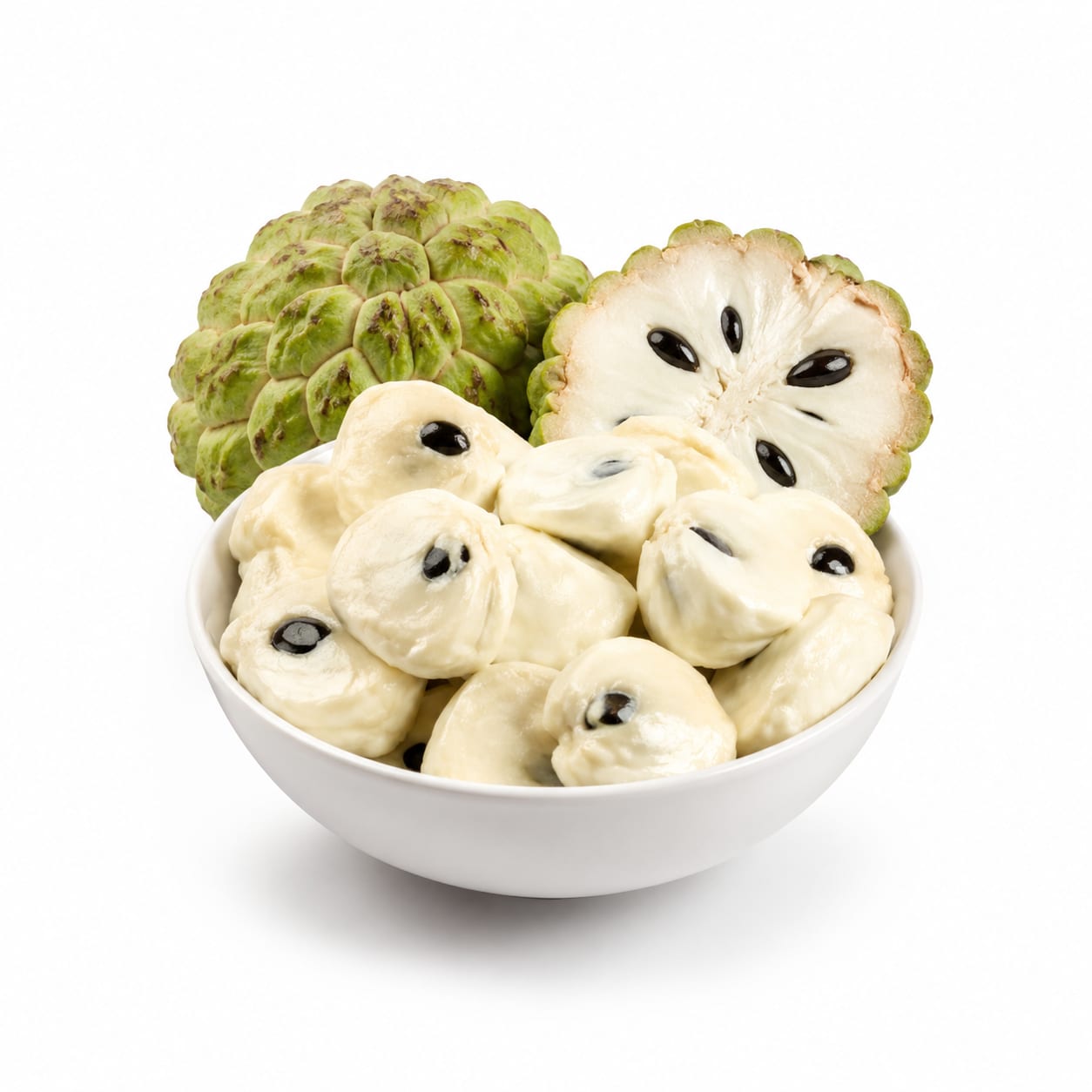
Custard Apple
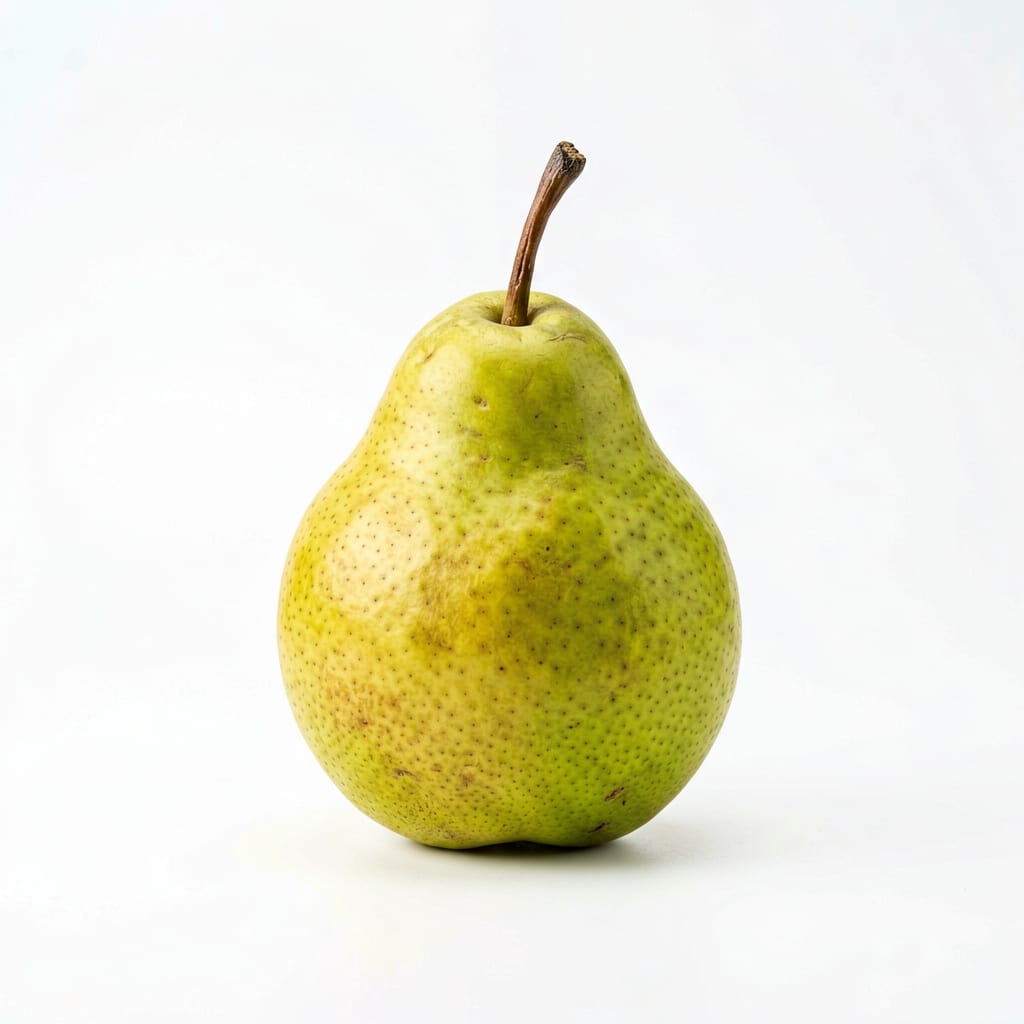
Pear
Pear is the better everyday fruit, offering more fiber, fewer calories, and steadier energy, while custard apple is a richer, sweeter treat best enjoyed in moderation.
Pear scores higher due to its superior fiber content, lower sugar load, and better suitability for daily consumption. Custard apple remains a nutritious but richer, sweeter option that requires more portion control.
Custard apple delivers a creamy, indulgent sweetness and higher certain vitamins, but at the cost of more sugar and less fiber compared to the filling, blood-sugar-friendly pear.
At a glance
Executive summary
Overall
Pear
Healthier
Pear
More practical
Pear
Daily use
Pear
Key comparison lenses
Blood sugar impact and sugar content
Custard apple is significantly sweeter and higher in sugar than pear, making glycemic response a primary concern.
Satiety and weight management
Pear offers far more fiber per calorie, keeping you full longer, while custard apple is more calorie-dense and easier to overeat.
Digestive health
Fiber type and content differ drastically, with pear being a classic digestive aid and custard apple being much lower in fiber.
Convenience and availability
Pears are widely available and store well, whereas custard apples are seasonal, fragile, and spoil quickly.
Best choice for
Custard Apple
- Active individuals needing quick natural carbs
- Those wanting a creamy, dessert-like fruit experience
- People seeking higher vitamin B6 and potassium
Pear
- People managing blood sugar or diabetes
- Anyone tracking calories or trying to lose weight
- Those needing digestive regularity and high fiber
Least suitable for
Custard Apple
- People with diabetes or insulin resistance
- Those on strict low-carb or low-sugar diets
- Consumers looking for a long-lasting pantry fruit
Pear
- Individuals needing high-calorie fruit for weight gain
- Those with severe fructose malabsorption
- People looking for a rich, creamy texture
Deep comparison
Dimension by dimension
Each lens scores both foods and breaks down who each option suits.
- Dimension 1 · Priority 95Pear
Blood Sugar Stability
Custard Apple · 45Pear · 85Pear keeps blood sugar steady thanks to high fiber, while custard apple's dense sweetness can cause sharper spikes.
Tradeoff
You trade the indulgent, quick energy of custard apple for the slow, steady burn of a pear.
Why it matters
Frequent blood sugar spikes lead to afternoon crashes and increased cravings.
Real-world impact
Eating a pear as an afternoon snack keeps you stable until dinner; custard apple might leave you hungry an hour later.
Custard Apple
- Pre-workout quick energy
Better for
- Sitting at a desk all day
- Insulin-resistant individuals
Worse for
Pear
- Sustained focus during long work sessions
- Managing diabetes
Better for
- Immediate recovery after intense endurance exercise
Worse for
- Dimension 2 · Priority 90Pear
Satiety and Calorie Control
Custard Apple · 50Pear · 88Pear is significantly more filling per calorie, making it far easier to stop at one serving.
Tradeoff
Custard apple is calorie-dense and easy to overeat due to its delicious, creamy texture, whereas a single pear is highly satisfying.
Why it matters
Foods that keep you full make weight management effortless; foods that don't require willpower.
Real-world impact
One pear feels like a complete snack. A custard apple often leaves you wanting more despite higher calories.
Custard Apple
- Hikers needing lightweight calorie density
Better for
- Mindless eating while watching TV
Worse for
Pear
- Weight loss diets
- Late-night snacking without guilt
Better for
- Bulking phases requiring high calories
Worse for
- Dimension 3 · Priority 85Pear
Digestive Health
Custard Apple · 55Pear · 92Pear is a fiber powerhouse, especially if you eat the skin, promoting excellent digestion.
Tradeoff
Custard apple provides minimal fiber compared to the heavy-duty gut support of a pear.
Why it matters
Consistent fiber intake prevents bloating and keeps your gut microbiome thriving.
Real-world impact
A pear a day helps keep you regular; custard apple acts more like a low-fiber treat.
Custard Apple
- Those with acute digestive upset needing low-fiber, soft foods
Better for
- Chronic constipation
Worse for
Pear
- Relieving constipation
- Feeding beneficial gut bacteria
Better for
- Acute diarrhea or a low-residue diet
Worse for
- Dimension 4 · Priority 75Custard Apple
Micronutrient Profile
Custard Apple · 82Pear · 70Custard apple packs more vitamin C, B6, and potassium per serving, offering a richer vitamin hit.
Tradeoff
You get more essential vitamins with custard apple, but it comes packaged with significantly more sugar.
Why it matters
Vitamin B6 supports mood and brain function, while potassium helps with hydration and muscle cramps.
Real-world impact
Custard apple is a great post-workout recovery fruit for electrolytes, while pear is a better daily maintenance fruit.
Custard Apple
- Boosting potassium intake naturally
- Supporting immune function with high vitamin C
Better for
- Those watching potassium due to kidney issues
Worse for
Pear
- Increasing vitamin K intake for bone health
- Getting more folate
Better for
- Situations requiring high B-vitamin intake from fruit
Worse for
- Dimension 5 · Priority 70Pear
Convenience and Shelf Life
Custard Apple · 35Pear · 90Pears are easy to find, transport well, and last weeks, while custard apples are fragile and perishable.
Tradeoff
Custard apple requires immediate consumption when ripe and is hard to find, whereas pears are a grab-and-go staple.
Why it matters
A healthy food you can easily buy and store is one you'll actually eat consistently.
Real-world impact
You can keep pears in your office desk or lunchbox; custard apple will bruise and spoil quickly in a bag.
Custard Apple
- Enjoying a special, seasonal treat at home
Better for
- Packing in a backpack or suitcase
Worse for
Pear
- Commuting and on-the-go snacking
- Weekly meal prepping
Better for
- Exotic fruit platters where visual impact matters
Worse for
Timeline
Health impact over time
Short-term
Hours to days
Custard Apple
- Quick energy boost from high natural sugars
- Satisfies intense sweet cravings effectively
- Provides rapid hydration and electrolytes from potassium
Pear
- Provides a steady, crash-free energy release
- Quickly relieves hunger without feeling heavy
- Soft, easy-to-digest flesh when ripe
Long-term
Months to years
Custard Apple
- Frequent consumption may contribute to higher daily sugar intake
- Good source of antioxidants that fight cellular aging
- Potassium supports long-term cardiovascular health
Pear
- High fiber intake reduces risk of chronic gut issues
- Supports healthy cholesterol levels
- Low calorie density aids sustainable weight maintenance
Risk profile
Safety & processing
Both custard apple and pear are whole, natural fruits with no artificial additives when purchased fresh.
Custard Apple
Toxic seeds
highCustard apple seeds contain annonacin and other toxic compounds that can cause neurological issues if crushed and consumed; they must be carefully avoided.
Rapid spoilage
mediumFerments quickly once ripe, potentially causing mild stomach upset if eaten overripe.
Pear
Pesticide residue
mediumPears often rank high on the EWG's Dirty Dozen list for pesticide residue; washing thoroughly or choosing organic is advisable.
Fructose malabsorption
lowPears are high in fructose, which can cause bloating or gas in sensitive individuals with IBS.
Who wins for whom
Audience fit
Same foods, different winners depending on your goal.
children
PearPear is safer with no toxic seeds, easier to digest, and provides steady energy without a sugar rush and crash.
daily consumption
PearPear is easier to find, store, and incorporate daily without excessive sugar intake or digestive slowdown.
diabetes
PearPear has a lower glycemic load and significantly more fiber, preventing sharp blood sugar spikes.
elderly
PearPear supports digestive regularity and heart health without the high sugar load that older metabolisms struggle to process.
muscle gain
Custard AppleCustard apple provides more quick-digesting carbs and potassium, which are useful for post-workout glycogen replenishment and cramp prevention.
weight loss
PearPear's high fiber and low calorie density make it far more filling and easier to fit into a calorie deficit.
Your move
Decision guide
Choose Custard Apple
- You are highly active and need quick carbs and electrolytes
- You want a rich, dessert-like fruit to satisfy a sweet tooth
- You struggle to get enough potassium or vitamin B6 in your diet
Choose Pear
- You want a filling, low-calorie snack for weight management
- You need steady energy without a sugar crash
- You want to improve your digestion and fiber intake
Either works if
- You just want a natural, whole-food sweet treat
- You are looking for vitamin C from whole fruits
Avoid both if
- You are on a strict very-low-carb or ketogenic diet
- You have severe fructose intolerance or malabsorption
Final recommendation
Make pear your daily go-to fruit for reliable fiber, steady energy, and easy calorie control. Enjoy custard apple as an occasional, decadent treat when you crave something creamy and sweet, but keep portions in check due to the high sugar content.
Practical
Consumer tips
- 1
Always discard custard apple seeds completely, as they are toxic and should never be blended or chewed.
- 2
Eat pears with the skin on to get the maximum fiber and antioxidant benefit.
- 3
Choose organic pears when possible to avoid high pesticide residues on the skin.
- 4
If a custard apple is hard, let it ripen at room temperature until it yields to gentle pressure, then eat immediately.
- 5
For a balanced snack, pair a pear with a handful of almonds or a spoonful of peanut butter to add protein and fat.