
Nutrition comparison
Custard Apple vs Apple: Which is Healthier?
Compare custard apple vs apple for nutrition, sugar, and health benefits. Discover the tradeoffs between these two fruits and which is better for your diet.
Overall winner · Apple
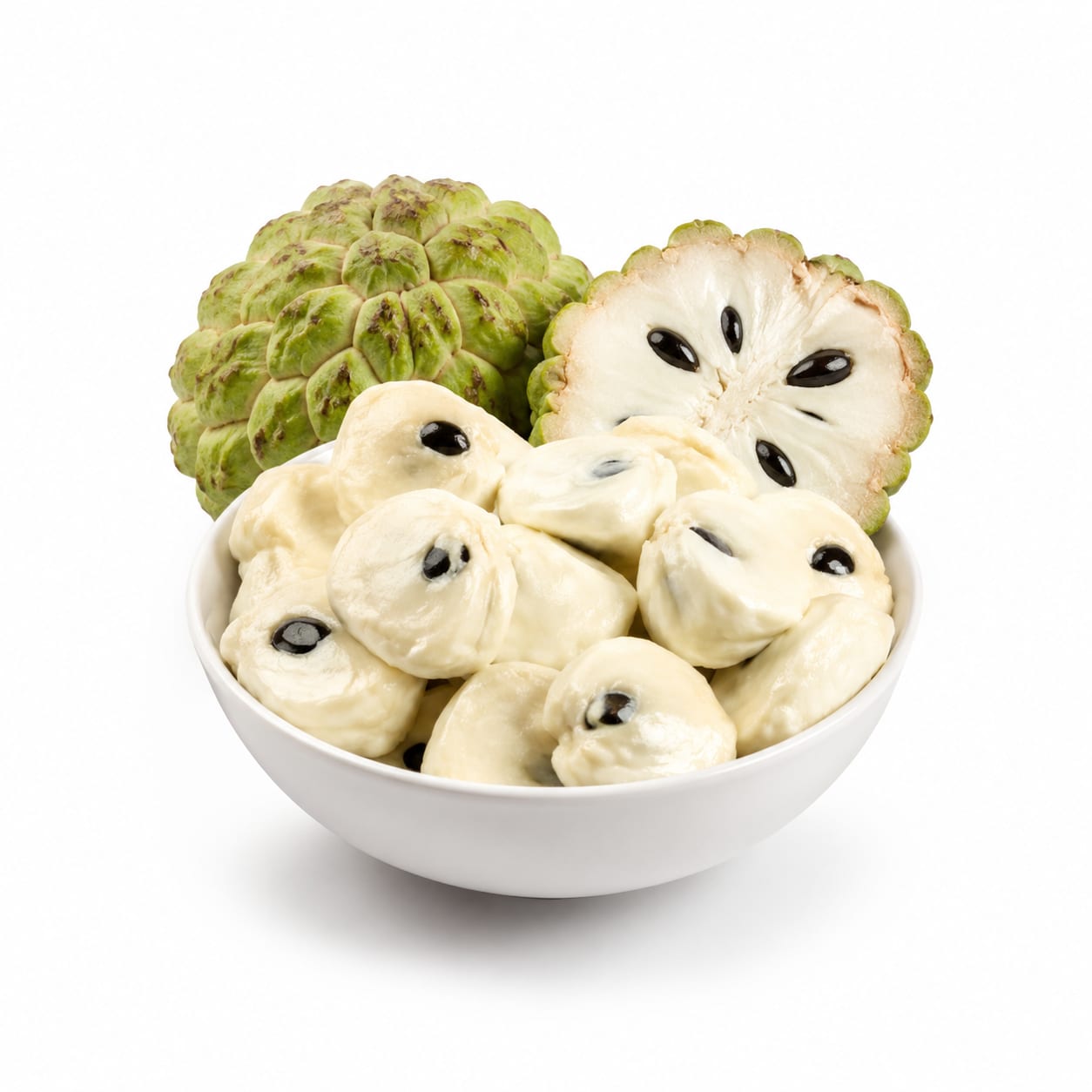
Custard Apple
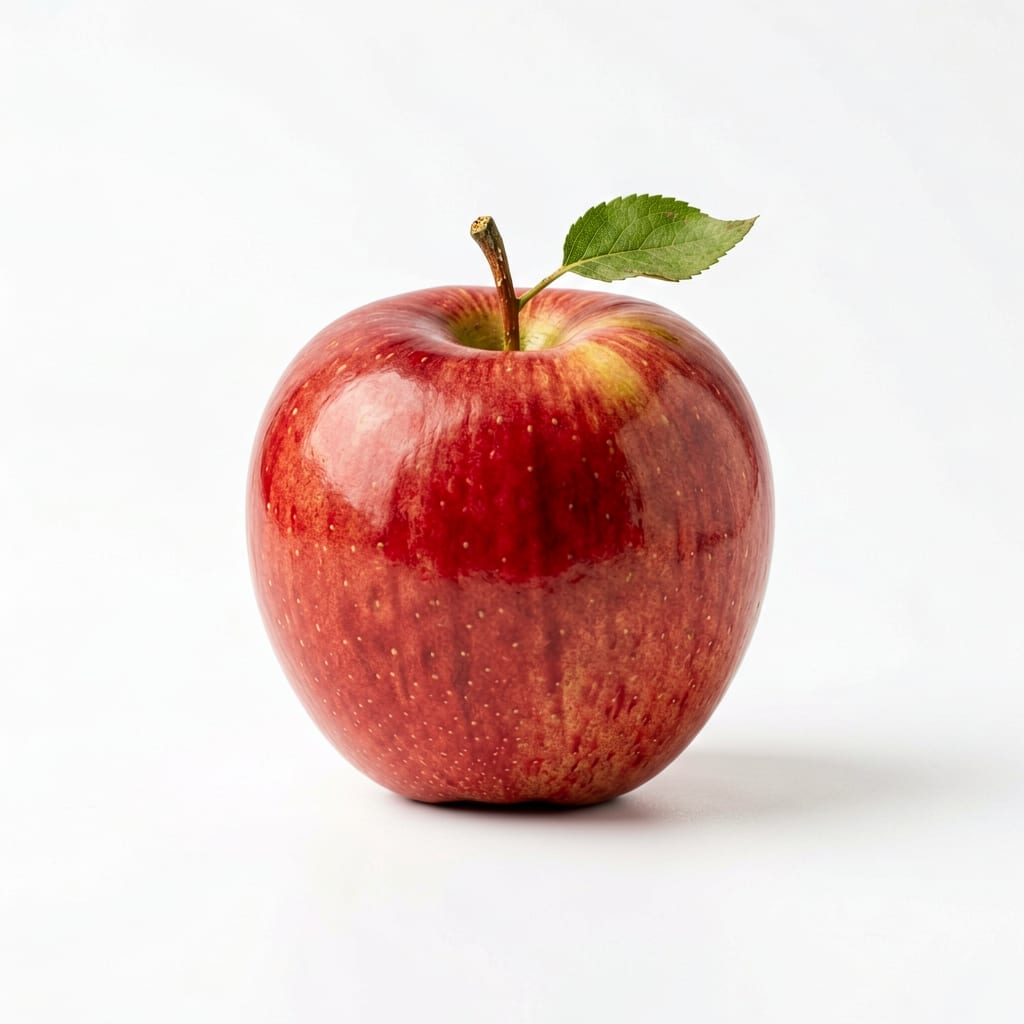
Apple
Apples are a lower-sugar, everyday staple, while custard apples offer a richer, creamier nutrient boost but with higher sugar and seed toxicity risks.
Apples score higher due to superior daily practicality, lower sugar, and safety. Custard apples are nutritionally excellent but dragged down by high sugar and toxic seeds.
You trade the steady energy and convenience of an apple for the tropical micronutrient density and creamy sweetness of a custard apple.
At a glance
Executive summary
Overall
Apple
Healthier
Apple
More practical
Apple
Daily use
Apple
Key comparison lenses
sugar and energy stability
Custard apples contain more than double the sugar of apples, making blood sugar impact a primary concern.
safety and convenience
Custard apple seeds are toxic and require careful removal, whereas apples are grab-and-go.
micronutrient density
Custard apples offer significantly more Vitamin B6, potassium, and magnesium than apples.
weight management
The calorie and sugar density difference heavily impacts which fruit fits a calorie-controlled diet.
Best choice for
Custard Apple
- people needing a calorie-dense, soft-textured fruit
- those wanting a tropical magnesium and B6 boost
Apple
- people managing blood sugar or weight
- anyone needing a portable, everyday snack
Least suitable for
Custard Apple
- young children due to toxic seeds
- people on strict low-sugar diets
Apple
- those with severe FODMAP sensitivities
- people looking for high-calorie energy
Deep comparison
Dimension by dimension
Each lens scores both foods and breaks down who each option suits.
- Dimension 1 · Priority 95Apple
Blood Sugar & Energy Stability
Custard Apple · 40Apple · 85Apples provide steadier energy with significantly less sugar per serving, whereas custard apples deliver a sweeter, faster energy spike.
Tradeoff
The creamy sweetness of a custard apple comes with double the sugar load of an apple.
Why it matters
Keeping blood sugar stable prevents the afternoon crash and reduces cravings later.
Real-world impact
Eating an apple keeps you going until your next meal; a custard apple might leave you hungry sooner due to the sugar rush.
Custard Apple
- pre-workout quick energy
- satisfying a sweet tooth naturally
Better for
- fasting routines
- diabetic meal plans
Worse for
Apple
- avoiding the afternoon slump
- managing insulin resistance
Better for
- immediate high-intensity fueling
Worse for
- Dimension 2 · Priority 85Custard Apple
Micronutrient Density
Custard Apple · 88Apple · 65Custard apples are surprisingly rich in Vitamin B6, potassium, and magnesium, outshining apples in mineral content.
Tradeoff
You get more essential minerals from custard apples, but at the cost of higher sugar calories.
Why it matters
B6 and magnesium are crucial for nerve function and mood regulation, which many people lack.
Real-world impact
Adding custard apple to your diet can help with muscle recovery and stress management better than an apple.
Custard Apple
- boosting electrolytes after sweating
- supporting nerve health
Better for
- strict calorie-cutting phases
Worse for
Apple
- getting a steady dose of everyday vitamin C
- maintaining basic antioxidant intake
Better for
- replenishing severe mineral deficiencies
Worse for
- Dimension 3 · Priority 80Apple
Satiety & Calorie Control
Custard Apple · 50Apple · 82Apples are lower in calories and higher in relative fiber, making them much more filling per calorie.
Tradeoff
Custard apples are calorie-dense and easy to overeat due to their creamy, dessert-like texture.
Why it matters
Feeling full on fewer calories is the cornerstone of sustainable weight management.
Real-world impact
You can eat two apples for the same calories as one custard apple, but the apples will keep you full much longer.
Custard Apple
- bulking up when you need extra calories
- hiking or endurance fuel
Better for
- calorie-restricted eating
- late-night snacking
Worse for
Apple
- weight loss diets
- mindless snacking prevention
Better for
- heavy caloric deficits when hiking
Worse for
- Dimension 4 · Priority 90Apple
Convenience & Safety
Custard Apple · 35Apple · 90Apples are grab-and-go with no toxic parts, while custard apples require careful seed removal and are highly perishable.
Tradeoff
The exotic appeal of custard apples demands careful handling and seed avoidance, unlike the rugged, safe apple.
Why it matters
If a food is hard to prep or risky, you are less likely to eat it regularly or give it to kids.
Real-world impact
Tossing an apple in a lunchbag is effortless; packing a custard apple risks a mushy mess and toxic seed exposure.
Custard Apple
- enjoying a special weekend treat at home
Better for
- busy mornings
- toddlers
Worse for
Apple
- on-the-go snacking
- kids' lunchboxes
- meal prepping
Better for
- culinary experimentation
- tropical recipe authenticity
Worse for
- Dimension 5 · Priority 70It depends
Digestive Comfort
Custard Apple · 70Apple · 70Custard apples are soft and gentle on the stomach, while apples can cause bloating in sensitive individuals due to FODMAPs.
Tradeoff
Apples offer more bowel-stimulating fiber, but custard apples are less likely to cause gas.
Why it matters
Digestive discomfort can ruin your day, even if the food is technically healthy.
Real-world impact
If raw apples make you bloated, the soft, low-FODMAP nature of custard apple flesh feels much more comfortable.
Custard Apple
- sensitive stomachs
- people with IBS who tolerate low-FODMAP fruits
Better for
- constipation relief
Worse for
Apple
- promoting regular bowel movements
- feeding gut bacteria with pectin
Better for
- FODMAP-sensitive individuals
- people prone to gas
Worse for
Timeline
Health impact over time
Short-term
Hours to days
Custard Apple
- Quick energy boost from high natural sugars
- Soothing, creamy texture that is gentle on the throat and stomach
Apple
- Steady, sustained energy without a sugar crash
- Immediate feeling of fullness from crunchy fiber
Long-term
Months to years
Custard Apple
- Excellent mineral intake for heart and nerve health
- Risk of weight gain if eaten frequently due to high calories
Apple
- Improved gut health from consistent pectin intake
- Better long-term blood sugar regulation and weight maintenance
Risk profile
Safety & processing
Both are whole, unprocessed fruits, but conventional apples carry a higher pesticide residue risk, while custard apples are often grown with fewer sprays but have natural seed toxicity.
Custard Apple
Toxic seeds
highCustard apple seeds contain annonacin and other neurotoxic compounds that can cause severe issues if chewed or blended; they must be strictly avoided.
Rapid spoilage
mediumHighly perishable once ripe, turning mushy and fermenting quickly at room temperature.
Apple
Pesticide residues
mediumConventional apples consistently rank high on the Dirty Dozen list for pesticide residue; peeling or buying organic mitigates this.
Choking hazard for toddlers
lowWhole apples can be a choking risk for very young children if not cut properly, though seeds are generally swallowed harmlessly.
Who wins for whom
Audience fit
Same foods, different winners depending on your goal.
children
AppleApples are safe and easy to pack; custard apple seeds are highly toxic and pose a severe risk to kids.
daily consumption
AppleApples are affordable, available year-round, and have a nutritional profile that supports daily eating without excessive sugar.
diabetes
AppleApples have a lower glycemic load and significantly less sugar, making them safer for blood sugar management.
elderly
Custard AppleThe soft, creamy texture of custard apples is easier to chew for those with dental issues, and the high B6 supports aging nerves, provided seeds are removed.
muscle gain
It dependsNeither is a protein powerhouse, but custard apples offer more carbs for glycogen replenishment, while apples offer better diet control.
weight loss
AppleApples provide more volume and fullness for far fewer calories, making dieting easier.
Your move
Decision guide
Choose Custard Apple
- You want a nutrient-dense, tropical treat and do not mind the careful prep.
- You need a soft-textured, calorie-rich fruit for easy chewing or weight maintenance.
- You are looking for a natural source of magnesium and potassium.
Choose Apple
- You want a reliable, everyday snack that supports weight management.
- You need steady energy without a sugar spike.
- You are packing food for kids or eating on the go.
Either works if
- You just want a whole-food dessert instead of processed sweets.
- You are trying to increase your daily fruit intake.
Avoid both if
- You are on a strict very-low-carb or ketogenic diet.
- You have severe fructose intolerance.
Final recommendation
Keep apples as your daily driver for steady energy and convenience, but enjoy custard apples occasionally as a mineral-rich, tropical treat—just never eat the seeds.
Practical
Consumer tips
- 1
Always cut custard apples open and meticulously remove every seed before eating or blending the flesh.
- 2
Buy organic apples if possible, or wash conventional apples thoroughly to remove pesticide residues.
- 3
If a custard apple is hard, let it ripen at room temperature until it yields to gentle pressure, then refrigerate it.
- 4
Pair an apple with a handful of nuts or peanut butter to blunt any blood sugar rise and increase satiety.